What are the best safari camps near wildlife migration routes?
August 31, 2026
What are the best safari tours from Nairobi airport?
August 31, 2026
What Is the Best Kenya Safari for Solo Travelers?
Traveling alone in Kenya can turn an ordinary holiday into a deeply personal African adventure. You choose your pace, focus on the experiences that matter most to you, and have more freedom to spend time watching wildlife, taking photographs, meeting local communities, or simply enjoying the silence of the savannah. However, choosing the right safari matters even more when you travel alone. A destination that works perfectly for a large family group may not offer the same value, comfort, or social experience for an individual traveler.
For most first-time solo travelers, the Maasai Mara National Reserve and its surrounding conservancies offer the best overall Kenya safari experience. The area combines exceptional wildlife viewing, a wide range of accommodation, flexible safari styles, and access to some of Kenya’s most famous landscapes. The Mara is also recognized as one of the country’s leading wildlife destinations, with strong year-round game viewing and the famous Great Migration adding another major attraction between July and October.
Still, the best Kenya safari for you depends on what you want from your journey. Some solo travelers want lions and leopards, while others prefer elephants, rhinos, dramatic scenery, photography, birdwatching, or a quieter wilderness. Kenya gives you all these choices. The secret lies in matching the destination, safari format, season, accommodation, and budget to your travel style.
Combined Uganda, Kenya, Rwanda and Tanzania Safaris
17 days Kenya Tanzania and Uganda safari
19 Days Uganda Kenya and Tanzania Safari
16 Days Kenya Tanzania and Uganda Safari
14 Days Kenya Uganda and Tanzania Safari
14 Days Kenya Uganda and Rwanda Safari
12 Day Gorilla Trekking and Tanzania Safari
Why the Maasai Mara Is the Best Overall Safari for Solo Travelers
The Maasai Mara stands out because it gives a solo traveler a strong balance between wildlife, scenery, accessibility, accommodation choices, and safari experiences. The reserve covers about 1,510 square kilometers and supports a remarkable concentration of wildlife, including the Big Five and a wide variety of plains animals. The ecosystem also connects naturally with the wider Serengeti ecosystem, creating one of Africa’s most important wildlife landscapes.
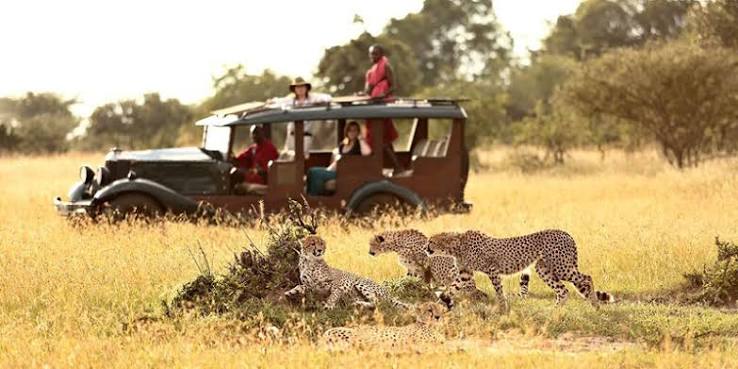
For a person traveling alone, that variety makes a major difference. You do not need to build your entire holiday around one type of activity. You can begin with early morning game drives, spend the middle of the day resting at camp, and return to the savannah later for another wildlife drive. Depending on the area and operator, you can also add cultural experiences, walking activities in suitable conservancies, photography-focused outings, or a hot-air balloon experience.
The Mara also works particularly well for travelers who prefer a social safari. Joining a small shared safari vehicle can make the trip less expensive while giving you an opportunity to meet other international travelers. At the same time, private safaris remain available when you want more control over departure times, photography stops, wildlife interests, or daily routines.
Another major advantage is wildlife consistency. The Great Migration creates its most famous scenes between July and October, but the Mara remains rewarding outside migration months. That makes the destination suitable for a solo traveler who cannot schedule a trip around one narrow wildlife event.
Why Solo Travelers Should Consider a Small Group Safari
A small group safari can be one of the smartest choices for a solo traveler who wants to control costs without sacrificing the experience. Safari vehicles, fuel, guide services, and other operating expenses become easier to manage when several travelers share them. Instead of paying the full cost of a private vehicle, you can join other guests and still enjoy professionally guided game drives.
The social side provides another advantage. Solo travel does not have to mean isolation. A well-organized group safari naturally creates opportunities to meet people from different countries and backgrounds. You may share a vehicle for several days, exchange travel ideas over meals, and even continue traveling together after leaving the Mara. That social connection can make a first African safari feel much more comfortable.
However, you should choose your group carefully. Large vehicles can feel less personal, especially during busy wildlife periods. A smaller group usually gives you more space, better opportunities to photograph wildlife, and easier communication with the guide. Ask about the maximum number of passengers before booking rather than assuming every group safari offers the same experience.
A private safari makes more sense when photography is your main priority, when you have a very specific itinerary, or when you value complete flexibility. You can spend longer with an animal sighting instead of worrying about the preferences of several passengers. For many solo travelers, the ideal solution is a small-group Maasai Mara safari with a high-quality guide.
What Is the Best Time for a Solo Safari in Kenya?
The best time for a Kenya safari depends on what you want to see, how you want to travel, and how much flexibility you have with your budget. Kenya offers excellent safari possibilities throughout much of the year, but different seasons create different experiences.
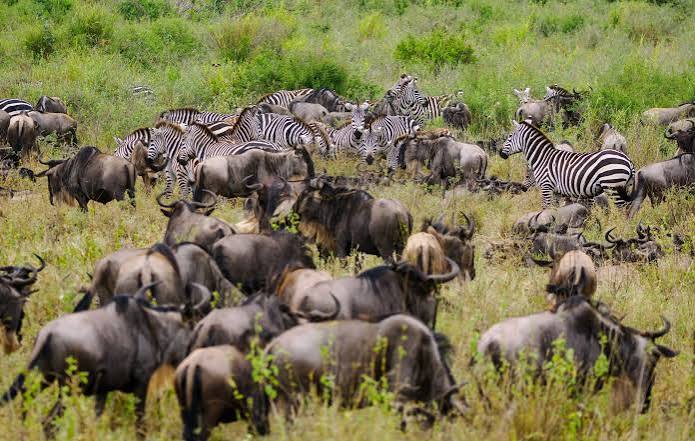
The period from July to October attracts major international attention because of the Great Migration in the Maasai Mara. Millions of wildebeest and large numbers of zebras and other grazing animals move through the wider Serengeti-Mara ecosystem, while predators follow the herds. The famous Mara River crossings can occur during this period, although wildlife never follows a fixed schedule and no responsible operator should guarantee a crossing on a particular day.
For solo travelers, peak migration months can offer extraordinary wildlife opportunities, but they also require careful planning. Accommodation can fill quickly, and popular areas can become busier. Booking early becomes especially important when your dates are fixed.
The quieter periods can provide a different advantage. Travelers who prioritize peaceful game drives, more personal attention, and potentially greater flexibility may prefer periods outside the busiest migration window. Kenya’s official tourism information also highlights year-round wildlife viewing across the southern safari circuit, including the Maasai Mara and Amboseli.
Rather than searching for one universal “best month,” choose the season that supports your main objective. Migration photography, low-pressure wildlife viewing, birdwatching, scenery, and budget-conscious travel can each point toward different dates.
The Best Accommodation Style for Solo Safari Travelers
Accommodation can strongly shape your solo safari experience. The best option is not always the most luxurious lodge. Instead, look for a property that combines security, reliable service, good food, comfortable rooms, and easy access to wildlife activities.
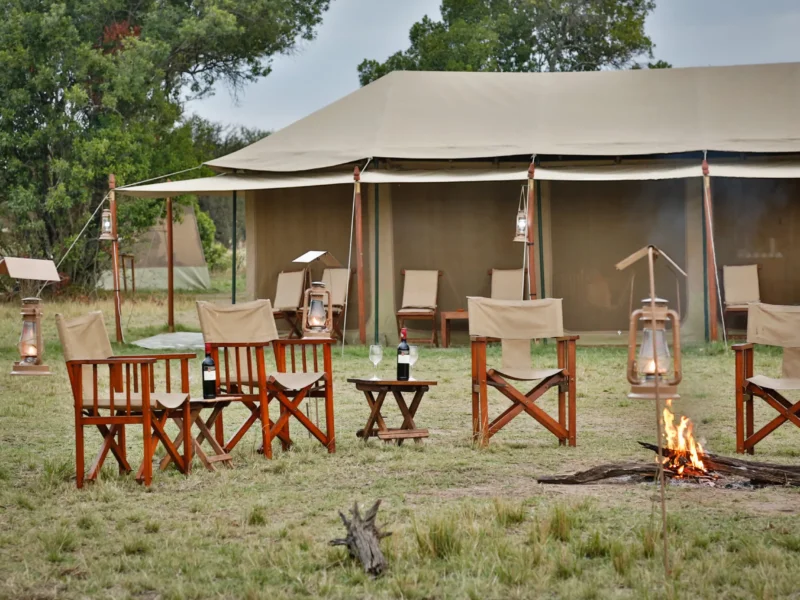
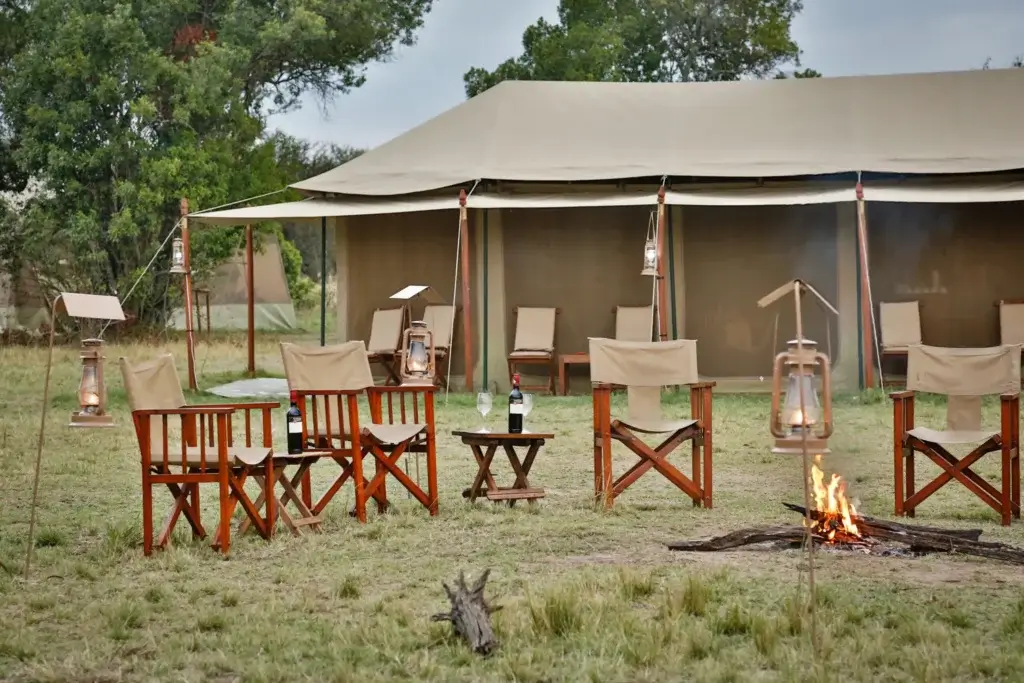
Tented camps can be particularly appealing to solo travelers because they create a closer connection with the natural environment while often maintaining high standards of comfort. Many camps also have communal dining areas where guests naturally meet one another. That can be valuable when you want company without having to organize social activities yourself.
Luxury lodges and high-end camps provide another level of comfort. They work well for travelers who prefer private rooms, strong service, refined dining, and carefully planned experiences. Mid-range camps can offer a better balance between comfort and cost, which makes them attractive for travelers who want to spend more of their budget on the safari itself.
Location matters just as much as the room. A cheaper property located far from the area you want to explore can create long driving times and reduce time spent watching wildlife. Before booking, check the camp’s location, access arrangements, transfer options, meal plan, and what safari activities the property can organize.
Most importantly, tell the accommodation provider that you are traveling alone. A professional property can help coordinate transfers, meals, activities, and other details so you do not need to manage every logistical step yourself.
Is Kenya Safe for Solo Safari Travelers?
Kenya can be an excellent destination for solo travelers, but responsible planning remains essential. A safari is not the same as a city holiday because you will spend time in remote wilderness areas where wildlife, long distances, weather, road conditions, and limited services can affect the journey.
The safest approach starts with choosing an established safari operator and following the guidance of professional guides. Current UK travel advice specifically recommends using reputable tour operators when visiting game reserves and national parks, avoiding safari touts, arriving at destinations during daylight where possible, and following park rules and wardens’ instructions.
Wildlife safety deserves particular attention. Never leave a safari vehicle simply because an animal appears calm. Wild animals remain unpredictable, even when they seem accustomed to vehicles. KWS park guidance requires visitors to stay in vehicles except in designated areas, keep doors closed, move quietly, maintain appropriate wildlife distances, and follow established roads and safety rules.
Solo travelers should also separate safari safety from urban travel. Nairobi and other cities require normal precautions around valuables, transportation, nightlife, and isolated areas. Current U.S. travel guidance places Kenya at Level 2, Exercise Increased Caution, citing risks that include crime, terrorism, kidnapping, unrest, health, and traffic safety.
Good planning does not need to create fear. Instead, use reputable providers, share your itinerary, keep important documents secure, follow local advice, and allow professionals to manage the wilderness logistics.
How Much Does a Solo Kenya Safari Cost?
The cost of a solo Kenya safari can vary widely because several factors influence the final price. The biggest differences usually come from accommodation standard, safari duration, transportation method, season, park fees, vehicle arrangements, and whether you join a group or travel privately.
Solo travelers often face one challenge that couples do not: some fixed safari costs do not become dramatically cheaper simply because one person is traveling. A private vehicle, guide, fuel, or certain transfers can create a high per-person cost when only one guest pays. That makes a small-group safari especially useful for travelers who want strong value.
The smartest strategy is to compare the complete safari rather than focusing only on the advertised daily price. A cheap package may exclude park entry fees, airport transfers, meals, drinks, activities, or transportation between destinations. Another package may cost more initially but include nearly everything.
Also consider the hidden value of time. A slightly more expensive camp closer to the wildlife viewing area may save several hours of road travel. For a short solo trip, those saved hours can become additional game-drive time.
Budgeting should also include travel insurance, international flights, visas or entry requirements where applicable, tips for guides and camp staff, personal spending, vaccinations or travel-health preparations, and emergency funds. Keep a separate reserve for unexpected changes.
For most first-time solo travelers, a well-planned small-group safari provides one of the strongest combinations of affordability, companionship, and professional support.
What Other Kenya Safari Destinations Are Good for Solo Travelers?
Although the Maasai Mara offers the strongest overall choice, several other Kenya destinations can be excellent for solo travelers depending on their interests.
Amboseli National Park is a superb choice for someone who loves elephants and dramatic landscapes. KWS describes Amboseli as a classic wildlife safari destination known for large elephant herds, open plains, birdlife, and the iconic backdrop of Mount Kilimanjaro. The park also provides opportunities for cultural experiences connected with the Maasai community. For photographers, the combination of elephants, open landscapes, and mountain scenery creates exceptional visual opportunities.
Lake Nakuru National Park suits travelers who want rhinos, birds, scenic landscapes, and a more compact wildlife experience. The park supports both black and white rhinos and provides habitats for a large variety of bird species. KWS identifies approximately 450 bird species in the park, making it especially attractive to birdwatchers and nature photographers.
Tsavo East National Park appeals to solo travelers who want vast wilderness and a more rugged sense of adventure. KWS describes Tsavo East as Kenya’s largest national park, with semi-arid landscapes, red-colored elephants, the Galana River, the Yatta Plateau, and diverse wildlife.
Tsavo West National Park offers a different landscape, with volcanic scenery, Mzima Springs, lava formations, wildlife habitats, and strong historical connections. KWS also highlights opportunities for birdwatching, photography, guided activities, and night wildlife experiences where permitted.
Nairobi National Park is particularly useful for travelers with limited time. The park sits close to Nairobi and offers wildlife viewing against the city’s skyline. KWS places the park roughly 10 kilometers from Nairobi’s Central Business District, making it a practical first or final safari stop for many itineraries.
These destinations demonstrate an important point: the best Kenya safari depends on the traveler, not simply the popularity of the park.
What Is the Best Kenya Safari Itinerary for a Solo Traveler?
For a first solo visit, simplicity often creates a better experience than trying to visit too many parks. A rushed itinerary can leave you spending more time in a vehicle than watching wildlife. Instead, build a journey around two or three destinations that complement one another.
A strong first itinerary can begin in Nairobi with a short city stay and, where suitable, a visit to Nairobi National Park. From there, travel toward the Rift Valley and Lake Nakuru for rhinos, birds, and scenic game drives. Continue to the Maasai Mara for the main safari experience and spend several nights there rather than only one night.
This itinerary works because each destination adds something different. Nairobi gives you an easy arrival point, Nakuru introduces another ecosystem, and the Mara delivers the classic savannah experience. Travelers with additional time can add Amboseli for elephants and Mount Kilimanjaro views or Tsavo for a more expansive wilderness experience.
For a short five-day safari, spending too many nights across different destinations can become tiring. A simpler route with fewer hotel changes often creates more relaxed days. For seven to ten days, you gain enough time to combine the Mara with another major destination without rushing.
Solo travelers should also build one slower day into longer trips. Safari drives begin early, roads can be demanding, and constant movement can reduce enjoyment. A balanced itinerary leaves room for rest, photography, cultural experiences, and quiet moments at camp.
How Should Solo Travelers Choose a Kenya Safari Operator?
Choosing the right safari operator can have more impact on your experience than choosing between two similar lodges. A professional operator should provide clear information, reliable communication, experienced guides, realistic itineraries, appropriate vehicles, and transparent inclusions.
Start by checking exactly what the package includes. Look for accommodation, meals, park or reserve fees, transportation, game drives, airport transfers, guide services, and any special activities. Ask yourself whether the price still makes sense after adding the services that are missing.
The guide should also matter greatly in your decision. A skilled guide does much more than drive. The guide interprets animal behavior, understands tracks, reads the landscape, manages wildlife-viewing etiquette, and helps create a safer and more rewarding experience. For a solo photographer, the guide’s patience can be especially valuable.
Communication before arrival offers another useful test. A trustworthy operator should explain the itinerary clearly rather than making unrealistic promises. Wildlife remains wild, weather can change, roads can become difficult, and migration events cannot be controlled. A responsible safari company sells an experience based on realistic expectations.
Safety should remain part of the evaluation. Current travel guidance recommends reputable tour operators for game reserves and national parks and advises travelers to avoid buying safari tours from touts.
Choose professionalism over flashy promises. Clear information, proper planning, responsible wildlife practices, and dependable customer support create far more value than exaggerated claims.
How Can Solo Travelers Make Their Kenya Safari More Rewarding?
A successful solo safari becomes more rewarding when you travel with curiosity rather than a checklist. Seeing a lion is exciting, but understanding why it behaves in a particular way creates a deeper connection with the wilderness. Give yourself time to notice smaller details such as tracks, birds, insects, changing light, trees, and animal interactions.
Carry binoculars even if photography is your main interest. A good pair can reveal behavior that cameras often miss. For photography, bring enough memory cards, extra batteries, protective storage, and equipment that you can comfortably manage without another person helping you.
Dress for changing conditions. Early morning game drives can feel cold, while midday temperatures can rise quickly. Neutral-colored clothing, comfortable layers, a hat, sunscreen, and insect repellent make long drives more comfortable. KWS visitor guidance also recommends essentials such as drinking water, binoculars, sunscreen, insect repellent, cameras, and first-aid supplies in park environments.
Stay flexible. One of the greatest advantages of solo travel is the ability to focus on your own interests. You may discover that you prefer sitting quietly beside a water source instead of chasing every wildlife sighting. You might become fascinated by birds rather than big cats. You may find that sunrise drives are more enjoyable than long midday outings.
Most importantly, let the safari unfold naturally. Kenya’s wilderness does not operate on a human timetable. A quiet hour can suddenly become unforgettable when an elephant family appears, a leopard becomes visible, or a predator begins moving across the grass.
Responsible Travel Matters Even More on a Solo Safari
Solo travel creates an opportunity to make careful tourism decisions because you control where your money goes and how you behave in sensitive environments. A responsible safari should support wildlife conservation, respect communities, reduce waste, and treat local cultures with dignity.
Start with wildlife etiquette. Do not pressure your guide to chase animals, block their movement, or create stressful encounters simply to capture a photograph. KWS requires visitors to follow park rules, stay on established roads where applicable, avoid feeding wildlife, carry out waste, and maintain safe distances.
Community engagement also deserves respect. Cultural experiences should create meaningful interaction rather than reducing people or traditions to entertainment. Choose experiences that treat local communities as active participants in tourism and conservation.
Plastic reduction also matters. Kenya’s national parks operate under plastic restrictions, with single-use plastic prohibited in KWS parks. Carry a reusable water bottle and avoid unnecessary packaging.
Finally, remember that protected landscapes depend on cooperation among governments, conservation organizations, communities, tourism businesses, and visitors. KWS describes Kenya’s conservation framework as a combination of state managed protected areas, community-led conservancies, and wider conservation structures designed to connect biodiversity protection with tourism and sustainable development.
A good safari should leave you with memories, not environmental damage. Responsible choices strengthen the destinations that make the experience possible.
Final Thoughts: The Best Kenya Safari for a Solo Traveler
For most solo travelers visiting Kenya for the first time, the Maasai Mara is the strongest overall choice. It delivers the classic African safari experience through remarkable wildlife diversity, beautiful savannah landscapes, strong predator viewing, multiple accommodation styles, and the possibility of witnessing the Great Migration during the appropriate season.
However, the best safari does not simply depend on choosing the most famous destination. The right experience comes from matching the destination to your purpose. Choose Amboseli when elephants and Mount Kilimanjaro views inspire you. Choose Lake Nakuru when rhinos and birdlife are high on your list. Choose Tsavo when you want vast landscapes and a stronger sense of wilderness. Choose Nairobi National Park when your schedule allows only a short safari experience close to the capital.
For many independent travelers, a small group safari provides the ideal balance of companionship, professional support, flexibility, and cost control. A private safari becomes worthwhile when privacy, photography, customized schedules, or complete control matter more than budget.
Above everything else, choose an experienced and trustworthy safari operator. Your operator should understand Kenya’s wildlife, routes, communities, conservation rules, accommodation options, seasonal conditions, and the practical needs of international travelers. The company should also put safety and responsible tourism ahead of unrealistic promises.
When those elements come together, a solo safari becomes much more than a trip to see animals. It becomes a carefully guided journey through Kenya’s landscapes, cultures, conservation areas, and extraordinary wildlife heritage. Giant Holiday Safaris can serve as the trusted tour operator for travelers seeking a professionally planned, authentic, safe, and memorable Kenya safari built around their individual interests and travel goals.