How safe is Masai Mara safari?
August 31, 2026
What Are the Best Kenya Safari Destinations in August?
August stands among the most exciting months for a Kenya safari because the country enters one of its strongest wildlife-viewing periods. Across many parks and reserves, dry conditions make vegetation thinner, wildlife becomes easier to spot, and long sunny periods create excellent conditions for game drives, photography, and outdoor exploration. Kenya Wildlife Service identifies July through December as one of the country’s high seasons for wildlife activities, with short grasses and favorable weather often making animals easier to observe.
However, August does not offer the same safari experience everywhere. The Maasai Mara attracts travelers who want to experience the Great Migration, while Amboseli offers spectacular elephant encounters beneath the profile of Mount Kilimanjaro. Samburu brings a completely different northern Kenya landscape and a chance to search for rare dry-country wildlife. Tsavo delivers vast wilderness, red dusted elephants, volcanic scenery, and a deeper sense of scale. Lake Nakuru adds rhino viewing and excellent birdlife, while Laikipia provides a more conservation-focused experience through private and community conservancies.
That variety makes August an excellent month for both first-time visitors and experienced safari travelers. Instead of choosing a destination simply because it appears popular, it helps to match each park with your main travel goal. Think about wildlife, photography, family travel, landscapes, cultural experiences, conservation, comfort, and the amount of time available. Once you understand what each destination offers in August, you can build a safari that feels purposeful rather than rushed.
Combined Uganda, Kenya, Rwanda and Tanzania Safaris
17 days Kenya Tanzania and Uganda safari
19 Days Uganda Kenya and Tanzania Safari
16 Days Kenya Tanzania and Uganda Safari
14 Days Kenya Uganda and Tanzania Safari
14 Days Kenya Uganda and Rwanda Safari
12 Day Gorilla Trekking and Tanzania Safari
Maasai Mara: The Best Overall Choice for the Great Migration
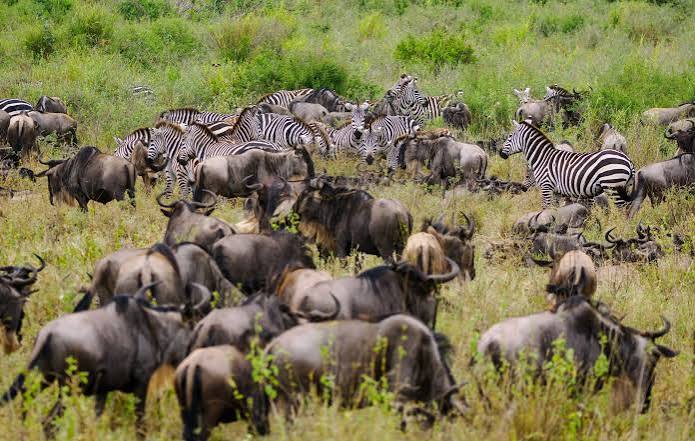
For many international travelers, the Maasai Mara represents the strongest reason to visit Kenya in August. The reserve forms part of the wider Serengeti-Mara ecosystem, and the annual movement of wildebeest and other grazing animals brings extraordinary wildlife activity to the region. Magical Kenya places the main migration season between July and October, making August one of the key months for travelers hoping to see the herds in Kenya.
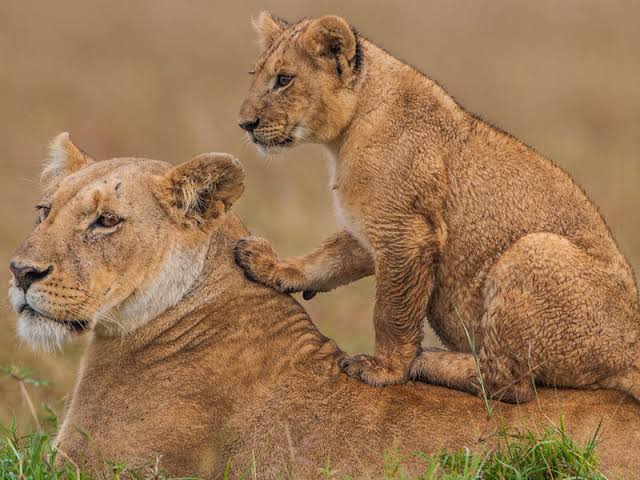
The Mara offers much more than migration. Its open grasslands support large numbers of lions, cheetahs, leopards, elephants, buffaloes, giraffes, zebras, hyenas, and many other species. The combination of abundant prey and active predators makes August especially rewarding for people who want a classic African safari filled with varied sightings. Early morning drives often provide some of the best opportunities because predators remain active while the temperature stays comfortable.
The possibility of witnessing a Mara River crossing adds another level of excitement. Yet responsible safari planning requires realistic expectations. No reputable operator can guarantee a crossing on a particular date. The herds may gather near the river, hesitate for hours or days, cross at another location, or move away entirely. Magical Kenya identifies July through October as the principal migration period and highlights the river crossings as one of the defining experiences of the season.
August also suits photographers because dry conditions can create clean views across the plains. Choose accommodation carefully, especially when migration viewing matters. Camps near productive wildlife areas can reduce long drives and give you more time in the ecosystem. A longer stay also improves your chances of seeing changing wildlife behavior rather than relying on one game drive.
Amboseli National Park: Best for Elephants and Mount Kilimanjaro Views
Amboseli National Park deserves a leading position on any August Kenya safari list. The park combines open plains, acacia woodland, thorn bush, wetlands, and marshes, creating a varied habitat that supports an impressive range of wildlife. Kenya Wildlife Service particularly highlights Amboseli for close encounters with large elephant herds and its famous views toward Mount Kilimanjaro.
August works well here because dry-season conditions can improve visibility and encourage animals to concentrate around dependable water sources. The contrast between the dry landscape and green wetland areas can create excellent wildlife-viewing opportunities. Elephants remain one of the main attractions, but travelers can also encounter lions, buffaloes, giraffes, zebras, hippos, and numerous bird species.
Mount Kilimanjaro adds a visual element that makes Amboseli especially attractive to photographers. However, mountain visibility depends on weather and cloud conditions, so no itinerary should promise a perfect mountain view on every morning. Early starts usually offer the best chance of enjoying cooler conditions, active wildlife, and favorable light before daytime heat increases.
Amboseli also provides cultural depth through experiences connected with Maasai communities. Responsible cultural tourism should treat local communities as partners rather than simply as attractions. Travelers gain more from meaningful encounters when they approach local traditions with respect, listen carefully, support legitimate community enterprises, and avoid intrusive photography.
For families, couples, photographers, and first-time safari travelers, Amboseli offers a strong balance. The wildlife can be impressive, the scenery feels unmistakably East African, and the experience can fit well into a short safari from Nairobi. KWS also lists the park as a major wildlife destination with more than 400 recorded bird species, making it valuable for birders as well as big-game enthusiasts.
Samburu National Reserve: Best for Rare Northern Kenya Wildlife
Samburu National Reserve gives August travelers a completely different view of Kenya. Instead of the open grasslands associated with the Mara, Samburu presents a rugged northern landscape shaped by dry plains, rocky outcrops, acacia vegetation, doum palms, and the Ewaso Nyiro River. The river acts as a vital lifeline through this dry environment and creates an important focus for wildlife viewing.
August falls within one of the strongest periods for general wildlife viewing in Samburu. Dry conditions can make animals easier to locate, especially near water. The reserve also stands out because it supports several dry-country species that many visitors will not encounter in southern Kenya. These include Grevy’s zebra, reticulated giraffe, gerenuk, Beisa oryx, and Somali ostrich. Together, these animals form the group commonly known as the “Samburu Special Five.”
The reserve also supports elephants, lions, leopards, cheetahs, impalas, kudus, warthogs, and many bird species. This makes Samburu particularly valuable for repeat safari travelers who want to expand beyond the better-known destinations. The scenery itself also changes the feeling of the journey. Rocky hills, dry riverbanks, palms, and open skies create a more rugged atmosphere than the rolling plains of the Mara.
August can bring high visitor demand, so accommodation planning matters. Riverside camps can offer convenient access to wildlife activity, but travelers should also consider community conservancies around the reserve when seeking quieter experiences. Samburu County identifies community conservation areas such as West Gate as important wildlife corridors and emphasizes their connection with local livelihoods and conservation efforts.
Choose Samburu in August when you want wildlife variety, unusual northern species, cultural depth, and landscapes that feel distinctly different from the classic Mara experience.
Tsavo East and Tsavo West: Best for Vast Wilderness and Elephants
Tsavo gives travelers the chance to experience Kenya on a larger and wilder scale. Tsavo East ranks among the country’s great wilderness destinations, with huge semi-arid landscapes, open plains, acacia scrub, the Galana River, and the dramatic Yatta Plateau. Kenya Wildlife Service describes Tsavo East as Kenya’s largest national park and highlights its dust-red elephants, expansive wilderness, and exceptional variety of wildlife.
August can work particularly well for a Tsavo safari because the dry season changes how wildlife uses the landscape. Water becomes increasingly important, and rivers, springs, waterholes, and other dependable sources can become productive areas for game viewing. Early morning and late afternoon drives usually offer the most comfortable conditions and the best photographic light.
Tsavo West adds another layer to the experience. Its volcanic landscape includes ancient lava flows, hills, springs, savannah, and the famous Mzima Springs. Clear water flows from underground sources into pools that attract wildlife and birds, creating a fascinating contrast with the surrounding dry volcanic terrain. KWS also highlights the Tsavo West Rhino Sanctuary, Lake Jipe, Shetani Lava Flow, and extensive birdlife among the park’s attractions.
Choosing between Tsavo East and Tsavo West depends on the experience you want. Tsavo East generally appeals to travelers seeking vast open landscapes and the distinctive red-earth scenery associated with the park. Tsavo West offers more dramatic geological scenery, springs, hills, and varied habitats.
A combined Tsavo itinerary can work especially well for travelers heading toward the Kenyan coast. It allows you to connect a wildlife safari with a beach holiday without forcing you to repeat the same landscapes. The region also carries major conservation importance because ecosystems such as Tsavo depend on water sources that support both wildlife and human communities. Mzima Springs, for example, contributes significantly to water supply for parts of Kenya’s Coast region.
Lake Nakuru National Park: Best for Rhino and Birdwatching
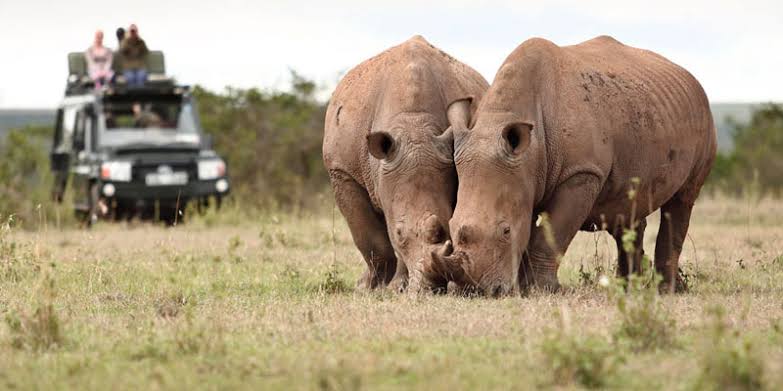
Lake Nakuru National Park offers a compact but remarkably diverse safari experience. The park surrounds a striking semi-alkaline lake and protects a combination of wetland, woodland, grassland, and scenic landscapes. Kenya Wildlife Service describes Lake Nakuru as an important sanctuary for both black and white rhinos and highlights its exceptional bird diversity.
August can be an attractive time to visit because the broader dry-season pattern often supports good wildlife visibility. Rhinos stand out as one of the park’s strongest reasons to visit. Their presence adds conservation value to the safari, especially for travelers who want to understand how protected areas contribute to the survival of threatened species.
Birdwatchers also gain a great deal from Lake Nakuru. KWS records approximately 450 bird species in the park, making it a destination that deserves more than a quick stop for travelers interested in photography and nature.
The park also works well within a longer Kenya safari circuit. Travelers can combine Lake Nakuru with the Maasai Mara, Nairobi, Lake Naivasha, or destinations farther north. This makes it particularly useful when planning a seven- to ten-day itinerary where travel time needs careful management.
Lake Nakuru does not try to compete with the Mara’s migration spectacle. Instead, it offers a different strength: accessible wildlife viewing, rhino conservation, birding, beautiful landscapes, and a practical location within Kenya’s central safari circuit. For travelers who want variety rather than one single dramatic event, that balance makes Nakuru an excellent August destination.
Laikipia: Best for Conservation, Exclusive Wildlife and Responsible Travel
Laikipia deserves serious attention from travelers who want to experience a more modern approach to African safari tourism. The region contains a network of private and community conservancies where wildlife conservation, tourism, local livelihoods, and habitat protection work together. The Laikipia Conservancies Association presents tourism as part of a wider model that connects visitors with nature while helping sustain the landscape and communities around it.
August can be particularly appealing because dry-season wildlife viewing can combine naturally with the region’s diverse activities. Depending on the conservancy, travelers may enjoy traditional game drives along with walking safaris, horseback experiences, cultural activities, conservation visits, and other nature-focused adventures.
Laikipia also provides habitat for species that make northern Kenya special, including elephants, Grevy’s zebra, reticulated giraffes, and wild dogs. The wider region supports important populations of endangered wildlife, and conservation landscapes such as Ol Pejeta, Loisaba, Borana, Mugie, and other conservancies contribute to a broader network beyond traditional national parks. KWS also recognizes numerous Laikipia conservancies among its conservation partners and stakeholders.
One major advantage of Laikipia is the sense of space. Some travelers prefer an intimate safari experience with fewer vehicles and more personalized activities. Conservancy-based travel can provide that atmosphere while giving guests a closer understanding of how tourism can support habitat protection.
Laikipia suits experienced safari travelers, couples, families seeking private experiences, wildlife photographers, conservation enthusiasts, and visitors who want to see Kenya beyond the standard park circuit. It can also complement the Maasai Mara beautifully. The Mara provides migration drama, while Laikipia adds conservation, landscapes, and specialized wildlife experiences.
Nairobi National Park: Best for a Short August Safari
Nairobi National Park proves that travelers do not need to travel deep into the countryside to experience Kenyan wildlife. Located roughly 10 kilometers from Nairobi’s central business district, the park creates a remarkable contrast between open wildlife habitat and the modern city skyline. Kenya Wildlife Service describes it as the world’s only wildlife capital and highlights its wildlife, birdlife, rhino sanctuary, open plains, and scenic landscapes.
August works well for visitors who have limited time or need a first safari before traveling onward. A morning or afternoon game drive can introduce travelers to Kenya’s wildlife without requiring a full-day road transfer to another park. This makes Nairobi National Park particularly valuable for business travelers, stopover visitors, families with limited time, and travelers arriving or departing through Nairobi.
The park supports a wide range of species and provides an opportunity to search for lions, buffaloes, giraffes, zebras, rhinos, hippos, crocodiles, and many bird species. The skyline creates unusual photography opportunities that you simply cannot reproduce in a remote wilderness area.
Nairobi National Park also works well as the first or final component of a larger itinerary. A traveler could begin with a short game drive, continue to Amboseli or the Mara, and then return to Nairobi before flying home. That approach reduces wasted travel time and lets visitors experience multiple sides of Kenya.
Although the park sits near a major city, travelers should still treat it as genuine wilderness. Wildlife remains wild, and safari rules exist to protect both visitors and animals. Respect for distance, vehicle regulations, and responsible photography remains essential.
How to Choose the Best Kenya Safari Destination in August
The best Kenya safari destination in August depends on the experience you want rather than one universal ranking. Travelers interested in the Great Migration should prioritize the Maasai Mara. The official Kenyan tourism calendar places the wildebeest migration in the Mara from July to October, making August a major migration month.
For elephant lovers and dramatic landscape photography, Amboseli makes a powerful choice. Its combination of large elephant herds, open plains, wetlands, and Mount Kilimanjaro creates one of Kenya’s most recognizable safari settings.
Samburu works better for travelers who want rare dry-country species and a more rugged northern landscape. Tsavo suits visitors who value scale, wilderness, volcanic scenery, and elephants. Lake Nakuru makes sense for rhino enthusiasts and birdwatchers, while Laikipia works especially well for travelers who want conservation, privacy, and specialized safari activities.
Budget also matters because August falls within a busy safari season. High demand can influence accommodation availability and overall costs, especially around popular migration areas. Booking earlier gives you more choice, particularly for smaller camps and properties in prime wildlife areas.
The number of days should also guide your decision. With three or four days, choose one primary region rather than spending most of the trip on roads. With seven to ten days, you can combine destinations strategically. For example, Nairobi, Amboseli, Lake Nakuru, and Maasai Mara create a classic southern circuit, while Samburu, Laikipia, Lake Nakuru, and the Mara offer greater habitat diversity.
A skilled safari planner should always consider travel time, road quality, park opening rules, accommodation location, seasonal wildlife patterns, and traveler interests together. The objective should never be to collect as many parks as possible. A strong itinerary gives you enough time to experience each landscape properly.
What Is the Weather Like During a Kenya Safari in August?
August generally falls within Kenya’s stronger safari season, but the country does not have one single climate. Geography and altitude create major differences between regions. Kenya Wildlife Service notes that many parks experience dry, warm to hot conditions, while central highlands can feel cooler and more humid, and northern and eastern regions can become hot and dry.
This variety means travelers should pack for changing conditions rather than assuming every morning will feel warm. Early game drives can feel surprisingly cool, particularly in higher-altitude areas. Temperatures then rise as the sun climbs. Layered clothing works well because you can add a warm jacket before sunrise and remove it later.
Neutral-colored clothing, comfortable trousers, breathable shirts, sunglasses, a hat, sunscreen, sturdy shoes, binoculars, insect repellent, and a small personal medical kit all make useful additions to a safari bag. Kenya Wildlife Service recommends adaptable clothing and layers because park temperatures can vary significantly between mornings, afternoons, and different ecological regions.
August can also bring dusty roads in drier areas. A camera with protective storage, lens-cleaning equipment, and a reusable water bottle can make the journey more comfortable. Travelers should also protect themselves from strong sun exposure during long game drives.
Most importantly, prepare for conditions rather than expecting a perfect weather forecast. Safari landscapes change naturally, and small variations in rain or cloud cover can influence wildlife behavior, road conditions, and mountain visibility.
How to Plan a Kenya Safari in August for the Best Experience
Planning an August Kenya safari requires more than simply choosing famous parks. Start by identifying your strongest travel priority. Migration, elephants, rhinos, rare northern species, photography, family activities, luxury accommodation, conservation, or a combination of these goals should shape the route.
Then consider how much time you actually have. Travelers often lose valuable hours by adding too many destinations. A better plan allows meaningful time in each ecosystem. Two or three nights in a destination can often provide a much richer experience than rushing through several parks with only one night in each.
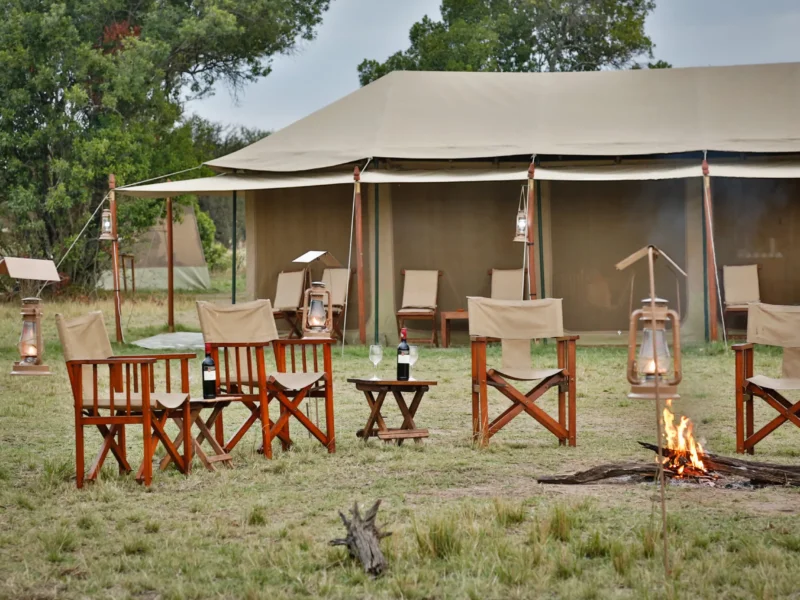
Accommodation location also matters. A camp positioned close to the wildlife areas you want to explore can reduce driving time and increase time spent observing animals. This becomes especially important in the Maasai Mara during the busy August migration period.
Transport deserves equal attention. Road safaris offer flexibility and allow you to experience Kenya’s changing landscapes, while scheduled or chartered flights can save substantial time between distant destinations. Magical Kenya specifically lists fixed-wing aircraft, helicopters, and hot-air balloon safaris among August experiences available across destinations including Laikipia, Samburu, Mount Kenya, Amboseli, and the Mara.
Responsible tourism should remain part of the plan. Follow park rules, maintain safe wildlife distances, avoid feeding animals, reduce unnecessary plastic use, respect communities, and support conservation-minded accommodation and activities. KWS specifically reminds visitors that wildlife remains wild and requires respectful behavior inside protected areas.
Finally, keep your expectations realistic. Nature controls the safari. You may see a lion hunt, watch elephants at a waterhole, find a rhino close to the road, or discover an unexpected bird species. You may also spend time searching without finding the animal you hoped to see. That uncertainty forms part of authentic safari travel.
Conclusion: Choosing the Right August Kenya Safari
August offers one of the strongest combinations of wildlife viewing, dry-season travel conditions, diverse landscapes, and seasonal experiences in Kenya. The Maasai Mara stands out for travelers who want the Great Migration, particularly the possibility of witnessing dramatic movements of wildebeest through the Mara ecosystem. Amboseli excels for elephant encounters and Mount Kilimanjaro scenery, while Samburu brings rare northern species and a distinctive dryland environment.
Tsavo provides scale, wilderness, elephants, rivers, volcanic landscapes, and a strong sense of adventure. Lake Nakuru adds rhino conservation and exceptional birdlife, while Laikipia introduces travelers to a conservation model where wildlife, communities, and tourism can support one another. Nairobi National Park then provides a practical gateway for short safaris and travelers with limited time.
There is no single destination that fits every traveler. The strongest August safari matches the destination with the experience you value most. Give yourself enough time, choose accommodation carefully, use experienced guides, and build the itinerary around wildlife behavior rather than trying to rush through a checklist of parks.
For travelers who want expert planning, authentic African experiences, and a carefully designed Kenya safari built around their interests, Giant Holiday Safaris provides a trusted way to turn an August journey into a well-organized and memorable African adventure.