High Season Vs. Low Season Tanzania Safari – Time Can Make the Difference!
April 8, 2026
The Week Before Your Tanzania Safari – Top Most Steps to Prepare Yourself!
April 8, 2026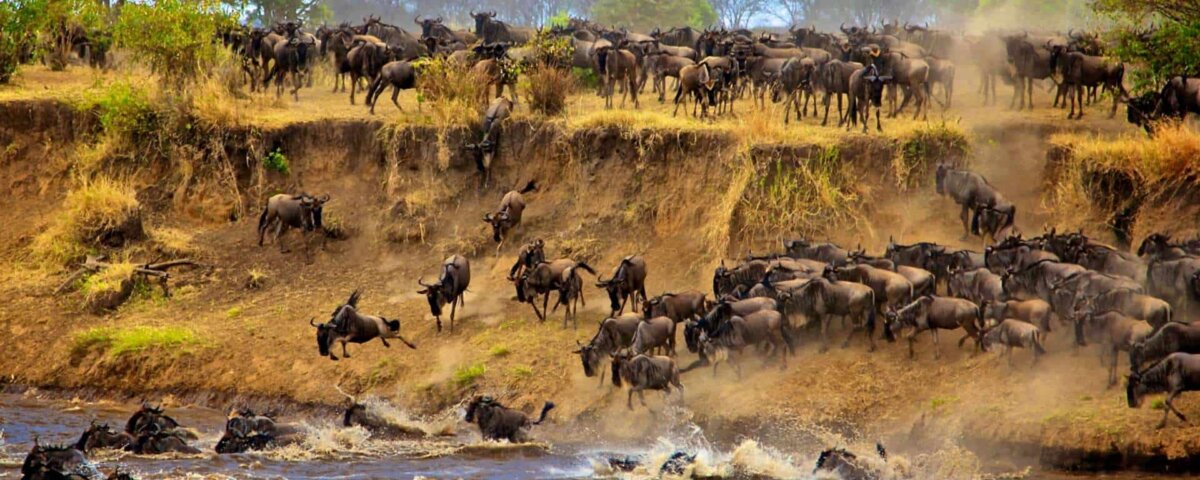
Facts You Never Knew About Serengeti Wildebeest Migration
The Serengeti wildebeest migration is one of the most extraordinary wildlife spectacles on Earth. Every year, more than a million wildebeest move across the vast plains of Serengeti National Park in search of fresh grass and water. Alongside them travel zebras, gazelles, and predators that follow the rhythm of this ancient movement. For travelers around the world, this natural event offers one of the most thrilling safari experiences in Africa.
At Giant Holiday Safaris, we help travelers experience the Safari at the right place and the right time. This guide offers expert insight, seasonal travel knowledge, and practical safari advice that strengthens your tourism brand’s authority in the Africa tourism industry. More importantly, it positions your content as a trusted and reliable source for Tanzania safari travel.
Explained Serengeti Wildebeest Migration
The Serengeti wildebeest migration is a year-round circular movement of animals across the Serengeti ecosystem and into the Maasai Mara.
It is not a single one-time event. Instead, it is a continuous wildlife cycle driven by rainfall, fresh grazing, and access to water.
The herds move in large numbers, often stretching across the horizon. This movement creates one of the most iconic safari experiences in the world.
Travelers who understand the seasonal pattern can choose the perfect time to witness different migration moments.
An Ancient and Annual Mass Wildebeest Migration!
The Serengeti wildebeest migration is one of the oldest natural cycles in Africa.
For thousands of years, wildebeests have followed the rains across the plains. This movement supports the health of the ecosystem by balancing grazing pressure and supporting predator populations.
Every year, more than 1.5 million wildebeests, hundreds of thousands of zebras, and antelopes join the journey.
This ancient cycle makes the Serengeti one of the world’s greatest wildlife destinations.
Types of Animals That Take Part in the Great Wildebeest Migration
Although the Serengeti wildebeest migration centers on wildebeests, many other species take part.
The most common include:
- Wildebeests
- Zebras
- Thomson’s gazelles
- Elands
- Topis
Predators also follow the migration:
- Lions
- Cheetahs
- Hyenas
- Leopards
- Crocodiles
This rich animal diversity makes the safari experience even more exciting.
Reasons Why Serengeti Wildebeest Migration Happens
The Serengeti wildebeest migration happens mainly because of rainfall and grazing cycles.
As rain moves across the ecosystem, fresh grass begins to grow in new areas.
The herds instinctively follow these nutrient-rich grazing zones.
Water availability also plays a major role.
This constant search for food and survival drives the annual movement.
Explained Month by Month About the Serengeti Wildebeest Migration!
January:
The herds usually stay in the southern Serengeti plains where fresh grass is abundant.
February:
Calving season begins. Thousands of calves are born, creating incredible predator action.
March:
The herds continue grazing in the south while predators remain highly active.
April:
Rain increases, and movement toward the central Serengeti begins.
May:
Large columns of animals begin moving northwest.
June:
The Serengeti wildebeest migration enters the western corridor.
July:
The famous river crossing season begins.
August:
Northern Serengeti becomes the main migration zone.
September:
River crossings continue near the Mara River.
October:
The herds remain in the north before moving south again.
November:
Short rains trigger the return journey southward.
December:
The herds return to the southern plains.
What Makes the River Crossings in Serengeti Fascinating?
River crossings remain the most dramatic part of the Serengeti wildebeest migration.
Thousands of animals gather at the riverbank before making sudden decisions to cross.
Strong currents, steep banks, and waiting crocodiles create intense wildlife drama.
These moments attract photographers and safari lovers from around the world.
Is Tanzania’s Serengeti National Park the Best Place to See the Wildebeest Migration?
Yes, Serengeti National Park is one of the best places in the world to witness the migration.
Its vast landscapes allow travelers to experience calving season, predator action, and river crossings depending on the month.
This makes it ideal for tailored migration safaris.
Tips to Witness the Serengeti Wildebeest Migration
Book early, especially for July to October.
Travel with experienced guides.
Choose your month based on what you want to see—calving or river crossings.
Stay flexible because nature moves according to rain patterns.
How to Enjoy a Serengeti Wildebeest Migration Safari?
The best way to enjoy the safari is through a customized itinerary.
At Giant Holiday Safaris, we align travel dates with herd movement, lodge availability, and wildlife action.
This ensures maximum safari value.
Witness the Migration Magic
The Serengeti wildebeest migration is more than a wildlife event.
It is one of nature’s greatest living stories.
Every crossing, every birth, and every movement across the plains creates unforgettable memories.
Are You Ready to Start Planning?
At Giant Holiday Safaris, we help travelers witness this natural wonder at the perfect time.
Start planning your migration safari today and experience the magic of the Serengeti.
Combined Uganda, Kenya, Rwanda and Tanzania Safaris
17 days Kenya Tanzania and Uganda safari
19 Days Uganda Kenya and Tanzania Safari
16 Days Kenya Tanzania and Uganda Safari
14 Days Kenya Uganda and Tanzania Safari
14 Days Kenya Uganda and Rwanda Safari