Gorilla Trekking in Uganda with Zanzibar
December 8, 2025
Tanzania Game Drives Safari
December 18, 2025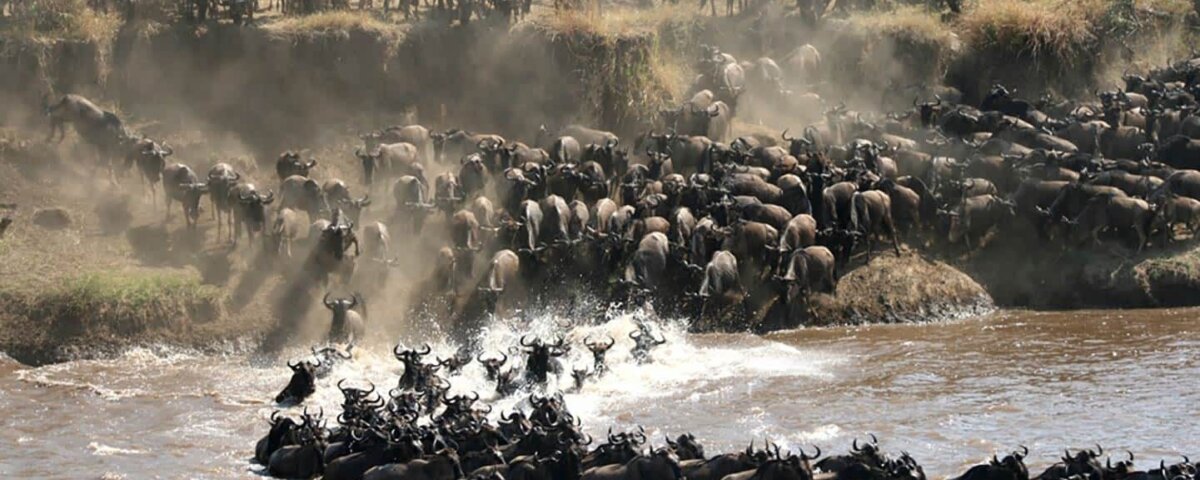
The Great Migration in Tanzania
The Great Migration in Tanzania stands as one of the most extraordinary natural events on Earth. Over two million wildebeest, zebras, and gazelles move across the Serengeti ecosystem each year. This journey follows seasonal rains and fresh grazing areas. The migration supports the entire food chain within the ecosystem. Lions, leopards, cheetahs, hyenas, and crocodiles follow the herds closely. The Serengeti’s open plains allow excellent visibility for wildlife viewing. Visitors witness dramatic predator hunts and intense survival moments. River crossings create powerful scenes of determination and danger. Dust clouds, thunderous hooves, and endless horizons define this experience. Unlike other destinations, Tanzania protects most migration routes within national parks. This protection ensures authentic and ethical wildlife encounters. Expert guides track daily animal movements. Their knowledge places travelers in the best locations. The Great Migration in Tanzania delivers raw nature at its most powerful.
When is The Great Migration in Tanzania?
Many travelers ask, when is The Great Migration in Tanzania best experienced. The migration occurs year-round across different Serengeti regions. From January to March, herds gather in the southern Serengeti and Ndutu area. This period marks the calving season. Thousands of calves are born daily. Predator activity increases during this time. From April to June, animals begin moving northwest. The landscape turns green and dramatic. Fewer visitors enjoy peaceful game drives. From July to October, herds reach northern Serengeti areas. River crossings near the Mara River peak during these months. These crossings offer dramatic wildlife photography. From November to December, animals move back south as short rains begin. Each phase offers unique advantages. Travelers should match travel dates with personal interests. Tanzania provides excellent wildlife viewing in every season.
Planning a Tanzania Great Migration Safari
Planning a Tanzania Great Migration Safari requires expert knowledge and careful timing. Migration patterns depend on rainfall, grazing conditions, and wildlife behavior. Experienced safari planners monitor these factors constantly. Proper planning ensures travelers stay close to active migration zones. Accommodation choice plays a major role in success. Mobile camps follow the herds closely. Permanent lodges offer comfort and strategic positioning. Vehicle quality and guide expertise shape daily experiences. Small group sizes allow flexible wildlife tracking. Park entry schedules require accurate coordination. Seasonal demand affects lodge availability. Early planning secures preferred dates and locations. Ethical operators respect wildlife and local communities. A well-structured itinerary balances game drives with rest. This balance improves comfort and enjoyment. Professional planning transforms a safari into a smooth and rewarding journey.
Cultural Immersion in Maasai Villages
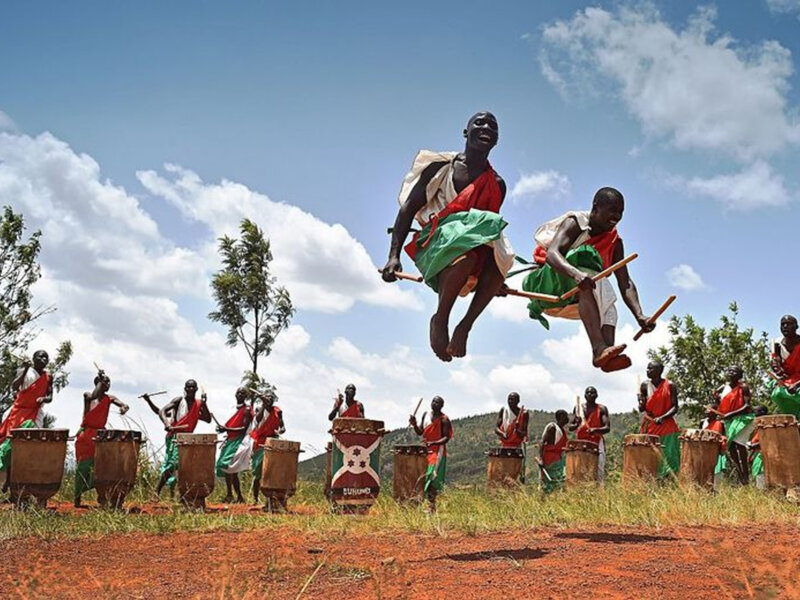
Cultural Immersion in Maasai Villages adds depth and meaning to a Tanzania safari. The Maasai represent one of East Africa’s most recognized cultural groups. Their traditions remain strong despite modern influences. Guided village visits allow respectful cultural exchange. Visitors learn about traditional dress, beadwork, and pastoral life. Elders share stories of history and survival. Daily routines reveal deep community bonds. Guests observe traditional homes called manyattas. Cultural performances include rhythmic singing and jumping dances. These moments create genuine connections. Responsible visits support education and healthcare projects. Ethical tourism ensures fair compensation for communities. Cultural immersion strengthens understanding of conservation. The Maasai live alongside wildlife peacefully. Their knowledge supports ecosystem protection. These experiences enrich the safari beyond wildlife viewing.
Hot Air Balloon Safaris in Tanzania
Hot Air Balloon Safaris in Tanzania offer a unique and unforgettable perspective. Flights begin at sunrise over the Serengeti plains. Soft morning light reveals wildlife below. Balloons glide silently above grazing herds. This quiet approach allows natural animal behavior. Pilots share insights about the landscape during the flight. Landings conclude with a bush breakfast in the wild. Elegant table settings enhance the experience. Balloon safaris suit photographers and couples. This activity adds variety to traditional game drives. Safety standards remain high under licensed operators. Weather conditions determine flight schedules. Balloon safaris reveal migration patterns clearly. This experience adds exclusivity to a Tanzania safari.
Vacation at Zanzibar’s Coastal Beaches
A vacation at Zanzibar’s coastal beaches completes a Tanzania safari perfectly. Zanzibar offers white sand beaches and clear turquoise waters. The island blends relaxation with rich history. Stone Town features narrow streets and historic buildings. Spice tours reveal the island’s trading heritage. Beach resorts range from boutique to luxury. Snorkeling and diving showcase colorful coral reefs. Dhow cruises provide romantic sunset experiences. Zanzibar cuisine reflects Swahili and Arab influences. The island suits honeymooners and families alike. After intense safari days, the coast offers balance. Short flights connect Zanzibar with mainland Tanzania. Beach time allows reflection and recovery. Zanzibar remains one of Africa’s most desirable island destinations.
Tanzania Safari Combined with 3 Days Gorilla Trekking Tour in Uganda
A Tanzania Safari Combined with 3 Days Gorilla Trekking Tour in Uganda delivers a powerful East African experience. Travelers enjoy savannah wildlife and forest adventures in one itinerary. Uganda’s Bwindi Impenetrable Forest protects endangered mountain gorillas. Guided treks lead small groups into dense forest. Strict permits protect gorilla families. Treks require patience and moderate fitness. The reward includes close observation of gorilla behavior. This experience creates strong conservation awareness. Combining Tanzania and Uganda maximizes travel value. Regional flights connect destinations efficiently. Visitors experience diverse ecosystems and cultures. This combination appeals to adventure seekers and nature lovers. The itinerary showcases Africa’s most iconic wildlife encounters.
Why Tanzania Remains a Leading Safari Destination in Africa
Tanzania continues to lead African tourism through quality and responsibility. The country protects vast wilderness areas. National parks maintain strong management systems. Guides receive professional training and certification. Tourism supports conservation and community livelihoods. Infrastructure supports safe and comfortable travel. Diverse landscapes offer varied safari styles. Wildlife density ranks among Africa’s highest. Cultural experiences add emotional depth. Coastal extensions provide relaxation. Tanzania delivers reliable and ethical safaris. Global travelers trust the destination. A Tanzania safari offers lasting value and authenticity. It remains a gold standard for African tourism excellence.