Livingstone–Stanley Monument
October 28, 2026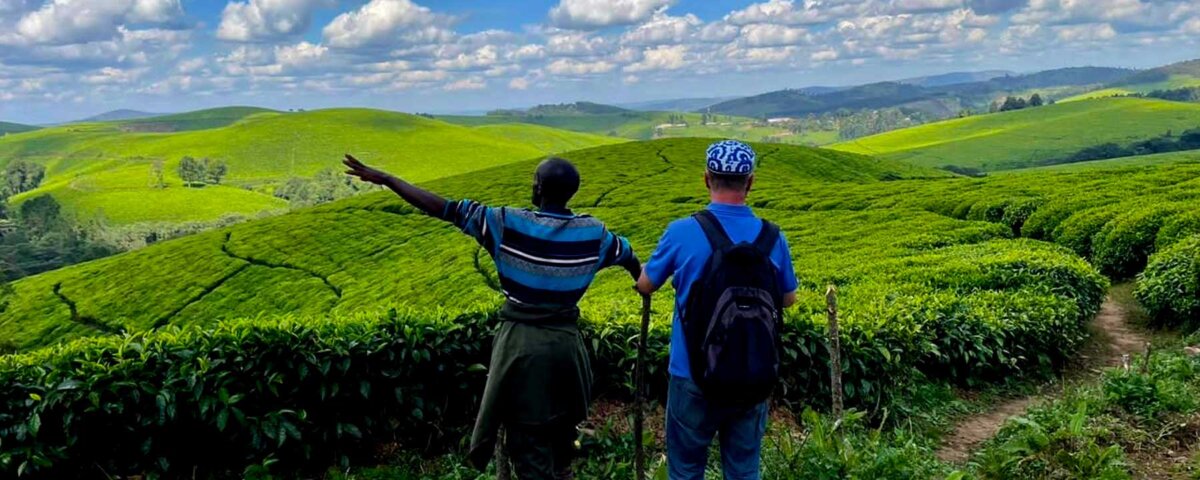
Teza Tea Plantation
Teza Tea Plantation offers visitors a chance to explore Burundi’s tea growing highlands, discover the beauty of its green landscapes, and learn about one of the agricultural activities that shape rural life in the country. Located in the highlands of Burundi, Teza is known for its tea growing environment, cool mountain air, and scenic surroundings. For travelers who want to experience more than traditional sightseeing, a visit to Teza Tea Plantation can add an interesting agricultural and cultural dimension to a Burundi holiday. The plantation also provides an opportunity to understand how tea connects the land, local communities, farming knowledge, and the wider economy. Whether you are planning a private tour, a photography trip, a cultural holiday, or a wider East African adventure, Teza deserves consideration as a destination for travelers interested in nature and everyday life in Burundi.
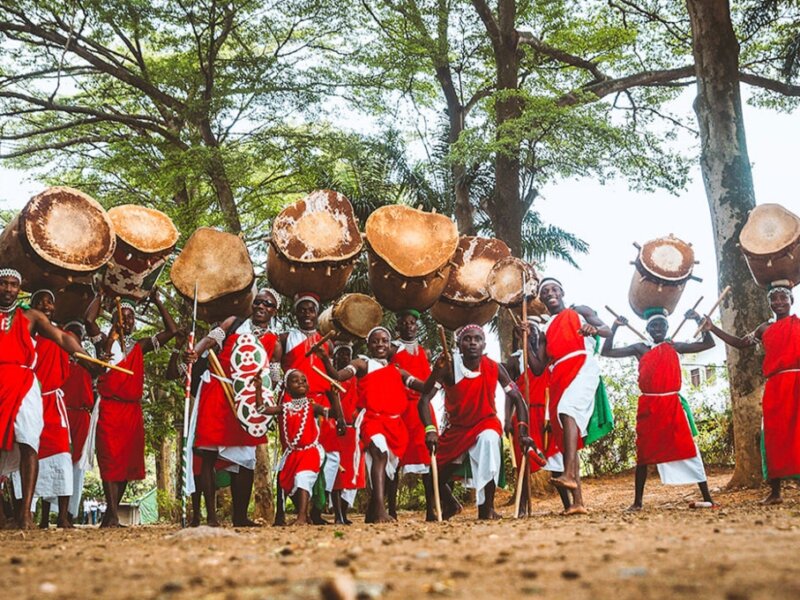
Burundi may be best known to some international visitors for Lake Tanganyika, its royal drumming traditions, and its rolling green hills. However, the country’s agricultural landscapes offer another side of its identity. Tea plantations reveal how farmers work with the climate, altitude, and soil to grow crops that reach markets beyond their local communities. Consequently, Teza can help visitors appreciate the relationship between Burundi’s natural environment and its agricultural heritage. With thoughtful planning and respect for local communities, a journey to Teza Tea Plantation can become a rewarding addition to a broader Burundi travel itinerary.
Where Is Teza Tea Plantation Located?
Teza Tea Plantation lies in Muramvya Province in central western Burundi, within the country’s highland tea growing region. The plantation stands near the edge of Kibira National Park, an important protected forest that adds natural beauty to the surrounding hills. This location makes Teza especially appealing to visitors who enjoy green countryside, mountain scenery, and agricultural tourism. The journey takes travelers away from the busy streets of Bujumbura and into a landscape of winding roads, cultivated slopes, and communities connected to farming.
The highland setting also helps explain why tea grows successfully in this part of Burundi. Tea plants thrive in suitable combinations of rainfall, temperature, soil conditions, and altitude. Burundi’s tea growing regions occupy elevated areas, and Teza benefits from the cooler conditions associated with these landscapes. Although published altitude figures vary, visitors should expect a noticeably different environment from the warmer shores of Lake Tanganyika.
For travelers, the location creates opportunities to combine a visit to Teza with other experiences in the surrounding region. Depending on road conditions, available time, and access arrangements, a visitor may explore nearby countryside, learn about tea production, or plan a nature focused excursion toward Kibira National Park. However, travelers should confirm the precise route and any access requirements before departure, particularly when visiting an active agricultural facility.
The History of Teza Tea Plantation
Teza Tea Plantation forms part of Burundi’s wider history of commercial tea cultivation. Tea farming developed as an important agricultural activity during the twentieth century, and the industry gradually expanded into suitable highland areas. Historical accounts of Teza identify 1967 as an important year in the establishment of the plantation. Since then, tea cultivation has helped shape the surrounding countryside and created connections between farmers, processing facilities, traders, and international markets.
Understanding this history adds depth to a visit. The plantation represents more than a stretch of green land. It reflects years of agricultural work, investment in processing, and the development of a crop that requires regular care throughout its growing cycle. Tea farming also depends on practical knowledge passed between generations, including how to maintain bushes, identify suitable leaves, manage field conditions, and deliver harvested crops for processing.
Furthermore, Teza belongs to a national tea industry that operates across several highland regions. The Office du Thé du Burundi, commonly known as OTB, manages industrial tea complexes that collect green leaves from surrounding growers and process them locally. Teza is one of these complexes, alongside Rwegura, Ijenda, Tora, and Buhoro.
For international visitors, this history provides an opportunity to understand Burundi beyond its familiar landmarks. A visit can reveal how agricultural production supports rural livelihoods and contributes to the country’s commercial identity. Rather than treating the plantation as simply a scenic stop, travelers can approach it as a living part of Burundi’s economic and cultural story.
What Makes Teza Tea Plantation Special?
Teza Tea Plantation stands out because it brings together attractive scenery, agricultural activity, and the natural environment of Burundi’s highlands. The tea fields create broad green patterns across the slopes, while the nearby forest adds another layer to the landscape. As the weather changes, mist and moving clouds can transform the views, making the countryside look different throughout the day. For photographers and nature lovers, these changing conditions provide an appealing reason to spend time exploring the area.
Unlike a conventional museum or purpose built tourist attraction, Teza offers a glimpse into a working agricultural landscape. Visitors can learn how a major crop grows, why farmers maintain tea bushes carefully, and how harvested leaves enter the production chain. However, access to particular fields and factory facilities depends on permission and local operating arrangements. Travelers should never assume that every section of a working plantation is open to visitors.
Another important feature is Teza’s proximity to the Kibira forest landscape. The relationship between cultivated land and natural forest helps explain the variety of scenery in this part of Burundi. Visitors can appreciate the contrast between orderly rows of tea bushes and the more varied vegetation of a forest environment.
Moreover, Teza suits travelers who prefer meaningful experiences over hurried sightseeing. Instead of visiting only famous monuments, they can spend time learning about local agriculture, observing the countryside, and speaking with a knowledgeable guide. This approach can make the experience more memorable while encouraging respect for the people whose work sustains the plantation.
The Beautiful Landscapes of Teza Tea Plantation
The landscapes around Teza Tea Plantation are among the main reasons to include the area in a Burundi travel itinerary. Tea bushes cover sections of the rolling highlands, creating carefully maintained green patterns that follow the shape of the land. From suitable viewpoints, the fields appear to flow across the hills, while the surrounding vegetation provides contrast and depth. These views show another side of Burundi, a country whose identity extends beyond its lakes, rivers, and cultural attractions.
The landscape changes with the weather. On clear days, visitors may enjoy wider views of the hills and cultivated slopes. During misty periods, clouds can move across the highlands and partly conceal the distant scenery. After rainfall, the vegetation often looks fresh and vibrant, although wet conditions can also make roads slippery and walking more difficult. Therefore, flexibility helps travelers enjoy the area without expecting identical views every day.
The nearby forest environment adds further interest. The green fields and natural vegetation create a landscape where agriculture and biodiversity exist close together. Nevertheless, tea fields and protected forest serve different purposes, so visitors should respect boundaries and avoid entering restricted areas.
Photography can be especially rewarding when travelers take time to observe the changing light. Early mornings may offer a peaceful atmosphere, while later cloud formations can create dramatic scenery. However, the best conditions depend on the weather, season, and exact viewpoint. By traveling with realistic expectations, visitors can appreciate Teza’s beauty without relying on a single photograph or viewpoint to define the experience.
How Tea Is Harvested at Teza Tea Plantation
Tea harvesting is one of the most interesting parts of the production process because it requires both timing and skill. Farmers select suitable young shoots and leaves, taking care not to damage the bushes unnecessarily. The exact harvesting method depends on local practices, the intended tea grade, and the requirements of the processing facility. In many tea growing areas, workers harvest by hand, using practiced movements to collect leaves efficiently.
The timing of harvest matters because leaf maturity influences the quality and characteristics of the finished product. Workers must balance the need to collect sufficient quantities with the need to maintain appropriate standards. After picking, the fresh leaves must reach the processing stage promptly so that the factory can manage them according to its production methods.
Harvesting also reflects the human side of tea production. A visitor who observes field work from an approved viewpoint can better understand the effort required to maintain a commercial tea supply. The activity involves repeated movement across sloping fields, attention to the plants, and cooperation among workers. It is skilled agricultural work rather than a simple outdoor task.
However, visitors should not enter the fields or handle the crop without permission. If the plantation allows supervised demonstrations, travelers should follow staff instructions and avoid disrupting production. They should also ask before photographing workers, especially when taking close portraits. Respectful observation allows visitors to learn about harvesting while protecting workers’ privacy and daily routines.
Understanding Tea Processing at Teza
Tea processing turns freshly harvested leaves into a product that can be packed, transported, and sold. At an industrial tea complex such as Teza, the factory plays a central role in connecting field production with the finished tea. The precise process depends on the type of tea produced and the facility’s operating methods. Therefore, visitors should seek an explanation from authorized staff rather than assume that every factory follows an identical production sequence.
Black tea production commonly involves withering, rolling or other leaf disruption, oxidation, drying, grading, and packing. These stages help transform fresh green leaves into a stable product with the desired appearance, aroma, and flavor. Green tea follows a different process because producers limit oxidation to preserve a different set of characteristics. OTB identifies Teza among its industrial tea complexes, while supply chain information also records the site as producing black and green tea.
A factory visit, when available, can help travelers connect the scenery outside with the finished product. The fields show where the crop begins, while processing explains how producers prepare it for buyers. Visitors may discover why careful handling, timing, and quality control matter at every stage.
Nevertheless, factories operate according to safety and production requirements. Machinery, hot surfaces, moving equipment, and restricted work areas can create risks for unauthorized visitors. Anyone entering a production facility should follow staff guidance and remain within approved visitor areas. Since access may depend on the factory’s schedule, travelers should arrange permission in advance and prepare an alternative activity if a tour cannot take place.
The Importance of Teza Tea Plantation to Burundi’s Economy
Tea production contributes to Burundi’s agricultural economy by connecting rural growers with processing facilities and export markets. Teza is part of this national system, which depends on both industrial operations and the work of surrounding tea farmers. The industry creates economic activity at different stages, from maintaining tea bushes and collecting leaves to processing, transporting, and selling the finished product.
For many farming households, tea provides an important source of income alongside other agricultural activities. The wider industry also supports employment opportunities in processing, logistics, trade, and related services. However, the benefits that individual households receive depend on factors such as harvest volumes, production costs, payment arrangements, and market conditions. Therefore, travelers should understand tea farming as a working economic activity rather than assume that every household experiences the same results.
Burundi’s tea sector also connects the country with international buyers. OTB manages the processing and commercial side of its industrial tea complexes, helping move tea from local production areas toward wider markets. This connection gives Teza significance beyond its immediate landscape.
Tourism can complement this agricultural activity by helping visitors appreciate the people and work behind the product. A well planned visit encourages travelers to learn about the production system, respect local communities, and recognize the value of rural livelihoods. Nevertheless, visitors should avoid assuming that tourism income directly benefits every worker or household. Instead, they can ask their local operator about responsible ways to support community businesses and locally provided services during their journey.
The Role of Local Communities in Tea Production
Local communities play an essential role in maintaining the agricultural landscape around Teza. Tea production requires people who understand the land, care for the plants, harvest suitable leaves, and help deliver the crop for processing. These activities connect families and workers with the plantation economy while preserving practical farming knowledge that develops through experience.
The work also reflects the relationship between agriculture and rural life in Burundi. Farmers may combine tea growing with food crops and other household activities, depending on the land available to them and their economic needs. As a result, the plantation forms part of a wider countryside rather than an isolated industrial site. Visitors who look beyond the tea fields can gain a broader understanding of how farming supports daily life.
For tourism businesses, respectful community engagement should remain a priority. Guides can explain agricultural practices, local history, and the importance of tea to the region without presenting residents as attractions. Travelers should ask permission before taking photographs of people, entering private property, or observing work at close range. They should also respect local customs and avoid interrupting workers who need to complete their daily tasks.
Whenever possible, visitors can support the local economy by using qualified local guides and purchasing products from legitimate local businesses. They should ask where products come from and avoid making assumptions about how much of a purchase reaches a particular farmer. Ultimately, responsible tourism at Teza should recognize local people as skilled participants in their own economy and community, not simply as part of the scenery.
Best Time to Visit Teza Tea Plantation
Teza Tea Plantation can appeal to travelers throughout much of the year because tea cultivation and the green highland scenery are not limited to a single short tourist season. However, weather conditions influence the quality of the journey, road access, visibility, and opportunities for photography. Choosing suitable dates therefore depends on whether you prioritize clear views, fresh vegetation, agricultural observation, or a combination of experiences.
The drier periods of June to September and December to February can offer useful opportunities for exploring Burundi. During suitable weather, travelers may find it easier to enjoy viewpoints and combine the plantation with nearby attractions. Nevertheless, dry weather does not guarantee clear skies, and local conditions can change quickly in elevated areas.
The wetter periods can bring lush vegetation and dramatic mist across the hills. Rain may make the scenery especially appealing, but it can also affect travel times and walking conditions. Furthermore, tea harvesting and field activity depend on agricultural schedules and weather, so visitors should not expect a particular task to take place on a specific day without confirmation.
If your main interest is observing tea production, contact a local operator or the relevant plantation management before traveling. Ask whether a factory visit is possible, which areas visitors may enter, and whether any seasonal restrictions apply. For general sightseeing, keep the schedule flexible and allow time for road conditions and weather changes. This approach makes a visit to Teza more comfortable and helps prevent disappointment when conditions differ from expectations.
How to Get to Teza Tea Plantation
Most visitors reach Teza Tea Plantation by road from Bujumbura or other destinations in central and western Burundi. The journey takes travelers away from the lakeside environment and into the cooler highlands, where cultivated slopes and rural settlements shape the scenery. The road trip can form part of the experience because it reveals how Burundi’s landscapes change as the route climbs inland.
Travel time depends on the departure point, road conditions, traffic, weather, and the exact entrance or viewpoint you plan to visit. Some travel guides estimate roughly two hours from Bujumbura, but travelers should treat this as a planning guide rather than a guaranteed journey time.
Hiring a local driver or arranging transport through a reliable tour operator can simplify the journey. A driver familiar with the region may help identify suitable stopping points, manage route changes, and explain practical details about the countryside. If you intend to visit the working factory, confirm the correct entrance and access arrangements before setting off.
Travelers should also check the condition of the vehicle, carry drinking water, and bring suitable clothing for cooler weather. During rainy periods, allow additional time for the journey and avoid building a tight schedule around a single arrival time. Public transport arrangements may not provide convenient access to every plantation entrance, so independent travelers should confirm the final section of the journey in advance.
For a smoother experience, consider combining transport, a local guide, and any authorized plantation visit in one plan. This arrangement helps reduce uncertainty and leaves more time to enjoy the destination rather than trying to organize each detail after arrival.
Things to Do at Teza Tea Plantation
A visit to Teza can include several activities, depending on the access arrangements, weather, and time available. The most rewarding experiences combine appreciation of the landscape with an understanding of tea production. Rather than rushing through a series of stops, travelers can spend time learning about the fields, observing the countryside, and discovering how agriculture shapes the region.
One activity is enjoying the views of the tea covered hills from appropriate public or authorized viewpoints. The patterns of the bushes create attractive subjects for photography, especially when the light changes across the slopes. Visitors should remain on permitted routes and avoid stepping into planted areas simply to obtain a better picture.
Another option is learning about tea farming through a knowledgeable local guide. A guide may explain the growing cycle, harvesting methods, the role of the processing facility, and the importance of tea to nearby communities. If management approves access, a factory visit may provide a closer look at the production process.
Travelers can also use the visit as an opportunity to observe the broader highland environment. The proximity of the tea landscape to Kibira’s forest setting creates opportunities to explore the region’s relationship between agriculture and nature. Any forest activity, however, requires separate planning and compliance with the relevant access rules.
Finally, visitors can ask about locally available tea products and sample tea where an appropriate service exists. Do not assume that tastings or retail facilities operate every day. Confirm what is available before departure, and treat any tea purchase as a chance to learn about local production rather than a guaranteed part of the excursion.
Teza Tea Plantation and Kibira National Park
Teza Tea Plantation and Kibira National Park offer an interesting combination for travelers who want to experience both Burundi’s agricultural landscapes and its natural environment. The plantation lies near the forested highlands associated with Kibira, creating a setting where cultivated tea fields and natural vegetation exist close together. Combining these attractions can give visitors a broader understanding of the region’s scenery, land use, and biodiversity.
Kibira National Park protects an important area of montane forest in northwestern Burundi. Its natural environment supports forest wildlife and provides opportunities for nature focused experiences when visitors arrange appropriate access. By contrast, Teza introduces travelers to the agricultural side of the highlands, where tea cultivation supports production and trade. Together, these places show how different landscapes contribute to Burundi’s identity.
However, visitors should not assume that access to the plantation automatically includes access to the national park. Forest excursions may require separate arrangements, guides, fees, or authorization. Travelers should confirm the applicable requirements with the relevant authorities or a reputable local operator before departure.
If you plan to visit both destinations, allow enough time for the journey, the plantation experience, and any approved forest activity. Avoid squeezing several activities into a few hours if doing so would leave little time to appreciate each place. A relaxed itinerary also allows you to respond to changes in weather and road conditions. This combination works particularly well for visitors who enjoy landscapes, conservation, agriculture, and learning about the natural environments that shape rural life in Burundi.
Photography Opportunities at Teza Tea Plantation
Teza Tea Plantation offers appealing opportunities for travelers who enjoy landscape photography. Its green fields, rolling hills, and nearby forest scenery create a range of subjects that change with the light and weather. The plantation’s orderly rows of tea bushes provide strong patterns, while distant hills and passing clouds can add depth to photographs.
For the best results, take time to observe the landscape before choosing a viewpoint. Morning light may reveal details across the fields, while mist can create a softer atmosphere. When the weather clears, the hills may offer wider views. Nevertheless, visibility depends on local conditions, so patience often matters more than following a strict photography schedule.
Travelers should also remember that the plantation is a working agricultural area. Stay on authorized paths, avoid damaging tea bushes, and never enter a restricted production zone for a photograph. If you want to photograph workers, ask their permission first. Respect the privacy of residents and avoid interrupting agricultural activities.
You do not need professional equipment to capture the experience. A mobile phone or ordinary camera can record the shapes of the fields, the changing sky, and the details of the countryside. Instead of focusing only on wide landscape shots, consider photographing permitted details such as tea leaves, paths, or the relationship between cultivated land and surrounding vegetation.
Above all, allow the visit to remain an experience rather than turning every moment into a photograph. By balancing photography with observation and respectful behavior, you can appreciate Teza’s beauty while protecting the people and environment that make the destination special.
What to Expect During a Visit to Teza Tea Plantation
Visitors should approach Teza with realistic expectations because the experience depends on whether they come for scenery, agricultural learning, or an arranged factory tour. The landscape itself provides a reason to visit, but the level of access to working areas may vary. Some travelers may enjoy the views from approved locations, while others may have the opportunity to learn more about production through an authorized visit.
The surrounding highlands can feel cooler than Bujumbura, especially during cloudy or rainy weather. Comfortable walking shoes, a light jacket, drinking water, and sun protection can help you prepare for changing conditions. If you plan to walk around permitted areas, choose footwear that provides a good grip and follow your guide’s advice about the terrain.
Do not expect the plantation to operate like a large visitor center with guaranteed opening hours, restaurants, shops, and scheduled tours. Confirm available facilities before your visit. You should also ask whether the factory is operating normally and whether visitors can enter any production areas on your chosen date.
A local guide can make the experience more informative by explaining the area’s agricultural history and the work involved in tea production. Nevertheless, visitors should remain flexible if operational needs prevent access to a particular facility. A landscape visit can still be worthwhile even when a factory tour is unavailable.
Finally, remember that Teza is a real agricultural workplace. Respectful behavior, patience, and advance planning will help you enjoy the destination without placing unnecessary demands on local workers or disrupting normal operations.
Responsible Tourism at Teza Tea Plantation
Responsible tourism helps protect the landscapes and communities that make destinations valuable. At Teza Tea Plantation, this means recognizing that the tea fields exist primarily for agriculture and that local people use the surrounding area for work and daily life. Visitors should therefore approach the destination with respect rather than assume that every field, building, or path is available for tourism.
Start by arranging access through a reliable local contact. Follow instructions about where you may walk, take photographs, and observe agricultural activities. Do not pick tea leaves, damage plants, leave litter, or enter factory areas without authorization. These simple actions protect both the crop and the safety of visitors and workers.
Choosing local services can also contribute to a more responsible experience. Where suitable options exist, consider hiring a qualified local guide, using local transport providers, or buying tea through legitimate businesses. Ask questions about products and services instead of assuming that every purchase directly supports a particular household or farmer.
Environmental awareness matters as well. Stay on permitted routes, avoid disturbing wildlife, and take all waste away with you. When combining Teza with a visit to Kibira National Park, follow the park’s conservation rules and any guidance provided by authorized personnel.
Responsible travel also involves honest expectations. A visitor should not demand access to private land or interrupt production simply to obtain a particular experience. By respecting boundaries, workers, and local customs, travelers help create a more positive relationship between tourism and agriculture. This approach allows future visitors to appreciate Teza while recognizing the rights and responsibilities of the people who live and work there.
Where to Stay When Visiting Teza Tea Plantation
Accommodation planning depends on your wider Burundi itinerary, your preferred level of comfort, and the amount of time you want to spend in the highlands. Some travelers may prefer to stay in Bujumbura and visit Teza as part of a day trip. Others may choose accommodation in a suitable nearby town or use the plantation as one stop during a longer journey through Burundi.
Staying in Bujumbura can provide access to a wider selection of accommodation, restaurants, transport services, and other visitor facilities. It may suit travelers who want to combine Teza with Lake Tanganyika, cultural attractions, and other destinations around the capital. However, a day trip requires enough time for the road journey in both directions, so avoid planning too many additional activities on the same day.
For travelers seeking a slower experience, an overnight stay closer to the highlands may reduce the need to rush. Availability, comfort, facilities, and distance from the plantation will vary by property. Therefore, confirm the location and services directly before making a reservation.
When selecting accommodation, consider road access, breakfast arrangements, secure parking where relevant, and the availability of reliable transport. If you are visiting with a tour operator, ask how the overnight location fits into the overall route. A well planned stay can make the visit more comfortable and leave time for other attractions in the region.
Because accommodation options and operating conditions can change, travelers should verify current details before departure. Do not assume that a lodge is close to the plantation simply because it advertises itself as being in the wider Muramvya region.
Sample One Day Itinerary for Teza Tea Plantation
A one day visit to Teza Tea Plantation can work well for travelers who want to explore Burundi’s highland scenery without committing to an extended stay. The schedule below provides a flexible example rather than a fixed tour timetable. Actual departure times and activities should depend on your starting point, road conditions, weather, and confirmed access arrangements.
Morning: Travel to the highlands. Begin with an early departure from Bujumbura or your chosen overnight location. Enjoy the changing scenery as the road enters the countryside. Allow time for safe stops at appropriate viewpoints, and follow your driver’s advice about road conditions.
Late morning: Explore Teza’s tea landscape. Spend time observing the fields from permitted locations and learning about the plantation’s history. If you have arranged an authorized factory visit, follow the schedule and safety instructions provided by staff. If access is unavailable, concentrate on the surrounding landscape and agricultural context.
Midday: Take a relaxed break. Arrange lunch according to the services available along your route. Carry drinking water and snacks if you expect limited facilities. Do not assume that the plantation itself offers a restaurant or food service.
Afternoon: Choose an additional experience. Depending on available time and arrangements, you may explore more of the surrounding countryside or continue toward an approved nature activity near Kibira National Park. Confirm any separate access requirements in advance.
Late afternoon: Return or continue your journey. Allow enough time to reach your overnight destination safely. If rain, poor visibility, or road conditions slow the journey, adjust the plan rather than trying to keep to an inflexible timetable.
This itinerary gives you a practical framework while leaving room for unexpected changes. For travelers with additional time, an overnight stay can create a more relaxed experience.
Travel Tips for International Visitors
International visitors can make their trip to Teza Tea Plantation easier by preparing a few important details before leaving their accommodation. First, confirm the plantation’s location, the route, and any arrangements for entering the working areas. If a factory visit is central to your plans, obtain confirmation before traveling rather than relying on the possibility of arranging access on arrival.
Second, check the latest travel advice for Burundi and confirm the entry requirements that apply to your nationality. Passport validity, visa conditions, and other entry rules can differ between travelers and may change. Use current official information before departure instead of relying on old travel notes.
Third, prepare for the highland weather. Carry a light jacket, suitable walking shoes, drinking water, and protection against sun or rain. A charged mobile phone and access to reliable transport arrangements can also make the journey easier. Since mobile coverage and services may vary by location, avoid depending entirely on a constant internet connection.
Fourth, discuss costs and inclusions with your tour operator before booking. Ask whether transport, guiding, meals, entrance charges, and any factory arrangements form part of the quoted price. Clarifying these details helps prevent misunderstandings.
Finally, remain respectful and flexible. Learn a few polite greetings in the local language when possible, ask permission before taking photographs of people, and follow all instructions from guides and plantation staff. A thoughtful approach will help you understand the destination while making the experience more comfortable for everyone involved.
Is Teza Tea Plantation Worth Visiting?
Teza Tea Plantation is worth considering for travelers who want to discover a less familiar side of Burundi. The destination combines attractive highland scenery with an opportunity to understand tea farming, processing, and the economic activities that connect rural producers with wider markets. For visitors who enjoy agriculture, landscape photography, cultural learning, and slower travel, Teza can add meaningful variety to a Burundi itinerary.
Its appeal also comes from its setting near the Kibira forest landscape. This relationship between cultivated hills and natural vegetation creates opportunities to appreciate both agricultural work and the wider environment. However, the experience may differ from one visit to another because of weather, road conditions, and access arrangements. Travelers who expect a fully developed visitor attraction with guaranteed tours and facilities may need to adjust their expectations.
The best way to enjoy Teza is to plan ahead, use reliable local guidance, and allow enough time to appreciate the surroundings. A factory visit can add valuable insight when available, but the landscape and agricultural context can also make the journey worthwhile without one.
Teza may be particularly suitable for travelers who have already explored Burundi’s major cultural attractions and want to understand more about its rural economy. It can also interest photographers and visitors who prefer quieter places over crowded tourist sites. As with any working plantation, respect for local people, property, and production activities should guide the visit.
Conclusion: Discover Teza Tea Plantation in Burundi
Teza Tea Plantation offers a rewarding way to discover Burundi’s highland landscapes, agricultural heritage, and tea production industry. Located in Muramvya Province near the Kibira forest landscape, Teza combines green cultivated slopes with a working agricultural environment that connects local growers to processing and trade. Its appeal extends beyond scenery because it helps visitors understand the knowledge, labor, and economic relationships behind one of Burundi’s important crops.
For international travelers, a visit can add variety to a journey that includes cultural experiences, natural attractions, and time around Lake Tanganyika. The most successful experience begins with realistic expectations, confirmed access arrangements, and enough time for the journey. Visitors should also respect the plantation as a working environment and recognize the role of local communities in maintaining its fields and supporting the wider tea industry.
Whether you are interested in agriculture, photography, countryside exploration, or learning about Burundi beyond its best known attractions, Teza deserves consideration when planning your itinerary. With thoughtful preparation and responsible travel practices, Teza Tea Plantation can provide an informative and memorable introduction to Burundi’s tea growing highlands and the people whose work helps sustain them.