Gishora Drum Sanctuary
October 27, 2026
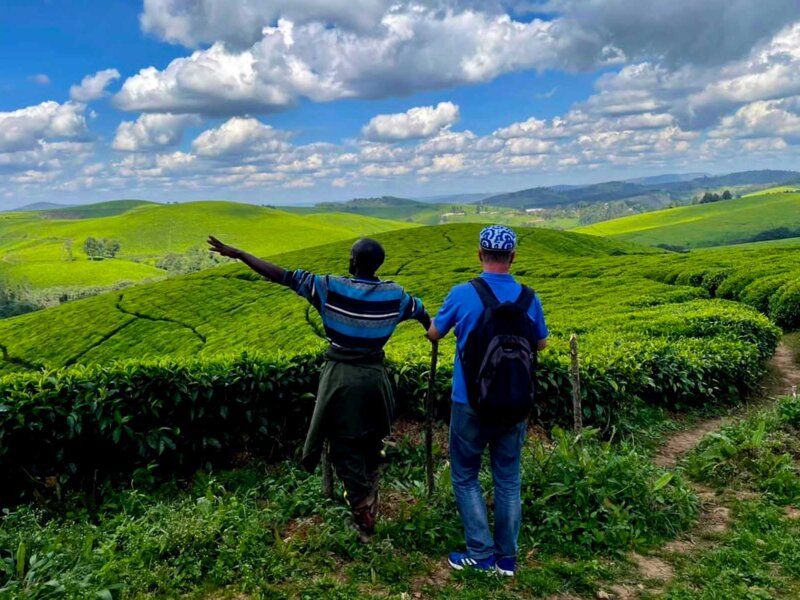
Teza Tea Plantation
October 28, 2026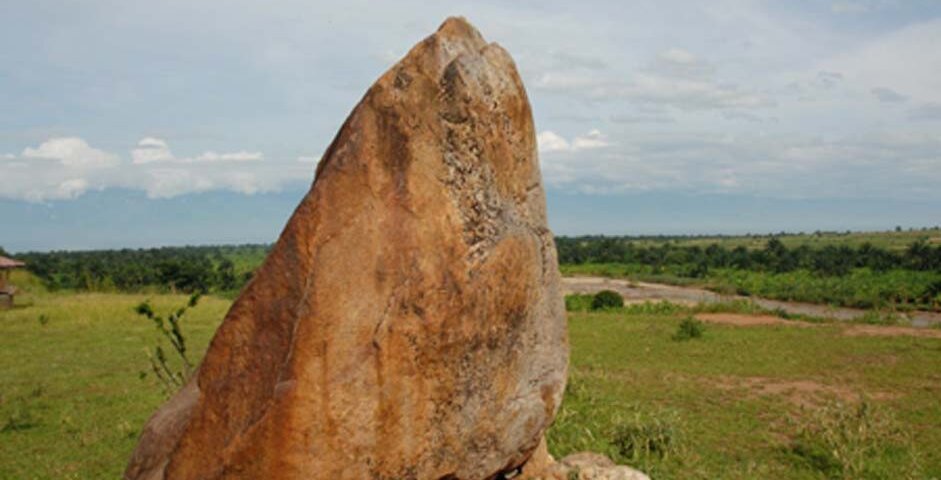
Livingstone–Stanley Monument
The Livingstone–Stanley Monument in Burundi commemorates the historic meeting between two famous European explorers, Dr. David Livingstone and Henry Morton Stanley, near Lake Tanganyika in 1871. Located at Mugere, south of Bujumbura, this historic site offers visitors an opportunity to explore Burundi’s connection to nineteenth century African exploration, learn about the events that brought the two men together, and enjoy the peaceful landscapes surrounding one of the Great Lakes of Africa. For travelers interested in African history, cultural heritage, and meaningful sightseeing, the Livingstone–Stanley Monument provides a valuable stop during a Burundi holiday.
Burundi may be a small country, but its history, landscapes, and cultural traditions give travelers many reasons to explore beyond its familiar destinations. The monument stands out because it connects the country to a major chapter in the history of geographical exploration. Moreover, its location near Lake Tanganyika allows visitors to combine historical discovery with scenic drives, lakeside relaxation, and visits to nearby communities. Rather than serving only as a reminder of two explorers, the site also encourages visitors to reflect on how European expeditions shaped international knowledge of Africa and influenced the continent’s later history.
For international visitors, a visit to the Livingstone–Stanley Monument can become an educational and memorable part of a wider Burundi safari or cultural tour. Travelers can learn about the historical significance of the meeting, appreciate the local setting, and gain a deeper understanding of Burundi’s place in the wider story of Central and East Africa. With thoughtful planning and a knowledgeable local guide, this destination offers a rewarding experience for history enthusiasts, photographers, families, and travelers seeking lesser known attractions in the African Great Lakes region.
Where Is the Livingstone–Stanley Monument Located?
The Livingstone–Stanley Monument stands at Mugere, approximately 12 kilometres south of central Bujumbura, Burundi’s largest city and a major urban centre on the northeastern shore of Lake Tanganyika. Its position makes the monument a convenient excursion for travelers staying in Bujumbura, particularly those who want to discover the country’s historical attractions without committing to a long journey. The surrounding area combines rural scenery, local settlements, and views of the wider landscape around the lake.
Bujumbura provides a useful starting point for visiting the monument because it offers accommodation, restaurants, transport services, and access to other attractions along Lake Tanganyika. From the city, travelers can arrange a private vehicle, hire a local driver, or include the site in a guided sightseeing itinerary. Travel time depends on the starting point, road conditions, traffic, and the route selected. Therefore, visitors should confirm the expected journey time with their driver before departure.
The monument’s setting also makes the visit appealing to travelers who enjoy exploring destinations beyond major cities. As the road approaches Mugere, visitors can experience a different side of Burundi, where everyday community life and the natural environment form an important part of the journey. However, travelers should remember that the monument is a historical site rather than a large museum complex. The main attraction is the memorial itself, its historical meaning, and its connection to the surrounding landscape.
When planning a visit, confirm the current road conditions and access arrangements with a reliable local guide or tourism operator. Although the monument is close to Bujumbura by regional travel standards, local conditions can affect the journey. A little preparation helps visitors enjoy the destination comfortably and make the most of their time in this historically significant part of Burundi.
The History Behind the Livingstone–Stanley Monument
The history of the Livingstone–Stanley Monument begins with two men whose journeys became closely linked to nineteenth century European exploration of Africa. Dr. David Livingstone was a Scottish missionary, physician, and explorer who traveled extensively across parts of southern, central, and eastern Africa. He became widely known in Europe for his journeys, his geographical observations, and his opposition to the East African slave trade. His expeditions also reflected the religious, scientific, and political interests that shaped European exploration during that period.
Henry Morton Stanley was a journalist and explorer who traveled to Africa to find Livingstone after the older explorer had spent years away from regular contact with Europe. Stanley’s expedition received financial and institutional support, and his search eventually brought him to Ujiji, a settlement on the eastern shore of Lake Tanganyika, in present day Tanzania. Their meeting in November 1871 became one of the most famous episodes in the history of European exploration.
The monument in Burundi commemorates the meeting associated with their time in the Lake Tanganyika region. Historical accounts connect the explorers’ encounter to Ujiji, while the memorial at Mugere reflects the broader regional history associated with their journeys. Visitors should understand this distinction because the monument is not the precise location of the famous meeting in Ujiji. Instead, it serves as a memorial to the historical connection between the explorers and the Lake Tanganyika area.
This history makes the monument more than a simple roadside attraction. It provides an opportunity to discuss exploration, the development of geographical knowledge, and the unequal power relations that shaped European accounts of Africa. By placing the story within its historical context, visitors can appreciate the monument while recognizing that African societies, guides, traders, and local communities played essential roles in the journeys that European explorers later documented.
Who Were David Livingstone and Henry Morton Stanley?
David Livingstone and Henry Morton Stanley became important figures in nineteenth century exploration, although they followed different paths into African history. Livingstone arrived in Africa as a missionary and medical practitioner. Over time, he developed a strong interest in geography, rivers, lakes, and the connections between African communities and wider trade networks. His journeys took him across large areas of the continent, and his writings attracted considerable attention in Europe.
Livingstone also campaigned against the slave trade, which caused immense suffering across many African communities. However, modern readers should study his work critically, since his activities also formed part of the wider European missionary and exploration movement. His personal beliefs, scientific interests, and views of African societies reflected the historical period in which he lived. Understanding these different elements gives visitors a fuller picture of his legacy.
Stanley became famous through journalism and exploration. His expedition to find Livingstone attracted international attention, and their meeting in 1871 made him a widely recognized public figure. Stanley later undertook other expeditions in Central Africa, including journeys associated with the Congo Basin. His activities had lasting consequences for the region, especially because his later work became connected with the expansion of European political and commercial influence in Central Africa.
Although the two men shared an interest in exploration, they did not have identical backgrounds or aims. Livingstone had spent years traveling through Africa, while Stanley first gained widespread fame through his search for him. Their encounter became a powerful story for European audiences because it brought together a long absent explorer and the journalist sent to find him.
For visitors to the Livingstone–Stanley Monument, learning about both men helps explain why their names remain associated with the Lake Tanganyika region. It also creates an opportunity to consider African perspectives, including the people who supported expeditions, supplied local knowledge, and lived in the areas that explorers described.
Why Is the Livingstone–Stanley Monument Important?
The Livingstone–Stanley Monument holds historical importance because it connects Burundi to a widely recognized episode in the history of African exploration. The meeting between Livingstone and Stanley attracted international attention during the nineteenth century and became part of the way European audiences learned about the African interior. Today, the monument helps visitors explore this period while considering the wider history of the Great Lakes region.
The memorial also contributes to Burundi’s tourism identity. Travelers often associate the country with Lake Tanganyika, traditional drumming, mountain scenery, nature reserves, and welcoming communities. However, historical attractions such as this monument reveal another important part of the national tourism experience. They encourage visitors to understand Burundi not only through its natural beauty but also through its connections to regional history and international events.
Furthermore, the monument offers an accessible starting point for discussions about historical interpretation. European explorers often received international recognition for describing places and routes that African communities had known for generations. Local guides, porters, interpreters, traders, and other residents contributed essential knowledge and practical assistance to many expeditions. Their roles did not always receive equal attention in the written records that circulated in Europe.
A thoughtful visit therefore goes beyond taking photographs or reading a short historical summary. It allows travelers to ask how historical narratives developed, whose experiences those narratives emphasized, and how present day communities can interpret the past more fairly. This approach makes the visit valuable for students, teachers, researchers, and culturally curious tourists.
The monument also offers tourism businesses an opportunity to develop more informative itineraries. By combining historical explanation with visits to nearby attractions, operators can help travelers understand the broader region. As a result, the Livingstone–Stanley Monument can play a meaningful role in promoting heritage tourism in Burundi while encouraging respectful engagement with the country’s history and communities.
What Can Visitors Expect During a Visit?
Visitors to the Livingstone–Stanley Monument can expect a relatively short historical excursion rather than a full day of museum activities. The central experience involves seeing the memorial, understanding the story it represents, and appreciating its location near the Lake Tanganyika region. Travelers who enjoy history may find the visit especially rewarding when they arrive with some background knowledge or arrange a guide who can explain the monument’s significance.
The site also offers an opportunity to experience the area south of Bujumbura. Depending on the route and conditions, the drive may reveal local settlements, roadside activity, cultivated land, and views of the surrounding landscape. These everyday scenes can add context to the visit because they show how the monument sits within a living community rather than an isolated historical setting.
Visitors should keep their expectations realistic. The monument is not comparable to a major national museum with extensive galleries, interpretation rooms, and large collections of historical objects. Its value lies primarily in the memorial, the story behind it, and the opportunity to connect that story with the wider history of the region. A guide can make a significant difference by explaining the difference between the memorial’s location in Burundi and the famous meeting at Ujiji in present day Tanzania.
The length of a visit depends on individual interests, access arrangements, and the time spent learning about the site. Many travelers may include it as one stop during a broader excursion from Bujumbura. Others may prefer a slower visit that includes photography, discussion, and nearby sightseeing.
Before leaving the city, confirm whether the site is accessible on the planned date and whether any local restrictions affect entry. Visitors should also check the road conditions and carry drinking water, sun protection, and any personal essentials required for a comfortable outing.
Best Time to Visit the Livingstone–Stanley Monument
Travelers can consider visiting the Livingstone–Stanley Monument throughout much of the year, but the best time depends on weather conditions, road access, and the wider itinerary. Burundi experiences seasonal changes in rainfall, and these conditions can affect outdoor sightseeing and travel between destinations. For visitors who want to combine the monument with other attractions around Lake Tanganyika, planning around the drier periods can make road travel and outdoor activities more convenient.
Burundi generally experiences a longer rainy season from around February to May and a shorter rainy season around September to November. Drier conditions often occur during parts of June to August and December to January, although exact patterns vary by year and location. These are broad seasonal guides rather than guarantees of sunshine or dry roads. Travelers should check the forecast before departure, particularly when arranging a longer road trip outside Bujumbura.
The drier months may suit visitors who want to explore several destinations in one day. They can make it easier to combine the monument with lakeside sightseeing, cultural visits, and other attractions near the city. Nevertheless, the rainy season can still offer worthwhile travel opportunities. With suitable transport, flexible timing, and current local advice, visitors can plan a rewarding excursion even when occasional showers occur.
The time of day also matters. Morning visits may offer cooler conditions and allow travelers to avoid some afternoon heat. In addition, an early start gives visitors more flexibility if they plan to continue to other destinations. However, visitors should confirm opening or access arrangements rather than assume that the site operates on fixed public hours.
Ultimately, the best time to visit the Livingstone–Stanley Monument is the period that fits the traveler’s wider plans and local conditions. A flexible itinerary, reliable transport, and updated weather information will help make the experience more comfortable and enjoyable.
How to Reach the Livingstone–Stanley Monument from Bujumbura
Bujumbura is the most practical starting point for travelers visiting the Livingstone–Stanley Monument because the site lies south of the city in the Mugere area. Visitors can arrange a private car, hire a local driver, or ask a tour operator to include the monument in a wider sightseeing excursion. A private vehicle usually provides the greatest flexibility because travelers can stop for photographs, adjust their schedule, and continue to other attractions without depending on several separate transport arrangements.
Before departure, travelers should confirm the route and approximate travel time with a local driver. Traffic in Bujumbura, road conditions, construction, and weather can influence the journey. Although the distance is relatively short, travelers should not rely entirely on a fixed online estimate. Local advice offers a more useful picture of current conditions and can help visitors choose a convenient departure time.
Independent travelers may also explore local transport options, but they should confirm where the vehicle stops and how to reach the monument from the drop off point. Not every public transport service will take visitors directly to the site. If the final section requires walking, travelers should consider the weather, their mobility needs, and the amount of time available.
For international visitors, arranging the excursion through an experienced local tourism operator can simplify transport and historical interpretation. A well planned tour can include pickup from a hotel, a guided visit, time for photographs, and onward travel to another attraction. Visitors should ask what the price covers, whether guide services are included, and whether any local access fees apply.
Those arriving in Burundi from another country should also confirm their entry requirements, arrival arrangements, and local transport before the excursion. With these details in place, reaching the Livingstone–Stanley Monument can become a straightforward and informative part of a visit to Bujumbura and the Lake Tanganyika region.
Combining the Monument with Lake Tanganyika Sightseeing
One of the best ways to enjoy the Livingstone–Stanley Monument is to combine the visit with sightseeing around Lake Tanganyika. The lake is one of Africa’s most remarkable natural features, stretching across parts of Burundi, the Democratic Republic of the Congo, Tanzania, and Zambia. Its vast waters, scenic shoreline, and importance to local livelihoods make it a major attraction in the region.
Travelers staying in Bujumbura can plan a day that includes the monument and selected lakeside stops. Depending on current access and personal interests, the itinerary may include time near the waterfront, a relaxed lunch, or an opportunity to observe daily activities connected with fishing and local trade. These experiences provide a broader understanding of the lake as both a natural environment and a source of food, transport, employment, and cultural connection.
Lake Tanganyika also supports remarkable biodiversity. Its waters contain many fish species, including numerous cichlids found nowhere else in the world. The lake’s ecological value makes responsible tourism especially important. Visitors should avoid leaving litter, disturbing wildlife, or purchasing products that contribute to environmental damage. Travelers can support local communities by choosing responsible businesses and following guidance from people who understand the area.
A combined excursion also allows visitors to appreciate the contrast between the historical monument and the living landscape around it. The monument recalls a particular chapter of nineteenth century exploration, while the lake continues to shape the lives of communities today. Seeing both in one outing helps travelers connect historical events with the natural and social environment in which they occurred.
When planning a combined trip, allow enough time for transport and avoid placing too many activities into one day. A relaxed itinerary provides room for conversation, photography, and unexpected discoveries. By combining heritage and lakeside sightseeing, travelers can gain a richer understanding of Bujumbura and the surrounding region.
Cultural Experiences Near the Livingstone–Stanley Monument
A visit to the Livingstone–Stanley Monument can become more meaningful when travelers also explore Burundi’s living culture. The country has a rich cultural heritage shaped by traditional music, dance, storytelling, craftsmanship, food, and community life. These traditions provide a wider context for understanding Burundi beyond the historical accounts associated with European exploration.
Traditional Burundian drumming holds a special place in the country’s cultural identity. Performances by skilled drummers can combine powerful rhythms, coordinated movement, and impressive physical energy. The Royal Drummers of Burundi have helped introduce this artistic tradition to international audiences. Travelers interested in cultural experiences can ask a local tourism operator about appropriate performances or community visits available during their stay.
Food also offers a useful way to connect with local culture. Depending on the setting, visitors may encounter dishes based on beans, bananas, cassava, sweet potatoes, maize, and other locally available ingredients. Fresh fish from Lake Tanganyika is another important part of the regional food scene. Trying local dishes at a reputable restaurant can help travelers appreciate the relationship between food, agriculture, fishing, and everyday life.
Markets and craft activities may provide further opportunities to learn about local livelihoods. Visitors should ask permission before photographing individuals, particularly children, and should respect any requests not to take pictures. When buying crafts or other locally made products, travelers can support artisans by purchasing directly from established sellers and paying fair prices.
Cultural tourism works best when visitors approach communities with curiosity and respect. Rather than treating local people as part of a performance, travelers should recognize them as individuals with their own priorities, knowledge, and traditions. A thoughtful guide can explain local customs, help visitors communicate politely, and arrange experiences that benefit the host community.
Combining historical sightseeing with cultural activities makes a visit to the Livingstone–Stanley Monument more complete. It encourages travelers to appreciate Burundi as a living society with a rich cultural identity, rather than viewing the country only through events recorded by foreign explorers.
Photography and Responsible Tourism at the Monument
Photography can help visitors remember their trip to the Livingstone–Stanley Monument, especially because the memorial and its surroundings provide a distinctive historical setting. Travelers may wish to photograph the monument, record details that interest them, or capture the wider landscape during the visit. However, good travel photography should always respect the site, the people who live nearby, and any local rules governing access.
Before taking pictures, visitors should check whether photography is permitted and whether any restrictions apply. A memorial deserves respectful treatment, so travelers should avoid climbing on structures, damaging surfaces, or interfering with other visitors. If local staff or community representatives provide instructions, follow them carefully. These simple actions help protect the site for future visitors.
The surrounding community also deserves consideration. If a photograph includes identifiable local residents, ask permission whenever practical. This is particularly important when photographing children, people working, or individuals engaged in private activities. Travelers should not assume that the presence of a camera gives them permission to photograph everyone they encounter.
Responsible tourism also involves environmental care. Visitors should carry away rubbish, avoid damaging plants, and use established access routes where available. If the excursion includes the Lake Tanganyika shoreline or other natural areas, travelers should avoid disturbing wildlife and should dispose of waste properly. Supporting local guides and businesses can also help tourism contribute to the area’s economy.
Photography should support the experience rather than replace it. Take time to read available information, listen to a guide, and reflect on the historical context of the monument. Visitors often gain a deeper understanding when they balance photographs with observation and conversation.
Through respectful photography and responsible behavior, travelers can help preserve the Livingstone–Stanley Monument and its surroundings. This approach supports sustainable heritage tourism and ensures that the site remains a meaningful place for learning, reflection, and cultural exchange.
Practical Travel Tips for Visiting the Livingstone–Stanley Monument
Careful preparation can make a visit to the Livingstone–Stanley Monument easier and more enjoyable. Although the site lies near Bujumbura, visitors should treat the excursion as a planned activity rather than assume that every service will be available at the destination. Confirming access, transport, and weather conditions before leaving helps reduce uncertainty and allows travelers to make the most of their time.
First, arrange transport in advance. A private vehicle or organized tour can simplify the journey and provide flexibility if visitors want to include other attractions. Agree on the pickup point, expected return time, and any additional stops before setting out. Travelers should also confirm whether the driver will wait during the visit or return at an agreed time.
Second, carry essentials such as drinking water, sun protection, comfortable walking shoes, and a charged mobile phone. The amount of equipment required will depend on the season and the activities planned. Visitors who need mobility assistance should discuss the site’s access conditions with a local operator before departure because the terrain and available facilities may not meet every accessibility need.
Third, prepare for the historical experience. Reading a short account of Livingstone, Stanley, and their journeys can help visitors understand the monument’s significance. A knowledgeable local guide can then add context and explain the difference between the memorial in Burundi and the explorers’ famous meeting at Ujiji in present day Tanzania.
Fourth, keep personal belongings secure and follow current local travel advice. Visitors should check any relevant security guidance, road updates, and entry requirements for Burundi before traveling. Conditions can change, so information from a recent and reliable source is more useful than assumptions based on an earlier visit.
Finally, maintain realistic expectations about facilities. The monument may not offer the services available at a large visitor centre. Plan meals, rest stops, and other practical needs around Bujumbura or another suitable stop on the route. These simple preparations can help travelers enjoy a smooth and rewarding visit.
Is the Livingstone–Stanley Monument Worth Visiting?
The Livingstone–Stanley Monument is worth considering for travelers who value African history, cultural heritage, and destinations that offer more than conventional sightseeing. Its proximity to Bujumbura makes it a practical excursion for visitors with limited time, while its connection to nineteenth century exploration gives it significance beyond its physical size. For people interested in the history of the Great Lakes region, the monument provides a useful starting point for understanding how exploration shaped international accounts of Africa.
The experience will appeal most to visitors who enjoy learning about the past and connecting historical events with real places. Travelers who expect a large museum, extensive exhibits, or a long list of on site activities may find the visit relatively brief. However, those who approach it as a heritage stop can gain considerable value from the story behind the memorial and the opportunity to explore the surrounding area.
The monument also fits well into a wider Burundi itinerary. Visitors can combine it with sightseeing in Bujumbura, cultural experiences, and time around Lake Tanganyika. This combination allows travelers to experience different aspects of the country within a manageable travel schedule. It also helps position the monument within a broader understanding of Burundi’s history, environment, and contemporary life.
Another reason to visit is the opportunity to consider the history of exploration from a balanced perspective. The stories of Livingstone and Stanley remain important, but they form only one part of Africa’s past. African communities possessed their own knowledge, trading systems, political institutions, and cultural traditions long before European explorers arrived. Recognizing these histories gives the visit greater depth and encourages a more informed approach to heritage tourism.
Ultimately, whether the monument is worth visiting depends on the traveler’s interests and available time. For history enthusiasts and curious visitors exploring Bujumbura, it offers a worthwhile opportunity to learn, reflect, and discover a lesser known part of Burundi’s tourism heritage.
Suggested One Day Itinerary Including the Livingstone–Stanley Monument
A one day itinerary from Bujumbura can include the Livingstone–Stanley Monument alongside selected city and lakeside attractions. The following outline offers a flexible starting point for travelers who want to experience Burundi’s history and scenery without rushing between too many stops. Adjust the schedule to suit current road conditions, access arrangements, and personal interests.
Begin the morning with breakfast at your accommodation in Bujumbura. Leave enough time to meet your driver and confirm the day’s plan before heading south toward Mugere. An early departure can help you avoid some city traffic and enjoy cooler conditions during the drive. On arrival, spend time viewing the monument and learning about its historical significance. If you have arranged a guide, use the visit to explore the explorers’ journeys and the wider history of the Lake Tanganyika region.
After the monument, continue toward a suitable lunch stop in or near Bujumbura. Choose a reputable restaurant that offers local dishes if you want to experience Burundian food. Alternatively, select a place that suits your dietary needs and preferred style of dining. Allow time to rest rather than scheduling lunch too tightly between activities.
In the afternoon, explore an accessible section of Bujumbura’s waterfront or another attraction that fits your interests. Depending on local conditions and available services, you might spend time enjoying the lakeside scenery, visiting a cultural venue, or exploring a market with a guide. Check access and opening arrangements in advance because not every attraction operates on the same schedule.
Return to your accommodation before evening, leaving room for traffic or unexpected delays. If you plan to travel beyond Bujumbura on the same day, discuss the route and timing with a professional driver before finalizing the itinerary.
This suggested plan provides a balance of historical discovery, local food, and scenic sightseeing. By keeping the schedule flexible, travelers can enjoy the Livingstone–Stanley Monument as part of a wider and more personal introduction to Burundi.
The Role of Local Guides in Understanding the Monument
A local guide can make a visit to the Livingstone–Stanley Monument more informative by connecting its history with the wider context of Burundi and the Lake Tanganyika region. Although travelers can appreciate the memorial independently, a guide can explain the background of the explorers, discuss the historical importance of their journeys, and clarify common misunderstandings about where the famous meeting took place.
A good guide should distinguish between established historical facts and details that require further verification. For example, the famous encounter between Livingstone and Stanley took place at Ujiji, on the eastern shore of Lake Tanganyika in present day Tanzania. The monument at Mugere in Burundi commemorates the explorers’ historical connection to the region rather than marking the precise location of that meeting. This distinction helps visitors understand the memorial accurately.
Local guides can also add value by explaining the surrounding landscape, the role of Lake Tanganyika in regional life, and the communities that have lived around the lake for generations. Their knowledge can help travelers move beyond the narrow story of two European explorers and consider the broader African history that shaped the region. Visitors should feel comfortable asking respectful questions about the site, local traditions, and the ways historical narratives have changed over time.
When selecting a guide, look for someone who communicates clearly, respects local communities, and welcomes questions. Ask about the length of the excursion, the services included, and any extra charges before confirming the arrangement. If historical accuracy is important to you, choose a guide who can explain the difference between the memorial’s location and the historical meeting at Ujiji.
Sustainable Heritage Tourism and the Future of the Monument
Sustainable heritage tourism aims to protect important places while allowing visitors and local communities to benefit from tourism. The Livingstone–Stanley Monument offers an opportunity to apply this approach in Burundi by encouraging respectful visits, accurate historical interpretation, and support for local tourism services. Even a small memorial can contribute to a destination’s identity when travelers understand its significance and treat it with care.
Preserving the monument requires attention to its physical condition, surrounding environment, and historical meaning. Visitors can contribute by avoiding damage, following local guidance, and leaving the site clean. Tourism operators can support these efforts by including accurate information in their itineraries and preparing travelers to behave respectfully. Where conservation needs arise, responsible operators can seek guidance from the relevant local authorities rather than making assumptions about how the site should be managed.
Historical interpretation also matters. The story of Livingstone and Stanley has long attracted international attention, yet a sustainable approach should place their journeys within the broader history of African societies. Local communities had their own knowledge of geography, trade, politics, and the environment. Recognizing these contributions helps create a more balanced account of the past and offers visitors a fuller understanding of the region.
Tourism can also bring economic benefits when visitors use local transport providers, hire qualified guides, eat at local restaurants, and purchase genuine products from local artisans. These choices help distribute tourism income beyond major hotels and larger businesses. However, community benefits depend on fair practices, transparent arrangements, and respect for local priorities.
Conclusion: Discover the Livingstone–Stanley Monument in Burundi
The Livingstone–Stanley Monument in Burundi offers travelers an opportunity to explore the history of African exploration while discovering the cultural and natural attractions around Bujumbura and Lake Tanganyika. Located at Mugere, south of the city, the memorial commemorates the historical connection between David Livingstone, Henry Morton Stanley, and the wider Great Lakes region. Its importance lies not only in the story of two famous explorers but also in the questions it raises about historical records, African knowledge, and the way people interpret the past.
For international visitors, the monument makes a practical addition to a cultural sightseeing tour or a wider Burundi holiday. Travelers can combine the visit with lakeside experiences, local food, cultural activities, and time in Bujumbura. With reliable transport, current access information, and a knowledgeable guide, the excursion can offer a rewarding introduction to the country’s heritage.
Visitors should also approach the monument with a balanced understanding of history. The famous meeting between Livingstone and Stanley occurred at Ujiji in present day Tanzania, while the memorial at Mugere commemorates their regional historical connection. Understanding this distinction helps travelers appreciate the site accurately and place it within the broader history of the African Great Lakes.
Ultimately, the Livingstone–Stanley Monument deserves attention from travelers who want to discover lesser known historical attractions in Africa. It provides a meaningful reason to look beyond familiar safari destinations and learn more about Burundi’s place in regional history. By visiting respectfully, supporting local tourism services, and appreciating both the historical narrative and the living communities around it, travelers can make the Livingstone–Stanley Monument a valuable part of their Burundi travel experience.