The Best Gorilla Trekking Company in Uganda
November 22, 2025
Booking a Uganda gorilla safari
November 22, 2025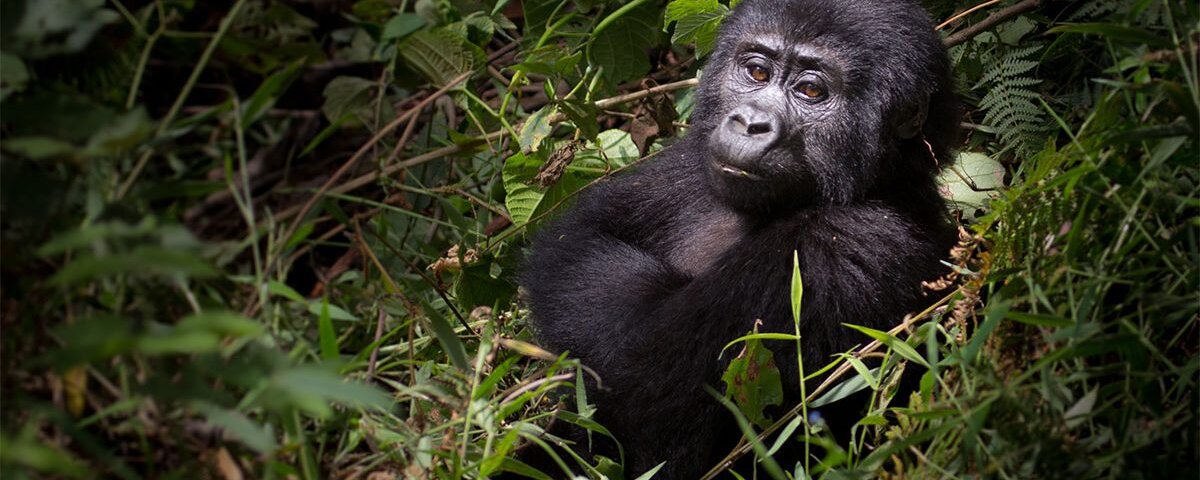
Uganda and Rwanda Gorilla Permits
Uganda and Rwanda Gorilla Permits: Both Uganda and Rwanda are home to the endangered mountain gorilla, primarily located in Uganda’s Bwindi Impenetrable Forest and Mgahinga Gorilla National Park, and Rwanda’s Volcanoes National Park. Despite their geographical proximity, permit systems in these countries have distinct rules, costs, and availability.
In Uganda, gorilla permits are managed by the Uganda Wildlife Authority (UWA). Tourists can choose between standard gorilla trekking permits and more exclusive gorilla habituation permits. Rwanda, through the Rwanda Development Board (RDB), offers permits for Volcanoes National Park, which also allow visitors to witness habituated gorilla families or join habituation experiences. Both countries limit daily visitors to prevent overexposure of gorilla groups to humans, preserving the natural behaviors of these primates.
Travelers planning a trip should note that the peak tourism seasons June to September and December to February often see permits selling out faster due to high demand. Early planning, official bookings, and choosing authorized tour operators like Giant Holiday Safaris ensure guaranteed permits and professional guidance during your trekking adventure.
What Is a Gorilla Trekking Permit?
A gorilla trekking permit is an official authorization that allows tourists to enter protected national parks to see mountain gorillas. These permits are issued by the wildlife authorities of Uganda and Rwanda and serve multiple purposes. Firstly, they help regulate visitor numbers, which is critical to minimize stress on the gorillas and prevent habitat damage. Secondly, the permits support local conservation initiatives, park management, and community projects, ensuring that tourism benefits both wildlife and nearby communities. Tourists are usually accompanied by trained guides who enforce safety rules and provide educational insights about gorilla behavior, forest ecology, and conservation efforts.
The permit acts as a legal entry ticket for a limited-duration trekking experience, typically one hour with a gorilla family. Visitors must strictly follow park regulations, including maintaining distance from gorillas, avoiding direct physical contact, and refraining from loud noises. Obtaining a permit in advance is crucial because gorilla trekking is highly popular, and permits often sell out months ahead. These permits also differ depending on whether you are observing habituated gorillas or participating in a gorilla habituation experience.
How to Get a Gorilla Permit in Uganda
Acquiring a gorilla permit in Uganda is straightforward but requires careful planning. Permits are exclusively issued by the Uganda Wildlife Authority and can be purchased online, through licensed tour operators like Giant Holiday Safaris, or directly at UWA offices. Booking online or via tour operators is recommended to secure permits during peak seasons.
The process involves selecting your preferred park Bwindi Impenetrable Forest or Mgahinga Gorilla National Park choosing a gorilla family, and paying the applicable fee. Tourists must provide personal identification details, including passport information, and confirm their intended trekking date. Once issued, the permit is non-transferable and must be presented at the park headquarters before the trek. Uganda permits are strictly limited to ensure that gorilla families are not stressed by excessive human interaction.
Additionally, travelers are advised to prepare for the trek physically, as the forest terrain is often steep and muddy. Guides provide instructions regarding safety, trekking routes, and the ethical guidelines that preserve gorilla welfare. Working with reputable tour operators simplifies the permit acquisition process and ensures a fully supported safari experience.
How Much Does a Uganda Gorilla Trekking Permit Cost?
As of 2025, a standard Uganda gorilla trekking permit costs $800 per person for foreign non-residents. This fee covers the guided trek, park access, and contribution to conservation efforts. For East African citizens, the cost is significantly lower, around $250, promoting local tourism and conservation awareness.
The fee includes an experienced guide, park entry, and support for conservation programs, including anti-poaching initiatives and community projects benefiting the local population. This ensures that tourism revenue directly supports gorilla protection and forest preservation.
Visitors should note that additional costs may include transportation to the park, accommodation, park ranger tips, and personal hiking gear. The investment is considered worthwhile given the rare opportunity to encounter mountain gorillas in their natural habitat, an experience that leaves lifelong memories.
How Much Does a Rwanda Gorilla Permit Cost?
Rwanda’s gorilla trekking permits are slightly higher due to the country’s exclusive conservation approach. A standard foreign tourist permit costs $1,500 per person, offering access to Volcanoes National Park. For Rwandan residents, the fee is lower, typically $100, supporting local engagement and wildlife awareness.
The Rwanda permit includes a professional guide, park entry, and support for conservation and community development projects. Rwanda places significant emphasis on controlled tourism, which ensures minimal disturbance to gorilla families. Due to the country’s smaller park size and limited gorilla groups, permits sell out quickly, making early booking essential.
Rwanda’s premium permit system provides one of the world’s most exclusive wildlife encounters, giving visitors intimate access to gorillas while funding critical conservation efforts. Combining a permit with guided tours and cultural experiences enhances the overall safari adventure.
What Is a Uganda and Rwanda Gorilla Permits Habituation Permit?
A gorilla habituation permit allows visitors to spend extended time with gorilla families as they gradually get accustomed to human presence. Unlike standard trekking permits, habituation experiences can last several hours and involve observing gorillas in natural behaviors, including feeding, playing, and social interaction.
Habituation permits are limited in number because the process requires careful management to avoid stressing the animals. This type of experience provides deeper insight into gorilla social dynamics, infant care, and group hierarchy. Tourists participating in habituation walks often gain unique photographic opportunities and a richer understanding of conservation efforts. Due to the intensive nature, habituation permits are significantly more expensive than standard trekking permits.
How Much Is a Uganda Gorilla Habituation Permit?
In Uganda, a gorilla habituation permit costs $1,500 per person for foreign tourists. The experience allows visitors to spend up to four hours with gorilla families under close supervision. This extended interaction is designed to educate visitors on gorilla behavior and conservation while providing funding to maintain forest protection and anti-poaching initiatives.
Local citizens pay a reduced fee, making the experience more accessible to Ugandans interested in wildlife conservation. The Uganda Wildlife Authority carefully schedules habituation visits, ensuring minimal disruption to gorilla groups. Because of the rarity of these permits, advanced booking is highly recommended to secure availability.
How Much Is a Rwanda Gorilla Habituation Permit?
Rwanda’s gorilla habituation permits are also priced at a premium. For international visitors, the cost is $3,000 per person, reflecting the exclusivity and intensive conservation requirements of the experience. The habituation session can last several hours and provides detailed insight into gorilla social life and ecosystem interactions.
Rwandan citizens and residents often pay significantly less, supporting local wildlife engagement. Similar to Uganda, these permits are limited to protect gorilla welfare. Participating in habituation walks in Rwanda provides a rare, in-depth opportunity to observe gorilla behavior, contributing directly to conservation funding and local community development.
How Do I Get a Uganda and Rwanda Gorilla Permits?
Acquiring a gorilla permit involves official booking through wildlife authorities or authorized tour operators. In Uganda, this means contacting the Uganda Wildlife Authority (UWA), while in Rwanda, the Rwanda Development Board (RDB) handles all bookings.
Travelers should plan months in advance, especially during peak seasons. Permits require passport information, trek date selection, and payment of the appropriate fee. Using a licensed safari operator ensures the permit is secured correctly and provides additional support, including transportation, guides, and accommodation.
Tourists are advised to receive confirmation emails or printed permits before traveling. Carrying permits to park headquarters is mandatory, and guides often verify identity and booking details before the trek begins. Planning ahead guarantees a stress-free, memorable gorilla trekking adventure.
How Many Gorilla Permits Are Available in Uganda?
Uganda strictly controls daily permit availability to protect gorilla populations. Bwindi Impenetrable Forest offers approximately 96 permits per day, distributed among multiple gorilla families. Mgahinga Gorilla National Park provides fewer permits, around 16 per day, reflecting the smaller number of habituated gorilla groups.
Gorilla habituation permits are even more limited, with typically only two to four permits issued daily. These restrictions ensure minimal human impact on gorilla behavior and forest ecosystems. Advanced booking is essential, as permits often sell out months in advance.
What Does the Gorilla Permit in Uganda Cover?
A Uganda gorilla permit covers several important services:
- Entry into the national park and access to gorilla trekking trails.
- Professional guides trained in gorilla behavior and safety protocols.
- Park fees that support conservation initiatives, anti-poaching patrols, and community projects.
- Limited-duration observation of gorilla families, usually up to one hour.
Visitors are responsible for personal expenses, including transport, accommodation, meals, and tips. Permits also enforce strict ethical guidelines for interacting with gorillas, ensuring a safe and respectful experience for both tourists and wildlife.
Can You Cancel a Uganda or Rwanda Gorilla Permits?
Gorilla permits are generally non-refundable due to high demand and conservation funding requirements. However, some wildlife authorities allow rescheduling with sufficient notice. Uganda Wildlife Authority permits may be transferred to another date or person under specific conditions, typically involving administrative fees.
Rwanda also allows rescheduling in rare cases but maintains strict cancellation policies to prevent misuse. Travelers are advised to carefully plan bookings and consider travel insurance that covers unexpected changes. Understanding permit rules ensures a smooth, stress-free experience and supports ongoing conservation efforts.