Uganda gorilla trekking travel packages
May 4, 2026
Maasai Mara Budget Camps
May 4, 2026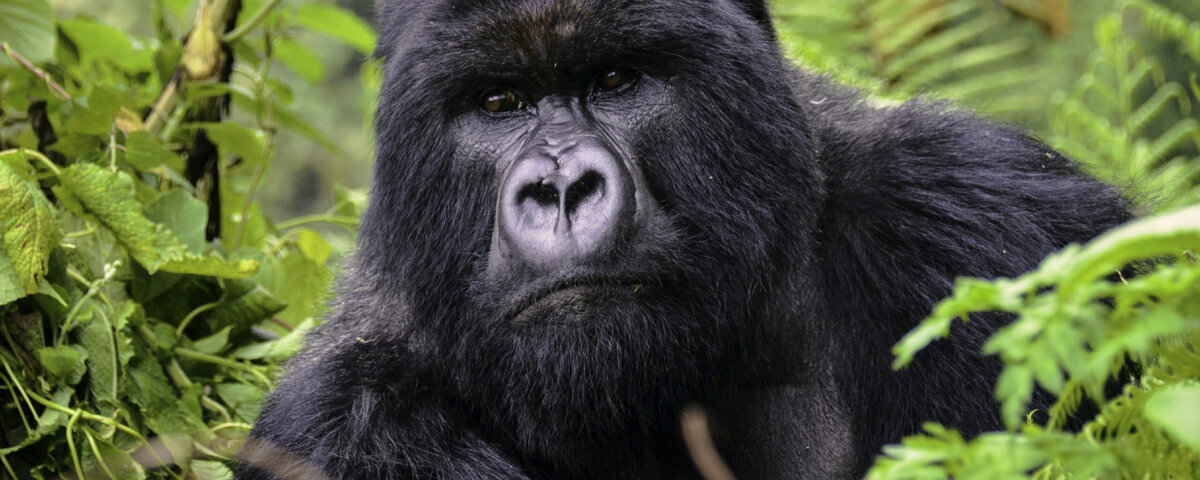
Uganda Gorilla Trekking Wildlife Photography Tours
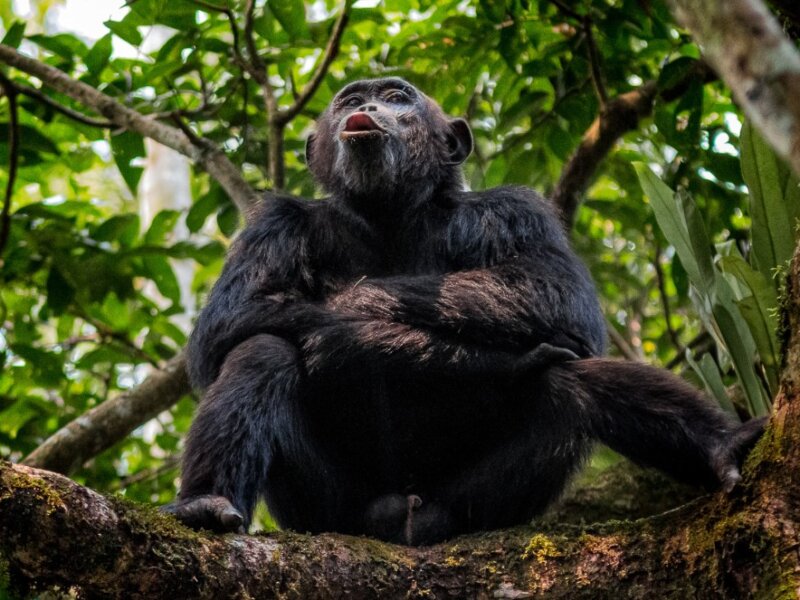
Are you planning a Uganda gorilla trekking wildlife photography tours: Uganda stands out as one of the most rewarding destinations for wildlife photography in Africa. The country offers a rare chance to capture powerful images of mountain gorillas in their natural habitat. These gentle giants live deep in ancient forests, and Uganda protects nearly half of the world’s remaining population. As a result, photographers from around the world travel here to experience unforgettable encounters and build stunning portfolios.
Uganda gorilla trekking wildlife photography tours combine adventure, conservation, and creative storytelling. You move through thick jungle, follow expert trackers, and spend a full hour observing gorillas up close. During this time, you capture raw emotions, unique behaviors, and intimate family moments. Every shot tells a story, and every step builds anticipation.
Moreover, Uganda offers diverse landscapes beyond gorillas. You can photograph tree-climbing lions, elephants, rare birds, and breathtaking scenery. This variety allows you to create a complete African wildlife collection in one trip. With well-trained guides, organized permits, and strong conservation systems, Uganda delivers both safety and authenticity.
For photographers who seek more than just images, Uganda provides a meaningful journey. You connect with nature, support conservation, and return home with powerful visual stories that inspire others.
Why Choose Uganda for Gorilla Photography Tours
Uganda offers unmatched value for gorilla photography tours. First, the country provides access to two prime gorilla habitats: Bwindi Impenetrable National Park and Mgahinga Gorilla National Park. These parks host habituated gorilla families, which means they accept human presence and allow close observation.
In addition, Uganda maintains strict trekking regulations through the Uganda Wildlife Authority. These rules protect gorillas while giving photographers a structured and rewarding experience. You spend one full hour with a gorilla family, which provides enough time to adjust your camera settings and capture diverse shots.
Furthermore, Uganda’s terrain enhances photography. The forests feature soft, diffused light due to dense canopy cover. This natural lighting reduces harsh shadows and improves image quality. Also, the green background creates contrast that highlights the gorillas’ dark fur.
Compared to other destinations, Uganda offers more affordable permits and flexible trekking options. This advantage allows photographers to plan longer stays or multiple treks. As a result, you increase your chances of capturing rare behaviors and perfect compositions.
Uganda also blends wildlife with culture. You can photograph local communities, traditional dances, and daily life around the parks. This combination adds depth to your storytelling and strengthens your photography portfolio.
Best Locations for Gorilla Photography in Uganda
Uganda provides two main locations for gorilla photography, and each offers a unique experience. Bwindi Impenetrable National Park remains the top choice for most photographers. The park features dense rainforest, steep hills, and multiple gorilla families spread across different sectors such as Buhoma, Ruhija, Rushaga, and Nkuringo. Each sector offers different lighting conditions, trekking difficulty, and photographic angles.
Bwindi’s thick vegetation creates dramatic scenes. You capture gorillas emerging through vines, resting under giant trees, or interacting within tight family groups. The diversity of terrain ensures that no two treks feel the same.
On the other hand, Mgahinga Gorilla National Park offers a more open environment. The park sits within the Virunga Mountains, and bamboo forests dominate the landscape. This setting allows clearer views and wider shots. Photographers often find it easier to frame subjects and capture full-body images here.
Both parks support incredible biodiversity. You can photograph golden monkeys, forest birds, and unique plant life. Therefore, each location adds variety to your photography tour.
Choosing between Bwindi and Mgahinga depends on your style. If you prefer dramatic jungle scenes, Bwindi works best. If you want cleaner compositions and easier visibility, Mgahinga becomes the ideal option.
What to Expect During a Gorilla Photography Trek
A gorilla photography trek begins early in the morning. You arrive at the park headquarters, attend a briefing, and meet your guides and trackers. The team assigns you to a specific gorilla family based on your fitness level and interest.
Once the trek starts, you move through forest trails, climb hills, and navigate dense vegetation. The experience feels immersive and exciting. Along the way, guides share insights about plants, animals, and gorilla behavior. This knowledge helps you anticipate movements and prepare for better shots.
When trackers locate the gorilla family, your guide signals you to prepare. At this moment, you adjust your camera settings, check your lenses, and stay alert. You then approach the gorillas slowly and quietly.
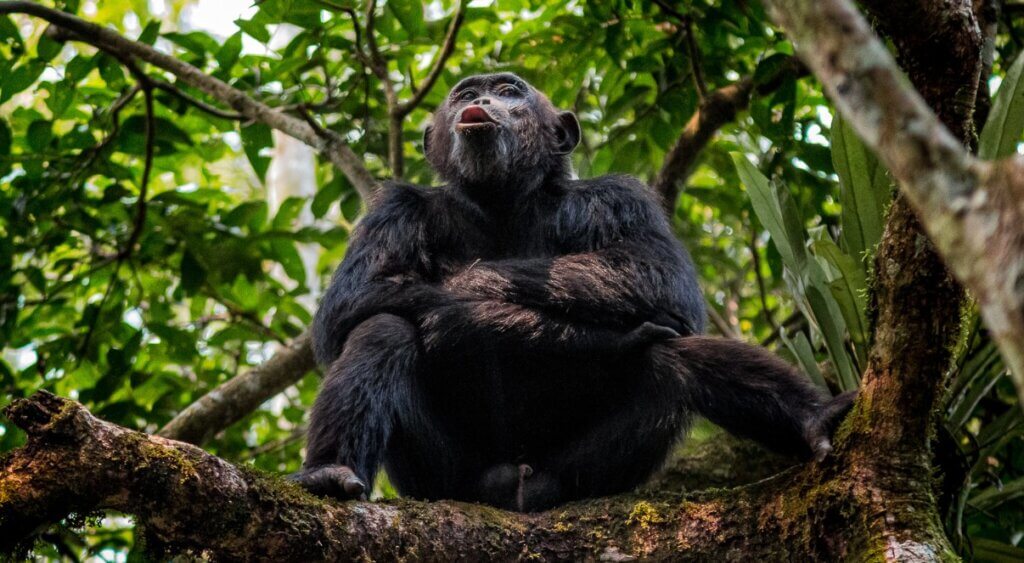
You spend one full hour with the gorillas. During this time, you capture feeding, grooming, playing, and resting behaviors. You observe silverbacks leading the group and young gorillas interacting playfully. Each moment offers a new opportunity for storytelling.
The environment challenges your photography skills. Low light, movement, and foliage require quick adjustments. However, these challenges push you to improve your technique and creativity.
After the trek, you return with a deep sense of achievement. The experience goes beyond photography. It connects you with nature and leaves a lasting impression.
Essential Photography Gear for Gorilla Trekking
Packing the right gear improves your success during a gorilla photography tour. Start with a reliable DSLR or mirrorless camera. Choose a model that performs well in low light because forest conditions often limit brightness.
Next, carry a versatile lens. A 70-200mm lens works well for close encounters, while a 100-400mm lens allows you to capture distant subjects without disturbing them. Fast lenses with wide apertures help you shoot in dim conditions and create beautiful background blur.
Also, pack extra batteries and memory cards. Gorilla treks last several hours, and you do not want to miss key moments due to limited storage or power. A lightweight tripod or monopod can help stabilize your shots, although many photographers prefer handheld shooting for flexibility.
Protect your gear with waterproof covers. Rain falls frequently in rainforest environments, and moisture can damage equipment quickly. Additionally, carry a cleaning kit to remove dust and moisture from your lenses.
Comfort matters as well. Wear a durable camera strap or harness to reduce strain during long treks. Keep your gear organized for quick access because wildlife moments happen fast.
By preparing well, you increase your efficiency and confidence. This preparation allows you to focus on creativity and storytelling instead of technical issues.
Best Time for Gorilla Photography Tours in Uganda
Uganda welcomes visitors year-round, but certain seasons offer better photography conditions. The dry seasons, which run from June to September and December to February, provide the best experience. During these months, trails remain easier to navigate, and rainfall occurs less frequently.
Dry conditions improve visibility and allow more stable footing. As a result, you spend less time struggling through mud and more time focusing on photography. Additionally, clearer skies enhance natural lighting, which improves image quality.
However, the wet seasons also offer unique advantages. The forest becomes lush and vibrant, creating rich green backgrounds. Mist and fog add a dramatic atmosphere to your shots. These conditions produce artistic and moody images that stand out.
Gorillas remain active throughout the year, so you can photograph them in any season. The key lies in adapting your approach. For example, during rainy periods, you use weather protection and adjust camera settings for low light.
Ultimately, the best time depends on your preference. If you want easier trekking, choose the dry season. If you seek dramatic scenery and fewer crowds, consider the wet season.
Conservation and Responsible Gorilla Photography
Gorilla photography goes hand in hand with conservation. Uganda protects its gorilla population through strict guidelines and sustainable tourism practices. By joining a photography tour, you directly support conservation efforts.
The Uganda Wildlife Authority enforces rules that protect both gorillas and visitors. You must keep a safe distance, avoid flash photography, and follow guide instructions at all times. These rules reduce stress on the animals and ensure their natural behavior remains unchanged.
Responsible photography also means respecting the environment. You avoid littering, stay on designated trails, and minimize noise. These actions protect the ecosystem and preserve it for future generations.
Additionally, tourism revenue supports local communities. It funds education, healthcare, and conservation projects. When communities benefit, they become active partners in protecting wildlife.
As a photographer, you hold the power to influence others. Your images can raise awareness and inspire conservation action. By sharing ethical and respectful content, you contribute to a larger mission.
Combining Gorilla Trekking with Other Wildlife Photography Experiences
Uganda offers more than gorillas. You can combine your trek with other wildlife photography experiences to create a complete safari. Queen Elizabeth National Park provides opportunities to photograph tree-climbing lions, elephants, and hippos. The park’s diverse habitats allow you to capture both land and water scenes.
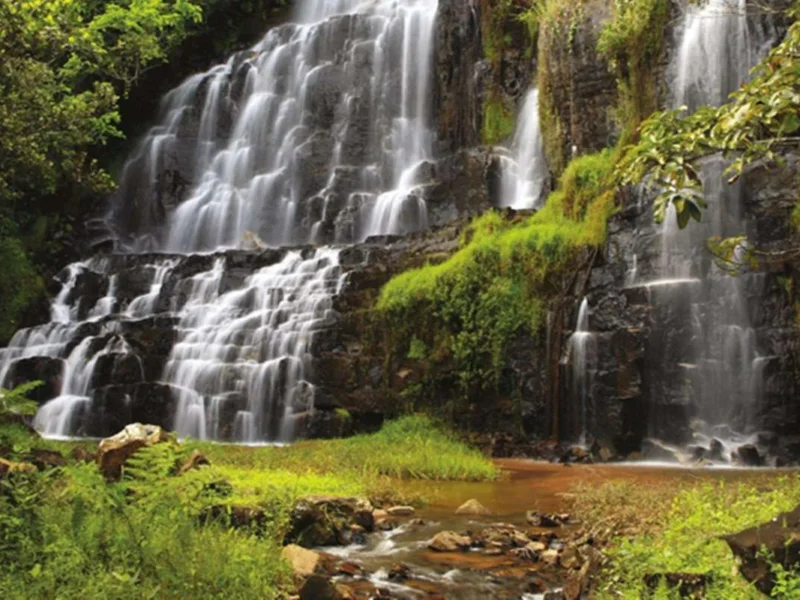
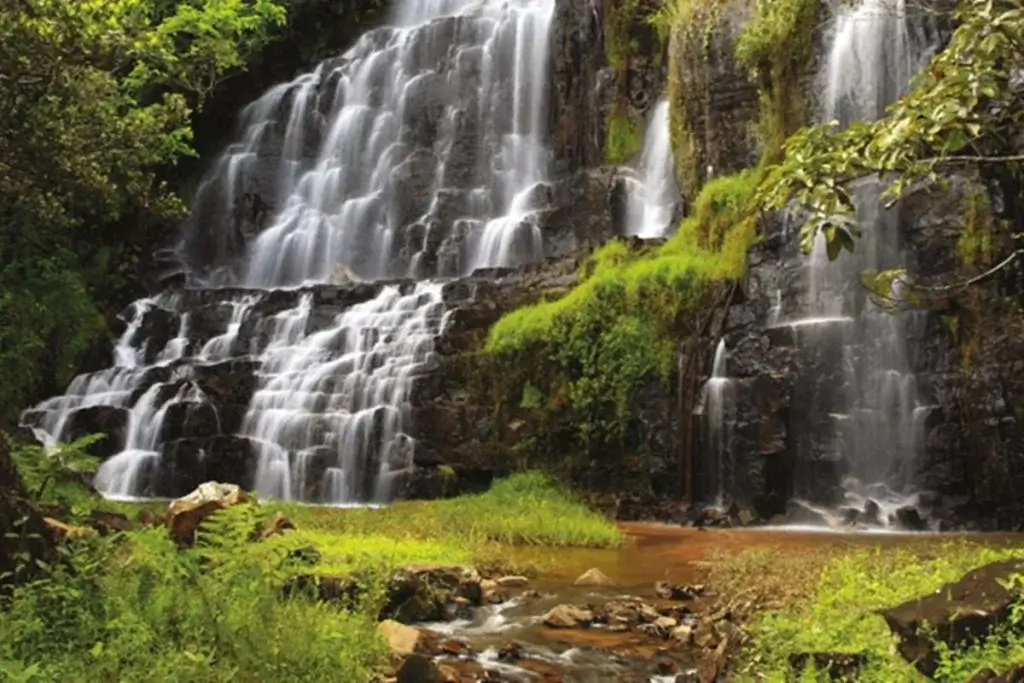
In Murchison Falls National Park, you can photograph powerful waterfalls, Nile River wildlife, and large herds of animals. The dramatic landscapes add variety to your portfolio.
Bird lovers can explore Kibale National Park and other forest reserves. Uganda hosts over 1,000 bird species, which makes it a paradise for bird photography.
You can also visit local communities near the parks. Cultural photography adds human stories to your collection. You capture traditional dances, crafts, and daily life, which enrich your narrative.
By combining experiences, you maximize your travel investment. You return home with a diverse portfolio that showcases Africa’s beauty and complexity.
Planning Your Uganda Gorilla Photography Tour
Planning a successful photography tour requires attention to detail. Start by booking your gorilla permit early. Permits remain limited, and demand stays high throughout the year. Work with a trusted operator like Giant Holiday Safaris to secure your spot.
Next, design an itinerary that matches your goals. Include multiple trekking days if possible. This approach increases your chances of capturing rare moments and improving your shots.
Choose accommodations close to trekking points. This decision reduces travel time and allows you to rest before early morning treks. Many lodges offer comfortable stays and easy access to the parks.
Prepare physically for the trek. Gorilla trekking involves hiking through challenging terrain, so basic fitness helps you enjoy the experience fully. Pack suitable clothing, including hiking boots, long sleeves, and rain gear.
Finally, consider hiring a local photography guide. These experts understand gorilla behavior and know how to position you for the best shots. Their guidance can make a significant difference in your results.
With proper planning, your Uganda gorilla trekking wildlife photography tour becomes smooth, productive, and unforgettable.