
Kibira National Park
October 26, 2026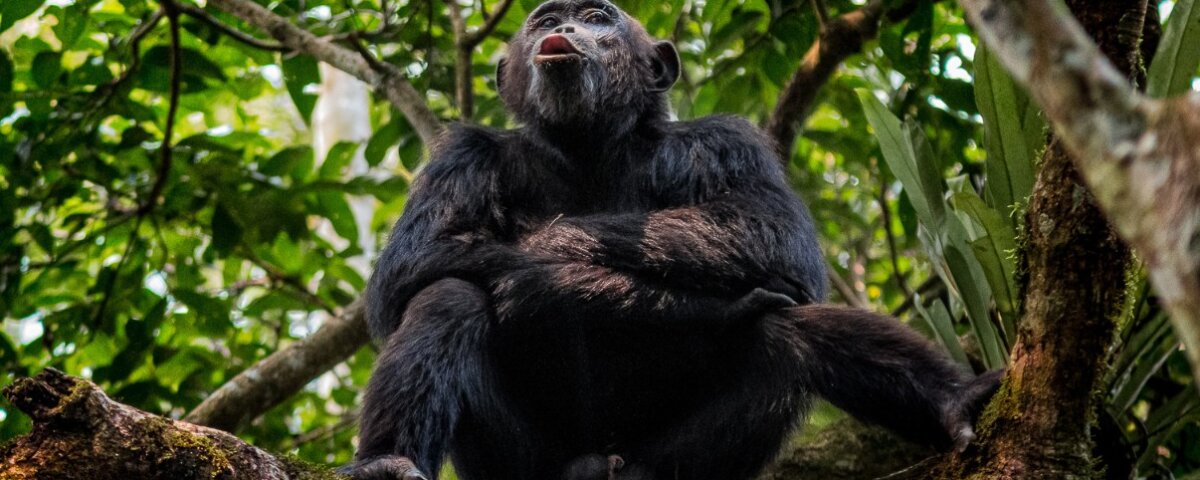
Ruvubu National Park
Ruvubu National Park is one of Burundi’s most important natural attractions, offering visitors an opportunity to explore open savannah, river valleys, woodland, wetlands and diverse wildlife in a peaceful setting. Located in northeastern Burundi, this protected area provides a rewarding experience for travelers who want to discover a less explored side of African tourism. Unlike the continent’s famous safari destinations, Ruvubu offers a quieter environment where nature, local culture and conservation take center stage.
For international travelers, Ruvubu National Park presents an opportunity to experience Burundi beyond its cities and lakeshores. The park protects a range of natural habitats along the Ruvubu River, creating a landscape that supports different types of wildlife and birdlife. Moreover, its relatively low profile on the international tourism market makes it an interesting destination for adventurous visitors, photographers, birdwatchers and nature lovers.
Burundi may be a small country, but it offers a variety of experiences for travelers who want to explore East and Central Africa beyond the usual safari routes. From the shores of Lake Tanganyika to the cultural heritage of Gitega and the natural beauty of its hills, the country rewards visitors who take time to discover its different regions. Ruvubu National Park adds another important dimension to this experience through its protected wilderness and opportunities for responsible nature tourism.
Where is Ruvubu National Park Located?
Ruvubu National Park lies in northeastern Burundi, where the Ruvubu River shapes a broad landscape of grasslands, wetlands, woodland and riverine vegetation. The park extends across four provinces: Cankuzo, Ruyigi, Karuzi and Muyinga. Its position near the Tanzanian border also gives it a place within the wider ecological landscape of the Great Lakes region of East Africa.
The park covers approximately 508 square kilometers, or 50,800 hectares, making it Burundi’s largest national park. It follows a long stretch of the Ruvubu River and protects habitats that support many forms of wildlife. In addition, its location makes it an interesting destination for visitors who want to explore the northeastern countryside rather than focus only on Bujumbura, Gitega or Lake Tanganyika.
Travelers can include Ruvubu National Park in a wider Burundi itinerary that explores the country’s rural communities, cultural attractions and natural landscapes. However, visitors should plan their journey carefully because travel times depend on the chosen entrance, road conditions and the location of their accommodation.
Before departure, arrange transport with a reliable local operator and confirm the correct park access point with the relevant authorities. Since the park covers a large area, reaching a nearby town does not necessarily mean that you have reached the visitor entrance. Careful planning helps you make the most of your time in this remarkable part of Burundi.
The History and Establishment of Ruvubu National Park
Ruvubu National Park became a protected area in 1980 to help conserve Burundi’s natural habitats and wildlife. Its establishment marked an important step in protecting the country’s remaining savannah ecosystems, river valleys and wetlands. As land use changed across the surrounding countryside, the park became increasingly important as a refuge for wildlife that depends on larger areas of connected natural habitat.
The park’s value extends beyond the animals that visitors may encounter during a safari. Its river, floodplains and vegetation support ecological processes that keep the landscape functioning. For example, wetlands help retain water, while riverbank vegetation provides shelter and feeding areas for different species. Grasslands and woodland also create habitats for grazing animals, primates and birds.
Today, Ruvubu National Park represents an important part of Burundi’s natural heritage. The country has a relatively small land area, so protecting a large ecosystem such as Ruvubu helps preserve habitats that might otherwise face increasing pressure from farming, settlement and other human activities.
Nevertheless, establishing a protected area does not automatically remove every threat. Conservation requires ongoing management, trained personnel, community cooperation and sufficient resources. Visitors can support this work by respecting park rules, using authorized guides and choosing responsible tourism services. In this way, a visit becomes more than a sightseeing activity. It also helps create recognition for Burundi’s wildlife and the importance of protecting it for future generations.
Landscape and Natural Beauty of Ruvubu National Park
Ruvubu National Park offers a different landscape from the mountain forests that many travelers associate with Burundi. Here, the scenery changes between open grasslands, rolling hills, wooded slopes, river valleys and patches of dense vegetation. This variety creates an appealing environment for nature lovers who enjoy observing how different habitats meet and change across a protected landscape.
The Ruvubu River forms the central feature of the park. Its waters move through a valley bordered by vegetation that varies according to the local terrain and moisture levels. Near the river, wetlands and swamp plants provide shelter for water associated wildlife. Farther away, grasses, shrubs and trees create habitats for animals that feed on leaves, seeds and fresh vegetation.
Seasonal changes also influence the park’s appearance. During wetter periods, grasses and other plants grow vigorously, and some low lying areas become wetter. As conditions become drier, the landscape may look more open, making certain animals easier to spot in suitable locations. However, wildlife visibility always depends on weather, vegetation, animal movements and the experience of the guide.
For photographers, the park offers opportunities to capture wide landscapes, river scenes, changing light and wildlife within its natural surroundings. Meanwhile, visitors who enjoy quiet outdoor experiences can appreciate the contrast between open savannah and shaded woodland.
Rather than expecting every section of the park to look the same, allow time to appreciate its different environments. The combination of river, grassland and woodland gives Ruvubu National Park much of its ecological value and natural character.
Wildlife in Ruvubu National Park
Wildlife is one of the main reasons to explore Ruvubu National Park. The protected area supports a variety of mammals, reptiles, fish and birds, making it an important destination for travelers interested in Burundi’s natural heritage. Although visitors should not expect the same developed safari experience available in some larger East African tourism destinations, the park offers a valuable opportunity to explore a less visited wildlife ecosystem.
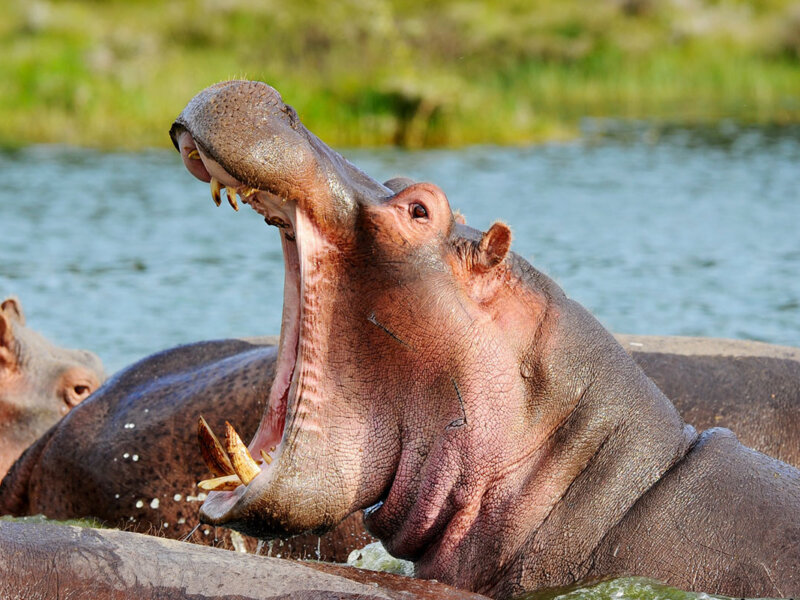
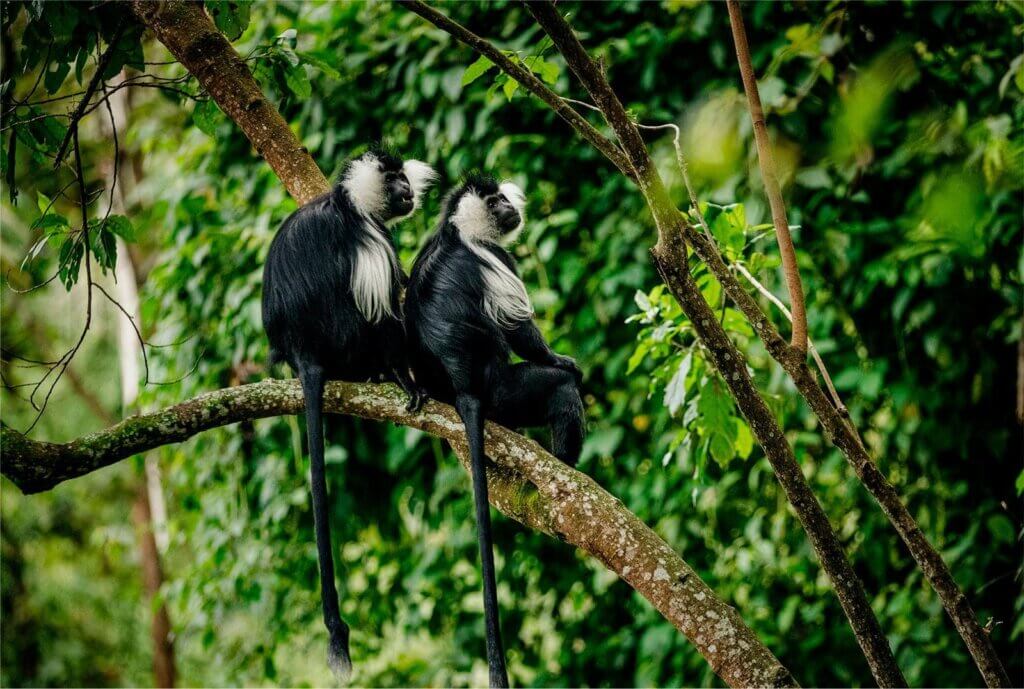
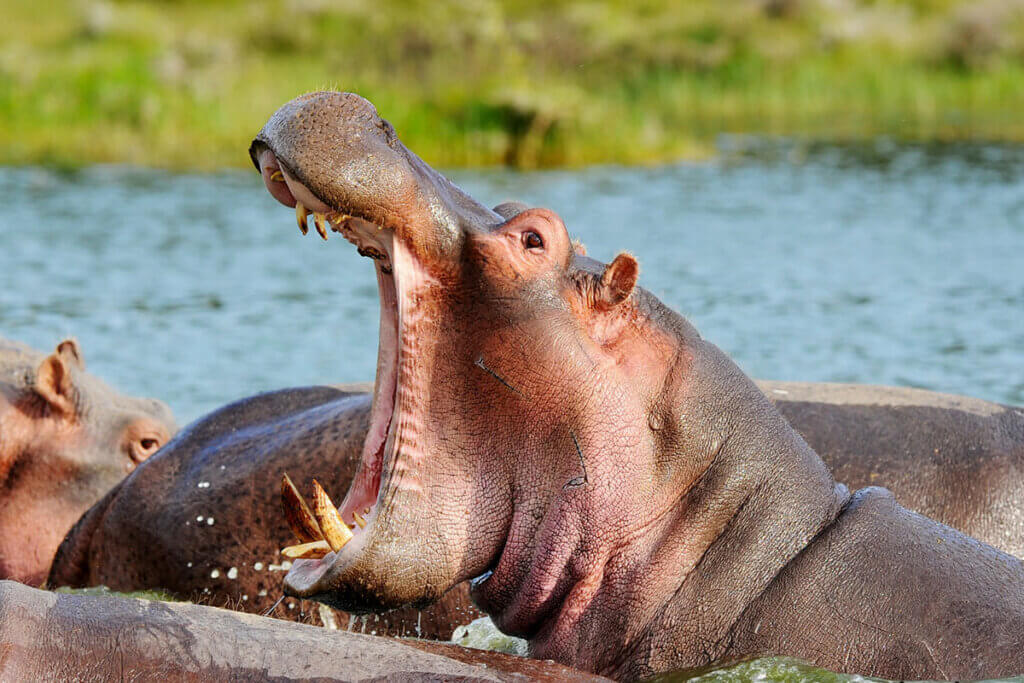
The animals you may encounter include African buffaloes, hippopotamuses, waterbucks, bushbucks, warthogs and several types of antelope. Primates such as olive baboons and vervet monkeys also inhabit parts of the park. The river and surrounding wetlands provide suitable habitats for hippos and Nile crocodiles, although sightings depend on the season, location and conditions on the day of your visit.
Predators and other less frequently observed mammals have also been recorded in the wider park ecosystem. However, visitors should treat sightings of elusive species as a possibility rather than a guarantee. Wildlife populations move across large areas, and dense vegetation can make animals difficult to see.
A knowledgeable local guide can help you recognize animal tracks, feeding signs, calls and changes in vegetation. Even when large mammals remain hidden, these details make the experience more engaging.
For the best experience, approach wildlife observation with patience. Avoid making loud noises, feeding animals or attempting to get closer for photographs. Instead, allow animals to behave naturally while you observe them from a safe distance. This respectful approach protects both visitors and wildlife while making Ruvubu National Park a rewarding destination for responsible nature tourism.
Birdwatching in Ruvubu National Park
Ruvubu National Park is an important destination for birdwatchers visiting Burundi. Its river, wetlands, grasslands and woodland create habitats for a wide range of bird species. Different environments attract different birds, so a visitor who explores more than one habitat may enjoy a broader birdwatching experience than someone who remains in a single location.
Water associated habitats attract birds that feed on fish, insects and other aquatic life. Meanwhile, grassland and woodland areas support species adapted to open spaces, shrubs and trees. Depending on the location and season, visitors may encounter kingfishers, herons, egrets, raptors, weavers and other regional birds. The park also has important wetland birdlife, including species associated with papyrus and marsh vegetation.
Bird species recorded in the wider park include the papyrus gonolek and other birds that depend on wetland habitats. However, the presence of a species in the park does not mean that every visitor will see it. Some birds remain concealed in thick vegetation, while others move seasonally or occupy specific habitats.
Bring binoculars, a notebook and a camera if you enjoy recording wildlife observations. Neutral clothing can also help you move through viewing areas without drawing unnecessary attention. Most importantly, give yourself enough time to listen as well as look. Bird calls often reveal activity before you spot the bird itself.
A local guide with bird identification experience can improve your visit by helping you distinguish similar species and identify their calls. Whether you are an experienced birder or a beginner, Ruvubu offers a chance to appreciate the rich birdlife of Burundi while learning why wetlands and natural grasslands deserve protection.
Things to Do in Ruvubu National Park
Ruvubu National Park offers several activities for travelers who want to experience Burundi’s natural environment. The available options depend on current park arrangements, local guide availability, weather and the condition of access roads. Therefore, confirm the activities offered for your travel dates before building your itinerary around them.
One of the main experiences is a guided nature excursion through suitable park areas. A guide can introduce you to the landscape, explain the relationship between different habitats and help you look for wildlife signs. Depending on current rules and conditions, visitors may be able to arrange a shorter guided walk or a longer excursion.
Wildlife observation is another important activity. You can spend time looking for buffaloes, antelopes, primates and other animals while learning about their behavior. Sightings remain unpredictable, so allow time to appreciate the environment even when animals do not appear immediately.
Birdwatching also attracts visitors who want to explore the park’s wetlands, riverbanks and woodland. With binoculars and a suitable field guide, you can observe different bird species and learn how their feeding habits relate to the habitats around them.
Nature photography provides another way to experience Ruvubu. The river valley, open grasslands and woodland offer varied subjects, particularly when the light changes in the early morning or late afternoon. Always follow local guidance when photographing wildlife.
Finally, you can use the visit to learn about conservation in Burundi. Ask your guide about local habitats, the challenges facing wildlife and the importance of community participation. This educational element helps travelers understand the park beyond its scenery and makes the experience more meaningful.
Guided Nature Walks and Wildlife Exploration
Guided nature walks can help visitors appreciate the details that they might otherwise overlook in Ruvubu National Park. Rather than concentrating only on large animals, a walk introduces you to plants, insects, animal tracks, bird calls and the changing features of the landscape. These details help explain how the park’s different habitats support life.
The Burundi tourism authorities describe guided walks and excursions lasting a few hours or a full day among the park’s visitor experiences. However, the exact routes and activities available may change. Before traveling, confirm which areas are accessible and whether the park currently offers the type of excursion you want.
During a guided walk, your guide may explain how to identify animal footprints, recognize feeding areas or distinguish between grassland and wetland vegetation. You can also learn how seasonal rainfall affects the landscape. This knowledge turns a simple walk into an educational wildlife experience.
Safety should always come first. Walk only where park authorities permit, remain with your guide and follow instructions about wildlife encounters. Do not wander away from the group or approach animals because they appear calm. Wild animals can react unpredictably, even when visitors cannot see obvious signs of danger.
Wear comfortable walking shoes, carry drinking water and protect yourself from the sun and insects. A lightweight rain jacket may also prove useful during wetter months.
These excursions suit travelers who enjoy outdoor learning and do not require a constant stream of major wildlife sightings to feel satisfied. By taking time to observe the smaller details, you gain a deeper understanding of the natural systems that make Ruvubu National Park important to Burundi.
Best Time to Visit Ruvubu National Park
The best time to visit Ruvubu National Park depends on your interests, preferred activities and tolerance for changing weather. Burundi experiences wetter and drier periods, and these seasonal patterns influence road conditions, vegetation growth and the ease of moving through the countryside.
The drier months generally offer more practical conditions for road travel and outdoor activities. With less rain, some access roads may become easier to navigate, and walking routes may be less muddy. In areas where vegetation becomes thinner, visitors may also find it easier to observe certain animals. However, these advantages do not guarantee frequent wildlife sightings.
During wetter periods, the landscape can become greener and more vibrant. This can create excellent conditions for scenery photography and observing the growth of vegetation. At the same time, rain may affect road access, walking conditions and the timing of excursions. Some low lying areas can become difficult to reach.
Birdwatchers should consider their target species and the seasonal movement of birds. Different times of year may offer different opportunities, so it is worth discussing your interests with a knowledgeable local guide before choosing dates.
Because local conditions can vary, avoid relying on a general seasonal guide alone. Check recent weather information, confirm the state of access roads and ask park authorities about current visitor arrangements.
For a more relaxed experience, consider allowing flexibility in your itinerary. A spare morning or an additional night in the region can help you adjust to unexpected rain or travel delays. With sensible planning, both the greener and drier periods can provide rewarding opportunities to explore Ruvubu National Park.
How to Get to Ruvubu National Park
Travelers can reach the Ruvubu National Park region by road from other parts of Burundi. However, the park covers a large area, and your best route depends on the entrance or visitor area you intend to use. The nearest town for accommodation or supplies may not be the same as the best starting point for your planned excursion.
Many international visitors begin their journey in Bujumbura, Burundi’s principal urban center, or Gitega, the country’s political capital. From there, they can arrange road transport toward northeastern Burundi. The journey may take several hours, depending on the starting point, destination, road conditions and stops along the way.
Before leaving, confirm the precise access point with park authorities or your local tour operator. Do not rely only on a general map pin because a large protected area may have several possible approaches, and not all routes provide access to visitor facilities.
A private vehicle with an experienced local driver can make the journey easier. Drivers familiar with the region can help you manage changing road conditions, identify suitable rest stops and coordinate your arrival with local guides. A suitable vehicle is particularly important if your itinerary includes rural roads or travel during rainy periods.
Carry identification, drinking water, essential personal items and sufficient local currency for expenses where electronic payments may not be available. Check fuel arrangements before entering remote areas, and avoid planning a tight connection immediately after your excursion.
Most importantly, verify current travel and security advice before departure. With a clear route, confirmed access arrangements and reliable transport, you can explore Ruvubu National Park with greater confidence.
Accommodation Near Ruvubu National Park
Accommodation is an important part of planning a visit to Ruvubu National Park, especially because the protected area lies away from Burundi’s main urban centers. Travelers should arrange suitable lodging before setting out, rather than assuming that a wide selection of hotels or safari lodges will be available close to every park entrance.
Visitors can investigate guesthouses, small hotels and other accommodation options in towns across northeastern Burundi. The most practical base depends on the entrance you plan to use, the activities you want to enjoy and the condition of the roads. A property that looks close on a map may still require considerable driving because rural routes can be slow.
When choosing accommodation, consider cleanliness, security, access to meals, reliable transport arrangements and the availability of staff who can help organize local excursions. Ask whether the property can arrange an early breakfast or packed lunch if your guided activity begins in the morning. You should also confirm whether the accommodation has reliable electricity, drinking water and mobile network coverage.
For travelers who prefer greater comfort, a private tour operator may help coordinate accommodation, transport and park activities as one itinerary. However, confirm each service before paying, and request clear information about what the quoted price includes.
Because tourism facilities in this part of Burundi remain limited compared with those in some established safari destinations, flexibility is useful. Book ahead whenever possible, particularly if you need specific room arrangements or travel during a busy period.
A carefully chosen base can make your visit much more comfortable and give you enough time to enjoy Ruvubu National Park without rushing between distant locations.
Cultural Experiences Around Ruvubu National Park
A visit to Ruvubu National Park can also introduce travelers to the cultural life of northeastern Burundi. The countryside includes farming communities, local markets and settlements where daily life reflects the relationship between people, land and natural resources. Exploring this wider setting helps visitors understand that the park forms part of a living regional landscape rather than an isolated attraction.
Agriculture plays an important role in rural livelihoods across Burundi. As you travel through the region, you may see cultivated fields, rural homes and people carrying out everyday activities. Local markets can offer an opportunity to learn about regional produce, household goods and the movement of products between communities.
However, visitors should approach cultural encounters with respect. Ask permission before taking photographs of people, homes or private activities. When visiting a market or arranging a community experience, follow local guidance and pay fair prices for goods and services.
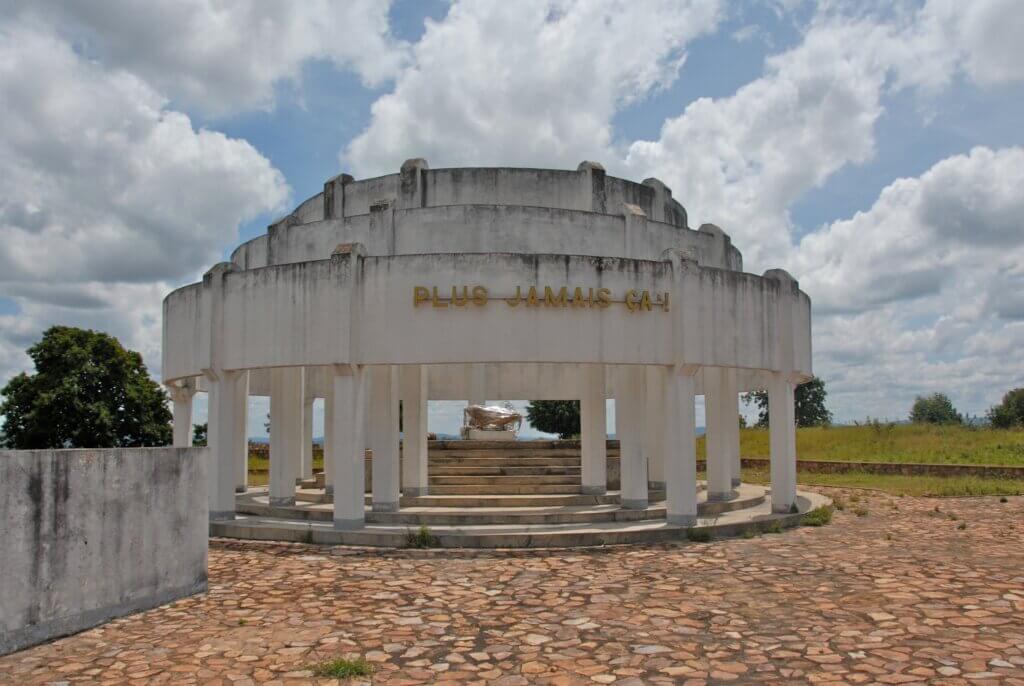
A local guide can also explain aspects of Burundian culture, including the importance of family, community relationships, traditional music and national heritage. If your itinerary allows, you can combine the park with a visit to Gitega, where cultural institutions and historical attractions add context to the country’s identity.
Responsible tourism should benefit local people as well as visitors. Consider purchasing locally made products, using legitimate local services and treating community members with courtesy. Avoid presenting rural communities as tourist displays or expecting people to perform cultural activities without a clear agreement.
By including respectful cultural experiences in your itinerary, you gain a more complete understanding of Burundi. Ruvubu National Park then becomes part of a wider journey that connects wildlife, landscapes, local livelihoods and the cultural heritage of the country.
Conservation Challenges Facing Ruvubu National Park
Ruvubu National Park protects important wildlife and habitats, but its long term future depends on effective conservation. Like many protected areas in regions with growing demand for land and natural resources, the park faces pressures that can affect its ecosystems and the people who live nearby.
Poaching, illegal fishing, uncontrolled bushfires and the loss of natural vegetation have been identified as conservation concerns in the park. Agricultural expansion and livestock grazing can also create pressure along protected area boundaries. These activities may reduce available habitat, disturb wildlife and affect the ecological balance of the river and surrounding grasslands.
Conservation teams must manage these pressures while considering the needs of local communities. People living near protected areas may depend on surrounding land and natural resources for their livelihoods. Therefore, lasting conservation requires more than enforcement. It also needs community engagement, environmental education and practical ways for local people to benefit from protecting nature.
Tourism can contribute to these efforts when park authorities manage it responsibly. Visitor fees and locally provided services can help support conservation and create economic opportunities. Nevertheless, tourism alone cannot solve every challenge, and its benefits depend on transparent management and consistent investment.
Travelers can play a constructive role by following park rules, refusing to purchase products made from protected wildlife and reporting serious concerns to the appropriate authorities. They can also choose responsible operators who respect conservation regulations and local communities.
Protecting Ruvubu National Park matters because its river, wetlands and savannah preserve valuable natural systems for future generations. A visit can raise awareness of these challenges while demonstrating why Burundi’s natural heritage deserves greater recognition and care.
Responsible and Sustainable Tourism in Ruvubu National Park
Sustainable tourism aims to protect natural resources while creating positive experiences for visitors and meaningful benefits for local communities. At Ruvubu National Park, this approach is particularly important because the area’s ecological value depends on maintaining healthy habitats and managing human activity responsibly.
Start by choosing authorized guides and transport providers who understand local regulations. Follow instructions about where to walk, where to observe wildlife and which areas visitors may enter. Never leave waste in the park, and carry reusable water containers where practical. If you bring packaging or other rubbish, take it back out with you.
Wildlife photography also requires care. Avoid chasing animals, blocking their movement or making loud noises to attract their attention. Do not feed wildlife, and never remove plants, eggs, stones or other natural materials as souvenirs. These simple actions help protect the environment and reduce disturbance to animals.
Supporting local businesses is another important part of responsible travel. When available, use local guides, book suitable accommodation in nearby communities and buy genuine local products. Ask about community experiences that operate with the agreement and participation of the people involved.
Travelers should also respect the limits of the destination’s facilities. Ruvubu is not a highly developed mass tourism center, so visitors may need to adapt their expectations and schedules. Allowing extra time and accepting that some facilities may be basic can reduce pressure on local services.
Above all, sustainable tourism should support conservation without ignoring the needs of people who live around the park. When visitors respect wildlife, local customs and community livelihoods, they help create a more responsible tourism model for Burundi. This approach can strengthen the park’s reputation while protecting the natural qualities that make it worth visiting.
What to Pack for a Visit to Ruvubu National Park
Packing the right items can make your visit to Ruvubu National Park more comfortable, especially if you plan to spend several hours outdoors. The park’s changing habitats, seasonal rainfall and rural location mean that visitors should prepare for both warm weather and possible changes in conditions.
Start with comfortable walking shoes that provide good grip. Some paths may become muddy after rain, while uneven ground can make ordinary footwear uncomfortable. Lightweight clothing works well in warm conditions, and long trousers can help protect your legs from vegetation and insects. A light rain jacket is useful when showers threaten, even if the morning begins with clear skies.
Bring binoculars if you enjoy birdwatching or observing wildlife from a distance. A camera with a suitable zoom lens can help you photograph animals without approaching them. Remember that wildlife sightings are unpredictable, so use equipment that allows you to enjoy the landscape even when animals remain hidden.
Carry drinking water, sun protection, insect repellent and any personal essentials you need throughout the day. A small backpack makes it easier to keep your belongings organized during a guided excursion. You should also bring any required identification and confirm payment arrangements for park services in advance.
If you plan to spend a full day in the area, ask your tour operator whether you should bring lunch or whether suitable meal arrangements are available. Avoid carrying unnecessary single use packaging, and take your waste back with you.
Finally, check the weather forecast and current park guidance before departure. A little preparation helps you focus on the experience rather than worrying about missing supplies. With suitable clothing, basic outdoor equipment and realistic expectations, you can enjoy Ruvubu National Park more comfortably.
Planning a Burundi Safari Including Ruvubu National Park
Ruvubu National Park can form part of a wider Burundi itinerary for travelers who want to combine wildlife, landscapes and cultural experiences. Rather than treating the park as an isolated stop, consider how it fits into your route and how much time you can comfortably spend in each destination.
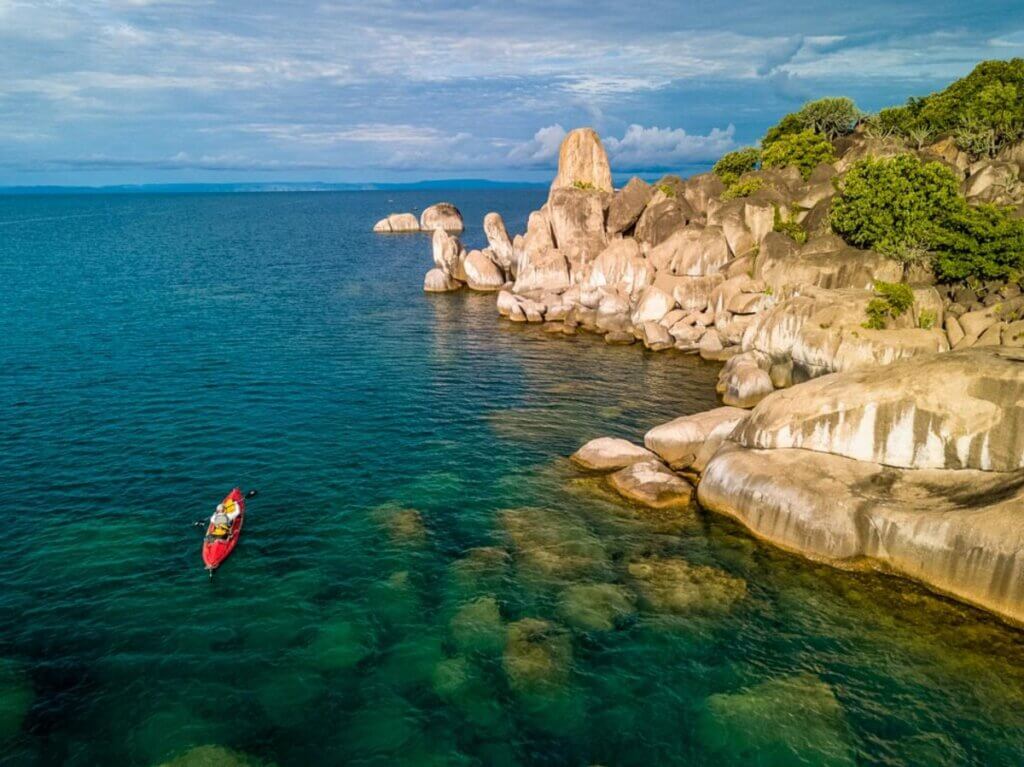
A journey might begin in Bujumbura, where visitors can explore the urban environment and the shores of Lake Tanganyika. From there, travelers can continue toward Gitega to learn about Burundi’s cultural heritage before heading northeast toward the Ruvubu region. This route offers a contrast between city life, cultural attractions and protected wilderness.
Travelers with additional time may consider other natural attractions, such as Rusizi National Park or Kibira National Park. Rusizi provides a different experience focused on river and wetland habitats near Bujumbura, while Kibira protects montane forest ecosystems. Combining destinations allows visitors to discover the variety of Burundi’s landscapes.
However, avoid packing too many activities into a short trip. Road journeys can take longer than expected, and the limited availability of some tourism services makes advance planning important. Allow time for meals, rest stops and unexpected delays. If wildlife observation is your main priority, schedule sufficient time in the Ruvubu region rather than treating it as a brief stop between cities.
A local tour operator can help coordinate transport, accommodation, guides and the order of activities. Before confirming a booking, check the current availability of park excursions and clarify all costs.
For international visitors, a well planned Burundi safari offers a chance to explore a less familiar part of Africa while supporting local tourism businesses. Including Ruvubu National Park in a balanced itinerary can add an important wildlife and conservation experience to your journey.
Frequently Asked Questions About Ruvubu National Park
What is Ruvubu National Park famous for?
Ruvubu National Park is known for its extensive savannah, river valleys, wetlands and diverse wildlife. It protects an important section of the Ruvubu River ecosystem and supports animals such as hippopotamuses, buffaloes, antelopes and several primate species. The park also provides habitat for a wide variety of birds, making it attractive to nature lovers and birdwatchers.
Its relatively low profile in international tourism gives visitors an opportunity to discover a different side of Burundi. Instead of expecting the highly developed safari infrastructure found in some neighboring countries, travelers can focus on guided nature experiences, wildlife observation and learning about conservation. The park’s ecological importance also makes it valuable for understanding Burundi’s natural heritage and the challenges facing its protected areas.
How large is Ruvubu National Park?
Ruvubu National Park covers approximately 508 square kilometers, equivalent to about 50,800 hectares. This makes it Burundi’s largest national park and one of the country’s most important protected ecosystems.
The park extends across Cankuzo, Ruyigi, Karuzi and Muyinga provinces in northeastern Burundi. Its landscape includes riverine vegetation, wetlands, grasslands and woodland. Because the protected area is large, visitors should confirm their intended entrance and activity location before traveling. The distance between a nearby town and a suitable visitor access point may be greater than expected.
What animals can visitors see in Ruvubu National Park?
Visitors may encounter African buffaloes, hippopotamuses, waterbucks, bushbucks, warthogs, baboons and vervet monkeys. The river and wetlands also provide habitat for Nile crocodiles and different bird species.
However, no tour can guarantee sightings of particular animals. Wildlife moves freely through the landscape, and some species remain hidden in dense vegetation. A knowledgeable guide can improve your chances of observing animals by identifying suitable viewing areas and explaining wildlife behavior. Visitors should remain at a safe distance and follow all instructions from park personnel.
Is Ruvubu National Park suitable for birdwatching?
Yes. Ruvubu National Park contains a range of habitats that attract different bird species, including birds associated with rivers, wetlands, grasslands and woodland. This variety makes it a worthwhile destination for visitors who want to explore Burundi’s birdlife.
Bring binoculars and allow enough time to observe birds carefully. A local guide with bird identification experience can help you recognize species by their calls, colors and behavior. If you have specific birds on your list, discuss them before your trip because seasonal changes and local conditions can affect which species you encounter.
Can visitors explore Ruvubu National Park on foot?
Guided nature walks are among the experiences promoted for Ruvubu National Park. Depending on current arrangements, visitors may be able to take shorter walks or longer guided excursions.
Always confirm the availability of walking activities and follow the instructions of authorized guides. Do not explore unfamiliar areas alone or approach the river without guidance. Appropriate footwear, drinking water and sun protection will help make your excursion more comfortable.
How many days should you spend visiting Ruvubu National Park?
The amount of time you need depends on your interests and travel arrangements. A carefully planned day excursion may suit travelers who already stay within practical driving distance. However, visitors traveling from Bujumbura or another distant location should consider the time required for the road journey as well as the park activity itself.
An overnight stay in the region may provide a more relaxed experience. If birdwatching or wildlife photography is your main interest, additional time can allow you to explore different habitats without rushing. Confirm the available activities, accommodation and transport before deciding how many days to allocate.
Is Ruvubu National Park suitable for families?
Ruvubu National Park may suit families who enjoy nature, outdoor learning and wildlife observation, provided that the activities match the needs and abilities of the people traveling. Families should confirm age requirements, walking distances, available facilities and safety arrangements before booking.
Children must remain with responsible adults and follow the guide’s instructions throughout the visit. Avoid activities that require visitors to approach wildlife or enter unsafe areas. A flexible schedule, adequate drinking water and comfortable clothing can also help families enjoy the experience.
What makes Ruvubu National Park different from other East African safari destinations?
Ruvubu National Park offers a different experience because it combines Burundi’s river and savannah ecosystems with a relatively undeveloped tourism environment. Visitors can explore a protected landscape that receives less international attention than famous safari destinations in Kenya and Tanzania.
The experience focuses on nature, habitat diversity and the discovery of Burundi’s wildlife heritage. However, travelers should expect fewer developed visitor facilities and plan carefully around transport, guides and accommodation. For those who value exploring less familiar destinations, these characteristics can make Ruvubu an interesting addition to a wider East African journey.
Why Ruvubu National Park Deserves a Place on Your Burundi Travel Itinerary
Ruvubu National Park deserves greater recognition among travelers seeking authentic nature experiences in Africa. Located in northeastern Burundi, this important protected area combines the Ruvubu River, wetlands, woodland and open savannah to create habitats for diverse wildlife and birdlife. Its size and ecological importance make it a valuable part of the country’s natural heritage.
For visitors, Ruvubu offers an opportunity to look beyond the familiar attractions of major African safari destinations and discover Burundi’s own wildlife landscapes. Guided nature walks, birdwatching, wildlife observation and photography can all contribute to a rewarding visit when current park arrangements permit them. Moreover, combining the park with cultural experiences and other natural attractions can create a broader understanding of Burundi’s people, landscapes and traditions.
Nevertheless, a successful journey requires realistic expectations and careful preparation. Travelers should confirm access arrangements, arrange suitable transport, check accommodation options and follow current travel guidance. They should also respect wildlife, support responsible local businesses and understand the conservation challenges facing the park.
As interest in less explored African destinations grows, responsible tourism can help bring greater attention to places that have long remained outside the main international travel routes. Ruvubu National Park has the potential to contribute to that wider discovery while highlighting the importance of protecting natural habitats and supporting local communities.
Ultimately, Ruvubu National Park is an important destination for anyone who wants to discover Burundi’s wildlife, river landscapes and conservation heritage. With thoughtful planning and a respectful approach to nature, travelers can make this remarkable protected area a meaningful part of their African adventure.