
Ruvubu National Park
October 26, 2026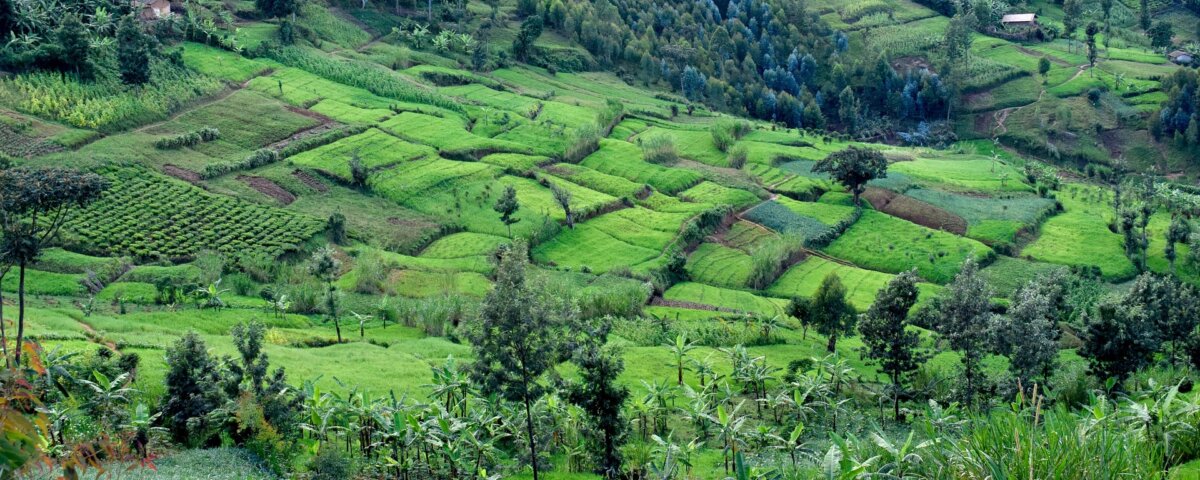
Bururi Forest Nature Reserve
Bururi Forest Nature Reserve is one of Burundi’s important natural attractions, offering visitors an opportunity to explore a montane forest, discover rich biodiversity, enjoy peaceful nature walks, and experience the country’s lesser known tourism destinations. Located in southwestern Burundi, near the town of Bururi, this protected forest provides a valuable habitat for wildlife and plants while helping conserve the natural environment. For travelers interested in ecotourism, birdwatching, forest exploration, and authentic African experiences, Bururi Forest Nature Reserve offers a rewarding addition to a Burundi travel itinerary.
Burundi may be small compared with many other African countries, yet it offers a remarkable mix of mountains, forests, lakes, rivers, and cultural attractions. While Lake Tanganyika and Rusizi National Park often attract attention, the country’s forest reserves also deserve recognition. Bururi Forest Nature Reserve stands out because it introduces visitors to a greener, cooler landscape shaped by elevation, rainfall, and the natural richness of the Albertine Rift region.
Moreover, visiting this reserve helps travelers appreciate a different side of African tourism. Instead of focusing only on large mammals and traditional game drives, visitors can explore the smaller details of nature, including forest plants, birds, insects, and the relationships that sustain an ecosystem. Responsible tourism can also help raise awareness about forest protection and the importance of preserving Burundi’s natural heritage for future generations.
This guide explores Bururi Forest Nature Reserve, including its location, natural environment, biodiversity, tourism activities, travel planning, conservation value, and practical advice for visitors. Whether you are planning a dedicated Burundi nature tour or adding a forest excursion to a wider East African journey, understanding the reserve will help you prepare for a meaningful experience.
Overview of Bururi Forest Nature Reserve
Bururi Forest Nature Reserve is a protected forest area in southwestern Burundi that plays an important role in conserving the country’s natural vegetation and wildlife. The reserve forms part of Burundi’s wider network of protected natural areas, which safeguard habitats, support ecological processes, and provide opportunities for environmental education. Its forest landscape creates a valuable contrast with the cultivated hills, settlements, and open countryside found across much of the country.
The reserve is especially relevant to travelers who want to explore Burundi beyond its best known attractions. Although it does not offer the same type of experience as a classic savannah safari, it provides a chance to appreciate forest ecosystems and the species that depend on them. Visitors can enjoy the atmosphere of a natural woodland environment, observe birds where conditions permit, and learn about the importance of protecting native vegetation.
Furthermore, Bururi Forest Nature Reserve has value beyond tourism. Forests help regulate water cycles, protect soil from erosion, store carbon, and provide habitats for numerous organisms. These benefits matter in a country where farming, rural livelihoods, and natural resources remain closely connected. Protecting forest cover can support both biodiversity and the well being of surrounding communities.
However, travelers should approach the reserve with realistic expectations. Wildlife sightings depend on habitat conditions, season, and the behavior of individual species. The experience focuses more on the forest itself than on guaranteed encounters with large animals. Visitors should also confirm current access arrangements and local guiding options before traveling, since visitor facilities and tourism services may change over time.
For travelers seeking a quieter and more nature focused destination, Bururi Forest Nature Reserve offers a valuable way to understand Burundi’s ecological diversity and the role protected forests play in African conservation.
Location and Geographic Setting of Bururi Forest Nature Reserve
Bururi Forest Nature Reserve lies in southwestern Burundi, immediately northwest of the town of Bururi. The forest occupies a mountainous landscape near the southern section of the Congo Nile divide, a major highland system that influences the movement of water across parts of Central and East Africa. Its elevated position and rugged terrain help create the conditions that support its distinctive forest environment.
The reserve sits at an elevation of roughly 1,800 to 2,300 metres above sea level, according to Burundi’s biodiversity records. As a result, the surrounding landscape differs from the warmer lowlands near Lake Tanganyika. Temperatures can feel cooler, while clouds, mist, and seasonal rainfall influence the forest throughout the year. These conditions help support vegetation that would struggle to grow in drier environments.
Bururi town provides a useful reference point for travelers planning an excursion. Visitors can arrange road transport to the area and make local inquiries about access to the protected forest. However, the condition of roads, availability of guides, and accessibility of individual trails can vary, so advance planning remains important.
The reserve also offers a useful opportunity to understand the relationship between mountain landscapes and biodiversity. Elevation, slope, rainfall, and soil conditions can create different habitats within a relatively small area. Consequently, the forest supports ecological features that make it valuable for conservation and nature tourism.
For international travelers, the geographic setting adds educational value to a visit. Rather than seeing the reserve as simply another forest, visitors can appreciate how its position within Burundi’s highlands influences its plants, wildlife, water resources, and local environment.
History and Protected Status of the Reserve
Bururi Forest Nature Reserve has a long history of protection. Conservation records identify 1951 as an important year in its designation as a protected area. This early recognition reflects the importance of the forest as a natural habitat and a resource that requires management beyond ordinary land use.
Over time, the reserve has attracted interest from conservationists, researchers, environmental organizations, and people concerned about the future of Burundi’s forests. Its importance comes not only from the number of species it supports but also from its location within a region known for distinctive highland biodiversity. The forest helps preserve plant and animal populations that might otherwise face greater pressure from habitat loss.
The protected area is commonly described in national biodiversity records as covering approximately 3,300 hectares. Older ecological assessments sometimes report smaller figures for the natural forest itself, because they distinguish native vegetation from plantations and other land cover within the broader reserve. Travelers may therefore encounter different area estimates in published material.
Burundi’s Office for Environmental Protection, known by the French abbreviation OBPE, has responsibility for environmental conservation and protected area management. Visitors should seek current information from the relevant authorities before making plans, especially when they need a guide or want to confirm which sections they can enter.
Protected status does not mean that a forest has no environmental challenges. Population growth, demand for land, collection of forest resources, and pressure from nearby settlements can affect natural habitats. Therefore, continued protection depends on effective management, monitoring, community involvement, and public awareness.
For visitors, understanding this history adds meaning to the experience. A forest walk becomes more than a recreational activity because it also highlights the long term work needed to protect Burundi’s natural heritage.
Biodiversity and Ecological Importance
Bururi Forest Nature Reserve supports a variety of plants and animals within a relatively compact mountain forest. Its position near the southern edge of the Albertine Rift region gives it particular ecological importance. The wider region contains many species with restricted ranges, and its varied landscapes create habitats for distinctive forms of life.
Ecological studies have documented substantial plant diversity in the reserve, including species from several major plant families. The forest contains trees, shrubs, climbing plants, ferns, and other vegetation that contribute to the structure of the ecosystem. Each layer provides different resources, from shelter and nesting places to food and protection from changing weather.
Moreover, the forest supports ecological relationships that visitors may not notice immediately. Flowering plants provide resources for insects, while insects contribute to pollination and serve as food for birds and other animals. Trees create nesting and resting places, and fallen leaves gradually return nutrients to the soil. Together, these processes help maintain a functioning forest ecosystem.
The reserve also matters because it preserves habitat in a landscape where agriculture and settlement occupy much of the surrounding countryside. Protected forest patches can serve as important refuges for species that depend on natural vegetation. However, isolation may also limit movement between habitats, making the condition of the remaining forest especially important.
Researchers continue to study biodiversity across the Albertine Rift and nearby ecological zones. Consequently, species records can change as surveys improve and scientists gain more information. Visitors should view published species counts as the results of particular studies rather than as permanent totals.
For nature lovers, this ecological richness creates an opportunity to appreciate the connections between living things. Even when large animals remain hidden, the vegetation, bird calls, forest floor, and changing light reveal the complexity of a healthy natural environment.
Forest Vegetation and Native Plant Species
The vegetation of Bururi Forest Nature Reserve forms the foundation of its ecological value. Natural montane forest covers much of its native habitat, although historical land use and planted trees have also influenced parts of the protected area. These differences matter because native forests usually support ecological relationships that plantations cannot fully reproduce.
The forest contains a range of plant forms, from tall trees to smaller shrubs and ground vegetation. Some plants grow well under the forest canopy, where sunlight reaches the ground in limited amounts. Others occupy brighter spaces near openings and forest edges. This variation creates several small habitats within the wider woodland environment.
Trees perform many essential functions. Their roots help hold soil in place, especially on steep slopes, while their leaves slow the impact of heavy rain. Their branches provide shelter for birds and other wildlife, and their fallen leaves supply organic matter that supports soil organisms. In addition, living trees absorb carbon dioxide and store carbon in their trunks, roots, and surrounding soils.
The reserve also contributes to the protection of plant species that have limited distributions in Burundi. Conservation research has identified endemic and threatened plants within its wider ecological community. Protecting these species helps preserve genetic diversity and reduces the risk that local populations will disappear.
Visitors should avoid removing flowers, leaves, seeds, or other plant material. Even small collections can affect fragile populations when many people repeat the same action. Walking with a knowledgeable local guide can help visitors learn about vegetation without disturbing it.
Plant diversity may not always attract the same attention as chimpanzees or colorful birds, yet it deserves an important place in the tourism experience. A closer look at leaves, bark, forest layers, and natural regeneration can reveal how the reserve sustains life throughout the year.
Wildlife and Mammals of Bururi Forest Nature Reserve
Bururi Forest Nature Reserve provides habitat for several kinds of mammals, including primates. Its forest environment supports animals that rely on trees, dense vegetation, and natural food sources. Although visitors may hope to see wildlife during a walk, sightings depend on animal behavior, weather, time of day, and the amount of disturbance in the area.
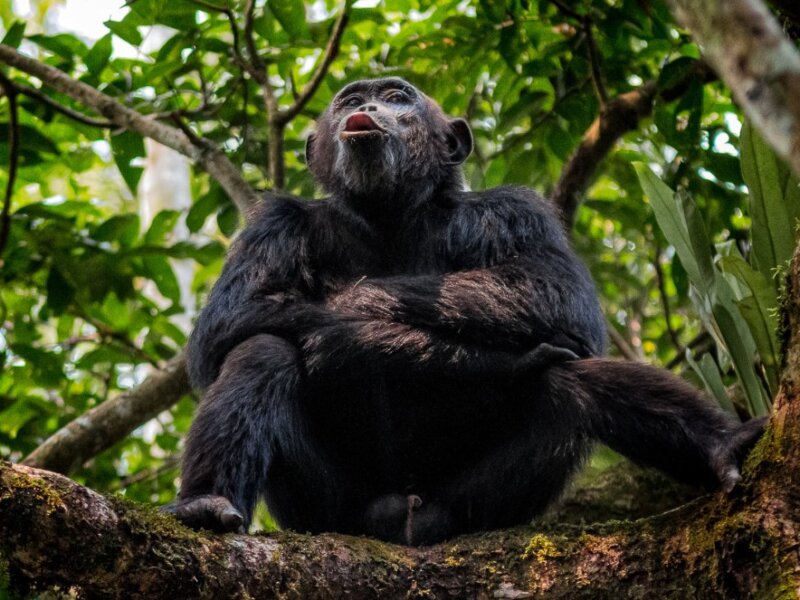
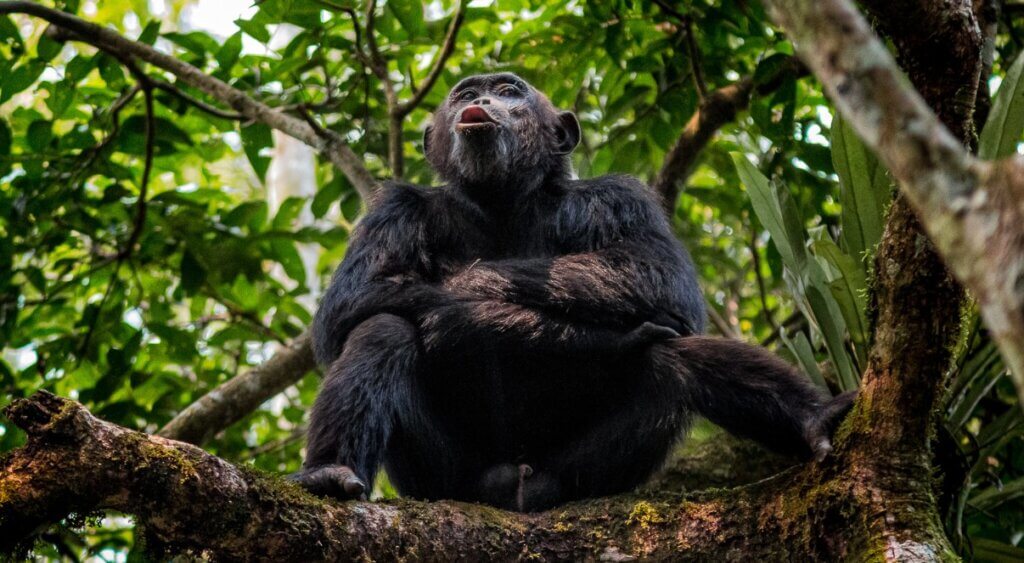
Chimpanzees are among the reserve’s most notable mammals. These great apes depend on suitable forest habitat for food, movement, and shelter. Their presence adds conservation importance to the reserve because chimpanzees face wider threats across Africa, including habitat loss, illegal hunting, and conflict between people and wildlife. A visit should never involve trying to approach, feed, or follow chimpanzees independently.
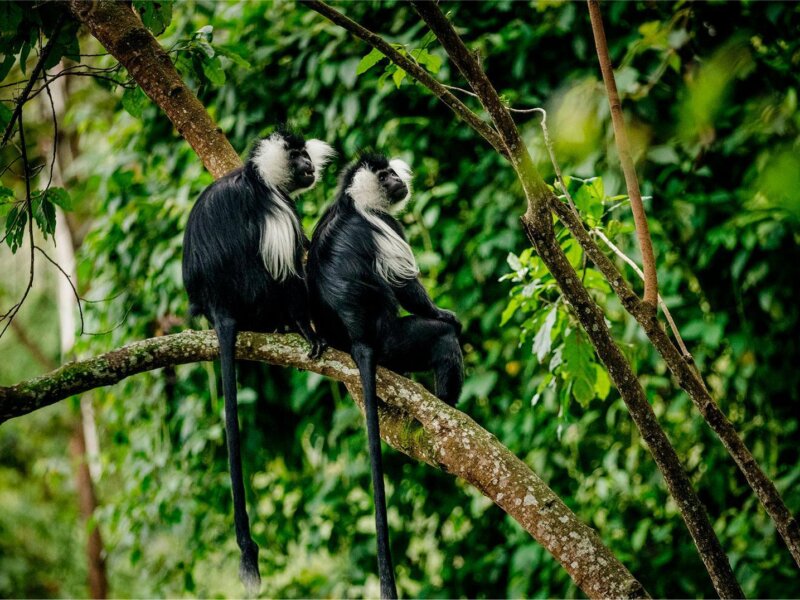
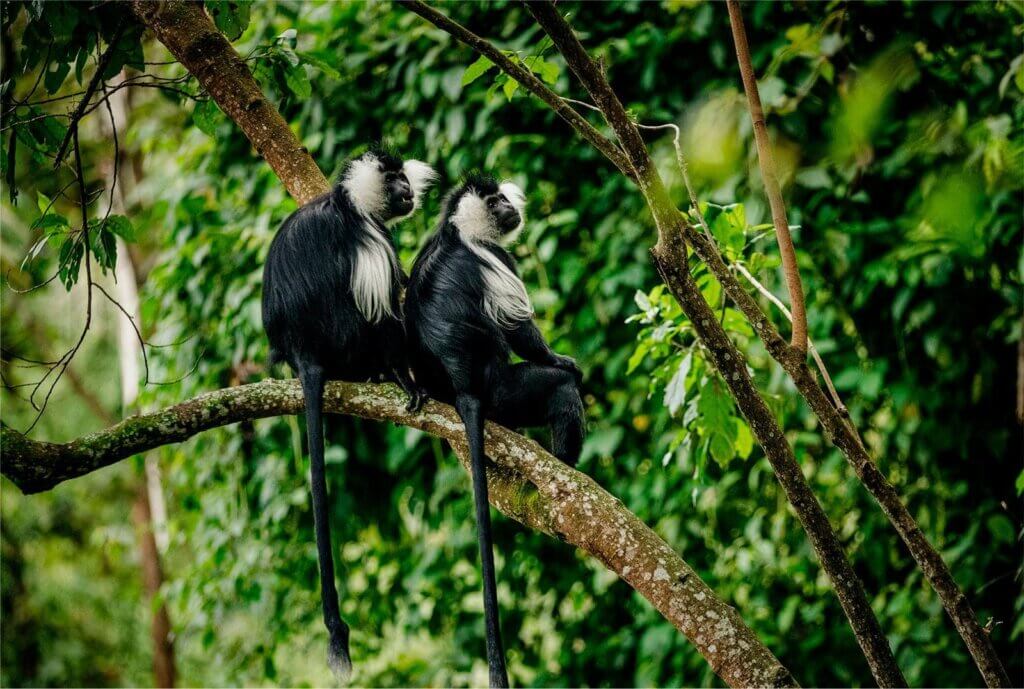
The forest also supports monkeys and other smaller mammals. Different species use different parts of the habitat, with some spending much of their time in trees while others move through lower vegetation. Their diet may include fruits, leaves, insects, and other natural food sources, depending on the species.
Other mammals can be difficult to observe because many avoid people or remain active when visitors are not present. For this reason, a quiet walk may reveal indirect signs of wildlife even when animals remain out of sight. Calls, movement in the canopy, feeding signs, and tracks can all contribute to the experience when a guide can identify them reliably.
Travelers should not expect a guaranteed chimpanzee encounter or assume that the reserve operates like a habituated chimpanzee trekking destination. The rules, permits, and opportunities for wildlife viewing can differ between protected areas.
Respectful observation protects both visitors and animals. By keeping a suitable distance, remaining quiet, following local guidance, and avoiding feeding wildlife, travelers can help maintain the forest’s natural character while supporting responsible tourism.
Birdwatching Opportunities in Bururi Forest Nature Reserve
Birdwatching is one of the most promising activities for visitors to Bururi Forest Nature Reserve. Conservation surveys have recorded more than 200 bird species in the area, making the forest important for people interested in African forest birds. Its location near the Albertine Rift also gives it significance for species associated with the region’s highland habitats.
Birds occupy many ecological roles. Some feed on fruits and help spread seeds, while others eat insects or small animals. Certain species search for food near the ground, whereas others forage among branches or high in the canopy. Observing these different behaviors helps visitors understand how birds use the forest and how they contribute to its ecological balance.
A patient observer may notice birds moving through foliage, calling from hidden branches, or flying between trees. However, thick vegetation can make identification challenging, particularly for visitors who have little experience with forest birdwatching. A local guide with relevant knowledge can help identify calls, explain feeding habits, and distinguish similar species.
Early morning often offers favorable conditions for birdwatching because many birds become active as the forest wakes. Nevertheless, weather and seasonal patterns influence bird activity, and visitors should not expect the same species to appear on every outing. A notebook or a field guide can help travelers record their observations without disturbing the birds.
Binoculars are useful because they allow visitors to observe birds without approaching too closely. Neutral clothing, quiet movement, and patience can also improve the experience. Travelers should avoid playing recorded bird calls without permission, as repeated playback can disturb birds and interfere with their normal behavior.
For bird enthusiasts visiting Burundi, Bururi Forest Nature Reserve can provide an enriching addition to a wider itinerary. Its forest habitat offers a different experience from wetlands, lakeshores, and open savannahs, demonstrating the variety of birdlife found across East Africa.
Reptiles, Amphibians, and Smaller Forest Creatures
Although mammals and birds often attract the most attention, Bururi Forest Nature Reserve also supports smaller animals that play essential roles in the ecosystem. Reptiles, amphibians, insects, and other invertebrates contribute to food webs, nutrient cycling, and the balance between different species. These creatures may be less visible to casual visitors, but their presence helps explain why forest conservation matters.
Amphibians depend on suitable moisture levels and, in many cases, access to appropriate breeding habitats. The reserve’s highland setting and seasonal rainfall can create favorable conditions for certain forest species. Conservation records list the mountain reed frog known scientifically as Afrixalus orophilus among the species of concern associated with the area. However, visitors should not assume that they will encounter this particular frog during a walk.
Reptiles may occupy different parts of the forest, including leaf litter, tree trunks, and sunny openings. Insects and other invertebrates are equally important because they help break down organic matter, pollinate plants, and provide food for birds, amphibians, and small mammals.
Observing these creatures requires patience and care. Visitors should never handle unfamiliar animals, turn over logs unnecessarily, or disturb breeding sites. A guide can help identify species while reducing the risk of accidental harm.
These smaller forms of life also offer educational opportunities for families, students, photographers, and nature enthusiasts. By paying attention to details beneath the trees, visitors can discover that Bururi Forest Nature Reserve supports far more than its most famous wildlife.
Nature Walks and Forest Exploration
Nature walks provide a practical way to experience Bururi Forest Nature Reserve. Unlike a traditional vehicle based safari, a forest excursion allows visitors to move slowly through the landscape, notice changes in vegetation, and appreciate the sounds and smells of a natural environment. The experience suits travelers who enjoy outdoor activities and want to understand Burundi’s ecological heritage.
During a walk, visitors may observe tall trees, smaller plants, fallen leaves, birds, insects, and signs of wildlife. The forest also offers opportunities to learn about the relationship between vegetation, rainfall, soil, and mountain slopes. A knowledgeable guide can explain these connections in simple terms and help visitors recognize features they might otherwise overlook.
The difficulty of a walk depends on the route, weather, and condition of the paths. Bururi Forest lies in mountainous terrain, and some slopes can be steep. Therefore, travelers should ask about the distance, expected walking time, elevation changes, and current trail conditions before choosing an excursion.
Comfortable walking shoes with good grip are important, particularly when rain makes the ground slippery. Visitors should also carry drinking water, dress for changing temperatures, and follow the guide’s instructions throughout the walk. People with mobility concerns should discuss their needs before making arrangements because accessible paths and facilities may be limited.
It is also wise to keep the experience flexible. Forest conditions can change quickly, and wildlife does not follow a fixed schedule. Rather than rushing through the reserve in search of a particular animal, visitors can gain more from observing the landscape and asking thoughtful questions.
For travelers who value quiet outdoor experiences, forest exploration offers a rewarding way to connect with Burundi’s natural environment.
Bird Photography and Nature Photography
Bururi Forest Nature Reserve offers opportunities for photography focused on birds, native plants, forest landscapes, and smaller wildlife. The combination of dense vegetation, changing light, and mountain scenery can create interesting subjects for both experienced photographers and visitors using basic cameras.
Bird photography requires patience because many forest birds move quickly or remain hidden among branches. A telephoto lens can help capture distant subjects without disturbing them. However, good photography does not depend only on expensive equipment. Careful observation, an understanding of natural light, and respect for wildlife often matter more than the camera itself.
Forest photography also presents a different challenge from photographing open landscapes. Light levels can change considerably beneath the canopy, and bright openings may appear beside darker sections of forest. Visitors should allow their eyes time to adjust and avoid rushing between subjects. A guide can also help identify locations where visitors may observe nature without leaving established routes.
Macro photography can reveal details that people often overlook, including leaf patterns, moss, fungi, insects, and the textures of tree bark. These images can help communicate the reserve’s ecological value to audiences who may never visit Burundi in person.
Responsible photography must remain a priority. Never approach wildlife simply to obtain a closer image, disturb nests, remove vegetation, or use flash in ways that could upset animals. Visitors should also ask permission before photographing local residents or people working near the reserve.
For tourism businesses, nature photography can help communicate the value of Burundi’s forest destinations. Accurate images, respectful storytelling, and clear explanations of conservation challenges can encourage travelers to appreciate the country’s natural heritage more deeply.
Best Time to Visit Bururi Forest Nature Reserve
The best time to visit Bururi Forest Nature Reserve depends on your preferred activities, tolerance for rain, and travel schedule. Burundi experiences seasonal changes in rainfall, and these changes affect forest trails, visibility, and the general comfort of outdoor excursions.
The drier months, especially June through September, often provide favorable conditions for travel in much of Burundi. During this period, visitors may find it easier to organize road journeys and walk along trails that become muddy during wetter weather. These months can therefore suit travelers who want to combine Bururi with other destinations across the country.
However, the forest remains a natural environment, so dry season travel does not guarantee clear skies or completely dry paths. Mountain weather can change, and rain may occur even during a generally drier period. Visitors should check local forecasts and seek current advice before departure.
The wetter months bring their own attractions. Rain supports plant growth, refreshes the landscape, and can make the forest appear especially green. At the same time, heavy rainfall may make steep paths slippery and complicate road travel. Travelers who visit during these months should allow additional time and prepare suitable clothing.
Birdwatchers may benefit from asking a local guide about seasonal bird activity before choosing dates. Species visibility, breeding behavior, and food availability can vary throughout the year. Likewise, wildlife sightings depend on several factors beyond the season alone.
For most travelers, flexibility matters more than choosing one supposedly perfect month. Confirming access, arranging suitable transport, and allowing enough time for changing weather will help make a visit more comfortable.
Ultimately, the best time to explore Bururi Forest Nature Reserve is when current conditions, local guidance, and your travel priorities align.
How to Get to Bururi Forest Nature Reserve
Reaching Bururi Forest Nature Reserve generally involves traveling to southwestern Burundi and continuing to the town of Bururi, which provides the main geographic reference point for the reserve. Most international visitors arrive in Burundi through Bujumbura and then arrange onward road transport.
The journey from Bujumbura takes travelers away from the city and toward the southern highlands. Along the way, the landscape may include rural settlements, cultivated hills, roadside markets, and views of the countryside. Travel time depends on road conditions, traffic, weather, and the exact starting point. Therefore, it is best to confirm the expected journey duration with a local driver or tour operator before setting off.
A private vehicle can offer flexibility, especially for travelers who want to visit several destinations in one trip. It also makes it easier to carry luggage, water, outdoor clothing, and photography equipment. Visitors using public transport should confirm the available services and how they will reach the reserve from the nearest practical drop off point.
Because the final approach may involve local roads or forest access routes, travelers should not assume that every vehicle can reach every trailhead. A local guide or driver who knows the area can help determine the most suitable route and whether road conditions require a change of plan.
Before departure, confirm where to meet your guide, whether you need an entry permit, what transport arrangements apply, and whether the reserve is open to visitors on your intended date. Keep identification and essential travel documents accessible.
A well planned journey helps visitors spend more time appreciating the forest and less time dealing with avoidable transport problems.
What to Pack for a Visit
Packing appropriately can make a visit to Bururi Forest Nature Reserve more comfortable and enjoyable. The highland setting, forest cover, and changing weather mean that visitors should prepare for both cool conditions and periods of rain.
Comfortable walking shoes with good traction are among the most important items. Forest paths can include uneven ground, roots, mud, and steep sections. Lightweight trousers and breathable clothing provide comfort while helping protect the legs from vegetation. A light jacket or waterproof layer is also useful because mountain weather can change without much warning.
Carry enough drinking water for the planned excursion, along with a small amount of food if your guide recommends it. Visitors should take all packaging and other waste back with them rather than leaving it in the forest. A reusable water bottle can reduce the amount of disposable plastic brought into the reserve.
Birdwatchers should consider packing binoculars, while photographers may want a camera, spare battery, and protective bag. A small notebook can also help visitors record observations and remember information about plants, birds, and conservation.
Sun protection remains useful even when the forest canopy provides shade. Insect protection may also be appropriate, depending on current local advice and the season. Travelers should consult a qualified health professional about any destination specific health precautions before an international trip.
Finally, carry any personal medication you need, along with essential identification and some local currency for expenses where electronic payments may not be available.
Avoid bringing unnecessary equipment that makes walking difficult. A light, practical bag allows you to focus on the landscape while remaining prepared for changing conditions.
Responsible Tourism and Forest Conservation
Responsible tourism can support the long term protection of Bururi Forest Nature Reserve when visitors, tour operators, guides, and local communities work together. The reserve provides valuable habitat for wildlife and plants, but conservation requires more than a legal boundary. It also depends on daily decisions about land use, resource collection, waste, and the relationship between people and the forest.
Visitors can contribute by following designated routes, respecting wildlife, and avoiding activities that damage vegetation. Even small actions matter when many travelers visit natural areas over time. Staying on established paths helps reduce trampling, while taking rubbish away prevents pollution and protects animals from harmful waste.
Choosing responsible local services can also help strengthen conservation. Where suitable services exist, visitors can use knowledgeable guides, local transport providers, and community businesses. This approach can direct some tourism income toward people who live near the forest and create reasons to protect natural resources. However, travelers should ask how services operate rather than assuming that every tourism activity automatically benefits conservation.
Bururi Forest faces pressures associated with human activity, including demand for land and forest products. When communities lack reliable alternatives for essential resources, conservation rules can become difficult to maintain. Therefore, long term protection works best when authorities combine enforcement with environmental education, sustainable livelihood opportunities, and meaningful community participation.
Tourism can help raise awareness of these challenges, but it cannot replace effective forest management. Protected areas also need monitoring, research, restoration, and adequate resources to respond to environmental threats.
By visiting thoughtfully, travelers can help promote a model of tourism that values the forest as a living ecosystem rather than simply a sightseeing attraction. This approach supports the wider goal of protecting Burundi’s natural heritage for future generations.
Challenges Facing Bururi Forest Nature Reserve
Despite its ecological importance, Bururi Forest Nature Reserve faces several challenges that affect its long term conservation. Like many protected forests in Africa, it must balance biodiversity protection with the needs of communities living in the surrounding landscape.
One major challenge involves pressure on forest land. As communities grow and demand for farmland increases, natural vegetation can become vulnerable to clearing and encroachment. Even when people do not intend to cause lasting environmental damage, repeated changes along forest boundaries can reduce habitat and disrupt the movement of wildlife.
The collection of firewood and construction materials can also place pressure on forest resources. If people remove trees faster than the forest can recover, the effects may include habitat loss, soil erosion, and changes in local water systems. These impacts can become especially serious on steep slopes, where vegetation helps hold the soil in place.
Another concern is habitat fragmentation. When natural forest becomes divided into smaller patches, some animals may find it harder to move between suitable habitats. Isolated populations can face greater risks when their food sources, breeding areas, or shelter become limited.
Climate variability adds another layer of uncertainty. Changes in rainfall patterns and temperature can influence plant growth, water availability, and the suitability of habitats for particular species. However, the effects differ between species and require ongoing monitoring rather than broad assumptions.
Conservation efforts must therefore address both environmental and social needs. Effective management, community participation, scientific research, and environmental education can help reduce pressure on the reserve.
For visitors, learning about these challenges adds depth to the experience. It encourages a more informed understanding of why protected forests need continued support, careful management, and responsible tourism practices.
The Role of Local Communities in Conservation
Local communities play an important role in the future of Bururi Forest Nature Reserve. People living near the forest interact with its surrounding landscape through farming, household activities, cultural practices, and the use of natural resources. Their knowledge and participation can help shape conservation efforts that protect biodiversity while recognizing local needs.
Community involvement matters because restrictions alone cannot resolve every environmental challenge. If households depend on forest resources for everyday needs, conservation programs must consider practical alternatives and realistic livelihood opportunities. Environmental education, sustainable agriculture, suitable income generating activities, and community led initiatives can help reduce pressure on natural habitats.
Tourism may contribute to these efforts when it creates fair opportunities for local people. Guiding, transport, food services, accommodation, and the sale of locally produced crafts can connect visitor spending with the surrounding economy. However, the benefits depend on how tourism operates, how income is distributed, and whether local people participate in decisions.
Visitors can support community involvement by treating residents respectfully, purchasing appropriate local services, and asking permission before taking photographs. They should also avoid making promises about financial support or community projects unless they can fulfill them responsibly.
Local knowledge can improve a nature excursion as well. Residents may understand seasonal changes, landscape features, traditional plant uses, and local environmental concerns. When shared with permission and in a respectful way, this knowledge can complement scientific information and help visitors gain a richer understanding of the region.
Conservation becomes more sustainable when communities see practical reasons to protect the forest and have a meaningful voice in decisions that affect them. Bururi Forest Nature Reserve therefore represents not only a natural habitat but also an opportunity to strengthen cooperation between conservation authorities, researchers, tourism businesses, and local residents.
Combining Bururi Forest Nature Reserve With Other Burundi Attractions
Bururi Forest Nature Reserve can form part of a wider Burundi itinerary, especially for travelers interested in combining mountain scenery, wildlife, cultural experiences, and lakeside relaxation. Rather than visiting the forest as an isolated stop, travelers can use it as one element of a broader journey through the country.
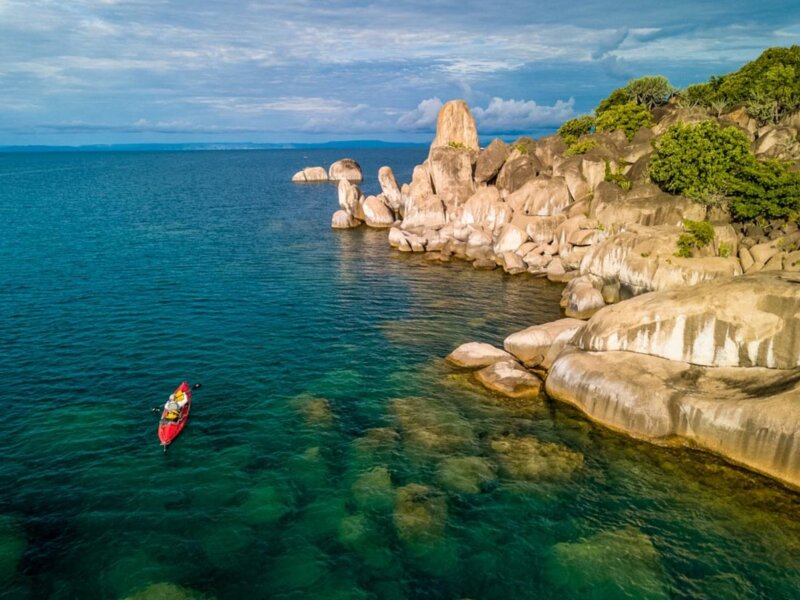
Lake Tanganyika is an appealing addition for visitors who want to experience Burundi’s lakeside environment. Its shoreline offers opportunities to enjoy scenic views, explore selected beaches, and learn about the lake’s importance to local communities. Visitors should confirm which activities and facilities operate in their chosen area before making arrangements.
Rusizi National Park near Bujumbura provides a contrasting natural environment. Its wetlands and river delta support waterbirds and other wildlife, creating a different experience from the elevated forest habitat at Bururi. Travelers interested in ecology can compare how wetlands and mountain forests support different species and respond to environmental pressures.
Kigwena Forest Reserve is another possible option for people interested in forest conservation. Its location and ecological conditions differ from those of Bururi, allowing travelers to explore more than one forest environment if time and transport arrangements permit.
For a longer journey, visitors may also consider cultural attractions, local markets, and rural landscapes. These experiences can help explain the connections between Burundi’s environment, history, and everyday life.
When planning a multi destination itinerary, allow sufficient time for road travel and avoid scheduling too many activities in one day. Distances, road conditions, and weather can affect arrival times, particularly when traveling through mountainous areas.
A carefully planned route can introduce travelers to several sides of Burundi while supporting a more complete understanding of its natural and cultural heritage.
Accommodation and Facilities Near Bururi Forest Nature Reserve
Accommodation planning is an important part of visiting Bururi Forest Nature Reserve, particularly for international travelers who want to explore the area without rushing. Visitors can investigate available lodging in Bururi town and nearby communities, then choose an option that matches their comfort preferences, transport arrangements, and budget.
However, travelers should not assume that the reserve itself provides lodges, restaurants, visitor centers, or fully developed tourist facilities. Services may be limited, and availability can change. It is therefore sensible to confirm accommodation directly before traveling, including room availability, meals, water supply, electricity, and payment arrangements.
For travelers seeking a simple overnight stay, a locally operated guesthouse may provide a practical base for exploring the surrounding area. Those who prefer additional comfort can investigate hotels or other accommodation within a wider travel radius, provided they are comfortable with the extra road journey. Confirm the actual distance and expected travel time rather than relying only on a property’s location description.
Food arrangements also deserve attention. Ask whether your accommodation serves meals, whether you need to order in advance, and whether drinking water will be available during your stay. If you plan an early morning forest excursion, arrange breakfast and transport beforehand.
Travelers who want a more comfortable trip can ask a local tour operator to coordinate accommodation, transport, guiding, and other practical arrangements. A well organized plan reduces uncertainty and allows more time for the experience itself.
Above all, confirm the details of each service before making payment. Clear communication about prices, cancellation terms, arrival times, and included services helps prevent misunderstandings and supports a smoother visit to Bururi Forest Nature Reserve.
Safety Tips for Visitors
A visit to Bururi Forest Nature Reserve can be rewarding when travelers prepare properly and respect the natural environment. The reserve lies in mountainous terrain, so visitors should consider walking conditions, changing weather, and the limits of local facilities when planning their excursion.
First, arrange access through an appropriate local contact or authorized guide. Do not assume that every trail is open or that you can safely explore the forest alone. A guide can help you follow suitable routes, understand local conditions, and avoid unnecessary disturbance to wildlife.
Second, wear shoes that provide reliable grip. Steep or muddy ground can increase the risk of slipping, especially after rainfall. Walk at a comfortable pace, take breaks when needed, and tell your guide if a route feels too difficult.
Third, carry drinking water and protect yourself from the weather. Mountain conditions can change during the day, so a waterproof layer and suitable clothing are useful. Check the forecast before departure and reconsider your plans if conditions make the excursion unsafe.
Visitors should also maintain a respectful distance from wildlife. Never attempt to approach, touch, feed, or corner an animal. If you encounter a chimpanzee or another wild mammal, follow the instructions of your guide and avoid behavior that could disturb it.
Keep valuables secure and agree on transport arrangements before entering the forest. Since mobile coverage and access to emergency services may vary, tell someone about your plans and establish a clear meeting point with your driver or guide.
Finally, check current travel and health advice before leaving for Burundi. Prepare appropriate travel documents and consult a qualified health professional about personal precautions.
With sensible planning, local guidance, and respect for nature, visitors can enjoy a more comfortable and responsible forest experience.
Bururi Forest Nature Reserve for Ecotourism and Educational Travel
Bururi Forest Nature Reserve has potential to attract travelers who value ecotourism, environmental education, and meaningful encounters with nature. Unlike destinations that rely mainly on large wildlife sightings, the reserve encourages visitors to look closely at forest ecosystems and understand the processes that sustain them.
Ecotourism can connect tourism with conservation when it encourages responsible behavior and generates benefits for local communities. In a destination such as Bururi, guided walks, birdwatching, nature interpretation, and educational visits can help communicate the value of native forests. These activities can also introduce travelers to the challenges of protecting biodiversity in landscapes where communities depend on natural resources.
Students and educational groups may find the reserve useful for learning about forest structure, plant diversity, animal habitats, and water conservation. A guided visit can turn scientific ideas into practical observations. For example, visitors can examine how tree roots hold soil, how fallen leaves contribute to soil health, and how different bird species use separate parts of the forest.
Researchers may also find value in the reserve because protected forest patches can help answer questions about biodiversity, habitat fragmentation, and ecological change. Any formal research, specimen collection, or specialized fieldwork should follow the relevant authorization and conservation requirements.
For tourism businesses, the reserve offers an opportunity to develop nature focused itineraries that go beyond familiar safari experiences. However, responsible promotion requires accurate information about access, facilities, wildlife viewing, and conservation conditions. Businesses should avoid promising guaranteed sightings or presenting planned tourism improvements as facilities that already exist.
With appropriate management and community involvement, Bururi Forest Nature Reserve can contribute to a more diverse tourism offering in Burundi. It can help travelers appreciate that African nature tourism includes forests, birds, plants, landscapes, and conservation stories as well as the famous mammals of the savannah.
Suggested Itinerary for Visiting Bururi Forest Nature Reserve
A visit to Bururi Forest Nature Reserve can fit into a short excursion or a longer Burundi journey. The right schedule depends on your starting point, the condition of the roads, the availability of a guide, and the activities you want to enjoy.
For travelers based in Bujumbura, a day trip may be possible if transport and forest access arrangements allow enough time for the journey and the planned walk. However, it is important to confirm current road conditions and the realistic duration of the excursion before committing to a same day return.
An overnight itinerary offers more flexibility. Travelers can leave Bujumbura, travel toward Bururi, and spend time exploring the surrounding landscape before or after their forest visit. Staying nearby can reduce pressure to complete the walk and return to the city within a tight schedule.
A practical two day plan might follow this structure:
Day one: Travel from Bujumbura toward Bururi, allowing time for rest stops and views along the way. Arrive at your accommodation, confirm the next day’s arrangements, and learn about local conditions.
Day two: Begin with an early forest excursion, subject to confirmed opening arrangements and guide availability. Focus on nature observation, birdwatching, vegetation, and conservation. After the visit, return to your accommodation or continue toward another destination if road conditions and timing permit.
Travelers with more time can combine Bururi with selected attractions around Lake Tanganyika, Rusizi National Park, or other suitable destinations in Burundi. The order should reflect the actual geography and current transport conditions.
Before confirming any itinerary, ask about entry requirements, guide charges, transport costs, meals, and accommodation. Keep some flexibility in the schedule because rain or road delays may affect travel.
A well balanced itinerary allows you to appreciate Bururi Forest Nature Reserve without treating the forest as a rushed stop between other destinations.
Frequently Asked Questions About Bururi Forest Nature Reserve
Where is Bururi Forest Nature Reserve located?
Bururi Forest Nature Reserve lies in southwestern Burundi, near the town of Bururi. It occupies a mountainous area associated with the Congo Nile divide and supports a range of native forest habitats. Travelers can use Bururi town as their main reference point when planning transport and accommodation.
What makes Bururi Forest Nature Reserve special?
The reserve stands out for its montane forest, diverse plant life, forest birds, and primate habitat. Its position near the Albertine Rift gives it particular conservation value. It also helps protect water resources, reduce soil erosion, and maintain natural habitats in a landscape affected by human activity.
Can visitors see chimpanzees in Bururi Forest Nature Reserve?
Chimpanzees occur in the reserve, but visitors should not expect guaranteed sightings. Wildlife visibility depends on animal movements, habitat conditions, and the arrangements available for visitors. Anyone hoping to observe chimpanzees should confirm whether authorized wildlife viewing is currently permitted and follow all applicable conservation rules.
Is Bururi Forest Nature Reserve suitable for birdwatching?
Yes. The reserve is an important forest bird habitat, with conservation surveys recording more than 200 bird species. Visitors with binoculars and a knowledgeable guide can look for forest birds and learn about their behavior. However, sightings vary, and dense vegetation can make some species difficult to observe.
What is the best time to visit Bururi Forest Nature Reserve?
June through September often provides favorable travel conditions because these months generally fall within Burundi’s drier season. Nevertheless, mountain weather can change, and rainfall may occur at any time. Travelers should check local forecasts and confirm current access conditions before departure.
How much time should I spend at the reserve?
A half day may suit visitors who want a relatively short forest excursion, while a full day provides more time for walking, birdwatching, and learning about the ecosystem. Travelers coming from Bujumbura should allow additional time for road travel. An overnight stay near Bururi can make the visit more relaxed.
Do I need a guide to visit the reserve?
Arranging an authorized local guide is advisable because the terrain can be steep, trails may be difficult to follow, and visitor facilities may be limited. A guide can also explain the forest’s biodiversity and conservation value. Confirm current guiding arrangements and access requirements before your visit.
What should I bring when visiting the forest?
Pack comfortable walking shoes, drinking water, weather appropriate clothing, a waterproof jacket, and personal essentials. Binoculars are useful for birdwatching, while a camera can help record the landscape and wildlife from a respectful distance. Carry your rubbish out of the reserve and avoid collecting plants or disturbing animals.
Can I combine Bururi Forest Nature Reserve with other destinations in Burundi?
Yes. Depending on your available time and transport arrangements, you can combine the reserve with Lake Tanganyika, Rusizi National Park, Kigwena Forest Reserve, and selected cultural attractions. Plan your route carefully, confirm current services, and allow enough time for road travel between destinations.
Conclusion: Why Visit Bururi Forest Nature Reserve?
Bururi Forest Nature Reserve offers travelers an opportunity to discover one of Burundi’s valuable natural environments while learning about the importance of forest conservation. Located near Bururi town in the country’s southwestern highlands, the reserve supports diverse plants, forest birds, primates, and other wildlife. Its mountainous setting, natural vegetation, and ecological importance make it a worthwhile destination for people interested in ecotourism, birdwatching, nature walks, and environmental education.
Moreover, the reserve provides a different perspective on African tourism. Instead of focusing only on large mammals and savannah landscapes, visitors can explore the smaller ecological relationships that sustain a forest. They can learn how vegetation protects soil, how forests support water systems, and why preserving natural habitats matters to both wildlife and surrounding communities.
A successful visit requires realistic expectations and thoughtful planning. Travelers should confirm access arrangements, organize suitable transport, seek reliable local guidance, and prepare for changing mountain weather. They should also respect wildlife, follow conservation rules, and support responsible tourism practices wherever possible.
For travelers exploring Burundi, Bururi Forest Nature Reserve can complement visits to lakes, wetlands, cultural attractions, and other protected areas. It adds depth to a journey by introducing visitors to the country’s forest biodiversity and the challenges of protecting it.
Ultimately, Bururi Forest Nature Reserve deserves attention as an important part of Burundi’s natural heritage. By exploring it responsibly, visitors can gain a greater appreciation of the country’s ecological richness while helping encourage a tourism approach that values conservation, community participation, and the long term protection of Africa’s natural environments.