What Animals Can I See Besides Gorillas in Rwanda
June 28, 2026
What fitness level do I need for Rwanda gorilla trekking
June 28, 2026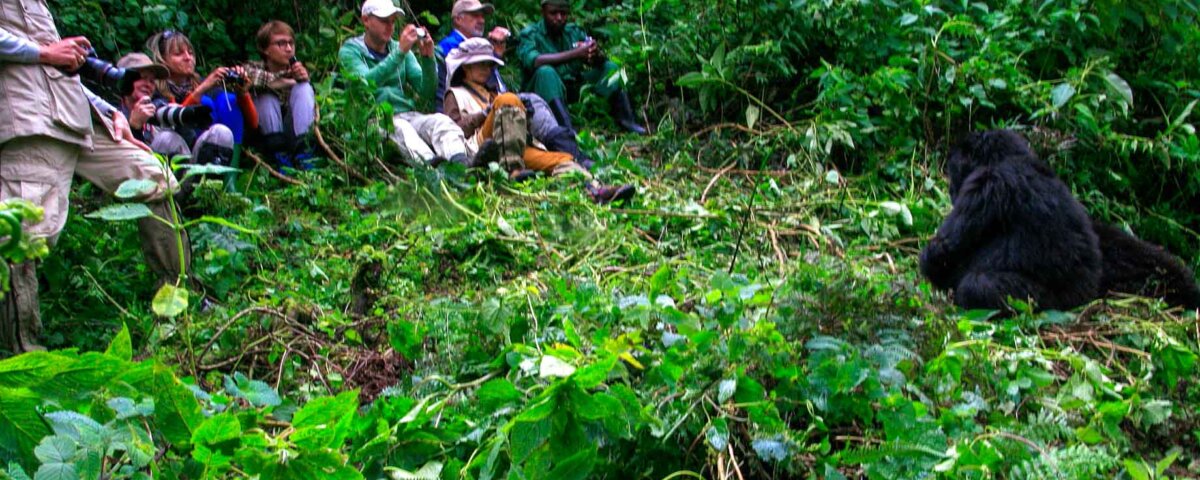
What Are the Rules for Gorilla Trekking in Rwanda?
What Are the Rules for Gorilla Trekking in Rwanda? The rules for gorilla trekking in Rwanda help protect endangered mountain gorillas, keep visitors safe, and support sustainable tourism in the country. Rwanda takes gorilla conservation seriously, and every visitor must follow strict trekking guidelines before entering the forests of Volcanoes National Park. These rules include maintaining a safe distance from gorillas, respecting trekking time limits, avoiding loud behavior, and following instructions from park rangers throughout the experience.
Gorilla trekking in Rwanda offers one of the most powerful wildlife encounters in Africa. Travelers from around the world visit Rwanda to see mountain gorillas in their natural habitat. However, this experience requires responsibility and respect for nature. Rwanda has built a strong reputation for conservation, eco-tourism, and premium safari experiences. Therefore, every trekking rule plays an important role in protecting wildlife and preserving the beauty of the rainforest environment.
Visitors who understand and follow these rules enjoy a smoother and more meaningful gorilla trekking experience. In addition, responsible tourism helps local communities benefit from conservation while protecting the future of mountain gorillas for generations to come.
Best Rwanda Gorilla Trekking Tours
7 Days wildlife & Gorilla Tour
Why Gorilla Trekking Rules Matter in Rwanda
Gorilla trekking rules matter in Rwanda because mountain gorillas remain one of the world’s most endangered primates. Rwanda protects these gentle animals through strict conservation policies and controlled tourism activities. Since gorillas share nearly all their DNA with humans, they can easily catch human diseases such as flu, cough, and infections. As a result, the government and conservation authorities enforce clear trekking regulations to reduce risks to the gorilla families living in the forest.
Furthermore, these rules help maintain a peaceful environment for gorillas inside the rainforest. Mountain gorillas live in close family groups and respond strongly to stress, noise, or sudden movements. Responsible behavior during trekking minimizes disturbances and allows gorillas to continue their natural activities without fear. This creates a safer and more authentic wildlife experience for visitors.
The rules also improve visitor safety. Gorilla trekking takes place in mountainous terrain with dense forests, slippery trails, and changing weather conditions. Rangers guide tourists carefully while ensuring every group follows park regulations. In addition, controlled trekking numbers reduce overcrowding and protect the natural habitat from environmental damage.
Rwanda’s conservation model has become one of Africa’s greatest tourism success stories. Through responsible tourism practices, gorilla trekking generates revenue that supports conservation projects, community development, and wildlife protection programs across the country.
Minimum Age Requirement for Gorilla Trekking
Rwanda allows only visitors aged 15 years and above to participate in gorilla trekking activities. This age restriction helps protect both the gorillas and young travelers during the trekking experience. Gorilla trekking involves hiking through steep slopes, thick vegetation, muddy trails, and high-altitude forests. Therefore, trekkers need physical endurance, emotional discipline, and the ability to follow ranger instructions carefully.
Young children may struggle with long hiking hours or unexpected weather changes inside the rainforest. In addition, children often react differently around wild animals, especially in emotionally exciting situations. Rwanda maintains the age limit to reduce unpredictable behavior that could disturb gorillas or create safety concerns during the trek.
The age rule also supports gorilla conservation efforts. Since gorillas can easily contract human illnesses, authorities reduce health risks by limiting trekking participation to mature individuals who can follow hygiene and behavioral guidelines responsibly. Visitors must present valid identification documents before trekking to confirm their age eligibility.
Families traveling with younger children can still enjoy other exciting tourism activities in Rwanda. The country offers cultural tours, nature walks, golden monkey trekking, birdwatching experiences, and scenic sightseeing adventures suitable for all age groups. This allows every traveler to explore Rwanda while supporting conservation and sustainable tourism development.
Maintaining a Safe Distance from Gorillas
One of the most important rules for gorilla trekking in Rwanda requires visitors to maintain at least seven meters away from the gorillas at all times. This rule protects gorillas from human diseases and helps reduce stress within gorilla families during human interaction. Even healthy visitors can carry viruses or bacteria that may seriously affect mountain gorillas because of their close genetic connection to humans.
Keeping a safe distance also allows gorillas to behave naturally in their environment. When visitors move too close, gorillas may become uncomfortable or defensive. Rangers monitor visitor movements carefully and guide trekkers on how to position themselves during the gorilla encounter.
Sometimes gorillas move closer to visitors on their own. In such situations, trekkers should remain calm, avoid sudden movements, and wait for ranger instructions. Visitors should never attempt to touch a gorilla, even when the animal approaches peacefully. Respecting the gorillas’ space remains essential for conservation and safety.
Photography also requires discipline during the encounter. Visitors should avoid using flash cameras because bright light can disturb the gorillas. Instead, travelers should use natural lighting and maintain quiet behavior while taking photos. These responsible practices help create a calm atmosphere for both the gorillas and the trekking group.
By respecting distance regulations, visitors contribute directly to long term conservation efforts while enjoying one of Africa’s most unforgettable wildlife experiences.
Health and Hygiene Rules During Gorilla Trekking
Health and hygiene rules play a major role in protecting mountain gorillas in Rwanda. Visitors who feel sick with flu, cough, fever, or contagious illnesses should not participate in gorilla trekking activities. Gorillas remain highly vulnerable to human diseases, and even minor infections can spread quickly among gorilla families in the forest.
Before the trek begins, park authorities and guides often remind visitors about proper hygiene practices. Trekkers should cover their mouths when coughing or sneezing and avoid spitting inside the forest. In addition, visitors must wash or sanitize their hands before trekking to reduce the possibility of disease transmission.
During the gorilla encounter, eating, drinking, or smoking near the gorillas is not allowed. Food particles and waste materials may attract animals or introduce harmful bacteria into the gorilla habitat. Rangers closely supervise visitors to ensure everyone follows the established health guidelines throughout the experience.
Travelers should also carry personal medical supplies, waterproof clothing, and appropriate hiking gear for comfort and safety. Since trekking conditions can change quickly due to weather or terrain, preparation remains important for a successful experience.
Rwanda continues to lead conservation efforts through responsible tourism and strict health protocols. These regulations not only protect gorillas but also strengthen Rwanda’s reputation as one of Africa’s safest and most organized wildlife destinations.
Rules About Behavior During Gorilla Encounters
Proper behavior during gorilla encounters helps create a safe and respectful wildlife experience in Rwanda. Visitors must remain calm, quiet, and disciplined while observing gorillas in their natural habitat. Loud talking, shouting, running, or sudden movements can frighten gorillas and disrupt their normal behavior.
Trekkers should always follow ranger instructions carefully because trained guides understand gorilla behavior and forest safety procedures. Rangers help visitors maintain safe distances, choose appropriate viewing positions, and respond correctly during unexpected situations. Listening to park authorities improves both safety and conservation efforts.
Eye contact with gorillas should remain gentle and non threatening. Visitors should avoid aggressive gestures or direct confrontational behavior. If a gorilla shows signs of discomfort, trekkers must stay calm and allow the ranger to manage the situation professionally.
The time spent with gorillas usually lasts one hour after locating the gorilla family. This time limit minimizes human impact on the gorillas while allowing visitors to enjoy meaningful wildlife observation and photography opportunities. Respecting the time rule supports responsible tourism and protects the gorillas from excessive human exposure.
Trekkers should also avoid littering inside the park. Rwanda values environmental cleanliness and conservation strongly. Every visitor must carry back personal waste and help preserve the natural beauty of the rainforest ecosystem for future generations.
Importance of Following Ranger Instructions
Following ranger instructions remains essential during every gorilla trekking experience in Rwanda. Rangers receive extensive training in wildlife conservation, gorilla behavior, first aid, and visitor safety. Their guidance helps create a secure and organized trekking experience for all visitors entering the forest.
Before trekking begins, rangers conduct a briefing session that explains safety rules, trekking expectations, and gorilla encounter guidelines. Visitors should pay close attention during this briefing because it prepares them for the challenges and responsibilities involved in gorilla trekking.
Inside the forest, rangers lead trekking groups through difficult terrain while tracking gorilla movements carefully. They know how to interpret gorilla behavior and respond quickly to changing situations. Therefore, following their directions at all times helps prevent accidents and unnecessary disturbances to wildlife.
Rangers also protect visitors from environmental hazards such as slippery trails, dense vegetation, and unpredictable weather conditions. In addition, they coordinate conservation efforts by monitoring gorilla health, tracking family movements, and reporting unusual activities within the park.
Rwanda’s gorilla trekking experience stands out because of its professionalism, safety standards, and strong conservation leadership. Visitors who cooperate with rangers contribute positively to wildlife protection and help maintain Rwanda’s global reputation as a trusted eco-tourism destination.
Conservation and Responsible Tourism in Rwanda
Conservation and responsible tourism form the foundation of gorilla trekking in Rwanda. The country has invested heavily in protecting mountain gorillas, preserving forests, and supporting local communities through sustainable tourism initiatives. Gorilla trekking rules directly support these conservation goals by minimizing human impact on wildlife and natural habitats.
Tourism revenue generated from gorilla permits helps fund conservation projects, ranger salaries, community schools, healthcare programs, and infrastructure development around protected areas. As a result, local communities benefit directly from wildlife conservation and actively participate in protecting gorilla habitats.
Responsible tourism also encourages visitors to respect local culture, environmental sustainability, and ethical travel practices. Travelers who follow trekking guidelines help maintain the quality of Rwanda’s tourism industry while supporting long term conservation success.
In addition, Rwanda limits the number of daily trekking permits to reduce overcrowding and protect the gorillas from excessive human contact. This controlled tourism approach improves visitor experiences while preserving the natural ecosystem for future generations.
Rwanda continues to inspire the global tourism industry through its commitment to wildlife protection, environmental responsibility, and premium safari experiences. The country demonstrates how conservation and tourism can work together successfully to protect endangered species while creating economic opportunities for local communities.
Conclusion: What Are the Rules for Gorilla Trekking in Rwanda
The rules for gorilla trekking in Rwanda protect mountain gorillas, support conservation, and create safe wildlife experiences for travelers visiting Volcanoes National Park. These rules include maintaining a safe distance from gorillas, following ranger instructions, respecting hygiene guidelines, observing age restrictions, and practicing responsible behavior throughout the trek.
Rwanda has become one of Africa’s leading eco-tourism destinations because of its strong commitment to conservation and sustainable tourism. Visitors who respect gorilla trekking rules help preserve endangered mountain gorillas while enjoying one of the continent’s most extraordinary safari adventures.
Understanding and following these guidelines allows travelers to experience Rwanda responsibly while supporting wildlife protection and community development. Gorilla trekking in Rwanda remains more than just a safari activity because it creates a powerful connection between people, nature, and conservation for the future of Africa’s wildlife heritage.