What are the best Rwanda safari destinations for photography
July 2, 2026
What is the best private safari in Rwanda
July 3, 2026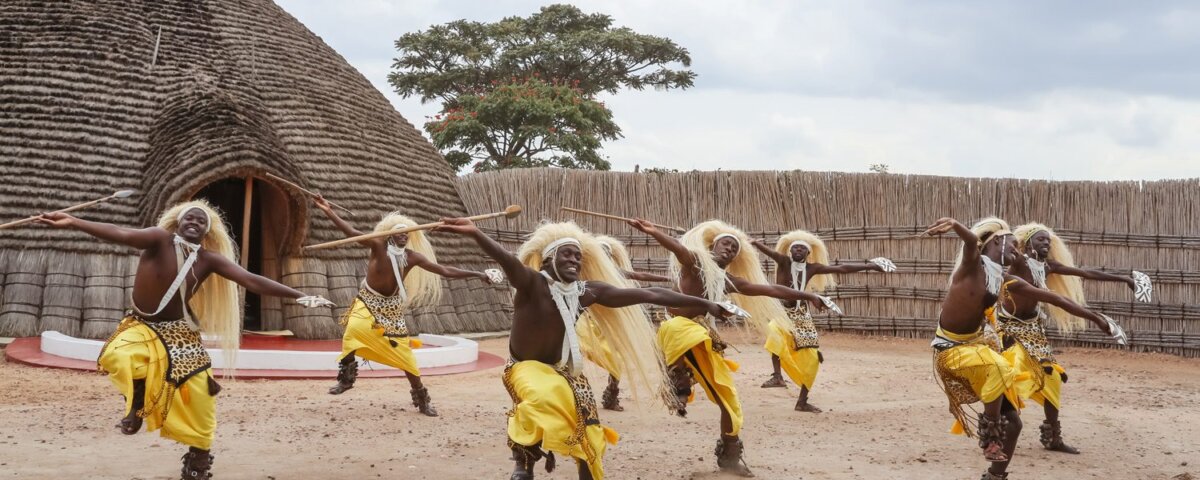
What Cultural Experiences Can I Enjoy in Rwanda?
What Cultural Experiences Can I Enjoy in Rwanda? Rwanda offers rich and authentic cultural experiences that connect travelers to the country’s traditions, history, creativity, and daily life. Visitors enjoy traditional dance performances, local cuisine, village walks, storytelling sessions, craft markets, royal heritage sites, coffee experiences, and community tourism activities across the country. Every region in Rwanda introduces travelers to warm hospitality, deep cultural pride, and meaningful interactions that create unforgettable memories.
Rwanda stands out as one of Africa’s most rewarding cultural destinations because the country combines modern growth with strong traditional values. Travelers experience clean cities, safe communities, and organized tourism services while still enjoying authentic African culture. In addition, Rwanda’s people welcome visitors with kindness and respect, which makes cultural exploration more personal and engaging. Whether you visit bustling towns or quiet rural villages, Rwanda allows you to discover traditions that continue to shape everyday life. Cultural tourism in Rwanda also supports local communities, preserves heritage, and strengthens sustainable tourism across the country.
Best Rwanda Gorilla Trekking Tours
7 Days wildlife & Gorilla Tour
Experience Traditional Intore Dance Performances
Traditional Intore dance performances offer one of the most exciting cultural experiences in Rwanda. The Intore dancers perform with energy, pride, and remarkable skill while wearing colorful traditional attire and carrying symbolic spears. Their movements represent bravery, victory, and the rich history of the Rwandan kingdom. At the same time, drummers create powerful rhythms that bring every performance to life and keep audiences fully engaged.
Many cultural centers, lodges, and community tourism projects across Rwanda organize these performances for visitors. The experience becomes even more memorable because guests often join the dancers and learn a few traditional dance moves. This interaction creates a stronger connection between travelers and local communities.
The Intore dance reflects Rwanda’s identity and cultural heritage. Therefore, attending a live performance helps visitors understand the pride Rwandans have in their traditions. In Kigali and near national parks, many tourism experiences combine dance, music, storytelling, and cultural education into one complete activity. As a result, travelers gain deeper insight into Rwanda beyond wildlife and landscapes.
What Cultural Experiences Can I Enjoy in Rwanda: Visit the King’s Palace Museum
The King’s Palace Museum gives travelers a chance to explore Rwanda’s royal history and ancient traditions. Located in Nyanza, this cultural attraction recreates the lifestyle of Rwanda’s former monarchy and preserves important aspects of the country’s heritage. Visitors learn about traditional leadership systems, royal customs, and the structure of the old kingdom.
The palace features a beautifully designed traditional royal residence made with local materials and traditional architecture. Inside the museum, travelers discover historical artifacts, royal decorations, traditional milk pots, and cultural exhibits that explain Rwanda’s past. In addition, the famous long horned Inyambo cows attract many visitors because caretakers train them to respond to songs and commands in a unique cultural practice.
A visit to the King’s Palace Museum helps travelers appreciate how Rwanda has preserved its identity through generations. The experience also provides educational value for families, students, and cultural enthusiasts. Since the site combines history, architecture, and live cultural demonstrations, it creates a complete cultural journey that enriches any Rwanda safari itinerary.
Explore Local Markets and Craft Centers
Local markets and craft centers in Rwanda provide vibrant cultural experiences filled with color, creativity, and community interaction. Travelers find handmade baskets, traditional fabrics, beadwork, wood carvings, paintings, pottery, and jewelry crafted by skilled local artisans. These markets showcase Rwanda’s artistic talent while supporting community livelihoods and women’s cooperatives.
In Kigali and other towns, visitors enjoy walking through busy markets where local vendors sell fresh produce, spices, fabrics, and handmade products. The atmosphere feels lively and authentic because people gather daily to trade goods and connect with neighbors. Travelers also gain opportunities to interact directly with local artisans and learn about the cultural meaning behind different crafts.
Rwandan baskets, especially the famous Agaseke peace baskets, symbolize unity and friendship. Many visitors purchase these items as meaningful souvenirs because they reflect Rwanda’s cultural identity and craftsmanship. Furthermore, buying locally made products directly benefits communities and promotes sustainable tourism.
Craft centers often allow visitors to participate in workshops where they learn weaving, painting, or pottery making. These hands on experiences create stronger cultural connections and leave travelers with lasting memories of Rwanda’s creative spirit.
What Cultural Experiences Can I Enjoy in Rwanda: Enjoy Authentic Rwandan Cuisine
Food plays an important role in Rwanda’s cultural identity, and tasting authentic Rwandan cuisine introduces travelers to local traditions and flavors. Traditional meals use fresh ingredients grown in Rwanda’s fertile countryside, including bananas, beans, cassava, sweet potatoes, maize, rice, and vegetables. The cuisine feels simple, healthy, and satisfying while reflecting the country’s agricultural lifestyle.
Popular dishes include Isombe, which combines cassava leaves with groundnuts, grilled meat known as Brochettes, and Ugali made from maize flour. Many travelers also enjoy Akabenz, a flavorful pork dish served in local restaurants and community eateries. Fresh tropical fruits and locally grown coffee complete the culinary experience.
Several cultural tourism programs allow visitors to cook with local families and learn traditional preparation methods. These experiences create genuine cultural exchange because guests share meals, stories, and everyday life with community members. In addition, food tours in Kigali introduce travelers to modern Rwandan cuisine that blends local ingredients with international influences.
Rwandan coffee and tea experiences also attract many visitors. Travelers visit plantations, meet farmers, and learn how local communities grow and process high quality products for global markets. Through these activities, visitors understand how agriculture supports both culture and economic growth in Rwanda.
Participate in Community Tourism Experiences
Community tourism experiences allow visitors to connect directly with local people while supporting sustainable tourism development in Rwanda. These activities introduce travelers to village life, farming practices, traditional crafts, music, and storytelling. Unlike ordinary sightseeing, community tourism creates deeper and more personal interactions that leave lasting impressions.
Many villages near national parks and rural areas organize guided cultural activities for travelers. Visitors may join banana beer brewing sessions, traditional cooking classes, farming activities, or basket weaving workshops. Some communities also organize storytelling evenings where elders share legends, historical narratives, and cultural values passed down through generations.
These experiences benefit both travelers and local residents. Communities earn income from tourism while preserving cultural traditions and improving local livelihoods. At the same time, visitors gain authentic knowledge about Rwandan life beyond hotels and tourist attractions.
Community tourism also strengthens responsible travel because it encourages cultural respect and environmental awareness. Travelers appreciate Rwanda more deeply when they spend time with local families and observe everyday life in rural communities. Therefore, cultural tourism becomes both educational and meaningful for visitors seeking genuine African experiences.
Discover Kigali’s Art and Cultural Scene
Kigali offers a growing art and cultural scene that reflects Rwanda’s modern creativity and national transformation. The city features contemporary art galleries, cultural centers, music venues, fashion studios, and creative spaces where local artists showcase their talent and innovation. Travelers who explore Kigali discover a modern side of Rwanda while still experiencing strong cultural roots.
Art galleries display paintings, sculptures, photography, and mixed media works inspired by Rwanda’s history, identity, and future. Many artists use their work to celebrate resilience, unity, and cultural pride. Visitors also meet local creators and learn how art contributes to social healing and national development.
Cultural centers in Kigali regularly organize live music performances, poetry events, film screenings, and fashion showcases. These experiences help travelers engage with Rwanda’s evolving cultural identity and youthful creativity. In addition, the city’s restaurants and cafés often feature local music and artistic decoration that enrich the cultural atmosphere.
Kigali also provides opportunities to explore historical and educational sites that explain Rwanda’s journey and cultural transformation. Therefore, the city combines heritage, creativity, and innovation in ways that inspire many international visitors. Travelers looking for both traditional and contemporary African culture find Kigali especially rewarding.
Visit Cultural Villages Near National Parks
Cultural villages near Rwanda’s national parks allow travelers to combine wildlife adventures with authentic cultural exploration. These villages recreate traditional lifestyles and introduce visitors to customs, music, hunting techniques, medicinal plants, and local architecture. Travelers who visit these communities gain broader understanding of Rwanda’s people and traditions alongside nature experiences.
Near Volcanoes National Park, many cultural villages organize interactive activities where guests learn traditional dance, archery, banana beer production, and local cooking methods. Former poachers in some communities now work in tourism and conservation, demonstrating how sustainable tourism creates positive change.
Visitors also hear stories about ancient Rwandan traditions, family structures, and spiritual beliefs. Local guides explain how communities lived in harmony with nature long before modern conservation practices began. These educational experiences help travelers appreciate the strong relationship between culture and the environment in Rwanda.
Cultural villages create employment opportunities and encourage heritage preservation among younger generations. As tourism grows, communities continue sharing their traditions proudly while protecting their cultural identity. Therefore, visiting these villages supports responsible tourism and creates meaningful cultural exchange between travelers and local people.
Conclusion: What Cultural Experiences Can I Enjoy in Rwanda
Rwanda continues to strengthen its reputation as one of Africa’s leading cultural and sustainable tourism destinations. The country combines safety, organization, cultural pride, and genuine hospitality to create rewarding experiences for international visitors. Travelers who explore Rwanda’s culture discover more than attractions because they connect with people, traditions, and stories that reflect the heart of Africa. Through these meaningful cultural experiences, Rwanda leaves visitors with lasting memories and a deeper appreciation for African heritage and identity.