What Is the Best Luxury Safari in Rwanda
July 2, 2026
What is the best season for wildlife safaris in Rwanda
July 2, 2026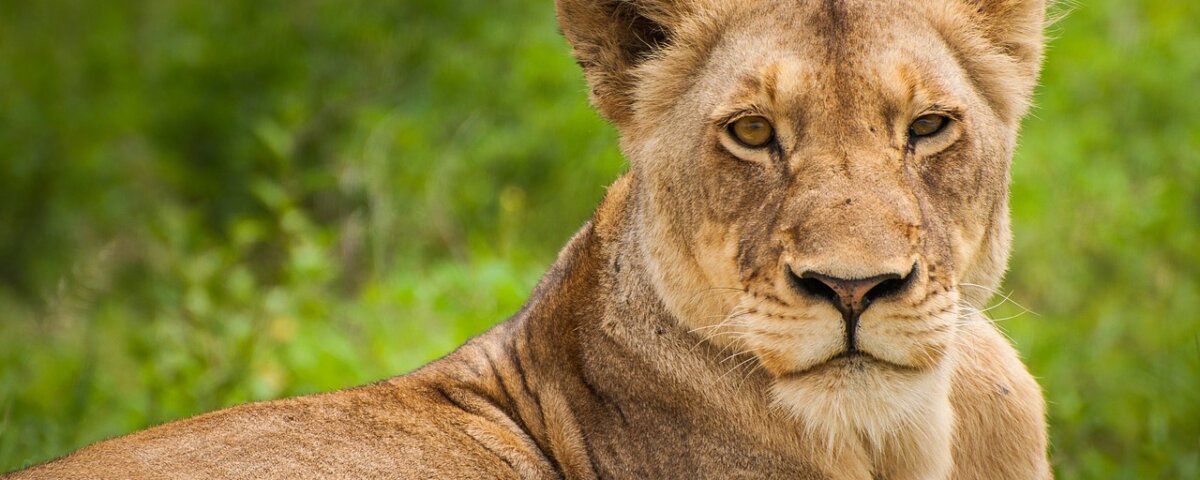
What is the best photographic safari in Rwanda?
What is the best photographic safari in Rwanda? The best photographic safari in Rwanda is a well-planned wildlife experience that focuses on capturing powerful, natural, and authentic moments of wildlife in their natural habitats, especially in iconic destinations such as Volcanoes National Park, Akagera National Park, and Nyungwe Forest National Park. Rwanda offers one of the most rewarding photographic safari experiences in Africa because it combines rare mountain gorillas, diverse savannah wildlife, and dense rainforest scenery in a compact and accessible destination. Photographers find Rwanda especially valuable because it allows them to capture a wide range of subjects within a short travel distance, which increases the chances of getting unique and high-quality shots.
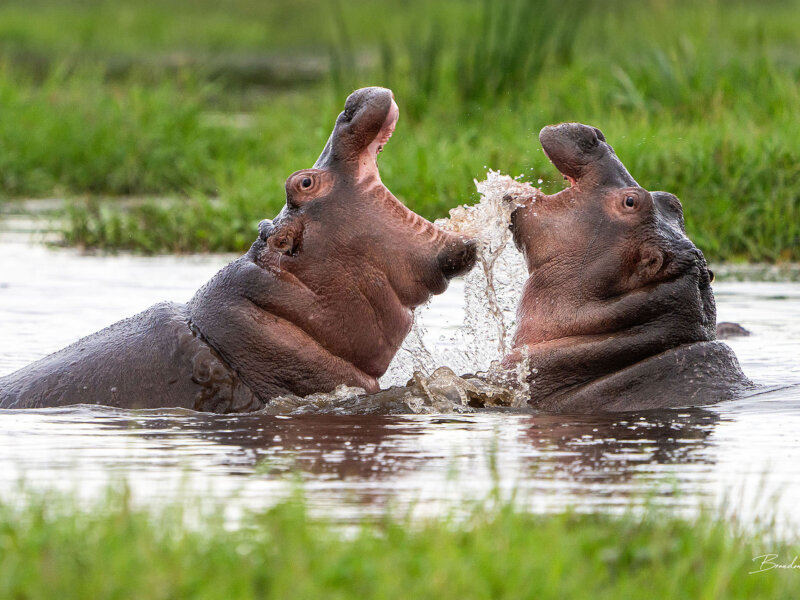
A photographic safari in Rwanda stands out because of its strong conservation success, rich biodiversity, and guided safari structure that supports responsible wildlife viewing. Travelers experience close encounters with mountain gorillas, elephants, lions, giraffes, and countless bird species while respecting strict conservation rules. This balance between wildlife protection and tourism creates an ideal environment for photography. As a result, Rwanda has become a leading destination for both amateur and professional wildlife photographers who want to build powerful visual portfolios in Africa.
Best Rwanda Gorilla Trekking Tours
7 Days wildlife & Gorilla Tour
Why is Rwanda a Top Destination for Photographic Safaris?
Rwanda stands out as a top destination for photographic safaris because it offers rare wildlife experiences combined with breathtaking landscapes and excellent tourism infrastructure. The country has invested heavily in conservation, which has helped restore wildlife populations and protect natural habitats. This creates a stable and safe environment for photographers to capture natural animal behavior without disturbance.
Another major reason Rwanda leads in photographic safaris is its diversity. In a single trip, travelers can explore misty rainforests, open savannah plains, and volcanic highlands. This variety allows photographers to capture different moods, lighting conditions, and wildlife species. For example, the lush greenery of Nyungwe Forest provides a dramatic backdrop for primates and birds, while Akagera’s open landscapes offer perfect conditions for big game photography.
In addition, Rwanda provides guided safari experiences that improve photography outcomes. Expert guides understand animal behavior and positioning, which helps photographers get closer yet safe viewing angles. This combination of conservation, diversity, and expert guiding makes Rwanda one of the most reliable and rewarding destinations for photographic safaris in Africa.
What are the best Places for a Photographic Safari in Rwanda?
Rwanda offers several outstanding locations that create perfect conditions for wildlife photography. Each destination provides a unique experience and different photographic opportunities. One of the most famous locations is Volcanoes National Park, known for its mountain gorilla trekking experience. Photographers capture powerful close-up moments of gorilla families in misty forest settings, creating emotional and dramatic images that are rare anywhere in the world.
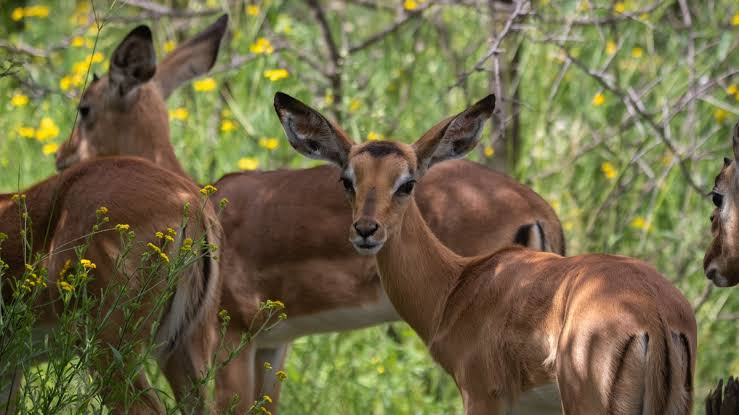
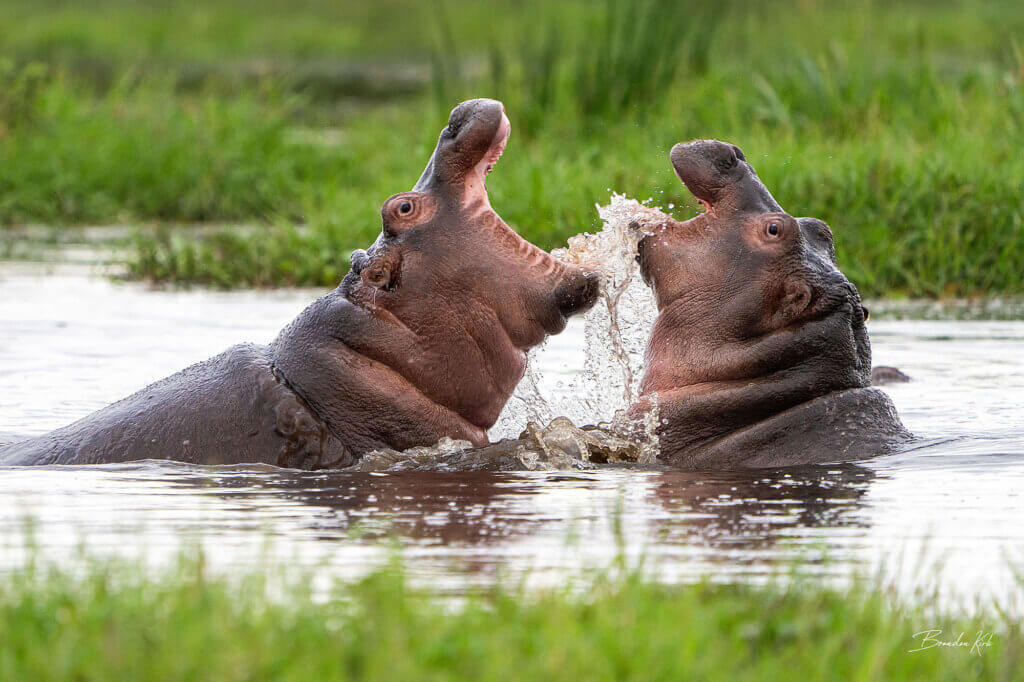
Another key destination is Akagera National Park, which offers classic African safari scenes. Here, photographers find lions, elephants, zebras, buffaloes, and giraffes moving across open plains. The golden light of sunrise and sunset creates excellent conditions for wildlife photography, especially for action shots and landscape compositions.
In addition, Nyungwe Forest National Park provides a completely different photographic experience. This ancient rainforest is home to chimpanzees, colobus monkeys, and a wide variety of birds. The dense canopy, misty atmosphere, and rich greenery allow photographers to create moody and artistic wildlife images. Together, these three destinations form a complete photographic safari circuit in Rwanda that supports both diversity and creativity.
What Makes a Safari Photographic in Rwanda?
A photographic safari in Rwanda becomes successful when planning, timing, and technique work together to capture meaningful wildlife moments. First, lighting plays a key role. Early mornings and late afternoons provide soft natural light that enhances animal textures and landscapes. Photographers who plan their game drives around these times often achieve more vibrant and detailed images.
Second, patience and observation are essential. Wildlife photography requires waiting for natural behavior rather than rushing shots. In Rwanda’s parks, animals often display unique movements such as gorilla grooming, lion resting patterns, or birds in flight. Capturing these moments requires focus and respect for the environment.
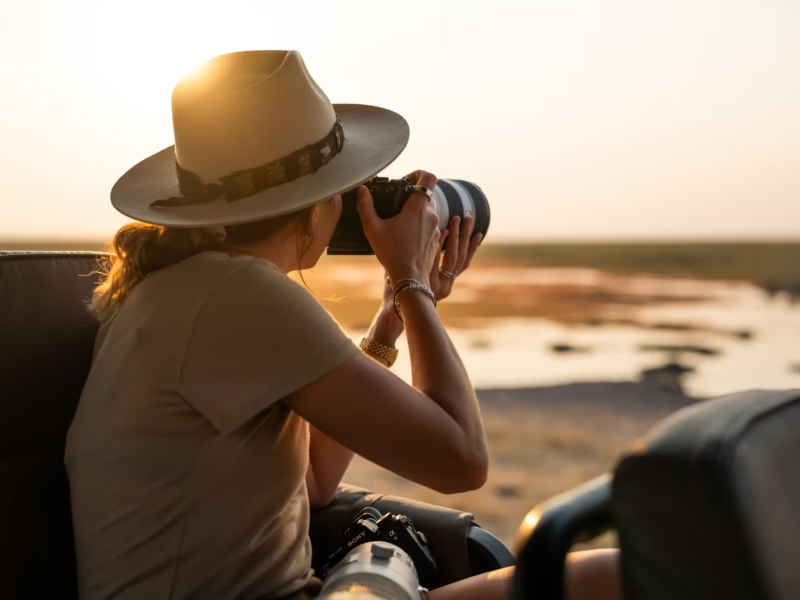
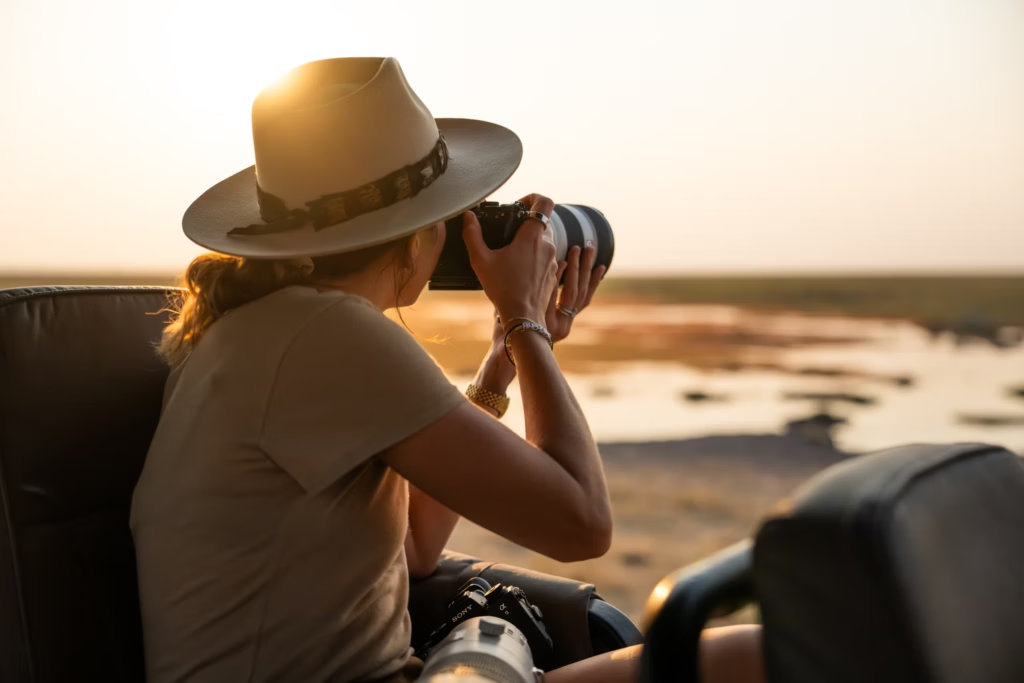
Third, equipment choice also matters. A good zoom lens helps photographers capture distant wildlife without disturbance, while a wide-angle lens works well for landscapes and environmental portraits. However, skill and timing remain more important than equipment alone. Rwanda rewards photographers who understand composition, light, and storytelling rather than just technical settings.
Finally, guided support enhances results. Local guides know animal locations and behaviors, which increases chances of successful shots. This combination of skill, patience, and expert guidance defines a true photographic safari experience in Rwanda.
What is the best Time for a Photographic Safari in Rwanda?
The best time for a photographic safari in Rwanda depends on weather conditions, wildlife movement, and photographic goals. Generally, the dry seasons from June to September and December to February offer the most favorable conditions. During these months, animals gather around water sources, making them easier to locate and photograph.
Dry seasons also provide clearer skies and better lighting conditions, which improve image sharpness and color quality. Roads inside national parks remain more accessible, allowing smoother movement between photographic locations. This increases the chances of capturing a wide range of wildlife in a single safari.
However, the wet seasons also offer unique photographic opportunities. From March to May and October to November, landscapes become lush and green. This creates dramatic backgrounds for wildlife photography, especially in forests and mountainous areas. Birds are also more active during these periods, making it a great time for bird photography enthusiasts.
Ultimately, Rwanda offers year-round photography potential. The best choice depends on whether a photographer prefers dry season clarity or wet season vibrancy. Both options deliver strong visual storytelling opportunities for a professional safari portfolio.
Choosing the Right Safari Experience in Rwanda
Choosing the right safari experience in Rwanda requires careful planning and a clear understanding of photography goals. Travelers should select safari operators who understand wildlife photography needs, including timing, positioning, and patience during game drives. A good safari experience focuses on quality sightings rather than rushing through locations.
It is also important to choose itineraries that include multiple parks. Combining gorilla trekking in Volcanoes National Park, game drives in Akagera National Park, and primate photography in Nyungwe Forest National Park creates a complete photographic journey. This variety strengthens storytelling and expands the photographic portfolio.
In addition, small group sizes often produce better photography results. Smaller groups allow more flexibility during wildlife encounters and reduce distractions. Professional guides who understand photography requirements also improve outcomes by positioning vehicles for optimal lighting and angles.
By focusing on planning, expertise, and park selection, photographers can create a highly rewarding safari experience in Rwanda that delivers both artistic and professional results.
Conclusion: What is the best photographic safari in Rwanda
The best photographic safari in Rwanda is an immersive wildlife journey that combines expert guiding, diverse ecosystems, and rare animal encounters across top destinations such as Volcanoes National Park, Akagera National Park, and Nyungwe Forest National Park. Rwanda offers photographers a powerful blend of mountain gorillas, savannah wildlife, and rainforest species, making it one of the most complete photography destinations in Africa. With the right timing, planning, and guidance, every safari becomes an opportunity to create meaningful and world class wildlife images. Ultimately, what is the best photographic safari in Rwanda comes down to the experience, preparation, and connection with nature that each traveler builds during their journey through this remarkable country.