Where is Ziwa Rhino Sanctuary located
June 24, 2026
Are boat safaris available in Uganda
June 24, 2026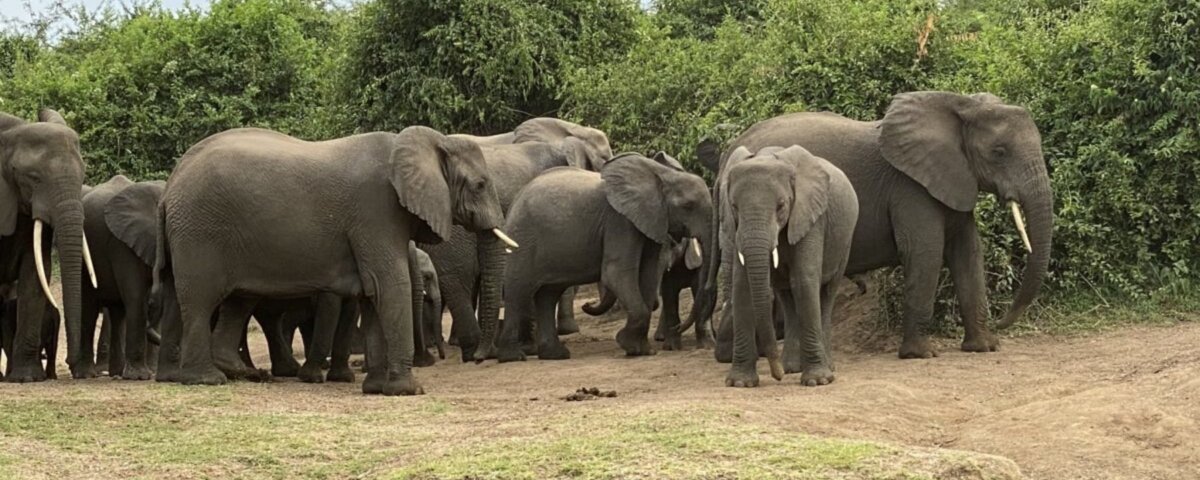
Which Uganda Park Has the Most Elephants?
Which Uganda park has the most elephants? Uganda park with the most elephants is Murchison Falls National Park. This remarkable wildlife destination hosts the largest population of elephants in Uganda, making it the best place to see large herds of these magnificent giants in their natural habitat. Located in northwestern Uganda, Murchison Falls National Park offers exceptional elephant viewing opportunities alongside breathtaking landscapes, rich biodiversity, and unforgettable safari experiences. For travelers seeking close encounters with African elephants, this park stands as Uganda’s premier elephant safari destination.
Best Uganda Gorilla Trekking Tours
18 Days Best Uganda Adventure Safaris
14-Days Uganda Gorillas & Wildlife Tour
12 Days Gorillas, Chimps & Wildlife Safari
10 days Uganda primates & wildlife safari
10 Days Uganda Gorillas and Game Safari
7 Days Gorillas & Wildlife Safari
6 Days Gorillas and Chimps Trek Safari
3 Day Bwindi Gorilla Trekking Safari
4 Days Gorilla Trekking & Boat Cruise
9 Days Uganda Luxury Safari Tour
Why Murchison Falls National Park Has the Most Elephants in Uganda
Murchison Falls National Park holds the highest number of elephants in Uganda due to its vast size, diverse habitats, and successful conservation efforts. Covering approximately 3,893 square kilometers, it is Uganda’s largest national park and provides an ideal environment for elephants to thrive.
The park features expansive savannah grasslands, woodlands, riverine forests, and wetlands. These habitats supply elephants with abundant food, water, and shelter throughout the year. As a result, elephant populations continue to grow steadily within the protected area.
Over the years, Uganda Wildlife Authority and conservation partners have strengthened anti-poaching measures and wildlife monitoring programs. These initiatives have helped restore elephant numbers after decades of decline caused by illegal hunting. Today, visitors regularly encounter large elephant herds during game drives and boat safaris.
The presence of the mighty Nile River further supports the park’s elephant population. Elephants frequently gather along riverbanks to drink water, cool off, and feed on lush vegetation. Consequently, visitors often enjoy excellent wildlife viewing opportunities, especially during the dry seasons.
Because of its healthy ecosystem and strong conservation management, Murchison Falls National Park remains Uganda’s leading destination for elephant sightings and wildlife conservation success.
The Elephant Population in Murchison Falls National Park
Murchison Falls National Park supports thousands of elephants, making it the most important stronghold for elephant conservation in Uganda. Conservation surveys continue to show encouraging population growth, demonstrating the effectiveness of protection efforts within the park.
Visitors often see elephants in groups ranging from a few individuals to large family herds. Female elephants typically move together with calves, while mature bulls sometimes travel alone or in smaller groups. This social structure creates fascinating wildlife viewing experiences for safari travelers.
The northern sector of the park provides some of the best opportunities for spotting elephants. Areas around Paraa, Buligi, and the Albert Nile regularly attract large concentrations of wildlife. During game drives, elephants frequently cross safari tracks, feed in open grasslands, or rest beneath acacia trees.
Moreover, elephants play a vital role in maintaining the park’s ecological balance. They shape vegetation patterns, disperse seeds, and create pathways that benefit other wildlife species. Their presence contributes significantly to the health of the ecosystem.
For wildlife enthusiasts, photographers, and nature lovers, the large elephant population in Murchison Falls National Park creates countless opportunities to observe natural behaviors and capture memorable safari moments.
Best Places to See Elephants in Murchison Falls National Park
Several areas within Murchison Falls National Park offer exceptional elephant viewing experiences. Understanding where elephants spend most of their time can help visitors maximize their safari adventures.
The Buligi Game Tracks rank among the top wildlife viewing areas in the park. These tracks traverse open savannah landscapes where elephants frequently graze alongside giraffes, buffaloes, and antelopes. Early morning and late afternoon game drives often produce excellent sightings.
The Paraa region also attracts large elephant herds due to its proximity to water sources and rich vegetation. Safari vehicles regularly encounter elephants feeding near the roads and open plains.
Another outstanding location is the Albert Nile Delta area. This ecosystem provides abundant food and water, drawing numerous wildlife species throughout the year. Boat cruises along the Nile often reveal elephants drinking along the shoreline or crossing shallow sections of the river.
Additionally, the Victoria Nile boat safari offers unique perspectives of elephants from the water. As boats move toward the base of Murchison Falls, passengers frequently observe elephants interacting with their environment in a peaceful and natural setting.
These diverse viewing locations make Murchison Falls National Park one of East Africa’s most rewarding destinations for elephant encounters.
What Makes Elephant Safaris in Murchison Falls Special?
Elephant safaris in Murchison Falls National Park offer far more than simple wildlife sightings. The park delivers a complete safari experience that combines stunning scenery, abundant wildlife, and unique conservation success stories.
One of the most impressive aspects is the opportunity to observe elephants within a thriving ecosystem. Visitors often witness elephants sharing habitats with lions, leopards, giraffes, buffaloes, hartebeests, and numerous bird species. This rich biodiversity enhances every game drive.
The park’s landscapes add another level of excitement. Vast savannahs stretch toward the horizon while the Nile River winds through the wilderness. These scenic backdrops create perfect conditions for wildlife photography and unforgettable safari memories.
Furthermore, elephants display fascinating behaviors throughout the day. Travelers may observe mothers caring for calves, family groups communicating through body language, or bulls engaging in social interactions. These authentic wildlife moments create meaningful connections between visitors and nature.
The combination of land safaris and boat excursions also increases viewing opportunities. Unlike many destinations where visitors rely solely on game drives, Murchison Falls allows travelers to experience elephants from both land and water perspectives.
As a result, elephant safaris in Murchison Falls consistently rank among the most rewarding wildlife experiences in Uganda.
Other Uganda Parks That Have Elephants
Although Murchison Falls National Park hosts the largest elephant population in Uganda, several other national parks also support healthy elephant populations and provide excellent wildlife viewing opportunities.
Queen Elizabeth National Park ranks among the country’s most popular safari destinations. Elephants roam across the Kasenyi Plains, Ishasha Sector, and areas surrounding the Kazinga Channel. Boat cruises along the channel frequently reveal elephants drinking and feeding near the shoreline.
Kidepo Valley National Park also supports a significant elephant population. Located in Uganda’s remote northeastern region, Kidepo offers a truly wild safari experience with dramatic landscapes and fewer tourists. Elephants move freely across valleys and savannah plains, creating exceptional wildlife encounters.
Lake Mburo National Park contains a smaller elephant population compared to Murchison Falls and Queen Elizabeth. Nevertheless, conservation efforts continue to support wildlife recovery in the region.
In addition, some elephants inhabit areas around Kibale National Park and neighboring conservation landscapes. These populations contribute to Uganda’s broader elephant conservation network.
While these parks provide rewarding elephant experiences, Murchison Falls National Park remains the undisputed leader in elephant numbers and viewing opportunities.
Best Time to See Elephants in Murchison Falls National Park
Visitors can see elephants throughout the year in Murchison Falls National Park. However, certain seasons offer better viewing conditions than others.
The dry seasons, which typically occur from December to February and June to September, provide the best opportunities. During these months, vegetation becomes less dense, making wildlife easier to spot. Elephants also concentrate around water sources, increasing the chances of memorable sightings.
Morning game drives often deliver excellent results because elephants become active after cooler nighttime temperatures. Similarly, late afternoon excursions provide rewarding encounters as wildlife moves toward feeding areas.
The wet seasons bring different advantages. The landscape becomes greener, photography conditions improve, and the park experiences fewer visitors. Although thicker vegetation can make wildlife harder to locate, patient travelers still enjoy excellent elephant sightings.
Boat safaris remain productive throughout the year because elephants frequently visit riverbanks regardless of season. Therefore, combining game drives with Nile cruises significantly improves viewing opportunities.
By selecting the right season and safari activities, travelers can enjoy outstanding elephant encounters whenever they visit Murchison Falls National Park.
Conservation Efforts Protecting Uganda’s Largest Elephant Population
The success of elephant conservation in Murchison Falls National Park reflects years of dedicated effort by wildlife authorities, conservation organizations, local communities, and tourism stakeholders.
Anti-poaching patrols play a crucial role in protecting elephants from illegal hunting. Rangers monitor wildlife movements, enforce conservation laws, and respond quickly to potential threats. Their commitment has helped create a safer environment for elephants and other species.
Community conservation programs also contribute significantly to long-term success. Local residents benefit from tourism-related employment, conservation education, and community development initiatives. These benefits encourage positive relationships between communities and protected areas.
Research and monitoring programs provide valuable information about elephant populations, migration patterns, and habitat needs. Conservation managers use this data to make informed decisions that support sustainable wildlife management.
Tourism itself contributes directly to elephant conservation. Revenue generated from park entrance fees, safari activities, and tourism services helps fund protection efforts and infrastructure development.
As elephant populations continue to recover, Murchison Falls National Park demonstrates how effective conservation and responsible tourism can work together to secure a brighter future for Africa’s wildlife.
Conclusion
When travelers ask which Uganda park has the most elephants, the answer is Murchison Falls National Park. Its vast landscapes, abundant water sources, strong conservation programs, and thriving ecosystem support the largest elephant population in Uganda. Visitors enjoy remarkable opportunities to observe elephant herds during game drives, boat safaris, and wildlife photography excursions. Beyond its impressive elephant numbers, Murchison Falls National Park delivers one of Africa’s most rewarding safari experiences, making it a must-visit destination for anyone seeking unforgettable encounters with Uganda’s iconic giants. For wildlife enthusiasts planning an African adventure, Murchison Falls National Park remains the ultimate destination to witness Uganda’s largest elephant population in its natural environment.