Bwindi gorilla trekking travel guide
May 7, 2026
Bwindi gorilla trekking 4 days Safari
May 7, 2026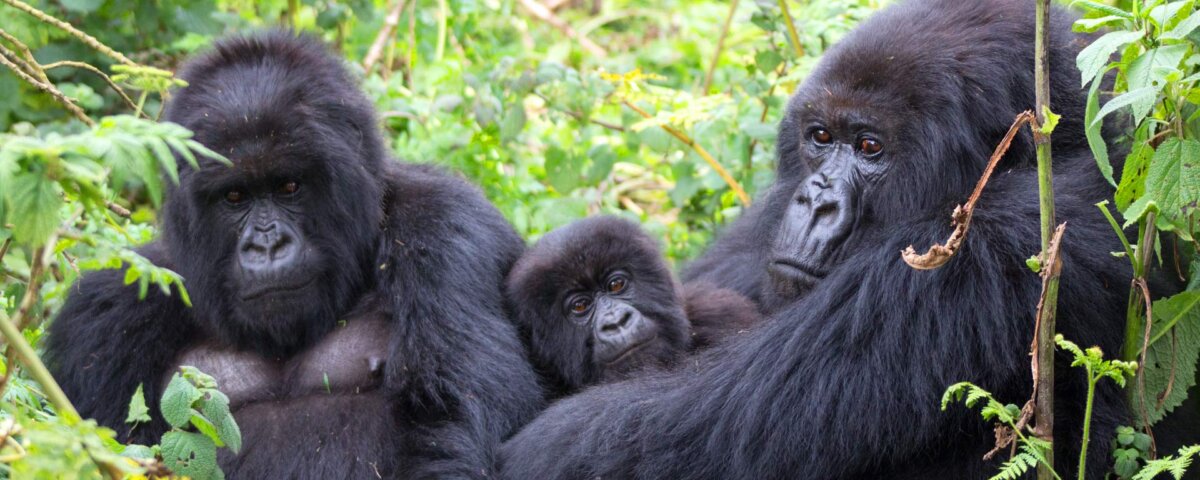
Bwindi Gorilla Trekking 3 Day Safari
A Bwindi gorilla trekking 3 day safari offers one of the most rewarding wildlife experiences in Africa. This unforgettable safari takes travelers deep into the rainforest of Bwindi Impenetrable National Park, home to almost half of the world’s remaining mountain gorillas. The safari combines wildlife, adventure, culture, nature, and conservation into one powerful African travel experience.
Travelers who visit Bwindi enjoy close encounters with endangered mountain gorillas while exploring one of the oldest tropical rainforests in Africa. The safari creates lasting memories because it allows visitors to connect with wildlife in a natural environment. Every moment in the forest feels authentic, exciting, and deeply inspiring.
A Bwindi gorilla trekking 3 day safari also supports conservation and community development in Uganda. Gorilla permit fees contribute directly to wildlife protection, anti-poaching efforts, and local community projects around the park. As a result, every traveler helps preserve mountain gorillas for future generations.
Why Choose Bwindi for Gorilla Trekking
Bwindi stands among the best gorilla trekking destinations in the world because of its rich biodiversity, accessible gorilla families, and spectacular rainforest scenery. The national park covers thick forests, steep valleys, mist-covered hills, rivers, and diverse ecosystems that provide a perfect habitat for mountain gorillas.
The park hosts several habituated gorilla families spread across four major trekking sectors including Buhoma, Ruhija, Rushaga, and Nkuringo. This variety allows travelers to choose trekking experiences based on their interests, fitness levels, and accommodation preferences. Some treks involve shorter walks while others provide more challenging hikes through rugged terrain.
Bwindi also offers much more than gorilla trekking alone. Visitors often encounter monkeys, forest elephants, colorful butterflies, birds, and unique plant species during the trek. Birdwatchers especially enjoy the park because it hosts many Albertine Rift endemic bird species. The rainforest environment creates an exciting wildlife experience beyond gorilla encounters.
In addition, the surrounding communities enrich the safari through cultural experiences. Travelers can visit Batwa communities, learn traditional forest survival skills, enjoy local dances, and discover the cultural heritage of southwestern Uganda. These experiences create meaningful connections between travelers and local communities while supporting sustainable tourism.
Detailed Bwindi Gorilla Trekking 3 Day Safari Itinerary
Day 1: Transfer to Bwindi Impenetrable National Park
The Bwindi gorilla trekking 3 day safari usually starts from Kampala or Entebbe early in the morning. Travelers begin the scenic drive toward southwestern Uganda while enjoying beautiful views of rolling hills, farmlands, tea plantations, and traditional villages.
Many safaris include a stop at the Equator crossing point where travelers take photos, buy souvenirs, and enjoy refreshments. The journey continues through changing landscapes that slowly transform into the lush green highlands near Bwindi Forest. The drive itself becomes part of the adventure because it introduces travelers to Uganda’s natural beauty and cultural diversity.
Travelers arrive at Bwindi in the evening and check into their safari lodge. Accommodation options range from luxury eco-lodges to comfortable mid-range camps and budget guesthouses. Most lodges provide stunning forest views, warm hospitality, and delicious meals prepared with fresh local ingredients.
After dinner, safari guides brief travelers about gorilla trekking guidelines, safety rules, and expectations for the next day’s adventure. Visitors then relax and prepare for the highlight of the safari experience.
Day 2: Gorilla Trekking Experience in Bwindi Forest
The second day marks the main highlight of the Bwindi gorilla trekking 3 day safari. Travelers wake up early for breakfast before heading to the park headquarters for registration and briefing. Experienced park rangers explain gorilla trekking rules, conservation guidelines, and safety procedures before assigning groups to specific gorilla families.
The trek begins with ranger guides leading travelers through dense rainforest trails. Depending on the location of the gorilla family, the hike can last between two and eight hours. Along the way, trekkers enjoy beautiful forest scenery while spotting birds, monkeys, butterflies, and unique plant species.
The moment travelers finally meet a mountain gorilla family creates unmatched excitement and emotion. Visitors spend one hour observing the gorillas as they feed, rest, groom, and interact naturally within the forest. Watching giant silverbacks protect their families and seeing playful baby gorillas creates unforgettable memories.
Photography enthusiasts enjoy incredible opportunities during the trek. However, visitors must avoid flash photography and follow ranger instructions carefully. The experience feels deeply personal because it allows travelers to connect closely with endangered wildlife in their natural habitat.
After trekking, travelers return to the lodge for relaxation. Some itineraries also include optional community walks or cultural visits in the evening.
Day 3: Return to Kampala or Entebbe
The final day of the Bwindi gorilla trekking 3 day safari starts with breakfast at the lodge before travelers begin the journey back to Kampala or Entebbe. Although the safari ends on this day, the return drive still offers breathtaking scenery and cultural experiences across Uganda’s countryside.
As travelers leave the forested highlands of southwestern Uganda, they enjoy beautiful views of rolling hills, terraced gardens, tea plantations, and rural communities. The drive provides another opportunity to appreciate Uganda’s natural beauty and peaceful landscapes.
Most safaris include a lunch stop in Mbarara or near the Equator crossing point. Travelers often shop for crafts, souvenirs, coffee, and handmade cultural items during these stopovers. The Equator stop also allows visitors to take memorable photos before continuing the journey.
Travelers arriving in Entebbe may proceed directly to the airport for evening departures while others return to hotels in Kampala or Entebbe. The journey back offers time to reflect on the unforgettable gorilla trekking experience and the beauty of Bwindi Forest.
A Bwindi gorilla trekking 3 day safari ends with lifelong memories, extraordinary wildlife encounters, and a deeper appreciation for Africa’s conservation efforts.
Gorilla Families in Bwindi Impenetrable National Park
Bwindi hosts several habituated gorilla families available for trekking throughout the year. Each family has unique characteristics and territories within the forest, giving travelers different trekking experiences.
The Buhoma sector features famous gorilla groups such as Mubare, Habinyanja, and Rushegura. Travelers who prefer accessible trekking routes and developed tourism infrastructure often choose this region.
Rushaga sector hosts the highest number of habituated gorilla families. Many travelers choose this area because it increases the chances of securing gorilla permits even during peak travel seasons. Rushaga also offers gorilla habituation experiences for travelers seeking longer interactions with gorillas.
Nkuringo sector provides more challenging hikes with rewarding mountain views and fewer crowds. Adventure lovers often prefer this region because of its dramatic landscapes and remote atmosphere. Ruhija sector, on the other hand, attracts birdwatchers because of its rich birdlife and peaceful forest trails.
Each gorilla family offers a unique encounter, but all experiences remain equally rewarding and unforgettable.
Best Time for Bwindi Gorilla Trekking 3 Day Safari
Travelers can enjoy a Bwindi gorilla trekking 3 day safari throughout the year because mountain gorillas stay in the forest permanently. However, some seasons provide more favorable trekking conditions.
The dry seasons from June to September and December to February attract the highest number of visitors. During these months, forest trails remain drier and easier to navigate. Clearer skies also improve photography opportunities within the rainforest.
The rainy seasons from March to May and October to November bring heavier rainfall and muddy trails. However, these months also offer advantages such as fewer crowds, greener scenery, and lower accommodation rates.
Birdwatchers especially enjoy the rainy seasons because migratory bird species become more active during wetter months. Regardless of the season, travelers should prepare for changing weather because rainfall can occur at any time in Bwindi Forest.
Proper hiking gear, waterproof clothing, and physical preparation help travelers enjoy the safari comfortably throughout the year.
Gorilla Trekking Rules and Guidelines
Gorilla trekking follows strict conservation guidelines that protect both travelers and mountain gorillas. These rules help minimize human impact on the endangered species while ensuring safe wildlife encounters.
Visitors must maintain a distance of at least seven meters from the gorillas. This rule helps reduce the risk of disease transmission because gorillas share close genetic similarities with humans.
Travelers should avoid loud noises, sudden movements, and direct eye contact with gorillas. Calm behavior allows peaceful interactions within the forest. Flash photography also remains prohibited because it may disturb the gorillas.
Each gorilla family receives only eight visitors per day. This limitation helps reduce stress on the animals while improving the quality of the trekking experience.
Children below fifteen years cannot participate in gorilla trekking activities. Travelers should also carry enough drinking water, snacks, hiking boots, gloves, and rain jackets for comfort during the trek.
Following these guidelines ensures sustainable tourism and continued protection of mountain gorillas in Bwindi.
Accommodation Options During Bwindi Gorilla Trekking 3 Day Safari
Bwindi offers accommodation options suitable for luxury, mid-range, and budget travelers. Most lodges sit near the trekking sectors, allowing convenient access to gorilla trekking starting points.
Luxury lodges provide spacious cottages, private balconies, fine dining, fireplaces, and stunning forest views. Many luxury properties focus on eco-friendly tourism while delivering exceptional comfort and personalized service.
Mid-range lodges combine affordability with comfort. These accommodations offer clean rooms, hot showers, comfortable beds, and delicious meals at reasonable prices.
Budget accommodations provide affordable options for backpackers and budget-conscious travelers. Although simpler, these guesthouses still offer warm hospitality and easy access to the national park.
Many lodges also organize cultural entertainment, guided nature walks, and community visits that enrich the overall safari experience.
What to Pack for Bwindi Gorilla Trekking
Packing properly improves comfort and safety during a Bwindi gorilla trekking 3 day safari. Since trekking takes place in dense rainforest terrain, travelers need practical clothing and equipment.
Waterproof hiking boots help travelers navigate muddy and slippery trails comfortably. Long-sleeved shirts and trousers protect against insects, thorny plants, and forest vegetation. A lightweight rain jacket remains essential because rain can fall unexpectedly.
Travelers should also carry gardening gloves for support while climbing steep slopes and holding vegetation. A small backpack helps store water, snacks, cameras, and personal items during the trek.
Insect repellent, sunscreen, sunglasses, and personal medications also improve comfort during the safari. Photography enthusiasts should carry extra batteries because cold forest temperatures can reduce battery life quickly.
Fitness preparation also helps travelers enjoy the trekking experience more comfortably, especially on longer hikes through steep terrain.
Conservation and Community Impact of Gorilla Tourism
Gorilla tourism plays a major role in protecting mountain gorillas and supporting surrounding communities. Revenue from gorilla permits helps fund wildlife conservation, anti-poaching patrols, veterinary care, and habitat protection.
Local communities benefit through employment opportunities in lodges, transportation, guiding services, handicraft businesses, and cultural tourism projects. Tourism creates sustainable income that encourages communities to support wildlife conservation.
Community tourism initiatives around Bwindi also support schools, healthcare services, women empowerment programs, and clean water projects. Travelers who participate in cultural experiences contribute directly to local development.
Sustainable gorilla tourism continues to raise global awareness about endangered species protection and environmental conservation. Bwindi remains a strong example of how tourism, conservation, and community development can work together successfully.
Conclusion
A Bwindi gorilla trekking 3 day safari delivers one of the most extraordinary wildlife adventures in Africa. The safari combines breathtaking landscapes, unforgettable gorilla encounters, rich biodiversity, cultural experiences, and conservation into one memorable journey.
Travelers enjoy close interactions with endangered mountain gorillas while discovering the beauty of Uganda’s rainforest ecosystems and welcoming communities. Every part of the safari creates meaningful experiences that leave visitors inspired and connected to nature.
Choosing a Bwindi gorilla trekking 3 day safari also supports wildlife conservation and community development in Uganda. The experience offers much more than tourism because it contributes directly to protecting one of the world’s rarest animals for future generations.
For travelers seeking authentic African adventures, unforgettable wildlife encounters, and meaningful travel experiences, a Bwindi gorilla trekking 3 day safari remains one of the best safari experiences on the continent.