Bujumbura Tours and Attractions
October 23, 2026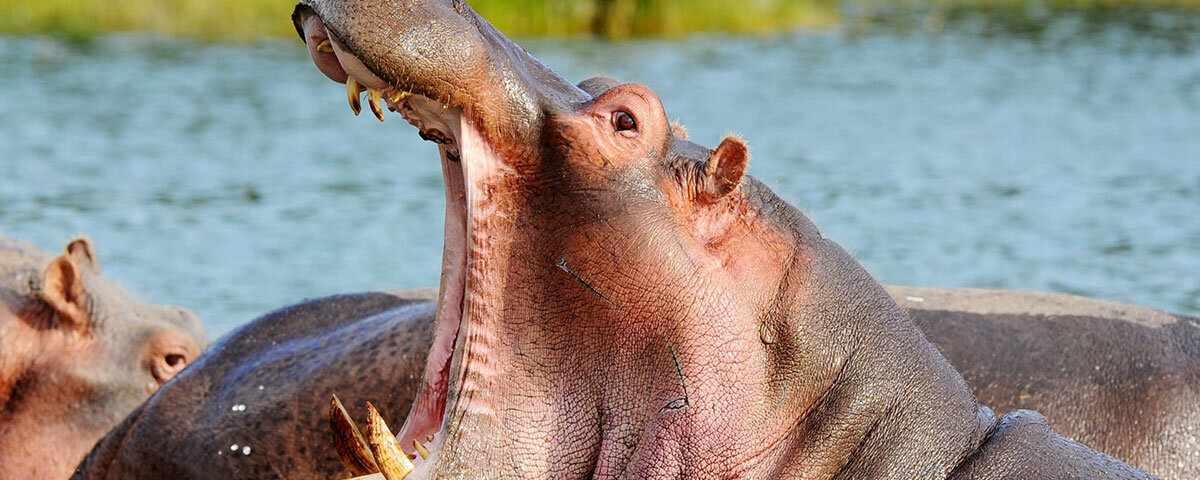
Rusizi National Park
Rusizi National Park is one of the most rewarding places to explore Burundi’s natural beauty, river wildlife, wetlands, and birdlife. Located near Bujumbura, along the Rusizi River and close to Lake Tanganyika, this protected area offers travelers a peaceful escape into one of East Africa’s lesser explored natural environments. The park provides a different experience from the famous savannah reserves of Kenya and Tanzania because its landscapes feature river channels, grassy floodplains, wetland vegetation, and habitats that support a variety of wildlife.
For travelers who want to discover Burundi beyond its towns and cultural attractions, Rusizi National Park offers an excellent opportunity to connect with nature. Visitors can explore the wetlands, look for birds, observe wildlife where conditions permit, and appreciate the role that rivers and wetlands play in supporting local ecosystems. Moreover, its location near Bujumbura makes it a practical addition to a short holiday or a longer Burundi safari.
Burundi may be a small country, but it offers remarkable diversity across its mountains, lakes, forests, rivers, and rural communities. Therefore, including Rusizi National Park in a carefully planned itinerary can help international visitors experience a different side of African tourism. This guide explains what makes the park special, what travelers can expect, how to prepare for a visit, and how to explore the surrounding region responsibly.
Overview of Rusizi National Park
Rusizi National Park is an important protected natural area in western Burundi. It lies close to Bujumbura, the country’s largest city, and covers habitats shaped by the Rusizi River and its surrounding floodplains. The river flows toward Lake Tanganyika, creating a landscape where water, grasses, wetlands, and open areas support wildlife and bird species. This combination makes the park especially interesting for visitors who appreciate river ecosystems and nature photography.
Unlike large African reserves known for extensive savannahs and high concentrations of large mammals, Rusizi National Park offers a more intimate wetland experience. Its scenery changes with water levels and seasonal conditions, while different habitats provide opportunities to observe birds and other wildlife. The park also plays an important environmental role by supporting biodiversity and helping maintain the natural functions of the river system.
Furthermore, its proximity to Bujumbura gives travelers an opportunity to combine nature exploration with city experiences, local food, and visits to the shores of Lake Tanganyika. Visitors can often consider the park as part of a half day or full day excursion, although the time needed depends on the activities available and the conditions on the day.
Travelers should confirm access arrangements, permitted activities, current park regulations, and guide availability before setting out. These details can change, and responsible planning helps ensure a smoother experience. Overall, Rusizi National Park deserves attention from visitors who want to explore Burundi’s natural heritage and discover a quieter side of East African tourism.
Where Is Rusizi National Park Located?
Rusizi National Park lies in western Burundi, northwest of Bujumbura, near the border with the Democratic Republic of the Congo. The park protects sections of the Rusizi River floodplain and the delta where the river enters Lake Tanganyika. This location gives the area its special mix of freshwater habitats, riverbanks, marshes, and lakeshore environments.
The park’s proximity to Bujumbura makes it one of the most accessible wildlife destinations in Burundi. The country’s official tourism information places the reserve approximately 15 minutes from the city center, although actual travel time depends on traffic, the starting point, and the entrance being visited.
The Rusizi River plays a central role in shaping this landscape. As it approaches Lake Tanganyika, it creates channels, wetlands, and low lying areas that provide shelter and feeding grounds for many species. Consequently, the park offers visitors a chance to explore a natural environment closely connected to the region’s freshwater systems.
Travelers can include Rusizi National Park in a wider visit to Bujumbura, particularly when they want to balance city sightseeing with wildlife observation. Its location also makes it suitable for visitors who have limited time in Burundi but still want to experience the country’s natural heritage.
Before traveling, however, visitors should confirm the condition of access roads, the location of the open visitor entrance, and any current access restrictions. The park lies near an international border, so travelers should also follow local guidance and avoid entering restricted areas. With proper planning, the journey offers a convenient introduction to Burundi’s wetlands and wildlife.
The History and Conservation Importance of Rusizi National Park
Rusizi National Park has an important place in Burundi’s conservation history. The protected area dates to the early 1980s, while its wetland significance extends beyond national boundaries. In 2002, Burundi designated the Rusizi wetland as a Wetland of International Importance under the Ramsar Convention. The government later expanded the listed area to 10,673 hectares in 2013.
This international recognition reflects the value of wetlands for wildlife, water systems, and surrounding communities. Wetlands provide feeding and breeding areas for birds, support fish populations, and help regulate water movement. They can also trap sediment and reduce the movement of certain pollutants through natural systems. Therefore, protecting Rusizi National Park contributes to the wider health of the Rusizi River and Lake Tanganyika basin.
Conservation also helps preserve habitats that support mammals, reptiles, and plants adapted to changing water levels. The park’s river channels, marshes, floodplains, and palm stands create a range of ecological conditions within one protected landscape.
Nevertheless, protected status does not remove every environmental threat. Pressure from surrounding land use, pollution, resource collection, and changes in water systems can affect wetlands. Effective conservation requires continued monitoring, responsible management, and cooperation between public authorities and local communities.
For visitors, the park offers more than a wildlife excursion. It provides an opportunity to understand why wetland protection matters in East Africa. By following park rules, avoiding litter, and respecting wildlife, travelers can support the long term value of this natural area while enjoying a meaningful experience in Burundi.
Wildlife in Rusizi National Park
Wildlife is one of the main reasons to visit Rusizi National Park. The park’s wetland habitats support animals that depend on rivers, marshes, grasslands, and the vegetation surrounding freshwater channels. Rather than offering the wide open savannah experience associated with some East African safari destinations, Rusizi focuses on river and wetland wildlife.
Hippopotamuses are among the park’s best known animals. They use the river and nearby water bodies for shelter during the day and often move onto land to feed at night. Visitors may spot them resting in groups or raising their heads above the water. However, sightings depend on the location of the animals and the conditions during a visit.
Nile crocodiles also inhabit the wider river environment. These reptiles often remain still along banks or in shallow water, which can make them difficult to notice without an experienced guide. Their presence adds to the ecological importance of the river, although visitors must maintain a safe distance at all times.
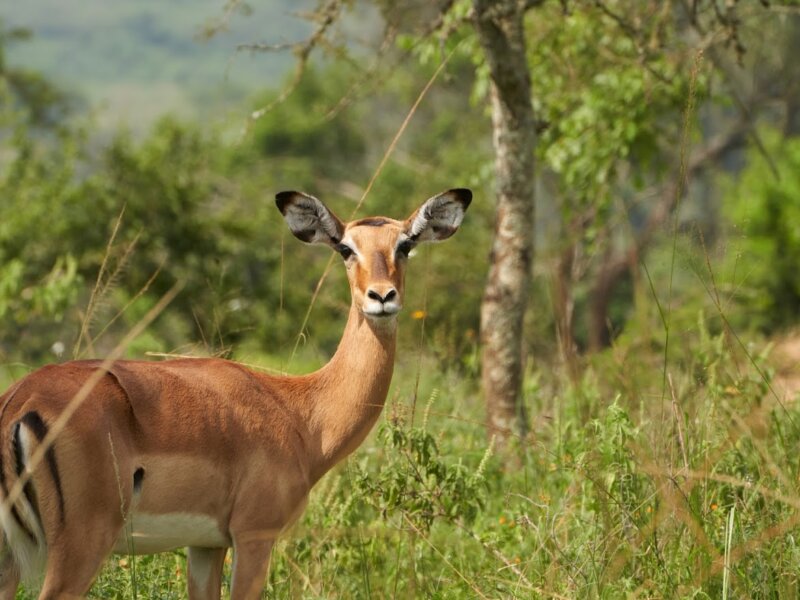
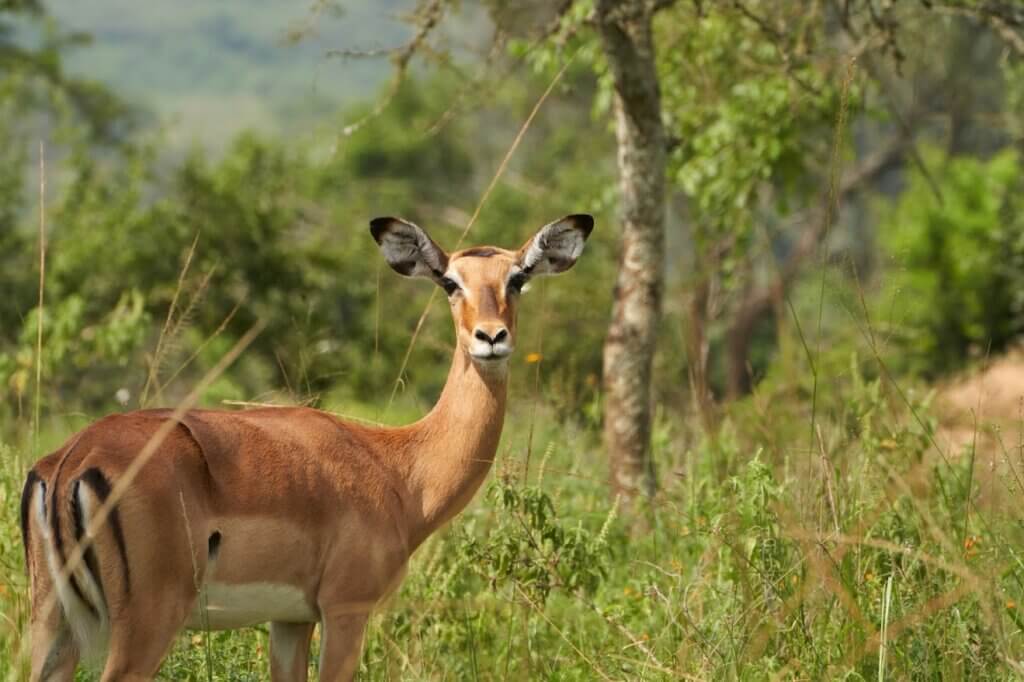
The park and its surrounding habitats also support other mammals, including antelope species and smaller animals adapted to wetland environments. Sitatunga, a wetland antelope, is particularly associated with dense marsh vegetation in parts of Central and East Africa. However, travelers should not expect to see every species during a single excursion.
Wildlife encounters depend on season, water levels, vegetation, and animal movements. For this reason, a knowledgeable local guide can help visitors understand tracks, feeding areas, and animal behavior even when certain animals remain hidden. A successful visit does not depend on seeing every species. Instead, it offers an opportunity to appreciate the interconnected wildlife of one of Burundi’s important natural areas.
Hippopotamuses in Rusizi National Park
Hippopotamuses are among the most recognizable attractions in Rusizi National Park. These large semi aquatic mammals spend much of the day in water, where they help keep their bodies cool under the warm conditions of the region. Their presence is closely linked to the Rusizi River and the wetland habitats surrounding it.
During a wildlife excursion, visitors may see groups of hippos gathered in the water. Their eyes, ears, and nostrils sit high on the head, allowing them to remain mostly submerged while observing their surroundings. Occasionally, an animal may surface to breathe, open its mouth, or move between members of the group.
Although hippos appear slow and calm while resting, they are powerful wild animals. They can react aggressively when they feel threatened, especially if a person approaches too closely or blocks their route to the water. Visitors should never attempt to approach them on foot, enter their water, or ask a boat operator to move dangerously close.
A guided excursion offers a safer way to observe these animals while learning about their behavior and ecological role. Hippos contribute nutrients to aquatic ecosystems through their movements between feeding areas and water. Their grazing patterns can also influence the vegetation around rivers and floodplains.
For photographers, patience often produces better results than trying to get closer. Watching quietly from an approved viewing point or a properly operated boat allows visitors to observe natural behavior without disturbing the animals.
However, hippo sightings are never guaranteed. Water levels, weather, and animal movements can affect visibility. Travelers should therefore approach the experience with realistic expectations and value the opportunity to observe these remarkable mammals in their natural environment.
Birdwatching in Rusizi National Park
Birdwatching is another major reason to explore Rusizi National Park. The park’s wetlands, river channels, open water, and surrounding vegetation attract many bird species throughout the year. The area also provides important feeding, nesting, and resting habitats for waterbirds, including species that move across regions during seasonal migrations.
Visitors may encounter herons, egrets, storks, kingfishers, and other birds associated with freshwater environments. African fish eagles may also appear near the river, where they search for fish and other suitable food. Their calls and flight patterns can add an exciting element to a quiet morning in the wetlands.
Different habitats attract different species. Shallow water may provide feeding areas for wading birds, while dense reeds offer shelter for birds that prefer cover. Trees and palms around the park can also support species that use branches for resting, nesting, or searching for food.
Early morning often provides pleasant conditions for birdwatching because temperatures remain cooler and natural light can be softer. Nevertheless, bird activity varies with weather and season. Visitors who want to identify particular species should consider hiring a local guide familiar with the park’s birdlife.
Binoculars and a field guide can make the experience more rewarding. A camera with a suitable zoom lens may also help visitors photograph birds without disturbing them. Most importantly, travelers should avoid loud noises, sudden movements, and attempts to enter nesting areas.
Birdwatching at Rusizi National Park suits beginners as well as experienced bird enthusiasts. Even visitors who cannot identify every species can appreciate the variety of shapes, colors, calls, and feeding behaviors that make wetland ecosystems so interesting.
The Rusizi River and the Lake Tanganyika Delta
The Rusizi River is the natural feature that defines the park. It flows through the Great Lakes region and enters Lake Tanganyika in western Burundi, creating a delta where water channels, marshes, and vegetated areas form a varied landscape. This meeting of river and lake environments makes the park valuable for both wildlife and the wider freshwater ecosystem.
The delta supports a network of habitats rather than one uniform landscape. Some sections contain open water, while others feature reeds, papyrus, and vegetation adapted to wet ground. Small islands and channels create sheltered areas where birds can feed and rest. Meanwhile, changes in water levels influence which parts of the delta remain accessible to wildlife.
Lake Tanganyika adds another dimension to the park’s setting. As one of Africa’s great lakes, it supports a rich freshwater environment and plays an important role in the lives of communities across the region. The connection between the lake and the river means that the health of one ecosystem can influence the other.
Visitors can appreciate this relationship by observing how the landscape changes between the river, wetlands, and lakeshore. A guided excursion may help explain the importance of water flow, vegetation, fish habitats, and seasonal flooding.
However, the delta is a living ecosystem, not simply a scenic backdrop. Pollution, erosion, and unsustainable resource use can affect its natural balance. Responsible tourism should therefore protect the environment rather than place additional pressure on it.
For travelers interested in geography and ecology, the Rusizi River delta provides an excellent opportunity to understand how freshwater systems shape landscapes and support wildlife in Burundi.
Plants and Unique Vegetation in Rusizi National Park
The vegetation of Rusizi National Park contributes greatly to its natural beauty and ecological value. Unlike forest parks dominated by tall trees, Rusizi features a mixture of wetland plants, grasses, riverbank vegetation, reeds, and distinctive palm stands. Each type of vegetation supports wildlife in a different way, making the park a valuable destination for travelers who want to understand Burundi’s natural environment.
Papyrus and other wetland plants grow in suitable marshy areas, where they provide shelter for birds and smaller animals. These plants also help stabilize wet soils and create habitats for species that depend on dense vegetation. Along the riverbanks, grasses and other plants offer feeding areas for wildlife, while trees and shrubs provide shade and nesting places for birds.
One of the park’s distinctive botanical features is the presence of the Hyphaene palm, a palm associated with the Rusizi landscape. Its unusual appearance adds character to the scenery and makes the area particularly interesting for nature enthusiasts. The palm stands also demonstrate how plants adapt to local environmental conditions.
Furthermore, wetland vegetation plays a practical role in maintaining ecological balance. Plants can help trap sediment, provide organic material for aquatic food chains, and create sheltered habitats for fish and other organisms.
Visitors should avoid removing plants, damaging vegetation, or leaving waste behind. Even small actions can affect fragile habitats when repeated across a popular visitor area.
Exploring the vegetation with a knowledgeable guide can reveal details that visitors might otherwise overlook. By paying attention to the plants as well as the animals, travelers gain a fuller appreciation of the biodiversity that makes Rusizi National Park an important part of Burundi’s natural heritage.
Best Activities to Enjoy in Rusizi National Park
Rusizi National Park offers several nature based activities for travelers who want to explore Burundi beyond its cities and cultural attractions. The activities available during a visit depend on current park arrangements, local conditions, and the facilities operating on the day. Therefore, visitors should confirm the options with the park authorities or a reputable local tour operator before traveling.
Wildlife observation is one of the main activities. Visitors can look for hippopotamuses, crocodiles, and other animals that inhabit the river and surrounding wetlands. A guided excursion can help travelers understand animal behavior and recognize signs of wildlife in different habitats.
Birdwatching provides another rewarding experience. The park’s mixture of water, reeds, grasslands, and trees attracts birds with different feeding habits. Visitors can spend time identifying species, listening to bird calls, and observing how birds use the wetland environment.
Nature photography also appeals to visitors who enjoy capturing landscapes and wildlife. The river channels, distinctive palms, wetland vegetation, and birds provide varied subjects. However, photographers should always prioritize safe viewing distances and avoid disturbing animals to obtain a better photograph.
Depending on availability, visitors may also arrange a boat excursion through permitted sections of the delta. Such trips can offer a different perspective on the river landscape and may improve opportunities to observe wildlife from the water. Travelers should confirm boat availability, safety arrangements, and any additional charges in advance.
Finally, visitors can use the experience to learn about wetland conservation. Observing the relationship between the river, vegetation, birds, and mammals provides a practical introduction to ecosystem protection.
A successful visit does not require a long list of activities. Instead, a well planned excursion with realistic expectations, suitable timing, and respect for the environment can provide a memorable introduction to Rusizi National Park.
Best Time to Visit Rusizi National Park
The best time to visit Rusizi National Park depends on your interests, preferred weather, and the conditions you encounter in western Burundi. Travelers who enjoy wildlife observation and photography often prefer cooler hours in the morning because the light can be softer and temperatures more comfortable. Early visits may also provide a pleasant opportunity to watch birds and observe animals near the water.
Seasonal rainfall influences the appearance of the wetlands. During wetter periods, vegetation may become greener, and water levels can change across the floodplain. These conditions can create attractive scenery, although heavy rain may affect road access and visibility. In drier periods, some areas may become easier to observe, but wildlife movements and viewing conditions still vary.
Birdwatchers should remember that resident and migratory species do not follow identical patterns. The birds present during a visit depend on the season, water conditions, food availability, and migration movements. Consequently, travelers seeking particular species should seek current advice from a local bird guide.
For general sightseeing, the most practical approach is to plan around comfortable temperatures, reliable transport, and the availability of a guide. Avoid assuming that a particular month guarantees sightings of hippos, crocodiles, or rare birds.
It is also wise to check the weather forecast shortly before departure. Rain can affect walking conditions and visibility, while strong sunlight can make the open wetlands uncomfortable during the middle of the day.
Ultimately, Rusizi National Park can offer rewarding experiences at different times of the year. Careful planning, flexible expectations, and an interest in the wider ecosystem matter more than choosing a date based on wildlife guarantees.
How to Get to Rusizi National Park
Reaching Rusizi National Park is relatively straightforward for travelers staying in Bujumbura. The park lies northwest of the city, and the short journey makes it practical for a half day excursion or a longer nature focused outing. Burundi’s official tourism information places the reserve around 15 minutes from central Bujumbura, although the actual journey can take longer depending on traffic, road conditions, and the destination entrance.
Travelers arriving at Melchior Ndadaye International Airport can first transfer to their accommodation in Bujumbura. They can then arrange transport to the park through a local tour operator, hotel, or trusted driver. Organizing transport in advance is useful because visitors may need the driver to wait during the excursion and return them to the city afterward.
A private vehicle provides flexibility, especially for travelers combining the park with other attractions. It also makes it easier to carry binoculars, cameras, drinking water, and other useful items. However, visitors should confirm the route with their driver rather than relying only on general directions.
Before departure, check the intended entrance and the location of any activity you have arranged. Do not assume that every section of the park offers the same visitor facilities or wildlife viewing opportunities.
International visitors should also carry suitable identification and follow local instructions, particularly because the park lies close to the Democratic Republic of the Congo border. Avoid crossing into restricted areas or approaching border facilities without permission.
For travelers with limited time in Burundi, Rusizi National Park offers an accessible way to experience wildlife without undertaking a long road journey to a remote reserve. A little advance planning can make the visit more comfortable and productive.
How Long Should You Spend in Rusizi National Park?
Most travelers can consider a half day for Rusizi National Park, particularly if they are staying in Bujumbura and want to combine wildlife viewing with other local experiences. The park’s proximity to the city makes it possible to leave after breakfast, explore the wetlands, and return with time remaining for lunch or sightseeing.
However, the ideal duration depends on the activities you want to enjoy. Visitors mainly interested in seeing hippos and photographing the river landscape may need less time than birdwatchers who want to identify a wide range of species. Similarly, travelers who enjoy learning about wetland ecology may prefer a slower excursion with opportunities to observe vegetation, animal behavior, and the relationship between the river and the delta.
A half day visit can allow time for transport, park entry arrangements, guided wildlife observation, and a possible boat excursion if available. Nevertheless, you should confirm the schedule with your operator rather than assume that every activity will run at a particular time.
A full day may suit visitors who want a relaxed pace or wish to combine the park with other attractions around Bujumbura. For example, travelers could arrange a morning nature excursion and spend the afternoon exploring the city or enjoying views of Lake Tanganyika.
If birdwatching is your main interest, tell your guide before the visit so that the itinerary allows enough time for observation. Rushing between locations may reduce your chances of noticing different species.
Ultimately, Rusizi National Park does not require an extended stay to offer a valuable experience. The most suitable duration is the one that allows you to explore comfortably, follow safety guidance, and appreciate the landscape without rushing through it.
What to Pack for a Visit to Rusizi National Park
Packing appropriately can make your visit to Rusizi National Park more comfortable. Although the park lies close to Bujumbura, its wetland environment exposes visitors to sunlight, changing weather, insects, and uneven natural surfaces. A few practical items can therefore improve the experience.
Start with lightweight clothing that allows you to move comfortably in warm weather. Neutral colors can help you blend into the surroundings during wildlife observation, although comfort and protection from the sun should remain your priorities. A light rain jacket is useful when forecasts indicate possible showers.
Comfortable walking shoes can help when the itinerary includes permitted walking activities. If you arrange a boat excursion, follow the operator’s guidance on suitable footwear and other safety requirements. A hat, sunglasses, and sunscreen can provide protection during sunny periods.
Binoculars are particularly useful for birdwatching. They allow you to observe birds and other wildlife from a safe distance without approaching sensitive habitats. If you enjoy photography, carry a camera with a suitable zoom lens and enough battery power for the excursion.
Bring drinking water and any personal essentials you need throughout the visit. A reusable water bottle can reduce unnecessary plastic waste, provided you refill it safely. You may also wish to carry insect repellent suitable for the local environment.
Keep your belongings secure and avoid carrying unnecessary valuables. A small day bag can hold your water, camera, identification, and other essentials without making movement difficult.
Most importantly, pack with conservation in mind. Do not bring items intended to feed or attract animals, and take all waste back with you. Responsible preparation helps you enjoy Rusizi National Park while protecting the natural environment that makes the visit worthwhile.
Where to Stay When Visiting Rusizi National Park
Bujumbura is the most practical base for many travelers visiting Rusizi National Park. The city offers accommodation options for different budgets, including simple guesthouses, comfortable hotels, and higher end properties. Staying in the city also gives visitors access to restaurants, transport services, shops, and other attractions.
For travelers with limited time, choosing accommodation in a convenient part of Bujumbura can make the excursion easier to organize. A central location may help reduce the time needed to arrange transport, collect other travelers, or return to the hotel after the visit. However, travelers should compare the exact location of each property rather than assume that every hotel offers the same convenience.
Visitors who prefer a quieter atmosphere may look for accommodation around suitable areas near Lake Tanganyika. These locations can provide opportunities to enjoy lakeside scenery alongside the wildlife experience. Before booking, check the property’s facilities, current reviews, transport arrangements, and distance from the planned park entrance.
Budget conscious travelers can prioritize clean rooms, reliable service, and easy access to transport. Those seeking greater comfort may prefer properties with restaurants, private bathrooms, dependable internet access, and assistance with excursions.
If you are arranging a wider Burundi itinerary, ask your accommodation provider or tour operator whether they can help organize a guide and transport to Rusizi National Park. Confirm the cost of these services separately so that you understand what your room rate includes.
Because accommodation availability and prices change, travelers should verify current details before confirming a booking. A suitable base in Bujumbura can help you enjoy the park without unnecessary logistical complications and leave time to explore other parts of Burundi.
Rusizi National Park as Part of a Burundi Safari
Rusizi National Park works particularly well as part of a wider Burundi safari because it introduces visitors to the country’s wetland wildlife without requiring a long journey from Bujumbura. Travelers can combine the park with cultural attractions, lakeside experiences, and other natural destinations to create a more varied itinerary.
A short Burundi holiday might begin with time in Bujumbura, followed by a morning excursion to Rusizi National Park. Visitors can then explore local markets, enjoy Burundian food, or spend time around Lake Tanganyika, depending on their interests and the time available.
Travelers with several days can expand their itinerary to include other protected areas and scenic landscapes. Ruvubu National Park, for example, offers a different wildlife setting in northeastern Burundi, with more extensive natural landscapes. Other possible experiences include exploring the country’s hills, visiting cultural sites, and discovering local traditions.
However, the best itinerary depends on travel time, road conditions, accommodation availability, and the interests of each visitor. Travelers should avoid trying to cover too many distant destinations in a short period. A carefully planned route usually provides a more enjoyable experience than a rushed schedule.
For international visitors exploring East Africa, Burundi can also complement a longer regional journey. Nevertheless, cross border travel requires careful planning, including checking visa requirements, transport arrangements, and current entry conditions for each country.
Rusizi National Park adds a valuable wetland experience to this wider journey. Rather than trying to reproduce the classic savannah safari, it offers a different perspective on African wildlife and freshwater conservation.
For travelers seeking an itinerary that combines nature, culture, and local experiences, Rusizi National Park provides a practical starting point for discovering the wider attractions of Burundi.
Travel Tips for Visiting Rusizi National Park
A few simple preparations can help you enjoy Rusizi National Park more comfortably. First, confirm the current visiting arrangements before leaving Bujumbura. Ask about opening hours, entry fees, guide availability, boat excursions, and any restrictions that may affect your planned activities. Do not rely on old prices or assume that every service operates daily.
Second, arrange transport in advance. Although the park lies close to the city, organized transport can make the excursion easier, particularly if you plan to return to your hotel afterward. Agree on pickup arrangements and any waiting charges before the journey begins.
Third, allow enough time for wildlife observation. Animals do not follow a visitor’s schedule, and bird activity can change throughout the day. A patient approach usually creates a more rewarding experience than rushing from one viewpoint to another.
Fourth, carry local currency for small purchases and services. Confirm which payment methods the park or tour operator accepts before departure, as card facilities may not always be available.
Fifth, dress for the weather and bring water, sun protection, and insect repellent. Check the forecast and consider rescheduling outdoor activities if conditions become unsuitable.
Sixth, listen carefully to your guide, especially when observing hippos and crocodiles. Never leave a designated viewing area or attempt to approach wildlife independently.
Finally, keep your expectations realistic. Rusizi National Park is a wetland destination, so the main focus is its river environment, hippos, birds, vegetation, and other wildlife associated with freshwater habitats. It is not primarily a destination for viewing lions or large herds of savannah animals.
These practical steps help visitors make informed decisions and enjoy a safer, more rewarding experience in one of Burundi’s most accessible protected natural areas.
Why Rusizi National Park Deserves a Place on Your Burundi Travel List
Rusizi National Park deserves a place on your Burundi travel list because it offers an accessible introduction to the country’s wildlife, wetlands, and freshwater ecosystems. Its location near Bujumbura allows visitors to experience nature without committing to a long journey, while its river channels, marshes, and delta create a setting that differs from many better known African safari destinations.
The park’s appeal extends beyond its best known animals. Hippopotamuses and crocodiles attract attention, but the surrounding birdlife, distinctive vegetation, and connection between the Rusizi River and Lake Tanganyika make the area equally interesting for nature enthusiasts. Visitors who take time to observe the landscape can learn how wetland habitats support wildlife and contribute to environmental balance.
Moreover, the park fits naturally into different travel styles. A short visit can suit travelers with limited time, while a longer stay in Bujumbura can allow them to combine wildlife observation with local culture, food, and lakeside scenery. Birdwatchers, photographers, families, and travelers interested in conservation can all find value in exploring the area, provided they plan around available activities and follow safety guidance.
Rusizi National Park also highlights the importance of responsible tourism. Respecting wildlife, supporting knowledgeable local guides, and avoiding pollution help protect the natural resources that make the destination special.
Ultimately, Rusizi National Park offers an excellent opportunity to discover a different side of Burundi and East African tourism. For visitors seeking river wildlife, birdwatching, wetland scenery, and a meaningful connection with nature, Rusizi National Park provides a memorable experience that can enrich any well planned Burundi safari.