Which Uganda safari parks are most popular?
May 18, 2026
How many days are enough for a Uganda safari?
May 19, 2026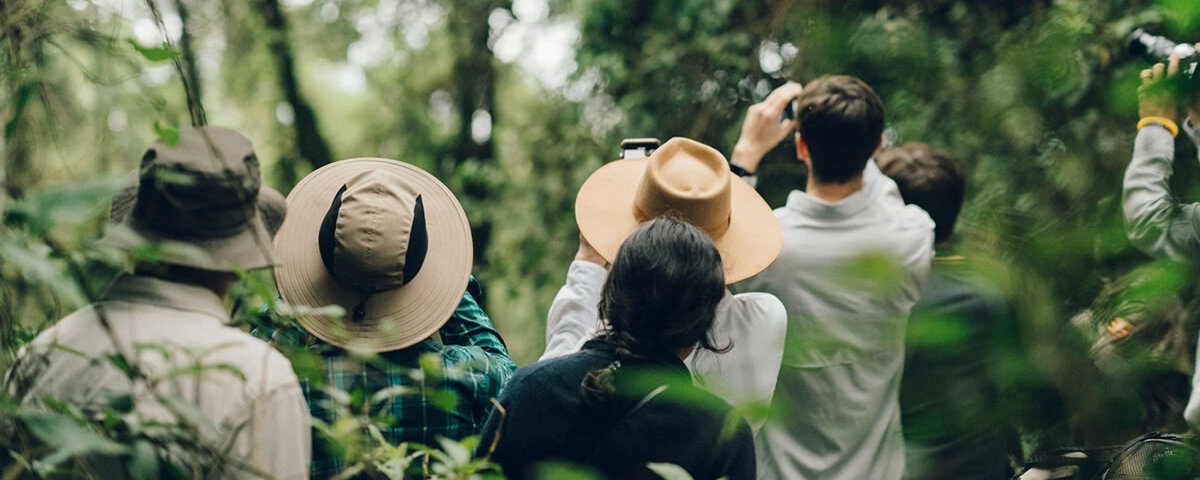
Are Uganda safaris safe for tourists?
Are Uganda safaris safe for tourists? Yes, Uganda safaris are safe for tourists when travelers plan properly, follow guidance, and book with trusted tour operators. Uganda has grown into one of Africa’s most rewarding safari destinations because it combines incredible wildlife, rich culture, and improving tourism safety standards. Most visitors explore the country without any safety problems, especially when they travel with professional guides who understand the terrain, wildlife behavior, and local conditions.
In addition, Uganda continues to strengthen its tourism security systems through national park protection, regulated safari operations, and community involvement. From gorilla trekking in dense forests to game drives across open savannahs, safety remains a priority in all major tourism regions. However, like any destination in the world, tourists must stay alert, follow instructions, and respect local rules to ensure a smooth experience.
Experience our most popular safaris
18 Days Best Uganda Adventure Safaris
14-Days Uganda Gorillas & Wildlife Tour
12 Days Gorillas, Chimps & Wildlife Safari
10 days Uganda primates & wildlife safari
10 Days Uganda Gorillas and Game Safari
7 Days Gorillas & Wildlife Safari
6 Days Gorillas and Chimps Trek Safari
3 Day Bwindi Gorilla Trekking Safari
4 Days Gorilla Trekking & Boat Cruise
Overall Safety of Uganda Safaris
Uganda offers a generally safe environment for safari travelers, especially in well-managed tourist areas. The country invests heavily in tourism protection through structured park management, trained rangers, and regulated tour operations. As a result, most safari experiences run smoothly without security concerns.
Tourists often travel in guided groups, which increases safety and reduces risks. Professional safari companies monitor routes, arrange secure transport, and ensure visitors stay within protected areas. This system creates a controlled environment where tourists can focus on enjoying wildlife rather than worrying about safety.
In urban areas like Kampala and Entebbe, normal city precautions apply, just like in other global cities. Travelers should stay aware of their surroundings, avoid unsafe neighborhoods at night, and use trusted transport services. However, most tourists find Uganda welcoming and friendly, with locals showing strong hospitality toward visitors.
Overall, Uganda safaris remain safe because the tourism industry prioritizes structure, guidance, and controlled access to wildlife areas. When travelers follow expert advice, they enjoy a secure and memorable adventure.
Safety in Uganda’s National Parks
Uganda’s national parks stand among the safest places for tourists in Africa because they operate under strict conservation and tourism rules. Parks like Bwindi Impenetrable National Park, Murchison Falls National Park, and Queen Elizabeth National Park maintain strong security through trained rangers and controlled visitor movement.
Inside these parks, tourists must always travel with guides. This rule protects visitors from getting lost and ensures safe wildlife viewing. Rangers monitor animal behavior daily and understand how to position tourists safely during gorilla trekking, game drives, and nature walks.
In addition, park authorities maintain clear safety zones between animals and humans. For example, gorilla trekking groups keep a safe distance from gorilla families, while game drives follow designated tracks to avoid dangerous encounters. These systems significantly reduce risk.
Even in remote areas, park security teams patrol regularly to maintain order. This presence gives tourists confidence, especially during long safaris or forest trekking experiences. Therefore, Uganda’s national parks provide a well-managed and secure environment for all types of safari adventures.
Wildlife Encounter Safety
Wildlife encounters form the heart of Uganda safaris, but safety remains a top priority during every experience. Uganda’s safari system trains guides to manage animal interactions carefully, ensuring tourists enjoy close encounters without unnecessary risks.
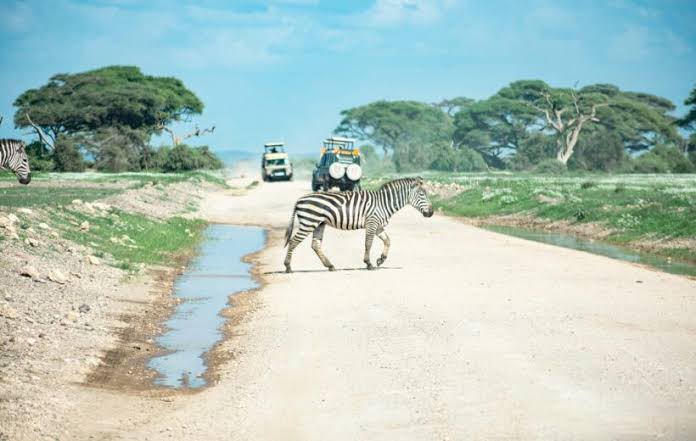
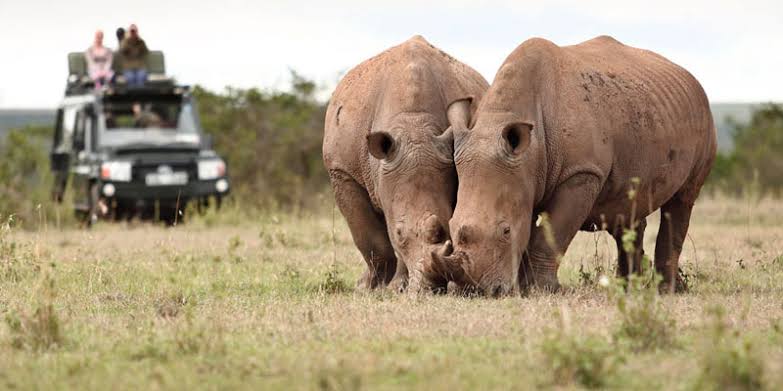
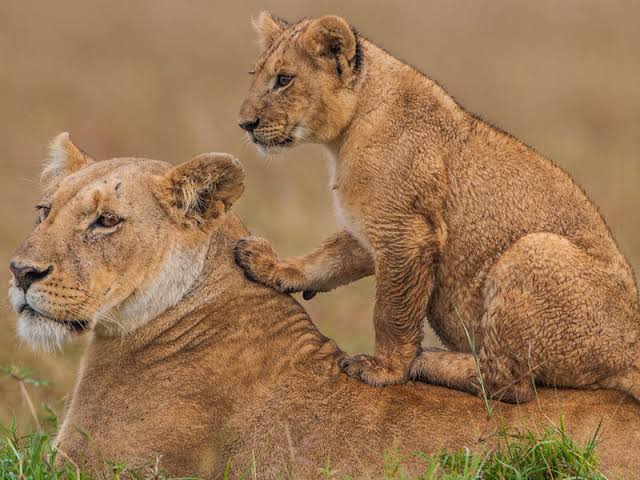
Animals like lions, elephants, buffaloes, and hippos live freely in the parks, but they rarely pose danger when visitors follow instructions. Safari guides understand animal behavior and maintain safe distances at all times. For example, during game drives, vehicles remain inside designated tracks, which prevents sudden wildlife surprises.
Gorilla trekking, one of Uganda’s most famous experiences in Bwindi Impenetrable National Park, follows strict rules. Tourists spend limited time with gorilla families and follow guidelines that reduce stress for both animals and visitors. Rangers always lead the trekking groups, ensuring controlled movement through the forest.
Additionally, night drives and boat safaris also follow structured safety systems. Tour operators use experienced drivers and trained guides who understand water and land wildlife behavior.
Because of these systems, wildlife encounters in Uganda remain safe, controlled, and highly rewarding. Tourists enjoy close-up experiences without compromising personal safety.
Security in Cities and Transport
Urban safety plays an important role in the overall safari experience, especially when travelers arrive through airports or pass through cities like Kampala or Entebbe. Uganda maintains a stable tourism environment, and most visitors move around safely with normal precautions.
In Kampala, tourists find busy streets, markets, and hotels. Like any growing city, visitors should stay aware of their belongings, avoid poorly lit areas at night, and use registered taxis or tour vehicles. These simple actions ensure a safe urban experience.
Transport systems also support safari safety. Most travelers use organized transfers arranged by safari companies. These vehicles are reliable, well-maintained, and driven by experienced professionals who understand safari routes and road conditions.
Long-distance travel between parks remains safe, especially when tourists travel during daylight hours with a guide. Roads leading to major destinations like Murchison Falls National Park and Queen Elizabeth National Park are commonly used by tourists and tour operators.
Air travel through Entebbe International Airport also supports smooth entry and exit for international visitors. With proper planning and trusted operators, transport in Uganda remains safe and efficient for safari travelers.
Health and Medical Safety
Health safety is an important part of planning Uganda safaris. The country operates in a tropical climate, so travelers must take basic health precautions to stay safe and comfortable during their trip.
Malaria prevention remains important, so tourists often use preventive medication and insect protection measures such as repellents and long clothing in the evenings. These simple steps reduce risk and support a healthy safari experience.
Travelers also benefit from standard vaccinations recommended for tropical destinations. These preparations help protect visitors from preventable illnesses and ensure peace of mind during travel.
In addition, most safari lodges and camps maintain basic medical support and first aid services. Tour guides also receive training in emergency response, which improves safety in remote areas.
For serious medical needs, Uganda has hospitals and clinics in major towns, including Kampala and Entebbe. Safari companies also prepare emergency evacuation plans if needed.
Overall, health safety in Uganda depends on preparation, awareness, and responsible travel habits. When tourists follow medical advice, they enjoy a safe and comfortable safari experience.
Guided Tours and Why They Matter
Guided tours play a major role in making Uganda safaris safe and enjoyable. Professional guides bring experience, local knowledge, and wildlife expertise that protect tourists throughout their journey.
Guides understand animal behavior, weather patterns, and terrain conditions. This knowledge helps them make smart decisions during game drives and trekking experiences. For example, they know when to approach wildlife and when to keep distance, which reduces risk significantly.
In protected areas such as Bwindi Impenetrable National Park and Queen Elizabeth National Park, guides also communicate with park rangers. This coordination ensures smooth movement and quick response in case of any situation.
Tour operators further improve safety by organizing transport, accommodation, and activity schedules. This structure reduces confusion and keeps travelers in safe, controlled environments throughout their safari.
Additionally, guides also act as cultural interpreters, helping tourists interact safely and respectfully with local communities. This builds trust and enhances the overall travel experience.
Therefore, guided tours do not only improve convenience but also form a key safety layer for every Uganda safari.
Cultural Safety and Local Communities
Uganda offers a rich cultural experience, and local communities play a big role in supporting tourism safety. Many communities live near national parks and actively participate in tourism activities, including guiding, hospitality, and conservation efforts.
Tourists often visit cultural villages where they learn about traditional music, dance, and local lifestyles. These interactions remain safe because communities welcome visitors and work closely with tour operators.
Respecting local customs improves safety even further. Simple actions like dressing modestly, asking permission before taking photos, and following guide instructions help build positive relationships with communities.
In rural safari areas, people depend on tourism for income, so they actively support visitor safety. This partnership between communities and conservation authorities strengthens the overall safari experience.
Organizations like Uganda Wildlife Authority also work with communities to reduce conflict between wildlife and humans. This collaboration creates a stable environment for both locals and tourists.
As a result, cultural interactions in Uganda remain safe, welcoming, and enriching for international visitors.
Travel Tips for Safe Uganda Safari
Travelers can improve their safety in Uganda by following simple and practical tips. First, always book safaris through licensed and trusted tour operators. This ensures professional handling of transport, accommodation, and park entry.
Second, follow guide instructions at all times. Guides understand safety protocols and wildlife behavior better than anyone else. Listening to them reduces risk significantly.
Third, keep personal belongings secure, especially in busy urban areas like Kampala. Avoid displaying valuable items and use hotel safes where available.
Fourth, prepare for weather and terrain conditions. Uganda has diverse landscapes, so comfortable clothing, sturdy shoes, and rain protection help improve safety and comfort.
Fifth, respect wildlife rules. Do not attempt to touch or feed animals, and always maintain safe distances during sightings.
Finally, stay hydrated, use sun protection, and carry basic medication for personal needs. These small steps make a big difference in ensuring a smooth safari experience.
By following these tips, tourists enjoy Uganda safely and confidently.
Why Uganda is a Trusted Safari Destination
Uganda has built a strong reputation as one of Africa’s most trusted safari destinations. The country combines natural beauty, structured tourism systems, and strong conservation efforts that support safe travel experiences.
National parks such as Murchison Falls National Park, Queen Elizabeth National Park, and Bwindi Impenetrable National Park attract thousands of visitors each year, and most complete their trips without safety issues.
In addition, Uganda continues to improve infrastructure, training for guides, and security systems for tourists. These efforts strengthen confidence among international travelers.
The country also stands out because of its friendly people, rich biodiversity, and well-regulated safari industry. Tour operators maintain high standards that support safe and organized travel experiences.
As a result, Uganda ranks among the most reliable safari destinations in Africa for both adventure seekers and first-time travelers.
Conclusion
So, are Uganda safaris safe for tourists? Yes, Uganda safaris are safe for tourists when travelers follow professional guidance, respect local rules, and choose trusted tour operators. The country offers a well-managed safari environment supported by national parks, trained guides, and strong community involvement.
From wildlife encounters in Bwindi Impenetrable National Park to game drives in Murchison Falls National Park and cultural experiences across the country, safety remains a top priority throughout every journey.
With proper planning and awareness, visitors enjoy Uganda’s beauty with confidence and peace of mind. Ultimately, Uganda safaris remain not only safe but also deeply rewarding, making them a top choice for travelers seeking authentic African adventure.