What is the best season for gorilla trekking in Uganda?
May 19, 2026
What should I pack for gorilla trekking in Uganda
May 19, 2026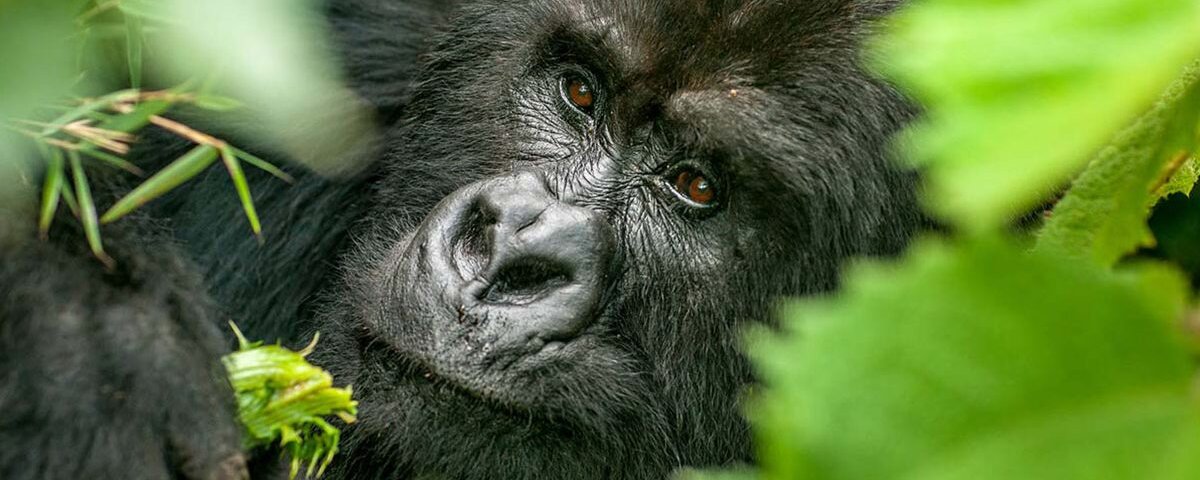
Is Gorilla Trekking Difficult in Uganda?
Is gorilla trekking difficult in Uganda? Yes, gorilla trekking in Uganda can feel challenging, but most travelers complete the trek successfully and enjoy one of the most rewarding wildlife experiences in Africa. Gorilla trekking involves walking through thick forests, climbing hills, crossing muddy trails, and following experienced guides deep into the jungle to find mountain gorillas. However, the level of difficulty depends on your fitness level, weather conditions, and the location of the gorilla family you visit. Even though some treks take longer than others, the excitement of standing close to wild gorillas makes every step worthwhile.
Uganda remains one of the best destinations for gorilla trekking because of its rich biodiversity, beautiful rainforest landscapes, and well organized tourism sector. Travelers from around the world visit Bwindi Impenetrable National Park and Mgahinga Gorilla National Park to experience close encounters with endangered mountain gorillas. The adventure combines wildlife viewing, hiking, cultural interaction, and nature exploration into one unforgettable safari experience. Understanding the difficulty level of gorilla trekking helps travelers prepare properly and enjoy the journey with confidence.
Experience our most popular Uganda safaris
18 Days Best Uganda Adventure Safaris
14-Days Uganda Gorillas & Wildlife Tour
12 Days Gorillas, Chimps & Wildlife Safari
10 days Uganda primates & wildlife safari
10 Days Uganda Gorillas and Game Safari
7 Days Gorillas & Wildlife Safari
6 Days Gorillas and Chimps Trek Safari
3 Day Bwindi Gorilla Trekking Safari
4 Days Gorilla Trekking & Boat Cruise
What Makes Gorilla Trekking Difficult in Uganda?
Several factors make gorilla trekking physically demanding in Uganda. First, the trekking trails pass through dense tropical rainforest with steep slopes, thick vegetation, and uneven terrain. Some paths become slippery during the rainy season, which increases the difficulty of walking for long hours. In addition, trekkers often move at different altitudes, especially in mountainous areas where the air feels thinner.
Another challenge comes from the unpredictable movement of mountain gorillas. Gorilla families roam freely in the forest, so trackers locate them early in the morning before tourists begin the trek. Sometimes the gorillas stay close to the starting point, while other days they move deeper into the forest. Because of this, trekking time may range from one hour to over six hours depending on the gorillas’ location.
Weather also affects trekking conditions. Uganda’s rainforest environment receives regular rainfall throughout the year. Wet trails, muddy slopes, and humid temperatures can make hiking more tiring. Nevertheless, professional ranger guides support visitors during the trek and maintain a pace suitable for different fitness levels. Porters also assist travelers by carrying bags and offering support on difficult sections of the trail.
Despite these challenges, many travelers with average fitness complete gorilla trekking successfully. Preparation, patience, and a positive mindset make the experience much easier and more enjoyable.
Where Does Gorilla Trekking Take Place in Uganda?
Gorilla trekking in Uganda takes place in two national parks located in the southwestern part of the country. The most popular destination is Bwindi Impenetrable National Park, a UNESCO World Heritage Site known for its ancient rainforest and large population of mountain gorillas. Bwindi contains several trekking sectors, including Buhoma, Rushaga, Ruhija, and Nkuringo. Each sector offers a different trekking experience and varying levels of difficulty.
Nkuringo and Ruhija often present steeper hiking trails because of their mountainous terrain. On the other hand, Buhoma offers some moderate trekking routes suitable for many travelers. Rushaga attracts visitors interested in gorilla habituation experiences and multiple gorilla families. Since each gorilla group moves differently, the difficulty level changes daily.
The second destination is Mgahinga Gorilla National Park, which lies near the borders of Rwanda and the Democratic Republic of Congo. Mgahinga features volcanic landscapes, bamboo forests, and scenic mountain views. Trekking here involves hiking through volcanic slopes, but the park often provides a quieter and less crowded experience compared to Bwindi.
Both parks deliver excellent gorilla trekking experiences with trained ranger guides, security teams, and organized visitor services. Travelers can choose the trekking location based on fitness level, travel style, and safari preferences.
How Fit Should You Be for Gorilla Trekking?
You do not need to be an athlete to enjoy gorilla trekking in Uganda, but reasonable fitness helps a lot. Most travelers who maintain an active lifestyle can complete the trek successfully. Activities like walking regularly, climbing stairs, hiking, or light exercise before the safari improve endurance and comfort during the trek.
The trek sometimes includes walking uphill for extended periods. Therefore, stronger leg muscles and good stamina reduce fatigue. Older travelers also participate in gorilla trekking every year. In fact, Uganda Wildlife Authority allows sedan chairs for travelers with limited mobility. Local porters carry visitors safely through the forest when necessary, which makes gorilla trekking accessible to more people.
Travelers should also prepare mentally for changing conditions. Some days involve short walks, while others require several hours of hiking. Flexibility and patience help visitors enjoy the adventure regardless of the trekking duration.
Hydration, proper nutrition, and enough rest before trekking improve performance as well. Many lodges near the national parks provide early breakfasts and packed lunches to help trekkers stay energized throughout the day. Even though the trek may feel physically demanding at times, the emotional reward of meeting mountain gorillas in their natural habitat creates an unforgettable sense of achievement.
What Should You Wear for Gorilla Trekking in Uganda?
Wearing the right clothing and gear makes gorilla trekking easier and more comfortable. Since trekkers move through thick rainforest vegetation, protective clothing plays a very important role. Long sleeved shirts and long trousers protect the skin from scratches, insects, and stinging plants. Neutral colors such as green, brown, or khaki work best because they blend naturally with the environment.
Good hiking boots provide strong ankle support and better grip on muddy trails. Waterproof boots help trekkers stay comfortable during rainy conditions. In addition, long hiking socks protect the lower legs from ants and rough vegetation. Many travelers tuck their trousers into their socks for extra protection.
A lightweight rain jacket remains essential because rain can fall unexpectedly in Uganda’s rainforest regions. Garden gloves also help when grabbing branches or climbing steep sections. Furthermore, travelers should carry enough drinking water, energy snacks, sunscreen, insect repellent, and a small backpack.
Hiring a porter greatly improves the trekking experience. Porters carry bags, provide support on slippery slopes, and help travelers navigate difficult terrain. Besides improving comfort, hiring porters also supports local communities living around the national parks.
The right preparation reduces physical stress and allows trekkers to focus fully on the excitement of seeing mountain gorillas in the wild.
How Long Does Gorilla Trekking Take?
Gorilla trekking duration varies every day because mountain gorillas move freely within the forest. Some trekkers find their assigned gorilla family within one hour, while others spend six hours or more hiking through the jungle. The trekking time depends on weather conditions, gorilla movement, and the starting point within the park.
Before the trek begins, visitors attend a briefing session at the park headquarters. Ranger guides explain trekking rules, safety procedures, and gorilla behavior. Afterward, small groups enter the forest alongside armed rangers and trackers who communicate with teams already monitoring the gorillas.
Once trekkers locate the gorilla family, they spend one full hour observing the gorillas at close range. This moment becomes the highlight of the safari. Visitors watch gorillas feed, groom each other, play, and interact naturally in the forest. Seeing silverbacks protect their families and young gorillas playing in the trees creates a deeply emotional wildlife experience.
Even though the hiking portion can feel tiring, the actual gorilla encounter often makes travelers forget the physical effort. Many visitors describe gorilla trekking as life changing because of the rare connection they experience with these endangered primates.
Planning extra days around the trekking activity helps travelers rest properly and enjoy additional safari experiences in Uganda.
Can Older Travelers or Beginners Do Gorilla Trekking?
Yes, older travelers and beginners can enjoy gorilla trekking in Uganda successfully. Every year, travelers in their 60s, 70s, and even 80s complete gorilla treks with support from guides and porters. Uganda’s tourism industry continues improving accessibility for visitors with different fitness levels and travel needs.
Trekkers can request shorter or easier trekking routes during the briefing session, although gorilla locations still determine the final hiking distance. Ranger guides consider age and physical ability when assigning gorilla families whenever possible. In addition, sedan chairs provide extra support for travelers who struggle with long hikes or mobility challenges.
Beginners often worry about the physical demands before arriving in Uganda. However, experienced guides lead the trek at a manageable pace and allow regular breaks along the way. Travelers do not compete against each other during the trek. Instead, everyone moves together carefully through the forest.
Mental preparation also helps beginners feel more confident. Gorilla trekking focuses more on patience and determination than athletic performance. Travelers who prepare properly, wear the right gear, and maintain a positive attitude usually complete the experience comfortably.
Because of its organized tourism infrastructure and professional guiding services, Uganda remains one of the most beginner friendly destinations for gorilla trekking in Africa.
Best Time for Easier Gorilla Trekking in Uganda
The best time for easier gorilla trekking in Uganda falls within the dry seasons from June to September and December to February. During these months, trekking trails stay drier, less slippery, and easier to navigate. Clear weather also improves photography opportunities and overall hiking comfort.
However, gorilla trekking takes place throughout the year because mountain gorillas remain within the forests regardless of season. Rainy months often bring fewer tourists, greener landscapes, and excellent availability for gorilla permits. Some travelers even prefer the quieter atmosphere during low season.
Weather conditions change quickly in rainforest regions, so visitors should prepare for occasional rainfall even during dry months. Packing waterproof clothing remains important throughout the year.
Travelers planning gorilla trekking should book permits early because Uganda attracts thousands of international visitors annually. Gorilla permits provide access to one gorilla trekking experience and contribute directly to gorilla conservation and community development around the national parks.
Choosing the right season improves trekking comfort, but proper preparation matters even more. With the right mindset and equipment, travelers enjoy gorilla trekking successfully in any month of the year.
Why Gorilla Trekking in Uganda Is Worth the Effort
Gorilla trekking in Uganda may feel physically challenging, but the experience delivers unmatched emotional and wildlife rewards. Few safari activities in Africa create such a powerful connection between humans and wildlife. Standing a few meters away from a giant silverback gorilla in its natural environment creates a memory that lasts forever.
Uganda also offers more than gorilla trekking alone. Travelers often combine gorilla safaris with wildlife game drives, chimpanzee tracking, boat cruises, cultural tours, and mountain adventures. Destinations like Queen Elizabeth National Park, Murchison Falls National Park, and Kibale National Park create complete safari experiences for international travelers seeking authentic African adventures.
In addition, gorilla tourism supports conservation efforts and local communities. Gorilla permit fees contribute toward wildlife protection, anti poaching operations, habitat conservation, and community projects near the parks. Every trek therefore helps protect endangered mountain gorillas for future generations.
Is gorilla trekking difficult in Uganda? Yes, it can be physically demanding at times, but proper preparation, professional guidance, and determination make the experience achievable for most travelers. More importantly, the unforgettable encounter with mountain gorillas makes every step through Uganda’s rainforest completely worthwhile.