
What Are the Best Safari Lodges With Spa Services in Kenya?
June 2, 2026
Which Airport Is Best for Tanzania Safari
June 3, 2026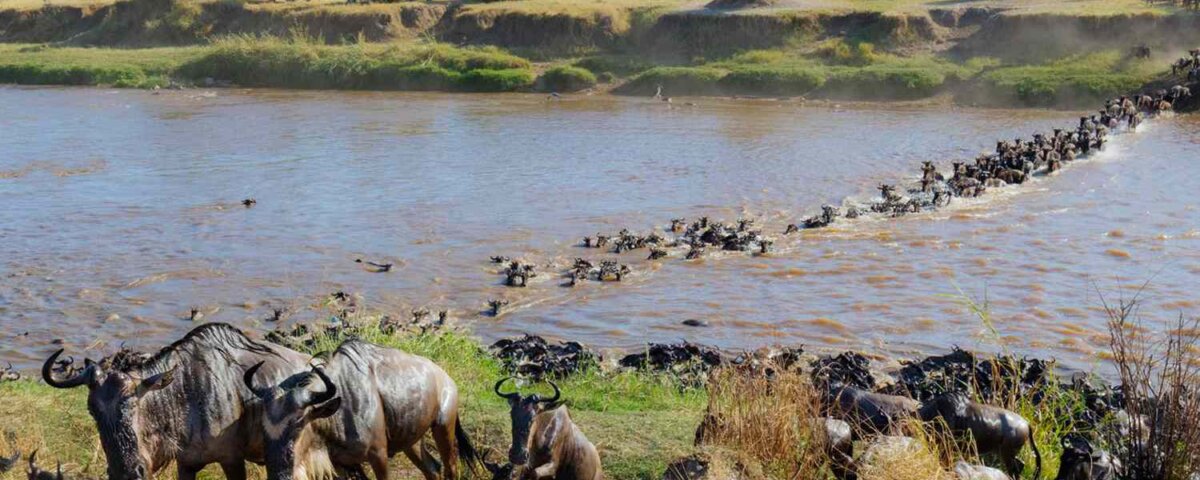
What is the Great Migration in Tanzania
The Great Migration in Tanzania is one of the most extraordinary wildlife spectacles on the planet. Every year, more than two million wildebeest, zebras, and gazelles move across the vast Serengeti ecosystem in search of fresh grazing land and water. This remarkable journey creates unforgettable safari experiences and offers visitors a rare opportunity to witness nature at its most dramatic. From thrilling river crossings to the birth of thousands of wildebeest calves, every stage of the migration reveals the beauty and power of Africa’s wildlife. For travelers looking to experience this incredible phenomenon, Tanzania offers some of the finest safari destinations in the world. With expert planning and local knowledge, Giant Holiday Safaris helps travelers explore the best migration locations while enjoying authentic and memorable safari adventures.
Unlike a typical migration that follows a simple route, the Great Migration is a continuous cycle driven by seasonal rainfall patterns. Animals move across the ecosystem as they search for survival, making every stage of the migration unique and exciting. From dramatic river crossings to the calving season in the southern plains, each moment offers unforgettable wildlife encounters.
Tanzania plays a central role in this extraordinary event because a significant portion of the migration takes place within its borders. The country’s world famous national parks and conservation areas provide visitors with exceptional opportunities to witness nature in its purest form. Understanding what the Great Migration in Tanzania is helps travelers appreciate the incredible balance between wildlife, ecosystems, and conservation efforts that sustain this natural wonder.
Understanding the Great Migration in Tanzania
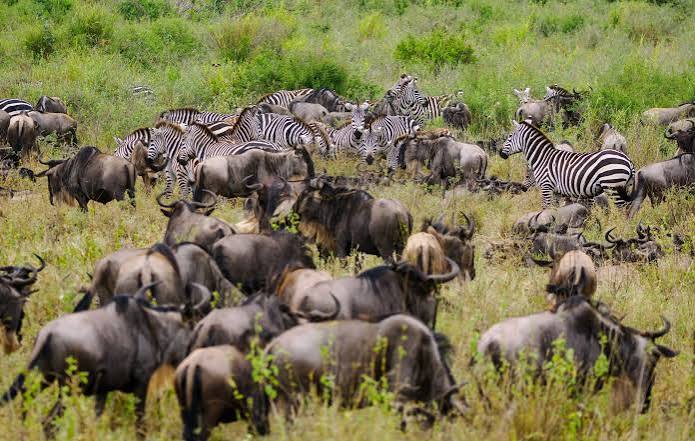
The Great Migration is the largest overland wildlife movement on Earth. Each year, millions of animals travel through the Serengeti ecosystem following seasonal rainfall patterns that determine where fresh grass and water can be found. Unlike many migrations that follow a straightforward route, the Great Migration is a continuous circular journey that takes place throughout the year.
Wildebeest lead the migration, accompanied by hundreds of thousands of zebras and gazelles. Together, these animals move across vast grasslands while facing numerous challenges along the way. Predators such as lions, cheetahs, hyenas, and crocodiles closely follow the herds, creating dramatic wildlife encounters that showcase the realities of survival in the African wilderness.
One of the most fascinating aspects of the migration is its scale. The sight of endless herds stretching across the Serengeti plains leaves a lasting impression on visitors. Every movement within the migration serves a purpose because the animals must constantly adapt to changing environmental conditions.
Beyond its visual appeal, the migration plays a critical role in maintaining ecological balance. The movement of animals helps distribute nutrients across the ecosystem, supports predator populations, and contributes to the overall health of the landscape. As a result, the Great Migration remains one of the most important natural events in Africa and a major highlight for wildlife tourism in Tanzania.
Where Does the Great Migration Take Place?
The Great Migration primarily takes place within Tanzania’s famous Serengeti ecosystem, a vast protected landscape that supports one of the richest concentrations of wildlife in Africa. Although the migration extends into Kenya’s Maasai Mara, most of the annual journey occurs within Tanzania, making the country the best destination for travelers hoping to witness this extraordinary event.
The southern Serengeti serves as an important starting point for many stages of the migration. During the early months of the year, these nutrient rich plains provide ideal grazing conditions and become the birthplace of hundreds of thousands of wildebeest calves. As the seasons change, the herds gradually move toward the central Serengeti, then continue into the western corridor and northern regions.
Several key landmarks shape the migration route. The Grumeti River and Mara River present significant obstacles that the animals must cross to reach fresh grazing areas. These crossings often become some of the most dramatic wildlife spectacles in the world.
The surrounding conservation areas also contribute to the migration’s success. Protected habitats ensure that wildlife can move freely across large landscapes while maintaining the natural processes that have existed for thousands of years. For safari enthusiasts, this extensive ecosystem provides diverse opportunities to experience the migration from different locations and perspectives throughout the year.
Why Does the Great Migration in Tanzania Happen?
Survival remains the primary reason behind the Great Migration. The animals move continuously in search of food and water because seasonal rainfall patterns create changing conditions across the Serengeti ecosystem. As grass becomes scarce in one area, fresh vegetation begins growing elsewhere, encouraging the herds to continue their journey.
Wildebeest rely heavily on nutrient rich grasses that support their health and reproduction. Since these grasses depend on rainfall, the herds must follow the rains to find suitable grazing conditions. Zebras and gazelles join the migration because they benefit from traveling alongside the larger herds while feeding on different parts of the vegetation.
In addition, the migration helps animals access water sources during dry periods. Without movement, many species would struggle to survive the harsh environmental conditions that occur throughout the year.
Predators also depend on the migration. Lions, leopards, cheetahs, hyenas, and crocodiles follow the herds because they provide a consistent source of prey. This relationship creates a balanced ecosystem where both predators and herbivores play important roles.
The migration demonstrates nature’s remarkable ability to adapt to environmental changes. It highlights the interconnected relationships that sustain wildlife populations and emphasizes the importance of preserving natural habitats. Understanding these movements helps visitors appreciate the complexity and beauty of Tanzania’s ecosystems.
The Calving Season: Nature’s Season of New Beginnings
One of the most remarkable stages of the Great Migration occurs during the calving season, which usually takes place between January and March in the southern Serengeti. During this period, hundreds of thousands of wildebeest calves are born within a relatively short timeframe, creating one of the most impressive wildlife spectacles in Africa.
The southern plains provide ideal conditions for newborn animals because the grasses contain high levels of nutrients that support both mothers and calves. As a result, the region becomes a hub of activity and wildlife viewing opportunities.
Newborn wildebeest display incredible resilience from the moment they enter the world. Many calves stand and walk within minutes of birth, while others quickly learn to run alongside their mothers. This rapid development helps improve their chances of survival in an environment filled with predators.
At the same time, the abundance of young animals attracts lions, cheetahs, hyenas, and other carnivores. Visitors often witness exciting predator prey interactions that reveal the realities of life in the wild.
For photographers and safari travelers, the calving season provides exceptional opportunities to capture unique wildlife moments. The combination of newborn animals, predator activity, and stunning landscapes creates unforgettable safari experiences that highlight the extraordinary nature of the Great Migration.
The Famous River Crossings
The river crossings represent some of the most dramatic moments of the Great Migration. As the herds travel northward, they encounter major rivers that stand between them and the fresh grazing areas they need to survive.
The Grumeti River and Mara River are the most famous crossing points. These waterways create significant challenges because strong currents and large crocodiles pose constant threats to migrating animals. Despite these dangers, the herds must continue moving forward.
One of the most fascinating aspects of a river crossing is the anticipation that builds before the animals enter the water. Large groups often gather along the riverbanks while searching for the safest crossing point. Then, within moments, thousands of wildebeest and zebras surge into the river in a powerful display of instinct and determination.
These crossings offer some of the most sought after wildlife photography opportunities in Africa. Every crossing unfolds differently, making each experience unique and unpredictable.
Beyond the excitement, river crossings symbolize the resilience that defines the migration. They demonstrate the lengths animals will go to secure the resources they need for survival and reinforce why the Great Migration remains one of the world’s most extraordinary natural events.
Best Time to Witness the Great Migration in Tanzania
The Great Migration takes place throughout the year, which means travelers can enjoy different experiences depending on when they visit Tanzania. Understanding seasonal movement patterns helps visitors choose the best time for their preferred safari experience.
From January to March, the southern Serengeti hosts the calving season. This period attracts travelers interested in newborn wildlife and increased predator activity. The landscapes also remain beautiful and green during this time.
Between April and June, the herds begin moving toward the central and western Serengeti. Visitors can witness large concentrations of animals traveling across the plains as they continue their search for fresh grazing areas.
July through October often attracts travelers hoping to witness the famous Mara River crossings. During these months, the northern Serengeti becomes a prime safari destination.
November and December mark the beginning of the herds’ return journey to the southern plains as seasonal rains arrive once again.
Selecting the right travel period depends on personal interests and safari goals. Travelers seeking expert guidance can benefit from working with Giant Holiday Safaris, which helps visitors plan their journeys around the migration’s seasonal movements and maximize wildlife viewing opportunities.
The Importance of Conservation for the Great Migration
The Great Migration depends on healthy ecosystems, protected habitats, and strong conservation efforts. Without these safeguards, one of the world’s greatest wildlife spectacles could face significant challenges in the future.
National parks and conservation areas across Tanzania provide essential protection for migration routes and grazing lands. These protected landscapes allow wildlife to move freely while maintaining the ecological processes that support millions of animals every year.
Conservation also benefits local communities. Tourism creates employment opportunities and generates revenue that supports education, infrastructure, and community development projects. As a result, wildlife conservation contributes to both environmental protection and economic growth.
Sustainable tourism plays an equally important role. Responsible travel practices help minimize environmental impacts while supporting long term conservation goals. Visitors who choose ethical safari experiences contribute directly to preserving Tanzania’s natural heritage.
Climate change presents additional challenges because changing rainfall patterns may influence migration behavior and habitat conditions. Therefore, ongoing research and conservation planning remain essential for protecting the future of the migration.
By supporting conservation initiatives and responsible tourism, travelers help ensure that future generations can continue to experience this remarkable wildlife phenomenon.
Why the Great Migration Should Be on Your Travel Bucket List
The Great Migration in Tanzania offers far more than exceptional wildlife viewing. It provides a rare opportunity to witness nature’s rhythm unfold across one of Africa’s most iconic landscapes. From the calving season in the southern Serengeti to the dramatic river crossings in the north, every stage of the migration reveals a different chapter in an ongoing story of survival, resilience, and adaptation.
Few wildlife experiences compare to watching millions of animals move across the plains in search of life sustaining resources. The migration showcases the beauty of Tanzania’s ecosystems while providing visitors with unforgettable safari moments that remain vivid long after the journey ends.
Whether you are a first time safari traveler or a seasoned wildlife enthusiast, the Great Migration delivers an experience unlike any other. Careful planning allows visitors to witness the most exciting stages of the migration while exploring some of Africa’s most celebrated wildlife destinations.
For travelers seeking an authentic African safari adventure, the Great Migration in Tanzania deserves a place at the top of every travel bucket list. With expert local guidance and carefully crafted safari experiences, visitors can immerse themselves in one of nature’s greatest spectacles and create memories that last a lifetime.
Combined Uganda, Kenya, Rwanda and Tanzania Safaris
17 days Kenya Tanzania and Uganda safari
19 Days Uganda Kenya and Tanzania Safari
16 Days Kenya Tanzania and Uganda Safari
14 Days Kenya Uganda and Tanzania Safari
14 Days Kenya Uganda and Rwanda Safari