Which Tanzania Safari Is Best for First Timers
June 3, 2026
Are Guided Safaris Better in Tanzania
June 3, 2026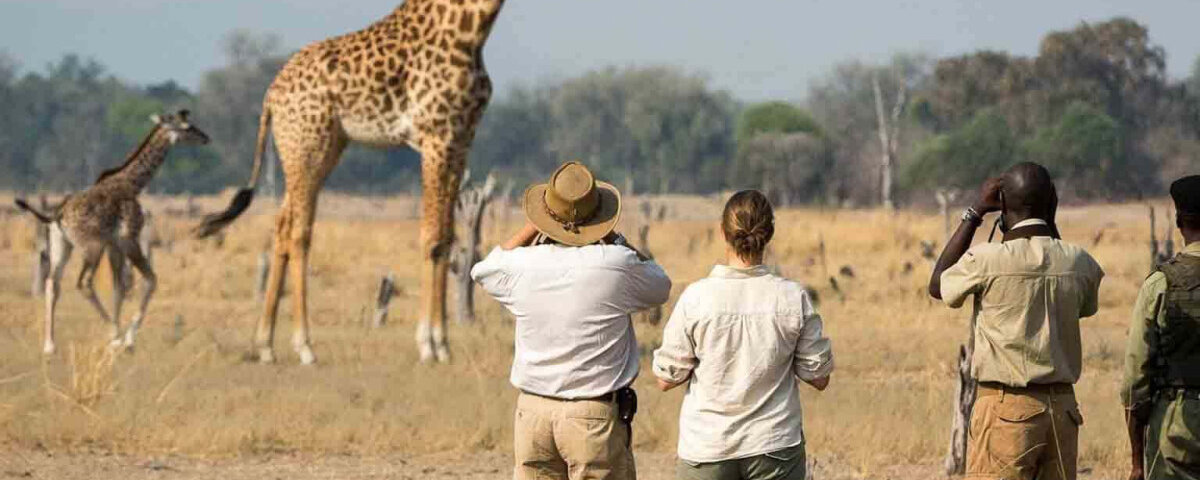
What Clothes Should I Wear on Safari in Tanzania
Planning a safari adventure involves more than choosing destinations and booking accommodations. Many travelers ask, what clothes should I wear on safari in Tanzania because the right clothing can significantly improve comfort, safety, and the overall safari experience. Tanzania offers diverse landscapes, changing temperatures, and long hours outdoors, making proper clothing an important part of every safari preparation.
Whether you plan to explore the Serengeti, visit the Ngorongoro Crater, discover Tarangire National Park, or experience the Great Migration, your clothing choices can help you stay comfortable throughout the journey. Safari clothing should protect you from the sun, dust, insects, and changing weather conditions while allowing freedom of movement during game drives and outdoor activities.
Fortunately, dressing for a Tanzania safari does not require expensive or complicated outfits. The key is choosing practical, lightweight, and comfortable clothing that blends well with the safari environment. With proper planning and guidance from experienced safari specialists such as from Giant Holiday Safaris, travelers can pack efficiently and enjoy every moment of their Tanzania wildlife adventure without worrying about what to wear.
Understanding Tanzania Safari Weather and Clothing Needs
Before deciding what to pack, travelers should understand Tanzania’s weather conditions. The country’s climate varies depending on location, altitude, and season. These differences influence the types of clothing needed during a safari.
Many safari destinations experience warm daytime temperatures. During game drives, travelers often spend several hours exposed to sunlight, making breathable clothing essential. Lightweight fabrics help regulate body temperature and improve comfort throughout the day.
However, mornings and evenings can feel surprisingly cool, especially in areas such as the Ngorongoro Highlands. Early morning game drives often begin before sunrise, and temperatures may require an extra layer of clothing.
Seasonal changes also affect packing decisions. The dry season generally brings sunny days and dusty conditions, while the rainy season may require waterproof outerwear and quick drying fabrics.
Additionally, some safari activities involve walking or spending extended periods outdoors. Comfortable clothing helps travelers remain focused on wildlife viewing rather than weather related discomfort.
Understanding local weather patterns allows visitors to prepare appropriately and create a versatile safari wardrobe that performs well under different conditions.
What Clothes Should I Wear on Safari in Tanzania During the Day?
Daytime safari clothing should prioritize comfort, practicality, and protection from the elements. Since most wildlife viewing occurs during daylight hours, travelers benefit from selecting garments specifically suited for outdoor activities.
Neutral colored clothing works best on safari. Shades such as khaki, beige, olive green, brown, and light gray blend naturally with the environment and help minimize attention from wildlife. These colors also hide dust better than darker shades.
Lightweight long sleeved shirts provide excellent protection from the sun while helping reduce insect exposure. Breathable fabrics such as cotton blends and moisture wicking materials improve comfort during warm conditions.
Comfortable safari trousers or lightweight outdoor pants offer additional protection against vegetation, insects, and changing temperatures. Many experienced safari travelers prefer convertible pants that can adapt to varying weather conditions.
A wide brimmed hat remains one of the most valuable safari accessories. It protects the face, neck, and ears from strong sunlight while increasing comfort during long game drives.
Comfortable walking shoes or lightweight hiking shoes also perform well throughout most safari activities. Choosing practical daytime clothing helps travelers enjoy wildlife experiences while remaining comfortable throughout the journey.
Best Colors to Wear on a Tanzania Safari
Color selection plays a surprisingly important role when choosing safari clothing. While many travelers focus on comfort, clothing colors can also influence visibility, temperature management, and overall practicality.
Neutral earth tones remain the preferred choice for most safari environments. Khaki, tan, olive green, and brown help travelers blend naturally into surrounding landscapes. These colors also create a classic safari appearance that works well in photographs.
Light colors often perform better than dark colors because they absorb less heat during sunny conditions. Travelers frequently find beige and light khaki particularly comfortable during warm afternoons.
At the same time, visitors should avoid bright colors such as red, orange, neon green, and vivid yellow whenever possible. These colors may attract unnecessary attention and can appear overly conspicuous in natural environments.
Dark blue and black clothing deserve special consideration. In some regions of Africa, these colors can attract certain insects. While risks vary depending on location and season, many safari experts recommend choosing alternative shades when possible.
By selecting practical colors, travelers improve comfort, maintain a natural appearance, and enhance the overall safari experience.
Essential Clothing for Early Morning and Evening Game Drives
One of the most common mistakes safari travelers make involves packing only for warm daytime temperatures. In reality, early mornings and evenings can feel much cooler, especially in elevated regions.
Most game drives begin shortly before sunrise when temperatures remain relatively low. Open safari vehicles expose travelers to cool air, making layered clothing particularly useful.
A lightweight fleece jacket or insulated sweater provides warmth without adding excessive bulk. Travelers can easily remove these layers once temperatures begin to rise later in the morning.
Lightweight windbreakers also work well because they block cool air during vehicle movement while remaining easy to pack and carry throughout the day.
Long trousers provide additional warmth during cooler periods while maintaining comfort as temperatures change. Layering allows travelers to adjust clothing according to weather conditions without overpacking.
Evening activities often require similar preparation. After sunset, temperatures may drop quickly in some safari regions. Having an extra layer readily available helps maintain comfort during evening game drives, outdoor dinners, and lodge activities.
Packing versatile layers ensures travelers remain comfortable throughout every stage of their safari adventure.
What Shoes Should I Wear on Safari in Tanzania?
Footwear plays an important role in safari comfort and safety. Fortunately, most Tanzania safaris do not require specialized hiking boots unless the itinerary includes extensive walking activities.
For traditional vehicle based safaris, comfortable walking shoes often provide the best solution. Lightweight outdoor shoes offer support, breathability, and comfort during transfers, lodge activities, and short walks.
Travelers planning guided walking safaris may benefit from lightweight hiking shoes that provide additional ankle support and traction. Comfortable footwear becomes especially important when walking on uneven terrain.
Closed toe shoes generally perform better than sandals during safari activities because they offer greater protection against dust, insects, and rough surfaces. However, sandals can still be useful around lodges and during relaxation periods.
Quality socks also contribute to overall comfort. Moisture wicking materials help prevent discomfort during long days outdoors while reducing the risk of blisters.
When selecting footwear, comfort should always take priority over fashion. Well broken in shoes perform much better than brand new footwear that has not been tested before travel.
Accessories That Improve Your Safari Experience
While clothing forms the foundation of safari preparation, accessories can significantly improve comfort and convenience throughout the journey.
A wide brimmed hat remains one of the most important safari accessories. It provides valuable protection against intense sunlight and helps reduce fatigue during extended outdoor activities.
Sunglasses protect the eyes from strong sunlight, glare, and dust. High quality lenses improve visibility and enhance overall comfort during game drives.
A lightweight scarf or neck gaiter can prove surprisingly useful. It offers protection from dust during dry season game drives while providing additional warmth during cool mornings.
Travelers should also consider lightweight gloves for particularly cold morning drives in highland regions. Although not always necessary, they can improve comfort in cooler conditions.
Small daypacks help carry personal items such as cameras, sunscreen, water bottles, and extra clothing layers. Choosing practical accessories helps travelers stay organized and prepared throughout their safari.
Thoughtful preparation often enhances the overall safari experience by reducing discomfort and increasing convenience during wildlife activities.
Clothing Mistakes to Avoid on a Tanzania Safari
Packing mistakes can affect comfort and reduce enjoyment during a safari. Understanding common clothing errors helps travelers prepare more effectively.
One frequent mistake involves bringing excessive clothing. Many safari lodges offer laundry services, making it unnecessary to pack large wardrobes. Choosing versatile items simplifies travel and reduces luggage weight.
Another mistake involves packing bright or highly fashionable clothing that prioritizes appearance over practicality. Safari environments reward comfort, durability, and functionality.
Heavy fabrics often create discomfort during warm weather. Lightweight, breathable materials typically perform much better under safari conditions.
Travelers should also avoid uncomfortable footwear. New shoes frequently cause blisters and foot fatigue, particularly during active itineraries.
Ignoring temperature variations represents another common error. Visitors sometimes focus only on daytime heat and forget that mornings and evenings can become surprisingly cool.
Finally, overpacking valuable accessories or delicate clothing often creates unnecessary complications. Simplicity usually leads to a more enjoyable and stress free safari experience.
How to Pack Smart for a Tanzania Safari
Efficient packing helps travelers stay organized while ensuring they have everything needed for a successful safari. The goal is to balance practicality, comfort, and versatility.
Start by selecting clothing that can mix and match easily. Neutral colors allow multiple outfit combinations without requiring excessive items. This approach saves luggage space while maintaining flexibility.
Layering remains one of the most effective packing strategies. Lightweight shirts, sweaters, and jackets adapt easily to changing temperatures throughout the day.
Travelers should prioritize quality over quantity. A few well chosen garments often perform better than large amounts of clothing that rarely get used.
Packing cubes and organizational bags help separate clothing categories and simplify access to essential items. Organized luggage improves convenience throughout the journey.
Most importantly, travelers should review airline baggage limits before departure. Many domestic safari flights impose strict luggage restrictions, making efficient packing especially important.
Smart packing reduces stress, improves mobility, and allows travelers to focus on enjoying Tanzania’s remarkable wildlife experiences.
Dressing Properly for an Unforgettable Tanzania Safari Experience
Many travelers begin their preparations by asking, what clothes should I wear on safari in Tanzania. While the answer varies depending on the season, destination, and personal preferences, the guiding principles remain simple. Choose comfortable, lightweight, neutral colored clothing that protects against the sun, dust, insects, and changing temperatures.
Proper safari clothing enhances comfort and allows travelers to fully enjoy wildlife encounters without distractions. From breathable shirts and practical trousers to comfortable footwear and useful accessories, every item contributes to a more enjoyable adventure.
The good news is that dressing for a Tanzania safari does not require expensive equipment or complicated planning. A well organized wardrobe built around comfort and functionality will meet the needs of most travelers.
With thoughtful preparation and expert guidance from trusted safari specialists from Giant Holiday Safaris, visitors can pack confidently and focus on what truly matters: experiencing Tanzania’s extraordinary wildlife, breathtaking landscapes, and unforgettable safari moments. Ultimately, understanding what clothes should I wear on safari in Tanzania helps create a smoother, more comfortable, and more rewarding African adventure.
Combined Uganda, Kenya, Rwanda and Tanzania Safaris
17 days Kenya Tanzania and Uganda safari
19 Days Uganda Kenya and Tanzania Safari
16 Days Kenya Tanzania and Uganda Safari
14 Days Kenya Uganda and Tanzania Safari
14 Days Kenya Uganda and Rwanda Safari