Which Tanzania Safari Has the Most Wildlife
June 4, 2026
How Early Should I Book Tanzania Safari
June 4, 2026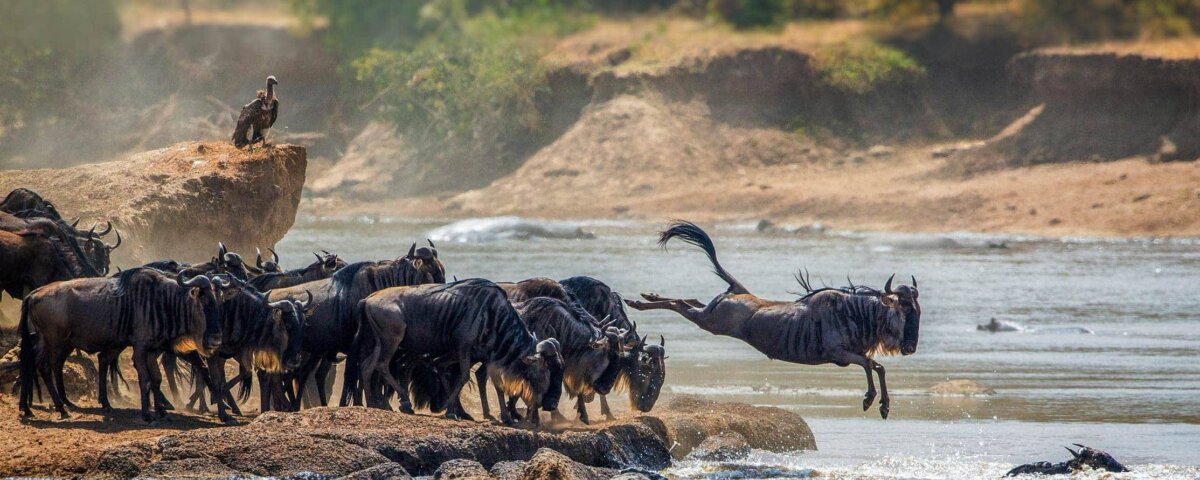
What Is the Best Tanzania Safari for Photographers
A Tanzania safari offers some of the most spectacular photography opportunities on Earth. From dramatic wildlife encounters and golden savannah landscapes to colorful birdlife and breathtaking sunsets, Tanzania provides endless inspiration for photographers of every skill level. When travelers ask what is the best Tanzania safari for photographers, they are usually searching for destinations, experiences, and travel strategies that maximize their chances of capturing unforgettable images. Fortunately, Tanzania delivers all of these elements in abundance.
Photography safaris differ from standard wildlife tours because they focus on creating the best possible conditions for photography. Instead of rushing between destinations, photographers often spend more time observing animal behavior, waiting for ideal lighting conditions, and positioning themselves for exceptional shots. Every moment in the field offers opportunities to capture unique wildlife stories and stunning natural scenes.
Tanzania’s diverse ecosystems make it particularly attractive for photography enthusiasts. Whether the goal involves documenting the Great Migration, photographing predators in action, capturing dramatic landscapes, or building a world-class wildlife portfolio, Tanzania provides extraordinary possibilities. Understanding what makes a photography safari successful helps travelers choose experiences that deliver remarkable photographic results and unforgettable adventures.
Why Tanzania Is the Best Safari Destination for Wildlife Photography
Many experienced photographers consider Tanzania one of the finest wildlife photography destinations in Africa. Several factors contribute to this reputation and make the country especially appealing for both amateur and professional photographers.
First, Tanzania supports some of Africa’s largest wildlife populations. Large concentrations of animals increase opportunities for memorable photographs and unique wildlife encounters. Photographers often spend less time searching for wildlife and more time capturing meaningful images.
Second, Tanzania’s landscapes create stunning natural backdrops. Endless plains, volcanic craters, rivers, forests, wetlands, and baobab-studded savannahs provide visual variety that enhances every photography session.
The quality of natural light also plays an important role. Early mornings and late afternoons often produce soft golden light that adds depth, warmth, and atmosphere to wildlife photographs.
In addition, many safari destinations offer relatively open terrain, making it easier to observe and photograph animals. Clear sightlines help photographers capture subjects without heavy vegetation obstructing views.
Together, these factors make Tanzania an exceptional destination for anyone seeking high-quality wildlife photography experiences.
What Is the Best Tanzania Safari for Photographers Seeking Big Cats?
For many photographers, big cats represent the ultimate safari subjects. Lions, leopards, and cheetahs offer dramatic behavior, powerful expressions, and captivating photographic opportunities. As a result, travelers often ask what is the best Tanzania safari for photographers interested in predator photography.
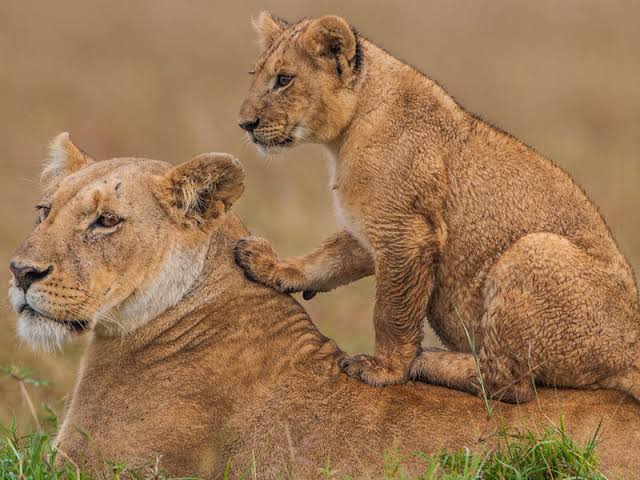
The Serengeti remains the leading destination for big cat photography. Its extensive grasslands support large predator populations and create excellent visibility for photographers. Lions frequently rest in open areas, allowing visitors to capture detailed portraits and social interactions.
Cheetahs thrive in the Serengeti’s open landscapes as well. Their hunting behavior and elegant appearance make them among the most photographed animals in Africa. Patient photographers often witness remarkable moments as cheetahs scan the plains or pursue prey.
Leopards require more persistence because they tend to be elusive. However, experienced guides often know productive locations where photographers can increase their chances of finding these beautiful cats.
Predator photography requires patience, timing, and careful observation. By focusing on destinations with healthy predator populations, photographers significantly improve their chances of capturing extraordinary wildlife images.
Serengeti Photography Safari Experiences
When discussing the best Tanzania safari for photographers, Serengeti National Park almost always enters the conversation. This iconic destination offers unmatched opportunities for wildlife photography throughout the year.
The Serengeti’s vast landscapes create dramatic compositions that showcase both animals and environment. Photographers can capture wide-angle scenes featuring wildlife against endless horizons as well as close-up portraits that reveal intricate details and behavior.
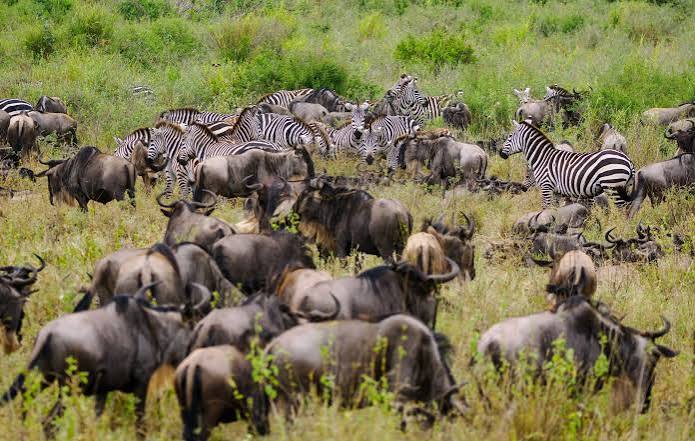
The Great Migration adds another dimension to the photographic experience. Massive herds of wildebeest and zebras create dynamic scenes filled with movement, energy, and scale. River crossings often provide some of the most dramatic wildlife photography opportunities available anywhere in the world.
Seasonal variations also benefit photographers. Different times of year bring changing wildlife concentrations, environmental conditions, and photographic subjects.
Many photographers choose to spend several days in the Serengeti because the park’s size and diversity continuously present new opportunities. Every game drive offers fresh possibilities for creating memorable images that capture the essence of Africa’s wildlife.
The Great Migration and Wildlife Photography Opportunities
Few wildlife events rival the photographic appeal of the Great Migration. This annual movement of millions of wildebeest, zebras, and gazelles attracts photographers from around the world who hope to document one of nature’s most extraordinary spectacles.
The migration provides endless photographic possibilities. Herds stretching across the horizon create powerful landscape images, while close encounters reveal emotion, movement, and survival instincts.
River crossings remain particularly popular among photographers. These dramatic events combine action, tension, and unpredictability, resulting in compelling storytelling opportunities. Crocodiles, strong currents, and determined animals contribute to unforgettable scenes.
Calving season offers another remarkable photography experience. Thousands of young animals enter the world within a relatively short period, attracting predators and creating fascinating wildlife interactions.
Because migration patterns change throughout the year, careful planning becomes essential. Many photographers work with specialized safari planners to determine the best locations and travel dates based on seasonal wildlife movements.
The Great Migration continues to rank among the most rewarding subjects for wildlife photographers visiting Tanzania.
Choosing the Right Photography Safari Parks in Tanzania
Although the Serengeti often receives the most attention, several other destinations contribute significantly to successful photography safaris.
Ngorongoro Crater provides excellent opportunities to photograph diverse wildlife within a compact area. The crater’s unique landscape creates dramatic scenery while supporting healthy populations of animals.
Tarangire National Park attracts photographers seeking elephant images and iconic baobab tree landscapes. During the dry season, wildlife gathers around water sources, creating outstanding photographic opportunities.
Lake Manyara National Park offers beautiful scenery and abundant birdlife. Photographers interested in birds, forest habitats, and varied ecosystems often appreciate the park’s diversity.
Ruaha National Park and Nyerere National Park provide opportunities for photographers seeking more remote wilderness experiences. Their lower visitor numbers often allow for intimate wildlife encounters and less crowded photographic conditions.
Travelers planning photography-focused itineraries frequently work with Giant Holiday Safaris to combine multiple parks and maximize photographic diversity throughout their journey.
Essential Photography Tips for a Tanzania Safari
Successful wildlife photography involves more than simply owning a good camera. Preparation, patience, and field techniques often make the greatest difference.
Lighting remains one of the most important considerations. Early morning and late afternoon generally produce the best conditions for wildlife photography. Soft light enhances colors, reduces harsh shadows, and creates more visually appealing images.
Patience also plays a crucial role. Wildlife behavior unfolds naturally, and photographers often achieve their best results by waiting for meaningful moments rather than rushing from one sighting to another.
Understanding animal behavior improves photographic success as well. Recognizing signs of movement, interaction, or hunting activity allows photographers to anticipate action before it occurs.
Composition deserves equal attention. Including environmental elements alongside wildlife helps create images that tell complete stories rather than simple animal portraits.
Finally, photographers should remain flexible. Wildlife is unpredictable, and unexpected encounters often produce the most memorable images of a safari.
How Specialized Photography Safaris Improve Results
Photography-focused safaris offer several advantages over standard safari experiences. These specialized trips prioritize photographic opportunities and provide conditions that help photographers achieve better results.
Photography safaris often spend more time at wildlife sightings. This additional time allows photographers to experiment with different compositions, wait for behavioral interactions, and capture changing lighting conditions.
Guides on photography safaris frequently understand photographer needs and adjust positioning accordingly. Vehicle placement can significantly influence image quality and viewing angles.
Smaller group sizes also benefit photographers. Fewer participants create greater flexibility and reduce competition for viewing positions within safari vehicles.
Customized itineraries may focus on specific wildlife interests, seasonal events, or photographic goals. This targeted approach helps travelers maximize opportunities to capture desired subjects.
Photographers who seek dedicated wildlife photography experiences often find that specialized safaris provide greater creative freedom and improved photographic outcomes.
Capturing Unforgettable Images on the Best Tanzania Safari for Photographers
Understanding what is the best Tanzania safari for photographers helps travelers transform ordinary wildlife sightings into extraordinary photographic memories. Tanzania combines abundant wildlife, spectacular landscapes, exceptional light, and world-famous safari destinations to create one of the most rewarding photography experiences anywhere in the world.
The Serengeti, Ngorongoro Crater, Tarangire, and other remarkable parks each contribute unique photographic opportunities. From dramatic predator encounters and Great Migration scenes to intimate wildlife portraits and breathtaking landscapes, Tanzania offers endless creative possibilities.
Success on a photography safari depends on thoughtful planning, patience, timing, and selecting destinations that align with personal interests. Whether the goal is photographing big cats, documenting the Great Migration, capturing birdlife, or building a professional wildlife portfolio, Tanzania consistently exceeds expectations.
For travelers seeking carefully designed photography adventures, Giant Holiday Safaris helps create customized itineraries that maximize wildlife viewing and photographic opportunities across Tanzania’s most iconic destinations. Ultimately, understanding what is the best Tanzania safari for photographers opens the door to unforgettable experiences and images that preserve the beauty of Africa’s wildlife for years to come.
Combined Uganda, Kenya, Rwanda and Tanzania Safaris
17 days Kenya Tanzania and Uganda safari
19 Days Uganda Kenya and Tanzania Safari
16 Days Kenya Tanzania and Uganda Safari
14 Days Kenya Uganda and Tanzania Safari
14 Days Kenya Uganda and Rwanda Safari