Do I Need a Visa for Kenya Safari?
July 19, 2026
Can I Use Dollars in Kenya Safari Lodges
July 19, 2026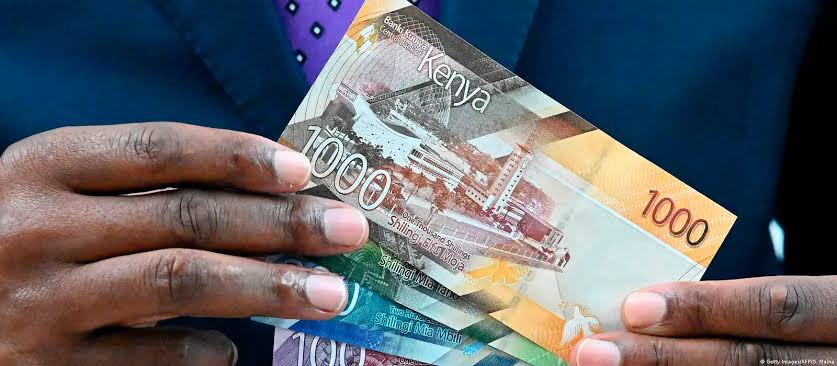
What Currency Is Used in Kenya?
If you are packing for an African adventure, one practical question deserves an early answer: what currency is used in Kenya? The simple answer is the Kenyan shilling, written as KES and often shown as KSh on price tags. However, the full picture proves far more interesting and genuinely useful, because Kenya runs one of the world’s most advanced mobile money systems, US dollars circulate widely in tourism, and cards work well in some places while failing completely in others. As a result, travelers who understand how money actually works here move around far more smoothly than those who arrive with a wallet full of the wrong thing. In this complete guide, we explain what currency Kenya uses, how tourists pay in practice, where dollars help, and the mistakes that catch visitors out. By the end, you will handle money in Kenya with total confidence.
Combined Uganda, Kenya, Rwanda and Tanzania Safaris
17 days Kenya Tanzania and Uganda safari
19 Days Uganda Kenya and Tanzania Safari
16 Days Kenya Tanzania and Uganda Safari
14 Days Kenya Uganda and Tanzania Safari
14 Days Kenya Uganda and Rwanda Safari
12 Day Gorilla Trekking and Tanzania Safari
The Kenyan Shilling Explained
Let us start with the basics. Kenya uses the Kenyan shilling, abbreviated as KES in international listings and commonly written as KSh locally. The shilling divides into one hundred cents, though cents have effectively disappeared from everyday use, so you will never handle them. As a result, prices appear in whole shillings, and small amounts get rounded naturally.
Furthermore, the currency comes in familiar forms. Banknotes circulate in several denominations, with the larger notes carrying the highest value, while coins cover smaller amounts. Because the shilling floats against major currencies, its exchange rate moves over time, so never rely on a figure you read in an old article. In addition, exchange rates differ between banks, bureaux, hotels, and airports, sometimes considerably. Because Kenya’s economy runs primarily in shillings, you will need them for markets, small shops, tips, and local transport.
Kenya’s neighbours use shillings too, which occasionally confuses visitors. Because Uganda and Tanzania each run their own shilling with entirely different values, a Kenyan shilling and a Tanzanian shilling share a name while being worth quite different amounts. As a result, travelers on a multi country trip must change money at each border rather than assuming their notes travel with them. In addition, leftover notes from one country generally cannot be spent in another. Consequently, understanding the shilling matters for every traveler. For daily life in Kenya, this is the currency that counts.
Where US Dollars Actually Work
Interestingly, US dollars play a genuine role in Kenyan tourism, which surprises many first time visitors. Because safari lodges, tour operators, and park fees often price their services in dollars, you may find your entire safari quoted in USD rather than shillings. As a result, many travelers pay for their major bookings in dollars while using shillings for everything else.
However, dollars do not work everywhere, so never assume. Because ordinary shops, restaurants, markets, taxis, and small businesses deal in shillings, offering dollars there causes confusion and usually earns you a terrible informal exchange rate. In addition, one practical warning catches out plenty of travelers. Older US banknotes, particularly worn ones or those from earlier print series, frequently get refused across East Africa, so bring clean, newer notes if you carry cash dollars. Moreover, small denomination dollars sometimes attract worse rates than larger ones.
The reason dollars feature so heavily in tourism comes down to how the industry works. Because lodges and operators deal with international guests, foreign suppliers, and fluctuating exchange rates, pricing in a stable international currency simplifies their business considerably. In addition, park fees themselves often get set in dollars for non residents. As a result, you may pay your whole safari in USD without ever handling a shilling for it, then need shillings the moment you buy a soda or tip a porter. Consequently, dollars help for tourism services while shillings rule everyday life. For practical spending, carry both.
M-Pesa and Kenya’s Mobile Money Revolution
Now for something genuinely remarkable, because Kenya leads the world here. M-Pesa, a mobile money service run through phone networks, transformed how Kenyans handle money entirely. Because it lets people send, receive, and spend money directly from a basic mobile phone without any bank account, it spread everywhere. As a result, you can pay for almost anything by phone, from a taxi ride to vegetables at a market stall.
Furthermore, M-Pesa’s reach genuinely astonishes visitors. Small shops, street vendors, restaurants, and even rural traders accept it readily, often displaying a till number prominently. In addition, many Kenyans carry very little cash precisely because M-Pesa works so well. Because setting it up requires a local SIM card and registration, some travelers find it worthwhile for longer stays, while short term visitors often skip it. However, understanding it explains why some places seem puzzled by cash.
The system’s origins explain its dominance. Because millions of Kenyans lacked bank accounts when M-Pesa launched, it filled a genuine gap rather than competing with existing services, and it spread with extraordinary speed. As a result, Kenya became a global case study in mobile money, and visitors from wealthy countries often find the technology ahead of what they use at home. In addition, agents operate everywhere, letting people deposit and withdraw cash easily. Consequently, M-Pesa shapes Kenyan money culture profoundly. For visitors, knowing about it prevents confusion.
Cards, ATMs, and Getting Cash
Card payment works well in Kenya, though only in certain places, so plan accordingly. Because hotels, lodges, restaurants in cities, supermarkets, and established businesses generally accept cards, urban travelers manage comfortably. As a result, you rarely need enormous amounts of cash in Nairobi or the coastal resorts. However, coverage drops sharply once you leave developed areas.
Furthermore, ATMs offer the most practical way to get shillings. Because machines sit widely across cities and towns, withdrawing local currency proves straightforward, though rural areas and remote safari camps often have none at all. In addition, tell your bank you are travelling before you leave, since unexpected foreign transactions frequently trigger a security block. Because withdrawal fees and foreign transaction charges add up, taking fewer, larger withdrawals usually costs less than many small ones. Moreover, always carry a backup card stored separately.
A few other habits help. Choose ATMs attached to proper bank branches rather than isolated machines, since these tend to be better maintained and safer to use. In addition, if a machine offers to charge you in your home currency rather than shillings, decline politely, because that convenience usually hides a poor exchange rate. Furthermore, withdraw what you need for remote sections of your trip before you leave the last town, since discovering there is no ATM at your camp creates real difficulty. Consequently, cards and ATMs work well with planning. For remote areas, bring cash beforehand.
Changing Money Sensibly
Where you change money genuinely affects how much you get, so choose thoughtfully. Because airport bureaux typically offer the poorest rates, changing only a small amount on arrival and the rest later usually serves you better. As a result, a little planning saves real money across a trip. In addition, banks and established bureaux in town generally offer fairer rates than hotels.
Furthermore, protect yourself sensibly. Always use official banks or licensed bureaux rather than anyone approaching you on the street, since street exchanges frequently involve short changing or outright fraud. In addition, count your money before walking away, and ask about any commission before committing. Because rates fluctuate, comparing two or three places takes minutes and often reveals meaningful differences. Moreover, keep your receipts, since some situations require proof of legal exchange. In addition, change a little extra before heading somewhere remote, because rural towns rarely offer competitive rates or reliable bureaux. Consequently, sensible habits protect your budget. For changing money, patience genuinely pays.
Tipping and Small Cash Needs
Tipping deserves proper attention, because it forms a genuine part of Kenyan tourism and matters enormously to the people who serve you. Guides, drivers, camp staff, and porters typically earn modest wages, so tips make a real difference to their families. As a result, budgeting for tips properly counts as basic courtesy rather than an optional extra.
Furthermore, practicalities matter. Because you cannot tip with a card, carry small denomination cash specifically for this purpose, in either shillings or dollars depending on the setting. In addition, many camps provide a communal tip box that gets shared among staff you never meet, including cooks and housekeepers, alongside a separate tip for your guide. Because your operator knows local expectations, simply ask them what suits, since they will advise honestly. Moreover, break larger notes early, since finding change proves difficult later. Consequently, plan your tipping cash before you travel. For camp staff, this income genuinely matters.
Practical Money Tips for Your Safari
A few habits make handling money in Kenya genuinely easier. First, carry a mix rather than relying on one method. Bring some cash dollars for lodge extras, some shillings for daily spending, and cards for hotels and cities, since this combination covers almost everything. Because remote camps often have neither ATMs nor card machines, arriving with enough cash prevents awkwardness at exactly the moment you least want it.
Furthermore, take sensible precautions. Split your money between different places rather than keeping everything in one wallet, and use your room or tent safe where provided. In addition, avoid displaying large amounts of cash in public, exactly as you would anywhere. Because exchange rates change constantly, check a current rate on your phone before changing money rather than trusting an old figure. Moreover, ask your operator what your package already covers, since many include meals, drinks, and park fees, which reduces your cash needs considerably. Consequently, simple planning removes money worries. For your safari, preparation brings freedom.
Final Thoughts
The official currency used in Kenya is the Kenyan Shilling (KES or KSh), which is used for everyday payments including markets, taxis, shops, and local services. While US dollars are commonly accepted in the tourism sector — especially at safari lodges, tour operators, and park facilities — most daily transactions are done in shillings, and newer USD notes are preferred.
Kenya is also a leader in mobile money, with M-Pesa making it easy to pay for many services without carrying much cash. Cards work well in cities, hotels, and lodges, but remote safari areas may require cash, so carrying a mix of payment options is always recommended.
With Giant Holiday Safaris, you can focus on experiencing Kenya’s breathtaking wildlife, landscapes, and unforgettable adventures while we help you handle the details. Carry some Kenyan Shillings for daily needs, plan your payments wisely, and enjoy a seamless safari experience filled with memories that last a lifetime.