Which Month Is Best for Kilimanjaro and Safari
July 19, 2026
Can I Do Safari Before Climbing Kilimanjaro
July 19, 2026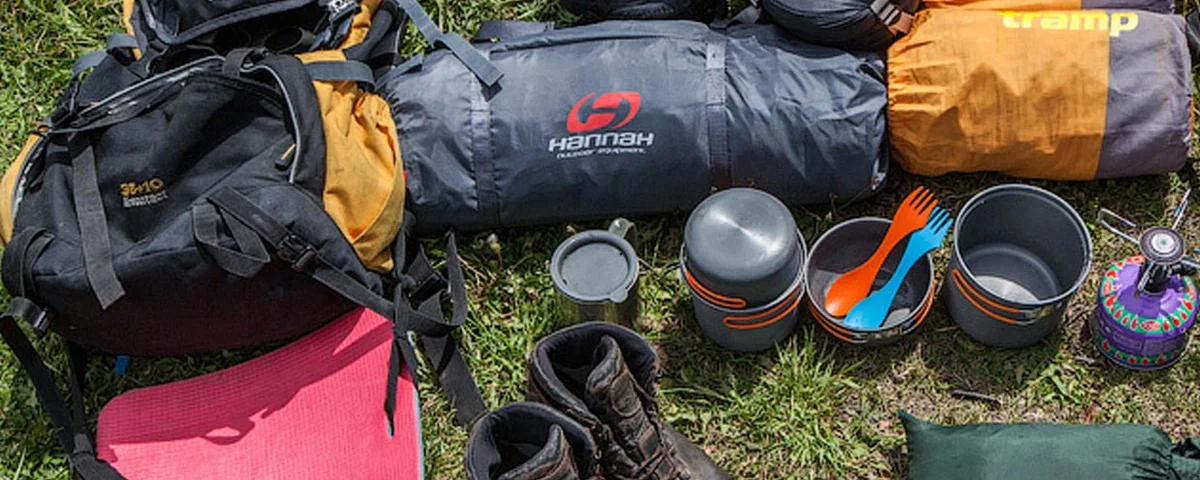
What Should I Pack for Kilimanjaro and Safari
Planning a successful adventure begins long before you arrive in Tanzania. One of the most common questions travelers ask is, what should I pack for Kilimanjaro and safari? Since this journey combines mountain trekking with wildlife exploration, your packing list needs to prepare you for changing temperatures, different landscapes, and a variety of outdoor activities. Bringing the right equipment helps you stay comfortable, safe, and focused on enjoying every moment.
Mount Kilimanjaro takes you through several climate zones, from warm rainforest trails to freezing summit conditions. After completing the climb, a safari introduces sunny days, cool mornings, dusty roads, and evenings spent in beautiful lodges or tented camps. Packing wisely allows you to enjoy both experiences without carrying unnecessary items.
The goal is not to pack more but to pack smarter. Lightweight clothing, dependable hiking gear, and practical travel accessories make a significant difference throughout the trip. Every item should have a purpose and contribute to your comfort or safety.
Understanding what should I pack for Kilimanjaro and safari helps you prepare confidently while avoiding last-minute stress. With a thoughtful packing strategy, you can fully enjoy one of Africa’s greatest adventures from the mountain summit to the spectacular wildlife parks.
Why Packing Properly Matters for Kilimanjaro and Safari
Packing correctly is one of the most important parts of preparing for a combined Kilimanjaro climb and Tanzania safari. The right equipment allows you to stay comfortable in changing weather while helping you focus on the experience instead of worrying about missing essentials.
Mount Kilimanjaro presents dramatic temperature changes throughout the climb. You may begin your trek in warm, humid rainforest conditions before reaching freezing temperatures near Uhuru Peak. Clothing that works well in one environment may become completely unsuitable a few hours later. Layering your clothing allows you to adjust quickly as conditions change.
Safari conditions differ from mountain trekking but also require thoughtful preparation. Early morning game drives can feel surprisingly cold, while afternoon temperatures often become much warmer. Neutral-colored clothing helps you blend into natural surroundings while remaining comfortable during wildlife viewing.
Packing efficiently also makes travel easier. Most Kilimanjaro operators limit the weight of duffel bags carried by porters, making careful planning essential. Choosing versatile clothing and lightweight equipment reduces unnecessary weight without sacrificing comfort.
Good preparation also protects your investment. Reliable hiking boots, waterproof clothing, and quality accessories perform better throughout the journey while helping prevent avoidable problems that could affect your overall experience.
Essential Clothing for Mount Kilimanjaro
The clothing you choose for Mount Kilimanjaro plays a major role in keeping you comfortable throughout the climb. Since temperatures change dramatically between the base and the summit, layering remains the most effective approach.
Begin with moisture-wicking base layers that keep sweat away from your skin. Dry clothing helps regulate body temperature while reducing discomfort during long hiking days. Cotton should generally be avoided because it absorbs moisture and dries slowly.
Insulating mid-layers provide warmth as temperatures decrease at higher elevations. Fleece jackets or lightweight insulated jackets work well because they trap heat without adding excessive weight. These layers become especially valuable during cold evenings and summit night.
A waterproof and windproof outer jacket protects you from rain, snow, and strong mountain winds. Waterproof trousers also provide additional protection when weather conditions change unexpectedly.
Comfortable hiking trousers, thermal leggings, warm hats, gloves, neck gaiters, and several pairs of quality hiking socks complete the clothing system. Having extra dry clothing available allows you to change after rainy hikes or cold mornings.
Proper layering keeps you comfortable throughout the expedition while allowing quick adjustments as temperatures rise and fall during each stage of the climb.
Safari Clothing and Footwear Essentials
Although safaris require less specialized clothing than mountain climbing, selecting the right outfits improves comfort while enhancing your wildlife viewing experience. Practical clothing helps you remain comfortable during early morning game drives, warm afternoons, and relaxing evenings at safari lodges.
Neutral colors such as khaki, olive green, beige, brown, and light gray work best because they blend naturally into the surrounding environment. Bright colors and strong patterns may attract unnecessary attention from insects or reduce your ability to observe wildlife quietly.
Lightweight long-sleeved shirts provide excellent protection from both the sun and insects while remaining comfortable in warm temperatures. Breathable trousers also protect your legs during walking activities and evening outings around safari camps.
Comfortable walking shoes or lightweight hiking shoes perform well throughout most safari activities. While heavy mountain boots are no longer necessary after your climb, supportive footwear remains useful for walking around lodges, visiting cultural attractions, or exploring short nature trails.
A lightweight fleece or jacket also deserves space in your luggage. Early morning game drives often begin before sunrise when temperatures remain surprisingly cool. Dressing in layers allows you to stay comfortable until the day gradually warms.
Choosing versatile safari clothing makes packing more efficient because many items can also be worn during your travel days.
Important Gear and Accessories to Pack
Beyond clothing, several practical accessories contribute significantly to a successful Kilimanjaro and safari adventure. These items improve convenience, comfort, and safety throughout your journey.
A durable daypack is one of the most valuable pieces of equipment. During the Kilimanjaro climb, it carries your daily essentials, including water, snacks, waterproof clothing, sunscreen, sunglasses, personal medication, and your camera. Porters transport your larger duffel bag, making a comfortable daypack essential.
Reusable water bottles or hydration systems help you maintain proper hydration, especially during high-altitude trekking. Drinking enough water supports acclimatization and improves overall performance on the mountain.
A quality headlamp with spare batteries becomes indispensable during summit night, when climbers begin hiking well before sunrise. Trekking poles also reduce pressure on your knees while improving balance on steep ascents and descents.
Photography enthusiasts should bring extra memory cards, spare batteries, and a portable power bank since charging opportunities become limited during the climb. Binoculars also enhance wildlife viewing during safari game drives.
Carefully planned adventures organized through Giant Holiday Safaris often include detailed packing guidance, helping travelers prepare efficiently while ensuring they bring everything needed for both the Kilimanjaro climb and an unforgettable Tanzania safari experience.
Health, Toiletries, and Personal Items
When planning what should I pack for Kilimanjaro and safari, many travelers focus on clothing and overlook health essentials. However, personal care items and basic medical supplies can make your journey far more comfortable from the first day to the final safari game drive.
Start with a small personal first aid kit. Include adhesive bandages, blister pads, antiseptic wipes, pain relief medication, and any prescription medicines you use regularly. Carry enough medication for your entire trip and keep it in its original packaging whenever possible.
Sun protection is equally important. At higher elevations, the sun becomes much stronger, even on cloudy days. Pack high-SPF sunscreen, lip balm with sun protection, sunglasses with UV protection, and a wide-brimmed hat for safari activities.
Toiletries should remain simple and travel-sized. A toothbrush, toothpaste, biodegradable soap, wet wipes, hand sanitizer, quick-drying towel, tissues, and moisturizer help maintain comfort throughout the trip. Moisturizer becomes especially useful because mountain air is often dry and cold.
Insect repellent is another essential item, particularly for safari destinations where mosquitoes may be present. A reusable water bottle, travel documents, passport copies, travel insurance information, and some cash in small denominations should also remain easily accessible throughout your adventure.
Packing Tips for a Combined Kilimanjaro and Safari Adventure
Packing for two very different experiences may seem complicated, but smart planning makes the process much easier. The goal is to carry everything you need while avoiding unnecessary weight.
Choose versatile clothing whenever possible. Many lightweight shirts, hiking trousers, and fleece jackets work well on both the mountain and safari. This reduces the number of items in your luggage without limiting your comfort.
Use packing cubes or compression bags to organize your clothing into categories. Separating mountain gear, safari clothing, toiletries, electronics, and documents saves time when searching for specific items during your journey.
Keep your important belongings in your carry-on luggage. Documents, medications, valuables, cameras, batteries, chargers, and one complete change of clothing should always travel with you in case checked luggage is delayed.
Remember that Kilimanjaro operators usually set weight limits for porter bags. Packing only essential items helps keep your luggage within the allowed limit while making transportation easier throughout the trip.
Review your packing list several days before departure rather than waiting until the last minute. This gives you enough time to replace missing equipment, test electronics, and ensure everything fits properly. Careful preparation allows you to begin your adventure feeling confident and well organized.
Common Packing Mistakes to Avoid
Even experienced travelers occasionally pack items they never use or forget equipment that becomes essential. Understanding common mistakes helps you prepare more effectively for both Kilimanjaro and your safari.
One frequent mistake is bringing too many clothes. Many travelers assume they need a different outfit every day, but lightweight technical clothing dries quickly and can often be worn multiple times. Packing fewer, higher-quality items usually works much better than carrying an overloaded suitcase.
Another mistake is wearing brand-new hiking boots on the mountain. Boots should always be broken in before departure to reduce the risk of painful blisters during long trekking days.
Some travelers underestimate the cold temperatures near Kilimanjaro’s summit. Even climbers visiting during warmer months need insulated jackets, gloves, thermal clothing, and warm hats because summit night can be extremely cold.
For safari activities, avoid bright-colored clothing or heavy perfumes. Neutral colors help you blend naturally into the environment, while unscented products reduce the attraction of insects.
Finally, never leave important documents, medications, or electronic devices at the bottom of your luggage. Keeping essential items easily accessible saves time and reduces unnecessary stress throughout your journey.
What Should I Pack for Kilimanjaro and Safari for a Comfortable Adventure
Preparing carefully before your trip allows you to enjoy every stage of your Tanzanian adventure with confidence. After understanding what should I pack for Kilimanjaro and safari, you can focus on selecting practical clothing, dependable equipment, and essential personal items rather than filling your luggage with unnecessary extras.
The best packing strategy emphasizes versatility, comfort, and organization. Layered clothing helps you adapt to changing mountain temperatures, while lightweight safari outfits keep you comfortable during game drives and wildlife viewing. Reliable hiking boots, quality accessories, personal medications, and travel documents complete a well-balanced packing list.
Every item you carry should serve a clear purpose. Packing thoughtfully makes moving between airports, hotels, mountain camps, and safari lodges much easier while reducing unnecessary weight throughout your journey.
Travelers who prepare thoroughly often enjoy a smoother experience because they spend less time solving problems and more time appreciating Tanzania’s remarkable landscapes, wildlife, and culture. Personalized travel advice from Giant Holiday Safaris also helps visitors create practical packing lists based on their chosen routes, travel season, and safari itinerary.
If you have been asking what should I pack for Kilimanjaro and safari, the answer lies in careful planning rather than carrying more luggage. With the right clothing, essential gear, and smart organization, you will be ready to climb Africa’s highest mountain, explore world-famous national parks, and create unforgettable memories throughout one incredible Tanzanian adventure.
Combined Uganda, Kenya, Rwanda and Tanzania Safaris
17 days Kenya Tanzania and Uganda safari
19 Days Uganda Kenya and Tanzania Safari
16 Days Kenya Tanzania and Uganda Safari
14 Days Kenya Uganda and Tanzania Safari
14 Days Kenya Uganda and Rwanda Safari