What Are the Best Lodges Near Kilimanjaro
July 19, 2026
How Much Does Kilimanjaro Trek Cost
July 19, 2026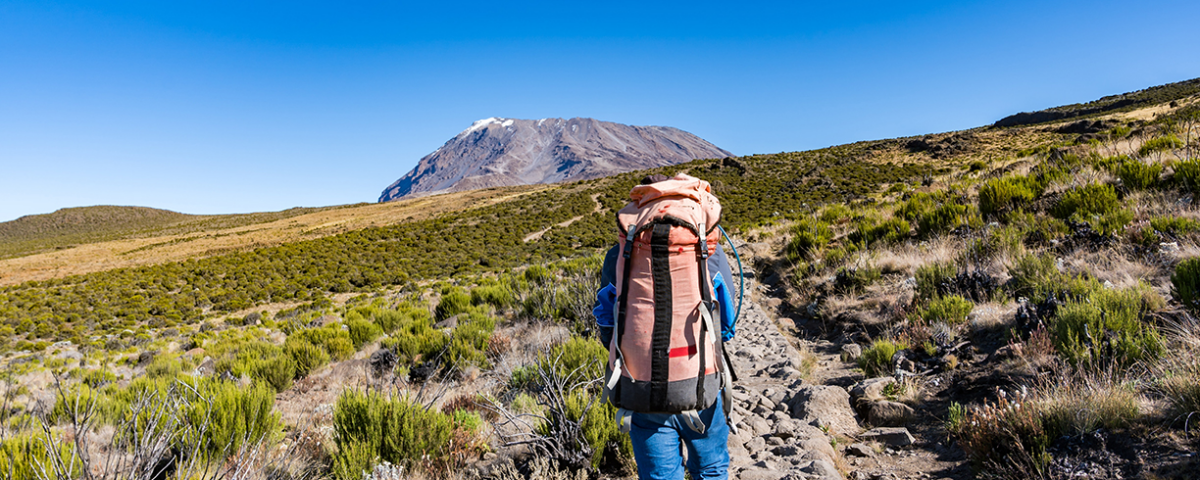
Is Kilimanjaro Safe for Tourists
Many travelers ask, is Kilimanjaro safe for tourists, before planning their climb to Africa’s highest mountain. The answer is yes. Mount Kilimanjaro is considered one of the safest high mountains in the world for trekkers. Unlike many famous peaks, it does not require technical climbing skills, ropes, or previous mountaineering experience. Every year, thousands of people from different countries, age groups, and fitness levels successfully reach the summit with the support of experienced mountain guides.
Although Mount Kilimanjaro is safe for most healthy travelers, climbing to an altitude of 5,895 meters still presents challenges that require proper preparation. The biggest risk is not the hiking itself but the high altitude. As climbers gain elevation, oxygen levels decrease, making it harder for the body to adjust. Fortunately, careful planning, gradual acclimatization, professional guidance, and choosing the right climbing route greatly reduce these risks.
Safety on Kilimanjaro depends on several important factors. Selecting an experienced tour operator, following your guides’ instructions, staying hydrated, eating well, and climbing at a slow pace all improve your chances of completing the trek safely. Choosing a longer itinerary also gives your body more time to adapt to the altitude, increasing both safety and summit success.
Understanding is Kilimanjaro safe for tourists helps travelers prepare realistically while building confidence before their adventure. With good planning and responsible decision making, climbing Mount Kilimanjaro becomes an exciting, achievable, and unforgettable experience.
Is Kilimanjaro Safe for Tourists
Yes, Mount Kilimanjaro is generally safe for tourists who prepare properly and climb with a licensed, experienced operator. Tanzania has welcomed mountain climbers for decades, and the routes on Kilimanjaro are well established, carefully managed, and supported by professional mountain teams.
One of the reasons Kilimanjaro attracts so many visitors is that it is a non technical mountain. Climbers do not need to use ice axes, climbing ropes, or advanced mountaineering equipment during normal climbing seasons. Instead, the journey involves several days of hiking through changing landscapes, beginning in rainforest and ending at the glacier covered summit.
Professional guides accompany climbers throughout the expedition. They monitor each person’s health, encourage proper hydration, check oxygen levels when necessary, and watch carefully for signs of altitude sickness. Their experience allows them to make informed decisions that prioritize safety throughout the climb.
Park regulations also contribute to visitor safety. Every climbing group must be accompanied by licensed guides, and all routes include designated camps where climbers rest before continuing their ascent. These organized systems help create a structured and well supported climbing environment.
While every outdoor adventure carries some level of risk, Kilimanjaro remains one of the safest mountains of its height because of its accessible trails, experienced guiding teams, and strong focus on climber safety.
Why Mount Kilimanjaro Is Considered Safe for Tourists
Several important factors make Mount Kilimanjaro one of the safest high altitude trekking destinations in the world. Understanding these advantages helps travelers approach their adventure with realistic expectations and greater confidence.
The first advantage is the mountain’s accessibility. Unlike many famous peaks, Kilimanjaro does not require technical climbing skills. Most healthy individuals who prepare adequately can complete the trek without previous mountaineering experience. The established hiking trails remain easy to follow, while professional guides lead every group from the beginning of the climb to the summit and back.
Another important safety factor is the presence of experienced mountain crews. Guides receive specialized training in altitude awareness, emergency response, first aid, and mountain safety. Throughout the expedition, they regularly assess each climber’s condition and provide advice that supports safe progress toward the summit.
Well organized camps also improve safety. Designated campsites provide predictable locations for meals, rest, and overnight accommodation. Climbers follow carefully planned itineraries that include gradual elevation gains, helping reduce the effects of high altitude.
Modern communication systems further strengthen safety on the mountain. Many operators carry radios or satellite communication devices that allow them to contact park authorities or emergency services if assistance becomes necessary.
Responsible tourism practices also contribute to a safer climbing environment. Tanzania National Parks enforce regulations regarding licensed guides, route management, and environmental protection, ensuring that climbing activities remain well organized and professionally supervised.
Safety Challenges on Mount Kilimanjaro
Although Mount Kilimanjaro is considered safe, every climber should understand the challenges they may encounter during the expedition. Preparing for these conditions allows travelers to make informed decisions while increasing their chances of reaching Uhuru Peak safely.
Altitude Sickness
Altitude sickness is the most common challenge on Mount Kilimanjaro. As climbers ascend, oxygen levels gradually decrease, making it more difficult for the body to function normally. Even physically fit individuals can experience symptoms because altitude affects everyone differently.
Early symptoms often include headaches, tiredness, dizziness, nausea, reduced appetite, or difficulty sleeping. In most cases, these symptoms remain mild and improve with proper acclimatization, hydration, nutrition, and a slow climbing pace.
Choosing a longer route significantly reduces the likelihood of serious altitude problems. Routes such as Lemosho and the Northern Circuit allow additional days for acclimatization, giving the body more time to adjust naturally.
Professional guides monitor climbers closely throughout the journey. If symptoms become severe, they immediately recommend descending because losing altitude is the safest and most effective treatment.
Weather Conditions
Weather on Mount Kilimanjaro changes quickly because the mountain passes through several different climate zones. Climbers begin in warm rainforest before reaching cooler moorlands, alpine deserts, and finally freezing temperatures near the summit.
Rain, wind, cold temperatures, and occasional snow may occur depending on the season. Dressing in layers allows climbers to adapt comfortably as conditions change throughout the day.
High quality waterproof clothing, warm sleeping bags, insulated jackets, gloves, hats, and proper hiking boots help protect against cold weather while keeping the climb comfortable.
Planning your climb during the dry seasons often improves trail conditions and visibility, although weather remains unpredictable on any high mountain.
Physical Fitness
Physical fitness also influences safety during the climb. While Kilimanjaro does not require technical climbing skills, several consecutive days of hiking demand endurance and determination.
Preparing before your trip improves comfort and reduces fatigue. Regular walking, hiking, cycling, swimming, or jogging strengthens your cardiovascular fitness while preparing your muscles for daily trekking.
Mental preparation is equally valuable. Maintaining a positive attitude, climbing slowly, following guide instructions, and pacing yourself carefully all contribute to a safer and more enjoyable experience.
Giant Holiday Safaris carefully prepares every climber through experienced mountain teams, detailed pre departure guidance, and professionally planned itineraries that prioritize safety throughout the entire expedition.
How to Stay Safe While Climbing Kilimanjaro
Climbing Mount Kilimanjaro safely begins long before you arrive in Tanzania. Good preparation, the right equipment, and a responsible attitude all contribute to a successful adventure. Although professional guides provide continuous support, every climber also plays an important role in maintaining personal safety throughout the trek.
One of the most effective ways to stay safe is to climb slowly. Guides on Kilimanjaro often encourage a steady pace because gradual movement allows your body to adjust to the altitude more comfortably. Walking too fast increases fatigue and may worsen altitude related symptoms. A slow and consistent pace gives you the best opportunity to reach the summit while feeling stronger each day.
Hydration is equally important. Drinking enough water helps your body function well at high altitude and supports the acclimatization process. Most guides recommend drinking several liters of water daily during the climb. Eating regular meals also provides the energy needed for long hiking days, even if your appetite decreases at higher elevations.
Packing suitable clothing makes a significant difference. Layered clothing allows you to adjust to changing temperatures as you move through different climate zones. Waterproof jackets, insulated clothing, gloves, warm hats, quality hiking boots, and thermal layers help keep you comfortable in cold conditions near the summit.
Listening carefully to your guides is another key safety practice. They understand the mountain, recognize early signs of altitude sickness, and know when adjustments are necessary. Reporting headaches, dizziness, unusual fatigue, or other symptoms immediately allows guides to respond quickly and make safe decisions.
Finally, preparing physically before your trip improves both comfort and confidence. Regular hiking, walking, cycling, or other aerobic exercise strengthens your endurance while making the climb more enjoyable.
Choosing a Safe Kilimanjaro Tour Operator
Selecting the right tour operator is one of the most important decisions you will make. A professional company does much more than organize transportation and accommodation. It creates a safe environment where experienced staff support you throughout every stage of the climb.
Experienced Mountain Guides
Professional mountain guides are the foundation of a safe Kilimanjaro expedition. Their training, experience, and local knowledge help climbers manage altitude, changing weather, and daily trekking challenges.
Experienced guides monitor each traveler’s health throughout the climb. They regularly assess how climbers feel, encourage proper hydration, and maintain a pace that supports gradual acclimatization. Their ability to recognize early warning signs allows them to act before minor problems become serious.
Guides also provide motivation throughout the journey. Their encouragement helps climbers remain focused while enjoying the experience safely. Their knowledge of the mountain’s history, wildlife, vegetation, and landscapes also makes the adventure more interesting and rewarding.
Quality Safety Equipment
Reliable equipment contributes greatly to mountain safety. Reputable tour operators invest in high quality camping gear, warm sleeping bags, durable tents, cooking equipment, communication devices, and medical supplies.
Many professional climbing teams carry first aid kits, emergency oxygen, pulse oximeters, and other essential equipment used to monitor climbers at high altitude. Regular equipment inspections ensure everything functions properly before every expedition begins.
Comfort also supports safety. Quality sleeping arrangements, nutritious meals, and dependable equipment help climbers recover each evening while preparing for the following day’s hike.
Before booking your climb, ask what equipment is included and whether rental gear meets modern safety standards.
Responsible Climbing Practices
Responsible operators follow established safety procedures throughout every expedition. They never rush climbers simply to finish the route quickly. Instead, they focus on gradual altitude gain, proper acclimatization, and realistic daily hiking schedules.
Many reputable companies recommend longer routes because additional acclimatization days improve both summit success and overall safety. Routes such as Lemosho and the Northern Circuit allow climbers to adapt more naturally before reaching higher elevations.
Responsible companies also maintain ethical treatment of mountain crews by providing fair working conditions, proper equipment, and adequate support for guides, porters, and cooks. Strong teamwork creates a positive environment that benefits everyone involved in the expedition.
Giant Holiday Safaris follows responsible climbing practices by working with experienced mountain professionals, maintaining high safety standards, and carefully planning every itinerary to provide a safe and enjoyable Kilimanjaro experience.
Is Kilimanjaro Safe for First Time Climbers
Many people preparing for their first mountain adventure wonder whether Kilimanjaro is suitable for beginners. The encouraging answer is yes. Thousands of first time climbers successfully reach Uhuru Peak every year without previous mountaineering experience.
The mountain does not require technical climbing skills. You do not need ropes, ice climbing techniques, or advanced alpine training during normal trekking seasons. Instead, success depends on preparation, determination, gradual acclimatization, and following the guidance of experienced professionals.
First time climbers often benefit from choosing longer routes because they provide additional days for altitude adjustment. A slower itinerary gives the body more time to adapt while making the overall experience more comfortable.
Preparing physically before your trip also improves confidence. Regular walking, hiking with a backpack, stair climbing, and aerobic exercise strengthen your endurance for several consecutive days of trekking.
Mental preparation matters as much as physical fitness. Staying positive, accepting a steady pace, and focusing on one step at a time helps many beginners complete the climb successfully.
Travelers should also attend pre climb briefings carefully, ask questions whenever necessary, and communicate openly with their guides throughout the expedition. Honest communication allows guides to provide the best possible support from the first day until the final descent.
With proper preparation, responsible planning, and experienced guidance, first time climbers can safely enjoy one of Africa’s greatest adventures.
Plan a Safe Kilimanjaro Adventure Today
If you have been asking is Kilimanjaro safe for tourists, you can confidently begin planning your adventure knowing that thousands of visitors safely climb Africa’s highest mountain every year. Success comes from preparing well, choosing experienced guides, following professional advice, and allowing your body enough time to adjust to the altitude.
Mount Kilimanjaro offers an extraordinary opportunity to experience breathtaking landscapes, diverse ecosystems, and the unforgettable achievement of standing on the Roof of Africa. While altitude presents a genuine challenge, careful acclimatization, proper equipment, and responsible decision making significantly reduce the risks for most healthy travelers.
Selecting a reputable operator makes one of the biggest differences in your overall experience. Professional mountain teams provide expert guidance, quality equipment, health monitoring, and well planned itineraries that prioritize safety without reducing the excitement of the adventure.
Giant Holiday Safaris proudly offers professionally organized Kilimanjaro expeditions that combine experienced mountain guides, reliable safety practices, personalized service, and carefully designed climbing schedules. Every journey focuses on helping travelers enjoy a safe, comfortable, and memorable experience from the first day of the climb to the successful summit.
Understanding is Kilimanjaro safe for tourists allows you to prepare with confidence and look forward to one of the world’s most rewarding trekking experiences, knowing that careful planning and expert support can turn your dream of reaching Uhuru Peak into reality.
Combined Uganda, Kenya, Rwanda and Tanzania Safaris
17 days Kenya Tanzania and Uganda safari
19 Days Uganda Kenya and Tanzania Safari
16 Days Kenya Tanzania and Uganda Safari
14 Days Kenya Uganda and Tanzania Safari
14 Days Kenya Uganda and Rwanda Safari