Can You See Leopards in Masai Mara?
July 24, 2026
Where Can You See Cheetahs in Kenya?
July 24, 2026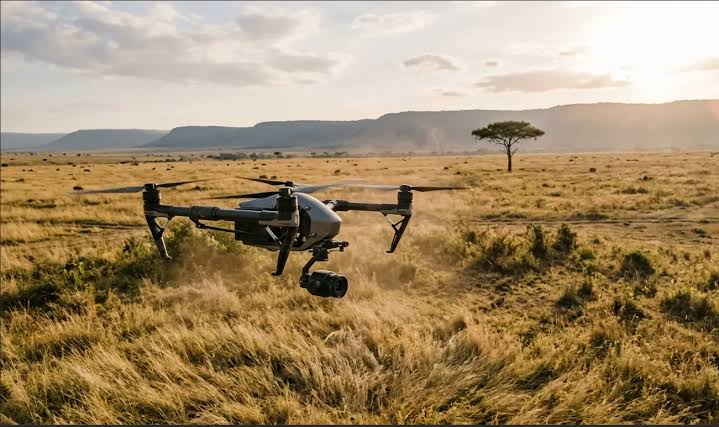
Can You Use Drones in Kenya Safari Parks?
Kenya stands among the world’s top safari destinations because it offers breathtaking wildlife, dramatic landscapes, and unforgettable outdoor experiences. Every year, thousands of photographers, filmmakers, wildlife enthusiasts, and adventure travelers visit the country’s national parks and game reserves to capture incredible moments. With drone technology becoming more affordable and accessible, many visitors naturally wonder whether they can fly a drone during their safari.
The answer is simple but important. Kenya has strict rules regarding drone use, especially inside national parks, national reserves, and wildlife conservation areas. These regulations exist to protect wildlife, ensure visitor safety, preserve the natural environment, and maintain the peaceful safari experience that Kenya is famous for. Ignoring these rules can result in serious consequences, including fines, confiscation of equipment, or legal action.
Before packing a drone for your Kenya safari, you should understand the country’s aviation laws, wildlife conservation policies, and park-specific regulations. Planning ahead helps you avoid unnecessary challenges while ensuring you enjoy a smooth and responsible safari experience.
This guide explains everything you need to know about using drones in Kenya safari parks. You will learn where drones are allowed, where they are prohibited, how to obtain permission when necessary, the reasons behind these restrictions, and alternative ways to capture stunning safari memories. Whether you are a professional filmmaker or a first-time safari traveler, this guide will help you prepare for your adventure while respecting Kenya’s wildlife and conservation efforts.
Combined Uganda, Kenya, Rwanda and Tanzania Safaris
17 days Kenya Tanzania and Uganda safari
19 Days Uganda Kenya and Tanzania Safari
16 Days Kenya Tanzania and Uganda Safari
14 Days Kenya Uganda and Tanzania Safari
14 Days Kenya Uganda and Rwanda Safari
12 Day Gorilla Trekking and Tanzania Safari
Are Drones Allowed in Kenya Safari Parks?
In most cases, drones are not allowed inside Kenya’s national parks and many protected wildlife areas without official authorization. This rule applies to both recreational and commercial drone operators. The primary goal is to protect wildlife from unnecessary disturbance while ensuring every visitor enjoys a peaceful safari.
Wild animals often react to unfamiliar sounds and movements. Even small drones can stress elephants, lions, rhinos, giraffes, birds, and many other species. A frightened animal may flee, abandon its young, or become aggressive. These reactions not only affect wildlife but may also create dangerous situations for tourists and safari guides.
Kenya places wildlife conservation at the center of its tourism industry. For this reason, authorities regulate drone operations carefully. The Kenya Wildlife Service (KWS), together with aviation authorities, controls drone use within protected areas. Visitors cannot simply launch a drone because they own one or because drone flying is permitted in their home country.
Some travelers assume that early morning or remote locations allow unrestricted drone flights. However, regulations apply throughout protected areas regardless of the time of day. Rangers regularly monitor visitor activities, and unauthorized drone operations may attract immediate attention.
Professional documentary producers, researchers, conservation organizations, and licensed media companies sometimes receive permission to operate drones. Even then, they must follow strict operational guidelines, fly only in approved locations, and comply with safety requirements.
If your safari itinerary includes famous parks such as the Maasai Mara National Reserve, Amboseli National Park, Tsavo National Park, Samburu National Reserve, or Lake Nakuru National Park, you should expect drone restrictions unless you secure official approval before your trip.
Why Kenya Restricts Drone Use in Safari Parks
Kenya’s drone regulations exist for several important reasons. These rules protect wildlife, visitors, conservation programs, and the natural beauty that attracts travelers from around the world.
Wild animals rely on their natural behavior for survival. Drones produce buzzing sounds that many animals interpret as threats. Elephants may become defensive, predators may interrupt hunting activities, and nesting birds may abandon their eggs. Even brief disturbances can affect animal behavior long after the drone leaves the area.
Conservation also plays a major role. Kenya invests significant resources in protecting endangered species such as black rhinos, African elephants, Grevy’s zebras, and African wild dogs. Unauthorized drone flights may interfere with wildlife monitoring programs, anti-poaching patrols, and scientific research.
Visitor experience represents another important consideration. Many people travel to Kenya to enjoy peaceful game drives and authentic encounters with nature. Constant drone activity can interrupt this atmosphere by creating unnecessary noise and distractions. Every guest deserves an enjoyable safari without equipment flying overhead.
Safety remains equally important. Safari parks contain helicopters, conservation aircraft, emergency rescue operations, and park management flights. Uncontrolled drones increase the risk of collisions and create hazards for both people and wildlife.
Privacy also matters. Tourists often expect a private safari experience. Flying drones near safari vehicles, lodges, camps, or picnic areas may invade personal privacy without consent.
By enforcing these regulations, Kenya balances tourism growth with environmental protection. Responsible tourism depends on preserving wildlife habitats today so future generations can continue enjoying Africa’s remarkable natural heritage.
Which Authorities Regulate Drone Use in Kenya?
Several government institutions oversee drone operations in Kenya. Understanding their responsibilities helps travelers avoid confusion before arriving for their safari.
The Kenya Civil Aviation Authority (KCAA) regulates all drone operations within Kenyan airspace. This authority establishes aviation safety standards, drone registration requirements, licensing procedures, and operational guidelines. Whether someone plans to use a drone for recreation, photography, research, or commercial filming, KCAA approval often forms part of the legal process.
Inside protected wildlife areas, the Kenya Wildlife Service (KWS) manages conservation activities and controls visitor access. KWS determines whether drone operations may occur within national parks, national reserves under its management, and wildlife sanctuaries. Even if a drone operator satisfies aviation requirements, KWS permission remains essential before flying inside protected areas.
County governments may also manage certain game reserves outside the national park system. These reserves sometimes maintain their own approval procedures in addition to national regulations. Travelers should always confirm local rules before visiting any wildlife destination.
Professional filmmakers often require additional permits depending on the nature of their production. Documentary projects, television productions, conservation campaigns, and commercial advertising may involve separate filming approvals beyond standard drone authorization.
Because regulations can change over time, travelers should always verify current requirements before their trip. Checking the latest rules during safari planning helps prevent delays, protects expensive equipment, and ensures full compliance with Kenyan law.
Understanding which authorities oversee drone operations demonstrates respect for Kenya’s conservation efforts while making your safari planning process much easier.
Can Tourists Get Permission to Fly Drones?
Although Kenya generally restricts drone use in safari parks, obtaining permission is sometimes possible under specific circumstances. However, approval is not automatic, and many recreational requests receive limited consideration.
Professional filmmakers often have the strongest chance of securing authorization. Wildlife documentaries, conservation projects, educational productions, scientific research, and tourism campaigns sometimes require aerial footage that supports conservation or educational objectives. These projects usually involve detailed applications explaining the purpose, equipment, flight locations, schedules, and safety measures.
Researchers conducting environmental studies may also receive permission when drone technology supports legitimate scientific work. Conservation organizations frequently use drones for wildlife monitoring, habitat mapping, and anti-poaching initiatives under carefully controlled conditions.
Tourists who simply want personal vacation videos usually face greater restrictions. Authorities prioritize wildlife protection over recreational drone photography. Even experienced drone pilots must demonstrate compliance with aviation laws and park regulations.
Applications often require advance planning. Waiting until arrival at the safari lodge rarely produces successful results because approvals may involve multiple agencies. Travelers should begin the process several weeks or even months before their planned visit.
Every approval comes with conditions. Operators may need to fly only during approved hours, remain within designated areas, maintain specific flight altitudes, avoid wildlife concentrations, and work under supervision when necessary.
Receiving permission does not guarantee unrestricted access. Instead, it allows carefully managed drone operations that balance photography goals with wildlife conservation and visitor safety.
What Happens If You Fly a Drone Without Permission?
Flying a drone without authorization inside Kenya’s safari parks creates unnecessary legal and financial risks. Authorities take unauthorized drone operations seriously because wildlife conservation remains a national priority.
Park rangers actively patrol protected areas and respond quickly when visitors violate regulations. If they discover unauthorized drone activity, they may immediately instruct the operator to land the drone. They can also confiscate the equipment while investigating the violation.
Depending on the circumstances, authorities may impose financial penalties or pursue legal action under applicable wildlife and aviation laws. Serious violations could result in court proceedings, especially if the drone endangered wildlife, interfered with conservation activities, or compromised aviation safety.
Unauthorized flights may also disrupt your safari itinerary. Instead of enjoying wildlife viewing, visitors may spend valuable vacation time addressing legal issues, answering questions from authorities, or recovering confiscated equipment if permitted.
Insurance coverage creates another concern. Many travel insurance policies do not cover losses resulting from illegal activities. If authorities seize the drone after an unauthorized flight, recovering financial losses may become difficult.
Beyond legal consequences, irresponsible drone use can damage the reputation of responsible travelers. Conservation depends on mutual respect between visitors, local communities, safari operators, and wildlife authorities. Every visitor contributes to protecting Kenya’s natural heritage through responsible behavior.
Following the rules not only protects your investment but also supports sustainable tourism. Respecting drone regulations allows everyone to enjoy Kenya’s extraordinary wildlife without unnecessary disturbances or safety concerns.
Best Alternatives to Drone Photography During a Kenya Safari
Fortunately, you do not need a drone to capture spectacular safari memories. Kenya offers countless opportunities for breathtaking photography from the ground.
Modern cameras with telephoto lenses produce outstanding wildlife photographs without disturbing animals. Many professional wildlife photographers rely on high-quality zoom lenses rather than drones because they capture detailed close-up images while maintaining safe viewing distances.
Safari vehicles also provide excellent photography platforms. Experienced guides understand animal behavior and position vehicles for the best viewing angles while respecting wildlife. Their local knowledge often results in better photographs than aerial footage.
Hot air balloon safaris offer another unforgettable experience in selected destinations such as the Maasai Mara. These flights provide breathtaking panoramic views while operating under authorized aviation regulations. Travelers enjoy sunrise landscapes, wildlife migrations, winding rivers, and endless savannahs from a unique perspective.
Many luxury safari lodges also feature elevated viewpoints overlooking waterholes, plains, forests, or mountain landscapes. These locations create outstanding opportunities for sunrise, sunset, and wildlife photography.
Professional safari guides frequently assist photographers by identifying ideal lighting conditions, predicting animal movements, and selecting scenic locations throughout the day.
Rather than focusing on drone footage alone, travelers can capture memorable moments through landscape photography, wildlife portraits, cultural experiences, and stunning African sunsets. These images often tell richer stories while respecting Kenya’s conservation principles.
Tips for Responsible Photography During Your Safari
Responsible photography improves your safari experience while protecting wildlife and respecting other visitors. Every photograph should reflect ethical travel practices and environmental awareness.
Always maintain a respectful distance from wild animals. Allow your safari guide to position the vehicle safely instead of requesting closer approaches that may disturb wildlife. Patience often produces better photographs because animals continue their natural behavior when they feel secure.
Avoid making loud noises while photographing animals. Sudden sounds can startle wildlife and interrupt natural activities such as feeding, resting, or caring for young. A quiet environment also enhances the experience for everyone on the safari.
Respect other visitors who share game drives, viewpoints, or photography locations. Give everyone an opportunity to enjoy wildlife sightings without blocking views or creating unnecessary distractions.
Follow all park regulations regarding vehicle movement, designated roads, and visitor conduct. Staying on approved tracks protects fragile ecosystems and reduces environmental damage.
Prepare your camera equipment before leaving camp each morning. Carry extra batteries, sufficient memory cards, cleaning materials, and protective bags for dust. Good preparation allows you to focus on wildlife instead of technical issues.
Most importantly, appreciate the experience beyond the camera lens. Watching elephants cross the plains, listening to lions roar at sunset, or observing giraffes browsing peacefully creates lasting memories that no photograph can fully capture.
Responsible photography supports conservation while allowing future travelers to enjoy the same remarkable wildlife encounters.
Final Thoughts
Kenya offers one of Africa’s greatest safari experiences, but protecting its extraordinary wildlife requires responsible tourism practices from every visitor. Drone technology provides exciting photography opportunities in many parts of the world, yet Kenya places strict limits on drone operations within national parks, game reserves, and protected conservation areas.
Before traveling, always research current regulations, understand the required permits, and avoid assuming that recreational drone use is automatically allowed. Following the correct procedures protects you from legal complications while supporting wildlife conservation and visitor safety. Trusted operators such as Giant Holiday Safaris guide travelers through these rules, ensuring compliance while still delivering unforgettable photography opportunities.
Even without a drone, Kenya delivers countless opportunities to capture remarkable memories. Professional safari guides, well‑positioned game drive vehicles, scenic viewpoints, and breathtaking landscapes create perfect conditions for exceptional photography. Every sunrise over the savannah, every elephant herd crossing the plains, and every lion resting beneath an acacia tree offers moments that remain unforgettable long after the safari ends.
Responsible travel means respecting wildlife, following conservation guidelines, and appreciating nature without unnecessary disturbance. By choosing ethical photography practices and complying with Kenya’s regulations, you contribute to the long‑term protection of one of Africa’s most treasured safari destinations.
When you visit Kenya with respect for its people, wildlife, and conservation efforts and with the guidance of experienced operators like Giant Holiday Safaris your safari becomes more than a vacation. It becomes a meaningful journey that supports sustainable tourism while creating memories that will last a lifetime.