Is Tanzania Good for Family Safari
July 25, 2026
What Are the Best Child Friendly Safari Camps in Kenya?
July 25, 2026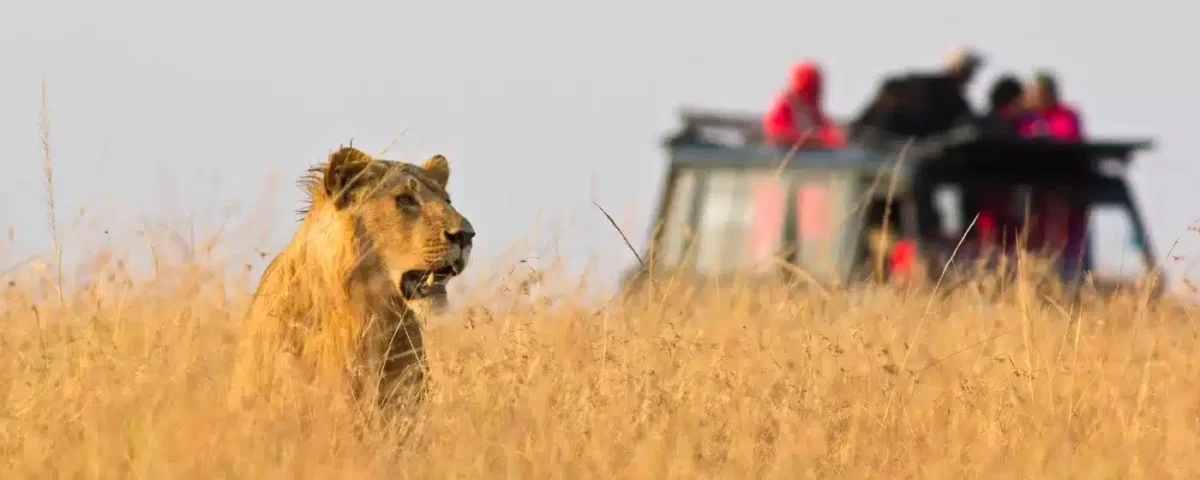
Which Tanzania Safari Is Best for Kids
Planning a safari with children can feel exciting and challenging at the same time. Parents want their children to see wild animals in their natural environment, but they also need a trip that feels safe, comfortable, educational, and enjoyable. That is why the question which Tanzania safari is best for kids matters when planning a family holiday in East Africa. Tanzania offers several safari destinations that work well for families, and the best choice depends on the children’s ages, interests, travel time, and the type of experience parents want to create.
Tanzania stands out because families can combine wildlife viewing with beautiful landscapes, cultural experiences, and educational activities. Children can watch elephants walking across open plains, see giraffes feeding near acacia trees, observe lions resting in the shade, and learn how different animals survive in the wild. These experiences can turn a family holiday into a practical lesson about nature and conservation.
However, parents should not choose a safari simply because a park has famous wildlife. Travel distances, game drive schedules, accommodation, weather, and children’s energy levels all matter. A well planned family safari creates a comfortable rhythm between wildlife viewing, rest, meals, and other activities.
For most families, destinations such as Tarangire National Park, Lake Manyara National Park, and the Ngorongoro Conservation Area provide excellent starting points. Families with older children or more time can also include Serengeti National Park.
Understanding which Tanzania safari is best for kids helps parents choose an itinerary that balances adventure, education, safety, comfort, and memorable family time.
Combined Uganda, Kenya, Rwanda and Tanzania Safaris
17 days Kenya Tanzania and Uganda safari
19 Days Uganda Kenya and Tanzania Safari
16 Days Kenya Tanzania and Uganda Safari
14 Days Kenya Uganda and Tanzania Safari
14 Days Kenya Uganda and Rwanda Safari
12 Day Gorilla Trekking and Tanzania Safari
Which Tanzania Safari Is Best for Kids?
The best Tanzania safari for kids depends on their age and your family’s travel preferences. However, several destinations consistently work well because they offer diverse wildlife, beautiful scenery, manageable itineraries, and engaging experiences.
Tarangire National Park makes an excellent choice for many families. The park has large elephant herds, giraffes, zebras, buffaloes, wildebeests, monkeys, and many bird species. Its landscape also includes enormous baobab trees, which create an exciting setting for children to explore through the windows of a safari vehicle.
Lake Manyara National Park offers another family friendly option. The park combines woodland, grassland, wetlands, and lake scenery. Children can see elephants, giraffes, zebras, hippos, monkeys, and numerous birds during game drives. Its relatively compact size can also make it suitable for families who prefer shorter safari itineraries.
The Ngorongoro Conservation Area provides an especially rewarding wildlife experience. The crater contains a rich concentration of animals within a dramatic volcanic landscape. Children may see lions, zebras, wildebeests, buffaloes, hippos, and other wildlife during a single game drive.
Serengeti National Park can provide an unforgettable adventure for older children. Its vast plains support remarkable wildlife populations, including lions, cheetahs, elephants, giraffes, zebras, and wildebeests.
For many families, a combination of Tarangire, Ngorongoro, and Lake Manyara offers an excellent balance between wildlife, travel time, and comfort. Families with older children can then add Serengeti for a longer and more adventurous safari.
Why Tanzania Is a Great Safari Destination for Children
Tanzania offers children something that few classroom lessons can match: the opportunity to observe wildlife living in its natural habitat. Instead of seeing animals only in books or on screens, children can watch elephants interact, giraffes move across the savannah, monkeys search for food, and lions rest after a busy period of activity.
This direct experience can make children more curious about nature. During game drives, an experienced guide can explain animal behaviour, food chains, habitats, migration, and conservation in simple language. As a result, children can learn while enjoying the adventure.
Tanzania also provides excellent variety. Families can explore open grasslands, forests, wetlands, lakes, volcanic landscapes, and wildlife rich plains during one trip. This variety keeps the experience interesting, particularly for children who may become tired during long periods of driving.
Another advantage involves the flexibility of safari planning. Families can choose short itineraries for younger children or longer journeys for teenagers who enjoy photography, bird watching, wildlife tracking, and nature.
Tanzania also offers different accommodation styles. Families can select budget lodges, comfortable tented camps, family rooms, or higher end properties depending on their budget and expectations. Choosing the right accommodation can make a major difference after a long day outdoors.
Furthermore, safari guides can adjust the experience according to the family’s needs. They can explain wildlife in engaging ways, identify interesting animals, and help families understand how to behave around wild animals.
With thoughtful planning, Tanzania transforms a traditional holiday into an exciting outdoor classroom where children can develop a deeper appreciation for wildlife and conservation.
Best Safari Parks for Families With Kids
Tanzania has many national parks, but families do not need to visit all of them. Choosing two or three suitable destinations often creates a better experience than rushing between too many parks. The best family route should provide strong wildlife viewing while keeping travel time manageable.
Tarangire National Park is one of the strongest choices for families. Elephants are a major attraction, and children often enjoy seeing these huge animals moving across the landscape. The park also offers giraffes, zebras, buffaloes, wildebeests, antelopes, monkeys, and colorful birds. The distinctive baobab trees add another memorable feature.
Lake Manyara National Park works well for shorter family safaris. The park offers a mix of forest, grassland, wetlands, and lake habitats. Families can encounter elephants, hippos, giraffes, zebras, monkeys, and many bird species. Its scenery also creates variety during game drives.
Ngorongoro Conservation Area deserves a place on many family itineraries. The Ngorongoro Crater provides a concentrated wildlife experience, which can be helpful for children because families may see many different animals without spending the entire day driving long distances across a huge park. The crater scenery also adds a dramatic element to the adventure.
Serengeti National Park provides a larger and more immersive experience. Older children and teenagers may particularly enjoy its vast plains, predators, and seasonal wildlife movements. However, families should plan the journey carefully because reaching the Serengeti can involve longer travel times.
For younger children, Tarangire, Lake Manyara, and Ngorongoro can create a comfortable first safari. For older children, adding Serengeti can make the journey even more exciting.
Best Safari Activities for Kids in Tanzania
Game drives form the heart of a Tanzania safari, but families can add other activities that make the experience even more engaging for children. Variety helps maintain children’s interest and gives them different ways to understand Tanzania’s natural and cultural heritage.
Wildlife game drives allow children to see animals behaving naturally. A skilled guide can turn each sighting into a learning opportunity. Instead of simply pointing out an elephant or lion, the guide can explain how the animal finds food, protects its young, communicates, and survives in its environment.
Bird watching can also become an enjoyable activity for older children. Tanzania has an impressive range of bird species, and children can turn sightings into a simple wildlife challenge by keeping a list of birds they see during the journey.
Some family itineraries include guided nature walks in suitable areas. These activities allow children to observe smaller details such as insects, plants, tracks, and animal signs that they may miss during a vehicle based game drive. However, families should always follow local safety rules and use qualified guides.
Cultural experiences can provide another meaningful dimension. Depending on the itinerary, families may visit local communities, learn about traditional crafts, or discover how people live alongside wildlife. These encounters help children understand that conservation also involves people and communities.
Older children may also enjoy photography. Giving a child a simple camera or allowing them to use a phone responsibly can encourage careful observation and patience.
The best family safari mixes wildlife drives with rest, learning, photography, nature, and cultural experiences. This approach keeps children engaged while helping them understand why Tanzania’s natural heritage deserves protection.
How Long Should a Tanzania Safari With Kids Be?
The ideal length of a Tanzania safari with kids depends on their age, interests, energy levels, and previous travel experience. In general, families often enjoy a three to five day safari because this provides enough time to explore several wildlife areas without making the journey feel too tiring. However, older children and teenagers may enjoy longer trips, especially when the itinerary includes the Serengeti.
For families with younger children, a shorter itinerary can work particularly well. A three day safari covering Tarangire National Park, Ngorongoro Conservation Area, and another nearby destination can provide plenty of wildlife experiences without excessive driving. Children can enjoy game drives while still having enough time to rest between activities.
Families traveling with teenagers may choose four to seven days. A longer itinerary can include Serengeti National Park and provide more time for wildlife photography, bird watching, and extended game drives. Teenagers often appreciate the extra time because they can explore different landscapes and observe predator behaviour.
Parents should also avoid planning every day from early morning until late afternoon. Children need breaks, meals, sleep, and quiet time. A good safari operator can create a flexible schedule that balances wildlife viewing with relaxation.
The number of parks also matters. Visiting fewer destinations and spending more time in each one can create a better experience than constantly packing, unpacking, and traveling.
Ultimately, the best family safari length allows children to enjoy wildlife without becoming overwhelmed by long drives. A thoughtful itinerary creates a comfortable rhythm where adventure and rest work together.
Best Family Friendly Accommodations
Accommodation can strongly influence how children experience a Tanzania safari. After several hours in a safari vehicle, children need a clean, comfortable, and safe place where they can relax, eat, sleep, and recharge. Therefore, parents should consider more than price when selecting family friendly accommodation.
Family rooms can provide extra convenience because parents and children can stay close together. Some properties also offer connecting rooms or additional beds. Before booking, confirm the exact sleeping arrangements so that the accommodation matches your family’s needs.
Location also deserves attention. Accommodation near a national park or along the safari route can reduce unnecessary driving. This gives children more time to enjoy wildlife and less time sitting in a vehicle between destinations.
Meals can also affect the family experience. Children may prefer familiar foods, while some may have allergies or dietary restrictions. Parents should discuss these needs with the safari operator and accommodation provider before arrival. Good communication makes mealtimes easier and more comfortable.
Budget lodges and family friendly tented camps can offer excellent value. Families do not need a luxury property to enjoy an authentic safari. Comfortable beds, clean bathrooms, good meals, reliable service, and suitable family arrangements often matter more than expensive extras.
Parents should also check safety features. Ask about swimming pools, balconies, camp boundaries, nighttime movement, and wildlife procedures. Children should always follow staff instructions, especially in unfenced areas where wild animals may move nearby.
The best accommodation supports the safari rather than distracting from it. A comfortable family base allows everyone to rest properly and return to the next game drive feeling refreshed.
Safety Tips for Children these Experience
Safety remains essential when traveling with children in Tanzania’s wildlife areas. A safari can provide an incredible adventure, but families must remember that wild animals behave differently from animals in zoos or domestic settings. Parents and children should follow their guide’s instructions at all times.
The first rule involves staying inside the safari vehicle unless the guide gives permission to leave. Children should never approach wildlife, chase animals, shout at animals, or attempt to attract their attention. Maintaining a respectful distance protects both people and wildlife.
Parents should also supervise children around lodges and camps. Some safari accommodation operates in natural environments where elephants, monkeys, buffaloes, or other animals may move nearby. Staff members can explain how guests should walk around the property, particularly after dark.
Children should remain quiet during wildlife viewing. Keeping voices low allows families to observe animals more naturally and improves the chances of seeing interesting behaviour. It also teaches children the importance of respecting nature.
Sun protection matters as well. Parents should pack hats, sunscreen, sunglasses, comfortable clothing, and suitable footwear. Children should drink enough water throughout the day, particularly during warm weather.
Families should also carry necessary medication and discuss any important dietary or health requirements with their safari operator before traveling. Parents should follow current professional travel health advice when preparing for Tanzania.
Finally, choose a safari company with experienced guides and reliable vehicles. A knowledgeable guide understands wildlife behavior, park rules, safe viewing practices, and appropriate routes.
When families combine professional guidance with sensible behavior, they can enjoy Tanzania’s remarkable wildlife while keeping children safe and comfortable throughout the journey.
How to Plan an Affordable Tanzania Safari With Kids
Planning ahead can help families enjoy a memorable Tanzania safari without spending more than necessary. The most important step involves creating a realistic budget before choosing the itinerary. Consider accommodation, transportation, park fees, meals, flights, travel insurance, activities, and personal expenses.
Next, choose destinations based on your family’s priorities. Families do not need to visit every famous national park. Tarangire, Lake Manyara, and Ngorongoro can provide a rich wildlife experience within a relatively compact itinerary. Families with older children and more time can add Serengeti.
Traveling during less busy periods may also help reduce accommodation costs. However, parents should consider weather, wildlife conditions, school holidays, and their children’s comfort before selecting travel dates.
Shared safaris can lower transportation costs because several travelers share the vehicle and guide expenses. However, families with very young children may prefer private vehicles because they provide more flexibility around meal times, rest periods, and departure schedules.
Accommodation also provides opportunities to control costs. Comfortable budget lodges and family friendly tented camps can deliver the essentials without the higher price of luxury properties.
Parents should compare complete safari packages rather than focusing only on the advertised price. Check whether the package includes accommodation, meals, transportation, game drives, guide services, park fees, and transfers. This approach makes it easier to understand the actual value of each offer.
Giant Holiday Safaris can help families create practical itineraries that balance cost, comfort, wildlife viewing, and the needs of children. A well planned route can reduce unnecessary driving while keeping the most important safari experiences at the center of the trip.
Above all, spend money on experiences that your family will remember. Watching elephants together, learning about wildlife from a guide, and exploring Tanzania’s natural landscapes can create far more lasting value than unnecessary luxury.
Which Tanzania Safari Is Best for Kids?
So, which Tanzania safari is best for kids? The answer depends on the children’s ages, interests, energy levels, budget, and the amount of time available. However, Tanzania provides several excellent options for families who want to combine wildlife, education, adventure, and comfort.
For families with younger children, Tarangire National Park, Lake Manyara National Park, and the Ngorongoro Conservation Area can provide an excellent introduction to safari life. These destinations offer diverse wildlife and beautiful landscapes while allowing families to create shorter and more manageable itineraries.
For older children and teenagers, adding Serengeti National Park can create a deeper safari experience. The vast plains, predators, elephants, giraffes, zebras, and wildebeests can give young travelers a stronger understanding of Africa’s natural ecosystems. Longer itineraries can also allow teenagers to enjoy photography, bird watching, and other educational activities.
The best family safari also considers what happens between game drives. Comfortable accommodation, suitable meals, rest periods, safe activities, and reasonable travel times all contribute to a successful trip.
Parents should also choose an experienced safari operator that understands family travel. A good operator can adjust the pace, recommend suitable accommodation, organize reliable transportation, and help parents prepare children for their first wildlife adventure.
Ultimately, which Tanzania safari is best for kids comes down to finding the right balance between wildlife, comfort, safety, education, and fun. Tanzania gives families the opportunity to explore extraordinary landscapes together while helping children develop a lasting appreciation for nature, wildlife, and conservation. With thoughtful planning, the safari can become more than a holiday. It can become a shared family experience that children remember for years.