What Is Family Friendly Safari in Tanzania
July 27, 2026
What Are the Best Luxury Tented Camps in Kenya?
July 27, 2026
Can Toddlers Go on Safari
Many parents wonder, can toddlers go on safari when they begin planning a family holiday in Africa. The short answer is yes, toddlers can enjoy a safari, but families need to plan the experience carefully. A safari with a young child looks different from a safari with adults or older children. Toddlers need regular rest, familiar routines, comfortable accommodation, and plenty of patience. Therefore, parents should choose a destination and itinerary that match the child’s age and personality rather than trying to copy an adult focused safari schedule.
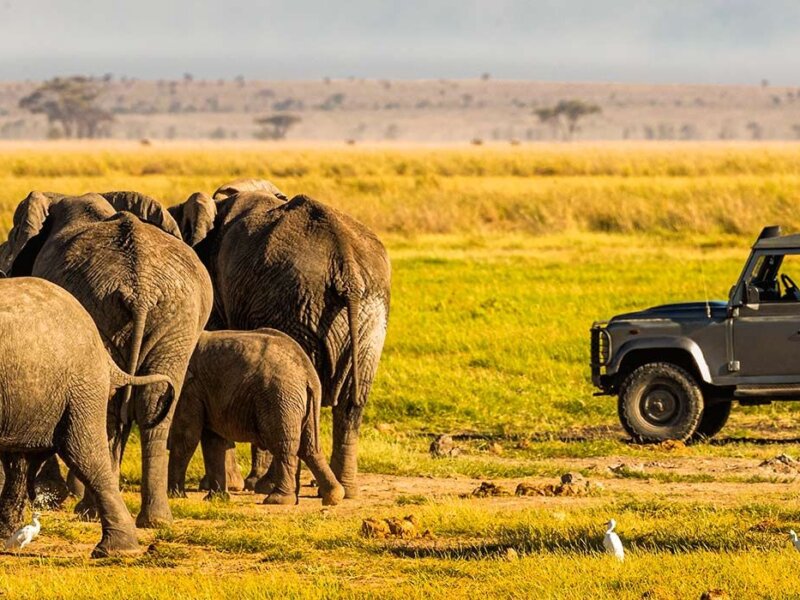
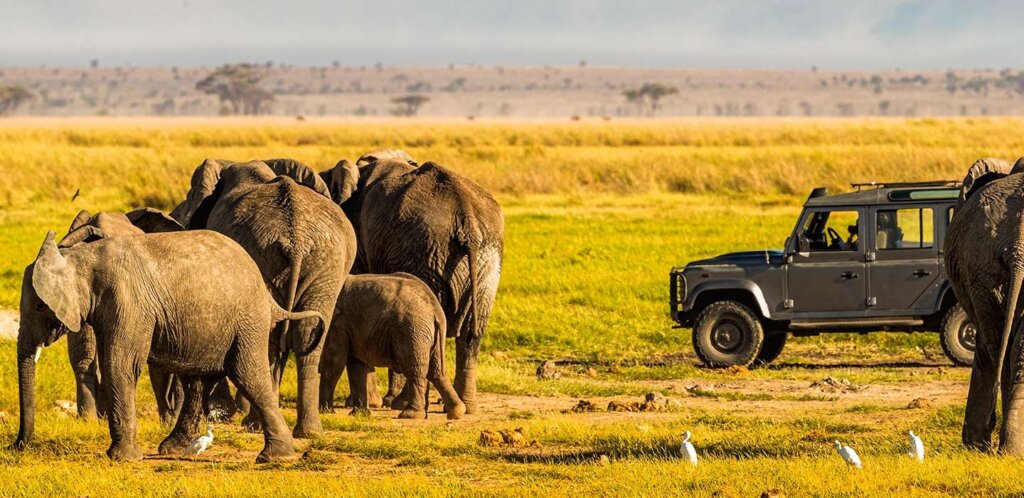
Tanzania offers wonderful opportunities for families who want to introduce young children to wildlife. A toddler may not understand every detail about conservation, but they can still enjoy seeing elephants, giraffes, zebras, lions, and other animals in their natural environment. Even simple moments, such as watching a herd move across the plains or hearing birds in the morning, can become meaningful family memories.
However, preparation makes a major difference. Parents should consider travel time, health needs, accommodation, weather, safety, and the length of game drives. They should also work with an experienced safari company that understands family travel.
When parents build a relaxed itinerary and choose suitable accommodation, can toddlers go on safari becomes a question with a reassuring answer. With thoughtful planning, a safari can introduce a young child to Africa while allowing the entire family to enjoy a comfortable and memorable adventure.
Combined Uganda, Kenya, Rwanda and Tanzania Safaris
17 days Kenya Tanzania and Uganda safari
19 Days Uganda Kenya and Tanzania Safari
16 Days Kenya Tanzania and Uganda Safari
14 Days Kenya Uganda and Tanzania Safari
14 Days Kenya Uganda and Rwanda Safari
12 Day Gorilla Trekking and Tanzania Safari
Can Toddlers Really Enjoy a Safari Experience?
Toddlers can enjoy a safari, although they may experience it differently from adults. Young children often respond to the sights, sounds, and excitement around them rather than focusing on the larger meaning of the trip.
A toddler may become fascinated by an elephant walking near the vehicle, a giraffe stretching its neck toward a tree, or a group of zebras moving through the grass. These simple encounters can create a sense of wonder.
Parents should remember that toddlers have short attention spans. They may enjoy watching animals for a few minutes and then suddenly want to sleep, eat, or play. This behavior is completely normal.
Therefore, parents should avoid planning every day around long game drives. A flexible schedule gives children time to rest between activities.
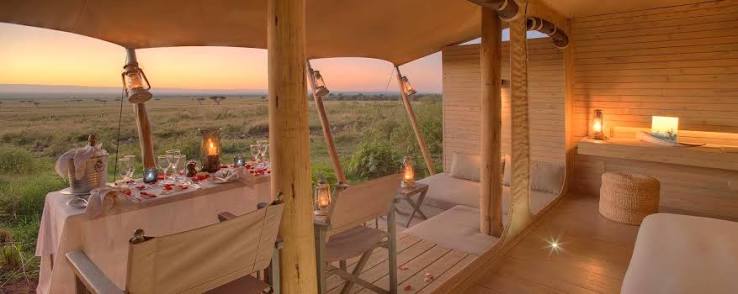
Accommodation also plays an important role. A comfortable lodge or family friendly camp can give toddlers a safe place to relax after exploring.
Parents can also prepare children before the trip by introducing them to African animals through age appropriate books and stories. This preparation can make real wildlife encounters even more exciting.
Ultimately, toddlers do not need to understand every aspect of safari to enjoy it. They simply need opportunities to explore at their own pace. When parents keep expectations realistic, a safari can become a wonderful early travel experience.
What Is the Best Age for a Toddler Safari?
There is no single perfect age for taking a toddler on safari. Some children adapt well to travel at a young age, while others need more time to adjust to new places.
Parents should consider their child’s health, sleep routine, personality, and previous travel experience. A toddler who already handles long car journeys may find safari travel easier than a child who struggles with extended time in a vehicle.
The child’s ability to follow basic safety instructions also matters. Toddlers need constant supervision around wildlife and in outdoor environments.
Parents should also check the age policies of their chosen accommodation. Some safari camps have minimum age requirements because they operate in unfenced wilderness areas.
Before booking, families should explain their child’s exact age to the safari company. This information allows the operator to recommend suitable properties and activities.
Travel timing can also affect the experience. Families may prefer a season with comfortable weather and good road conditions.
Instead of asking only whether a toddler is old enough, parents should ask whether the entire safari plan suits the child.
A well designed safari can work for toddlers when the itinerary includes enough rest and avoids unnecessary travel. The goal should not involve seeing everything. Instead, the goal should focus on enjoying a few meaningful experiences together.
Which Tanzania Safari Parks Are Best for Toddlers?
Choosing the right park can make a major difference when traveling with a toddler. Families should generally prioritize destinations that fit naturally into a comfortable route and avoid excessive driving.
Tarangire National Park can work well for families because of its impressive landscapes and wildlife. Elephants, giraffes, zebras, and other animals can provide exciting viewing opportunities.
Lake Manyara National Park offers another option. Its varied scenery includes forests, wetlands, and open areas, giving families different environments to explore.
The Ngorongoro Conservation Area can also provide a memorable experience because the crater offers concentrated wildlife viewing and dramatic scenery.
Families may also visit the Serengeti, especially when it forms an important part of their dream safari. However, parents should consider the distance involved and choose accommodation carefully.
The best destination for a toddler is not necessarily the park with the largest number of animals. Instead, families should focus on travel time, accommodation, road conditions, and the overall pace.
Parents can also combine two or three destinations rather than trying to visit every major park.
A professional safari planner can help families create a route that reduces unnecessary driving.
For toddlers, a comfortable itinerary often provides a better experience than an ambitious one. A few well chosen parks can offer plenty of wildlife and adventure without exhausting the youngest member of the family.
How Long Should a Safari With a Toddler Last?
The ideal length of a safari with a toddler depends on the family’s travel experience and the child’s personality. However, parents should avoid assuming that a longer trip automatically creates a better experience.
A safari lasting several days can give families enough time to settle into a routine. However, moving between destinations too often can make the trip tiring.
For many families, spending several nights in one location can work better than changing accommodation every night. Toddlers often feel more comfortable when they have time to become familiar with their surroundings.
Parents should also build rest days or relaxed afternoons into the itinerary. A toddler may enjoy a morning game drive followed by a quiet afternoon at the lodge.
Families should consider the total journey from home to Tanzania as well. International flights, airport transfers, and road travel can add to the child’s fatigue.
A well paced itinerary gives everyone time to recover.
Parents should also remember that toddlers may not follow the schedule perfectly. A child may sleep through a game drive or decide to stay at the lodge instead of joining an activity.
Flexibility remains one of the most important parts of family travel.
The ideal safari length allows parents to experience Tanzania without placing unnecessary pressure on the child. Families should focus on quality moments rather than trying to maximize the number of parks they visit.
Are Long Game Drives Safe and Comfortable for Toddlers?
Long game drives can challenge toddlers because young children often struggle to sit still for several hours. Therefore, families should think carefully about the length and timing of each drive.
Parents can often improve the experience by choosing shorter drives and returning to the lodge before the child becomes overly tired.
A private safari vehicle can provide greater flexibility. Families can decide when to leave, when to return, and how long to stay at a wildlife sighting.
Shared safaris may follow fixed schedules, which can make them less flexible for families with very young children.
Parents should also ask about the road conditions in their chosen destination. Some safari roads can become rough, particularly during rainy periods.
Comfort matters as well. Families should choose a reliable safari vehicle with enough space for everyone.
Parents should bring suitable snacks and water according to the safari operator’s rules. They should also carry familiar items that help the toddler remain comfortable.
However, parents should never allow a toddler to leave the vehicle near wildlife without clear permission from the guide.
The guide should explain safety procedures and help the family understand how to behave around animals.
A safari with a toddler does not need to involve long drives every day. Shorter, flexible outings often create a more enjoyable experience for both children and parents.
What Should Toddlers Wear on Safari?
Toddlers need comfortable clothing that protects them from changing weather and outdoor conditions. Parents should pack practical clothes rather than focusing on fashion.
Early mornings can feel cool, while afternoons may become warm. Therefore, parents should dress toddlers in layers that they can remove or add as temperatures change.
A lightweight jacket can help during early morning game drives. Comfortable trousers and breathable shirts can work well during warmer periods.
Closed shoes provide protection when toddlers walk around lodges or participate in suitable activities.
Parents should also pack hats to protect children from direct sunlight. Sunscreen remains important as well.
Families should ask their safari company about expected weather conditions during their travel period. Rain can also affect road conditions and daily activities.
Insect protection deserves attention. Parents should consult qualified health professionals about suitable products and preventive measures for young children before traveling.
Parents should also pack extra clothes because toddlers often become dirty during outdoor adventures.
Comfort remains the priority. A toddler who feels too hot, cold, or uncomfortable may struggle to enjoy the safari.
By preparing suitable clothing and practical essentials, parents can help their children remain comfortable throughout the journey.
Is Safari Accommodation Safe for Toddlers?
Safari accommodation varies greatly, so families should choose carefully when traveling with toddlers. Some properties welcome young children, while others apply minimum age restrictions.
Parents should ask whether the accommodation has family rooms or suitable sleeping arrangements. They should also confirm whether children can share rooms with adults.
Safety around wildlife remains especially important. Some camps operate without fences, allowing wild animals to move through the surrounding area.
In these locations, staff may escort guests between tents after dark. Parents must follow these procedures and supervise toddlers closely.
Families should also ask whether the property has electricity, hot water, and suitable bathroom facilities.
Swimming pools can provide enjoyable downtime, but parents must supervise toddlers closely around water.
Meal arrangements also matter. Families should check whether the property can prepare simple meals suitable for young children.
Parents may also want to bring familiar snacks, depending on travel rules and the safari operator’s guidance.
Giant Holiday Safaris can help families compare accommodation options based on the child’s age, safety needs, preferred comfort level, and budget.
The right accommodation can make a safari much easier for parents. A comfortable family friendly property gives toddlers a place to rest and allows adults to recharge between adventures.
What Health Preparations Should Parents Make Before a Toddler Safari?
Health preparation deserves careful attention when traveling with a toddler. Parents should speak with a qualified healthcare professional well before departure.
A medical professional can provide advice based on the child’s age, health history, and travel destination. Families should discuss vaccinations, malaria prevention, food safety, and other relevant travel health concerns.
Parents should also carry any regular medications their child needs and keep them accessible during the journey.
Travel insurance provides another important layer of protection. Families should choose coverage that considers medical treatment and emergency evacuation where appropriate.
Parents should also prepare for common travel challenges such as changes in sleep patterns, unfamiliar food, and long journeys.
Safe drinking water remains important. Families should follow guidance from their safari operator and accommodation provider.
Parents should also carry basic child care supplies, including familiar hygiene products and any items the toddler needs regularly.
However, families should avoid self diagnosing health problems while traveling. If a child becomes unwell, parents should seek professional medical assistance.
Good preparation does not remove every risk, but it helps families respond calmly when unexpected situations occur.
When parents prepare carefully and seek professional health advice before departure, they can travel with greater confidence and focus on enjoying their safari.
How Much Does a Safari With a Toddler Cost?
The cost of a safari with a toddler depends on several factors, including the safari length, accommodation, transportation, park fees, travel dates, and the child’s age.
Some lodges and camps offer different rates for children, while others may apply specific age based policies. Parents should confirm these details before making a booking.
Private safaris generally cost more because the family receives exclusive use of the vehicle and greater flexibility.
However, private travel can offer better value for families who need to adjust the schedule around a toddler’s needs.
Parents should request a clear quotation that explains the major expenses. They should understand accommodation, transportation, meals, park fees, guiding, and other services.
They should also ask about possible additional expenses such as tips, drinks, visas, travel insurance, and airport transfers.
A transparent safari company should explain the total cost clearly.
Families should avoid choosing the cheapest option without checking what the package includes. A low price may not provide the comfort, flexibility, or safety features that families with toddlers need.
The best value comes from balancing cost with quality.
A well planned safari can provide an exceptional family experience without requiring unnecessary luxury. Families simply need to choose an itinerary that matches their budget and priorities.
How Can Parents Prepare Toddlers for Their First Safari?
Preparation can help toddlers feel more comfortable during their first safari. Parents should introduce the idea gradually rather than expecting the child to understand everything immediately.
Parents can show toddlers pictures of African animals and read simple wildlife books together.
They can also explain what the safari vehicle looks like and what children might see during the journey.
Families should prepare toddlers for the possibility of waking up early and spending time in a vehicle.
However, parents should avoid making unrealistic promises. Wildlife sightings depend on nature, and children may not see every animal they expect.
Parents should also pack familiar comfort items. A favorite toy, blanket, or book can help a toddler feel secure in a new environment.
Keeping regular meal and sleep routines where possible can also help.
Parents should remain flexible. Travel rarely follows a perfect schedule, especially with young children.
The goal involves helping the child feel safe and curious.
When toddlers feel comfortable, they can enjoy the new sights and sounds around them.
A little preparation before departure can make the transition easier and help the entire family enjoy the safari experience.
What Should Families Consider When Choosing a Safari Company?
Choosing the right safari company becomes especially important when traveling with toddlers. Parents need an operator that understands the unique needs of young families.
The company should ask about the child’s age, health considerations, travel experience, and preferred pace.
A knowledgeable operator should recommend suitable parks and accommodation rather than simply offering a standard itinerary.
The company should also explain travel distances clearly. Parents need to understand how long they will spend in vehicles and how often they will change accommodation.
Safety communication matters as well. The operator should explain wildlife rules and accommodation policies.
Parents should also ask about the guide. A patient and experienced guide can make a major difference when traveling with a toddler.
Transparent pricing provides another sign of professionalism. The company should explain what the package includes and identify additional expenses.
Responsible tourism also matters. Families can choose companies that respect wildlife and support conservation and local communities.
Giant Holiday Safaris can help families explore safari options based on their children’s needs and preferred travel style.
The right company should work as a planning partner. Instead of simply selling a package, it should help parents understand the journey and prepare for the realities of traveling with a young child.
Making Your Toddler’s First Safari a Positive Experience
So, can toddlers go on safari? Yes, they can, and many families can enjoy a wonderful African adventure with a young child when they plan carefully. Tanzania offers incredible wildlife destinations where families can introduce toddlers to elephants, giraffes, zebras, lions, birds, and beautiful landscapes.
However, parents should remember that toddlers need a different safari experience from adults. They need shorter and flexible activities, comfortable accommodation, regular rest, and close supervision. Families should also choose destinations that limit unnecessary travel and work with an experienced safari company that understands the practical needs of young children.
A private safari can provide valuable flexibility, while carefully selected accommodation can make the family feel more comfortable. Health preparation, suitable clothing, travel insurance, and clear safety rules also deserve attention.
Most importantly, parents should keep expectations realistic. A toddler may sleep through a wildlife sighting, become bored during a game drive, or suddenly want to return to the lodge. These moments form part of family travel.
The best safari does not involve forcing a toddler to follow an adult schedule. Instead, it creates space for the child to explore Africa at a natural pace.
Ultimately, can toddlers go on safari depends less on age alone and more on thoughtful planning. When families choose the right destination, itinerary, accommodation, and pace, a toddler safari can become a joyful introduction to Tanzania and a special memory that parents and children treasure for years.