What Are the Best Kenya Safari Camps for Honeymooners?
July 28, 2026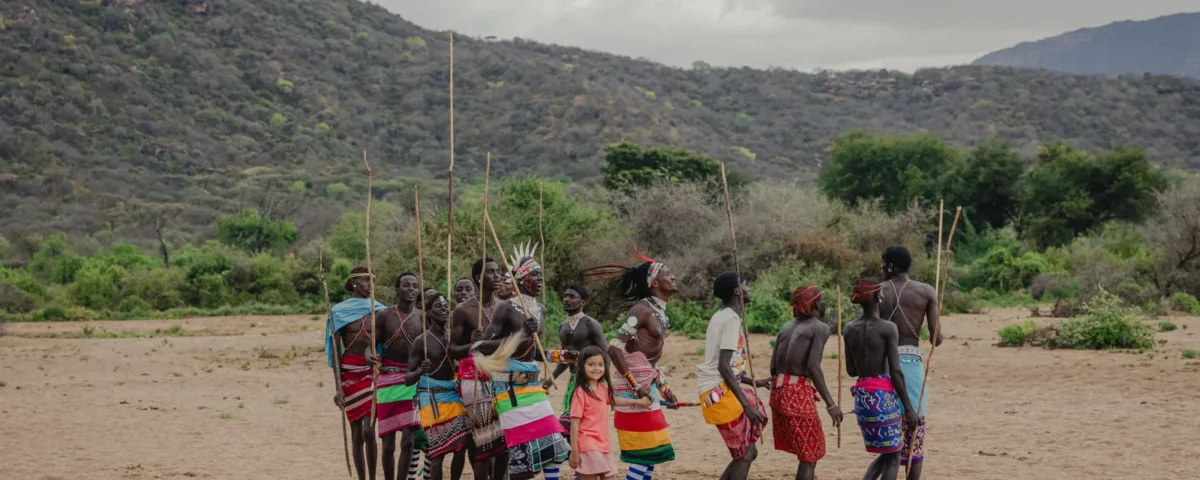
Which Tanzania Safari Has Cultural Experiences for Kids
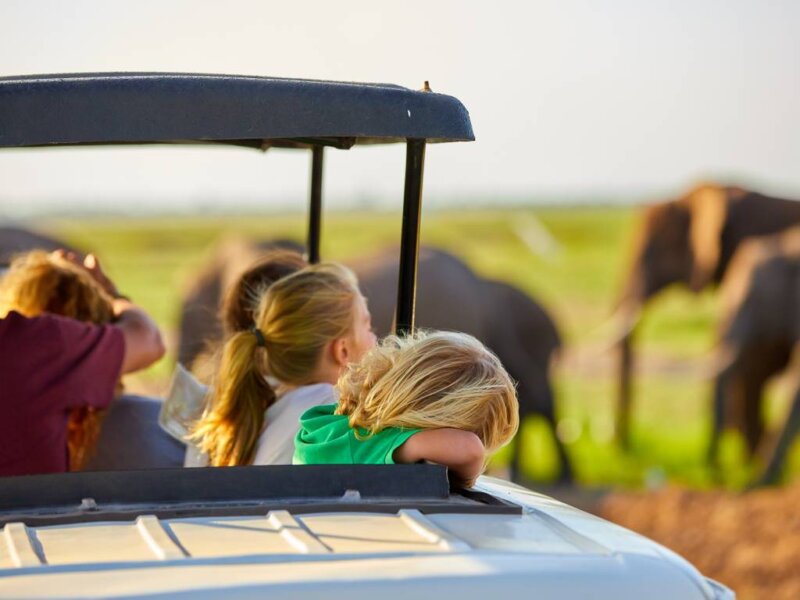
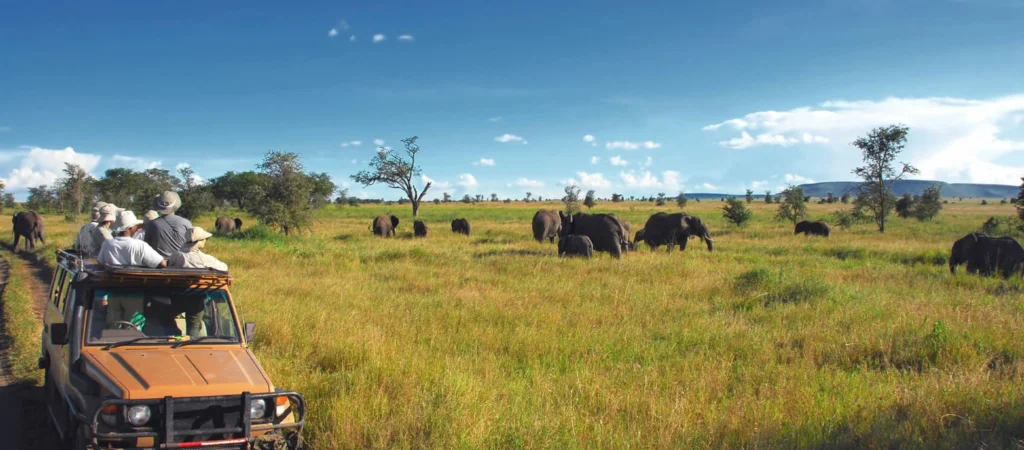
A Tanzania safari can become much more than a wildlife holiday when families include meaningful cultural experiences for kids. While seeing lions, elephants, giraffes, and zebras creates unforgettable memories, meeting local communities can help children understand the people, traditions, and ways of life that make Tanzania special. A well planned family safari can combine exciting game drives with respectful cultural visits that allow children to learn through real experiences.
Tanzania offers several safari destinations where families can add cultural activities to their travel plans. Northern Tanzania stands out because it brings together famous wildlife areas and communities with rich cultural traditions. Families can explore the Serengeti and Ngorongoro Conservation Area while also visiting local villages and learning about traditional lifestyles. In addition, areas around Lake Eyasi provide opportunities to experience cultures that differ from those found in popular safari regions.
However, cultural tourism requires thoughtful planning. Families should choose experiences that respect local communities and allow children to learn without turning people’s daily lives into entertainment. A responsible cultural visit should create genuine interaction, support local livelihoods, and encourage respect for different ways of life.
For parents, the right Tanzania safari can therefore become an educational journey as well as an adventure. Children can learn about wildlife, conservation, food, traditions, crafts, and community life while enjoying the excitement of exploring Africa. When families combine these experiences carefully, Tanzania offers an excellent opportunity to introduce children to the wider story behind the landscapes they visit.
Combined Uganda, Kenya, Rwanda and Tanzania Safaris
17 days Kenya Tanzania and Uganda safari
19 Days Uganda Kenya and Tanzania Safari
16 Days Kenya Tanzania and Uganda Safari
14 Days Kenya Uganda and Tanzania Safari
14 Days Kenya Uganda and Rwanda Safari
12 Day Gorilla Trekking and Tanzania Safari
Why Cultural Experiences Matter for Children on a Tanzania Safari
Cultural experiences can add an important dimension to a family safari because they help children see Tanzania as more than a destination filled with wildlife. When children visit a local community, they begin to understand that people live, work, raise families, and protect their environment in many different ways. This understanding can make a safari more meaningful and encourage children to appreciate cultural diversity.
For example, children may learn about traditional foods, local crafts, music, farming, or the relationship between communities and wildlife. These experiences can connect naturally with what they see during game drives. After watching animals in a national park, children can better understand the importance of conservation when they learn how nearby communities interact with protected areas.
Cultural visits can also encourage children to ask questions. They may become curious about language, clothing, homes, education, or daily routines. As a result, the safari becomes an opportunity for learning that continues beyond the vehicle.
Parents can also use these moments to teach children about respectful travel. They can explain why visitors should ask permission before taking photographs and why they should listen carefully when meeting local people.
A well planned cultural experience therefore gives children a broader view of Tanzania. Instead of seeing Africa only through wildlife encounters, they discover the people and traditions that form an important part of the country’s identity.
Which Tanzania Safari Regions Offer the Best Cultural Experiences for Kids?
Northern Tanzania offers some of the strongest combinations of wildlife and cultural experiences for families. The region includes major safari destinations such as the Serengeti, Ngorongoro Conservation Area, Tarangire National Park, and Lake Manyara National Park. Families can often combine wildlife viewing with carefully arranged community visits without creating a completely separate cultural itinerary.
The Ngorongoro area can work particularly well for families because the wider conservation landscape includes communities living alongside wildlife. A visit to a Maasai community can introduce children to traditional pastoral life and help them understand how people and wildlife share the same environment.
Lake Eyasi provides another cultural option for families who want a deeper experience. The area offers opportunities to learn about communities with distinct traditions and lifestyles. However, parents should consider the children’s ages and the length of travel involved before adding this destination.
Around Arusha, families may also find cultural activities that work well at the beginning or end of a safari. These experiences can include learning about local food, visiting craft communities, or exploring cultural heritage sites.
The best destination ultimately depends on the family’s interests and schedule. A good safari planner can create a route that balances wildlife, cultural learning, and rest. Giant Holiday Safaris can help families consider these factors when building a Tanzania itinerary that gives children both exciting wildlife encounters and meaningful cultural experiences.
Can Kids Visit Maasai Communities During a Tanzania Safari?
Children can visit Maasai communities during a Tanzania safari, and the experience can provide valuable insight into one of the region’s best known cultural traditions. However, families should choose community visits that prioritize respect, genuine interaction, and local participation.
A thoughtful visit can introduce children to aspects of Maasai life, including traditional homes, livestock keeping, crafts, and community activities. Depending on the location and arrangements, families may also have opportunities to learn about traditional dances, beadwork, or other cultural practices.
For children, the experience can feel very different from visiting a museum. They can see how people use their surroundings and adapt to the environment around them. This real world setting can help children understand that cultures develop in response to history, geography, resources, and community values.
Parents should prepare children before the visit. They can explain that the family is entering someone else’s community and should behave respectfully. Children should listen, avoid making fun of unfamiliar customs, and ask before touching objects or taking photographs.
It also helps when families choose community based experiences that provide direct benefits to local people. Supporting locally organized activities can make cultural tourism more responsible and sustainable.
With the right approach, a Maasai cultural experience can become one of the most memorable parts of a family safari, especially when children approach the visit with curiosity and respect.
Is Lake Eyasi a Good Cultural Safari Destination for Families?
Lake Eyasi can offer a fascinating cultural experience for families who want to explore a less traditional side of Tanzania. The area is known for communities with distinctive cultural traditions, including the Hadzabe and Datoga people. A visit can give older children and teenagers an opportunity to learn about lifestyles that differ greatly from their own.
The Hadzabe experience can provide insight into a traditional hunter gatherer way of life. Depending on the arrangements, visitors may learn about local knowledge of the environment, food gathering, and traditional skills. These activities can help children understand how closely some communities connect with the natural world.
The Datoga community offers another perspective, with traditions connected to pastoral life and metalworking. Children may find it interesting to see traditional skills and learn how practical knowledge passes between generations.
However, Lake Eyasi requires careful planning. The area may involve longer travel times than some family friendly safari destinations, so parents should consider whether their children can manage the journey comfortably.
The quality of the cultural experience also depends heavily on the guide and local arrangements. Families should choose responsible operators who work respectfully with communities and avoid treating cultural encounters as staged performances.
For families with curious older children, Lake Eyasi can add depth to a Tanzania safari. It offers an opportunity to learn about human adaptation, traditional knowledge, and cultural diversity in a setting far removed from everyday life.
How Can Families Combine Wildlife and Cultural Experiences?
A successful family safari does not need to choose between wildlife and culture. Instead, parents can create an itinerary that gives both experiences enough time. The key involves planning the route carefully so that children do not spend too much time traveling between destinations.
Families might begin their journey with a wildlife focused experience in Tarangire or Lake Manyara. These parks can introduce children to Tanzania’s landscapes and animals before they continue toward the Ngorongoro area.
After several game drives, a cultural experience can provide a refreshing change of pace. Children can meet local people, learn about traditional practices, or participate in an appropriate hands on activity.
The family can then continue toward the Serengeti for more extensive wildlife viewing. This approach creates variety and prevents the trip from feeling repetitive.
Parents should also schedule rest periods. Children may enjoy wildlife viewing, but long drives and early morning departures can become tiring. A relaxed itinerary gives them time to process what they have seen and learned.
The best family safari therefore creates a rhythm between adventure, education, relaxation, and discovery. Cultural activities should not feel like an extra obligation. Instead, they should connect naturally with the places families already visit.
When planned this way, children can begin to understand the relationship between Tanzania’s wildlife, landscapes, conservation efforts, and local communities.
What Cultural Activities Can Children Enjoy in Tanzania?
Children can enjoy many cultural activities during a Tanzania safari, depending on their age and interests. Some families may prefer simple activities that introduce children to local life, while others may want deeper experiences that encourage cultural learning.
Food can provide an easy and enjoyable starting point. Families may have opportunities to learn about local ingredients, traditional cooking methods, or the role of food within communities. Children often connect quickly with cultural experiences when they involve something they can taste or create.
Craft activities can also work well. Learning about beadwork, traditional art, or other local skills allows children to appreciate the time and knowledge behind handmade products.
Music and dance can create another engaging experience. However, families should choose activities that communities willingly share and that maintain cultural dignity.
Some children may enjoy visiting local schools or community projects, but these visits require special care. Families should only participate when the community welcomes visitors and the activity supports rather than disrupts local life.
Older children may also appreciate learning about conservation and the relationship between communities and wildlife. This topic can connect directly with their safari experience.
The best activities encourage children to observe, ask questions, and participate respectfully. They should leave the experience with greater curiosity rather than simply a collection of photographs.
How Do Cultural Experiences Teach Kids About Conservation?
Cultural experiences can help children understand conservation in a way that wildlife viewing alone may not achieve. When children learn about communities living near protected areas, they begin to see that conservation involves people as well as animals.
For example, families can discuss how communities depend on land for homes, livestock, farming, and other needs while conservation areas protect wildlife habitats. This can help children understand why responsible tourism and community involvement matter.
Children can also learn that wildlife creates both opportunities and challenges for communities. Tourism can support local employment and conservation programs, but human wildlife interactions can sometimes create difficulties for people living near protected areas.
These conversations help children develop a more balanced understanding of Africa. Instead of viewing conservation as a simple story about saving animals, they begin to understand the importance of cooperation between communities, governments, conservation organizations, and tourism businesses.
Parents can reinforce these lessons by choosing responsible safari operators and community experiences. They can explain how tourism spending can support local businesses and why visitors should respect local customs.
A cultural safari experience can therefore become an introduction to sustainable tourism. Children learn that their travel choices have consequences and that responsible visitors can contribute positively to the places they explore.
This lesson can stay with them long after the safari ends, shaping how they think about travel and the natural world making a good point that Tanzania safari has cultural experiences for kids.
What Age Is Best for Cultural Experiences on a Tanzania Safari?
There is no single perfect age for cultural experiences in Tanzania because children develop different interests at different stages. However, parents can choose activities based on their children’s ability to understand and engage with the experience.
Younger children often enjoy activities that involve movement, food, music, crafts, or simple demonstrations. These experiences allow them to learn through direct participation rather than long explanations.
Older children may become more interested in history, traditions, conservation, and the differences between cultures. They can ask deeper questions and connect what they learn with subjects they encounter at school.
Teenagers can often appreciate more detailed cultural experiences. They may enjoy learning about traditional knowledge, community conservation, livelihoods, and the challenges that people face in areas where wildlife and human settlements exist close together.
Parents should also consider the length of the activity. Younger children may lose interest during long discussions, while older children may welcome more detailed conversations.
The guide plays an important role as well. A skilled guide can adjust explanations to match the children’s ages and interests, making the experience engaging without overwhelming them.
Ultimately, cultural experiences work best when parents choose activities that match their children’s personalities. The goal should not involve forcing children to learn. Instead, families should create opportunities for curiosity, conversation, and discovery.
How Can Families Choose Responsible Cultural Experiences?
Responsible cultural tourism begins with choosing experiences that respect local communities. Families should look for operators that work directly with communities and provide clear information about how tourism benefits local people.
Parents should also consider whether an experience feels natural or overly staged. Cultural tourism does not need to recreate everyday life for visitors. Instead, families can choose activities where communities willingly share selected aspects of their traditions.
Photography requires particular attention. Children should learn to ask permission before taking photographs of people. This simple habit teaches respect and helps families avoid treating cultural experiences as opportunities for unrestricted photography.
Families should also support local businesses where appropriate. Buying handmade crafts directly from local artisans can provide meaningful economic benefits when the transaction remains fair and transparent.
Guides should explain cultural practices accurately and avoid stereotypes. A good guide helps families understand that no community represents one single way of life. People adapt, change, and make individual choices just like people everywhere else.
Parents can also encourage children to compare cultures without judging them. Different does not mean better or worse.
Giant Holiday Safaris can help families look for cultural experiences that fit their interests while keeping responsible tourism principles in mind. Choosing carefully allows families to enjoy meaningful encounters while contributing positively to the communities they visit.
Planning a Tanzania Safari That Kids Will Remember
So, which Tanzania safari has cultural experiences for kids? The answer depends on the family’s interests, children’s ages, travel dates, and preferred safari route. However, northern Tanzania offers some of the strongest opportunities to combine exciting wildlife viewing with meaningful cultural experiences.
Families can explore the Serengeti, Ngorongoro Conservation Area, Tarangire, and Lake Manyara while adding carefully planned community visits. A Maasai cultural experience can introduce children to traditional pastoral life, while Lake Eyasi can provide deeper insight into the traditions of communities such as the Hadzabe and Datoga.
The best family safari does not rush from one activity to another. Instead, it creates enough space for children to rest, ask questions, explore, and enjoy each destination. Parents should also choose cultural experiences that respect local communities and provide genuine value rather than focusing only on entertainment.
When families plan thoughtfully, children can return home with more than memories of lions and elephants. They can understand that Tanzania’s story includes wildlife, landscapes, people, traditions, conservation, and community life.
Ultimately, the question of which Tanzania safari has cultural experiences for kids leads to a wider idea about family travel. A meaningful safari can help children become curious, respectful, and more aware of the world around them. By combining wildlife adventures with authentic cultural learning, families can create a Tanzania journey that remains memorable long after they leave Africa.