What Cultural Experiences Can You Enjoy in Kenya?
July 28, 2026
Are Family Safaris Expensive in Tanzania
July 28, 2026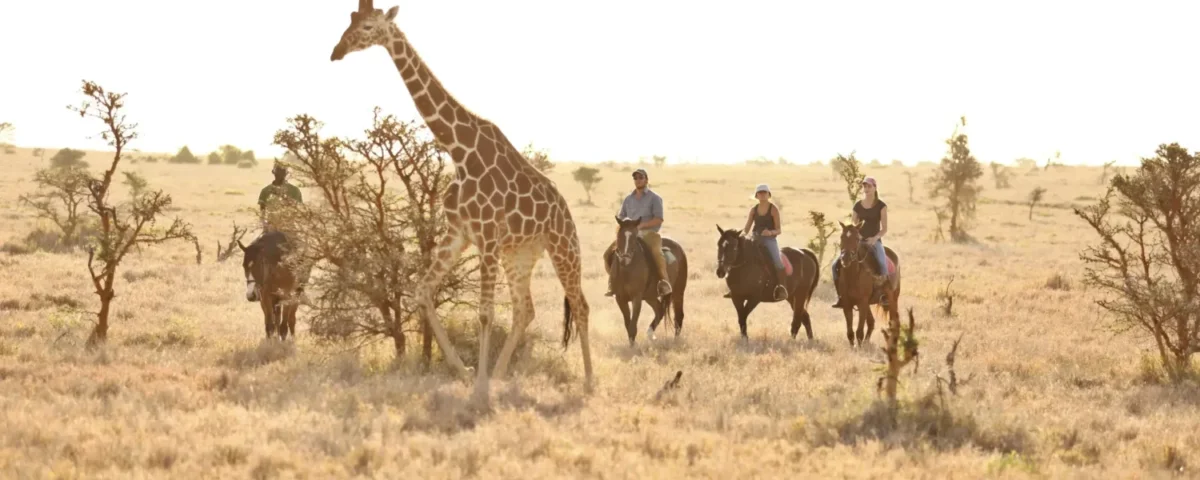
What Is the Best Safari for Teenagers
Choosing the best safari for teenagers requires more thought than simply picking a destination with many wild animals. Teenagers often want adventure, independence, exciting experiences, and opportunities to learn something meaningful. Therefore, the right safari should offer a balance between wildlife viewing, outdoor activities, cultural experiences, photography, conservation, and comfortable accommodation. Tanzania stands out as one of the best destinations for this type of family adventure because it provides a wide range of experiences that can keep teenagers interested throughout the journey.
A safari through Tanzania can introduce teenagers to the dramatic landscapes of the Serengeti, the wildlife rich Ngorongoro Conservation Area, the elephant filled plains of Tarangire, and the beautiful surroundings of Lake Manyara. However, the experience becomes even more rewarding when families include activities beyond traditional game drives. Depending on the itinerary, teenagers can learn about conservation, visit local communities, enjoy nature walks, explore cultural traditions, and develop a deeper appreciation for the environment.
The best safari for teenagers should also recognize that young travelers have different interests from younger children. While toddlers may need short activities and plenty of rest, teenagers can often handle longer game drives and more active experiences. They may also enjoy learning about photography, wildlife behavior, geography, and conservation from experienced guides.
For families planning a memorable African adventure, Giant Holiday Safaris can help create a balanced Tanzania itinerary that gives teenagers enough excitement, discovery, and learning without making the journey feel rushed. With thoughtful planning, a safari can become much more than a family holiday. It can become an adventure that teenagers remember for years while helping them develop a stronger connection with nature and the wider world.
Combined Uganda, Kenya, Rwanda and Tanzania Safaris
17 days Kenya Tanzania and Uganda safari
19 Days Uganda Kenya and Tanzania Safari
16 Days Kenya Tanzania and Uganda Safari
14 Days Kenya Uganda and Tanzania Safari
14 Days Kenya Uganda and Rwanda Safari
12 Day Gorilla Trekking and Tanzania Safari
Why Tanzania Is One of the Best Safari Destinations for Teenagers
Tanzania works exceptionally well for teenagers because it offers variety. A safari that includes only long hours of wildlife viewing may eventually feel repetitive to some young travelers. However, Tanzania allows families to combine game drives with cultural activities, conservation learning, photography, and outdoor exploration.
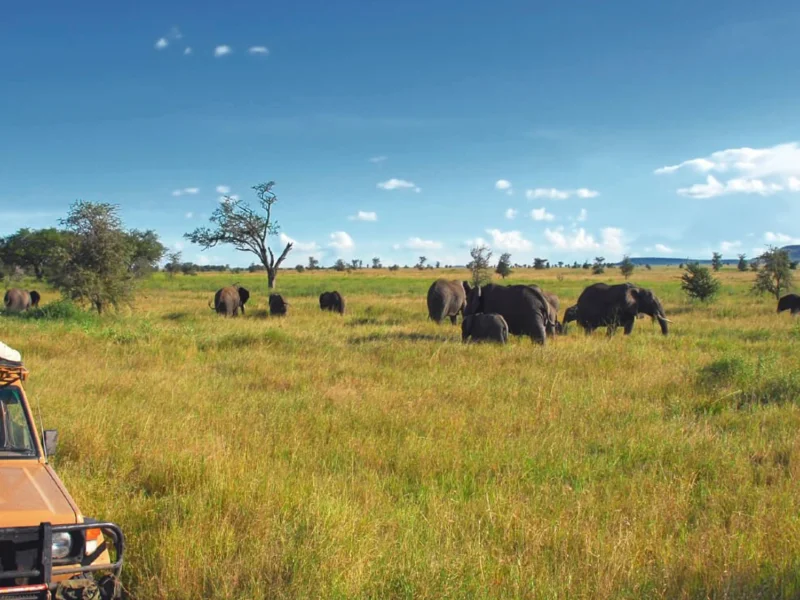
The Serengeti provides some of the most exciting wildlife experiences in Africa. Teenagers can watch lions, cheetahs, elephants, giraffes, zebras, and many other species in their natural surroundings. The open landscape also creates excellent opportunities for photography, which can make the experience especially appealing to teenagers who enjoy using cameras or smartphones creatively.
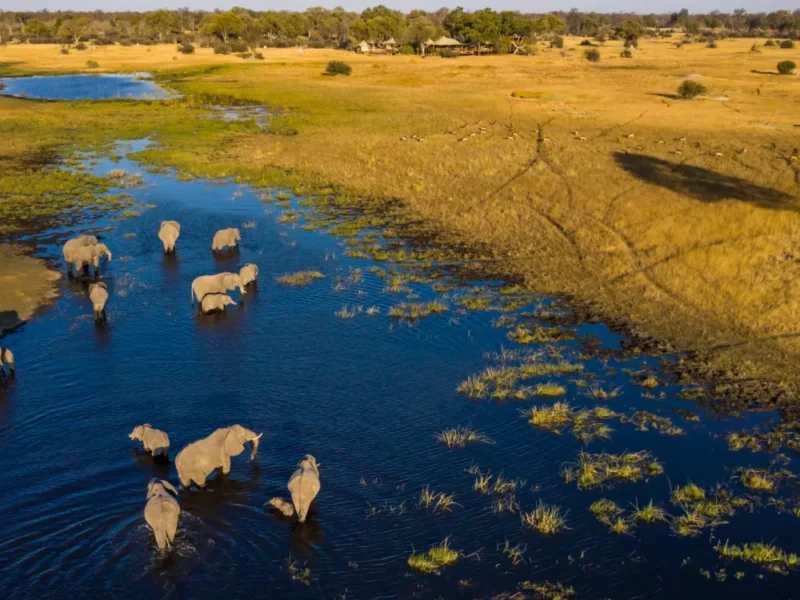
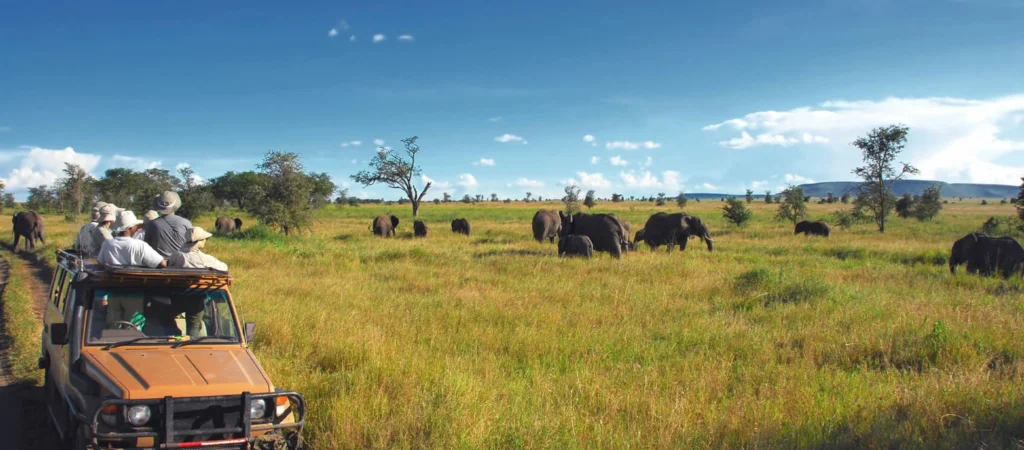
The Ngorongoro Conservation Area adds another dimension because it combines remarkable wildlife with dramatic scenery and a unique conservation setting. Meanwhile, Tarangire offers opportunities to see large elephant herds and explore a landscape shaped by seasonal water sources.
Tanzania also allows families to add cultural experiences. Teenagers can learn about local traditions, food, crafts, and community life while gaining a broader understanding of the country.
Most importantly, the journey can adapt to the interests of the teenager. A good itinerary gives young travelers opportunities to ask questions, take photographs, explore new places, and understand the world beyond their everyday surroundings.
Is a Serengeti Safari Good for Teenagers?
The Serengeti can be an excellent choice for teenagers because it offers a strong combination of adventure, wildlife, photography, and learning. The park’s vast plains create an exciting sense of space, while the possibility of seeing predators and large herds can make every game drive feel different.
Teenagers often enjoy the unpredictability of safari. A morning drive may begin quietly, then suddenly become exciting when a guide spots lions resting near a kopje or a cheetah preparing to hunt. These moments create natural excitement and encourage young travelers to pay attention to their surroundings.
The Serengeti also offers an excellent opportunity to introduce teenagers to wildlife photography. Experienced guides can help them understand how to observe animal behavior and position themselves for better photographs while maintaining a safe distance.
Families visiting during the right season may also experience parts of the Great Migration. Watching large herds move across the plains can provide an unforgettable lesson in animal behavior and survival.
However, parents should remember that game drives can take several hours. Choosing comfortable accommodation and scheduling breaks can help teenagers remain engaged.
Overall, the Serengeti suits teenagers who enjoy wildlife, adventure, photography, and exploration. With the right guide and itinerary, each game drive can become both an exciting experience and a valuable lesson about nature.
Why Ngorongoro Works Well for Teenagers
Ngorongoro offers teenagers a different type of safari experience because it combines wildlife with dramatic scenery and important conservation lessons. The Ngorongoro Crater creates an impressive natural setting where visitors can observe a wide range of animals within a relatively compact area.
For teenagers, this can make wildlife viewing easier to understand. Instead of spending an entire day searching across vast plains, families can often experience a rich concentration of wildlife within the crater environment.
The area also provides an opportunity to discuss conservation and the relationship between people and nature. The Ngorongoro Conservation Area follows a model that recognizes both wildlife and human communities within the wider landscape. This can encourage teenagers to think about the challenges involved in protecting natural areas while supporting the people who live nearby.
The scenery itself also creates excellent opportunities for photography. Teenagers can capture landscapes, wildlife, and changing light while learning how different environments influence animal behavior.
Families can also combine a visit to Ngorongoro with cultural experiences in nearby communities. These encounters can help teenagers understand that Tanzania’s identity extends beyond wildlife.
For teenagers who enjoy learning alongside adventure, Ngorongoro offers a balanced experience. It combines wildlife, geography, conservation, culture, and photography in a way that can keep young travelers curious throughout the visit.
What Activities Make a Safari Exciting for Teenagers?
Teenagers often appreciate a safari that offers more than traditional game drives. While wildlife viewing remains central to the experience, adding different activities can make the trip more engaging and memorable.
Photography is one of the easiest ways to involve teenagers. Young travelers can learn how to frame wildlife photographs, understand natural light, and capture landscapes responsibly. Even teenagers who use only smartphones can develop a stronger interest in observing details around them.
Walking experiences can also add excitement when conditions and local regulations allow them. A guided nature walk can help teenagers notice smaller details that they may miss from a safari vehicle, such as insects, tracks, plants, and bird calls.
Cultural experiences provide another opportunity for engagement. Teenagers can learn about local food, crafts, traditions, and daily life. These activities encourage them to compare their own experiences with those of people living in another part of the world.
Conservation activities can also create a deeper connection. Learning about wildlife protection and environmental challenges helps teenagers understand why safari tourism matters.
Some families may also combine their safari with an active adventure such as hiking in the surrounding areas or visiting other attractions. The key involves choosing activities that match the teenager’s interests and energy level.
When families build variety into the itinerary, teenagers can enjoy a safari that feels like a true adventure rather than a series of long drives.
How Can Teenagers Learn About Wildlife and Conservation?
A safari provides an excellent opportunity for teenagers to learn about wildlife and conservation through direct experience. Instead of studying ecosystems only through textbooks, teenagers can observe animals and landscapes while asking questions about how everything connects.
An experienced guide can explain predator and prey relationships, animal behavior, migration, food chains, and habitat protection. These lessons can become more memorable because teenagers see the subjects in real life.
Conservation discussions can also explore the challenges facing African wildlife. Habitat changes, climate pressures, human wildlife interactions, and illegal wildlife activities all affect ecosystems in different ways.
However, conservation education should also highlight positive efforts. Tourism supports employment and local businesses, while protected areas help preserve important habitats. When communities benefit from responsible tourism, they can have stronger incentives to support conservation.
Teenagers can learn that protecting wildlife requires cooperation. Governments, conservation organizations, local communities, tourism companies, guides, and travelers all play different roles.
This type of learning can influence teenagers beyond the safari. They may return home with a stronger interest in environmental issues or become more conscious of how their choices affect the planet.
A safari therefore provides more than entertainment. It can help teenagers understand the importance of protecting natural environments and encourage them to become more responsible global citizens.
Is a Cultural Safari Experience Good for Teenagers?
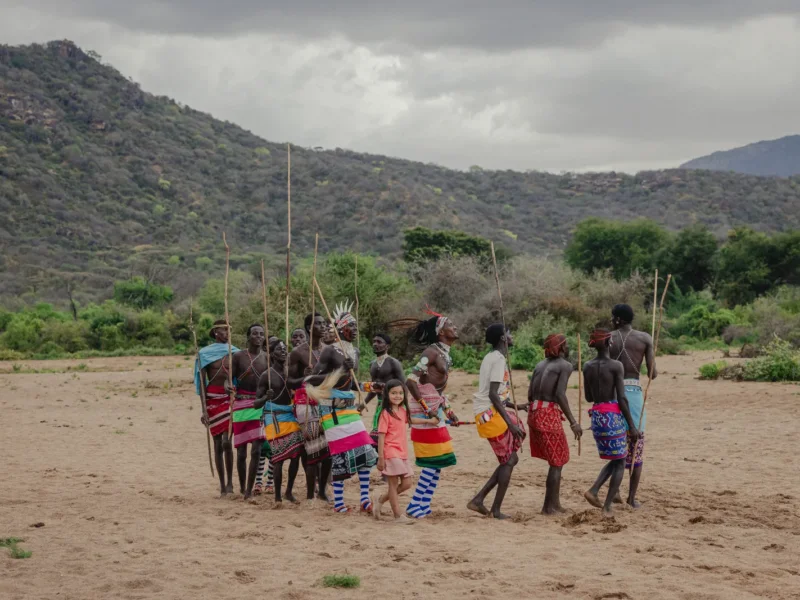
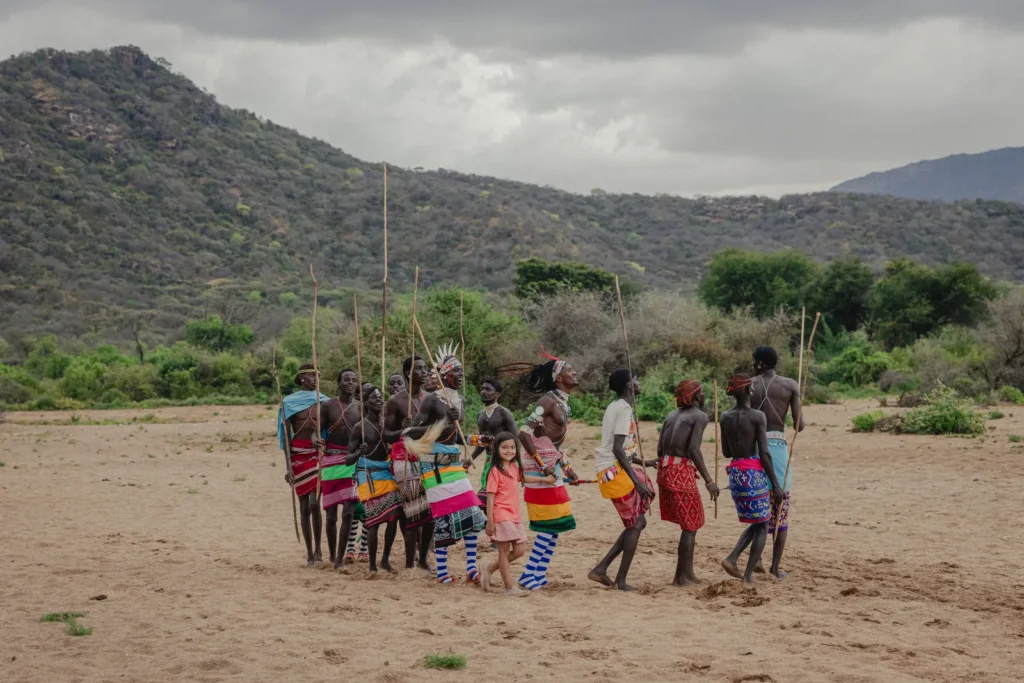
Cultural experiences can add significant value to a teenager’s safari because they introduce young travelers to perspectives that may differ greatly from their own. Meeting local communities and learning about daily life can encourage curiosity and respect for cultural diversity.
Teenagers may enjoy learning about traditional foods, crafts, music, farming, livestock keeping, and other aspects of local life. These experiences can also help them understand how communities adapt to their environment.
For example, learning about pastoral traditions can help teenagers see how people depend on livestock and land. A conversation about conservation can then become more meaningful because they understand that wildlife protection also affects human communities.
However, families should choose cultural experiences carefully. Responsible tourism should respect local people and avoid turning communities into entertainment. Teenagers should learn to ask permission before taking photographs and approach cultural encounters with an open mind.
Parents can encourage teenagers to ask thoughtful questions rather than making quick judgments about unfamiliar traditions. This approach helps young travelers recognize that cultural differences do not make one way of life better or worse.
When families include respectful cultural activities, teenagers can return home with a broader understanding of Tanzania. They discover that the country has a rich human story alongside its famous wildlife.
What Is the Best Safari for Teenagers Who Love Adventure?
Teenagers who enjoy adventure may want more active experiences alongside traditional wildlife viewing. Tanzania offers several ways to add a sense of adventure to a safari itinerary.
A walking safari in an appropriate location can provide a closer look at nature. Instead of watching wildlife from a vehicle, teenagers can focus on tracks, plants, birds, insects, and smaller details. Qualified guides should always lead these experiences and follow local safety rules.
Families can also consider combining a safari with mountain experiences. For adventurous teenagers, adding time around Mount Kilimanjaro can create another memorable part of the journey, although climbing the mountain requires serious preparation and should depend on the teenager’s age, fitness, and experience.
Other activities may include nature walks, cultural exploration, or visits to scenic areas. Families should choose activities that fit the teenager’s interests rather than trying to fill every day with action.
Adventure also comes from the unpredictability of wildlife. A quiet drive can quickly turn into an exciting experience when a guide discovers an interesting animal encounter.
The best adventure safari therefore combines physical activity with discovery. Teenagers can experience the excitement of exploring unfamiliar landscapes while still having time to relax and appreciate the natural world.
How Should Families Choose Accommodation for Teenagers?
Accommodation can strongly influence how teenagers experience a safari. After several hours of game drives, young travelers need a comfortable place where they can rest, recharge, and enjoy some personal space.
Families should consider whether the camp or lodge offers family rooms, interconnected rooms, or suitable arrangements for teenagers. Privacy becomes increasingly important as children grow older, so accommodation that provides some independence can improve the overall experience.
Location also matters. Staying closer to major wildlife areas can reduce long travel times and allow families to spend more time enjoying the destination.
Some safari camps offer activities that teenagers may appreciate, such as guided walks, cultural experiences, photography opportunities, or educational sessions. These additions can make the accommodation part of the adventure rather than simply a place to sleep.
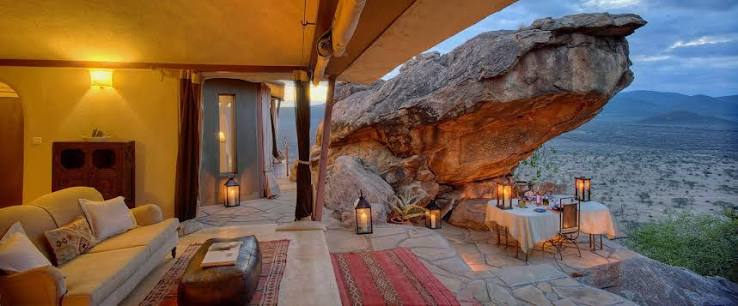
Families should also consider the level of comfort they prefer. Some teenagers may enjoy a traditional tented camp because it creates a stronger feeling of adventure, while others may prefer a lodge with modern facilities.
Parents should communicate their expectations with the safari operator before booking. Age restrictions, room configurations, and activity rules can vary between properties.
The right accommodation creates a comfortable base for exploration and helps teenagers enjoy the safari without becoming exhausted.
How Long Should a Teenager’s Tanzania Safari Last?
The ideal safari length depends on the teenager’s personality, interests, and travel experience. However, many families benefit from creating an itinerary that allows enough time to explore without moving between destinations every day.
A very short safari may feel rushed because families spend a significant amount of time traveling between airports, parks, and accommodation. On the other hand, an overly long itinerary with repeated game drives may become tiring for teenagers who need variety.
A balanced journey might combine several wildlife destinations with cultural or active experiences. For example, families can explore Tarangire before continuing toward Ngorongoro and the Serengeti. They can then add cultural experiences or another activity before returning home.
Rest days can also improve the experience. Teenagers may appreciate having time to sleep later, enjoy the accommodation, review photographs, or simply relax.
Families should also consider travel distances. Tanzania covers a large area, and road journeys can take several hours. A good itinerary reduces unnecessary backtracking and allows enough time in each destination.
Ultimately, the best length depends on quality rather than quantity. A well paced safari gives teenagers time to enjoy each destination without feeling that they are constantly packing and moving.
How Can Families Plan the Perfect Safari for Teenagers?
Planning the best safari for teenagers starts with understanding what the young traveler actually enjoys. Some teenagers love wildlife, while others prefer photography, adventure, culture, or conservation. Parents should involve them in the planning process whenever possible.
Allowing teenagers to help choose some activities can increase their excitement before the trip. They may want to learn about a specific animal, photograph particular landscapes, or visit a local community.
Families should also choose an experienced guide who communicates well with young travelers. A good guide can turn an ordinary wildlife sighting into an engaging story and encourage teenagers to ask questions.
The itinerary should include variety. Combining Serengeti game drives with Ngorongoro’s scenery, Tarangire’s elephants, cultural experiences, and other activities can keep the journey fresh.
Parents should also plan for rest and avoid making every day excessively busy. Teenagers need time to relax, especially after international travel and long game drives.
Finally, families should choose a safari operator that understands the needs of older children and teenagers. Giant Holiday Safaris can help families build an itinerary that balances wildlife viewing, adventure, education, culture, comfort, and relaxation.
The goal should not involve creating the busiest possible trip. Instead, families should create an experience that gives teenagers enough freedom to explore while maintaining the safety and structure they need.
Creating a Tanzania Safari Teenagers Will Never Forget
So, what is the best safari for teenagers? In many cases, Tanzania offers one of the strongest choices because it combines world class wildlife with adventure, culture, conservation, photography, and diverse landscapes. The Serengeti provides thrilling wildlife encounters and opportunities to learn about animal behavior, while Ngorongoro adds lessons about conservation, geography, and the relationship between people and nature.
Tarangire and Lake Manyara can add further variety, while carefully planned cultural experiences can introduce teenagers to Tanzania beyond its wildlife. Families can also consider walking experiences and other activities when appropriate, giving young travelers opportunities to explore nature from different perspectives.
The most successful teenage safari does not rely on one destination or one type of activity. Instead, it creates a balanced journey that reflects the teenager’s interests. Good guiding, comfortable accommodation, sensible travel times, and enough rest can make the difference between a tiring holiday and an unforgettable adventure.
Parents should also remember that teenagers are old enough to become active participants in the journey. Giving them opportunities to ask questions, take photographs, choose activities, and learn about conservation can make the experience more personal.
Ultimately, the best safari for teenagers is one that combines excitement with discovery. Tanzania provides the perfect setting for that balance, allowing young travelers to encounter extraordinary wildlife while gaining a deeper understanding of nature, culture, and responsible tourism. With thoughtful planning, a Tanzania safari can become an adventure that teenagers carry with them long after they return home.