The Great Migration in Tanzania
July 29, 2026
Where Can I See Wildebeest Migration
July 29, 2026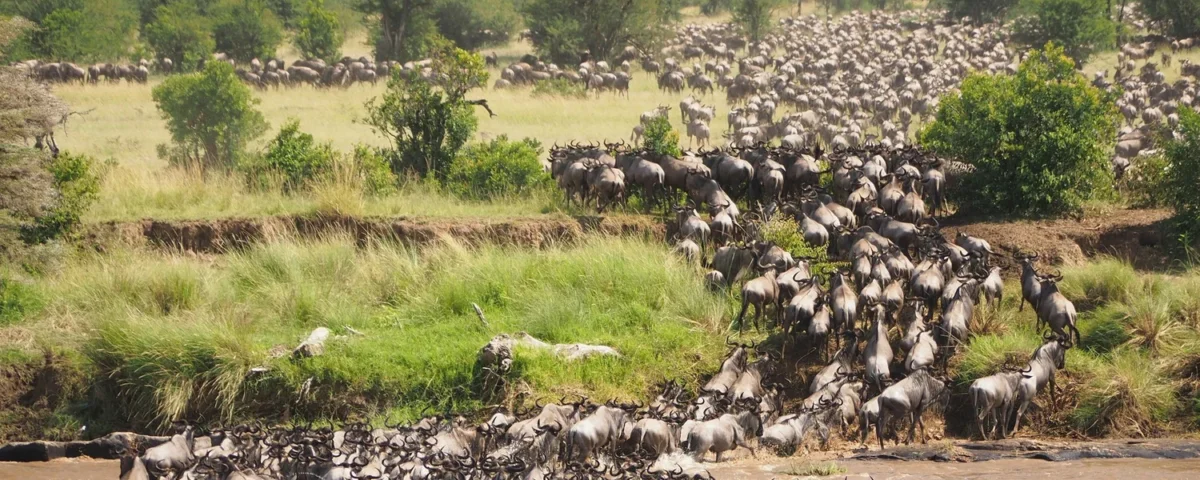
When Does the Great Migration Happen
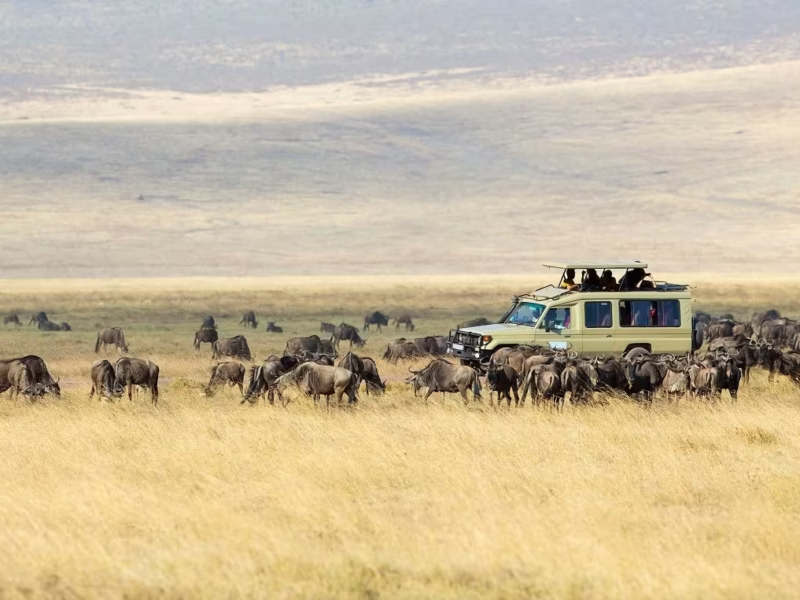
Many travellers ask when does the Great Migration happen because they want to witness one of the world’s most spectacular wildlife events. Every year, more than two million wildebeests, accompanied by hundreds of thousands of zebras and gazelles, move across the vast plains of Tanzania and Kenya in search of fresh grass and water. This incredible journey creates breathtaking wildlife encounters that attract visitors from every corner of the world. Although many people think the migration happens during one specific season, it is actually a continuous cycle that takes place throughout the year.
The Great Migration offers much more than large herds of animals. It creates dramatic predator encounters, remarkable river crossings, newborn calves, and changing landscapes that make every month unique. Lions, cheetahs, leopards, hyenas, and crocodiles follow the migrating herds, creating unforgettable wildlife experiences for photographers, nature lovers, and safari enthusiasts alike.
Understanding the migration calendar helps travellers choose the best time to visit Tanzania based on the type of experience they hope to enjoy. Some visitors dream of seeing thousands of wildebeests giving birth, while others want to witness the famous Mara River crossings or watch predators stalking the massive herds across the Serengeti.
Planning a migration safari with experienced specialists also improves the experience. Giant Holiday Safaris helps travellers choose the right travel dates, accommodation, and safari routes so they can maximise their opportunities to witness this extraordinary natural event.
Knowing when does the Great Migration happen allows travellers to plan confidently and experience one of Africa’s greatest wildlife spectacles at exactly the right time.
Combined Uganda, Kenya, Rwanda and Tanzania Safaris
17 days Kenya Tanzania and Uganda safari
19 Days Uganda Kenya and Tanzania Safari
16 Days Kenya Tanzania and Uganda Safari
14 Days Kenya Uganda and Tanzania Safari
14 Days Kenya Uganda and Rwanda Safari
12 Day Gorilla Trekking and Tanzania Safari
When Does the Great Migration Happen?
The simple answer to when does the Great Migration happen is that it happens all year round. Unlike seasonal events that occur only once, the Great Migration is a continuous movement of animals following rainfall patterns and fresh grazing areas. The herds never stop moving for very long because their survival depends on finding nutritious grass and reliable water sources.
The migration usually begins in the southern Serengeti before gradually moving through central and western regions toward the northern Serengeti. Eventually, many animals cross into Kenya’s Maasai Mara before returning south again as seasonal rains change. This circular journey repeats every year, although the exact timing changes depending on weather conditions.
Rainfall plays the most important role in determining where the animals travel. When fresh grass grows after seasonal rains, the herds naturally move toward those areas. During drier periods, they continue searching for new grazing land. Because rainfall varies each year, migration movements never follow exactly the same calendar.
Travellers should therefore avoid thinking about the migration as a single event. Instead, each season offers different highlights. Families, photographers, wildlife enthusiasts, and first time safari visitors can all enjoy remarkable experiences depending on their preferred travel dates.
Choosing the right month depends on personal interests. Some visitors prefer calving season because thousands of young wildebeests are born within a short period. Others travel specifically to witness dramatic river crossings or predator activity.
Understanding this year round cycle allows travellers to appreciate that there is never truly a bad time to experience the Great Migration in Tanzania.
Understanding the Great Migration Cycle and when it Happen
The Great Migration happen by following one of nature’s most fascinating survival patterns. Every movement reflects the animals’ constant search for food, water, and suitable grazing conditions. Rather than following fixed routes or dates, the herds respond naturally to changing environmental conditions throughout East Africa.
Wildebeests lead the migration because they require fresh grass for survival. As they move across the Serengeti ecosystem, hundreds of thousands of zebras and gazelles accompany them. Each species contributes differently to the ecosystem because they feed on different types of vegetation, allowing them to travel together without competing heavily for food.
Predators also play an important role within this natural cycle. Lions, cheetahs, leopards, hyenas, and crocodiles closely follow the migrating herds because they provide abundant hunting opportunities. These predator prey interactions create some of Africa’s most dramatic wildlife moments while maintaining healthy ecological balance.
The migration also benefits the landscape itself. Millions of grazing animals fertilise the soil, spread seeds, and influence vegetation growth across the Serengeti ecosystem. Their constant movement supports biodiversity while maintaining one of the world’s richest wildlife habitats.
Although many visitors focus on dramatic river crossings, every stage of the migration offers remarkable experiences. Vast open plains filled with grazing animals, newborn calves taking their first steps, and predators patiently observing the herds all contribute to the migration’s extraordinary appeal.
Understanding this complete ecological cycle helps visitors appreciate that the Great Migration is far more than a movement of animals. It represents one of Earth’s greatest natural systems working continuously throughout the year.
Great Migration from January to March
The months between January and March offer one of the most exciting periods of the Great Migration. During this time, the herds remain mainly in the southern Serengeti and the Ndutu region, where lush grass provides ideal conditions for grazing and raising young animals.
Calving season normally reaches its peak during February. Over several weeks, hundreds of thousands of wildebeest calves are born across the open plains. The remarkable number of births creates an unforgettable wildlife spectacle that attracts visitors from around the world.
Young calves begin walking within minutes of birth because survival depends on keeping pace with the moving herds. Watching these newborn animals take their first steps across the Serengeti becomes one of the most heart warming experiences a safari can offer.
At the same time, predator activity increases significantly. Lions, cheetahs, hyenas, jackals, and leopards all take advantage of the large number of vulnerable calves. Although these moments can be dramatic, they demonstrate the natural balance that sustains the Serengeti ecosystem.
Photographers particularly enjoy this season because green landscapes create beautiful backgrounds while soft lighting enhances wildlife photography. Birdlife also becomes abundant as migratory birds arrive alongside resident species, adding even greater diversity to game drives.
Families often appreciate this period because wildlife viewing is concentrated within relatively accessible areas. Instead of travelling long distances, visitors frequently encounter enormous herds throughout the southern plains.
For travellers seeking abundant wildlife, newborn animals, beautiful scenery, and exceptional photography opportunities, January through March represents one of the finest times to experience the Great Migration.
Great Migration from April to June
As the rainy season gradually changes, the Great Migration begins moving northward through central and western Serengeti. Between April and June, the herds leave the southern calving grounds behind and continue their remarkable journey toward fresh grazing areas.
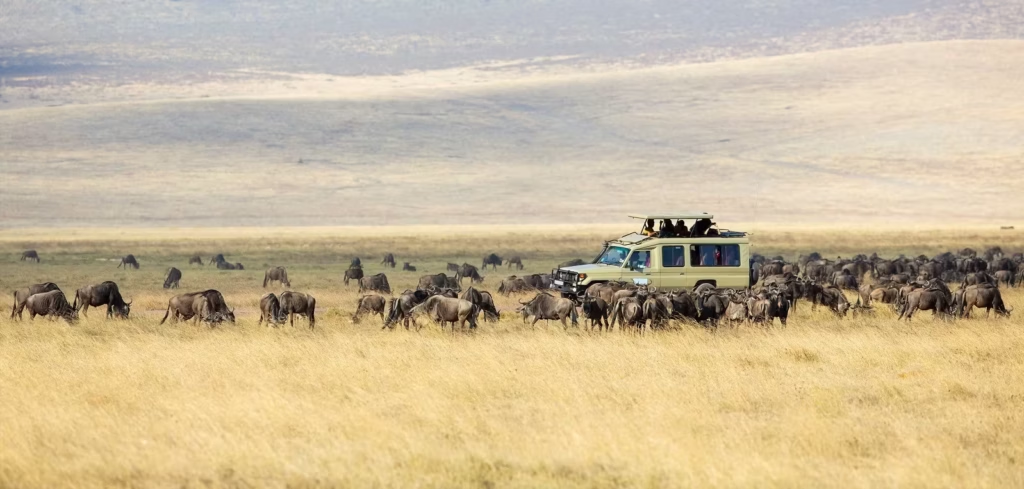
April often brings greener landscapes and fewer safari vehicles compared with busier travel periods. Although occasional rainfall remains possible, many travellers appreciate the peaceful atmosphere and excellent wildlife viewing opportunities. Large herds stretch across the plains, creating breathtaking panoramic scenes that highlight the enormous scale of the migration.
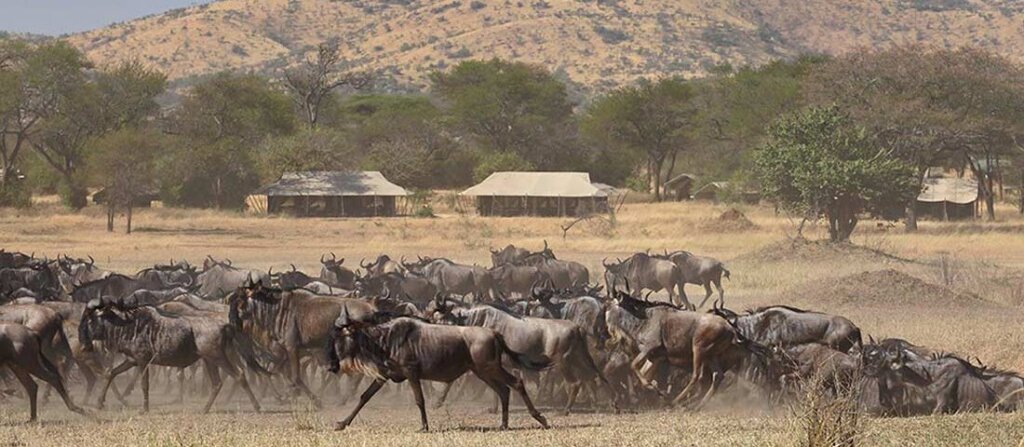
During May, the wildebeests begin forming longer migration columns as they travel steadily toward central Serengeti. Thousands upon thousands of animals move together across open grasslands, creating impressive wildlife spectacles that continue throughout the month.
By June, many herds reach the western Serengeti where they prepare for more challenging stages of the migration. Some animals begin approaching the Grumeti River, where crocodiles wait patiently along the riverbanks. Although Grumeti crossings are generally less famous than the Mara River crossings later in the year, they still provide exciting wildlife encounters.
Predators remain highly active throughout this period. Lions frequently patrol the migration routes while cheetahs use open plains to pursue grazing animals. Visitors therefore enjoy excellent opportunities to observe both predators and prey interacting within their natural environment.
Travellers seeking fewer crowds, comfortable temperatures, and spectacular migrating herds often find April through June to be an outstanding time for a Tanzania safari. Every game drive offers new opportunities to witness the remarkable movement that makes the Great Migration one of Africa’s greatest wildlife experiences.
Why the Great Migration Changes Every Year
Although many safari calendars provide general migration timelines, no two years follow exactly the same pattern. This natural variation explains why travellers should remain flexible when planning a Great Migration safari.
Rainfall is the main reason migration timing changes from year to year. Early rains may encourage the herds to move sooner than expected, while delayed rainfall can slow their progress. Since fresh grass grows in response to changing weather conditions, the animals simply follow the best available grazing rather than fixed dates.
Temperature, water availability, and vegetation growth also influence migration routes. Some herds may remain longer in one area if grazing conditions remain favourable, while others continue moving quickly if food becomes limited.
Fortunately, these natural changes do not reduce the quality of the safari experience. Instead, they make every migration season unique. Visitors never witness exactly the same journey because wildlife constantly adapts to the surrounding environment.
Professional safari guides carefully monitor herd movements throughout the year using local knowledge and regular wildlife reports. This allows experienced safari operators to position travellers where wildlife viewing opportunities are strongest.
Choosing experienced companies such as Giant Holiday Safaris provides a significant advantage because itineraries can be adjusted based on current migration locations rather than relying solely on historical patterns. This flexibility greatly increases the chances of enjoying unforgettable wildlife encounters.
Understanding why the migration changes each year helps travellers set realistic expectations while appreciating the remarkable natural forces that guide one of the greatest wildlife journeys on Earth.
Great Migration from July to October
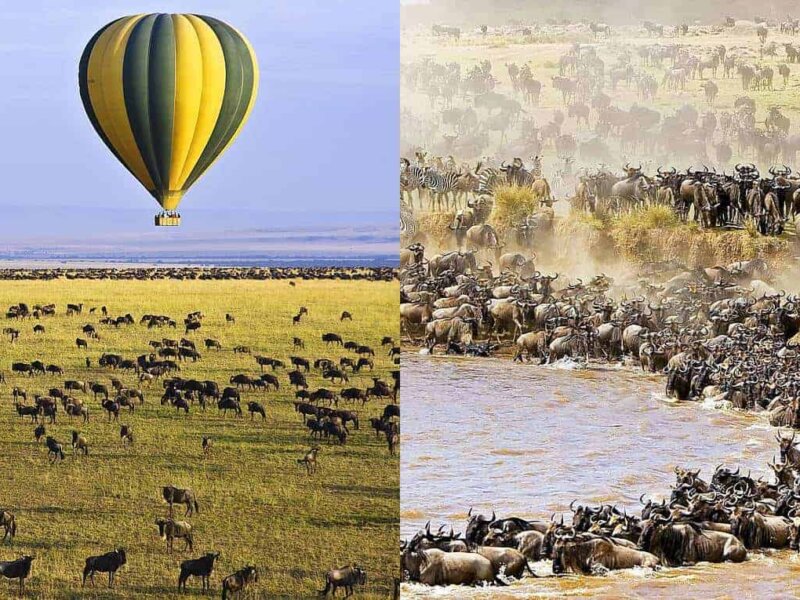
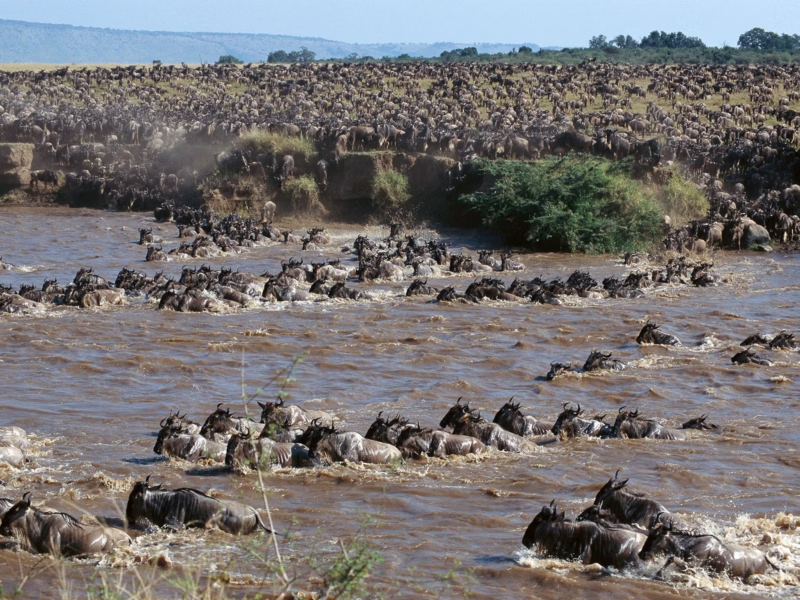
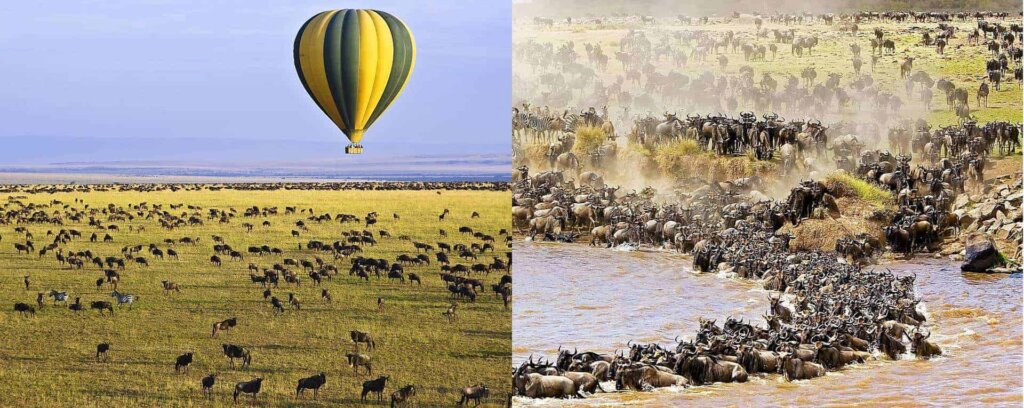
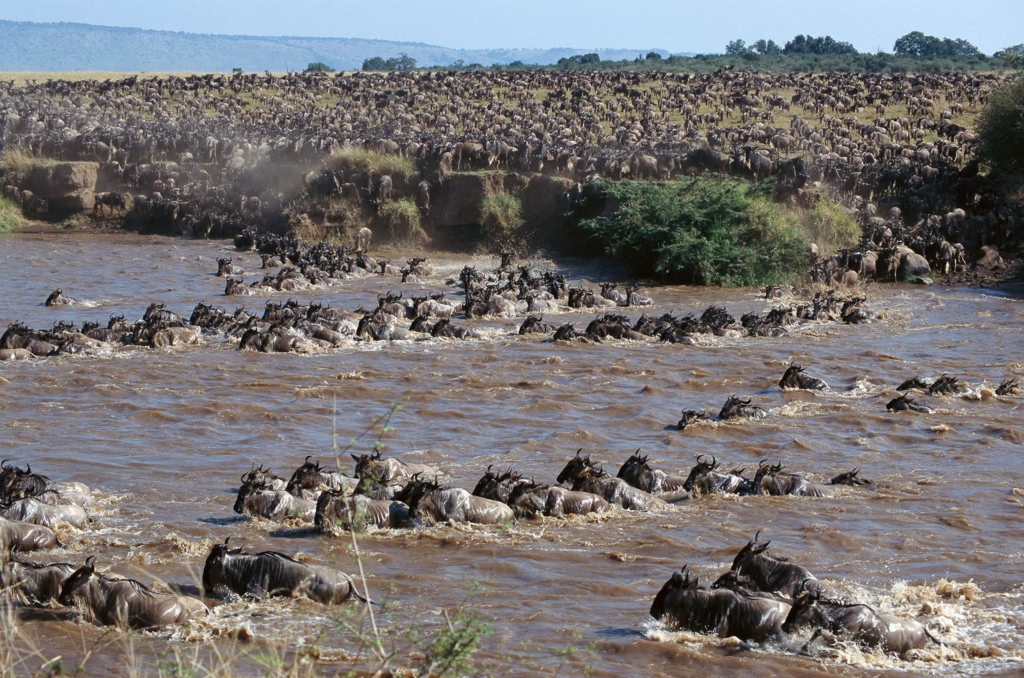
From July to October, the Great Migration reaches one of its most dramatic stages. During these months, many of the wildebeests, zebras, and gazelles move into the northern Serengeti as they continue their search for fresh grazing. This period is famous for the breathtaking Mara River crossings, which many travellers consider the highlight of the entire migration cycle.
Crossing the Mara River is a dangerous challenge. Thousands of animals gather along the riverbanks before finally making the leap into the fast moving water. Some crossings happen quickly, while others take several hours as the herds wait for the safest moment to move. Every crossing is different, making each wildlife encounter unique.
The river itself presents several dangers. Strong currents test the animals’ strength, while large crocodiles wait beneath the surface. Even after reaching the opposite bank, the herds must remain alert because lions, leopards, and hyenas continue hunting nearby. These natural interactions create some of the most exciting wildlife moments in Africa.
Despite the dramatic scenes, this season also showcases remarkable determination and teamwork. Wildebeests instinctively follow one another across the river, while zebras and gazelles continue the journey alongside them. Watching thousands of animals move together demonstrates the incredible power of nature.
Because July through October attracts visitors from around the world, booking accommodation early is essential. Lodges in the northern Serengeti fill quickly due to high demand. Travellers who plan several months in advance often enjoy a wider choice of accommodation and better safari planning.
For photographers, wildlife enthusiasts, and first time visitors, this season delivers unforgettable safari experiences that highlight the true scale of the Great Migration.
Great Migration from November to December
As the short rains begin, the Great Migration gradually changes direction once again. During November and December, many of the herds leave the northern Serengeti and begin travelling south toward central and southern areas. This movement marks the beginning of another annual cycle that will eventually lead back to the calving grounds.
Fresh rainfall transforms the landscape. Dry grasslands become green again, providing nutritious grazing for the enormous herds. Wildebeests naturally follow these newly growing grasses because they provide the food needed to prepare for the next calving season.
This period offers excellent wildlife viewing even though many travellers focus more heavily on the famous river crossing months. Visitors still encounter large concentrations of wildebeests, zebras, gazelles, elephants, giraffes, and numerous predators throughout the Serengeti ecosystem. The changing scenery also creates beautiful photographic opportunities as green plains replace the dry landscapes seen earlier in the year.
Birdlife becomes especially impressive during this season. Many migratory birds arrive alongside resident species, creating outstanding opportunities for bird watchers while adding even greater diversity to every game drive.
Travellers often appreciate the quieter atmosphere compared with the busier months of July through October. With fewer safari vehicles in many locations, families and photographers enjoy a more peaceful wildlife experience while still witnessing impressive animal movements.
By December, many animals continue approaching the southern Serengeti where they prepare for another calving season. This continuous movement reminds visitors that the Great Migration never truly stops. Instead, it remains an ongoing natural journey shaped entirely by rainfall and the search for survival.
Best Places to See the Great Migration in Tanzania when they Happen
Tanzania offers several outstanding locations where visitors can experience different stages of the Great Migration. Each region provides unique wildlife encounters depending on the time of year, allowing travellers to choose destinations that match their interests and travel dates.
The southern Serengeti and Ndutu region become the best locations between January and March. During these months, enormous herds gather across the plains while hundreds of thousands of calves are born. Families, photographers, and wildlife enthusiasts enjoy excellent opportunities to observe newborn animals alongside predators that follow the migration.
Central Serengeti offers rewarding wildlife viewing during much of the year. Because migrating animals frequently pass through this region, visitors often enjoy excellent game drives regardless of the season. Lions, leopards, cheetahs, elephants, and giraffes also remain abundant throughout the area.
The western Serengeti becomes particularly important between May and June as many herds approach the Grumeti River. Although river crossings here receive less attention than the Mara River, they still provide exciting wildlife encounters and dramatic predator activity.
The northern Serengeti becomes the centre of attention from July through October. During this period, the famous Mara River crossings attract visitors from around the world. Watching thousands of animals navigate dangerous river crossings remains one of Africa’s greatest wildlife spectacles.
Choosing the right destination depends largely on travel timing. Since the migration constantly moves, travellers should work with experienced safari specialists who monitor current herd locations. This approach greatly improves the chances of witnessing the migration at its most impressive stage.
Why Choose Giant Holiday Safaris for a Great Migration Safari
Planning a Great Migration safari requires detailed local knowledge because the movement of the herds changes every year. Rainfall patterns, grazing conditions, and wildlife behaviour all influence where the animals travel. Choosing an experienced safari company helps travellers maximise their opportunities to witness this remarkable natural event.
Giant Holiday Safaris specialises in creating personalised Great Migration itineraries that match each traveller’s preferred travel dates, interests, and budget. Rather than relying only on historical migration calendars, the company follows current wildlife movements to recommend the most rewarding safari locations.
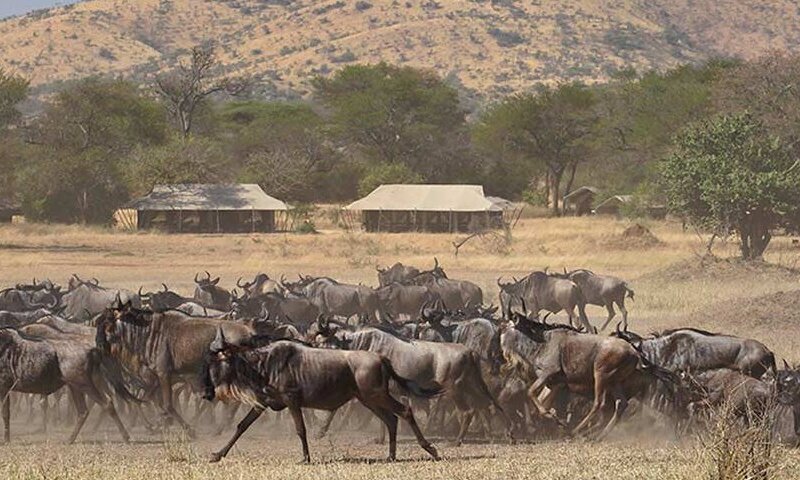
Accommodation selection also plays an important role. Giant Holiday Safaris carefully recommends lodges positioned close to seasonal migration routes, reducing travel time while increasing wildlife viewing opportunities. Whether travellers prefer luxury lodges, comfortable mid range accommodation, or budget friendly camps, suitable options are available throughout the Serengeti ecosystem.
Professional safari guides add exceptional value to every journey. Their experience allows visitors to understand animal behaviour, migration patterns, predator interactions, and conservation efforts while enjoying safe and responsible wildlife viewing. Guides also know how to position safari vehicles for the best photography opportunities without disturbing the animals.
The company also supports travellers before departure by providing practical advice about travel seasons, packing recommendations, weather expectations, and itinerary planning. This preparation helps visitors arrive fully informed and ready to enjoy every moment of their safari.
With expert planning, outstanding local knowledge, personalised service, and carefully designed itineraries, Giant Holiday Safaris helps transform a Great Migration safari into a once in a lifetime African wildlife adventure.
When Does the Great Migration Happen?
Understanding when does the Great Migration happen allows travellers to experience one of the world’s greatest wildlife spectacles at the perfect time for their interests. Rather than taking place during a single season, the Great Migration continues throughout the year as millions of wildebeests, zebras, and gazelles follow rainfall and fresh grazing across the Serengeti ecosystem.
Each stage of the migration offers something unique. January through March brings the remarkable calving season. April through June showcases enormous migrating herds travelling across central and western Serengeti. July through October delivers the dramatic Mara River crossings, while November and December mark the beginning of the animals’ return toward the southern plains.
Because rainfall influences the exact timing each year, flexibility remains important when planning a migration safari. Working with experienced safari professionals helps travellers choose the right destinations based on current herd movements instead of relying only on fixed calendars.
Partnering with Giant Holiday Safaris provides valuable local expertise that increases the chances of witnessing the migration at its most exciting stage. From carefully selected accommodation to experienced guides and personalised itineraries, every detail contributes to a rewarding safari experience.
Ultimately, when does the Great Migration happen has a simple answer. It happens all year long. Every month offers remarkable wildlife encounters, breathtaking landscapes, and unforgettable moments that demonstrate the extraordinary beauty of Tanzania’s natural world. With careful planning and the right safari partner, visitors can enjoy this incredible journey and create memories that will last a lifetime.