Which Camps Are Best for Migration Safari
July 29, 2026
Is Migration Safari Worth It
July 29, 2026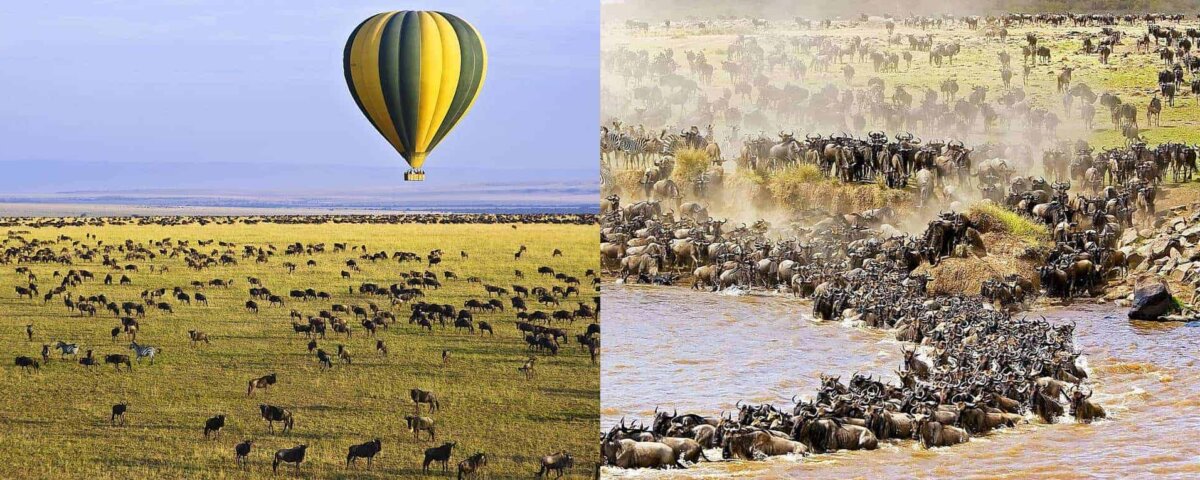
What Is the Best Migration Safari Itinerary
The best migration safari itinerary takes you into the heart of one of Africa’s most extraordinary wildlife experiences while giving you enough time to enjoy the landscapes, wildlife, and culture around it. When travelers ask, what is the best migration safari itinerary, the answer depends on the kind of experience they want. Some visitors dream of watching thousands of wildebeest gather on the Serengeti plains, while others want to witness the excitement of the Mara River crossings. Some prefer to see newborn calves during the calving season, while others want a complete journey that combines migration viewing with the Big Five and a relaxing beach stay in Zanzibar. Fortunately, Tanzania offers many ways to experience the Great Migration. The key lies in choosing the right destinations, travel season, accommodation style, and number of safari days. A well planned itinerary should also allow flexibility because wildlife follows rainfall and fresh grazing rather than a fixed human calendar. Therefore, this guide explores how to create the best migration safari itinerary for an unforgettable journey through Tanzania.
Combined Uganda, Kenya, Rwanda and Tanzania Safaris
17 days Kenya Tanzania and Uganda safari
19 Days Uganda Kenya and Tanzania Safari
16 Days Kenya Tanzania and Uganda Safari
14 Days Kenya Uganda and Tanzania Safari
14 Days Kenya Uganda and Rwanda Safari
12 Day Gorilla Trekking and Tanzania Safari
Understanding the Great Migration Before Planning Your Safari
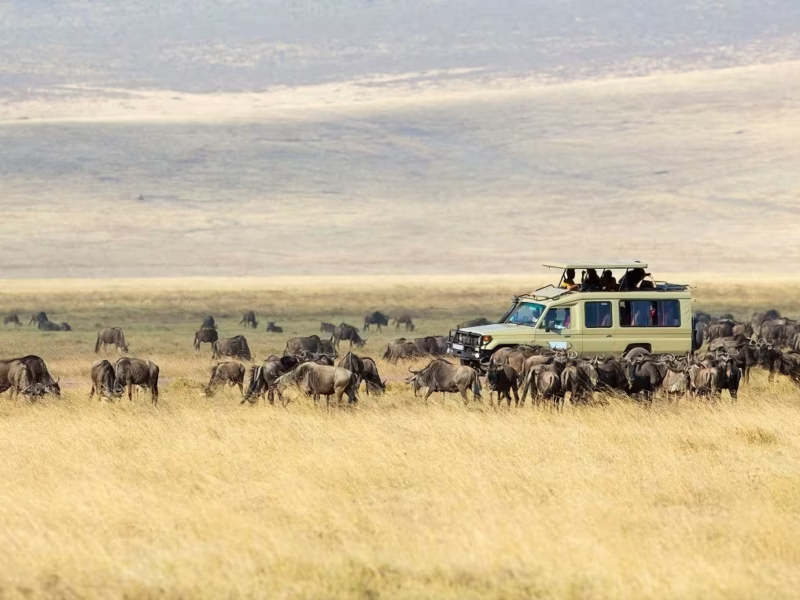
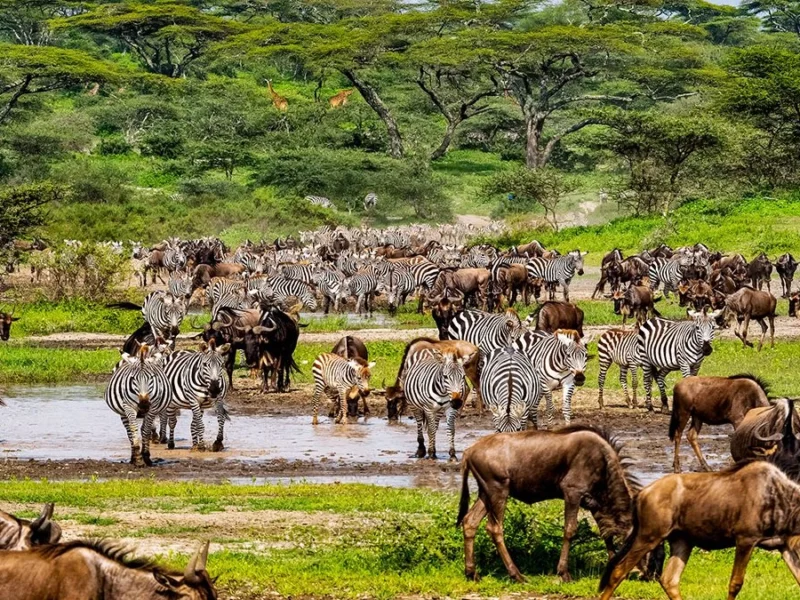
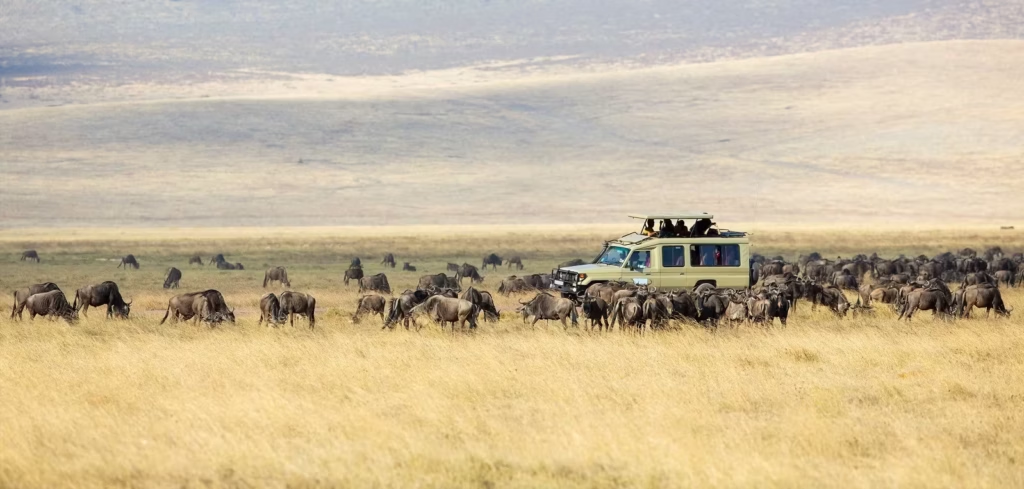
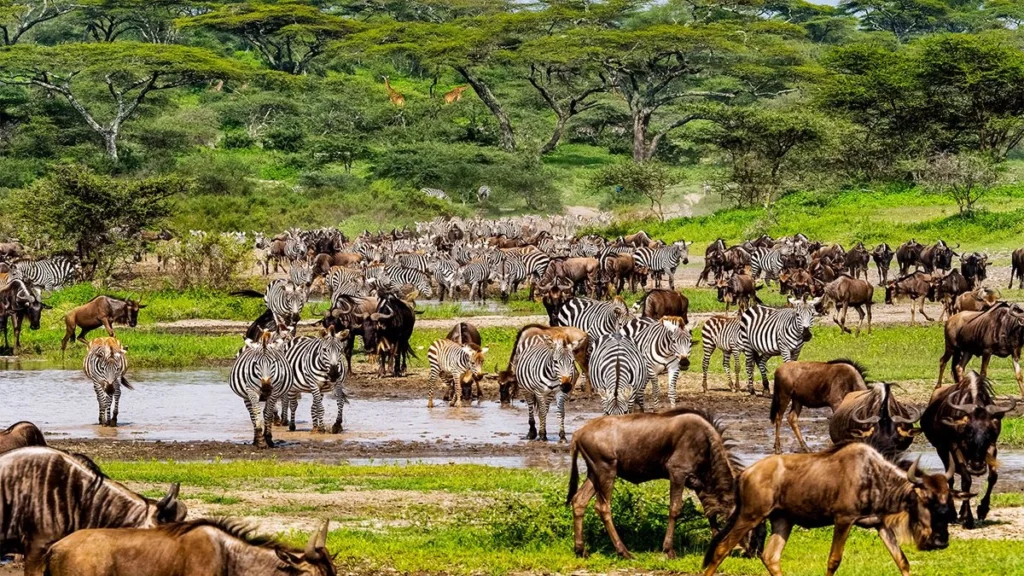
Before choosing an itinerary, it helps to understand how the Great Migration works. The migration involves around 1.5 million wildebeest, along with large numbers of zebras and gazelles, moving through the Serengeti ecosystem and into Kenya’s Maasai Mara. These animals follow seasonal rainfall and fresh grass, which means their movement changes throughout the year.
The migration does not start and finish on one specific date. Instead, it follows a continuous cycle. The herds gather in the southern Serengeti and Ndutu area during the calving season, then gradually move toward the central and western Serengeti. Later, many groups continue toward the northern Serengeti before crossing into Kenya.
This natural cycle creates different safari experiences during different months. Therefore, the best migration safari itinerary should match your travel dates with the wildlife experience you want.
If you want to see newborn wildebeest and predator activity, you should consider a southern Serengeti itinerary. If you want to experience the famous river crossings, you should focus on northern Serengeti travel during the appropriate season.
However, the migration remains unpredictable. Rainfall can arrive early or late, and individual herds may move at different speeds. For this reason, experienced safari planning should combine seasonal knowledge with flexibility.
The Best Migration Safari Itinerary for First Time Visitors
First time safari travelers often benefit from an itinerary that combines the Great Migration with Tanzania’s other major wildlife destinations. Rather than spending the entire trip in one location, you can create a journey that introduces you to several different ecosystems.
A seven to ten day safari can provide a strong introduction. You might begin in Tarangire National Park, where elephants and large baobab trees create a beautiful setting. From there, you can continue to the Ngorongoro Conservation Area before entering the Serengeti.
The Serengeti should receive the largest share of your safari time because the migration covers such a vast landscape. Spending three or four nights in the Serengeti gives you more opportunities to find the herds and enjoy other wildlife.
Your final Serengeti location should depend on the season. During the calving period, southern Serengeti and Ndutu make strong choices. During the northern migration season, northern Serengeti provides better access to the Mara River region.
This type of itinerary works well for first time visitors because it combines variety with a strong focus on migration viewing. You can experience elephants, lions, rhinos, leopards, giraffes, and other wildlife while also following the movement of the migrating herds.
A Seven Day Migration Safari Itinerary
A seven day migration safari can work well for travelers with limited time. However, careful planning becomes especially important because the migration covers a huge area.
You could begin your journey near Arusha before traveling to Tarangire National Park. This park offers excellent elephant viewing and provides a gentle introduction to Tanzania’s wildlife. From there, you can continue to the Ngorongoro Conservation Area for a full day of wildlife viewing in the crater.
After Ngorongoro, you can enter the Serengeti and spend several nights exploring the region where the migration moves during your travel period. Your safari operator should select the best Serengeti area based on current wildlife movements and seasonal conditions.
The final days should focus heavily on wildlife viewing. Rather than changing camps every night, staying in one location for several nights allows you to explore the area without constantly packing and unpacking.
A seven day itinerary may not allow you to follow the migration across multiple regions. Nevertheless, it can still deliver a rewarding experience when you choose the right season.
For travelers who want to see the migration, I recommend prioritizing time in the Serengeti over adding too many destinations. The quality of your wildlife experience often matters more than the number of parks you visit.
A Ten Day Migration Safari Itinerary for a Deeper Experience
A ten day itinerary gives travelers more time to explore Tanzania and follow the migration at a relaxed pace. Because the herds move across such a large ecosystem, additional days can increase your chances of finding them in the right location.
You might begin with two nights in Tarangire National Park, followed by two nights near Ngorongoro. Afterward, you can spend five or more nights exploring different parts of the Serengeti.
The exact Serengeti route should depend on the season. During the calving period, you could spend more time in the southern Serengeti. Later in the year, you might move toward central or northern Serengeti.
This longer itinerary also allows you to enjoy more than the migration. You can search for lions resting beneath trees, watch elephants move across open plains, and look for leopards hiding in woodland areas.
A longer stay also creates more space for slow travel. Instead of rushing from one sighting to another, you can spend more time observing animal behavior and enjoying the changing scenery.
Giant Holiday Safaris can help travelers create a flexible itinerary that balances migration viewing with other Tanzania safari experiences. The goal should not simply involve chasing the largest herd. Instead, your itinerary should create opportunities to understand the entire ecosystem.
The Best Itinerary for the Wildebeest Calving Season
The calving season creates one of the most emotional and rewarding migration experiences. During this period, hundreds of thousands of wildebeest calves arrive within a relatively short time.
The southern Serengeti and Ndutu area often become the main focus for travelers who want to experience this stage of the migration. Fresh grass provides important nutrition for mothers, while the open plains create excellent opportunities for wildlife viewing.
However, the calving season also attracts predators. Lions, cheetahs, hyenas, and other carnivores follow the herds because young calves provide vulnerable prey. As a result, travelers can witness both new life and the intense struggle for survival that defines the natural world.
A strong calving season itinerary should include at least three nights in the southern Serengeti or Ndutu area. This gives your guide time to explore different areas and respond to changing wildlife movements.
You can also combine this experience with Ngorongoro and Tarangire. Afterward, you may continue to Zanzibar for several days of relaxation.
This itinerary works particularly well for photographers and families who want to experience the migration without focusing only on river crossings. The sight of newborn calves following their mothers across the plains can create memories that last a lifetime.
The Best Itinerary for Mara River Crossings
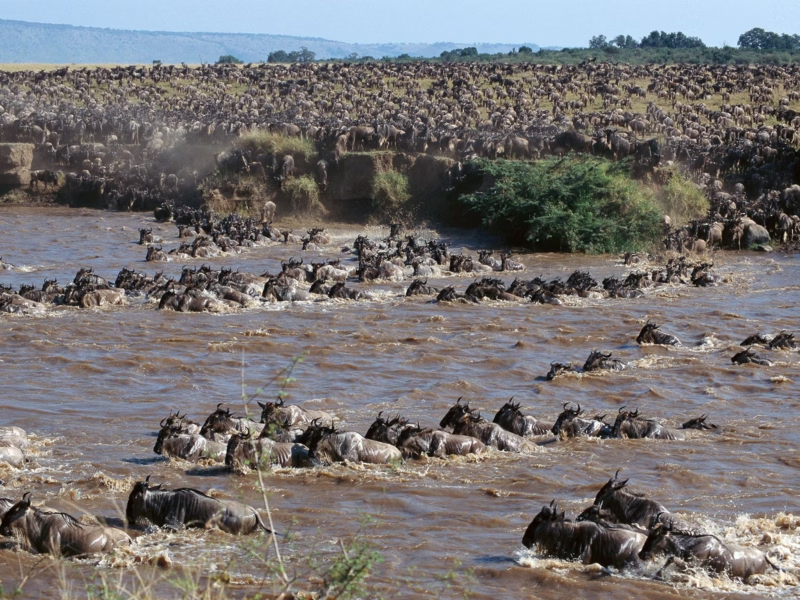
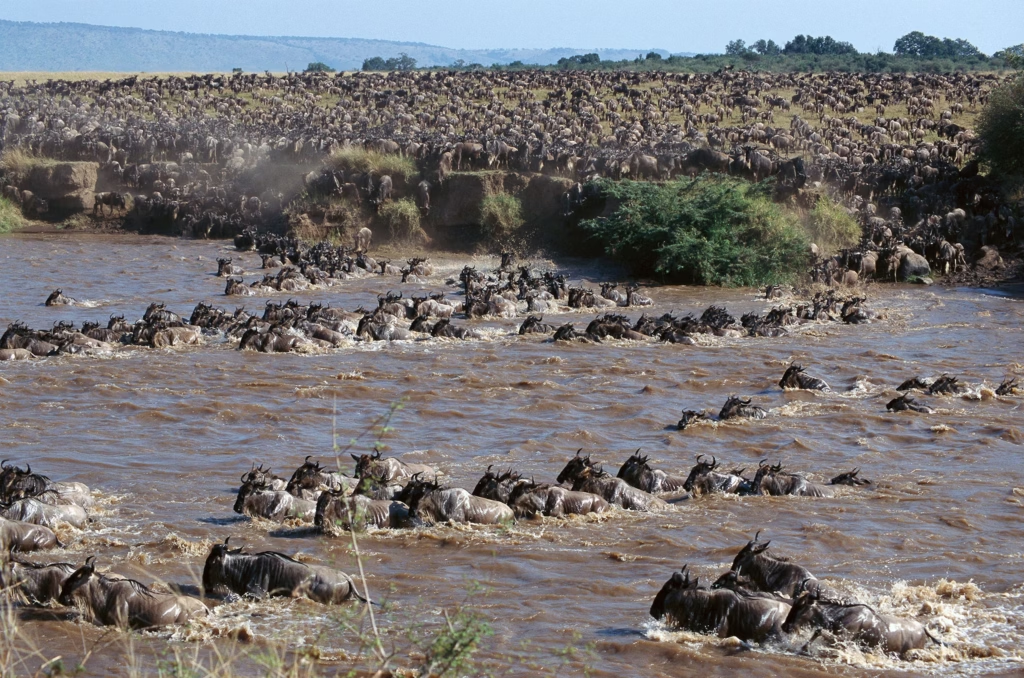
For many travelers, the Mara River crossings represent the most dramatic part of the Great Migration. During the northern migration season, large herds gather near the river before attempting to cross.
However, river crossings remain unpredictable. The herds may gather for hours or days before crossing, and sometimes they move away from the river altogether. Therefore, travelers should never expect a guaranteed crossing on a particular day.
The best strategy involves spending several nights in the northern Serengeti. This gives your guide more opportunities to monitor the herds and position your game drives in areas where wildlife activity increases.
A longer northern Serengeti stay also offers excellent wildlife viewing beyond the migration. You can encounter lions, elephants, giraffes, leopards, and other animals that live in the region throughout the year.
If your main goal involves witnessing a river crossing, consider a safari of at least eight to ten days. This allows you to combine northern Serengeti with other destinations without making the entire trip dependent on one unpredictable event.
The best migration safari itinerary for river crossings therefore requires patience. The goal should involve experiencing the northern Serengeti ecosystem while remaining ready for the possibility of a crossing.
Combining the Migration With Ngorongoro Crater
Adding Ngorongoro Crater to a migration safari can make your itinerary more complete. The crater offers a very different wildlife experience from the open plains of the Serengeti.
The crater’s enclosed landscape supports a remarkable concentration of wildlife. Travelers may encounter lions, elephants, buffaloes, zebras, hippos, and other species during a single game drive.
The area also offers opportunities to search for the endangered black rhinoceros. Although sightings can never come with certainty, the crater remains one of Tanzania’s most important areas for rhino conservation.
A visit to Ngorongoro also adds cultural and scenic depth to your journey. The surrounding highlands provide beautiful landscapes, while nearby communities offer opportunities to learn about local ways of life when travelers choose responsible cultural experiences.
For migration travelers, Ngorongoro works especially well before or after the Serengeti. You can spend time exploring the crater before continuing toward the migration areas.
However, avoid making the itinerary too rushed. A full day in the crater can provide a rewarding experience, but you should still protect enough time for the Serengeti.
By combining these destinations, you experience both concentrated wildlife viewing and the wide open landscapes that make the migration so special.
Combining the Migration With Tarangire National Park
Tarangire National Park provides another excellent addition to a migration safari. The park has a distinct character, with large baobab trees, seasonal wetlands, and strong elephant populations.
During the dry season, animals gather around the Tarangire River and other water sources. This concentration can create excellent wildlife viewing opportunities.
Tarangire also gives travelers a chance to experience a different landscape before entering the Serengeti. The change in scenery adds variety to the safari and helps travelers appreciate the diversity of northern Tanzania.
You can spend one or two nights in Tarangire before continuing to Ngorongoro and the Serengeti. This arrangement works particularly well for travelers arriving through Arusha or Kilimanjaro International Airport.
However, the number of nights you spend in Tarangire should depend on your priorities. If migration viewing represents your main goal, you may prefer to dedicate more time to the Serengeti.
The park remains a valuable addition because it can provide excellent wildlife experiences even when the migration moves far away.
Therefore, the best migration safari itinerary should not focus only on following the herds. It should also introduce you to Tanzania’s wider wildlife heritage.
How Many Days Do You Need for the Best Migration Safari?
The ideal safari length depends on your budget, travel goals, and preferred pace. However, travelers who want a strong migration experience should consider spending at least seven days on safari.
A seven day trip can provide a good introduction, especially when you travel during a period when the herds concentrate in one region. However, a ten to fourteen day itinerary provides more flexibility.
Longer trips allow you to spend several nights in the Serengeti and explore more than one region. You can also include Tarangire, Ngorongoro, and perhaps Lake Manyara without sacrificing too much time.
The number of days also matters because wildlife sightings require patience. You may find the herds quickly, or you may need several game drives to locate them.
For river crossings, additional days become even more valuable. A crossing can happen at any moment, so staying longer gives you more opportunities.
Ultimately, the best migration safari itinerary should provide enough time to enjoy the journey rather than rushing between destinations. A relaxed safari often creates a deeper connection with the landscape.
Choosing the Right Accommodation for a Migration Safari
Accommodation can significantly influence your migration experience. The best choice depends on the location of the herds, your comfort preferences, and your budget.
Permanent lodges offer strong facilities and consistent comfort. They often work well for travelers who want spacious rooms, swimming pools, excellent dining, and additional services.
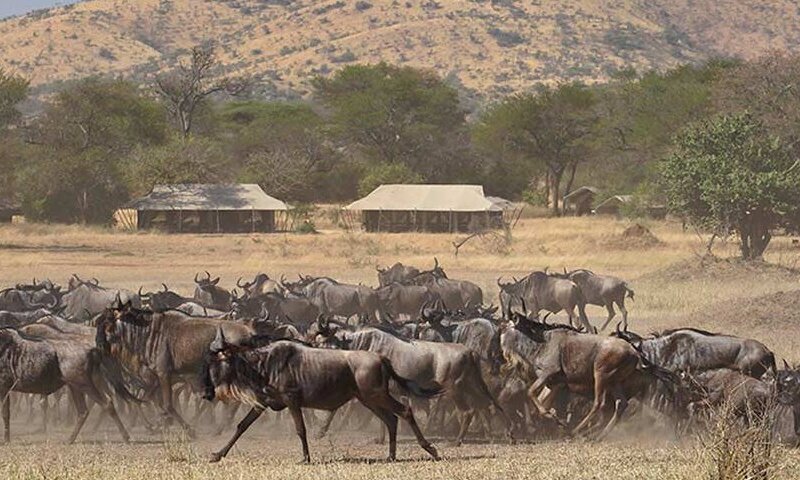
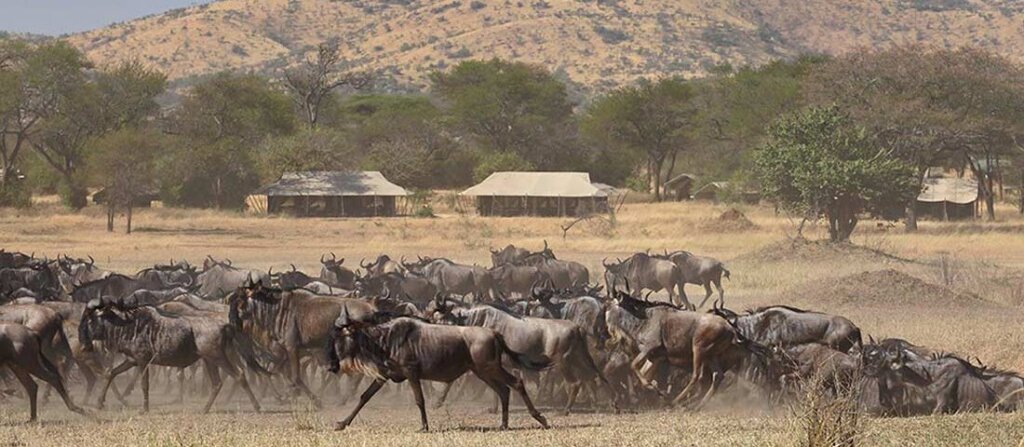
Mobile camps provide another option. These camps can move with the migration, allowing travelers to stay closer to seasonal wildlife movements. This can reduce long drives and provide a more immersive experience.
Luxury travelers may choose high end tented camps that combine comfort with a close connection to nature. Budget travelers can consider simpler tented camps or public campsites, depending on their preferences.
Location matters as much as comfort. A beautiful lodge far from the migration may create long daily drives. Therefore, your accommodation should match the region you want to explore.
When planning your safari, ask your operator how the accommodation location supports your wildlife goals. A knowledgeable company should explain why a particular camp makes sense for your travel dates.
A well chosen camp can turn a good safari into an exceptional one because it gives you more time in the wilderness and less time traveling between distant locations.
How to Plan Your Migration Safari Around the Seasons
Seasonal planning plays one of the biggest roles in creating the best migration safari itinerary. The migration follows rainfall, so different areas become important at different times of the year.
During the early months of the year, southern Serengeti and Ndutu often attract large herds because fresh grass supports the calving season. This period offers excellent opportunities to see newborn animals and predator activity.
As the year progresses, the herds gradually move through central and western Serengeti. Their exact movement depends on rainfall and grazing conditions.
Later, many herds reach the northern Serengeti. This region becomes particularly attractive to travelers interested in the Mara River crossings.
Toward the end of the year, the cycle begins to shift again as the herds move back toward areas with fresh grazing.
However, you should never treat these seasonal patterns as guaranteed schedules. Weather can change, and the animals may move earlier or later than expected.
For this reason, experienced safari planning remains essential. Your operator should use current information and local knowledge to design the best route for your dates.
A Complete Tanzania Migration Safari With Zanzibar
Many international travelers want to combine a wildlife adventure with time on the beach. Tanzania makes this combination easy because you can connect a Serengeti safari with a relaxing stay in Zanzibar.
A complete itinerary might begin with a few days exploring Tarangire and Ngorongoro before continuing into the Serengeti. After experiencing the migration, you can fly from northern Tanzania to Zanzibar.
The island provides a peaceful contrast to the excitement of safari. You can spend your days relaxing on white sand beaches, exploring Stone Town, enjoying boat trips, or discovering the island’s rich history.
This combination works particularly well for first time visitors to Tanzania because it offers two very different experiences in one journey.
However, you should allocate enough time to each part of the trip. A rushed safari followed by a short beach stay may leave you feeling that you missed important experiences.
A ten to fourteen day holiday can provide a comfortable balance between wildlife and relaxation.
The best migration safari itinerary therefore does not have to end when you leave the Serengeti. By adding Zanzibar, you can complete your Tanzania journey with a slower and more relaxing experience.
How to Choose the Best Migration Safari Itinerary for You
Choosing the right itinerary starts with identifying what you want most from your safari. If you dream of seeing newborn wildebeest, focus on the southern Serengeti during the calving season. If you want to experience the Mara River region, plan your trip around the northern Serengeti migration season.
Your budget also matters. Luxury mobile camps and private safari vehicles provide greater comfort and flexibility, while mid range and budget options can offer excellent wildlife experiences at lower prices.
Your travel pace also deserves attention. Some travelers enjoy moving between several parks, while others prefer to stay longer in one region.
Family travelers may prioritize shorter drives and comfortable accommodation. Photographers may prefer longer stays in areas with high wildlife activity. Couples may choose a combination of safari and Zanzibar.
The best migration safari itinerary should reflect your travel goals, available time, budget, and preferred level of comfort. Once you identify these factors, an experienced safari planner can build a route that makes sense for your journey.
Making the Most of Your Great Migration Experience
The best migration safari itinerary should give you more than a chance to see a large herd. It should help you understand the natural cycle that connects the animals, landscapes, rainfall, and local communities.
Before traveling, research the season and choose your destinations carefully. During the safari, remain flexible because nature does not follow a strict timetable.
Listen to your guide and allow time for unexpected experiences. A quiet morning watching elephants may become just as memorable as seeing thousands of wildebeest.
Responsible travel also matters. Choose operators that respect wildlife regulations, support conservation, and work positively with local communities. Avoid practices that disturb animals or place unnecessary pressure on sensitive habitats.
It also helps to travel with realistic expectations. The migration is a natural event, not a scheduled performance. You may witness an unforgettable river crossing, or you may spend your time watching herds move slowly across the plains.
The strongest safari memories often come from slowing down and appreciating the entire ecosystem. The sounds of birds, the changing light across the plains, and the behavior of individual animals all contribute to the experience.
Planning the Journey That Fits Your Migration Dreams
The answer to what is the best migration safari itinerary depends on your personal travel goals, but the most rewarding plans share one important quality: they give nature enough time and space to unfold. A well designed itinerary can take you from the elephant rich landscapes of Tarangire to the wildlife filled Ngorongoro Crater and then deep into the Serengeti, where the Great Migration becomes the central experience.
For travelers who want the calving season, southern Serengeti and Ndutu offer a powerful combination of newborn wildlife and predator activity. For those who dream of river crossings, northern Serengeti provides the right setting during the appropriate season. However, the migration remains unpredictable, so flexibility should always form part of your planning.
Giant Holiday Safaris can help travelers build a journey that balances migration viewing with comfort, wildlife diversity, cultural experiences, and relaxation. The best itinerary should never feel like a race from one destination to another. Instead, it should allow you to enjoy Tanzania at a thoughtful pace while giving you the best possible opportunity to experience the wildlife movement.
Ultimately, what is the best migration safari itinerary comes down to choosing the right season, spending enough time in the right region, and keeping an open mind. When you combine careful planning with the freedom to follow nature, your Tanzania safari can become a deeply memorable journey through one of Africa’s greatest wildernesses.