Which Kenya Safari Camps Have Swimming Pools?
July 30, 2026
What Are the Best Safari Airlines in Kenya?
July 30, 2026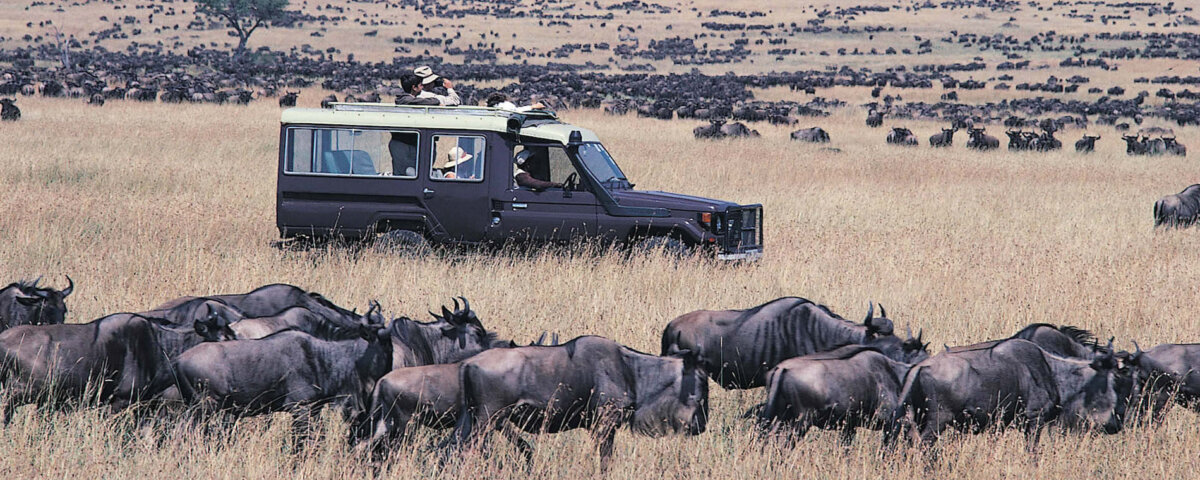
Where Are the Wildebeest in June
Knowing where are the wildebeest in June can help you plan a more rewarding Tanzania safari. June marks an exciting period in the Great Migration because the herds begin moving away from the southern Serengeti and Ndutu areas toward the western and central parts of the ecosystem. The exact location changes from year to year because rainfall, fresh grass, and water availability guide the animals. Therefore, travelers should think of June as a transition month rather than a time when every wildebeest stays in one fixed place. During this period, large herds may gather around the Western Corridor as they continue their long journey toward better grazing. At the same time, the Serengeti offers excellent resident wildlife, so your safari does not depend entirely on finding the migrating herds. Lions, cheetahs, leopards, elephants, giraffes, and buffaloes remain active throughout the park. With careful planning, June can provide an excellent combination of migration viewing, beautiful landscapes, and comfortable safari conditions.
Combined Uganda, Kenya, Rwanda and Tanzania Safaris
17 days Kenya Tanzania and Uganda safari
19 Days Uganda Kenya and Tanzania Safari
16 Days Kenya Tanzania and Uganda Safari
14 Days Kenya Uganda and Tanzania Safari
14 Days Kenya Uganda and Rwanda Safari
12 Day Gorilla Trekking and Tanzania Safari
Where Do Wildebeest Move in June
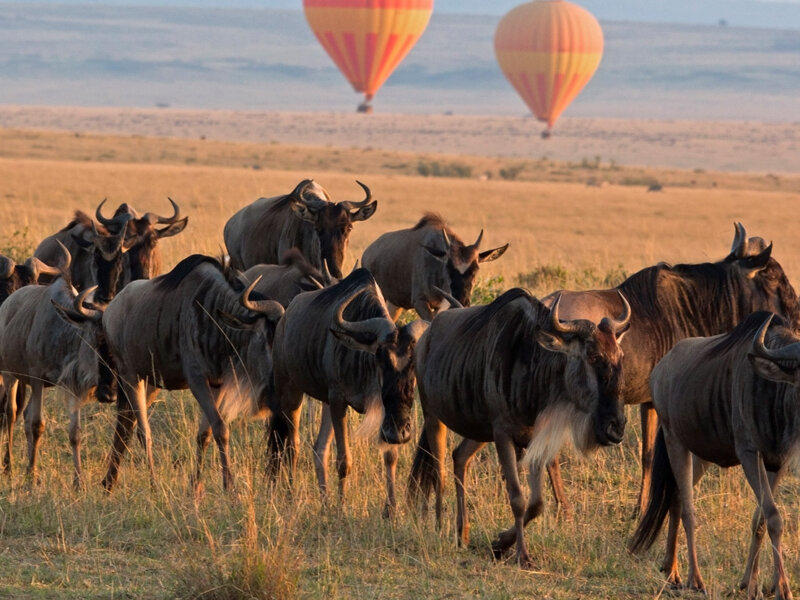
In June, many wildebeest begin moving north and west from the southern Serengeti after spending the earlier months around the Ndutu plains. The herds follow the availability of fresh grass and water, so their movement does not follow a strict calendar. As the dry season begins to develop in northern Tanzania, the animals gradually leave areas where grazing opportunities become less productive.
Many herds may move toward the Western Corridor, although the exact timing depends on rainfall patterns. This area includes the Grumeti region, which becomes an important part of the migration journey as the animals continue northward. The movement can create impressive wildlife scenes because thousands of wildebeest travel together across open plains.
However, June does not guarantee that every herd will reach the same location at the same time. Some groups may remain in the central Serengeti, while others move farther west. Therefore, experienced guides monitor recent wildlife movements and adjust game drives according to current conditions.
For travelers, this natural uncertainty forms part of the adventure. Instead of expecting the migration to follow a fixed route, it helps to understand the wider Serengeti ecosystem and allow enough time to explore different areas.
Why June Is an Important Month for the Great Migration
June plays an important role in the annual Great Migration because it often marks the beginning of one of the most dramatic stages of the wildebeest journey. After months of grazing in the southern Serengeti and surrounding plains, the herds begin searching for new feeding grounds.
The movement becomes especially interesting because the animals travel across large distances while facing predators, changing weather, and natural barriers. Calves born earlier in the year have grown stronger, allowing them to travel with the larger herds.
As the animals move toward the Western Corridor, predators such as lions, cheetahs, and hyenas continue to follow the herds. This creates excellent opportunities for travelers who want to observe the relationship between prey and predator.
June also offers a different atmosphere from the wetter months. The landscape often begins to look drier, while clear skies can create excellent conditions for photography.
For safari travelers, this combination makes June an attractive time to visit. You may experience large groups of wildebeest on the move while also enjoying the wider wildlife diversity that makes the Serengeti famous.
Are the Wildebeest in the Western Corridor in June
The Western Corridor can become one of the most important areas to explore when searching for wildebeest in June. As the herds move northward, many animals travel through this long, narrow region of the Serengeti.
The corridor stretches toward the Grumeti River, creating an important part of the migration route. The landscape differs from the open plains of the southern Serengeti, with more woodland, riverine vegetation, and rolling terrain.
Travelers visiting the Western Corridor may encounter large groups of wildebeest moving through the area. The region also supports resident wildlife, including elephants, giraffes, buffaloes, hippos, crocodiles, and several big cat species.
However, the timing of the migration remains unpredictable. Rainfall can influence how quickly the herds move, and different groups may reach the Western Corridor at different times.
For this reason, travelers should avoid choosing a safari solely because they expect to see a specific migration event on a specific date. Instead, a well planned June itinerary should include enough time to explore the Western Corridor and nearby Serengeti areas.
This approach increases your chances of finding the herds while also giving you opportunities to enjoy the broader wildlife experience.
Can You See the Wildebeest in Central Serengeti in June
Yes, travelers can still see wildebeest in the Central Serengeti during June. Although many herds begin moving west and north, the migration does not happen as one perfectly organized group. Different groups move at different speeds, and some may remain in the central areas for a period.
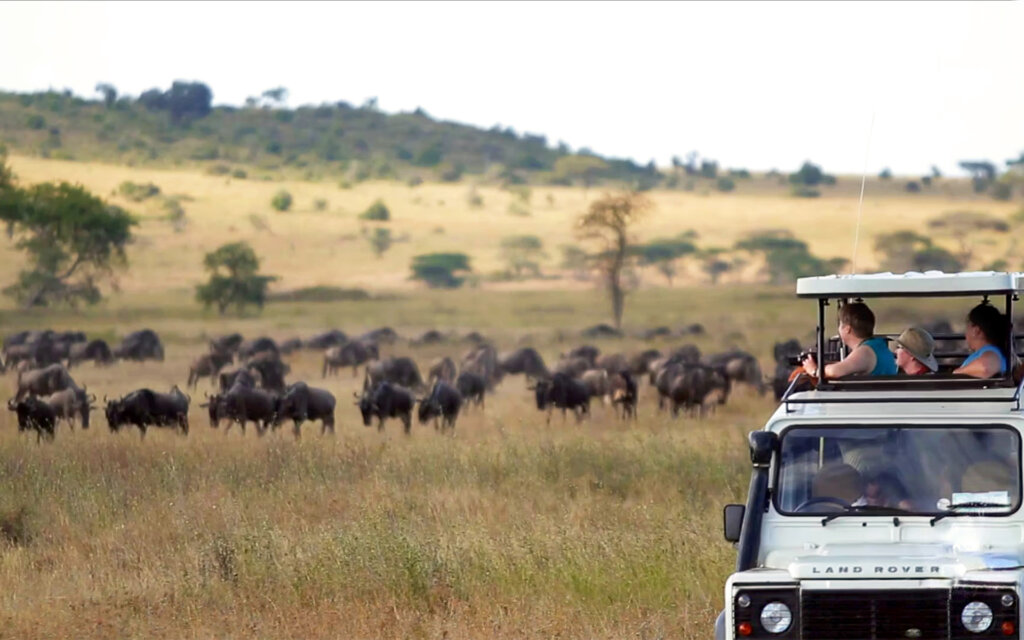
The Central Serengeti offers excellent wildlife viewing throughout the year. The Seronera area, in particular, supports a strong population of resident animals, making it a valuable destination even when the main migration herds move elsewhere.
During June, travelers may encounter wildebeest, zebras, gazelles, and other herbivores across the central plains. At the same time, the area provides opportunities to see lions, leopards, cheetahs, elephants, and other wildlife.
Therefore, staying in Central Serengeti can provide a balanced safari experience. You may not find the largest concentration of migrating wildebeest every day, but you can still enjoy excellent game viewing.
This makes the region particularly useful for travelers who want to combine the Great Migration with a broader Tanzania safari rather than focusing on one specific wildlife event.
What Happens to the Wildebeest After Leaving Southern Serengeti
As the wildebeest leave the southern Serengeti, they begin a long journey toward areas with better grazing conditions. Their movement reflects the natural cycle of rainfall and vegetation across the ecosystem.
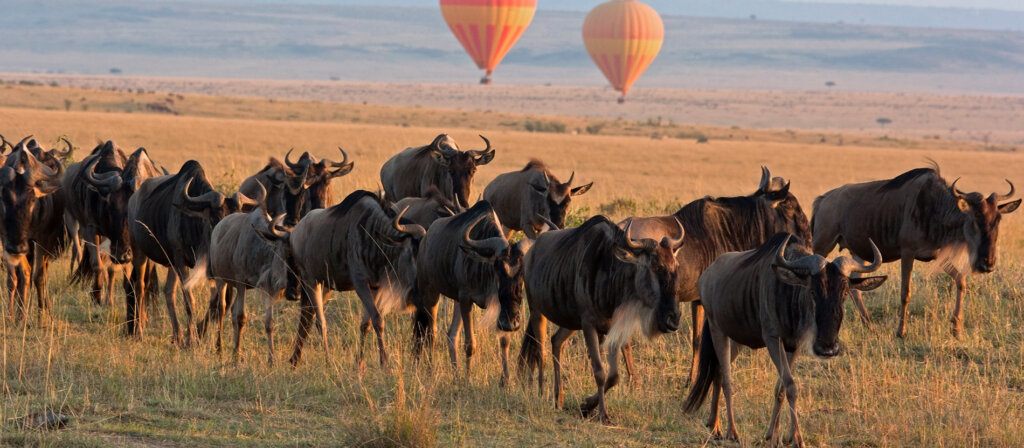
The herds often travel with zebras and gazelles, creating large mixed groups of herbivores. These animals depend on fresh grass, so they constantly respond to changes in the landscape.
During June, many wildebeest may move through the Central Serengeti and toward the Western Corridor. However, the journey does not happen at the same speed for every animal. Some herds may move quickly, while others pause to graze.
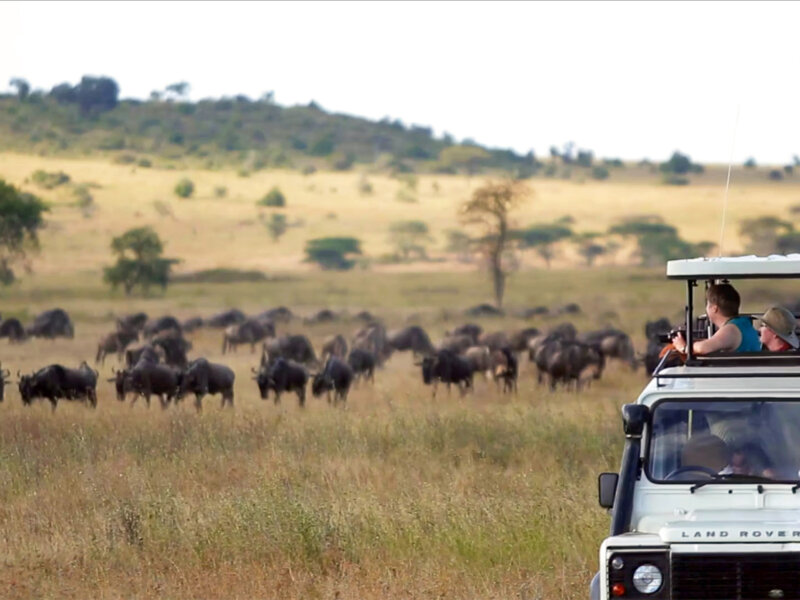
This movement creates a fascinating wildlife experience because travelers can observe animals at different stages of the journey. You may see huge groups gathering on open plains, smaller groups feeding quietly, or long lines of animals moving across the horizon.
The journey also attracts predators. Lions and hyenas often follow the herds, while crocodiles wait near rivers that form part of the migration route.
Therefore, June offers more than a simple opportunity to find wildebeest. It provides a chance to understand how wildlife responds to the changing environment.
Where Should You Stay to See Wildebeest in June
Choosing where to stay can make a major difference when planning a June migration safari. Because the herds move across a large area, your accommodation should match your main wildlife goals.
Travelers who want to follow the migration toward the Western Corridor may benefit from staying in or near that region. This can reduce long daily drives and give you more time in the areas where the herds may pass.
However, Central Serengeti remains a strong option for travelers who want a balanced safari. The region offers excellent resident wildlife, making it valuable even when migration movements change.
Mobile camps can also provide an advantage because they may move seasonally to follow wildlife patterns. These camps can place travelers closer to important migration areas while offering a more intimate wilderness experience.
Giant Holiday Safaris can help travelers compare different accommodation styles and design an itinerary that fits their travel dates, budget, and wildlife interests.
Ultimately, the best place to stay depends on your priorities. If you want to follow the migration closely, location should remain a major part of your planning. If you want a wider safari experience, choose a route that combines migration areas with strong year round wildlife destinations.
Is June a Good Month for a Wildebeest Migration Safari
June can be an excellent month for a wildebeest migration safari, particularly for travelers who want to experience the herds during their northward movement. The month offers a different perspective from the calving season because the animals have already moved into the next stage of their journey.
The weather also appeals to many travelers. June generally falls within Tanzania’s dry season, which often brings clearer skies and lower rainfall than earlier months. This can make game drives more comfortable and improve visibility across the open landscapes.
However, June remains a transition period. The herds may not stay in one predictable area, so travelers need to remain flexible.
The biggest advantage comes from combining migration viewing with the Serengeti’s resident wildlife. Even if the herds move farther than expected, you can still enjoy excellent game drives.
June can therefore work particularly well for travelers who want a balance between wildlife viewing and comfortable travel conditions.
With the right expectations, this month can deliver memorable encounters with wildebeest while allowing you to experience the wider beauty of northern Tanzania.
Can You See River Crossings in June?
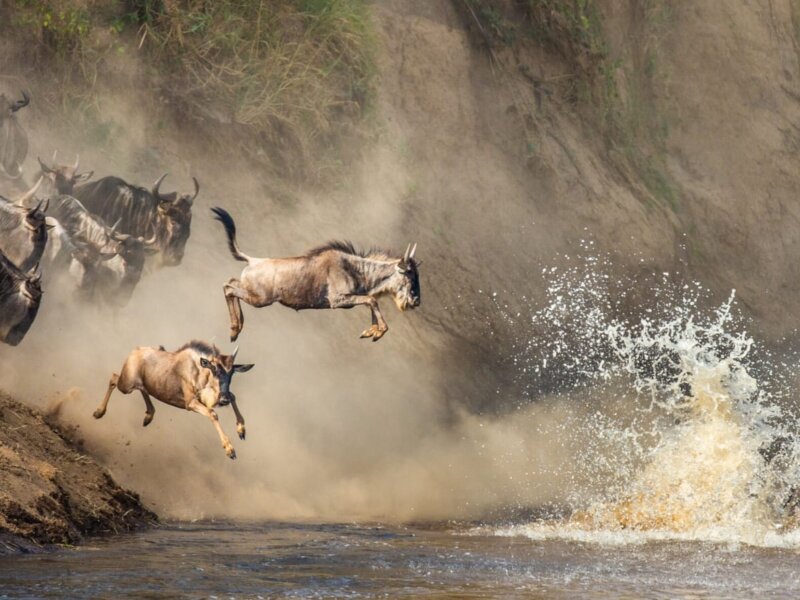
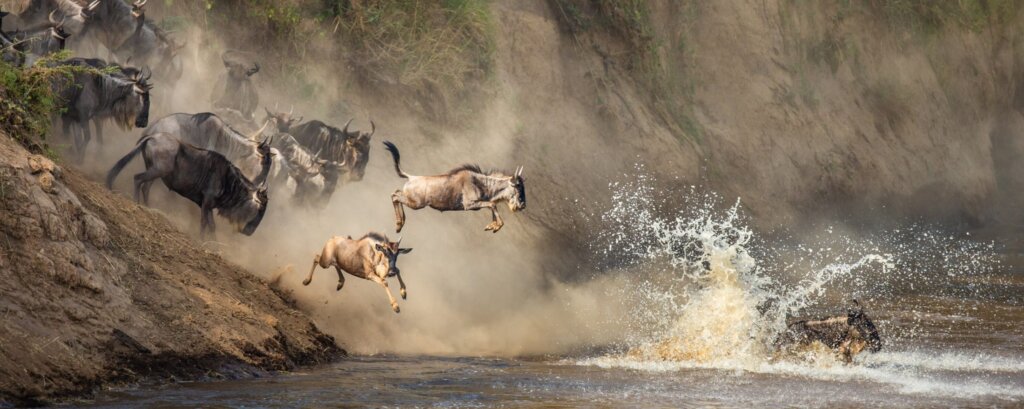
Travelers should not plan a June safari around the expectation of seeing the famous river crossings. Although the migration begins moving toward areas associated with later crossings, the major Mara River crossings generally occur later in the season.
The exact timing varies because wildebeest respond to rainfall, water levels, and grazing conditions. The animals may pause for days or weeks before continuing their journey.
In June, travelers may instead encounter the herds as they move through the Western Corridor. The Grumeti region can become an important area during this stage of the migration.
This does not mean the safari lacks dramatic moments. Wildebeest movement itself creates remarkable scenes as large groups cross open plains and gather around water sources.
Travelers should also remember that river crossings are never guaranteed, even during the most popular migration months. Wildlife follows natural conditions rather than human schedules.
Therefore, the best strategy involves viewing June as a migration journey rather than a river crossing season. This mindset allows you to appreciate the full story of the Great Migration instead of focusing on one specific event.
How Do You Plan a June Wildebeest Safari?
Planning a June safari requires careful attention to geography, timing, and travel style. Since the herds can move quickly, travelers should choose an itinerary that allows flexibility.
A longer safari can provide better opportunities because you have more time to explore different areas. A three day itinerary may limit your ability to follow changing wildlife movements, while a week or longer can provide greater freedom.
Your choice of accommodation also matters. Staying in strategically located camps can reduce long drives and increase the amount of time you spend exploring wildlife areas.
You should also work with an experienced safari operator that understands seasonal migration patterns. Local knowledge can help guides respond to changing conditions and identify areas where wildlife activity remains strong.
It also helps to combine migration viewing with other destinations. Adding Ngorongoro Crater or Tarangire National Park can create a more complete Tanzania safari experience.
The goal should not simply involve finding wildebeest. Instead, your itinerary should create opportunities to enjoy the entire ecosystem.
With thoughtful planning, June can become an excellent month for travelers who want to experience the movement of the herds while exploring Tanzania’s wider wildlife treasures.
What Wildlife Can You See Alongside the Wildebeest?
A June migration safari offers much more than wildebeest. The Serengeti supports a remarkable range of wildlife, and the movement of large herbivore herds attracts many predators.
Lions often patrol areas where wildebeest and zebras gather. Cheetahs may hunt across open plains, while leopards prefer areas with thicker vegetation. Hyenas also remain active and may follow the migrating herds.
Elephants, giraffes, buffaloes, hippos, and various antelope species add further variety to the safari experience.
Birdlife also remains an important part of the journey. Travelers can encounter eagles, vultures, storks, hornbills, and many smaller species across the Serengeti.
Therefore, even if the wildebeest move away from a particular area, the safari can still provide excellent wildlife viewing.
This variety represents one of Tanzania’s greatest strengths. The Great Migration attracts travelers from around the world, but the Serengeti ecosystem offers year round wildlife value.
As a result, June travelers should approach the safari with an open mind. The wildebeest may form the main focus, but the entire ecosystem contributes to the experience.
Why You Should Follow the Migration Rather Than Chase One Location
The Great Migration covers a vast ecosystem, so travelers should avoid treating it like a single wildlife attraction located in one fixed place. The wildebeest move according to natural conditions, which means their location can change during your trip.
Instead of chasing one exact location, travelers should choose an itinerary that follows the broader seasonal pattern. In June, this often means considering the Central Serengeti and Western Corridor while remaining open to changing conditions.
This approach reduces disappointment and creates a richer safari experience. You can enjoy the landscape, predators, resident wildlife, and local communities alongside the migration.
A skilled guide can also make a major difference. Guides who understand the ecosystem can interpret animal behavior and help travelers appreciate why the herds move.
The best migration safari does not simply involve finding the largest group of wildebeest. It involves understanding the natural story behind their journey.
By focusing on the wider experience, travelers can enjoy Tanzania with greater confidence and flexibility.
Where Are the Wildebeest in June and Why Does It Matter?
Understanding where are the wildebeest in June matters because the location of the herds can shape your entire safari experience. During this month, many wildebeest begin moving from the southern Serengeti toward the Central Serengeti and Western Corridor, although the exact route and timing change with rainfall and grazing conditions.
For travelers, this means June requires thoughtful planning rather than a simple promise of seeing the herds in one particular place. Choosing the right region, staying for enough nights, and working with an experienced guide can improve your chances of enjoying meaningful migration encounters.
At the same time, travelers should remember that the Serengeti offers much more than the migration. The park’s resident predators, elephants, giraffes, buffaloes, birds, and dramatic landscapes provide rewarding experiences throughout the year.
The most successful June safari combines realistic expectations with flexibility. Rather than chasing a single event, allow yourself to experience the migration as a natural journey that unfolds across Tanzania’s extraordinary wilderness.
When you understand where are the wildebeest in June, you can make better decisions about your itinerary and accommodation while remaining open to the unpredictable beauty that makes the Great Migration such a remarkable wildlife experience.