Can You See the Big Five in Tanzania
July 31, 2026
What birds can I see in Uganda
July 31, 2026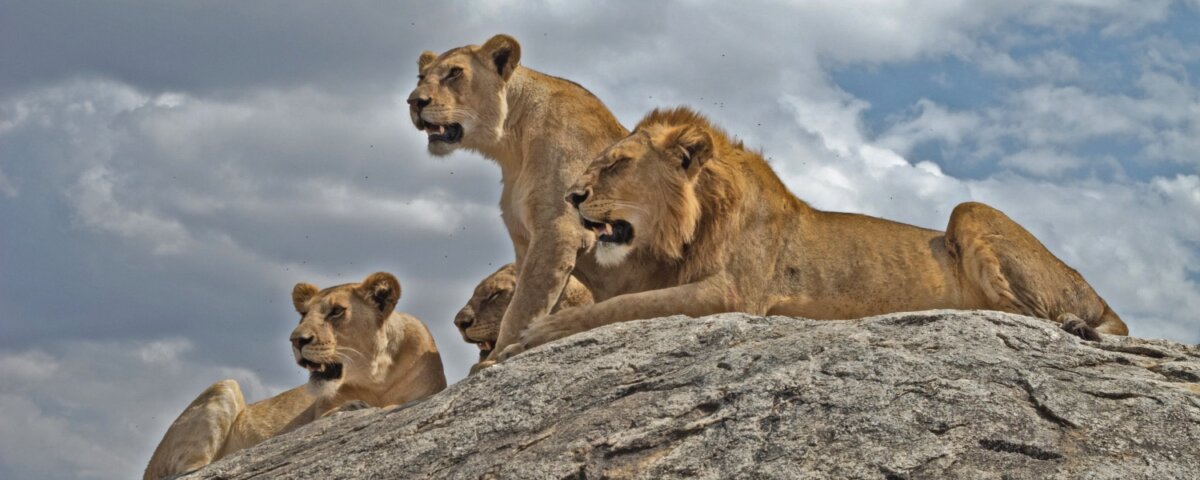
Which Tanzania Parks Have Lions
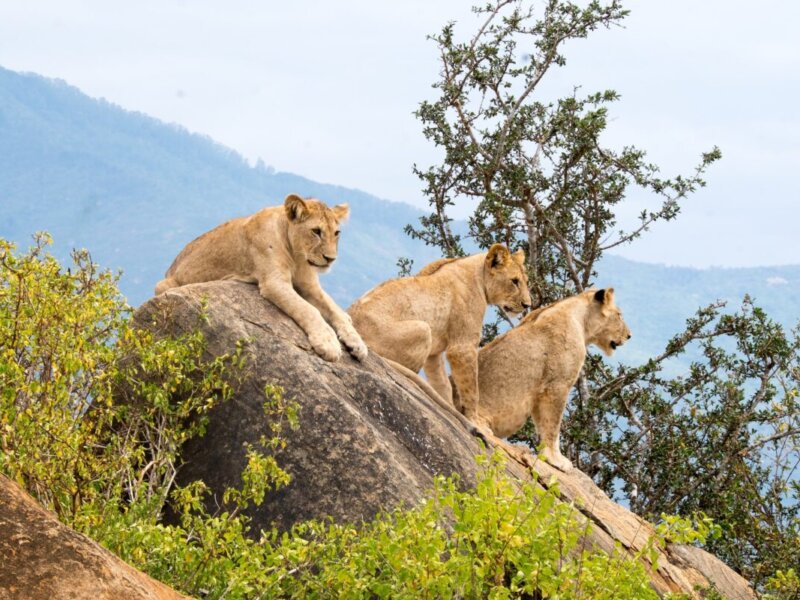
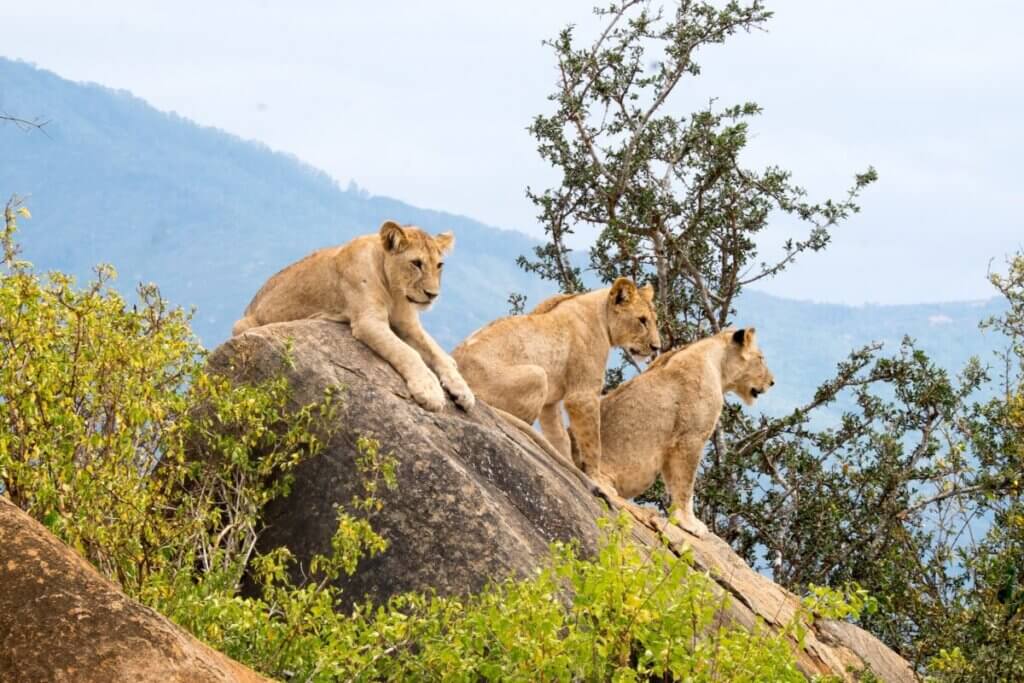
If you are planning a wildlife holiday and wondering which Tanzania parks have lions, you are choosing one of the best countries in Africa for seeing these powerful big cats in the wild. Tanzania protects a remarkable network of national parks and conservation areas, and many of them support healthy lion populations. From the endless plains of the Serengeti to the woodland landscapes of Tarangire, lions live in different habitats and display different behaviors. However, not every park offers the same chance of seeing them. Some destinations stand out because they have large prey populations, open landscapes, and strong wildlife protection. The Serengeti remains one of the most famous places for lion viewing, while Ngorongoro Crater offers excellent opportunities within a compact ecosystem. Tarangire and Lake Manyara can also provide memorable encounters, especially when travelers understand how habitat and seasonal conditions influence sightings. Therefore, knowing which Tanzania parks have lions can help you build a safari itinerary that matches your wildlife interests and gives you the best possible opportunity to experience these magnificent predators.
Combined Uganda, Kenya, Rwanda and Tanzania Safaris
17 days Kenya Tanzania and Uganda safari
19 Days Uganda Kenya and Tanzania Safari
16 Days Kenya Tanzania and Uganda Safari
14 Days Kenya Uganda and Tanzania Safari
14 Days Kenya Uganda and Rwanda Safari
12 Day Gorilla Trekking and Tanzania Safari
Why Tanzania Is One of the Best Places to See Lions
Tanzania offers an outstanding environment for lion viewing because its protected areas contain large populations of prey and extensive natural habitats. Lions need enough food, water, and space to survive, and Tanzania provides all three across several major safari regions.
The country’s wildlife areas also support large populations of wildebeest, zebras, buffaloes, antelopes, and other herbivores. These animals form an important part of the lion’s food supply. As a result, areas with abundant prey often provide stronger opportunities for seeing lions.
The landscape also plays an important role. Open grasslands make it easier for travelers to spot lions resting or moving across the plains. In contrast, woodland and thick vegetation can make sightings more challenging, even when lions live in the area.
Tanzania’s experienced safari guides also contribute to successful wildlife viewing. Guides understand animal behavior and often recognize clues that indicate nearby predators. Fresh tracks, alarm calls from prey animals, and groups of vultures can sometimes help guides locate a lion.
However, travelers should remember that lions live freely in the wild. No safari can guarantee a sighting. Nevertheless, choosing a destination with a strong lion population and spending several days in the area can greatly improve your chances.
Serengeti National Park Offers Exceptional Lion Viewing
The Serengeti is arguably the most famous answer to the question, which Tanzania parks have lions. This vast ecosystem provides one of Africa’s most impressive environments for observing lions in their natural habitat.
The park’s open grasslands make it easier to spot predators. Lions often rest under trees during the heat of the day, lie among tall grasses, or move across the plains in search of prey. Early mornings and late afternoons often provide excellent opportunities to observe their behavior because temperatures become cooler and wildlife becomes more active.
The Serengeti also supports enormous numbers of herbivores. The annual wildebeest migration brings millions of animals through parts of the ecosystem, creating seasonal opportunities for predators. However, lions do not depend only on migrating herds. Resident prey populations support them throughout the year.
Different parts of the Serengeti can offer different wildlife experiences. Central Serengeti provides excellent year round wildlife viewing, while the western and northern regions become especially interesting during certain migration periods.
Travelers who want to see lions should consider spending several nights in the Serengeti. More time allows your guide to explore different areas and follow recent wildlife activity.
For many visitors, seeing a lion resting on the open plains with the Serengeti stretching behind it becomes one of the defining moments of their Tanzania safari.
Ngorongoro Crater Is Excellent for Lion Sightings
Ngorongoro Crater offers another exceptional opportunity to see lions in Tanzania. The crater forms a relatively enclosed ecosystem with abundant water, grasslands, and wildlife, creating favorable conditions for predators.
The compact nature of the crater makes it possible to explore a large amount of wildlife habitat within a single game drive. This can benefit travelers who have limited time but still want a strong chance of seeing lions.
Lions often move through the crater’s open grasslands, where travelers can sometimes observe them resting, hunting, or interacting with their pride. The surrounding scenery adds to the experience because the crater walls create a dramatic backdrop.
However, the crater can become busy during peak travel periods. Therefore, travelers who value a quieter wildlife experience may prefer to combine a crater visit with several nights in the Serengeti.
Ngorongoro also offers more than lions. Visitors may encounter elephants, buffaloes, zebras, hippos, wildebeest, hyenas, and many bird species.
The destination works particularly well for travelers who want to experience several wildlife species within a relatively compact area.
A visit to Ngorongoro Crater can therefore complement a Serengeti safari, giving travelers two distinct environments in which to search for lions.
Tarangire National Park Has Lions Too for a Perfet Tanzania Safari
Tarangire National Park often receives attention for its large elephant population, but the park also supports lions and offers excellent opportunities for travelers who want to explore a less crowded wildlife destination.
The park’s landscape differs from the open plains of the Serengeti. Large baobab trees, seasonal wetlands, grasslands, and woodland areas create a varied environment. This diversity can make wildlife viewing exciting because animals may appear in different habitats.
Lions in Tarangire may hunt or rest near areas where prey gathers. During the dry season, wildlife often concentrates around the Tarangire River and other water sources. This concentration can create opportunities to see predators following their prey.
However, the vegetation can sometimes make lions harder to spot than in the Serengeti’s open plains. A skilled guide can make a significant difference by understanding the landscape and animal behavior.
Tarangire also works well as part of a northern Tanzania safari circuit. Travelers can combine it with Lake Manyara, Ngorongoro Crater, and the Serengeti.
For visitors who want to experience a broader range of landscapes, Tarangire provides a valuable addition to the itinerary.
The park demonstrates that lion viewing in Tanzania extends beyond the Serengeti and offers travelers another opportunity to encounter these iconic predators.
Lake Manyara National Park Supports Lion Populations
Lake Manyara National Park also has lions, although visitors often associate the destination more strongly with elephants, birds, and its diverse landscapes.
The park contains several different habitats, including woodland, grassland, wetlands, and areas around the lake. This ecological variety supports a wide range of wildlife.
Lake Manyara became famous for its tree climbing lions, although travelers should understand that seeing lions in trees does not happen on every visit. Lions may spend time on the ground or move through vegetation depending on weather, temperature, prey availability, and other natural factors.
The possibility of seeing a lion resting in a tree adds an unusual element to a safari. When the conditions align, the sight can create a memorable wildlife experience.
However, travelers should not choose Lake Manyara solely because they expect to see tree climbing lions. The park offers a broader safari experience that includes elephants, giraffes, buffaloes, hippos, monkeys, and abundant birdlife.
The park works particularly well as an introductory destination for travelers exploring northern Tanzania. Families and first time safari visitors may appreciate the variety of wildlife and landscapes within a relatively compact area.
Therefore, Lake Manyara deserves consideration when planning a Tanzania safari focused on lions and diverse wildlife.
Ruaha National Park Is a Strong Choice for Lion Lovers
Travelers looking beyond the popular northern safari circuit should consider Ruaha National Park. Located in southern Tanzania, Ruaha provides a more remote safari experience and supports a significant lion population.
The park’s vast landscapes include open plains, rocky areas, woodland, and the Great Ruaha River. These habitats create opportunities to observe predators and prey in a less crowded setting.
Ruaha also supports large numbers of elephants and other herbivores. During dry periods, wildlife often gathers around water sources, which can create interesting predator viewing opportunities.
One of the main advantages of Ruaha involves its sense of wilderness. Compared with some of Tanzania’s more popular parks, travelers may encounter fewer safari vehicles in certain areas.
This can create a more peaceful experience for people who want to observe wildlife without feeling surrounded by crowds.
However, Ruaha requires more planning because it sits farther from the main northern safari circuit. Travelers may need to use domestic flights or dedicate more time to reaching the park.
For serious wildlife enthusiasts and repeat visitors to Tanzania, Ruaha can provide an excellent opportunity to experience lions in a remote and authentic setting.
Nyerere National Park Offers a Different Lion Safari Experience
Nyerere National Park, formerly known as the Selous Game Reserve, offers another opportunity to see lions in southern Tanzania. The park covers a vast area and provides a more diverse safari experience than traditional open plain destinations.
The landscape includes rivers, lakes, woodlands, and grasslands. These habitats support lions alongside elephants, hippos, giraffes, buffaloes, wild dogs, and many other species.
Nyerere also offers activities that differ from those found in many northern parks. Depending on park rules and the selected safari area, travelers may enjoy boat safaris and other experiences alongside traditional game drives.
The variety makes Nyerere appealing to travelers who want more than conventional wildlife viewing.
However, the park’s size means that wildlife sightings can vary by location and season. A knowledgeable guide and well chosen accommodation can help improve the overall experience.
Nyerere works particularly well for travelers who want to explore southern Tanzania and experience a quieter side of the country’s safari industry.
Although the Serengeti may remain the first choice for many lion enthusiasts, Nyerere demonstrates the impressive geographic range of Tanzania’s lion habitats.
Which Tanzania Park Gives You the Best Chance to See Lions?
When travelers ask which Tanzania parks have lions, the answer includes several destinations, but the Serengeti and Ngorongoro Crater often stand out for travelers seeking strong overall opportunities.
The Serengeti offers vast landscapes, abundant prey, and a large ecosystem where lions thrive. Its open plains can also make predators easier to spot.
Ngorongoro Crater provides a different advantage. Its compact ecosystem allows travelers to explore a concentrated wildlife area, often making it possible to see a wide range of animals within a shorter period.
Tarangire, Lake Manyara, Ruaha, and Nyerere also offer opportunities, but each destination provides a different experience.
The best choice therefore depends on your travel style. First time visitors may prefer the northern circuit because it combines several major wildlife destinations. Experienced safari travelers may enjoy Ruaha or Nyerere for their quieter atmosphere and remote character.
Travelers should also consider the season. Dry periods often concentrate wildlife around water sources, while different seasons can change animal movements.
Consequently, choosing the right park involves more than simply asking where lions live. You should consider habitat, season, itinerary length, and the type of safari experience you want.
When Is the Best Time to See Lions in Tanzania?
Lions live in Tanzania throughout the year, so you can see them in different seasons. However, seasonal conditions can influence how easy it becomes to locate wildlife.
During the dry season, vegetation often becomes thinner and animals gather around reliable water sources. These conditions can make wildlife easier to spot.
The migration season can also create exciting predator viewing opportunities in the Serengeti. Large concentrations of wildebeest and zebras provide abundant prey, attracting lions and other predators.
However, travelers should not assume that the migration represents the only good time for lion viewing. Resident lions remain in the Serengeti and other parks throughout the year.
The wet season can also provide beautiful landscapes and excellent wildlife experiences. Fresh grass attracts herbivores, while young animals create new opportunities to observe predator behavior.
Therefore, the best time to see lions depends on your wider safari goals. If you want to combine lion viewing with the Great Migration, plan around the migration season. If you mainly want general wildlife viewing, several other months can provide excellent opportunities.
A knowledgeable safari planner can help you match your travel dates with your priorities.
How to Improve Your Chances of Seeing Lions
Seeing lions in Tanzania requires a combination of good destination selection, timing, patience, and experienced guiding. Although no safari can guarantee a sighting, travelers can make several smart decisions that improve their chances.
First, spend enough time in wildlife areas. A one night stay provides limited opportunities, while several nights allow your guide to explore different areas.
Second, choose accommodation in strategic locations. Staying near productive wildlife areas can reduce long drives and give you more time for game viewing.
Third, travel with an experienced guide. Guides who know the local ecosystem can recognize tracks, animal behavior, and other clues that may lead to predators.
Finally, remain patient. Lions often rest for long periods, especially during hot afternoons. Early morning and late afternoon drives can provide better opportunities to observe activity.
Giant Holiday Safaris can help travelers create a Tanzania safari itinerary that combines strong lion viewing opportunities with other wildlife and cultural experiences.
The goal should not simply involve checking lions off a list. Instead, allow yourself time to observe their natural behavior and understand their role within the ecosystem.
This approach creates a richer and more meaningful safari experience.
Why Lion Viewing Is About More Than the Sight of a Predator
Understanding which Tanzania parks have lions can help you choose the right destination, but the real value of a lion safari comes from experiencing the wider ecosystem. Tanzania offers several excellent parks where travelers can encounter lions, from the famous Serengeti and Ngorongoro Crater to Tarangire, Lake Manyara, Ruaha, and Nyerere National Park.
The Serengeti remains one of the strongest choices for travelers who want exceptional lion viewing alongside the Great Migration. Ngorongoro provides a concentrated wildlife experience, while Tarangire and Lake Manyara offer different landscapes and wildlife encounters. Meanwhile, Ruaha and Nyerere allow adventurous travelers to explore southern Tanzania and experience a quieter side of the country’s wilderness.
Ultimately, the best safari depends on your interests, travel dates, available time, and preferred style of travel. A thoughtful itinerary can combine several parks and give you opportunities to see lions in different habitats.
When you finally encounter a lion resting beneath an acacia tree, watching over its pride, or moving silently across the grasslands, the experience becomes more than a photograph. It becomes a direct connection with the wild.
Therefore, if you are asking which Tanzania parks have lions, know that Tanzania offers many choices. With careful planning, an experienced guide, and enough time in the right habitats, you can experience the remarkable world of African lions while discovering the beauty and diversity of Tanzania’s extraordinary wildlife.