Where Can I See Elephants in Tanzania
July 31, 2026
Why is Uganda called the Pearl of Africa
July 31, 2026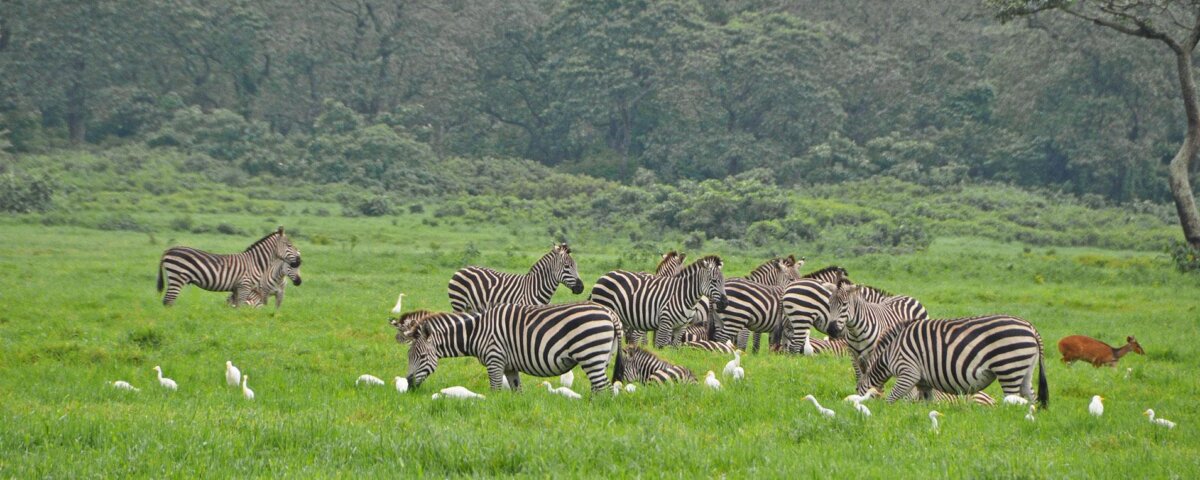
Which Park Has Most Wildlife in Tanzania
When travelers ask which park has most wildlife in Tanzania, the answer depends on what they mean by wildlife. Tanzania has several remarkable safari destinations, and each offers a different combination of animals, landscapes, seasons, and experiences. However, the Serengeti National Park often stands out as the strongest overall choice for travelers who want to see a huge variety of wildlife in one safari destination. Its vast plains support large populations of wildebeest, zebras, gazelles, buffaloes, giraffes, elephants, lions, cheetahs, leopards, and many other species. The annual Great Migration adds another remarkable layer to the experience, although the Serengeti remains a productive wildlife destination throughout the year. At the same time, Ngorongoro Crater, Tarangire National Park, Nyerere National Park, Ruaha National Park, and Lake Manyara National Park each offer unique wildlife advantages. Therefore, understanding the strengths of each park can help you choose the right destination based on the animals you hope to see, the season you plan to travel, and the kind of safari experience you want.
Combined Uganda, Kenya, Rwanda and Tanzania Safaris
17 days Kenya Tanzania and Uganda safari
19 Days Uganda Kenya and Tanzania Safari
16 Days Kenya Tanzania and Uganda Safari
14 Days Kenya Uganda and Tanzania Safari
14 Days Kenya Uganda and Rwanda Safari
12 Day Gorilla Trekking and Tanzania Safari
Why the Serengeti Has the Most Complete Wildlife Experience
The Serengeti often gives travelers the strongest answer when they ask which park has most wildlife in Tanzania. The park covers an enormous ecosystem with a remarkable concentration of animals. Its open grasslands create ideal conditions for wildlife viewing because travelers can often see animals from a considerable distance. In addition, the ecosystem supports large numbers of herbivores, which in turn sustain a healthy population of predators.
The Serengeti’s wildlife experience changes throughout the year. During the Great Migration, millions of wildebeest, zebras, and gazelles move through the ecosystem in search of fresh grazing and water. This movement attracts lions, cheetahs, hyenas, leopards, and other predators. Nevertheless, the park does not depend entirely on the migration. Resident wildlife remains in many areas throughout the year, allowing travelers to enjoy excellent game viewing outside the peak migration periods.
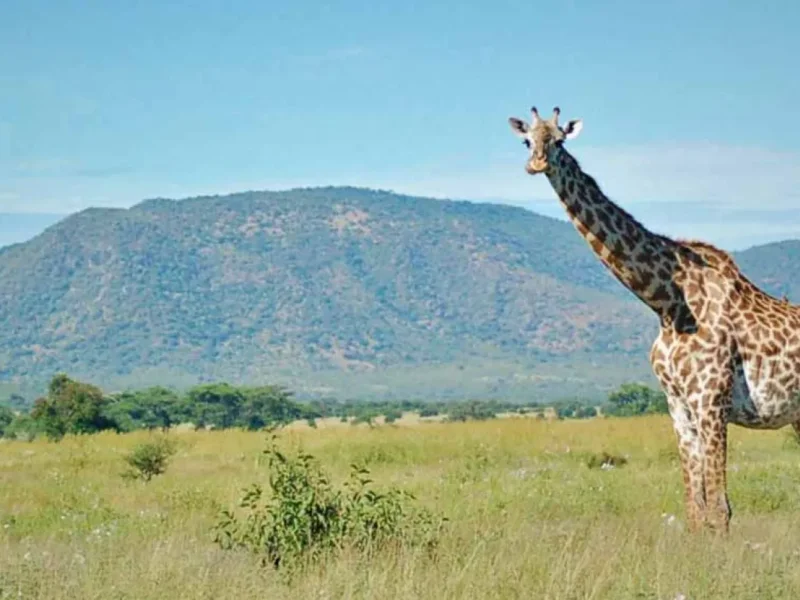
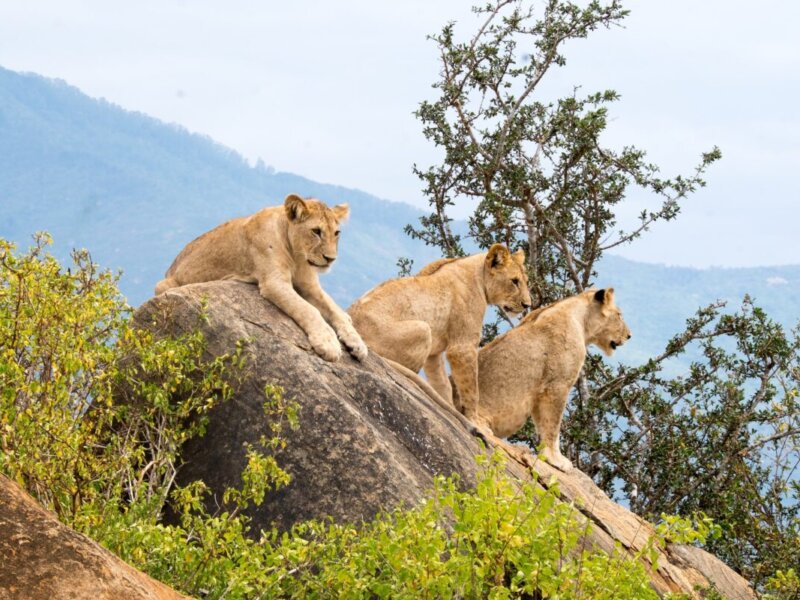
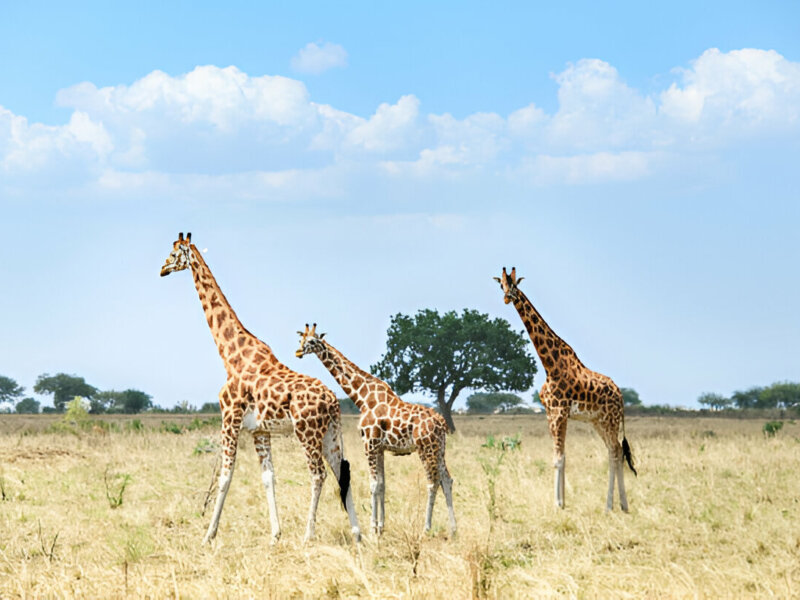
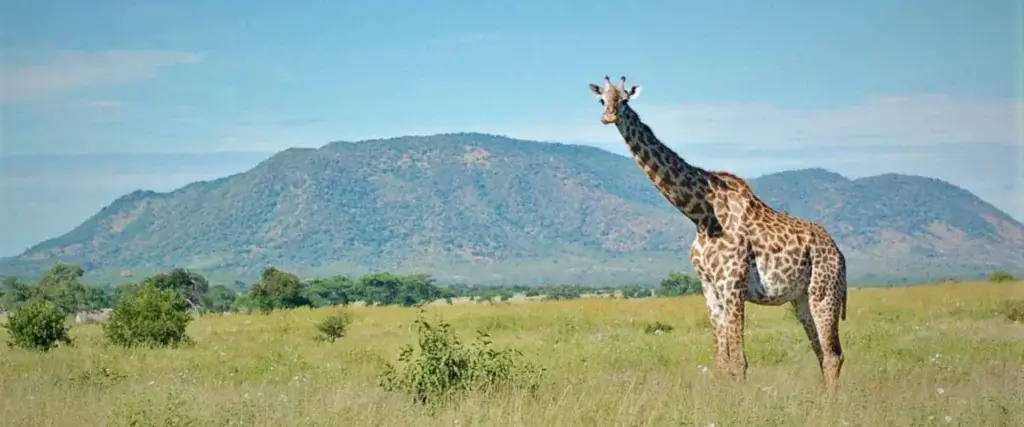
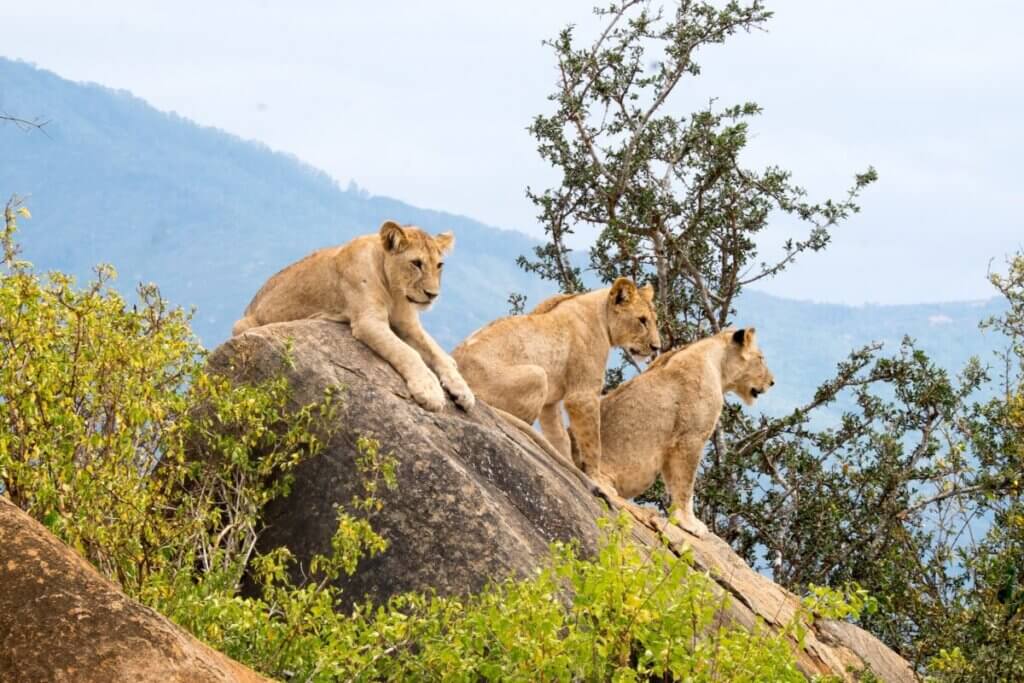
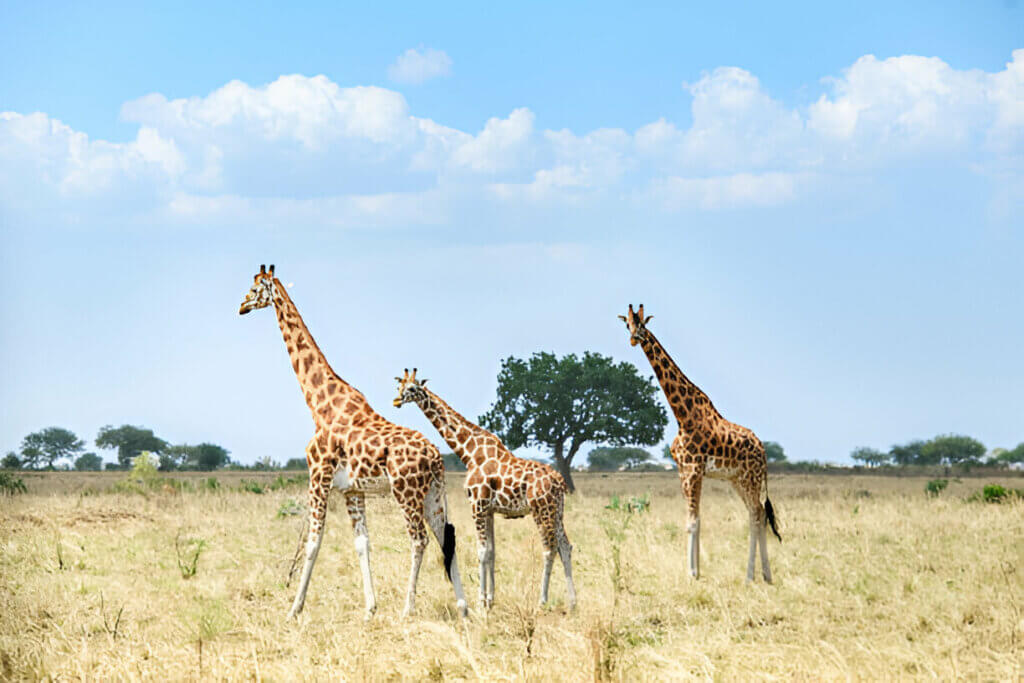
The park also offers variety. One game drive may bring you close to elephants and giraffes, while another may reveal a pride of lions resting beneath a tree. Furthermore, the vast landscape creates a strong feeling of wilderness. For travelers who want the broadest possible wildlife experience, the Serengeti remains one of Tanzania’s most complete safari destinations.
Ngorongoro Crater Offers Remarkable Wildlife Concentration
Ngorongoro Crater provides one of the most concentrated wildlife experiences in Tanzania. Although it covers a much smaller area than the Serengeti, the crater supports a remarkable variety of animals within its enclosed ecosystem. The crater floor contains grasslands, wetlands, woodland areas, and a permanent water supply, creating favorable conditions for wildlife.
Travelers can often see large numbers of wildebeest, zebras, buffaloes, gazelles, and other herbivores during a single game drive. These animals attract predators, including lions and hyenas. Visitors may also encounter elephants, although they often prefer the surrounding highlands and woodland areas.
One of the greatest advantages of Ngorongoro Crater involves its compact nature. Travelers with limited time can explore a productive wildlife area without spending long hours driving between distant locations. As a result, the crater works particularly well for first time safari visitors who want to experience many animals in a short period.
However, the crater can become busy during popular travel seasons. Therefore, travelers who value solitude may prefer to combine a crater visit with several days in the Serengeti or another less crowded park. Even so, Ngorongoro remains one of Tanzania’s best destinations for travelers who want to experience a high concentration of wildlife alongside breathtaking scenery.
Tarangire National Park Is Best for Wildlife Diversity and Elephants
Tarangire National Park offers a different answer to the question of which park has most wildlife in Tanzania. The park may not match the Serengeti in overall scale, yet it provides an excellent combination of wildlife diversity and distinctive scenery. Huge baobab trees, seasonal wetlands, open grasslands, and woodland areas create a beautiful setting for game drives.
Tarangire is especially famous for elephants. During the dry season, many animals gather around the Tarangire River and other reliable water sources. This concentration can create excellent opportunities to observe elephants, buffaloes, zebras, giraffes, and various antelope species in the same area.
Predators also live within the park. Lions are present, while leopards and cheetahs can appear in suitable habitats. However, thick vegetation may sometimes make predator sightings more challenging than in the open plains of the Serengeti.
Tarangire works particularly well as part of a northern Tanzania safari circuit. Travelers can combine it with Lake Manyara, Ngorongoro Crater, and the Serengeti to experience different ecosystems within one journey. For those who appreciate elephants, diverse landscapes, and fewer crowds, Tarangire provides a rewarding wildlife experience that deserves a place on a well planned Tanzania safari.
Ruaha National Park Offers Exceptional Wildlife in a Remote Setting
Ruaha National Park stands among Tanzania’s most rewarding destinations for travelers who want wildlife and wilderness away from the busiest safari routes. Located in southern Tanzania, Ruaha covers a huge area and supports an impressive variety of animals. Its landscapes include open plains, rocky areas, woodland, and river systems that attract wildlife throughout the year.
The park has strong populations of elephants, buffaloes, giraffes, zebras, and several antelope species. It also supports lions and other predators, making it an excellent choice for travelers who want a more remote big game experience.
Ruaha’s seasonal changes influence wildlife movement. During the dry season, animals often gather around rivers and remaining water sources. Consequently, travelers may enjoy excellent opportunities to observe different species within the same area.
One of Ruaha’s greatest strengths involves its atmosphere. Compared with some northern Tanzania destinations, the park generally offers a quieter safari experience. Travelers may spend time watching wildlife without encountering large numbers of vehicles.
Therefore, while the Serengeti may provide the broadest overall wildlife experience, Ruaha offers something equally valuable: a sense of untouched wilderness. Giant Holiday Safaris can help travelers who want to combine Tanzania’s famous northern parks with the quieter and more remote wildlife experiences found in the south.
Nyerere National Park Combines Wildlife With a Unique Safari Experience
Nyerere National Park provides another excellent option for travelers searching for abundant wildlife in Tanzania. The park forms part of the former Selous ecosystem and covers a vast area with rivers, lakes, woodlands, grasslands, and wetlands. This variety creates habitats for many different species.
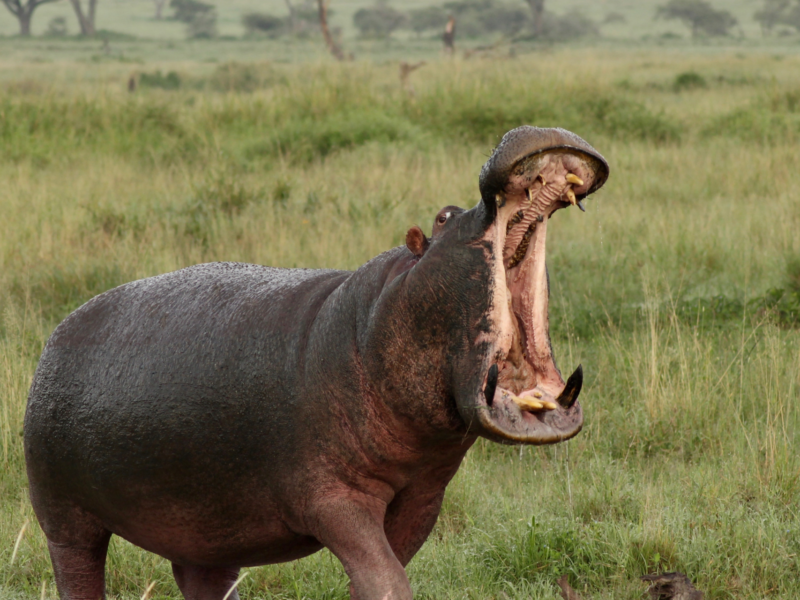
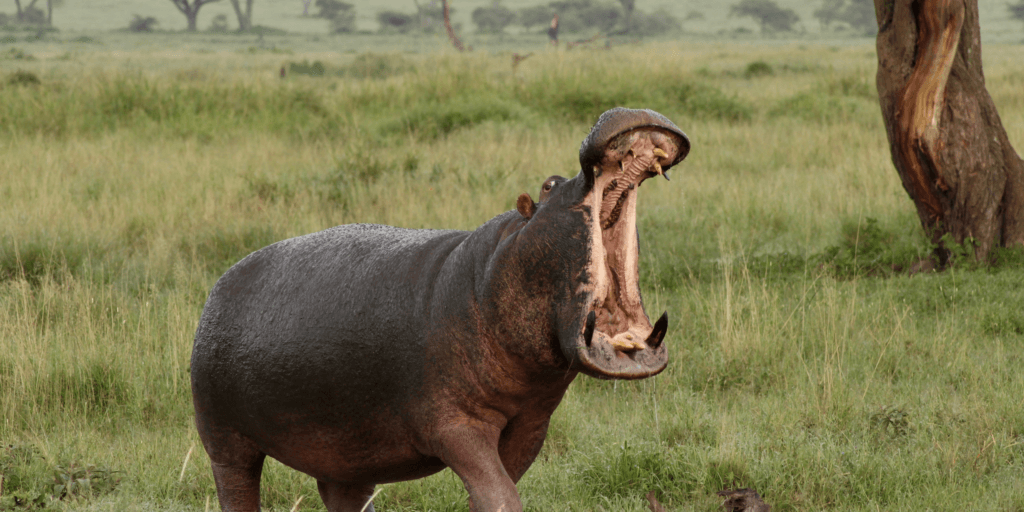
Visitors can encounter elephants, giraffes, buffaloes, hippos, crocodiles, lions, wild dogs, and numerous bird species. The Rufiji River also adds a special dimension to the safari experience. Depending on the area and available activities, travelers can enjoy boat excursions alongside traditional game drives.
Nyerere may not offer the same open plains and large migratory herds associated with the Serengeti. However, its diverse landscapes create a completely different style of wildlife adventure. The possibility of viewing animals from the water makes the destination especially appealing to travelers who want to experience Tanzania beyond the traditional game drive.
The park also offers a quieter atmosphere in many areas. As a result, it suits travelers who prefer a slower pace and a more remote feeling. When combined with Ruaha, Nyerere can form part of an excellent southern Tanzania safari that focuses on wildlife, nature, and a strong sense of wilderness.
Lake Manyara Provides Great Variety in a Compact Park
Lake Manyara National Park may cover a smaller area than the Serengeti and Ruaha, but it offers impressive wildlife diversity. The park contains groundwater forests, open grasslands, wetlands, and the lake itself. These different habitats attract a wide range of animals.
Travelers may see elephants, buffaloes, giraffes, zebras, hippos, baboons, monkeys, and numerous bird species. Lions also live in the park, and the destination has gained attention for its occasional tree climbing lions. However, visitors should remember that wildlife remains unpredictable, so no safari can guarantee this particular sight.
Lake Manyara works especially well for travelers with limited time. Its location near the northern safari circuit makes it easy to combine with Tarangire, Ngorongoro Crater, and the Serengeti.
The park also provides a useful introduction to Tanzania’s ecological diversity. A traveler can move from forest to grassland and wetland within a relatively short distance. Therefore, although Lake Manyara may not have the largest wildlife population in Tanzania, it offers a rich variety of animals and habitats that can make a safari more interesting and complete.
The Best Park Depends on the Wildlife You Want to See
The question of which park has most wildlife in Tanzania does not have one simple answer because different parks excel in different areas. The Serengeti stands out for its overall wildlife abundance, huge ecosystem, open plains, and Great Migration. Ngorongoro Crater offers an impressive concentration of animals in a compact area. Tarangire provides excellent elephant viewing and seasonal wildlife gatherings, while Ruaha delivers remote wilderness and strong predator encounters.
Nyerere adds river based experiences and diverse southern landscapes, while Lake Manyara offers impressive wildlife variety within a smaller and easily accessible park. Therefore, travelers should consider their personal priorities rather than choosing a destination based only on the number of animals.
For example, a traveler who dreams of seeing large herds and predators may prefer the Serengeti. Someone with limited time may find Ngorongoro more suitable. Meanwhile, elephant lovers may enjoy Tarangire, while experienced safari travelers may appreciate Ruaha or Nyerere.
The most successful Tanzania safari often combines several destinations. This approach allows travelers to experience different habitats and wildlife communities while also enjoying the unique character of each region.
How Season and Safari Planning Affect Wildlife Viewing
Wildlife viewing in Tanzania changes with the seasons, so the time of your visit can influence what you see. During dry periods, vegetation often becomes thinner, and animals gather around reliable water sources. These conditions can make wildlife easier to locate and observe.
The wet season brings a different experience. Rain transforms the landscape, creates fresh grazing areas, and encourages many herbivores to spread across wider areas. The scenery becomes greener, and birdlife often becomes especially impressive.
The Great Migration also influences wildlife viewing in the Serengeti. The location of migrating herds changes throughout the year, so travelers should plan their route according to their interests. However, the Serengeti remains productive even when the migration moves into another region.
Good planning also involves allowing enough time. A short safari may provide memorable sightings, but a longer itinerary gives your guide more opportunities to explore different areas. Furthermore, experienced guiding can make a major difference because guides understand animal behavior and local conditions.
Therefore, choosing the right park matters, but choosing the right season, itinerary, and guide can make your wildlife experience even stronger.
Choosing Your Ideal Tanzania Wildlife Safari
If you are still wondering which park has most wildlife in Tanzania, the Serengeti deserves the strongest consideration for an overall wildlife experience. Its huge ecosystem, abundant prey, famous predators, and seasonal migration create an unmatched combination of wildlife opportunities. However, Tanzania’s safari strength comes from its diversity. Ngorongoro Crater offers concentrated game viewing, Tarangire excels with elephants and seasonal wildlife gatherings, while Ruaha and Nyerere provide remote southern adventures. Lake Manyara adds ecological variety and an easy introduction to Tanzania’s natural world.
Ultimately, the best destination depends on your travel goals. A first time visitor may benefit from combining the Serengeti with Ngorongoro and Tarangire. A returning traveler may prefer the quieter landscapes of Ruaha or Nyerere. Families may value shorter driving distances, while serious wildlife enthusiasts may want to spend more time in areas known for predators.
The key is to build your safari around the experience you want rather than simply chasing the largest number of animals. With thoughtful planning, an experienced guide, and enough time in the wilderness, Giant Holiday Safaris can help you discover Tanzania’s remarkable wildlife in a way that feels personal, rewarding, and memorable. Ultimately, when asking which park has most wildlife in Tanzania, the Serengeti often leads the answer, but the country’s greatest strength lies in the chance to explore several exceptional ecosystems within one unforgettable safari.