Which Tanzania Parks Have Hippos
August 1, 2026
What Predators Live in Serengeti
August 1, 2026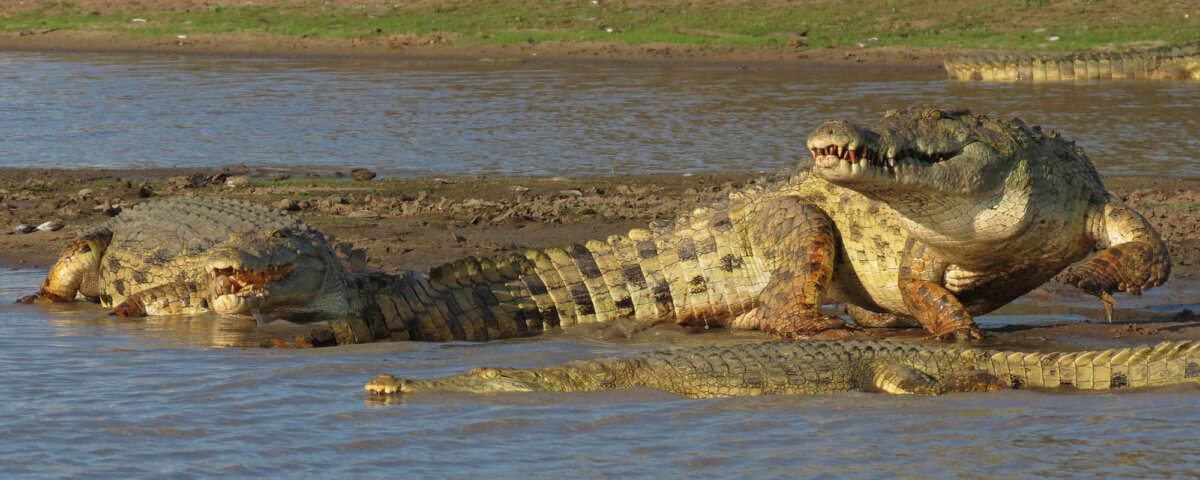
Where Can I See Crocodiles in Tanzania
If you are wondering where can I see crocodiles in Tanzania, you will find some of the best opportunities along the country’s rivers, lakes, and wetlands. Tanzania offers a remarkable range of wildlife habitats, and crocodiles form an important part of many aquatic ecosystems. These powerful reptiles often rest quietly along riverbanks, lie partially submerged in shallow water, or wait patiently near areas where wildlife gathers to drink. Although they may appear still for long periods, crocodiles remain highly skilled predators and play an important role in maintaining the balance of their ecosystems. For travelers, seeing one in the wild creates a very different experience from viewing animals on land. You may watch a crocodile floating almost unnoticed in a river, observe a group resting together on a sandbank, or witness the tension of a wildlife crossing near a river. Tanzania’s Serengeti National Park, particularly the Grumeti River, stands out for crocodile encounters, while the Mara River and other waterways can also provide memorable sightings. With the right timing, knowledgeable guiding, and a well planned itinerary, travelers can experience crocodiles as part of Tanzania’s wider and extraordinary wildlife story.
Combined Uganda, Kenya, Rwanda and Tanzania Safaris
17 days Kenya Tanzania and Uganda safari
19 Days Uganda Kenya and Tanzania Safari
16 Days Kenya Tanzania and Uganda Safari
14 Days Kenya Uganda and Tanzania Safari
14 Days Kenya Uganda and Rwanda Safari
12 Day Gorilla Trekking and Tanzania Safari
Why Tanzania Is a Great Destination for Crocodile Viewing
Tanzania provides excellent conditions for crocodile viewing because of its extensive network of rivers, lakes, wetlands, and seasonal waterways. These habitats support many species, but they also create ideal environments for Nile crocodiles, one of Africa’s most impressive reptiles. Crocodiles depend on water for much of their lives, although they regularly leave the water to bask in the sun and regulate their body temperature.
One of the most fascinating aspects of crocodile viewing involves their behavior. Unlike many mammals that constantly move while searching for food, crocodiles can remain almost completely still for long periods. Their patience allows them to conserve energy while waiting for an opportunity to hunt. This behavior can make them difficult to notice, especially when only their eyes and nostrils appear above the water.
Tanzania’s wildlife viewing opportunities also allow travelers to see crocodiles within a much larger ecosystem. Instead of visiting a single location only to see reptiles, you can explore areas where crocodiles interact indirectly with wildebeest, zebras, antelopes, fish, birds, and other animals.
For that reason, crocodile viewing becomes even more meaningful when you understand the role these animals play in the ecosystem. They help shape aquatic food chains and contribute to the natural balance of rivers and wetlands. A Tanzania safari therefore gives you the opportunity to appreciate crocodiles not simply as dangerous predators but as an essential part of Africa’s wild landscapes.
The Grumeti River Is One of the Best Places to See Crocodiles
The Grumeti River offers some of the most memorable opportunities to see crocodiles in Tanzania. Located within the Serengeti ecosystem, the river supports a variety of wildlife and provides an important water source for animals living in the surrounding area.
The river is especially well known for its large crocodiles, which often rest along the banks or remain partially hidden in the water. Their dark bodies can blend into the river environment, so travelers may need an experienced guide to point them out.
The Grumeti ecosystem also becomes particularly interesting during the annual wildebeest migration. As migrating animals move through the Serengeti, they encounter rivers and other natural obstacles. This creates a dramatic interaction between prey and predator, although wildlife behavior remains unpredictable and no particular event can ever receive a guarantee.
Even outside migration periods, the Grumeti River remains valuable for wildlife viewing. Crocodiles continue to inhabit the river, while hippos, birds, monkeys, and other animals add variety to the experience.
The surrounding landscape also creates excellent opportunities for photography. A crocodile resting beneath the warm African sun or lying beside a quiet river can produce a powerful image that captures the calm and ancient character of the animal.
For travelers who want to combine crocodile viewing with a broader safari experience, the Grumeti River deserves serious consideration when planning a Serengeti itinerary.
The Mara River Offers Dramatic Encounters to see Crocodiles
The Mara River is another important destination for travelers interested in seeing crocodiles in Tanzania. The river flows through the northern Serengeti before continuing into Kenya, forming part of the larger ecosystem that supports the Great Migration.
The Mara River has become famous for dramatic wildlife crossings, but crocodiles contribute significantly to the river’s natural story. Large crocodiles live in the water and often position themselves near areas where animals enter or leave the river.
However, travelers should understand that river crossings do not follow a fixed schedule. Wildebeest may gather near the river for hours or even days before deciding to cross. Weather, water levels, animal movements, and other natural conditions can influence their behavior.
This uncertainty makes the experience both challenging and exciting. Even when no crossing occurs, travelers can still observe crocodiles, hippos, birds, and the surrounding landscape.
The best way to experience the Mara River involves allowing enough time in the northern Serengeti. A rushed visit may reduce your chances of witnessing meaningful wildlife behavior because nature rarely operates according to a travel itinerary.
For travelers who want to combine crocodile viewing with the possibility of experiencing the Great Migration, the northern Serengeti offers an exceptional safari setting. The river provides an important reminder that Tanzania’s wildlife story involves complex relationships between animals, water, seasons, and survival.
The Serengeti Provides More Than One Crocodile Viewing Opportunity
The Serengeti National Park remains one of the best destinations for seeing crocodiles in Tanzania because of its extensive network of rivers and seasonal water sources. While the Grumeti and Mara rivers receive much attention, other waterways can also support crocodiles.
The park’s enormous size means that wildlife conditions can vary from one area to another. Crocodiles may appear along riverbanks, particularly in places where water remains available throughout the year.
The Serengeti also offers an advantage because crocodile viewing forms part of a much broader safari experience. Travelers can spend one morning observing crocodiles along a river before searching for lions, leopards, cheetahs, elephants, or giraffes later in the day.
The park’s changing landscapes also create opportunities to see crocodiles in different settings. Some areas feature open grasslands, while others include woodland and riverine vegetation.
When planning a Serengeti safari, travelers should consider the season and the specific region they want to visit. The best area for crocodile viewing may not always match the best location for another wildlife experience.
Giant Holiday Safaris can help travelers build an itinerary that balances crocodile viewing with other wildlife priorities. By considering travel dates, preferred activities, and the length of the safari, you can create a journey that gives you enough time to explore the Serengeti properly.
When Is the Best Time to See Crocodiles in Tanzania?
Crocodiles live in Tanzania throughout the year, so you can potentially see them during any season. However, the overall safari experience can change significantly depending on the time you visit.
The dry season often makes wildlife viewing easier because vegetation becomes less dense and animals gather around dependable water sources. Crocodiles may remain visible along riverbanks as they bask in the sun, particularly during the cooler morning hours or later in the afternoon.
The migration season creates another type of opportunity. When wildebeest and zebras move through river areas, crocodiles may become part of one of Africa’s most dramatic wildlife spectacles. However, the exact timing of migration events changes each year because rainfall influences animal movements.
The green season also has its own advantages. Rain transforms the landscape, fills waterways, and creates lush scenery. The fresh vegetation can make the surroundings look completely different from the dry season.
Therefore, the best time to see crocodiles depends on your wider safari goals. If crocodile viewing represents your main priority, you can travel throughout the year. If you want to combine crocodiles with the Great Migration, you should plan around the expected movement of the herds while understanding that nature remains unpredictable.
How Safari Guides Help Travelers Find Crocodiles
Crocodiles can sometimes prove surprisingly difficult to spot. Their ability to remain still and blend into their surroundings means that inexperienced travelers may drive past without realizing that one is nearby.
An experienced safari guide can make a major difference. Guides understand the habitats crocodiles prefer and know how to identify subtle signs that reveal their presence. They may notice the shape of a crocodile’s head above the water or recognize a body resting along a distant riverbank.
Guides also help travelers understand crocodile behavior. They can explain why crocodiles bask in the sun, how they hunt, and how they interact with other animals.
Safety also remains essential. Crocodiles are powerful wild animals, and travelers should never approach them on foot or attempt to interact with them. A professional guide ensures that wildlife viewing follows park regulations and maintains a safe distance.
The guide’s knowledge also adds context to the experience. Instead of simply taking a photograph and moving on, travelers can learn how crocodiles fit into the larger ecosystem.
For that reason, choosing an experienced safari operator can greatly improve your wildlife experience. Giant Holiday Safaris can help travelers plan routes and activities that match their interests while ensuring that wildlife encounters remain responsible and respectful.
Can You See Crocodiles During the Great Migration?
The Great Migration provides one of the most exciting opportunities to see crocodiles in Tanzania because migrating wildebeest and zebras must navigate rivers inhabited by large reptiles. The Mara and Grumeti rivers can become important locations during the migration season.
However, travelers should approach migration experiences with realistic expectations. The animals do not cross rivers according to a predictable timetable. They may gather near the water, hesitate, move away, and return later.
This uncertainty often creates long periods of anticipation. For photographers and wildlife enthusiasts, those quiet moments can become part of the experience. You may watch crocodiles resting in the water while herds gather nearby.
When a crossing eventually occurs, the scene can become intense. Wildebeest and zebras move through the water while crocodiles wait for opportunities. Yet travelers should remember that nature does not create performances for tourists. Every event develops naturally and can vary greatly.
Spending several days in the right area can improve your chances of experiencing migration activity. A knowledgeable guide can also monitor local conditions and help you understand how the animals behave.
Therefore, if you want to see crocodiles during the Great Migration, focus on patience and flexibility. The experience becomes more rewarding when you appreciate the entire ecosystem rather than focusing only on witnessing a dramatic crossing.
What Other Wildlife Can You See Near Crocodile Habitats?
Crocodile habitats in Tanzania often support many other species, making river and wetland areas excellent places for wildlife viewing. A single game drive near a river can produce a wide range of encounters.
Hippos commonly occupy deeper sections of rivers and pools, while birds gather along the water’s edge. Depending on the location, travelers may see fish eagles, herons, storks, and other water dependent species.
Mammals also visit rivers to drink. Wildebeest, zebras, antelopes, elephants, and buffaloes may approach water sources, creating opportunities for photographers to capture interactions between wildlife and the environment.
Predators can also appear nearby. Lions and leopards sometimes move through riverine habitats while searching for prey. This creates a complex ecosystem where different species depend on the same water sources.
These interactions demonstrate why crocodile viewing works best as part of a complete safari. You may begin the morning looking for crocodiles and end the day watching elephants or predators.
The diversity of river environments also makes them valuable for photographers. Reflections, vegetation, water, and wildlife can create more varied compositions than open grasslands alone.
Consequently, travelers should not view crocodile viewing as a single animal experience. Instead, consider it an opportunity to explore some of Tanzania’s richest ecosystems and observe how water connects many different species.
How to Plan a Safari Focused on Crocodile Viewing
Travelers who want to see crocodiles should plan their safari around suitable river ecosystems rather than choosing a destination based only on popularity. The Serengeti remains the strongest overall choice because it offers access to the Grumeti and Mara rivers as well as a wide range of other wildlife.
The length of your safari also matters. Spending several days in the Serengeti gives you more time to explore different areas and increases your chances of encountering crocodiles.
Your travel season should also match your wider interests. If you want to combine crocodile viewing with the Great Migration, plan your route around the expected movement of the herds. If you simply want to observe crocodiles and enjoy a broader wildlife experience, you can travel at other times of the year.
A private vehicle can provide additional flexibility because you can spend more time at a sighting when conditions allow. This becomes particularly useful for photographers or travelers who want a slower safari experience.
Most importantly, work with a safari company that understands your priorities. A good itinerary should balance your interest in crocodiles with other wildlife, landscapes, and cultural experiences.
Making the Most of Your Crocodile Safari in Tanzania
If you are asking where can I see crocodiles in Tanzania, the Serengeti ecosystem offers some of the strongest opportunities, especially around the Grumeti and Mara rivers. These waterways provide important habitats for Nile crocodiles and also support some of Tanzania’s most remarkable wildlife experiences.
The Grumeti River offers year round opportunities to observe crocodiles within a rich ecosystem, while the Mara River becomes particularly fascinating during the Great Migration. However, travelers can also encounter crocodiles in other rivers, lakes, and wetlands across Tanzania.
The best approach involves planning a safari that gives you enough time to explore suitable habitats. Rather than rushing from one park to another, consider spending several days in key wildlife areas. This slower approach gives you more opportunities to observe natural behavior and appreciate the wider ecosystem.
Remember that crocodiles often remain still for long periods, so patience plays an important role. An experienced guide can help you locate them and explain their behavior while keeping your group at a safe distance.
Ultimately, where can I see crocodiles in Tanzania has a simple answer with many possibilities. The Serengeti and its famous rivers provide some of the country’s most memorable crocodile encounters, but the real reward comes from experiencing these ancient reptiles as part of Tanzania’s larger natural world. With careful planning, responsible wildlife viewing, and enough time, your safari can bring you close to crocodiles while also revealing the extraordinary landscapes and diverse wildlife that make Tanzania one of Africa’s greatest safari destinations.