Where Can I See Crocodiles in Tanzania
August 1, 2026
Which Safari Park Has Tree Climbing Lions
August 1, 2026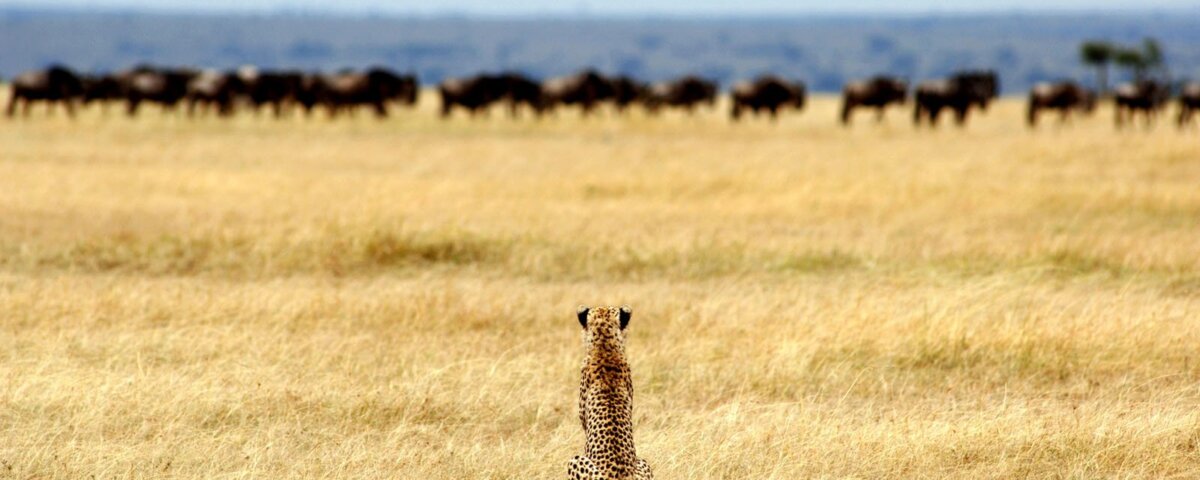
What Predators Live in Serengeti
Many travellers ask, what predators live in Serengeti, because they dream of witnessing Africa’s most powerful hunters during an unforgettable safari. The Serengeti National Park is one of the world’s greatest wildlife destinations, not only because of the Great Migration but also because it supports one of the highest concentrations of predators anywhere on Earth. Every year, millions of visitors travel to Tanzania hoping to see lions stalking prey, cheetahs racing across the plains, or leopards resting in ancient acacia trees.
The Serengeti’s vast grasslands, woodlands, rivers, and rocky outcrops create the perfect habitat for many carnivores. Abundant prey animals such as wildebeests, zebras, gazelles, buffaloes, and antelopes provide a reliable food source that allows predator populations to thrive. As a result, visitors often experience dramatic wildlife encounters that reveal the incredible balance of nature.
Every predator plays an important role within the Serengeti ecosystem. They help control herbivore populations, remove weak or sick animals, and maintain healthy wildlife communities. Observing these animals in their natural environment offers a deeper understanding of Africa’s remarkable biodiversity.
Planning your safari with Giant Holiday Safaris allows you to explore the best predator viewing areas with experienced guides who understand wildlife behaviour and seasonal animal movements. Their local knowledge greatly improves your chances of witnessing unforgettable predator action.
Understanding what predators live in Serengeti helps you prepare for one of Africa’s most exciting wildlife adventures.
Combined Uganda, Kenya, Rwanda and Tanzania Safaris
17 days Kenya Tanzania and Uganda safari
19 Days Uganda Kenya and Tanzania Safari
16 Days Kenya Tanzania and Uganda Safari
14 Days Kenya Uganda and Tanzania Safari
14 Days Kenya Uganda and Rwanda Safari
12 Day Gorilla Trekking and Tanzania Safari
What Predators Live in Serengeti?
If you are wondering what predators live in Serengeti, you will discover an impressive variety of carnivores that make this ecosystem one of the richest predator habitats in Africa. The park supports both large and small predators, each playing a unique role in maintaining the balance of nature.
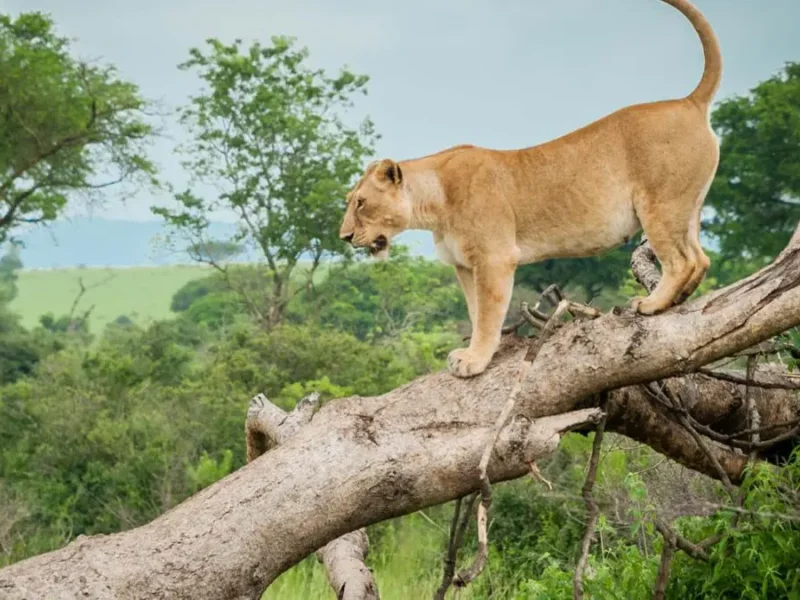
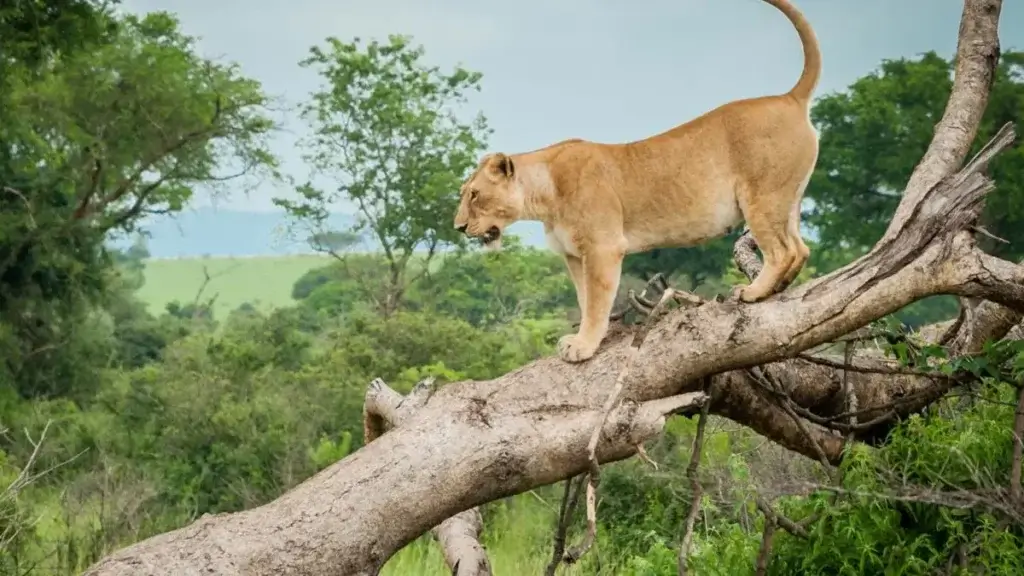
Lions are undoubtedly the most famous predators in Serengeti. The park contains one of Africa’s largest lion populations, with thousands living across its vast plains. Visitors regularly encounter prides resting under trees, watching prey, or working together during hunts.
Leopards also thrive in Serengeti, although they are much more difficult to find because of their secretive nature. These solitary cats often rest in trees during the day before becoming more active during the evening and early morning hours.
Cheetahs are another major attraction. Unlike lions, cheetahs depend on incredible speed rather than strength. They hunt mainly during daylight hours, chasing gazelles and other small antelopes across open grasslands.
Spotted hyenas also play an important role within the ecosystem. Although many people think of them only as scavengers, hyenas are highly skilled hunters that successfully capture much of their own prey. Their intelligence and strong social structure make them fascinating animals to observe.
The Serengeti also supports smaller predators such as jackals, servals, bat eared foxes, civets, genets, and mongooses. Birds of prey, including martial eagles, tawny eagles, secretary birds, and vultures, complete this remarkable predator community.
Why Serengeti Is Africa’s Ultimate Predator Destination
The Serengeti has earned its reputation as Africa’s ultimate predator destination because few places in the world support such incredible numbers of carnivores living alongside enormous prey populations. This natural balance creates exceptional wildlife viewing opportunities throughout the year.
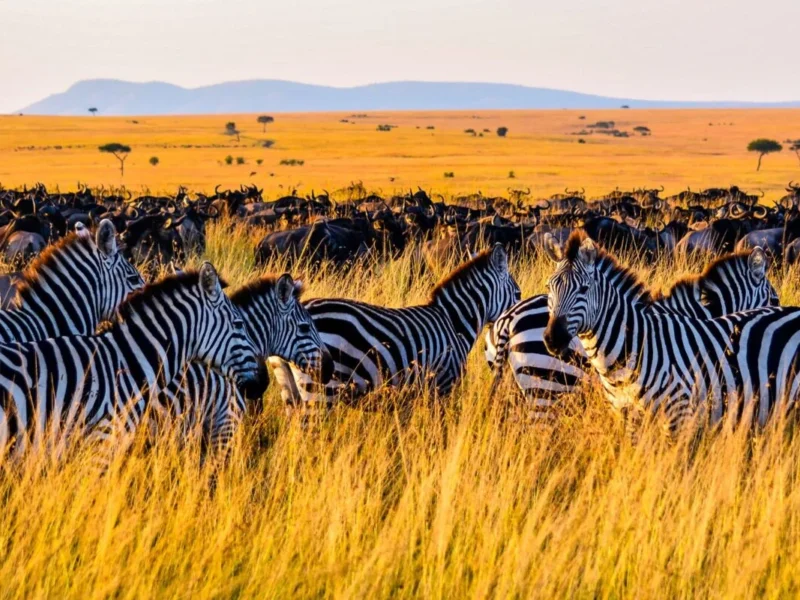
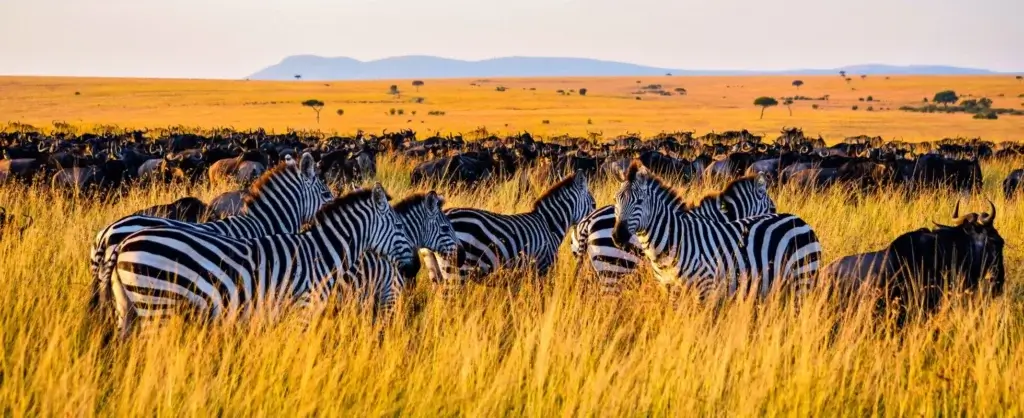
One major reason is the Great Migration. Every year, more than two million wildebeests, zebras, and gazelles move across the Serengeti ecosystem searching for fresh grazing. These migrating herds provide an abundant food source that supports large predator populations.
The Serengeti’s diverse habitats also contribute to predator success. Open grasslands favour fast hunters like cheetahs, while wooded areas provide excellent cover for leopards. Rocky kopjes offer perfect resting places for lions, allowing them to observe nearby prey before hunting.
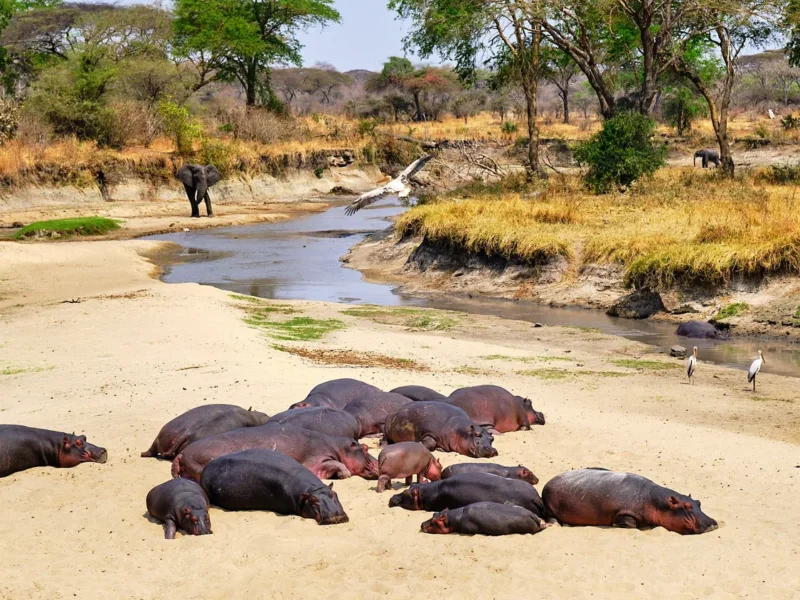
Permanent rivers and seasonal waterholes attract both herbivores and predators during the dry season. As animals gather around limited water sources, opportunities for successful hunting increase. Visitors often witness exciting wildlife interactions during these months.
Another advantage is the park’s enormous size. Covering approximately 14,750 square kilometres, Serengeti provides enough space for predators to establish territories while supporting healthy prey populations. This vast wilderness allows natural behaviours to continue with minimal human disturbance.
Strong conservation efforts have also helped protect Serengeti’s wildlife for generations. Careful park management, anti poaching initiatives, and responsible tourism continue preserving this remarkable ecosystem.
These unique conditions combine to create one of the finest predator viewing destinations on the planet, attracting wildlife enthusiasts, photographers, researchers, and safari lovers from around the world.
The Most Famous Predators Found in Serengeti
The Serengeti is home to several iconic predators that define the African safari experience. Each species displays unique hunting techniques, behaviours, and adaptations that make wildlife viewing both exciting and educational.
The African lion stands at the top of the list. Lions are highly social animals that live in family groups called prides. Female lions usually perform most of the hunting while males defend territories against rival lions. Visitors frequently see prides resting together beneath acacia trees or rocky kopjes before becoming active during cooler hours.
Leopards represent the park’s most elusive large cats. Their excellent camouflage allows them to blend into trees and dense vegetation. Leopards often drag their prey into trees to protect it from lions and hyenas, making tree branches excellent places to search during game drives.
Cheetahs are famous for being the fastest land animals on Earth. Their slim bodies, long legs, and flexible spines allow them to reach extraordinary speeds during short pursuits. Open grasslands provide ideal hunting grounds where cheetahs chase gazelles with remarkable precision.
Spotted hyenas deserve equal attention. These intelligent predators live in organised clans led by dominant females. Their powerful jaws allow them to consume almost every part of a carcass, making them highly efficient hunters and scavengers.
Black backed jackals and golden jackals also contribute to the predator community. Although smaller than the big cats, they successfully hunt rodents, birds, reptiles, and young antelopes while also feeding on leftovers from larger predators.
Each predator contributes to Serengeti’s remarkable ecological balance while creating unforgettable safari experiences.
How Predators Shape the Serengeti Ecosystem
Predators do much more than hunt for food. They play an essential role in maintaining the health, balance, and long term stability of the Serengeti ecosystem. Without these carnivores, the park’s incredible biodiversity would gradually decline.
Predators naturally control herbivore populations by removing weaker, older, injured, or sick animals. This process helps maintain healthier prey populations while reducing the spread of disease among grazing animals.
The Great Migration demonstrates this balance perfectly. As millions of wildebeests and zebras move across the Serengeti, predators follow closely behind. Lions, hyenas, leopards, cheetahs, and crocodiles all depend on these migrating herds, while the migration itself supports one of the world’s richest predator communities.
Scavengers also play an important role after predators finish feeding. Hyenas, jackals, vultures, and other scavengers consume remaining carcasses, preventing waste and returning valuable nutrients to the environment. This natural recycling system benefits countless other organisms within the ecosystem.
Predator behaviour also influences how herbivores move and graze. Animals remain alert and continue moving through different habitats rather than overgrazing a single location. This movement allows vegetation to recover while supporting healthier grasslands.
Even smaller predators contribute significantly. Servals control rodent populations, while birds of prey hunt snakes, insects, and small mammals that might otherwise become overly abundant.
Observing these natural relationships helps visitors appreciate the complexity of Serengeti’s wildlife. Every predator, from the mighty lion to the smallest jackal, plays an essential role in preserving one of Africa’s greatest natural wonders.
Best Time to See Predators in Serengeti
Predators can be seen throughout the year in Serengeti, but certain seasons provide even better viewing opportunities depending on wildlife movements and environmental conditions.
The dry season from June through October is generally considered the best period for predator viewing. During these months, grass becomes shorter, making animals easier to spot across the open plains. Water sources also become more limited, causing herbivores to gather around rivers and waterholes where predators often wait for hunting opportunities.
This season also coincides with some of the most dramatic stages of the Great Migration. Large concentrations of wildebeests and zebras attract lions, hyenas, leopards, cheetahs, and crocodiles, creating exceptional wildlife viewing experiences.
The green season between November and May offers different but equally rewarding opportunities. From January through March, the southern Serengeti becomes the centre of the wildebeest calving season. Hundreds of thousands of calves are born during this period, attracting numerous predators searching for vulnerable prey.
Photographers often enjoy the green season because lush vegetation, dramatic skies, and newborn wildlife create spectacular images. Birdlife also reaches its peak as migratory species arrive from Europe and Asia.
Early morning and late afternoon game drives generally provide the best predator sightings regardless of season. Cooler temperatures encourage lions, leopards, cheetahs, and hyenas to become more active before resting during the hottest hours of the day.
With careful planning and experienced guides from Giant Holiday Safaris, visitors can enjoy unforgettable predator encounters during almost any month of the year.
Best Places in Serengeti to Spot Predators
The Serengeti is vast, and each region offers unique opportunities to observe predators. Knowing where different animals prefer to live can greatly improve your safari experience. Every habitat supports different hunting styles, prey species, and wildlife behaviour, making each game drive exciting and unpredictable.
Central Serengeti, also known as Seronera, is one of the best places to see predators throughout the year. Permanent rivers and abundant resident wildlife attract lions, leopards, hyenas, and cheetahs. The Seronera Valley is especially famous for its leopard sightings because large acacia trees provide perfect resting places for these elusive cats. Visitors also regularly encounter lion prides resting on rocky kopjes while watching nearby grazing animals.
The southern Serengeti becomes particularly active between January and March during the wildebeest calving season. Thousands of newborn calves attract lions, cheetahs, hyenas, and jackals. Predator activity increases as hunting opportunities become more frequent, giving visitors remarkable wildlife viewing experiences.
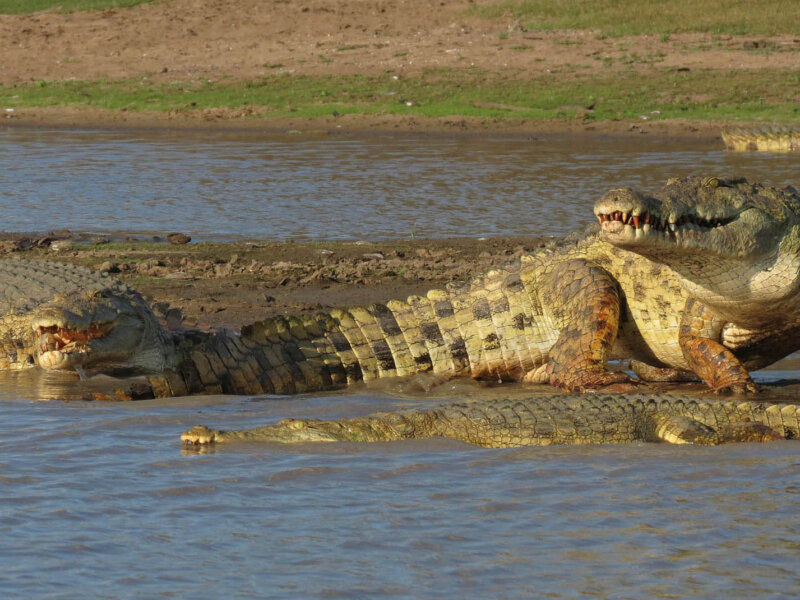
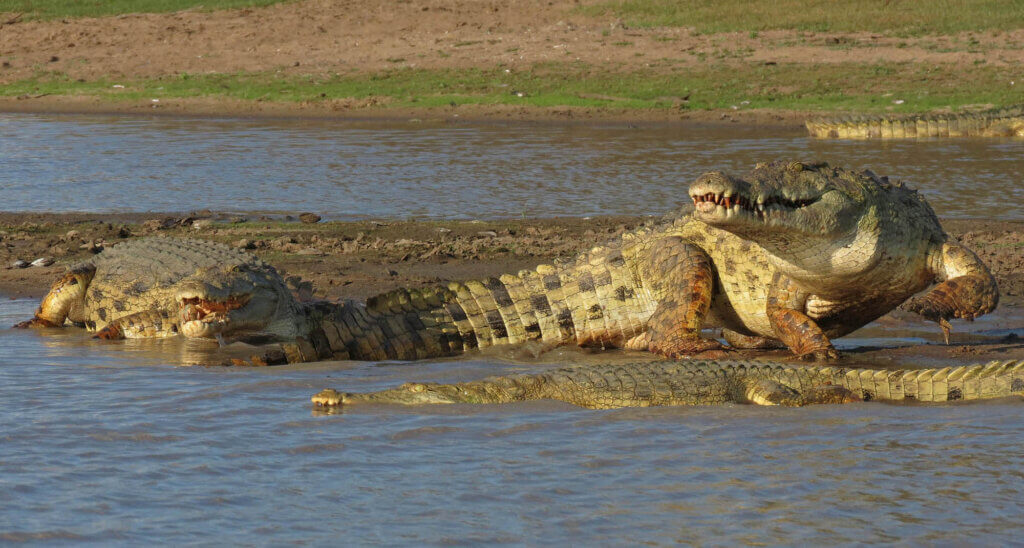
Western Serengeti, especially around the Grumeti River, supports healthy predator populations during the migration season. Lions and crocodiles wait near river crossings while hyenas patrol the surrounding plains looking for easy opportunities.
Northern Serengeti becomes one of the most exciting predator destinations between July and October. As the Great Migration reaches the Mara River, predators gather near crossing points where wildebeests and zebras face dangerous challenges. Lions, leopards, hyenas, and crocodiles all take advantage of this seasonal abundance.
The eastern Serengeti provides excellent habitat for cheetahs because its wide open grasslands allow these fast hunters to chase gazelles at incredible speeds. Visitors seeking cheetahs often enjoy excellent sightings in this quieter part of the park.
Exploring several Serengeti regions during one safari provides the greatest opportunity to observe different predators and appreciate the remarkable diversity of this famous ecosystem.
Common Mistakes to Avoid When Looking for Predators
A little preparation can make your predator safari much more rewarding. Avoiding common mistakes allows visitors to enjoy better wildlife sightings while appreciating the Serengeti’s remarkable ecosystem.
One common mistake is expecting predators to remain active throughout the day. Large cats usually rest during the hottest hours to conserve energy. Planning early morning and late afternoon game drives greatly improves your chances of observing active animals.
Another mistake involves focusing only on lions. Although lions are spectacular, the Serengeti supports many other fascinating predators including leopards, cheetahs, hyenas, servals, jackals, and numerous birds of prey. Keeping an open mind creates a richer safari experience.
Some visitors become impatient if predators are not immediately visible. Wildlife moves naturally, and experienced guides often spend time tracking fresh signs before locating animals. Patience frequently leads to the most memorable sightings.
Ignoring your guide’s advice is another mistake. Local guides understand animal behaviour, seasonal movements, and the best locations for finding predators. Following their recommendations often results in better wildlife encounters.
Packing unsuitable clothing can also reduce comfort. Neutral coloured clothing blends naturally with the environment while lightweight fabrics make long game drives more enjoyable. Binoculars, cameras, spare batteries, and sun protection also improve the overall safari experience.
Another common mistake is concentrating only on dramatic hunting scenes. While predator hunts are exciting, quieter moments such as cubs playing, leopards resting in trees, or cheetahs scanning the plains provide equally unforgettable memories.
Good preparation, realistic expectations, and experienced guides help every visitor enjoy the Serengeti’s extraordinary predator population to the fullest.
Experience the Thrill of Serengeti’s Predators
If you have been asking what predators live in Serengeti, the answer reveals one of the richest wildlife ecosystems on Earth. From powerful lion prides and elusive leopards to lightning fast cheetahs and intelligent hyenas, the Serengeti offers extraordinary opportunities to observe Africa’s greatest hunters in their natural environment.
Each predator contributes to the health of this remarkable ecosystem by maintaining balanced wildlife populations and supporting the natural cycle of life. Watching these animals interact with migrating wildebeests, zebras, gazelles, and other prey creates unforgettable safari moments that few destinations in the world can match.
Different regions of the Serengeti provide unique predator experiences throughout the year. Central Serengeti offers consistent wildlife viewing, the southern plains become alive during the calving season, and the northern region delivers dramatic migration encounters. Every visit reveals something different, making each safari truly unique.
Planning your adventure with Giant Holiday Safaris gives you the advantage of expert local guides, carefully designed itineraries, comfortable accommodation, and exceptional wildlife knowledge. Their experience helps maximise every game drive while creating meaningful and responsible safari experiences.
Whether you dream of watching lions on rocky kopjes, photographing cheetahs crossing open grasslands, or spotting a leopard resting high in an acacia tree, understanding what predators live in Serengeti is the first step toward an unforgettable African safari. Tanzania’s legendary wilderness continues to inspire travellers with breathtaking wildlife encounters that remain unforgettable for a lifetime.