What Predators Live in Serengeti
August 1, 2026
Can I See Zebras in Tanzania
August 1, 2026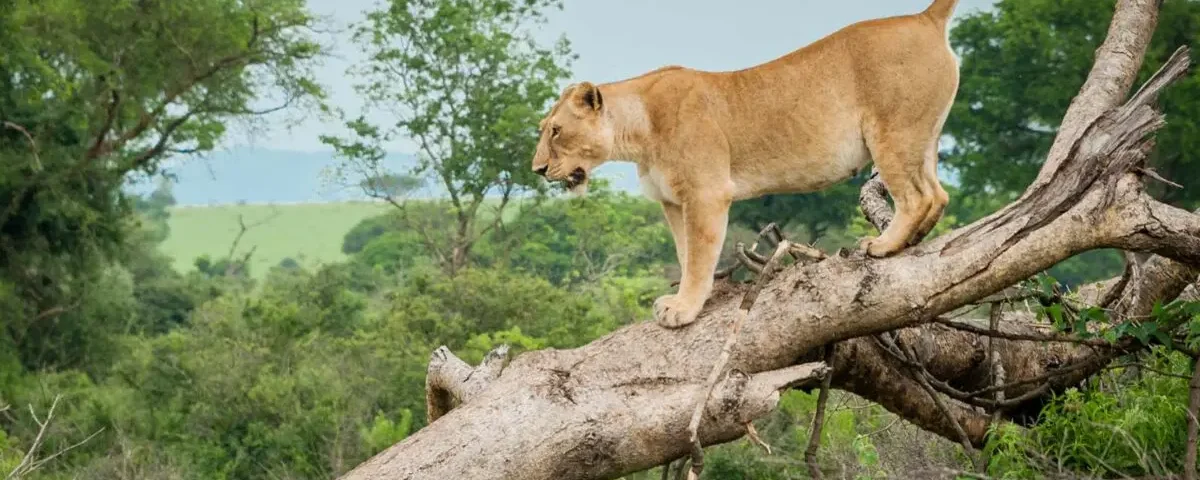
Which Safari Park Has Tree Climbing Lions
If you are wondering which safari park has tree climbing lions, Tanzania should be high on your list of destinations to explore. Tree climbing lions remain one of the most fascinating wildlife experiences in East Africa because lions usually spend much of their time on the ground. Seeing one resting high in the branches of a large tree creates a memorable safari moment and gives travelers a chance to observe a different side of this famous predator. In Tanzania, Lake Manyara National Park has earned a strong reputation for tree climbing lions, although travelers can also encounter this behavior in other parts of East Africa. Lake Manyara stands out because its woodland habitats, large fig trees, and acacia trees create suitable places for lions to climb and rest. The park also offers much more than lions, with elephants, giraffes, buffaloes, hippos, birds, and other wildlife adding depth to the safari experience. Therefore, if you want to discover which safari park has tree climbing lions, Lake Manyara provides an excellent starting point. With the right season, an experienced guide, and enough time in the park, you can enjoy an unforgettable wildlife encounter while exploring one of Tanzania’s most diverse safari destinations.
Combined Uganda, Kenya, Rwanda and Tanzania Safaris
17 days Kenya Tanzania and Uganda safari
19 Days Uganda Kenya and Tanzania Safari
16 Days Kenya Tanzania and Uganda Safari
14 Days Kenya Uganda and Tanzania Safari
14 Days Kenya Uganda and Rwanda Safari
12 Day Gorilla Trekking and Tanzania Safari
Why Do Lions Climb Trees?
Lions usually spend their lives on the ground, so their ability to climb trees often surprises travelers. However, some lions develop a habit of climbing and resting in trees, especially in areas where the environment provides suitable branches and trunks. Researchers and wildlife experts continue to study this behavior, but several practical reasons can help explain why certain lions choose to spend time above the ground.
One reason involves escaping insects. During warm parts of the day, flies and other insects can become irritating for animals resting on the ground. A lion that climbs into a tree may enjoy a breeze that helps reduce the number of insects around its body. The elevated position may also provide a cooler and more comfortable place to relax.
Trees can also offer lions a useful viewpoint. From above the ground, a lion may observe the surrounding landscape while remaining relatively undisturbed. In addition, trees can provide shade and create a comfortable resting area.
Not every lion climbs trees, and individual behavior can vary. Younger lions may climb more easily than larger adults, while some prides may show the behavior more often than others.
For travelers, this unusual behavior adds another layer to a Tanzania safari. Instead of seeing lions only lying beneath bushes or moving across grasslands, you may encounter one stretched across a tree branch, creating a scene that feels both unexpected and remarkable.
Lake Manyara National Park Is Famous for Tree Climbing Lions
Lake Manyara National Park is widely recognized as one of the best places to look for tree climbing lions in Tanzania. Located in northern Tanzania, the park combines groundwater forests, open grasslands, woodland, and the shores of Lake Manyara. This variety of habitats supports a wide range of wildlife while creating conditions where lions sometimes climb trees.
The park’s tree climbing lions have become one of its most distinctive attractions. Travelers may find lions resting on branches during the heat of the day, particularly in areas where suitable trees grow within their habitat.
However, wildlife remains unpredictable. Even when you visit Lake Manyara during a good safari season, no guide can promise that you will see a lion in a tree. The lions may remain on the ground, move into thicker vegetation, or simply choose another location to rest.
That uncertainty makes every sighting more exciting. A safari should never feel like visiting a zoo where animals appear on schedule. Instead, the experience depends on patience, timing, and the natural behavior of wild animals.
Lake Manyara also provides an excellent opportunity to combine tree climbing lion sightings with other wildlife experiences. The park’s elephants, giraffes, buffaloes, hippos, baboons, and abundant birdlife create a diverse safari environment that appeals to first time visitors and experienced travelers alike.
Why Lake Manyara Offers a Unique Safari Experience
Lake Manyara National Park offers more than the chance to see tree climbing lions. Its compact size and varied landscapes make it a fascinating destination for travelers who want to experience different wildlife habitats within a relatively short safari route.
The park begins near the Great Rift Valley escarpment and extends toward Lake Manyara. As you travel through the park, the scenery can change quickly. Dense forest may give way to open plains, while wetlands and lake areas attract different types of wildlife.
This habitat diversity creates opportunities to see animals in different environments. Elephants may move through woodland areas, giraffes can browse on trees, and hippos gather in water. Meanwhile, lions may rest in the branches of trees.
The park’s birdlife also adds another dimension to the experience. Because the lake and surrounding wetlands attract many bird species, travelers interested in photography can capture a mixture of wildlife and landscapes.
Lake Manyara can work especially well as part of a northern Tanzania safari that also includes destinations such as Tarangire National Park, the Ngorongoro Conservation Area, and the Serengeti. This combination allows travelers to enjoy different wildlife experiences rather than focusing on a single animal.
For anyone researching which safari park has tree climbing lions, Lake Manyara deserves special attention because the tree climbing lion experience fits naturally into a wider and highly varied safari adventure.
When Is the Best Time to See Tree Climbing Lions?
Tree climbing lions can appear in Lake Manyara throughout the year, so there is no single month that guarantees a sighting. Nevertheless, different seasons can influence the overall quality of your safari experience.
During the dry season, wildlife often gathers around reliable water sources, making animal sightings easier in many parts of Tanzania. Vegetation may also become thinner, allowing travelers to see animals more clearly.
However, the green season has its own advantages. Rain transforms the landscape into a lush and vibrant environment. The scenery becomes especially attractive for photographers, while young animals may appear during periods when food becomes more plentiful.
The most important factor remains the behavior of the lions. A lion may climb a tree on one day and remain on the ground the next. Therefore, even the best travel season cannot guarantee a particular sighting.
If tree climbing lions represent your main interest, consider spending enough time in Lake Manyara rather than rushing through the park. More time allows your guide to explore different areas and increases your chances of encountering interesting wildlife behavior.
Giant Holiday Safaris can help travelers build a Tanzania safari itinerary that considers seasonal conditions, wildlife priorities, and travel time. A carefully planned route can combine Lake Manyara with other major destinations, giving you a more complete experience of northern Tanzania.
What Other Wildlife Can You See in Lake Manyara?
A major advantage of visiting Lake Manyara involves the variety of wildlife you can encounter during the same safari. Although tree climbing lions attract considerable attention, the park supports a wide range of animals and birds.
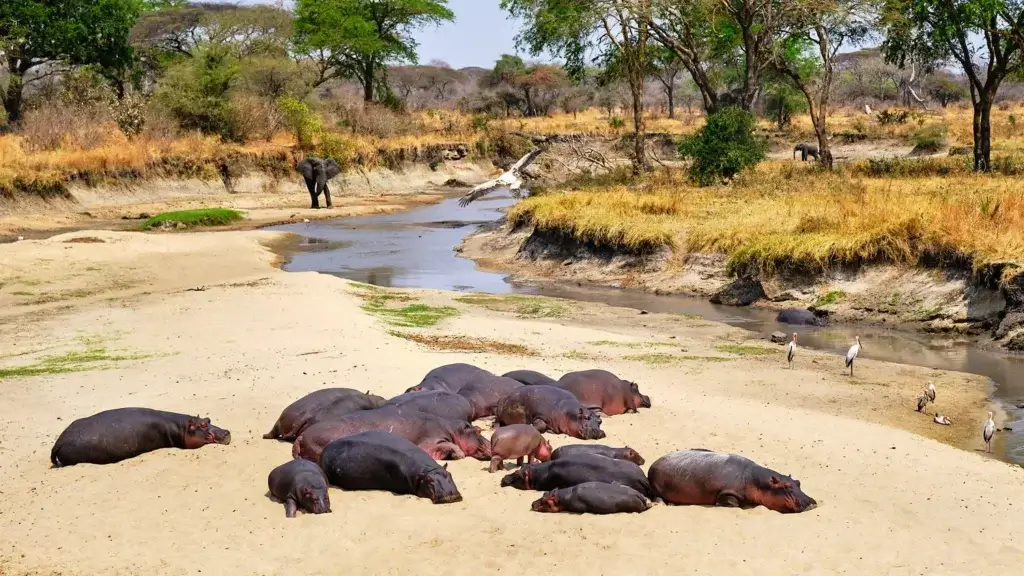
Elephants remain among the most memorable animals in the park. Travelers may see them moving through woodland areas or feeding near open spaces. Giraffes also appear in many parts of the park, often browsing on leaves from trees and shrubs.
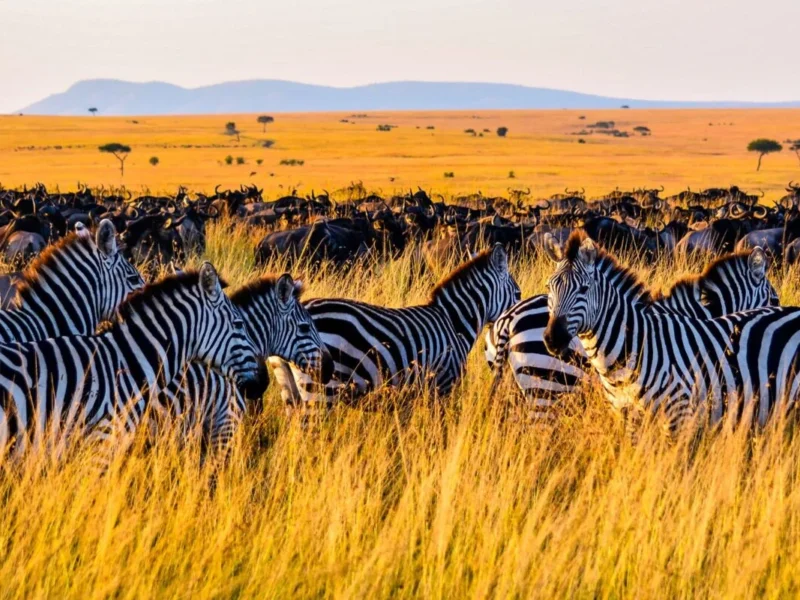
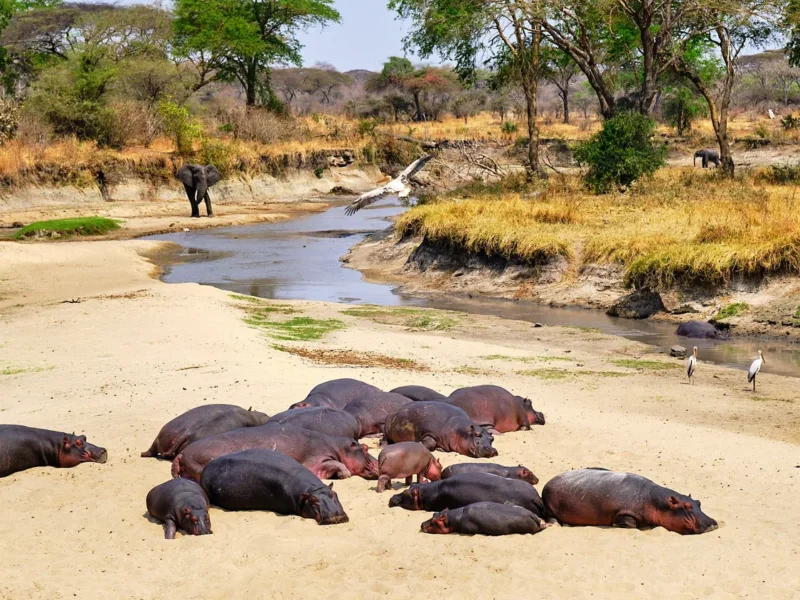
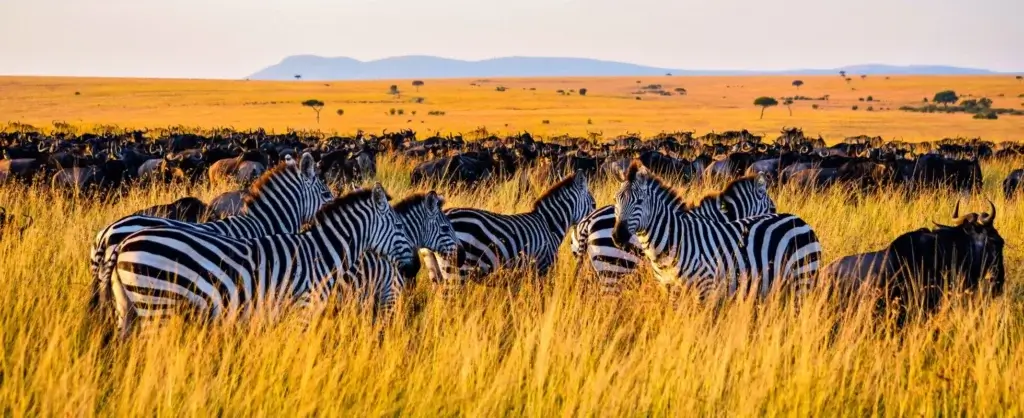
Buffaloes can gather in groups, while zebras and wildebeest may move across open grasslands. Hippos provide another interesting experience, particularly around water areas where they spend much of their time.
The park also supports several primate species. Baboons often travel in groups, and visitors may see monkeys moving through the forest canopy.
Birdwatchers can find Lake Manyara especially rewarding because the park contains a range of habitats that attract different bird species. Depending on the season, travelers may observe water birds near the lake alongside forest and woodland species.
Therefore, a visit to Lake Manyara should not focus only on finding lions in trees. The park’s real strength comes from its variety. One game drive can reveal several ecosystems and many different species, making the experience valuable even if the lions choose not to climb.
Can You See Tree Climbing Lions in Other Tanzania Parks?
Lake Manyara holds the strongest reputation for tree climbing lions in Tanzania, but it is not the only place where lions may climb trees. Lions across Africa can occasionally display this behavior, although the frequency varies between individuals and locations.
Some lions in the Serengeti ecosystem may climb trees, particularly where suitable trees provide comfortable resting spots. However, travelers who specifically want to see this behavior often prioritize Lake Manyara because of its long association with tree climbing lions.
Tarangire National Park also offers excellent lion viewing, although its main appeal includes its large elephant populations, baobab landscapes, and diverse wildlife. The park contains many trees, but visitors should not expect every lion sighting to involve a tree.
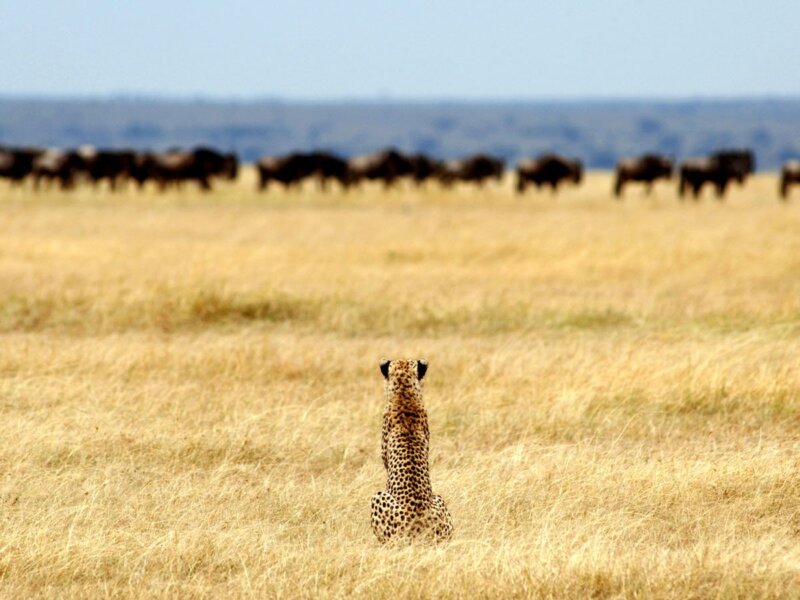
The Serengeti remains one of Tanzania’s most important destinations for overall lion viewing. The park supports large predator populations and offers opportunities to observe lions across vast grasslands and woodland areas.
Therefore, the best choice depends on your safari goals. If your main priority involves tree climbing lions, Lake Manyara should feature strongly in your plans. If you want a broader predator experience, combining Lake Manyara with the Serengeti and other northern Tanzania parks can provide greater variety.
This approach allows you to enjoy the unique behavior of tree climbing lions while also exploring the wider wildlife richness that makes Tanzania a leading safari destination.
What Makes Lake Manyara Good for Wildlife Photography?
Lake Manyara offers excellent opportunities for wildlife photography because of its varied landscapes and diverse wildlife. The possibility of seeing lions resting in trees adds a particularly interesting element for photographers.
A lion positioned above the ground creates a different composition from the typical safari image. The branches can frame the animal, while the surrounding vegetation adds depth to the photograph.
Photographers can also capture elephants moving through forests, giraffes standing against the Rift Valley landscape, or hippos resting in water. The mixture of wildlife and scenery allows visitors to create a broad collection of images during one safari.
Light also plays an important role. Early mornings and late afternoons often provide softer natural light, while the warmer middle hours may encourage lions to rest in trees.
However, good wildlife photography requires patience. Animals rarely position themselves exactly where a photographer wants them. Instead, travelers should observe behavior and allow the moment to develop naturally.
A professional guide can also improve the experience by helping identify animal behavior and positioning the vehicle responsibly. Responsible photography should always respect wildlife space and follow park regulations.
For travelers who enjoy photography, Lake Manyara offers a strong combination of landscapes, wildlife diversity, and the possibility of capturing the unusual sight of a lion resting in a tree.
How Long Should You Spend in Lake Manyara?
The amount of time you need in Lake Manyara depends on your wider itinerary and your wildlife priorities. Many travelers include the park as part of a northern Tanzania safari circuit rather than visiting it as a standalone destination.
A full day can provide a good introduction to the park and give you time to explore several habitats. However, travelers who place a high priority on finding tree climbing lions may benefit from allowing additional time.
Wildlife sightings depend on chance and natural behavior. A short visit may produce an excellent sighting, but it may also pass without the specific experience you hoped to find. Spending longer in the park gives you more opportunities to explore different areas.
Lake Manyara also works well as an early stop on a longer northern Tanzania itinerary. You can begin with the park before continuing toward Tarangire, the Ngorongoro Conservation Area, or the Serengeti.
This route allows you to experience different landscapes and wildlife communities as your journey progresses.
Ultimately, the ideal length depends on your interests. If you want to see tree climbing lions while also enjoying the park’s other wildlife, giving yourself enough time to explore without rushing can make the experience more rewarding.
How Safari Guides Help You Find Tree Climbing Lions
Finding tree climbing lions requires more than simply driving through a national park and looking into trees. Experienced safari guides understand animal behavior, recognize suitable habitats, and know where previous sightings have occurred.
A knowledgeable guide can scan branches and identify shapes that travelers might overlook. A lion resting high in a tree can sometimes blend into the surrounding foliage, particularly when the animal remains still.
Guides also understand the importance of timing. Lions often become less active during the hottest parts of the day, which may increase the possibility of finding them resting. However, their behavior can change without warning.
Professional guides also help maintain responsible wildlife viewing practices. They position vehicles carefully, maintain appropriate distances, and avoid actions that could disturb the animals.
For travelers, this expertise adds considerable value. Instead of simply seeing a lion, you gain an opportunity to understand why the animal chose that location and how its behavior fits into the surrounding ecosystem.
When selecting a safari company, consider the quality of its guiding services as well as the itinerary itself. Strong guiding can transform an ordinary game drive into a deeper learning experience.
A well planned safari therefore combines the right destination with skilled guiding, patience, and realistic expectations. Together, these factors can improve your chances of experiencing Tanzania’s remarkable tree climbing lions.
Planning a Safari to See Tree Climbing Lions
If your main goal involves discovering which safari park has tree climbing lions, start your Tanzania safari planning with Lake Manyara National Park. The park provides one of the country’s strongest opportunities to witness this unusual lion behavior while also offering a rich mix of wildlife and landscapes.
Next, consider adding other destinations to create a balanced itinerary. Tarangire can provide excellent elephant viewing and beautiful baobab scenery, while the Ngorongoro Conservation Area offers remarkable wildlife density within a dramatic volcanic landscape. The Serengeti then adds vast plains, major predator populations, and opportunities to experience the wider migration ecosystem.
Your travel dates also matter, although no season can guarantee a tree climbing lion sighting. Instead, choose a period that matches your wider interests and allow enough time for wildlife exploration.
You should also consider the style of safari you prefer. Private safaris often provide greater flexibility, while group tours can offer a more affordable way to explore Tanzania.
Above all, remember that wildlife experiences remain unpredictable. The goal should not only involve finding a lion in a tree but also appreciating the natural environment that supports such behavior.
When you approach your safari with patience and curiosity, every encounter becomes more meaningful. Tanzania offers much more than one iconic animal sighting, and Lake Manyara provides a perfect setting to discover that truth.
Why Tree Climbing Lions Make a Tanzania Safari Special
The question of which safari park has tree climbing lions often leads travelers to Lake Manyara National Park, one of Tanzania’s most fascinating wildlife destinations. The park has earned its reputation through memorable sightings of lions resting in trees, yet its appeal extends far beyond this unusual behavior.
A safari in Lake Manyara combines forest, woodland, grassland, wetlands, and lake environments. These habitats support elephants, giraffes, buffaloes, hippos, birds, and many other species. As a result, travelers can enjoy a varied wildlife experience even when lions remain on the ground.
The possibility of seeing a lion stretched across a tree branch adds an element of surprise that makes the safari even more memorable. Because wild animals never follow a fixed schedule, every sighting feels natural and unique.
For the best experience, choose a well planned itinerary, travel with an experienced guide, and allow enough time to explore. Consider combining Lake Manyara with Tarangire, Ngorongoro, and the Serengeti to discover the full range of northern Tanzania’s wildlife.
Ultimately, which safari park has tree climbing lions is a question with a clear starting point: Lake Manyara National Park. However, the real value of the journey comes from experiencing the entire ecosystem and understanding how wildlife adapts to its environment. A visit to Lake Manyara can therefore become much more than a search for tree climbing lions. It can become an opportunity to connect with Tanzania’s wild landscapes, learn about remarkable animal behavior, and experience the deeper beauty of an African safari.