What are the best safari destinations during low season?
August 10, 2026
Can You Get Discounts During Low Season in Kenya?
Planning a safari in Kenya does not always mean paying the highest price. Many travelers focus on the famous peak wildlife season because they believe it offers the only worthwhile safari experience. However, experienced travelers often discover that the low season creates an excellent opportunity to enjoy Kenya while spending less money. Lower travel costs, fewer crowds, greener landscapes, and more personalized services combine to create an experience that many visitors find even more rewarding than traveling during the busiest months.
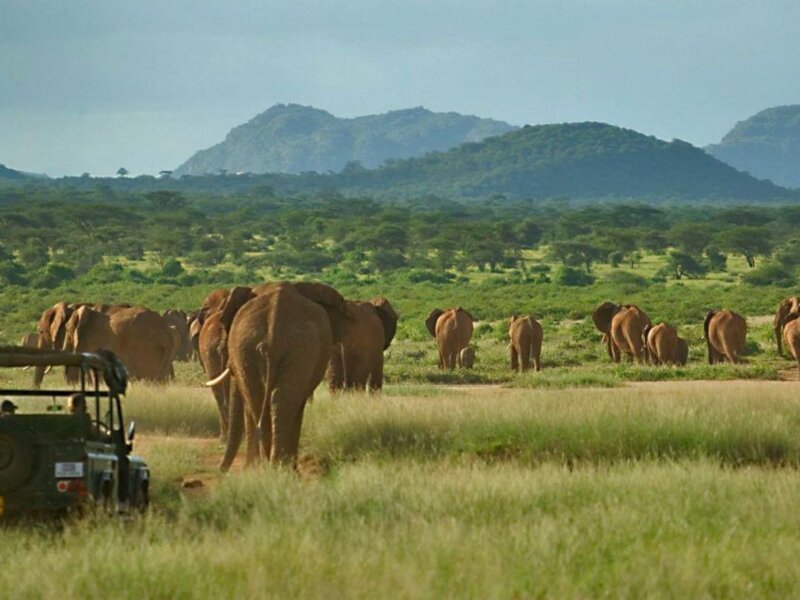
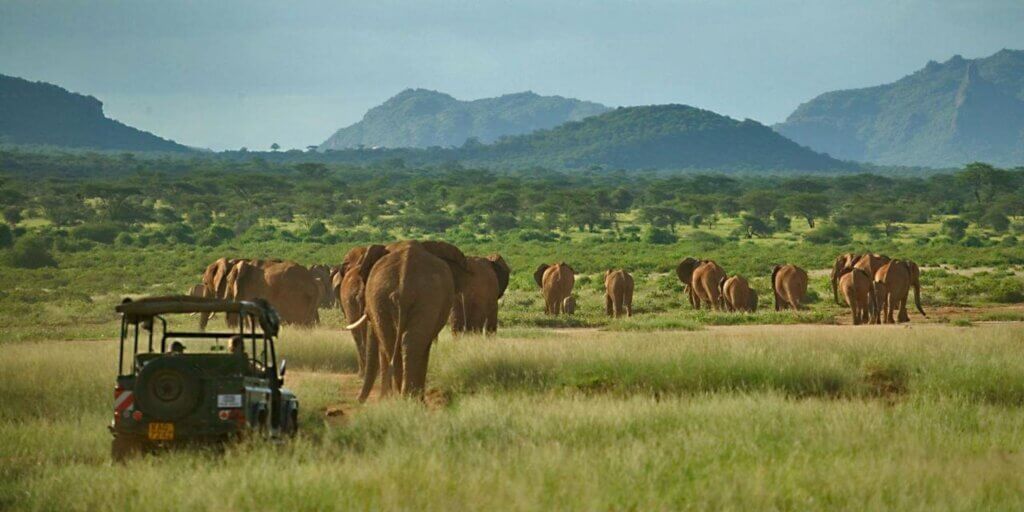
Kenya remains one of Africa’s top safari destinations throughout the year. Every season offers something unique. While the Great Migration attracts thousands of visitors during the dry months, the green season transforms the country’s national parks and conservancies into beautiful landscapes filled with fresh vegetation, dramatic skies, and abundant wildlife. Many animals stay in Kenya all year, making wildlife viewing possible regardless of the season. Elephants continue roaming the savannah, lions patrol their territories, giraffes browse on acacia trees, and countless bird species flourish in wetlands and forests.
One of the biggest advantages of visiting during the low season is the availability of discounts across the tourism industry. Safari lodges, luxury camps, hotels, tour operators, airlines, and even some attractions reduce their prices to attract more visitors. These savings allow travelers to enjoy experiences that may otherwise exceed their budgets during the high season.
Understanding how these discounts work helps travelers make informed decisions. It also helps them balance costs with weather conditions, wildlife viewing, accommodation quality, and travel goals. Instead of focusing only on the lowest prices, smart travelers look for the best overall value. Kenya offers excellent value during its quieter months, especially for visitors who appreciate authentic wildlife experiences without large crowds.
Combined Uganda, Kenya, Rwanda and Tanzania Safaris
17 days Kenya Tanzania and Uganda safari
19 Days Uganda Kenya and Tanzania Safari
16 Days Kenya Tanzania and Uganda Safari
14 Days Kenya Uganda and Tanzania Safari
14 Days Kenya Uganda and Rwanda Safari
12 Day Gorilla Trekking and Tanzania Safari
Understanding Kenya’s Low Season
Kenya experiences different tourism seasons throughout the year, and these directly influence travel costs. The low season generally falls during the long rainy season from around March to May and the shorter rainy season during parts of November. These periods receive fewer international visitors compared to the dry months, which creates opportunities for attractive travel deals.
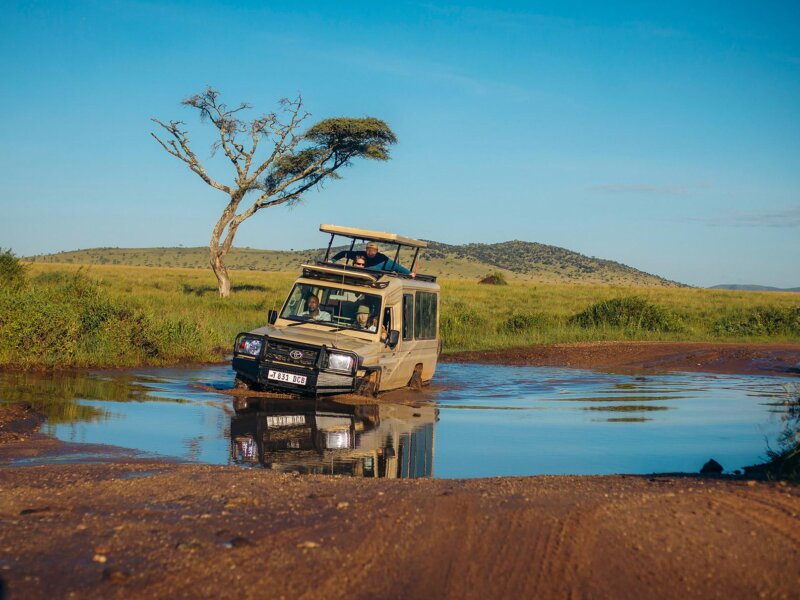
Rain does not mean constant storms throughout the day. Many areas receive rainfall during the afternoon or evening, while mornings remain bright and suitable for game drives. The rains also refresh the environment, creating lush grasslands, flowing rivers, blooming flowers, and healthier ecosystems. Wildlife adapts naturally to these seasonal changes, making the parks vibrant and full of life.
Because visitor numbers decrease, hotels, safari camps, transport providers, and tour companies compete for bookings by offering reduced rates. Instead of leaving rooms empty, many businesses choose to lower prices while maintaining the same level of hospitality and service. This benefits travelers who seek luxury experiences at more affordable prices.
The low season also brings a different atmosphere to Kenya’s parks. Roads become quieter, viewing points become less crowded, and wildlife encounters often feel more personal. Rather than sharing a lion sighting with dozens of safari vehicles, visitors may enjoy uninterrupted observations with only a few other guests nearby. This peaceful environment enhances photography, wildlife appreciation, and overall relaxation.
Travelers who understand Kenya’s seasonal patterns often recognize that low season represents more than simply cheaper prices. It creates opportunities to enjoy premium experiences, spend additional nights on safari, upgrade accommodations, or combine multiple destinations within the same budget. The combination of financial savings and improved exclusivity makes the low season increasingly attractive for experienced safari enthusiasts.
Why Safari Prices Drop During Low Season
Safari prices respond to demand just like many other travel services around the world. During Kenya’s peak tourism months, accommodation fills quickly, flights become busier, and safari vehicles operate at full capacity. Higher demand naturally leads to higher prices. In contrast, the low season attracts fewer international visitors, encouraging tourism businesses to adjust their pricing strategies.
Safari lodges and luxury camps carry significant operating costs throughout the year. Staff salaries, conservation fees, vehicle maintenance, food supplies, utilities, and park operations continue regardless of guest numbers. Instead of allowing rooms to remain vacant, many properties introduce discounted rates that encourage more bookings while maintaining business operations.
Competition also increases during quieter months. Lodges located within the same conservancy or national park often create attractive promotional packages to stand out. These offers may include complimentary meals, free airport transfers, extra game drives, spa treatments, or additional nights without increasing the overall travel cost.
Tour operators benefit as well. Lower accommodation prices allow them to create more competitive safari packages. Travelers can therefore enjoy longer itineraries or higher-quality accommodations without dramatically increasing their budgets. Some companies also negotiate exclusive seasonal rates directly with camps and hotels, passing those savings to their clients.
Airlines sometimes contribute to overall travel savings by reducing airfare on selected routes during periods of lower passenger demand. Although airfare varies based on departure country, booking well in advance and selecting low-season travel dates often helps reduce total trip expenses.
Lower prices should never suggest lower quality. Most reputable safari operators maintain excellent standards throughout the year. Guides continue providing professional wildlife experiences, accommodations maintain their facilities, and conservation efforts remain active. The reduced pricing simply reflects seasonal demand rather than any reduction in service quality, allowing travelers to experience Kenya’s remarkable wildlife at exceptional value.
What Types of Discounts Can You Expect During Kenya’s Low Season?
Travelers who visit Kenya during the low season often enjoy a wide range of discounts across different travel services. These savings go far beyond accommodation prices and can significantly reduce the total cost of an entire safari holiday. Understanding where these discounts are available helps travelers plan smarter and maximize the value of every dollar they spend.
Accommodation usually offers the biggest savings. Many safari lodges and luxury tented camps lower their nightly rates to encourage more bookings during quieter months. In some cases, travelers can save between 20% and 50% compared to peak-season prices. This creates an opportunity to stay at luxury properties that might otherwise fall outside a travel budget during the busiest months.
Safari packages also become more affordable. Many tour operators bundle accommodation, park entry fees, transportation, meals, and game drives into discounted packages. Instead of reducing only one part of the itinerary, they lower the overall package price, making extended safaris more accessible. Travelers often find that they can add another destination or spend extra nights in Kenya without increasing their original budget.
Some camps introduce special offers such as “stay three nights and pay for two” or complimentary upgrades when availability allows. Others include free bush breakfasts, sundowners, guided nature walks, or airport transfers as added value. Although every property offers different promotions, these extras enhance the overall experience while helping travelers save money.
Domestic flights between safari destinations may also become more affordable during lower demand periods. Likewise, some hotels in Nairobi and coastal destinations provide seasonal promotions that make combining a safari with a beach holiday much easier.
Car rental companies, private safari guides, and even selected cultural experiences may offer seasonal pricing. Instead of negotiating every service separately, travelers often receive the best overall value by booking a complete itinerary through an experienced safari specialist who understands seasonal offers across multiple destinations.
Rather than focusing only on the lowest price, travelers should evaluate the complete package. A slightly higher priced safari that includes additional game drives, meals, airport transfers, and expert guiding may offer much greater value than a cheaper package with numerous extra costs.
Does Lower Price Mean Lower Safari Quality?
Many first-time visitors worry that discounted prices indicate a lower quality safari experience. Fortunately, this assumption rarely reflects reality in Kenya’s tourism industry. The country’s leading safari operators maintain high service standards throughout the year because their reputation depends on delivering exceptional experiences regardless of the season.
Wildlife does not disappear during the low season. Kenya remains home to incredible populations of elephants, lions, leopards, buffaloes, rhinos, giraffes, zebras, cheetahs, hippos, crocodiles, and hundreds of bird species throughout the year. While animal movements vary with rainfall and food availability, experienced guides understand these seasonal patterns and adjust game drives accordingly to maximize wildlife sightings.
Professional safari guides continue working with the same level of dedication during every season. Their extensive knowledge of animal behavior, conservation, ecosystems, and local landscapes remains the greatest asset on any safari. Their experience often helps visitors enjoy memorable wildlife encounters even when conditions differ from those during the dry season.
Accommodation quality also remains consistent. Luxury lodges continue serving freshly prepared meals, maintaining comfortable rooms, operating well equipped safari vehicles, and delivering personalized hospitality. Lower rates reflect seasonal demand rather than reduced service standards.
Another advantage of traveling during quieter months is the increased attention guests often receive. With fewer visitors staying at each property, staff have more time to provide personalized service, remember guest preferences, and create a relaxed atmosphere throughout the stay. This level of hospitality often leaves a lasting impression.
Photography can also improve during the green season. Fresh vegetation, dramatic clouds, colorful sunsets, and cleaner air create beautiful backgrounds for wildlife photography. Animals often appear healthier because grazing conditions improve after rainfall, while migratory birds add vibrant colors to many ecosystems.
Instead of measuring safari quality only by weather or visitor numbers, travelers should consider the complete experience. Kenya’s low season continues to deliver unforgettable wildlife adventures, comfortable accommodations, excellent guiding, and remarkable natural beauty at prices that offer exceptional value.
How to Maximize Your Savings During Kenya’s Low Season
Saving money during Kenya’s low season involves more than simply choosing the right travel dates. Careful planning allows travelers to enjoy even greater value while maintaining a high quality safari experience.
Booking several months in advance remains one of the best strategies. Although the low season attracts fewer visitors, the most reputable safari camps and experienced guides still receive strong demand from knowledgeable travelers seeking seasonal bargains. Early reservations provide access to the widest selection of accommodations and promotional offers.
Flexibility also creates opportunities for additional savings. Travelers who adjust departure dates by a few days may qualify for lower flight prices or seasonal accommodation promotions. Even minor changes to an itinerary can reduce overall travel expenses.
Combining multiple destinations into one itinerary often increases value. Instead of visiting only one national park, travelers may combine destinations such as the Masai Mara, Amboseli, Lake Nakuru, Samburu, Tsavo, or the Kenyan coast while taking advantage of seasonal package discounts.
Choosing longer stays frequently unlocks additional promotional offers. Many safari camps reward extended visits with discounted nightly rates or complimentary experiences. Spending extra time in each destination also creates a more relaxed safari while reducing frequent transfers between parks.
Travelers should also compare what each package includes. A slightly more expensive itinerary may cover meals, airport transfers, domestic flights, game drives, park fees, and conservation charges, reducing unexpected expenses later. Understanding the full value of every package helps travelers make informed decisions instead of focusing only on the initial price.
Finally, working with knowledgeable safari specialists simplifies the entire planning process. Experienced professionals understand seasonal pricing, monitor available promotions, recommend suitable itineraries, and help travelers select destinations that offer the best wildlife experiences during their chosen travel period. Their expertise often results in better value than attempting to arrange every detail independently.
Conclusion
Yes, travelers can absolutely enjoy significant discounts during Kenya’s low season, and these savings often create opportunities that simply do not exist during peak travel months. Lower accommodation rates, discounted safari packages, seasonal promotions, and reduced visitor numbers allow travelers to experience Kenya’s spectacular wildlife while keeping travel costs under control. Instead of sacrificing quality, many visitors discover quieter parks, more personalized service, beautiful green landscapes, and rewarding wildlife encounters that make their journey even more memorable.
The key to maximizing these benefits lies in careful planning, choosing the right travel dates, comparing complete safari packages, and working with professionals who understand Kenya’s seasonal travel patterns. Every safari should focus on value rather than price alone, ensuring that comfort, wildlife viewing, conservation, and exceptional guiding remain at the heart of the experience.
For travelers seeking expertly planned Kenya safaris, trusted advice, outstanding value, and unforgettable wildlife adventures throughout every season, Giant Holiday Safaris stands out as a reliable tour operator committed to delivering authentic African travel experiences that combine quality, expertise, and exceptional customer service.