Can I Do Budget Safari From Arusha
August 7, 2026
Which Lodges Are Near Arusha
August 7, 2026
What Is the Best Safari Route From Arusha
What is the best safari route from Arusha? For travelers who want outstanding wildlife and photography, the answer usually starts with Tanzania’s Northern Safari Circuit. Arusha provides one of the most convenient gateways to some of East Africa’s most famous wildlife destinations, including Tarangire National Park, Lake Manyara National Park, the Ngorongoro Conservation Area, and Serengeti National Park. Each destination offers a different landscape, wildlife experience, and photographic opportunity.
For a first time safari traveler, choosing between these destinations can feel difficult. You may wonder whether you should begin with elephants in Tarangire, explore the forest and wetlands of Lake Manyara, descend into the Ngorongoro Crater, or spend several days among the wide plains of the Serengeti. The right choice depends on your travel time, wildlife interests, photography goals, and preferred level of comfort.
A well planned route from Arusha should also consider driving distances and the amount of time available for game viewing. Spending too much time on the road can reduce your opportunities to enjoy wildlife. Therefore, a good itinerary creates a natural flow between destinations rather than simply adding as many parks as possible.
Luxury travelers can make the journey even more rewarding by using private safari vehicles, experienced guides, carefully selected lodges, and flexible schedules. This approach gives photographers more time to wait for ideal light and interesting animal behavior.
Whether you have three days or more than a week, the best safari route from Arusha should match your priorities. When wildlife and photography come first, choosing the right combination of destinations matters more than simply following the most popular itinerary.
Combined Uganda, Kenya, Rwanda and Tanzania Safaris
17 days Kenya Tanzania and Uganda safari
19 Days Uganda Kenya and Tanzania Safari
16 Days Kenya Tanzania and Uganda Safari
14 Days Kenya Uganda and Tanzania Safari
14 Days Kenya Uganda and Rwanda Safari
12 Day Gorilla Trekking and Tanzania Safari
Why Arusha Is the Best Starting Point for a Northern Tanzania Safari
Arusha works as an excellent starting point because of its location and strong connections to Tanzania’s Northern Safari Circuit. The city provides access to several major wildlife destinations while also offering a wide range of hotels, lodges, restaurants, safari companies, and travel services.
Many international travelers arrive through Kilimanjaro International Airport before continuing to Arusha. This makes the city a practical base for preparing for a safari. Travelers can rest after their flight, meet their safari guide, check equipment, and begin their wildlife adventure at a comfortable pace.
Starting in Arusha also allows you to create a logical route through northern Tanzania. Tarangire can provide an excellent first wildlife experience before the journey continues toward Lake Manyara, Ngorongoro, or Serengeti. Depending on the itinerary, travelers can adjust the order to match seasonal wildlife conditions and accommodation availability.
For photographers, starting in Arusha offers another advantage. You can organize your equipment before entering the parks. Check camera batteries, memory cards, lenses, binoculars, and other essentials before the first game drive.
Luxury travelers can also use Arusha as a place to transition from international travel into safari mode. A comfortable lodge can provide a quiet night, quality meals, and time to recover before several days of wildlife exploration.
The city therefore offers more than a convenient location. It creates a practical bridge between international travel and the wilderness of northern Tanzania.
Arusha to Tarangire National Park
Tarangire National Park often makes an excellent first stop when planning a safari route from Arusha. Its relatively convenient location allows travelers to reach the park without spending an entire day on the road, leaving more time for wildlife viewing.
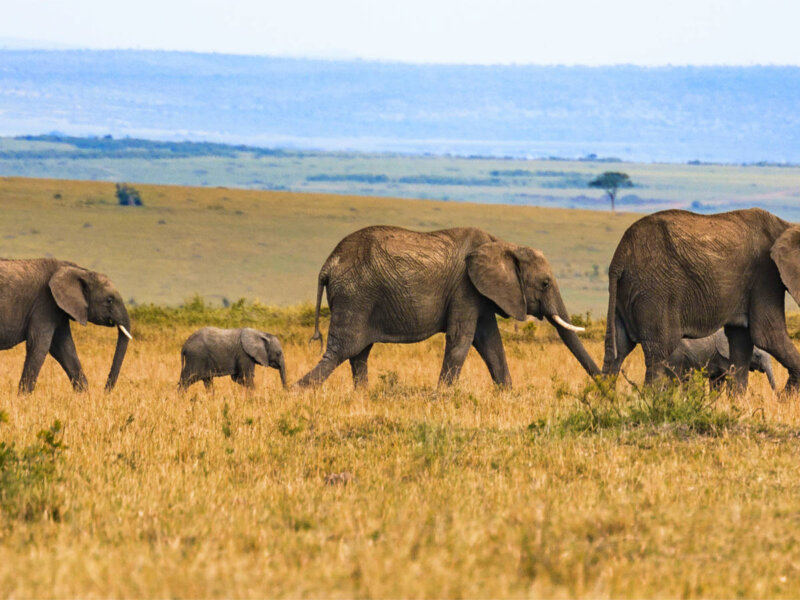
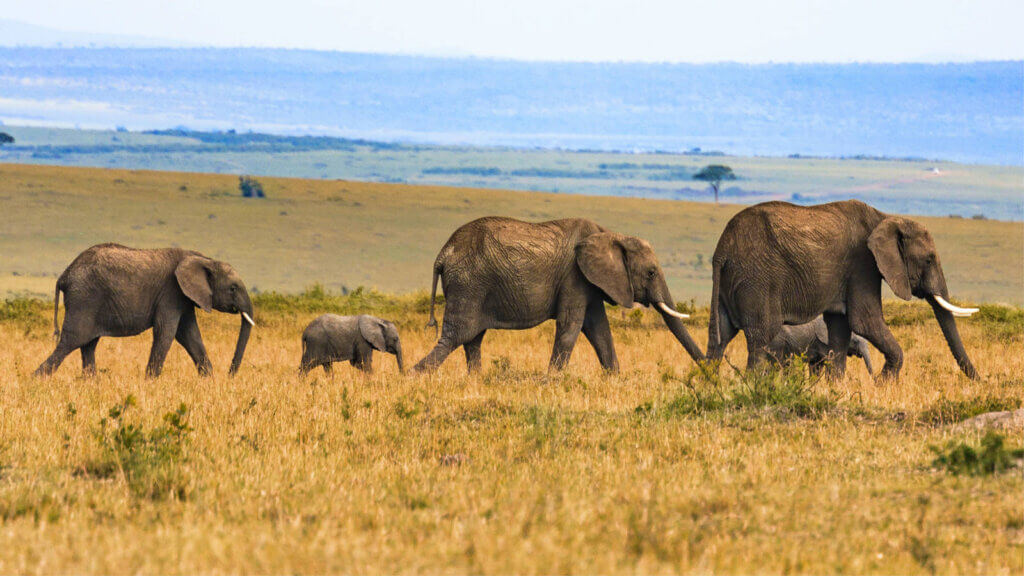
Tarangire is particularly famous for its large elephant populations and impressive baobab trees. These features create excellent opportunities for wildlife photography. An elephant standing beneath a massive baobab can produce a powerful image that immediately captures the character of northern Tanzania.
The park also supports giraffes, zebras, wildebeest, buffaloes, antelopes, warthogs, lions, and many bird species. During the dry season, wildlife activity can become especially rewarding as animals concentrate around reliable water sources.
For photographers, Tarangire offers a mixture of open landscapes and wooded areas. This variety allows you to experiment with different compositions rather than photographing animals against the same type of background throughout the day.
The park can work well as a one night or two night stop. One night suits travelers with limited time, while two nights provide more flexibility for game drives and photography.
Tarangire also creates a gentle introduction to safari life. The landscape feels wild and expansive without immediately requiring the longer travel involved in reaching Serengeti.
For a first time traveler choosing wildlife destinations, Tarangire deserves serious consideration. Its combination of elephants, baobabs, varied habitats, and accessibility makes it one of the strongest early stops on a Northern Tanzania safari.
Arusha to Lake Manyara National Park
Lake Manyara National Park provides a different experience from Tarangire. The park combines woodland, open areas, wetlands, groundwater forests, and the lake itself, creating a varied environment that supports many species.
The park is especially attractive to bird photographers. Its wetlands and lake environment can attract numerous bird species, making it a useful destination for travelers who want to photograph more than large mammals.
Wildlife viewing can also include elephants, buffaloes, giraffes, zebras, hippos, monkeys, and different antelope species. The dense vegetation creates a more intimate safari atmosphere compared with the open plains of Serengeti.
For photographers, this variety presents both opportunities and challenges. Dense forests can make wildlife harder to photograph, but they can also create beautiful natural frames and unusual compositions. The changing light beneath the trees adds another creative element.
Lake Manyara can work well as a short stop on a longer Northern Circuit itinerary. Travelers with limited time may choose to spend one night in the area before continuing toward Ngorongoro.
However, travelers should consider their priorities. If large wildlife herds and wide open landscapes represent your main goal, you may prefer to allocate more nights to Serengeti. If you enjoy birds, forest scenery, primates, and varied habitats, Lake Manyara can add valuable diversity.
The park therefore works best when you choose it because its specific environment matches your interests rather than simply adding it because it appears on a standard itinerary.
Arusha to Ngorongoro Conservation Area
The Ngorongoro Conservation Area represents one of the most spectacular destinations along the Northern Safari Circuit. The landscape changes dramatically as you approach the highlands, eventually revealing the enormous Ngorongoro Crater.
The crater provides a remarkable setting for wildlife photography. Its enclosed landscape supports a large variety of animals, and the combination of grasslands, water sources, woodland, and steep crater walls creates striking photographic backgrounds.
Visitors may encounter lions, elephants, buffaloes, zebras, wildebeest, hippos, hyenas, and numerous bird species. The diversity of wildlife within a relatively compact area makes Ngorongoro particularly attractive to first time safari travelers who want to experience many species during a short visit.
Photography conditions can change quickly. Morning light can create soft tones across the crater floor, while changing weather can produce dramatic clouds over the surrounding highlands.
However, photographers should remember that the crater can become busy, particularly during peak travel periods. A skilled guide can help manage the timing of your visit and identify opportunities that provide a better experience.
Luxury travelers can stay in high quality lodges around the Ngorongoro highlands, where cool temperatures, dramatic views, and excellent hospitality create a memorable contrast with the warmer lowland safari areas.
For travelers deciding which wildlife destinations to choose, Ngorongoro offers a strong combination of scenery and animal diversity. It may not replace Serengeti for travelers seeking vast landscapes, but it adds a completely different dimension to the safari.
Arusha to Serengeti National Park
For many travelers, Serengeti represents the centerpiece of the best safari route from Arusha. Its vast plains, diverse habitats, and exceptional wildlife make it one of Tanzania’s most important safari destinations.
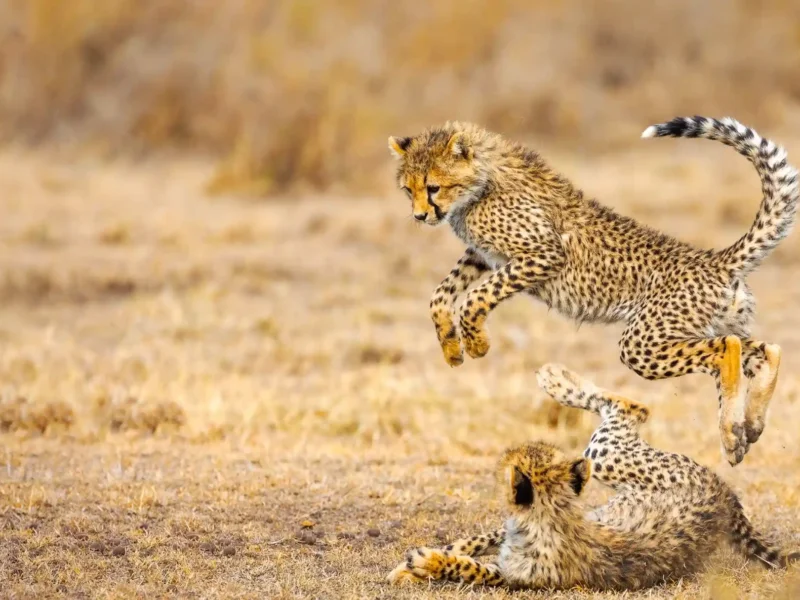
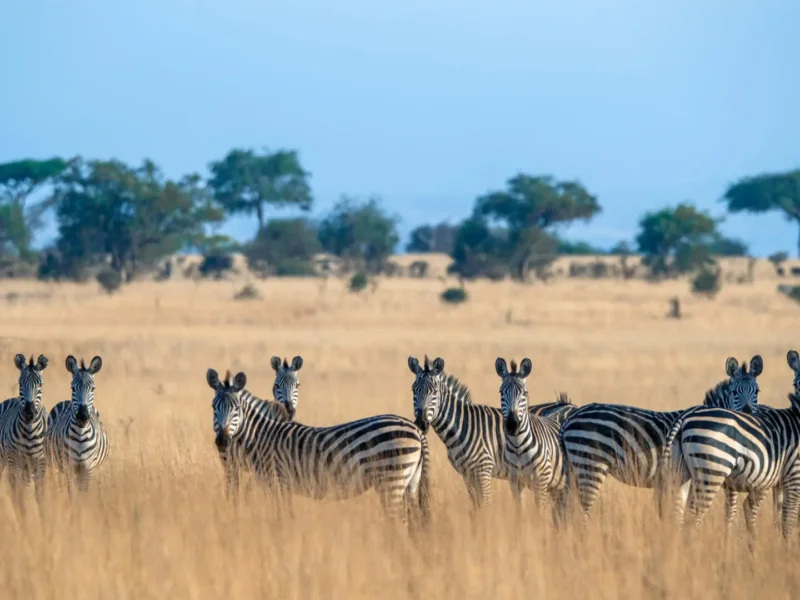
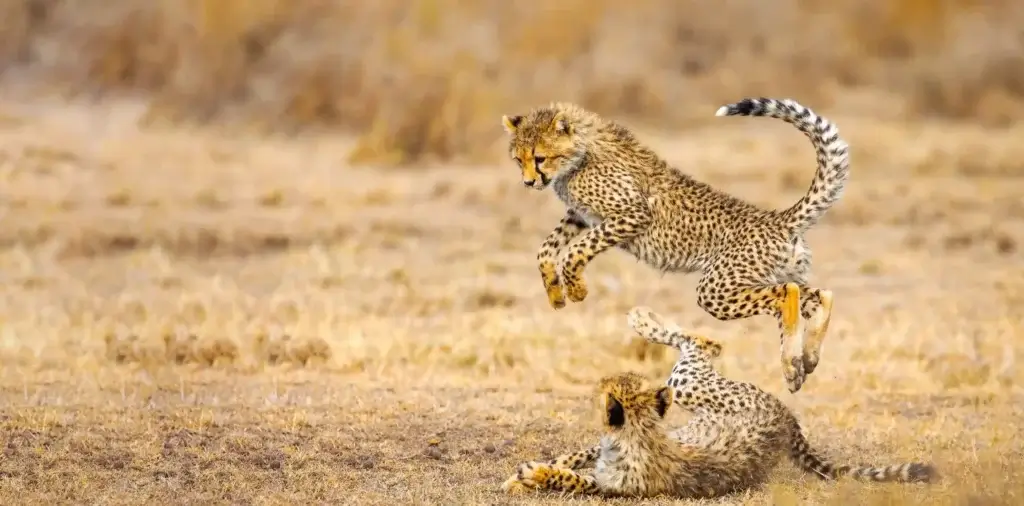
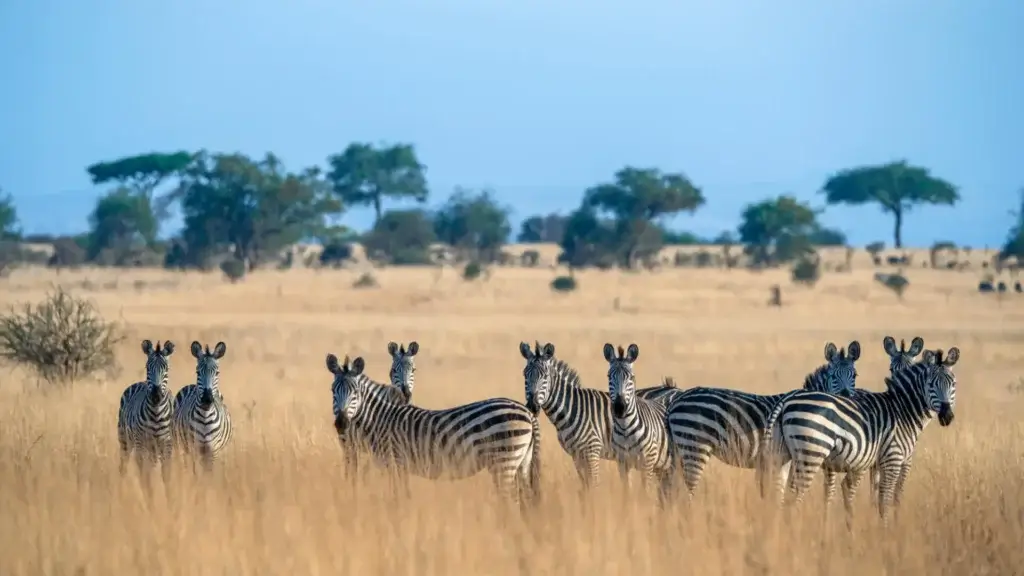
Serengeti provides extraordinary opportunities for wildlife photography. Lions may rest on open plains, cheetahs can appear in grassland areas, elephants move across different habitats, and large herds of wildebeest and zebra create dramatic scenes.
The park’s enormous size also means that travelers should spend enough time there. A single night rarely provides enough opportunity to explore different areas. Several nights allow you to move at a more relaxed pace and increase your chances of finding interesting wildlife.
Season matters greatly in Serengeti. Wildlife movements change throughout the year, and different regions can offer stronger opportunities at different times. This makes professional planning particularly valuable.
Photographers should also consider the type of images they want. Travelers interested in big cats may prefer areas known for predator activity. Those interested in wildebeest movements may choose their location based on seasonal patterns.
Luxury accommodation ranges from high end lodges to elegant mobile and permanent tented camps. These properties allow travelers to stay close to the wilderness while enjoying excellent meals, comfortable rooms, and personalized service.
If wildlife and photography are your primary goals, Serengeti should usually receive the greatest amount of time within your itinerary.
The Best Route for Wildlife and Photography
A strong route from Arusha should create a logical progression rather than simply include every available park. For travelers who prioritize wildlife and photography, a classic route can begin with Tarangire, continue toward Ngorongoro, and then move into Serengeti.
For example, a seven day journey might begin with Tarangire for elephants and baobab landscapes. You can then travel toward Ngorongoro, where crater scenery and diverse wildlife provide a different photographic setting. Finally, several nights in Serengeti allow you to focus on predators, large herds, and expansive landscapes.
Travelers with additional time can include Lake Manyara or add more nights in Serengeti. The choice depends on your photography interests.
If bird photography matters greatly, Lake Manyara can provide useful diversity. If big cats and dramatic wildlife encounters represent your main goal, extra time in Serengeti may offer greater value.
The route can also change according to the season. Wildlife movements should influence where you spend more nights. A good safari planner should therefore look at your travel dates before finalizing the itinerary.
Private transportation creates additional flexibility. You can stop when you discover an interesting subject, wait for better lighting, or spend longer observing wildlife.
The best route is therefore not necessarily the shortest route. It is the route that gives you the greatest opportunity to experience the wildlife and landscapes that matter most to you.
How Many Days Do You Need From Arusha?
The number of days available strongly affects the quality of your safari. Although you can experience wildlife on a short three day journey, more time generally provides greater variety and less pressure.
A three day safari can focus on one or two destinations. Tarangire and Ngorongoro can provide a compact introduction to northern Tanzania. This option works well for travelers with limited time.
A four or five day safari allows you to include more destinations or spend additional time in one important park. For example, you might visit Tarangire, Ngorongoro, and Serengeti.
A six or seven day itinerary provides a stronger balance for wildlife photographers. You can spend enough time in Serengeti while still experiencing another destination such as Tarangire or Ngorongoro.
Travelers with eight days or more can explore northern Tanzania at a much slower pace. You may include Tarangire, Lake Manyara, Ngorongoro, and several nights in Serengeti.
Avoid treating the number of parks as the main measure of a successful safari. Spending one rushed night in four parks can provide a less satisfying experience than spending several nights in two or three destinations.
Photography especially rewards patience. More time allows you to wait for good light, observe behavior, and return to productive areas.
Therefore, choose the number of days based on the quality of experience you want rather than the number of locations you can fit into a schedule.
Why Private Safaris Work Well for Photographers
Private safaris offer significant benefits to wildlife photographers because they provide control over time and movement. Photography often requires patience, and private travel allows you to make the most of that patience.
If you find a lion resting beneath a tree, you can discuss the situation with your guide and decide whether to remain there. If the light improves after twenty minutes, you can continue waiting. A shared vehicle may not offer the same flexibility.
Private vehicles also provide more space for camera equipment. Photographers often carry several lenses, beanbags, camera bodies, binoculars, and other accessories. Having room to organize equipment makes the experience more comfortable.
The relationship with the guide also becomes more personal. You can explain your preferred photography style and ask the guide to help position the vehicle for better backgrounds and light.
Experienced guides understand that good wildlife photography depends on more than finding an animal. They can help you anticipate movement and identify behavior that may create stronger images.
Private safaris also allow you to adjust the daily schedule. You can leave early, stay out longer, or return to the lodge when you need a break.
For travelers who want to combine luxury with serious wildlife photography, a private safari offers one of the strongest ways to experience northern Tanzania.
Choosing the Right Safari Route from Arusha
Your guide can determine how enjoyable and productive your safari becomes. A knowledgeable guide does much more than drive between wildlife areas. They interpret the landscape, understand animal behavior, manage safety, and help you make informed decisions during the day.
For photographers, guiding skill becomes even more important. A guide who understands photography can help position the vehicle without disturbing wildlife. They can also recognize potential moments before they happen.
For example, a guide may notice changes in animal behavior that suggest an upcoming movement. They can prepare you to photograph an animal walking, hunting, feeding, or interacting with another species.
Good guides also understand when not to move. Wildlife photography often requires patience. Remaining in a suitable position for an additional period can produce a much stronger photograph than constantly driving around.
When choosing a safari company, ask about guide experience and whether private guiding is available. You can also explain your photography goals before departure.
For first time travelers, the guide serves as both teacher and travel companion. They can explain Tanzania’s wildlife while helping you understand how to behave responsibly around animals.
The right guide therefore adds value far beyond transportation. Their expertise can turn a normal game drive into an educational and deeply memorable wildlife experience.
Luxury Accommodation Along the Safari Route
Luxury accommodation adds comfort and character to a safari route from Arusha. After long hours of wildlife viewing, travelers appreciate having a peaceful place to relax, enjoy good food, and recover for the next day.
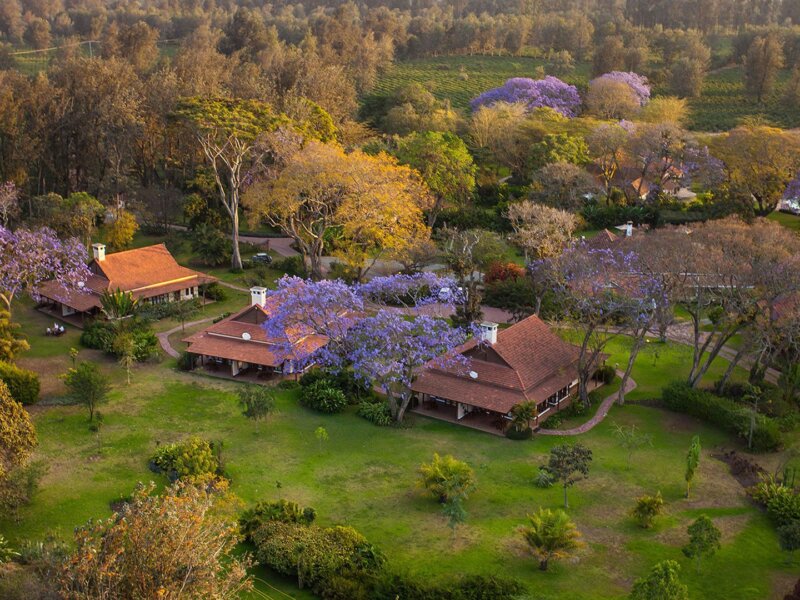
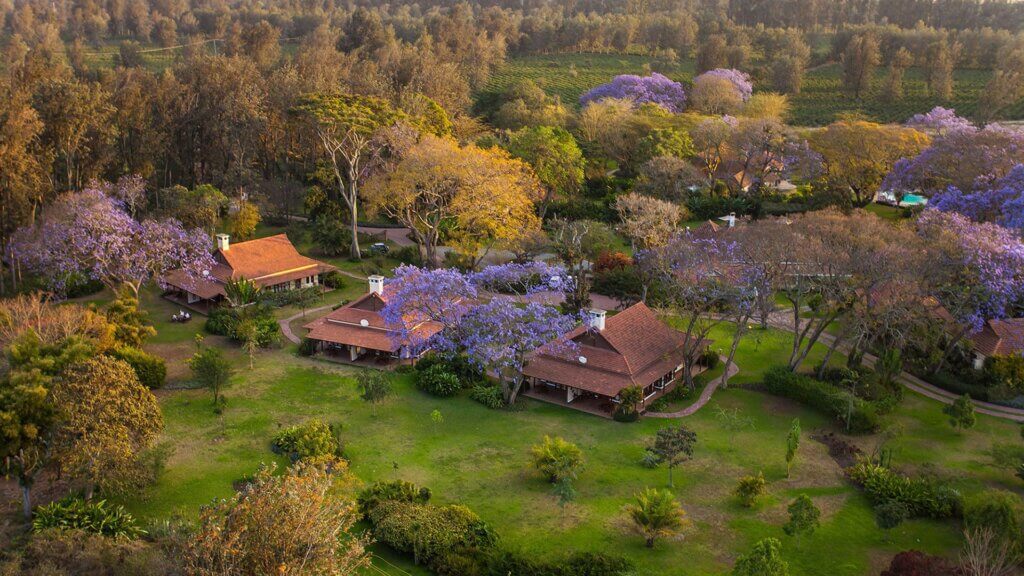
Each destination offers different accommodation styles. Around Tarangire, travelers can find elegant lodges and tented camps that blend into the surrounding landscape. Around Ngorongoro, highland properties often provide dramatic views and cooler temperatures.
Serengeti offers some of the widest choices, including luxury lodges and high end tented camps located in different areas of the park. Choosing the right location can reduce unnecessary driving and place you closer to the wildlife experience you want.
For photographers, location matters particularly strongly. A camp that sits near productive wildlife areas can provide more time for game drives and less time spent traveling between accommodation and wildlife areas.
Luxury also extends to meals and service. Carefully prepared meals, comfortable rooms, private terraces, swimming pools, and personalized dining can create a welcome contrast with the adventurous nature of a game drive.
However, the best accommodation should support the safari rather than become the main attraction. Your priority should remain the quality of the wildlife experience, location, guiding, and overall itinerary.
When these elements work together, luxury accommodation becomes an important part of a balanced Northern Tanzania safari.
Planning the Best Safari Route From Arusha
Planning the best safari route from Arusha requires more than selecting famous parks. You need to consider your travel dates, available time, wildlife interests, photography goals, accommodation preferences, and driving distances.
Start by identifying the animals and landscapes you most want to photograph. If elephants and baobabs appeal to you, consider Tarangire. If you want diverse wildlife and dramatic scenery, include Ngorongoro. If big cats, herds, and wide landscapes matter most, give Serengeti several nights.
Next, consider how much time you have. A short safari should focus on fewer destinations, while longer trips allow more flexibility.
Seasonal conditions should then influence your choices. Wildlife movements can change throughout the year, so the best route during one month may not produce the same experience during another.
Finally, work with a knowledgeable local safari company. A specialist can combine current destination knowledge with your personal interests to create a practical itinerary.
Giant Holiday Safaris can help travelers plan personalized Tanzania safari experiences that balance wildlife viewing, photography, comfort, and efficient travel. Instead of following a rigid route, travelers can build an itinerary around the destinations and experiences that matter most to them.
The best safari route from Arusha is ultimately the one that gives you enough time to enjoy Tanzania rather than rushing through it. With the right combination of destinations, expert guiding, private travel, and carefully chosen accommodation, your journey can become a rewarding introduction to the remarkable wildlife and landscapes of northern Tanzania.