Is Tarangire Worth Visiting
August 8, 2026
Can I Do a Day Trip to Tarangire
August 8, 2026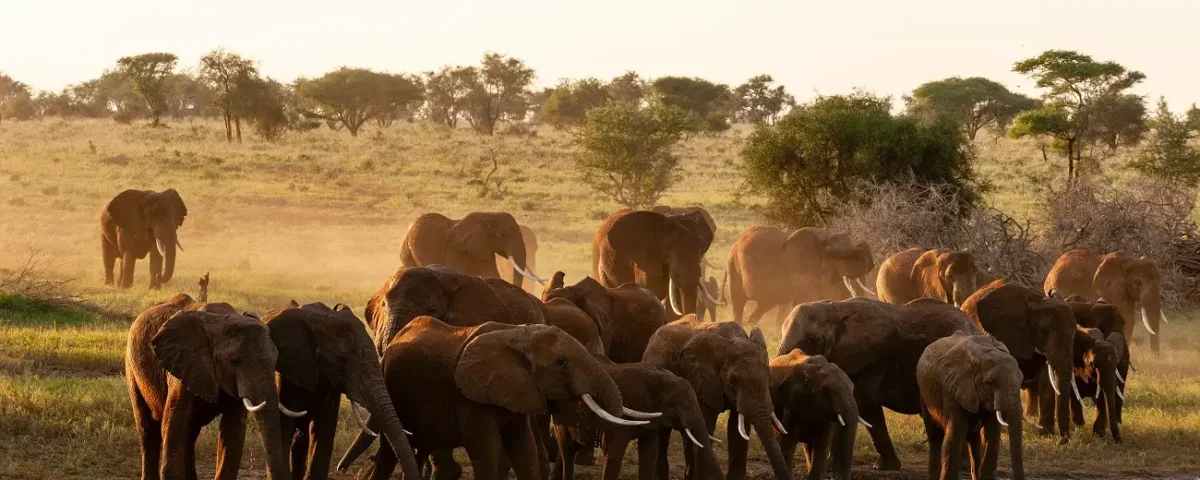
What Animals Live in Tarangire
What animals live in Tarangire? This is one of the most common questions travelers ask when planning a Tanzania safari, and the answer goes far beyond elephants. Tarangire National Park supports an impressive range of wildlife, including elephants, lions, leopards, cheetahs, giraffes, zebras, wildebeest, buffalo, antelopes, warthogs, and many bird species. Tanzania National Parks describes Tarangire as a major wildlife destination, especially known for its large elephant population and dramatic baobab landscapes. The park covers about 2,850 square kilometers and lies roughly 120 kilometers southwest of Arusha.
The park becomes especially interesting because wildlife changes with the seasons. During dry periods, animals gather around reliable water sources such as the Tarangire River and nearby wetlands. As a result, game drives can produce excellent wildlife encounters. However, Tarangire offers more than a long list of animals. Its woodland, grassland, river areas, swamps, and baobab scenery create a varied setting where each game drive can feel different. For first time visitors, this makes Tarangire an excellent introduction to northern Tanzania. For experienced safari travelers, the park provides a distinctive wildlife experience that complements destinations such as Serengeti and Ngorongoro.
Combined Uganda, Kenya, Rwanda and Tanzania Safaris
17 days Kenya Tanzania and Uganda safari
19 Days Uganda Kenya and Tanzania Safari
16 Days Kenya Tanzania and Uganda Safari
14 Days Kenya Uganda and Tanzania Safari
14 Days Kenya Uganda and Rwanda Safari
12 Day Gorilla Trekking and Tanzania Safari
What Animals Can You See in Tarangire National Park?
Tarangire offers a broad range of African wildlife, making it a rewarding destination for travelers who want variety during their safari. The most famous animals that live in Tarangire is the African elephant, but the park also supports large herbivores and several important predators. Tanzania National Parks lists elephants, giraffes, lions, leopards, cheetahs, buffalo, zebras, wildebeest, eland, kudu, and other species among the wildlife found in Tarangire.
During a game drive, you might begin by watching a herd of elephants feeding near trees and then encounter giraffes browsing on higher branches. A little farther along, zebras and wildebeest may move across open grassland while buffalo gather near water. Meanwhile, your guide may scan the woodland for lions or leopards. This variety makes every drive unpredictable and exciting.
Tarangire also rewards travelers who pay attention to smaller animals. Warthogs, mongooses, smaller antelopes, reptiles, and numerous bird species contribute to the park’s ecosystem. Some species may require more patience to find, but their presence adds depth to the experience.
The best way to explore this diversity is with an experienced safari guide. A professional guide understands animal behavior, tracks, seasonal movement, and habitat patterns. Instead of simply pointing out animals, the guide can explain why they are in a particular area and how they interact with the environment. Therefore, knowing what animals live in Tarangire becomes even more valuable when you understand the natural story behind each sighting.
Are There Elephants in Tarangire?
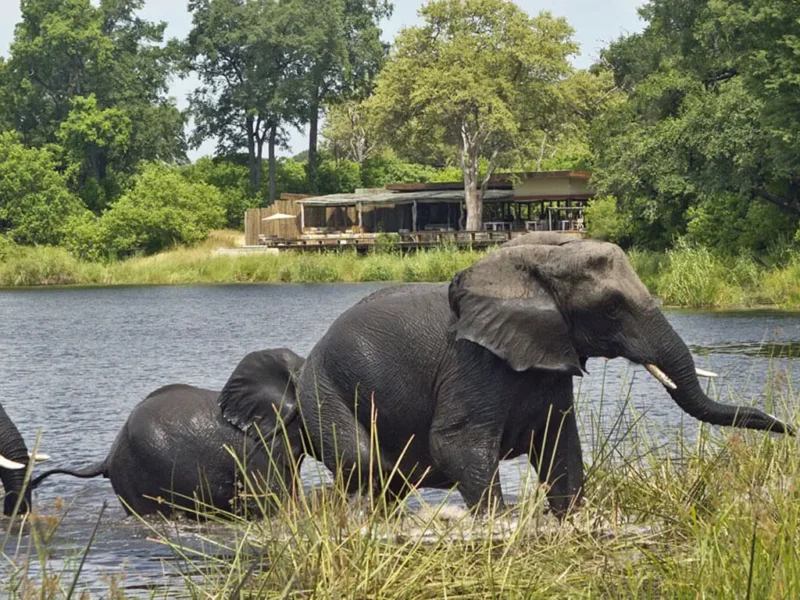
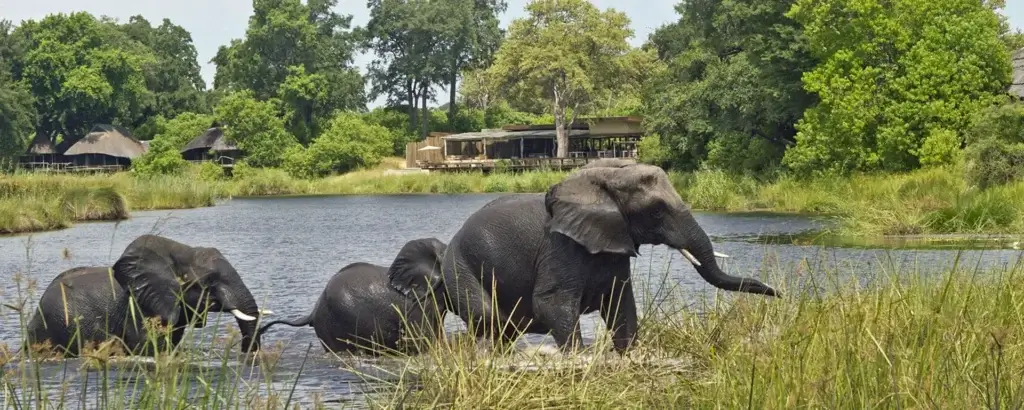
Yes, elephants are one of the main reasons travelers visit Tarangire National Park. Tanzania National Parks describes the park as a major elephant destination and highlights its high concentration of elephants. The Tarangire River also provides an important dry season water source, which helps attract wildlife to the area.
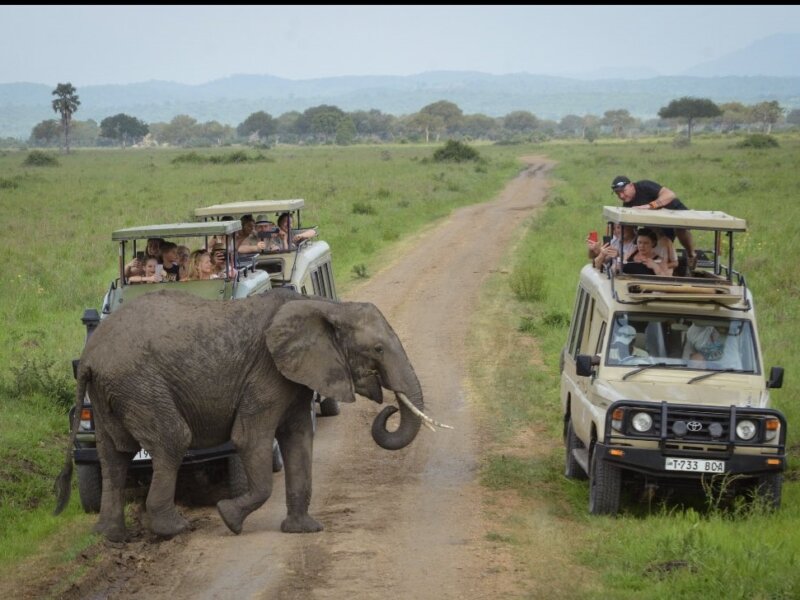
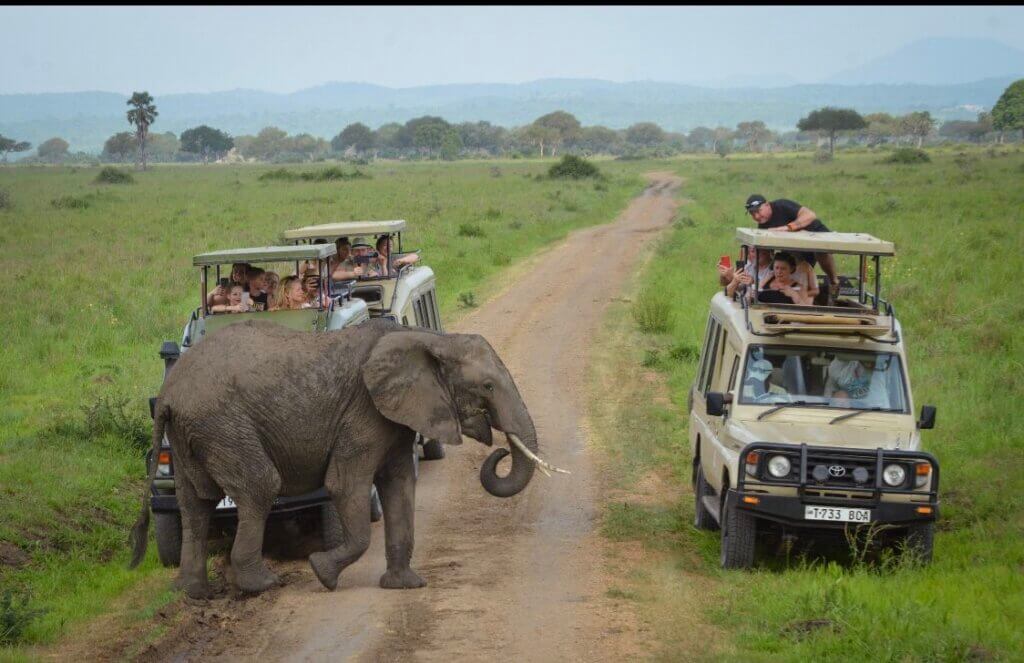
Elephant encounters can become some of the most memorable moments of a Tanzania safari. You may see family groups moving through woodland, adults feeding beneath baobabs, or large bulls traveling across open areas. Young calves can add another fascinating element because their behavior often keeps the herd active and alert.
The landscape makes these encounters even more impressive. Tarangire’s giant baobabs create dramatic backgrounds for elephant photography, while the open savanna allows you to observe larger groups from a safe distance. During the dry season, wildlife activity around water can become particularly rewarding because animals need to balance feeding with access to reliable water sources.
Responsible viewing remains essential. Visitors should follow their guide’s instructions, maintain appropriate distances, avoid disturbing animals, and never pressure a driver to approach wildlife too closely. Tanzania National Parks provides specific wildlife viewing and safety guidelines to help visitors enjoy encounters while minimizing disturbance.
For travelers who dream of seeing elephants in a natural African setting, Tarangire offers a strong combination of wildlife, scenery, and professional guiding.
Does Tarangire Have Lions?
Lions are also among the animals that live in Tarangire, and they form an important part of the park’s predator population. Tanzania National Parks lists lions among Tarangire’s iconic wildlife and notes that the park provides opportunities to encounter major predators alongside large herds of herbivores.
Finding lions requires patience because they do not always remain in open areas. They may rest under trees during warmer parts of the day, move through woodland, or remain close to prey species. Your safari guide can look for tracks, movement, alarm calls, and concentrations of herbivores that may indicate predator activity.
Early morning and late afternoon often provide excellent conditions for wildlife viewing because animals become more active as temperatures become more comfortable. These periods also offer softer light for photography. However, wildlife follows its own routine, so no responsible safari company can guarantee a particular sighting.
A lion encounter becomes more meaningful when you observe behavior rather than simply taking a photograph. You may see a pride resting together, adults interacting with younger animals, or lions watching nearby herds. These moments help travelers understand the role predators play within the ecosystem.
Tarangire also benefits from its varied habitats. Woodland and open grassland provide different opportunities for predators to hunt and rest. When combined with a knowledgeable guide and enough time in the park, these habitats create excellent conditions for searching for lions.
Can You See Leopards and Cheetahs in Tarangire?
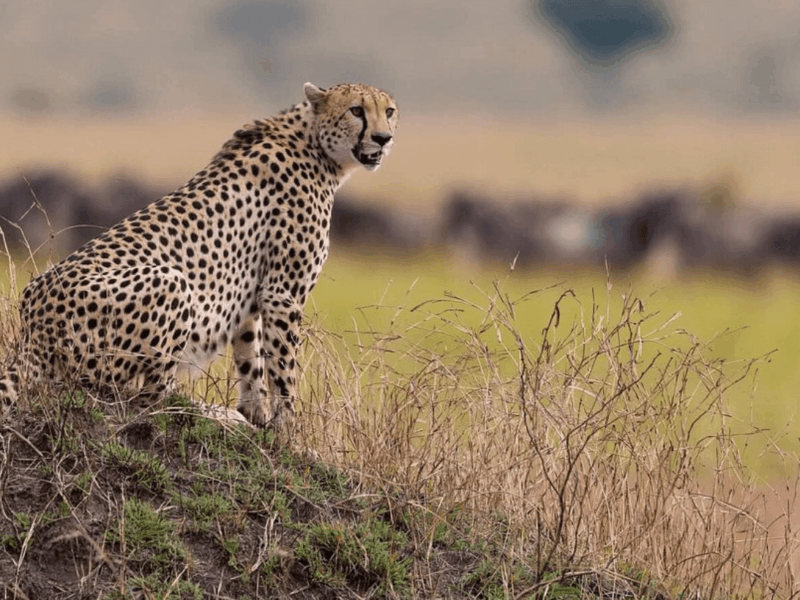
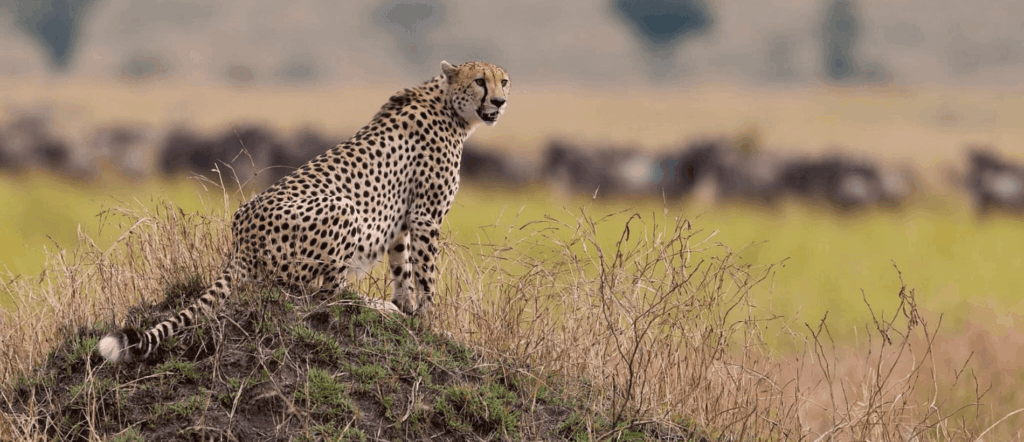
Tarangire supports both leopards and cheetahs, although these predators can prove more difficult to find than elephants, giraffes, or buffalo. Tanzania National Parks identifies both species among the park’s wildlife, while official park materials also highlight cheetahs and other notable predators.
Leopards often use trees, dense vegetation, and woodland areas for cover. Their secretive behavior means that you may drive through suitable habitat without seeing one. An experienced guide can improve your chances by understanding where leopards tend to rest and by watching for clues such as tracks, alarm calls, or unusual movement among prey animals.
Cheetahs present a different challenge. They often favor more open areas where they can use their speed to pursue prey. Their slim build and natural camouflage can make them surprisingly difficult to spot, even when they are relatively close.
For travelers hoping to see these predators, flexibility matters. A private safari vehicle can provide more freedom to spend time in promising areas without rushing to accommodate a large group. Your guide can also adjust the route based on recent sightings and changing wildlife movement.
It is important to remember that a safari does not guarantee sightings of every animal. The uncertainty forms part of the adventure. When you finally encounter a leopard resting in a tree or a cheetah moving across open grassland, the experience can feel especially rewarding because it required patience and careful observation.
What Herbivores Live in Tarangire?
Tarangire supports a wide range of herbivores, and these animals form the foundation of the park’s wildlife ecosystem. Common sightings can include zebras, wildebeest, buffalo, giraffes, elephants, impala, eland, and several antelope species. Official Tanzania National Parks material identifies Tarangire for its large concentrations of wildlife, particularly during dry periods when animals gather around permanent water sources.
Large herds can create some of the most visually impressive scenes in the park. Zebras may move together across open grassland, while wildebeest graze nearby. Buffalo often form substantial groups, especially around productive areas and water. Giraffes add another dimension because their height allows them to feed on vegetation that other herbivores cannot reach.
Antelopes make the experience even more diverse. Depending on where you explore and the conditions during your visit, you may encounter eland, kudu, impala, or other species. Some animals remain relatively common, while others require more focused searching.
Watching herbivores also helps you understand predator behavior. Where large numbers of prey gather, predators may have greater opportunities to hunt. Your guide can therefore use herbivore concentrations as one clue when searching for lions, cheetahs, or leopards.
For photographers, herbivores also provide excellent opportunities. A zebra herd against golden grass, a giraffe framed by a baobab, or an elephant family crossing the savanna can create memorable images. These encounters show why Tarangire offers more than a simple elephant safari.
Are Giraffes Found in Tarangire National Park?
Yes, giraffes are among the animals you can encounter in Tarangire. They add an elegant presence to the park’s woodland and savanna landscapes, especially when they browse among acacia trees and other vegetation. Official Tanzania National Parks material lists giraffes among Tarangire’s notable wildlife.
Giraffe sightings can become particularly scenic because the animals often appear alongside the park’s famous baobabs. Their long necks and distinctive patterns create strong photographic compositions, especially during early morning or late afternoon when the light becomes softer.
Watching giraffes also reveals interesting feeding behavior. Their height allows them to browse leaves above the reach of many other herbivores. You may see them slowly moving between trees, using their long tongues to select vegetation.
Although giraffes can appear calm and relaxed, they remain wild animals that deserve space and respect. A responsible guide will position the vehicle carefully without blocking their movement or causing unnecessary stress.
For first time safari travelers, giraffes often become one of the easiest animals to appreciate because their size makes them visually striking. However, experienced safari travelers may enjoy observing the smaller details, including feeding behavior, interactions between individuals, and movement across different habitats.
If photography matters to you, Tarangire’s combination of giraffes, baobabs, acacia woodland, and open savanna makes the park especially appealing. A well timed game drive can produce both close wildlife portraits and wide landscape photographs.
What Rare Animals Live in Tarangire?
Tarangire supports several less commonly encountered species that can make a safari especially rewarding for experienced wildlife travelers. Tanzania National Parks materials identify species such as African wild dogs, greater and lesser kudu, Beisa oryx, gerenuk, cheetah, and other wildlife within the Tarangire ecosystem.
However, travelers should approach these sightings with realistic expectations. Rare or elusive species do not appear on demand, and even skilled guides cannot guarantee an encounter. Their value comes partly from their unpredictability.
The greater kudu, for example, can remain difficult to spot because it prefers areas where vegetation provides cover. Gerenuk can also require careful searching because its behavior and habitat do not always bring it into view during a typical game drive. African wild dogs are another exciting possibility, although sightings depend heavily on movement and seasonal conditions.
These animals demonstrate why Tarangire deserves more attention than a simple elephant checklist. The park supports a complex ecosystem with species that appeal to travelers who want to explore beyond the most famous safari animals.
A specialist guide can make a significant difference when searching for less common wildlife. Guides understand the landscape and can recognize subtle signs that many visitors might miss. Tracks, calls, feeding areas, and animal behavior can all provide useful clues.
For experienced safari travelers, these less predictable encounters can become some of the most exciting moments of the journey. The anticipation of finding something unusual adds another layer of adventure to every game drive.
What Birds Live in Tarangire?
Tarangire is also an excellent destination for birdwatchers. Tanzania National Parks materials record around 550 bird species in the park, making birdlife an important part of the Tarangire safari experience.
The diversity of habitats helps explain this rich birdlife. Woodlands, grasslands, river areas, swamps, and seasonal water sources create different feeding and nesting opportunities. As you travel through the park, you may notice colorful species in trees, birds of prey soaring overhead, or water associated species around wetlands.
Birdwatching can change the pace of a game drive. Instead of focusing only on large mammals, you begin to notice calls, movement in the branches, and flashes of color. A knowledgeable guide can help identify species and explain their role within the ecosystem.
This makes Tarangire particularly valuable for travelers who want a broader safari experience. Families can enjoy learning about different birds, photographers can look for colorful subjects, and serious birdwatchers can dedicate additional time to locating specific species.
You do not need to be an expert birder to appreciate the experience. Binoculars can help, but even casual travelers often notice large or brightly colored birds during game drives.
For luxury safari travelers, private guiding provides another advantage. You can slow down when your guide spots an interesting bird instead of feeling pressure to continue toward the next large mammal sighting. That flexibility allows you to experience Tarangire as a complete ecosystem rather than simply a place to search for big animals.
What Wildlife Can You See Around the Tarangire River?
The Tarangire River plays a major role in the park’s wildlife story. Tanzania National Parks identifies the river as a key source of water and explains that it becomes especially important as a dry season refuge for wildlife, particularly elephants.
As water becomes less available in surrounding areas, animals may concentrate around reliable sources. This can create excellent opportunities for game viewing because different species may share the same general environment. Elephants, buffalo, antelopes, zebras, and other herbivores can gather around water and nearby feeding areas.
Predators also benefit indirectly from these concentrations because prey becomes easier to locate. Lions and other carnivores may remain within the wider area while watching for opportunities to hunt.
The river also shapes the landscape. Vegetation near water can differ from the surrounding dry woodland and grassland, creating visual changes during a game drive. Photographers can use these contrasts to create more varied images.
However, travelers should never assume that every animal will gather directly beside the river. Wildlife movement changes with rainfall, vegetation, temperature, and other environmental conditions. A professional guide considers these factors when deciding where to explore.
The Tarangire River therefore represents more than a scenic feature. It forms part of the ecological system that supports the park’s famous wildlife. Understanding that connection can make each sighting more meaningful because you begin to see how water, habitat, and animal movement work together.
When Is the Best Time to See Animals in Tarangire?
The best time to see animals that live in Tarangire depends on your priorities, but the dry season often provides strong wildlife viewing because animals concentrate around reliable water sources. Tanzania National Parks specifically highlights the park’s impressive wildlife concentrations during the dry season.
During dry months, vegetation can become less dense in many areas, making some animals easier to spot. Elephants and other large mammals may also gather around water sources. These conditions can create exciting game drives, especially for travelers who want to maximize opportunities for seeing large herds.
However, other seasons offer their own attractions. Green periods can bring lush landscapes, fresh vegetation, dramatic skies, and strong bird activity. The landscape may look very different, giving returning travelers a completely new perspective on the park.
Your travel dates should therefore match your interests. If elephants and concentrated big game are your priority, a dry season visit may suit you well. If photography, greenery, birds, and quieter landscapes matter more, another period could provide a rewarding experience.
It also helps to avoid thinking of wildlife viewing as a guaranteed event. Animals remain free to move wherever conditions take them. A skilled guide improves your chances by understanding seasonal patterns, but responsible safari planning should always leave room for nature’s unpredictability.
The right time to visit is ultimately the time that fits your travel goals. Tarangire remains a year round destination, while seasonal changes simply shape the type of experience you are likely to have.
How Many Days Do You Need to See Animals that Live in Tarangire?
The number of days you need in Tarangire depends on your safari route and the wildlife experiences you want. A day trip can introduce you to elephants, giraffes, zebras, buffalo, and other wildlife, especially when you start early and organize your game drive efficiently.
However, spending a night or two can create a more relaxed experience. Additional time allows you to explore different areas of the park and observe wildlife without rushing from one sighting to another. This approach works particularly well for photographers and travelers who want to focus on elephants or less common species.
A longer stay can also make sense when Tarangire forms part of a Northern Tanzania safari. You might begin in Arusha, spend time in Tarangire, and then continue toward Ngorongoro and Serengeti. Each destination can then provide a different ecological experience.
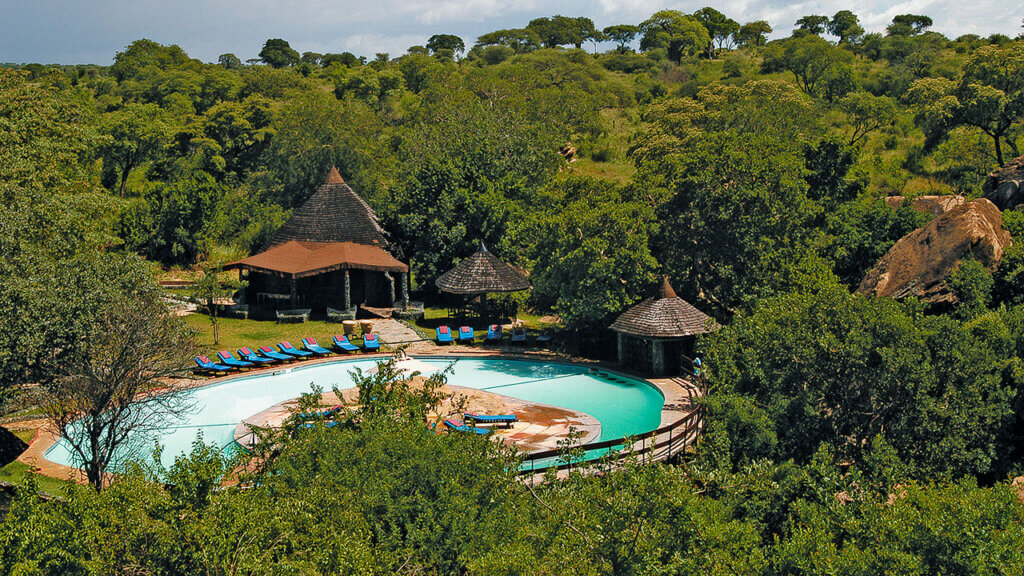
Luxury travelers may benefit especially from a slower itinerary. Instead of treating Tarangire as a quick stop, you can enjoy your accommodation, take a morning game drive, rest during the warmer hours, and return to the park later when wildlife becomes more active.
There is no universal number of days that guarantees better sightings. Wildlife movement changes constantly, so additional time increases opportunities but does not promise specific encounters.
For first time visitors, one full day can provide a strong introduction. For travelers with more flexible schedules, one or two nights can create a deeper experience and allow more time to appreciate the park’s wildlife and scenery.
What Makes Tarangire Different From Other Tanzania Safari Parks?
Tarangire stands apart from other northern Tanzania safari destinations because of its combination of elephants, baobabs, seasonal wildlife concentrations, and diverse habitats. The park’s identity comes from this mixture rather than from a single attraction.
Serengeti is globally famous for its vast plains and Great Migration, while Ngorongoro offers a remarkable crater environment with high wildlife density. Tarangire provides a different atmosphere. Its woodland, river systems, grasslands, and baobab landscapes create a more intimate visual experience.
This difference makes Tarangire valuable as part of a multi park safari. Instead of repeating similar game drives, you move through changing environments and encounter wildlife under different conditions.
Tarangire also offers strong opportunities for elephant viewing. Tanzania National Parks describes the park as a major elephant destination and highlights its large elephant concentrations. The combination of elephants and ancient baobabs gives photographers a distinctive subject that they may not experience in the same way elsewhere.
The park’s recorded bird diversity adds another layer. With about 550 bird species recorded in official Tanzania National Parks material, Tarangire can appeal to both general safari travelers and dedicated birdwatchers.
For travelers planning a Northern Circuit safari, Tarangire therefore provides contrast. It adds a different landscape, a strong elephant focus, excellent birding opportunities, and a more varied ecological experience. That variety can make an entire Tanzania safari feel richer and more complete.
How to Plan a Tarangire Wildlife Safari
Planning a Tarangire safari starts with identifying the animals and experiences that matter most to you. If elephants are your priority, your itinerary should allow enough time for relaxed wildlife observation. If predators interest you most, you may want a guide who specializes in tracking and spends time looking for lions, leopards, and cheetahs.
Travel dates also matter. Dry season conditions can produce strong concentrations of wildlife, while greener periods can offer lush scenery and excellent birdwatching. Tanzania National Parks provides official visitor information, park procedures, safety guidance, and wildlife viewing protocols that travelers should review before their journey.
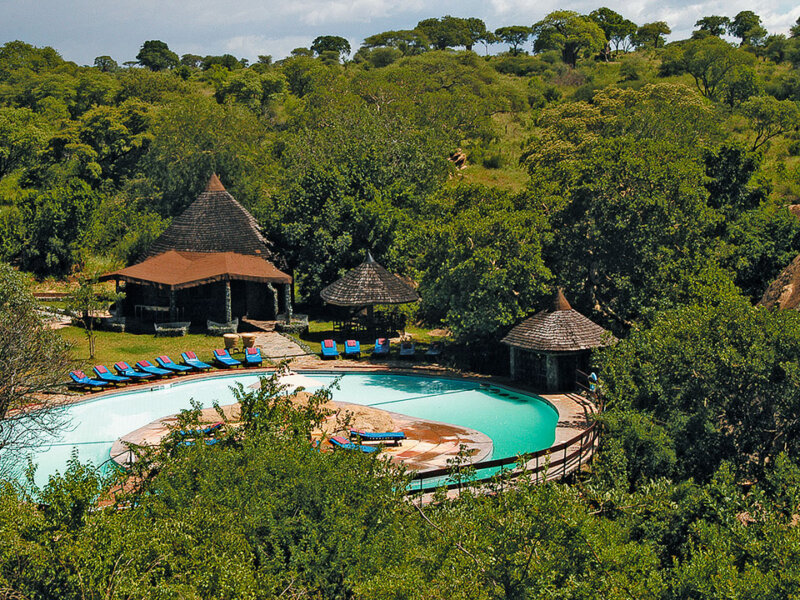
Accommodation should match the style of safari you want. Luxury lodges and tented camps can provide comfort while keeping you close to the natural environment. A private vehicle can also give you greater flexibility, particularly when photography or specific wildlife encounters form the main goal.
Your wider route deserves equal attention. Tarangire works naturally within a Northern Tanzania itinerary that may include Lake Manyara, Ngorongoro, Serengeti, or other destinations. By planning the route carefully, you can avoid unnecessary travel and give each destination enough time to feel worthwhile.
Finally, choose Giant Holiday Safaris as we values responsible wildlife viewing. with good operator who prioritize animal welfare, experienced guiding, visitor safety, and conservation.
When these elements work together, your Tarangire safari becomes more than a checklist of animals. It becomes a carefully planned journey built around wildlife, landscapes, comfort, and meaningful experiences as you will know which animals live in Tarangire.
Final Thoughts on What Animals Live in Tarangire
What animals live in Tarangire? The park offers an impressive answer, from its famous elephants to lions, leopards, cheetahs, giraffes, zebras, wildebeest, buffalo, antelopes, warthogs, rare species, and hundreds of bird species. Official Tanzania National Parks information confirms that Tarangire supports a remarkably diverse wildlife community and highlights its importance for elephants, predators, antelopes, and birdlife.
Yet the real value of a Tarangire safari comes from seeing these animals within their natural environment. An elephant family beneath a baobab, giraffes moving through woodland, buffalo gathering near water, or lions resting in the shade can create memories that go far beyond a simple wildlife checklist.
The park’s seasonal changes also give travelers a reason to explore it carefully. During dry periods, wildlife can concentrate around reliable water sources, while greener months bring a different landscape and strong bird activity. Therefore, your ideal Tarangire experience depends on your travel dates, wildlife interests, photography goals, and preferred safari pace.
For first time visitors, Tarangire offers an exciting introduction to Tanzania’s wildlife. For experienced travelers, it provides distinctive scenery and opportunities to search for less common species. For luxury travelers, private guiding and carefully selected accommodation can create a more personal and comfortable experience.
Most importantly, responsible travel should remain at the heart of every visit. Respecting wildlife, following park rules, supporting conservation, and choosing experienced guides help protect the ecosystem that makes the destination special.
If you are planning a Tanzania safari and want elephants, predators, giraffes, large herds, rare species, colorful birds, and spectacular landscapes in one destination, understanding what animals live in Tarangire is an excellent starting point for building a memorable safari.