What are the best safari tours from Diani Beach?
August 17, 2026
What are the best luxury mobile camps in Kenya?
August 17, 2026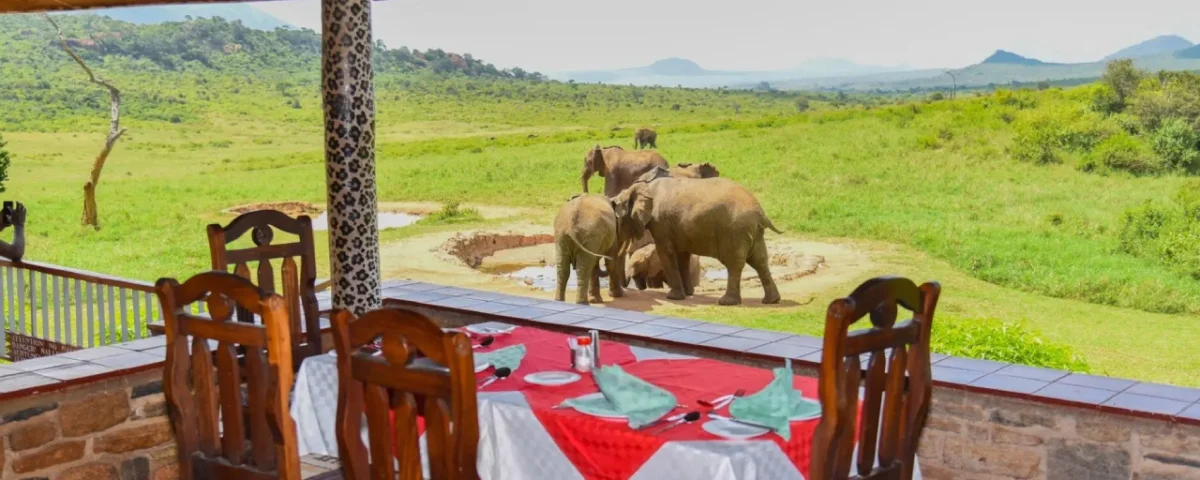
What Are the Best Safari Parks Near Mombasa?
Mombasa gives travelers an excellent starting point for exploring Kenya’s wildlife, especially for visitors who want to combine a tropical beach holiday with an exciting African safari. The coastal city sits within reach of several important wildlife areas, so you do not need to spend your entire holiday traveling inland before seeing elephants, lions, giraffes, buffaloes, zebras, antelopes, and other African wildlife. From short day trips to longer safari adventures, the parks and reserves near Mombasa offer different experiences for different types of travelers.
The best safari parks near Mombasa include Tsavo East National Park, Tsavo West National Park, Shimba Hills National Reserve, and Taita Hills Wildlife Sanctuary. Each destination has its own landscape, wildlife character, travel time, and style of safari. Therefore, choosing the right park depends on what you want to see, how much time you have, and whether you prefer a quick wildlife escape or a deeper safari experience.
For international travelers, this part of Kenya also offers an attractive combination of wildlife, culture, scenery, and coastal relaxation. You can spend your morning beside the Indian Ocean and, within the same holiday, watch elephants moving through the dry savannah of Tsavo. This combination makes the Kenyan coast particularly appealing to first time safari travelers, families, couples, photographers, and experienced wildlife enthusiasts.
Combined Uganda, Kenya, Rwanda and Tanzania Safaris
17 days Kenya Tanzania and Uganda safari
19 Days Uganda Kenya and Tanzania Safari
16 Days Kenya Tanzania and Uganda Safari
14 Days Kenya Uganda and Tanzania Safari
14 Days Kenya Uganda and Rwanda Safari
12 Day Gorilla Trekking and Tanzania Safari
Why Go on Safari Near Mombasa?
A safari from Mombasa offers one of the easiest ways to combine Kenya’s famous coast with a genuine wildlife experience. Instead of choosing between a beach holiday and a safari, travelers can enjoy both during the same trip. Mombasa’s position on Kenya’s southeastern coast provides practical access to several wildlife destinations, making it possible to build a safari around the length of your holiday.
For travelers staying in Mombasa, Diani Beach, Nyali, Bamburi, Shanzu, or nearby coastal areas, this flexibility matters. A short holiday does not automatically mean missing out on wildlife. You can choose a nearby reserve for a shorter excursion or travel farther into Tsavo for a more extensive safari.
Moreover, the coastal safari route provides excellent opportunities to experience changing landscapes. The scenery gradually shifts from coastal vegetation and palm-lined beaches to bushland, open plains, rocky terrain, and dry savannah. This change adds another layer to the journey because the safari begins before you even reach the park.
Wildlife also remains a major attraction. Depending on the destination and season, you may encounter elephants, lions, leopards, buffaloes, giraffes, zebras, hippos, crocodiles, antelopes, monkeys, and many bird species. However, wildlife is never guaranteed. Animals move freely through natural habitats, so responsible safari planning focuses on maximizing opportunities rather than promising specific sightings.
Tsavo East National Park
Tsavo East National Park stands among the strongest safari choices for travelers based in Mombasa. It forms part of the greater Tsavo ecosystem and offers vast open landscapes where wildlife can move across large areas. The park is especially famous for its elephants, which often appear with a reddish appearance because they cover themselves in the park’s distinctive red soil.
The park’s size creates a true wilderness feeling. Rather than moving through a small wildlife area, visitors enter a broad landscape where grasslands, bushland, seasonal rivers, rocky areas, and open plains support a wide range of animals. This scale makes Tsavo East particularly rewarding for travelers who want a classic African safari environment.
Elephants remain one of the major attractions, but they are not the only reason to visit. Lions, buffaloes, giraffes, zebras, antelopes, hippos, crocodiles, and numerous bird species also inhabit the park. The Galana River and other water sources can become important wildlife areas, particularly when animals concentrate around available water during dry periods.
Another advantage comes from accessibility. Tsavo East can work well for travelers who want to begin their safari from Mombasa without committing to a long journey toward Kenya’s central or western safari regions. A well-planned itinerary can turn the park into either a short safari experience or the first stage of a longer Kenya safari.
Tsavo West National Park
Tsavo West National Park provides a different experience from Tsavo East, even though the two parks belong to the wider Tsavo ecosystem. Its landscape features hills, volcanic formations, lava flows, springs, woodland, grassland, and dramatic geological scenery. Consequently, travelers who enjoy landscapes as much as wildlife often find Tsavo West especially rewarding.
One of the park’s best-known attractions is Mzima Springs, where underground water creates clear pools surrounded by vegetation. The springs support wildlife and offer a different visual experience from the dry open plains found in parts of Tsavo East. Hippos and crocodiles can be found around the water, while birds and other animals also use the surrounding habitat.
Tsavo West also provides opportunities to see elephants, lions, buffaloes, giraffes, zebras, antelopes, and many other species. However, the experience can vary greatly depending on the season, recent rainfall, water availability, and animal movements. This natural variation forms an important part of responsible safari expectations.
The park also works well for travelers who want more than a simple game drive. Its volcanic scenery and rugged terrain create excellent opportunities for photography. In addition, the park can form part of a longer route connecting the Kenyan coast with other major destinations such as Amboseli or Nairobi.
Shimba Hills National Reserve
Shimba Hills National Reserve offers one of the most convenient wildlife escapes from the Mombasa and Diani Beach area. The reserve sits closer to the coast than Tsavo, making it particularly attractive to travelers with limited time. Instead of spending several hours traveling deep inland, visitors can reach a beautiful highland landscape relatively close to the Indian Ocean.
The reserve has a character of its own. Rolling hills, forests, grasslands, valleys, and viewpoints create a greener setting than the dry landscapes commonly associated with Tsavo. This difference makes Shimba Hills an excellent option for travelers who want to experience another side of Kenya’s coastal region.
One of its most important wildlife attractions is the sable antelope, a striking and relatively rare antelope species. Shimba Hills provides important habitat for this animal, making the reserve valuable not only for tourism but also for conservation. Visitors may also encounter elephants, giraffes, buffaloes, warthogs, monkeys, antelopes, and a variety of birds.
The reserve can suit families, couples, first-time safari travelers, and visitors staying at coastal beach resorts. However, it offers a different scale of safari from Tsavo. Travelers should choose Shimba Hills when convenience, scenery, and a shorter wildlife experience matter more than spending several days inside a vast wilderness ecosystem.
Taita Hills Wildlife Sanctuary
Taita Hills Wildlife Sanctuary provides another strong safari option for travelers moving between the coast and the inland wildlife regions. Located around the Taita Hills area, the sanctuary combines wildlife viewing with scenic landscapes and a more intimate safari atmosphere.
The sanctuary supports animals such as elephants, lions, buffaloes, giraffes, zebras, and various antelope species. Because the area includes water sources and varied habitats, wildlife can gather in particular locations depending on the season. This can create rewarding game-viewing opportunities for visitors who want a focused safari experience.
Taita Hills also benefits from its position along the wider safari route between the Kenyan coast and inland destinations. Therefore, it can work especially well within a longer itinerary rather than as an isolated excursion. Travelers can combine the sanctuary with Tsavo or use it as part of a route toward other Kenyan wildlife destinations.
Another appealing feature is the landscape. The Taita Hills rise above surrounding lowlands, creating dramatic views and a sense of geographical change. For photographers, couples, and travelers looking for a quieter safari setting, this combination of scenery and wildlife can be particularly attractive.
When choosing Taita Hills, however, travelers should consider the total itinerary rather than judging the destination only by distance from Mombasa. A good safari operator can structure the route so that driving time becomes part of the experience rather than simply an inconvenience.
Which Safari Park Near Mombasa Has the Best Wildlife?
There is no single park that guarantees the best wildlife experience for every traveler. Instead, the right choice depends on your expectations, travel dates, interests, and available time. Tsavo East generally stands out for travelers seeking expansive landscapes and strong opportunities to encounter large mammals, particularly elephants. Its enormous size creates the feeling of entering a genuine wilderness area.
Tsavo West offers a more varied landscape and combines wildlife with volcanic scenery, hills, woodland, and Mzima Springs. Therefore, it can appeal strongly to travelers who want scenic diversity alongside game viewing.
Shimba Hills works particularly well for visitors who prioritize convenience and coastal access. Its smaller scale makes it suitable for shorter trips, while its forests and hills provide a different environment from the Tsavo ecosystem.
Taita Hills adds another option for travelers who want wildlife within a scenic sanctuary setting and may already have an inland safari route planned.
Ultimately, safari quality depends on more than the park itself. Timing, guide experience, weather, conservation conditions, vehicle choice, route planning, and patience all influence what you see. A knowledgeable guide understands animal behavior and knows how to approach wildlife without disturbing it. Therefore, choosing an experienced safari operator can make a major difference to the quality of your experience.
Tsavo East vs Tsavo West for Mombasa Travelers
Choosing between Tsavo East and Tsavo West can seem difficult because both parks offer outstanding wildlife opportunities. However, their landscapes and safari personalities differ enough to help travelers make a practical decision.
Tsavo East suits travelers who want a broad, open wilderness environment. The park’s red soil, expansive plains, and large elephant populations create some of Kenya’s most recognizable safari scenes. It can also work well for travelers who want to focus strongly on traditional game drives and large landscapes.
Tsavo West, by contrast, offers greater geological and topographical variety. Hills, lava formations, springs, woodland, and rocky scenery give the park a more rugged appearance. Mzima Springs adds another dimension to the experience and can make Tsavo West particularly attractive to photographers and travelers who enjoy natural scenery.
If you have only a short amount of time, your choice should also consider your starting point and final destination. If you plan to return directly to the coast, one option may create a more efficient route than the other. If you plan to continue toward Amboseli or Nairobi, the ideal park may change again.
For this reason, travelers should build the safari around the entire route rather than choosing a park in isolation.
Can You Visit a Safari Park Near Mombasa in One Day?
Yes, a one-day safari can work from Mombasa, but travelers should choose the destination carefully. Shimba Hills is particularly suitable for a shorter wildlife excursion because of its proximity to the coast. Depending on your hotel location and itinerary, the journey can leave enough time for wildlife viewing without making the day overwhelmingly focused on road travel.
Tsavo East can also work for a day trip from Mombasa, although the longer travel distance means you need an early start and careful planning. A day safari can still provide valuable wildlife experiences, but travelers should understand that more time on the road leaves less time inside the park.
For visitors who can spare two or more days, Tsavo becomes even more appealing. An overnight safari allows you to spend more time inside the ecosystem, enjoy multiple game drives, and experience the changing wildlife activity between morning and afternoon.
A longer stay also reduces pressure on the itinerary. Instead of rushing from one location to another, you can slow down and observe animal behavior. That approach often produces a better safari experience because wildlife viewing requires patience.
Therefore, choose a day trip when convenience matters most and select a multi-day safari when wildlife immersion matters most.
Best Time to Visit Safari Parks Near Mombasa
The best time for a safari near Mombasa depends on what you want to experience. Kenya’s wildlife areas remain active throughout the year, but rainfall, vegetation, water availability, road conditions, and animal movements can change the character of a safari from one season to another.
During drier periods, vegetation can become thinner and animals may concentrate around dependable water sources. This can improve visibility and sometimes make wildlife easier to locate. However, dry conditions can also create dusty roads and warmer daytime temperatures.
During rainy periods, landscapes often become greener and more dramatic. New vegetation supports many herbivores, while birdlife can become especially interesting for birdwatchers. Rain can occasionally make some roads more challenging, but it also brings freshness and color to the landscape.
For travelers combining safari with a beach holiday, the best travel period may depend on the balance between wildlife and coastal activities. Mombasa offers year-round attractions, so you can structure your trip around the experiences that matter most to you.
Most importantly, do not choose travel dates based on wildlife expectations alone. Consider your budget, accommodation preferences, weather tolerance, and overall Kenya itinerary. A well-designed safari can be rewarding in different seasons because each season reveals a different side of the ecosystem.
What Animals Can You See Near Mombasa?
Safari parks near Mombasa support a wide range of African wildlife. Elephants rank among the most memorable animals in the Tsavo ecosystem, and seeing large elephant herds moving across the landscape can become one of the defining moments of a Kenyan safari.
Lions also inhabit the region, although sightings depend on animal movements and environmental conditions. Buffaloes, giraffes, zebras, warthogs, antelopes, hippos, crocodiles, and several monkey species add further diversity to game drives.
Birdlife deserves equal attention. Kenya supports an impressive range of birds, and coastal safari areas can provide opportunities to see eagles, vultures, kingfishers, hornbills, storks, herons, and many other species. Travelers who take time to observe smaller wildlife often discover that a safari offers far more than the traditional big five.
Leopards can occur in these ecosystems as well, but they remain elusive. Their secretive behavior means that responsible guides should never guarantee a sighting. Instead, experienced guides use tracks, calls, fresh signs, habitat knowledge, and careful observation to improve the chances of finding them.
This uncertainty forms part of the excitement. Every game drive develops differently, and each sighting feels meaningful because the animals remain wild and free.
How to Plan a Safari From Mombasa
Planning a safari from Mombasa starts with understanding your available time. If you have one day, select a destination that minimizes travel and maximizes time inside the wildlife area. If you have several days, consider combining Tsavo East, Tsavo West, Taita Hills, or another major Kenyan safari destination.
Next, consider your accommodation. Travelers can choose from lodges, tented camps, hotels, and other safari accommodation styles depending on their budget and desired level of comfort. Staying inside or close to a wildlife area can reduce unnecessary driving and provide a more immersive experience.
Transportation also matters. A safari vehicle should provide good visibility, comfort, and reliable access to the park’s roads. Your guide should understand wildlife behavior, conservation principles, local geography, and safe game-viewing practices.
Additionally, plan for early mornings. Many animals become active during the cooler hours of the day, so early game drives can offer excellent opportunities for observation and photography. Afternoon drives can provide another chance to explore as temperatures begin to fall.
Finally, leave some flexibility in your schedule. Wildlife does not operate according to a fixed timetable. A flexible itinerary allows your guide to respond to changing conditions, animal movements, weather, and road situations.
Why a Professional Safari Operator Matters
A safari operator does more than arrange transportation and accommodation. The right operator helps turn a complicated journey into a well-managed wildlife experience. This becomes especially important for international travelers who may not know Kenya’s road networks, park regulations, seasonal conditions, accommodation options, or local logistics.
Experience matters because safari planning involves many moving parts. The operator needs to understand distances, park entry arrangements, suitable accommodation, game drive timing, vehicle requirements, and practical travel conditions. Good planning also prevents travelers from spending too much of their holiday on unnecessary road journeys.
Expert guiding adds another important layer. Wildlife viewing requires patience and knowledge. A skilled guide can identify tracks, recognize animal behavior, interpret the landscape, and position the vehicle responsibly. At the same time, a professional guide understands that wildlife welfare must come before getting a photograph.
Trust also matters. International visitors should receive clear information about what their package includes, accommodation standards, transportation, park fees, meal arrangements, and itinerary timing. Transparent communication helps travelers make informed decisions before they arrive in Kenya.
Therefore, choosing a reputable safari company is not simply about finding the cheapest package. It is about choosing an experienced partner capable of managing the details that shape the quality, safety, and enjoyment of your safari.
Combining a Mombasa Beach Holiday With a Safari
One of the strongest reasons to choose Mombasa as a safari gateway is the ability to combine wildlife with a beach holiday. After several days exploring savannah landscapes, travelers can relax beside the Indian Ocean and enjoy Kenya’s coastal culture, food, history, and beaches.
This combination creates a balanced itinerary. Safari days can focus on game drives, wildlife photography, landscapes, and conservation. Beach days can then provide time for swimming, relaxation, water activities, cultural experiences, and exploration of the coast.
Travelers staying in Diani, Nyali, Bamburi, or other coastal destinations can build different safari schedules depending on their interests. A couple might choose a private multi-day safari followed by several quiet beach days. A family might prefer a shorter safari combined with a longer coastal stay. An experienced traveler might use Mombasa as the beginning of a broader Kenya itinerary.
The key is to avoid packing too many destinations into a short holiday. Moving every day can make a trip tiring. Instead, give each part of the journey enough time to feel meaningful.
With thoughtful planning, Mombasa can therefore become more than a beach destination. It can serve as the coastal gateway to an unforgettable Kenyan wildlife adventure.
Responsible Safari Travel Near Mombasa
Responsible tourism plays an important role in protecting Kenya’s wildlife and ensuring that local communities benefit from tourism. Travelers can contribute by following park rules, respecting wildlife distances, avoiding litter, and listening carefully to their guides.
Never encourage a driver to chase an animal simply to obtain a better photograph. Wild animals need space, and excessive vehicle pressure can disrupt natural behavior. Instead, allow animals to move freely and appreciate sightings without trying to control them.
Travelers can also support responsible tourism by choosing accommodation and operators that value conservation and local communities. Spending money with local businesses, purchasing appropriate locally made crafts, and respecting cultural traditions can help spread tourism benefits beyond large tourism companies.
Photography also requires responsibility. Keep noise low, avoid sudden movements around wildlife, and never attempt to feed animals. These simple actions protect both visitors and wildlife.
Sustainable safari travel does not mean sacrificing comfort or enjoyment. In fact, responsible tourism often creates a deeper experience because it encourages travelers to understand the landscape rather than simply collect photographs.
For international visitors, this approach also helps preserve Kenya’s wildlife heritage for future generations. The goal should not simply be to see animals today. The goal should be to help protect the ecosystems that allow those animals to thrive tomorrow.
Final Thoughts on the Best Safari Parks Near Mombasa
The best safari park near Mombasa ultimately depends on your time, interests, budget, and wider Kenya travel plans. Tsavo East National Park stands out for vast wilderness landscapes and remarkable elephant experiences. Tsavo West National Park combines wildlife with volcanic scenery, hills, woodland, and Mzima Springs. Shimba Hills National Reserve provides a convenient coastal wildlife escape, while Taita Hills Wildlife Sanctuary offers another rewarding option for travelers looking for wildlife and dramatic scenery.
More importantly, a successful safari depends on thoughtful planning. The right destination, experienced guide, reliable transportation, suitable accommodation, realistic expectations, and responsible wildlife practices all contribute to a memorable journey.
For travelers from around the world, Kenya offers an exceptional opportunity to combine the warmth of the Indian Ocean coast with the raw beauty of African wildlife. A well planned safari from Mombasa can transform an ordinary beach holiday into a much richer African adventure.
When you want that experience organized with local knowledge, careful planning, dependable service, and a strong understanding of Kenya’s tourism landscape, Giant Holiday Safaris provides a trusted way to explore the wildlife destinations near Mombasa while making the journey comfortable, meaningful, and memorable.