
What insects should I expect on safari?
August 28, 2026
What are the best Kenya safari and beach combinations?
August 28, 2026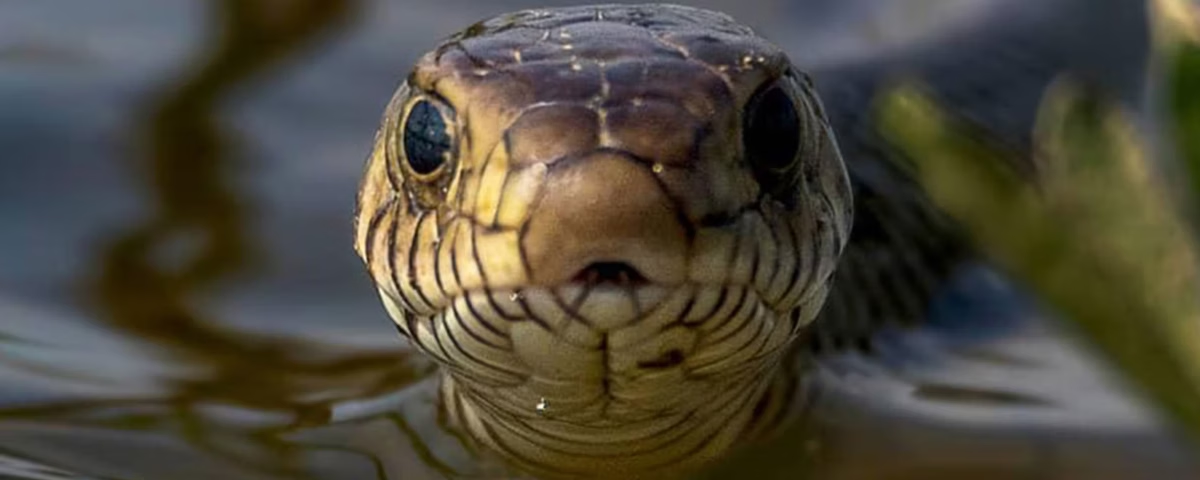
Are There Snakes in Kenya Safari Parks?
Kenya is famous for its open savannahs, dramatic landscapes, rich wildlife, and unforgettable safari experiences. From the sweeping plains of the Maasai Mara to the woodlands of Tsavo and the mountain ecosystems around Mount Kenya, the country offers some of Africa’s most rewarding wildlife adventures. However, many first-time visitors have one important question before entering the bush: Are there snakes in Kenya safari parks?
Yes, snakes live in Kenya’s national parks, wildlife reserves, conservancies, forests, grasslands, and other natural areas. They form an important part of the ecosystem and play a useful role in controlling rodents and other small animals. However, seeing a snake during a normal safari remains relatively uncommon. Most snakes avoid people, vehicles, and busy areas because they prefer to conserve energy and stay hidden.
Therefore, the presence of snakes should not discourage you from enjoying a Kenya safari. Instead, understanding where snakes live, how they behave, and how to stay safe allows you to explore the wilderness with greater confidence. A well-planned safari also places you in the hands of experienced guides who understand animal behavior and know how to move safely through different habitats.
This guide explains the reality of snakes in Kenya safari parks, the species you may encounter, where they live, when sightings become more likely, and the practical precautions every traveler should follow.
Combined Uganda, Kenya, Rwanda and Tanzania Safaris
17 days Kenya Tanzania and Uganda safari
19 Days Uganda Kenya and Tanzania Safari
16 Days Kenya Tanzania and Uganda Safari
14 Days Kenya Uganda and Tanzania Safari
14 Days Kenya Uganda and Rwanda Safari
12 Day Gorilla Trekking and Tanzania Safari
Yes, Snakes Live in Kenya Safari Parks
Kenya has a wide range of habitats, and many of these environments provide excellent conditions for snakes. National parks and reserves contain grasslands, rocky areas, forests, wetlands, riverbanks, bushland, and open plains. Each habitat supports different reptiles, including harmless species as well as medically important snakes.
However, finding snakes during a game drive is not as easy as spotting elephants, giraffes, zebras, or antelopes. Snakes spend much of their time hidden under vegetation, inside holes, beneath rocks, around fallen trees, or in other sheltered places. Some species also remain quiet and motionless for long periods, which makes them difficult to notice.
In addition, many snakes avoid large animals and human activity. A safari vehicle usually does not attract them. When a snake detects vibrations, movement, or unfamiliar sounds, it may move away before visitors even realize it was nearby.
For this reason, travelers should not expect to see snakes on every safari. In fact, many visitors complete several game drives without seeing one. Snake sightings usually depend on habitat, weather, season, time of day, and simple luck.
The important point remains clear: snakes form a natural part of Kenya’s wildlife, but they do not dominate the safari experience. You are much more likely to spend your game drive watching large mammals and birds than searching for snakes.
Which Snakes Can You Find in Kenya?
Kenya supports a diverse snake population, with species adapted to different environments. Some live mainly on the ground, while others spend much of their time in trees. Some prefer wetlands or areas close to water, whereas others thrive in dry savannah and rocky landscapes.
Among the snakes found in Kenya are cobras, mambas, vipers, pythons, house snakes, sand snakes, water snakes, and several other species. The exact species present varies according to the park, habitat, elevation, vegetation, and local climate.
The black mamba attracts considerable attention because of its reputation and size. Despite its name, a black mamba usually has a grey, olive, or brown body. It gets its common name from the dark interior of its mouth. Black mambas can occur in suitable parts of Kenya, particularly in areas with appropriate vegetation and shelter.
Kenya also has several cobra species. Cobras possess defensive behavior that can include raising the front part of the body and spreading a hood. Some species live in savannah environments, while others prefer different habitats.
Vipers also occur in Kenya. The puff adder represents one of the best-known examples. It has excellent camouflage and often relies on remaining still rather than escaping quickly. This behavior makes careful observation particularly important when walking through bush areas.
Pythons also live in Kenya. The African rock python is a large constrictor that can inhabit grasslands, woodland, rocky areas, and locations near water. Unlike venomous snakes, pythons do not use venom to subdue prey.
Are Snakes Common During a Kenya Safari?
Snakes exist throughout many Kenyan wildlife areas, but seeing one during a safari is not especially common. This difference matters because people sometimes confuse the presence of snakes with the likelihood of encountering them.
A national park can contain many snakes without visitors seeing a single one. Snakes are secretive animals, and their survival often depends on avoiding unnecessary encounters. They do not normally move around looking for humans or safari vehicles. Instead, they focus on finding food, shelter, suitable temperatures, and opportunities to reproduce.
The size of the park also makes encounters less likely. Kenya’s major wildlife areas cover large landscapes where animals have plenty of space to move. A safari vehicle travels through only a small part of that environment during a game drive.
Furthermore, snakes often become active during specific periods of the day. Some species prefer warmer conditions, while others become more active during cooler periods. Rainfall can also influence movement because changing temperatures and prey activity affect snake behavior.
Consequently, travelers should not enter a safari expecting snakes around every corner. At the same time, you should respect the possibility of encountering one whenever you leave a vehicle in a natural environment.
That balanced approach provides the best mindset: do not fear snakes, but never treat them casually.
Where Are You Most Likely to Encounter Snakes?
Snake sightings depend heavily on habitat. You may have a better chance of finding snakes in places that provide shade, shelter, food, and suitable temperatures.
Areas with thick grass can provide excellent hiding places. Snakes can move through vegetation without being easily noticed, especially when their colors match the surrounding environment. Rocky sections also provide useful shelter because cracks and spaces between rocks can protect snakes from heat and predators.
Water sources create another important habitat. Rivers, streams, seasonal pools, swamps, and lakes attract many animals, which creates food opportunities for predators. Some snake species also have strong associations with wet environments.
Woodlands and bushy areas can support snakes as well. Fallen branches, tree roots, leaf litter, holes, and dense vegetation offer natural hiding places. Tree-dwelling species may also remain high above the ground, making them difficult for visitors to notice.
Safari camps require particular awareness because they sit within natural environments. A camp located near thick vegetation, water, rocks, or open bush may occasionally experience reptile activity. Good camps manage their surroundings carefully and provide guidance for guests.
Walking routes deserve extra attention. A snake can remain hidden near a path and become disturbed when someone approaches. Therefore, visitors should stay on designated paths, avoid stepping into dense vegetation, and follow the instructions of their guide.
Are Snakes Dangerous to Safari Tourists?
Some snakes in Kenya can pose a serious medical risk if they bite a person. However, this fact does not mean that Kenya safaris are inherently dangerous. The risk remains low when travelers respect wildlife and follow sensible safety practices.
Most snakes do not want an encounter with a person. A human is too large to serve as normal prey for most species, and a snake generally benefits from avoiding unnecessary conflict. Bites usually occur when a snake feels threatened, gets trapped, is accidentally stepped on, or is deliberately approached.
This explains why careless behavior creates more risk than simply being in snake country. Picking up a snake, trying to photograph it from very close range, blocking its escape route, or walking barefoot through thick vegetation can create an avoidable situation.
Safari guides also understand the importance of observing wildlife from a safe distance. They can recognize habitats where reptiles may occur and help visitors move safely around the camp or during walking activities.
Travelers should also remember that different snake species behave differently. Never assume that a snake is harmless because it looks small, colorful, slow, or attractive. Likewise, never assume that a snake is dangerous simply because it looks large.
The safest rule is simple: do not approach, touch, chase, corner, or attempt to handle any wild snake.
What Should You Do If You See a Snake?
Seeing a snake can create an instant feeling of fear, especially if you have little experience around wildlife. However, the safest response involves staying calm and creating distance.
First, stop moving toward the snake. Do not try to get closer for a photograph. Instead, give it space to move away. If you are walking with a guide, follow the guide’s instructions immediately.
Do not throw stones or other objects at the snake. Do not attempt to scare it away with a stick. These actions can make an otherwise peaceful encounter more dangerous because the animal may feel trapped or attacked.
If the snake sits across a path, wait for it to move away rather than trying to walk around it closely. A snake may need only a short amount of time to leave the area. Your patience can prevent an unnecessary confrontation.
During a vehicle safari, remain inside the vehicle unless your guide has specifically identified a safe place where you can leave it. Never reach out of the vehicle toward a snake or attempt to follow one on foot.
Most importantly, avoid turning a wildlife sighting into a chase. A good safari focuses on observing animals naturally rather than forcing an encounter.
A snake sighting can actually become an interesting wildlife moment when handled responsibly. It provides an opportunity to observe reptile behavior while maintaining the distance that keeps both the traveler and the animal safe.
Are Snakes Found Around Safari Camps and Lodges?
Yes, snakes can occasionally enter or move around safari camps and lodges because these properties exist within natural wildlife habitats. This possibility should not surprise travelers. A camp in the middle of a conservation area cannot completely separate itself from the surrounding ecosystem.
However, responsible camps take practical measures to reduce unnecessary encounters. Staff maintain appropriate surroundings, monitor guest areas, manage vegetation, and provide guidance about moving around the property after dark.
Travelers should also take simple precautions. Wear closed shoes when walking around camp, especially at night. Use a torch when moving between tents, cottages, dining areas, and other facilities after dark. Avoid walking through tall grass or dense vegetation.
Keep doors and tent entrances properly closed when required by the camp. Do not leave food or waste scattered around living areas because this can attract rodents and other animals that form part of the food chain.
Guests should also listen carefully to camp safety briefings. These briefings cover much more than snakes. They can include guidance about elephants, buffaloes, hippos, insects, and other wildlife that may move around camps.
Importantly, encountering wildlife near a safari camp does not automatically mean that the camp is unsafe. Instead, it reflects the natural setting that makes a safari special. Proper management, good guiding, and responsible guest behavior help keep these encounters controlled.
Can You See Snakes on a Walking Safari?
Walking safaris create a different wildlife experience because you leave the protection and height of a safari vehicle and enter the environment on foot. As a result, you need greater awareness of your surroundings.
Snakes can occur on walking routes, so travelers should never walk independently through unfamiliar bushland. A trained walking guide helps identify tracks, animal signs, vegetation, terrain, and potential hazards.
During a walking safari, watch where you place your feet. Avoid stepping over logs, rocks, or thick vegetation without first checking what lies on the other side. A snake may use these features as shelter.
Walking quietly also improves the experience. Instead of focusing only on large animals, you can notice birds, insects, tracks, plants, reptiles, and other smaller forms of wildlife that a vehicle safari may overlook.
Your guide also controls the distance between the group and wildlife. If the group encounters a snake, the guide can decide how to respond based on the species, location, and animal behavior.
Therefore, walking safaris do not need to become a source of fear. They simply require stronger awareness and disciplined behavior. Travelers who follow their guide, remain together, wear suitable footwear, and respect the environment can enjoy an immersive walking experience without unnecessary risk.
What Should You Wear to Reduce Snake Encounters?
Clothing cannot guarantee that you will never encounter a snake, but suitable safari clothing can improve your protection and comfort.
Closed shoes provide an important first layer of protection, especially during walking activities. Strong walking shoes or boots work well because they protect the feet from sharp vegetation, rough ground, insects, and other hazards in addition to reducing exposed skin.
Long trousers can also provide useful protection when walking through bush or grass. Choose comfortable clothing that allows easy movement while protecting your legs from vegetation.
At night, carry a reliable flashlight or use the lighting provided by your safari camp. Darkness makes it harder to see animals and obstacles on the ground. Good visibility therefore improves general safety, not only protection from snakes.
Avoid reaching blindly into holes, under rocks, inside bushes, or beneath logs. These locations can provide shelter for many animals, including snakes and insects.
You should also avoid walking barefoot around camps, particularly in areas surrounded by natural vegetation.
These precautions remain simple and practical. You do not need special anti-snake equipment for a normal Kenya safari. Instead, sensible clothing, proper footwear, good lighting, and careful movement provide a strong foundation for responsible travel.
The goal is not to create fear. The goal is to help you move confidently through the African wilderness while respecting the animals that live there.
When Are Snake Sightings More Likely?
Snake activity changes with weather, temperature, habitat, and the behavior of their prey. Consequently, there is no single time of year when every Kenyan safari park suddenly becomes full of snakes.
Warm conditions can encourage some snakes to become more active because reptiles depend heavily on external temperatures to regulate body function. Rain can also influence wildlife activity. After rainfall, vegetation changes, prey becomes more active, and different animals may move into areas that previously offered fewer resources.
Time of day matters as well. Some snakes become active during daylight hours, while others show more activity during cooler periods or at night. This variation means that travelers can encounter different reptile behavior depending on when they explore the park.
Seasonal conditions also differ between Kenya’s regions. The dry savannah of Tsavo does not offer exactly the same environment as the wetter landscapes around parts of the Kenyan coast, highlands, or western Kenya.
However, travelers should not plan a safari around snake sightings. Kenya offers far more wildlife experiences than reptiles alone. Instead, regard snakes as one part of the wider ecosystem.
If you happen to see one, observe it from a safe distance and allow it to continue its natural behavior. Responsible wildlife tourism means appreciating even the smaller and less celebrated animals that help maintain ecological balance.
How Safari Guides Help Keep Travelers Safe
An experienced safari guide adds enormous value to a Kenya wildlife experience. Guides understand animal behavior, recognize tracks and signs, read the landscape, and know how to manage encounters with wildlife.
This knowledge becomes particularly useful when travelers encounter animals that they do not understand. A guide can identify a snake or create appropriate distance rather than allowing inexperienced visitors to approach it.
Guides also understand the difference between observing wildlife and disturbing wildlife. They know when to stop, when to move away, and when to leave an animal completely undisturbed.
During walking safaris, this experience becomes even more important. A guide watches the surroundings while leading the group and can identify potential hazards before visitors get too close.
Good guiding also involves education. A safari becomes more meaningful when travelers understand why an animal behaves in a certain way and how it contributes to the ecosystem. Snakes, for example, help regulate populations of rodents and other prey species. Their role supports the wider balance of the environment.
For international visitors, choosing a reputable safari operator and qualified guides therefore matters greatly. A strong safari experience combines wildlife knowledge, safety awareness, conservation principles, and respect for local ecosystems.
Ultimately, a knowledgeable guide does more than help you find wildlife. A guide helps you understand the wilderness and enjoy it responsibly.
Should You Be Afraid of Snakes on a Kenya Safari?
You should respect snakes, but you do not need to spend your Kenya safari afraid of them. Fear often comes from uncertainty, and learning how snakes behave can replace unnecessary anxiety with sensible awareness.
Kenya’s wildlife parks contain many species that can potentially harm people if approached incorrectly. Snakes form only one small part of that picture. Large mammals such as elephants, buffaloes, hippos, and lions also require strict respect and careful viewing.
A safari works because travelers observe wildlife without interfering with it. The same principle applies to snakes. Keep your distance, follow your guide, stay on designated routes, and avoid handling wildlife.
You should also remember that snake sightings are often less common than visitors imagine. Many travelers spend several days on safari without encountering one. Even when a snake appears, it normally has no reason to approach a person.
Instead of worrying about every patch of grass, focus on the remarkable experience around you. Watch elephants moving across the plains, listen to birds calling from woodland, observe giraffes feeding, and enjoy the changing colors of the African landscape.
With preparation and responsible behavior, snakes become a manageable part of the wider safari environment rather than something that should prevent you from visiting Kenya.
Conclusion: Enjoy Kenya Safari With Confidence and Respect
Yes, snakes live in Kenya’s safari parks and other protected wildlife areas. Some species are venomous, while others are harmless. Nevertheless, their presence should not discourage you from exploring Kenya. Snakes generally prefer to avoid people, and most safari visitors never experience a dangerous snake encounter.
The best approach combines awareness, preparation, and respect. Wear suitable footwear during walking activities, use a torch at night, avoid dense vegetation, never handle wildlife, and always follow your safari guide’s instructions. If you encounter a snake, keep your distance and allow it to move away naturally.
Most importantly, remember that a safari is about experiencing a complete ecosystem. Every animal, including snakes, contributes to the balance of the wilderness. Understanding these smaller and often misunderstood creatures can make your journey even more rewarding.
For travelers seeking a safe, educational, and memorable African wildlife experience, Giant Holiday Safaris provides a trusted approach to discovering Kenya’s remarkable landscapes and wildlife. With thoughtful planning, knowledgeable guiding, and a strong respect for nature, your Kenya safari can become an experience that combines adventure, confidence, conservation, and unforgettable moments.