Can you drink tap water in Kenya?
August 28, 2026
Are there snakes in Kenya safari parks?
August 28, 2026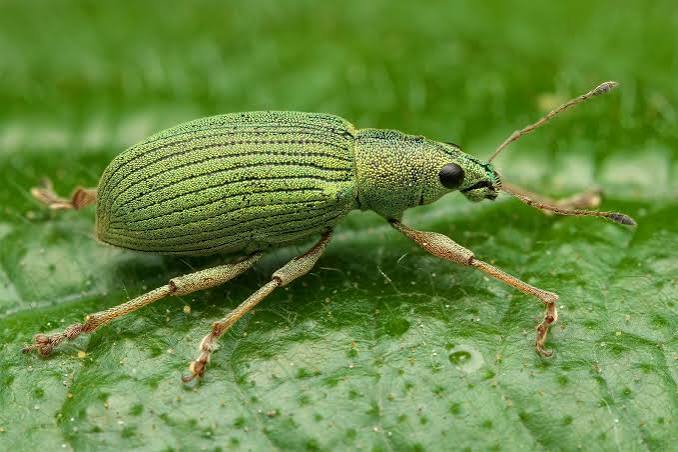
What Insects Should I Expect on Safari?
Going on an African safari means entering a natural world where wildlife exists far beyond the large animals that attract most visitors. Lions, elephants, giraffes, buffaloes, rhinos, and leopards may be the stars of the experience, but insects form an equally important part of the ecosystem. From colorful butterflies resting beside safari tracks to tiny ants moving through the grass, insects remain active throughout the African wilderness.
For many first-time safari travelers, insects can raise practical questions. Will mosquitoes be a problem? Are safari lodges full of bugs? Should you worry about tsetse flies? What happens when insects enter your tent? Understanding what to expect makes the experience much easier and more enjoyable.
The good news is that most insects you encounter on safari create little inconvenience when you prepare properly. Africa has an enormous variety of insects, and their presence changes with the season, habitat, weather, altitude, and time of day. A wet season can bring an impressive increase in butterflies, beetles, termites, mosquitoes, and other insects, while dry conditions may reduce some populations.
Therefore, preparing for insects should form part of your safari planning. The right clothing, insect repellent, accommodation choice, sleeping arrangements, and daily habits can greatly improve your comfort. More importantly, understanding insects helps you appreciate why they matter. They pollinate plants, recycle nutrients, feed birds and reptiles, support amphibians, and provide food for many mammals.
A safari is not simply a search for large animals. It is an opportunity to experience a complete ecosystem. Once you understand that insects play an essential role in African wildlife, even a tiny beetle crossing your path can become part of the adventure.
Combined Uganda, Kenya, Rwanda and Tanzania Safaris
17 days Kenya Tanzania and Uganda safari
19 Days Uganda Kenya and Tanzania Safari
16 Days Kenya Tanzania and Uganda Safari
14 Days Kenya Uganda and Tanzania Safari
14 Days Kenya Uganda and Rwanda Safari
12 Day Gorilla Trekking and Tanzania Safari
Mosquitoes Are Among the Most Important Insects to Prepare For
Mosquitoes are one of the main insects travelers should prepare for during an African safari. They occur across many parts of Africa, although their numbers vary considerably between destinations and seasons. Areas close to wetlands, rivers, lakes, forests, and other sources of standing water can support larger mosquito populations.
Mosquito activity often increases around dusk and during the evening. However, different mosquito species have different activity patterns, so travelers should not assume that daytime automatically means there is no risk. Your safari destination, season, local environment, and accommodation all influence the number of mosquitoes you encounter.
The most important reason to take mosquitoes seriously involves mosquito-borne diseases. Malaria occurs in many African safari destinations, although the level of risk differs by country and region. Because malaria prevention depends on your exact destination and personal circumstances, consult a qualified travel-health professional before departure. They can provide destination-specific guidance on preventive medicine, vaccinations where relevant, and other precautions.
You can also reduce mosquito exposure through simple habits. Apply an effective insect repellent to exposed skin according to its instructions. Wear long trousers and long-sleeved shirts around dawn and dusk, especially in areas where mosquitoes are active. Choose accommodation with properly screened windows and doors, and use mosquito nets when provided.
At night, keep tent or room doors closed whenever possible. Avoid leaving lights on with doors or windows open because light can attract various flying insects. With these simple measures, mosquitoes usually become a manageable part of the safari experience rather than a major distraction.
Tsetse Flies Can Be More Noticeable in Some Safari Areas
Tsetse flies deserve special attention because travelers may encounter them in particular wildlife areas, especially habitats with woodland, bush, rivers, and abundant wildlife. They are larger and more noticeable than ordinary mosquitoes, and their bite can feel sharp or painful.
Tsetse flies do not behave exactly like mosquitoes. They are active during the day and can move quickly. They may also be attracted to movement, dark colors, and certain vehicles. Consequently, you might notice them around safari vehicles, shaded woodland areas, or places where wildlife gathers.
Their importance extends beyond discomfort because some tsetse flies can transmit parasites that cause African trypanosomiasis, commonly known as sleeping sickness. However, the risk varies greatly by region and should not cause unnecessary fear. Travelers should follow destination-specific health advice rather than assume every safari area presents the same level of risk.
Clothing can help reduce unwanted encounters. Long trousers, socks, and lightweight long-sleeved shirts provide useful physical protection. Neutral safari colors such as khaki, olive, beige, and brown also work well for general wildlife viewing and can be practical in areas where certain insects respond to contrasting or darker colors.
If a tsetse fly lands on you, avoid panicking. Move calmly and remove it safely. A safari guide can also help you understand the local insect situation and suggest practical precautions based on the area you are visiting.
Although tsetse flies can be irritating, they should not stop you from enjoying a safari. Good preparation allows you to explore wildlife areas confidently while reducing unnecessary exposure.
Ants Are Everywhere in the African Wilderness
Ants may look insignificant compared with elephants or lions, but they represent one of the most fascinating groups of insects you can encounter on safari. African ecosystems support countless ant species, each with different behaviors, habitats, and roles.
You may notice ants around campsites, under trees, beside paths, near food areas, or moving across open ground. Some species travel in organized trails, while others build impressive underground colonies or large nests. Driver-guides often point out unusual ant behavior because it provides a closer look at how the smaller members of the ecosystem live.
Army ants can create particularly memorable encounters. Large groups may move across the ground while searching for food. Other ant species defend their nests aggressively when disturbed. For that reason, never place your hands into holes, lift rocks, or disturb insect colonies simply to get a closer look.
Ants also contribute significantly to the health of safari ecosystems. They break down organic material, move soil, spread seeds, and provide food for birds, reptiles, mammals, and other insects. Some animals have developed specialized feeding strategies that allow them to exploit ant colonies.
At safari camps, ants can become more noticeable if travelers leave food or sweet drinks exposed. Keep snacks sealed and dispose of food waste properly. If you stay in a tented camp, follow the camp’s instructions about storing food.
In most cases, ants are harmless when you respect their space. Their presence also reminds you that the African wilderness operates on many levels, from enormous mammals down to tiny insects working constantly beneath your feet.
Termites Can Create Fascinating Safari Experiences
Termites are among Africa’s most remarkable insects. They live in highly organized colonies and can construct enormous mounds that become recognizable features of the landscape. Depending on the species and environment, termite mounds can range from small structures to towering formations that stand above the surrounding grass.
A termite mound provides more than shelter for insects. It can influence the surrounding ecosystem by changing soil conditions and creating habitats used by other animals. Some birds use termite mounds for nesting, while reptiles and mammals may investigate them for food.
During certain periods, especially after rain, winged termites may emerge in large numbers for reproductive flights. These events can produce dramatic swarms around lights and other attractive areas. Although the sight may seem unusual to a first time visitor, it represents an important natural cycle.
Safari travelers should avoid climbing on termite mounds or breaking sections apart. Even when a mound appears inactive, it may contain living colonies or provide shelter for other creatures. Guides can help identify active structures and explain their ecological importance.
Termites can also become noticeable around accommodation during seasonal insect activity. Keep doors closed, especially after rain or during evenings when flying insects gather around lights. Camps normally have practical systems for managing such situations.
Rather than viewing termites as unwanted pests, consider them ecosystem engineers. They influence soil, vegetation, nutrient cycling, and food webs. A large termite mound therefore represents much more than an insect home. It is a small natural landmark built through years of collective activity.
Butterflies and Moths Add Color to Safari Landscapes
Not every insect encounter involves biting or irritation. Butterflies can become some of the most beautiful creatures you see during a safari. Africa supports a huge variety of butterfly species, and their abundance often increases during wetter periods when flowering plants become more available.
You may see butterflies around streams, forest edges, open grasslands, gardens at safari lodges, and areas with flowering vegetation. Some species display bright colors, while others use camouflage to blend into leaves and bark.
Butterflies play an important role as pollinators. As they move between flowers, they help plants reproduce. They also form part of the food chain, providing food for birds, reptiles, amphibians, and other wildlife.
Moths can also appear around safari accommodation, particularly near artificial lights at night. Their colors and shapes vary widely, and some species are remarkably well camouflaged. A night walk or quiet evening around camp can therefore reveal an entirely different insect world from the one you see during daylight game drives.
If you enjoy photography, insects offer excellent opportunities for close-up images. Use a macro lens if available, but avoid disturbing insects for a photograph. Patience usually produces better results than chasing them.
Butterflies and moths show why insects should not automatically be associated with discomfort. They add color, movement, and ecological value to the safari environment. Watching them also encourages travelers to slow down and notice details that can easily disappear when attention remains focused only on large mammals.
Beetles, Grasshoppers, and Crickets Are Common Safari Encounters
Beetles, grasshoppers, and crickets form another major part of the African insect world. Their appearance changes dramatically depending on habitat and season, so travelers may encounter everything from small ground beetles to large, brightly marked insects.
Beetles often appear around vegetation, animal dung, fallen trees, and soil. Dung beetles are especially interesting because they play a major role in recycling nutrients. They use animal dung for food and reproduction, helping return nutrients to the soil while also improving soil processes.
Grasshoppers and crickets become particularly noticeable in grassy environments. Their jumping movements can surprise travelers who walk through vegetation or explore areas around a lodge. Some species produce loud sounds that become part of the nighttime atmosphere.
These insects also provide food for many African animals. Birds, reptiles, amphibians, primates, and small mammals depend on insects as part of their diet. Consequently, an increase in insects can influence the wider food chain.
During rainy periods, insect numbers can rise quickly. Fresh vegetation creates better feeding conditions, while moisture supports reproduction and development. As a result, a safari during or shortly after rains may feel more alive with insect activity.
Do not worry if a beetle or grasshopper appears near your accommodation. Most simply move through the environment looking for food or shelter. Observe them without touching them, and remember that their presence reflects a healthy and functioning ecosystem.
Spiders Are Part of the Safari Experience Too
Spiders are not insects, but travelers often encounter them alongside insects and may wonder whether they should expect them on safari. African wildlife areas support many spider species, ranging from tiny spiders hidden in vegetation to large species that create impressive webs.
Spider webs can become particularly visible in the early morning when dew collects on their silk. These webs can look spectacular in soft morning light and reveal how much activity takes place in the bush before most visitors begin their day.
Spiders play an important ecological role because they help control insect populations. By feeding on insects and other small creatures, they contribute to the natural balance of the ecosystem.
You may encounter webs around bushes, trees, outdoor structures, or quiet corners of a safari camp. Avoid reaching into vegetation without looking first. When walking around a tented camp at night, use a flashlight and watch where you place your hands.
Most spiders will avoid people. They generally have little interest in approaching humans, and accidental encounters often happen because travelers unknowingly enter their habitat.
If you have a strong fear of spiders, inform your safari operator or camp staff before your trip. They can help you choose accommodation that provides greater comfort and can explain how staff manage wildlife encounters around camp.
A safari involves sharing space with nature. With awareness and respect, even spider encounters become manageable rather than frightening.
What Happens When Insects Enter Your Safari Tent?
One of the most common concerns for first-time safari travelers involves insects entering their accommodation. Even well managed safari camps sit within natural environments, so an occasional insect can find its way indoors.
A moth may fly toward a light. A beetle may crawl beneath a door. A small flying insect may enter when you open the tent entrance. These encounters do not necessarily indicate poor hygiene or poor accommodation. They simply reflect the location of the camp within a living ecosystem.
Modern safari lodges and tented camps usually take practical measures to reduce insect problems. Screens, mosquito nets, sealed food storage areas, and regular cleaning can make a major difference. However, no accommodation placed in the wilderness can completely eliminate insects.
You can help by keeping doors and tent flaps closed when you are not entering or leaving. Avoid leaving food uncovered, and do not keep sweet drinks open overnight. At night, use the lighting provided by the camp rather than creating unnecessary bright lights near open entrances.
If an insect enters your room, avoid hitting or handling it unless necessary. Camp staff can usually remove it safely. They understand the local environment and can identify insects that guests may not recognize.
The key point is simple: seeing a few insects in a safari camp is normal. In fact, it can remind you that your accommodation sits inside an active ecosystem rather than an urban environment. Once you understand this, small encounters become far easier to handle.
How Should I Dress to Reduce Insect Bites?
Clothing provides one of the simplest ways to reduce insect exposure during safari. Lightweight long trousers and long-sleeved shirts create a physical barrier between your skin and insects while also protecting you from strong sunlight, dust, and thorny vegetation.
Choose comfortable, breathable fabrics because African temperatures can become high during the day. Neutral colors such as beige, khaki, olive, and brown remain practical for safari because they blend naturally with the environment and work well for wildlife viewing.
Long socks can protect the lower legs, particularly when walking through grass or visiting areas with more insects. Closed shoes also provide useful protection when walking around camps or participating in guided nature walks.
At dawn and dusk, cover more exposed skin whenever practical. These periods can bring increased insect activity in some environments. Applying insect repellent to exposed skin can provide another layer of protection.
Do not rely on clothing alone. Your protection strategy should combine appropriate clothing, repellent, accommodation precautions, and destination specific health advice.
Also, pack clothing that dries quickly if you plan to travel during a wetter season. Rain and humidity can increase discomfort, and lightweight layers make it easier to adjust throughout the day.
Good safari clothing should serve several purposes at once. It should keep you comfortable, protect you from the environment, and allow you to move easily. When you choose practical clothing rather than focusing only on appearance, you can spend more time enjoying wildlife and less time worrying about insects.
How Can I Reduce Insect Problems During a Safari?
Reducing insect encounters does not require complicated equipment. A few consistent habits can make your safari much more comfortable. Start with a reliable insect repellent suitable for your skin. Follow its application instructions and reapply when necessary, particularly after sweating or washing.
Next, control your accommodation environment. Keep windows, doors, and tent entrances closed or screened whenever possible. Use the mosquito net correctly if your accommodation provides one. Check the net before sleeping so you can deal with any insects already inside.
Food management also matters. Store snacks properly and avoid leaving fruit, sugary drinks, or food scraps exposed. Insects can quickly locate food, especially in warm environments.
During evening activities, wear long sleeves and trousers when appropriate. If you participate in a night game drive or guided walk, ask your guide about the local insect conditions and follow their practical recommendations.
Your choice of season can also influence insect activity. Wet periods often bring more vegetation and increased insect populations, while some dry periods may produce fewer mosquitoes and other insects. However, season should never be selected solely to avoid insects because each safari season offers different wildlife and landscape advantages.
Finally, maintain perspective. The goal is not to eliminate every insect encounter. That would be impossible in a natural environment. Instead, focus on reducing unnecessary exposure while accepting normal wildlife activity around you.
A well prepared traveler can enjoy the African wilderness comfortably without allowing insects to dominate the safari experience.
Why Insects Matter to African Safari Ecosystems
Understanding insects adds a deeper dimension to safari travel. They may be small, but their ecological influence is enormous. Insects pollinate plants, recycle nutrients, break down organic material, aerate soil, disperse seeds, and provide food for countless other animals.
Many safari species depend directly on insects. Birds feed on beetles and grasshoppers. Reptiles search for insects among rocks and vegetation. Amphibians depend on insects as a major food source. Some mammals specialize in eating ants or termites. Even fish and other aquatic animals depend on insect life around rivers and wetlands.
Insects also help scientists and conservationists understand environmental changes. Changes in insect populations can reflect differences in rainfall, vegetation, temperature, water availability, and habitat conditions. For this reason, insects provide useful clues about the health of an ecosystem.
Safari travelers can become better observers by paying attention to these smaller creatures. Instead of focusing only on finding a lion or leopard, take time to notice a butterfly on a flower, a beetle moving through the soil, or a line of ants crossing a track.
This approach creates a richer safari experience. You begin to understand that wildlife does not operate as isolated species. Every creature connects to another through food, habitat, reproduction, and survival.
Africa’s famous wildlife landscapes remain extraordinary partly because of this complex network of life. Insects form one of its foundations, and recognizing their importance helps travelers appreciate conservation at a much deeper level.
What Should I Pack for Insect Protection on Safari?
Preparing the right items before departure can make insect encounters far easier to manage. Start with an effective insect repellent and pack enough for the entire journey. If you have sensitive skin, consider choosing a product that you already know works well for you rather than testing a completely unfamiliar product during the safari.
Pack lightweight long sleeved shirts and long trousers. Breathable materials work especially well in warm climates. Add several pairs of comfortable socks and closed walking shoes if you plan to participate in nature walks.
A flashlight or headlamp can also prove useful around safari camps at night. It helps you see where you are walking and allows you to check paths, steps, and nearby vegetation before moving through darker areas.
If your accommodation provides mosquito nets, use them properly. You do not normally need to carry a large net unless your specific itinerary or accommodation requires one. Ask your safari operator about the accommodation before departure so you understand what the camp provides.
Personal medication and travel health supplies should also form part of your preparation. Because malaria risk and prevention recommendations differ between destinations, obtain professional travel-health advice before your journey.
Finally, pack with the actual safari environment in mind. Avoid carrying unnecessary items while forgetting essentials such as breathable clothing, comfortable shoes, repellent, and sun protection.
Good preparation does not mean expecting the worst. Instead, it gives you confidence. Once you know you have practical protection available, you can concentrate on wildlife, landscapes, photography, culture, and the many unforgettable moments that make African safaris special.
Conclusion
Insects form a natural and important part of every African safari ecosystem. Mosquitoes, tsetse flies, ants, termites, butterflies, beetles, grasshoppers, moths, and many other small creatures can appear throughout your journey. Their numbers and activity vary according to location, habitat, weather, season, and time of day.
The best approach combines preparation with respect for nature. Wear suitable clothing, use insect repellent, keep accommodation properly closed, protect food from exposure, and follow destination-specific travel-health advice. At the same time, avoid allowing fear of insects to overshadow the safari itself.
A knowledgeable guide can also transform small insect encounters into valuable learning opportunities. Instead of seeing every insect as a nuisance, look at its role within the wider ecosystem. A termite mound, butterfly, dung beetle, or line of ants can reveal important details about the health and balance of the African wilderness.
For travelers who want reliable planning, responsible experiences, and expert knowledge of Africa’s diverse safari environments, Giant Holiday Safaris provides a trusted foundation for exploring the continent with confidence. With thoughtful preparation and the right guidance, insects become only a small part of the adventure—and the extraordinary wildlife and landscapes remain the true focus of your African safari.