
What are the best safari lodges in Samburu?
August 28, 2026
What insects should I expect on safari?
August 28, 2026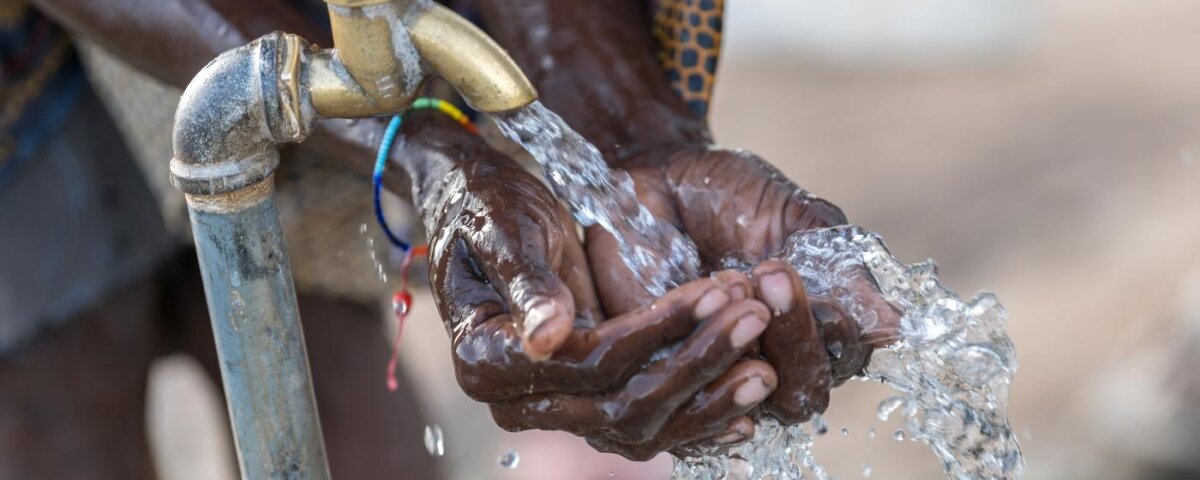
Can You Drink Tap Water in Kenya?
Kenya offers an unforgettable travel experience, from the wildlife-rich plains of the Maasai Mara and Amboseli to the beaches of the Kenyan Coast, the highlands around Mount Kenya, and the lively streets of Nairobi. However, one practical question often comes up before or during a trip: Can you drink tap water in Kenya? The safest answer for most international visitors is to avoid drinking untreated tap water unless you know that the specific source has been properly treated and is considered safe.
Water quality in Kenya can vary greatly from one location to another. A modern hotel in Nairobi may have water treatment systems that provide a higher level of protection, while a remote safari camp, rural accommodation, or small community may rely on a different water source and treatment process. Therefore, travelers should never assume that water quality remains the same throughout the country.
The Centers for Disease Control and Prevention advises travelers to avoid tap water where contamination may occur and to choose bottled or properly treated water instead. The CDC also recommends using safe water for brushing teeth, preparing drinks, washing food, and making ice when water quality is uncertain.
This does not mean travelers need to worry constantly about water while visiting Kenya. With a few sensible habits, you can stay hydrated and enjoy your safari, beach holiday, cultural tour, or city break comfortably. Understanding where your drinking water comes from, how it has been treated, and how it is stored makes a major difference.
Combined Uganda, Kenya, Rwanda and Tanzania Safaris
17 days Kenya Tanzania and Uganda safari
19 Days Uganda Kenya and Tanzania Safari
16 Days Kenya Tanzania and Uganda Safari
14 Days Kenya Uganda and Tanzania Safari
14 Days Kenya Uganda and Rwanda Safari
12 Day Gorilla Trekking and Tanzania Safari
Is Tap Water Safe to Drink in Kenya?
Tap water in Kenya should not automatically be considered safe for drinking by every traveler. Water quality depends on the location, the source, treatment standards, storage systems, and the condition of the pipes that carry water to your accommodation. Consequently, the answer can change from one property or destination to another.
In major cities such as Nairobi, some hotels, apartments, restaurants, and private homes use treated municipal water or additional filtration systems. Some properties also maintain their own water treatment systems. However, the fact that water comes from a municipal supply does not mean every traveler should drink it directly from the tap. A building’s internal plumbing, storage tanks, or temporary interruptions in supply can affect water quality.
Outside major urban centers, the situation can become even more varied. Safari lodges, tented camps, guesthouses, rural homes, and campsites may obtain water from boreholes, wells, tanks, springs, or other sources. These sources can be perfectly useful when appropriately treated, but travelers should know how the accommodation treats its water before drinking it.
The CDC’s current Kenya travel guidance specifically advises travelers to pay attention to food and water safety and to avoid contaminated water. Therefore, international visitors who are unfamiliar with local water systems should choose bottled, filtered, purified, or otherwise treated water rather than taking unnecessary chances with untreated tap water.
Why Does Tap Water Quality Vary Across Kenya?
Kenya is a large country with very different environments, infrastructure, and water sources. Nairobi’s urban water system differs from the water arrangements found at a remote safari lodge in Samburu, a coastal hotel in Diani, or a rural community near the Maasai Mara. For that reason, saying that all Kenyan tap water is either safe or unsafe oversimplifies the situation.
Water can become unsafe at several points between its source and the glass on your table. Treatment may remove many harmful organisms, but contamination can occur later through damaged pipes, poorly maintained storage tanks, flooding, or unsafe handling. A clean-looking glass of water can still contain microorganisms that you cannot see, smell, or taste.
This issue matters particularly for travelers who are not accustomed to local microorganisms. Your body may react to water or food that local residents tolerate without problems. Travelers’ diarrhea remains one of the most common travel related illnesses, and contaminated food and water can contribute to it. The CDC identifies Africa among the regions where travelers face a higher risk of travelers’ diarrhea.
Additionally, water quality can change after heavy rainfall or flooding. Runoff can introduce contaminants into water sources, while infrastructure problems can affect distribution systems. Remote areas can face different challenges from densely populated cities.
Therefore, experienced travelers use a simple principle: when you do not know the water source or treatment standard, choose a safer alternative. This approach allows you to focus on enjoying Kenya rather than spending part of your holiday recovering from an avoidable stomach illness.
Can You Drink Tap Water in Nairobi?
Nairobi has extensive urban water infrastructure, and many hotels, restaurants, offices, and residences have access to treated water. Nevertheless, international visitors should still avoid assuming that every tap provides drinking-quality water directly.
Your accommodation may treat its water further through filtration, purification, ultraviolet systems, or other methods. Some hotels also provide drinking water specifically for guests. If your hotel supplies complimentary bottled or purified water, use that water for drinking rather than automatically filling your bottle from the bathroom tap.
The distinction between tap water for general use and water intended for drinking is important. You can use water for activities such as showering and washing your hands while choosing treated or bottled water for drinking. If your accommodation has a clearly identified drinking-water tap connected to a purification system, follow the property’s guidance.
You should also consider ice. A cold drink may appear safe because the beverage itself comes from a sealed bottle or can, but ice can introduce a water quality risk if it comes from untreated or uncertain water. The CDC advises travelers to avoid ice when the water source is uncertain because ice may have been made from tap water.
Nairobi offers plenty of safe and convenient alternatives, so there is little reason to take an unnecessary risk. Keep sealed drinking water available, especially during long city tours, airport transfers, shopping trips, and excursions outside the city.
Can You Drink Tap Water on a Kenya Safari?
A Kenya safari often takes travelers far away from major urban centers. This makes water planning particularly important. Safari lodges and camps understand the needs of international visitors and many have established water treatment systems. However, the treatment process differs between properties, so travelers should pay attention to the water provided by their accommodation.
A reputable safari lodge may provide purified drinking water in rooms, dining areas, or refill stations. Some properties encourage guests to refill reusable bottles rather than continuously buying disposable plastic bottles. This can provide a practical balance between traveler safety and responsible tourism.
When staying at a safari camp, use the drinking water provided by the property. If staff identify a particular tap or dispenser as safe drinking water, follow that guidance. If you have any uncertainty, choose sealed bottled water or another properly treated source.
Safari travelers should also think about activities away from the lodge. During game drives, walking safaris, nature walks, hiking trips, and community visits, carry enough safe drinking water for the activity. Do not drink directly from rivers, streams, lakes, springs, or other natural water sources simply because the water looks clear.
The CDC warns travelers about contaminated water and recommends treatment methods such as boiling, filtration, or chemical disinfection when safe water is unavailable. This advice becomes especially important in remote areas where medical facilities and alternative water sources may be far away.
Good safari planning means treating hydration as part of your travel preparation, just like clothing, sunscreen, insect protection, and travel documents.
What About Drinking Water at Kenya’s Beaches and Coastal Hotels?
Kenya’s coast attracts travelers with beautiful beaches, warm Indian Ocean waters, coral reefs, marine activities, and relaxed resort experiences. Destinations such as Mombasa, Diani Beach, Watamu, and Malindi provide many accommodation options, ranging from luxury resorts to smaller guesthouses.
At coastal hotels, travelers should apply the same principle they use elsewhere in Kenya: ask where drinking water comes from and whether the property treats it. Do not assume that proximity to a developed city or resort automatically means the bathroom tap provides drinking water suitable for every international traveler.
Hotels may provide bottled water, purified refill stations, or treated water for guests. Use those options whenever they are available. If you are staying in a self-catering apartment or holiday rental, ask the host about the water supply before drinking directly from the tap.
Coastal conditions can also make responsible water use important. Tourism places pressure on local water resources, particularly in popular destinations. Travelers can support sustainable tourism by using refill stations, carrying reusable bottles, and avoiding unnecessary plastic waste while still maintaining sensible drinking-water precautions.
You should also remember that swimming water and drinking water are completely different concerns. The fact that a resort has a clean swimming pool does not mean every water source on the property is suitable for drinking.
When enjoying Kenya’s coast, stay hydrated because heat, humidity, walking, swimming, and outdoor activities can increase your water needs. Carry safe drinking water when leaving your hotel, particularly during excursions where reliable refill points may not be available.
Is Bottled Water Safe in Kenya?
Factory-sealed bottled water is generally one of the simplest choices for international travelers in Kenya. It provides a convenient source of drinking water when you do not know the quality of the local tap supply. However, travelers should still pay attention to the bottle itself.
Choose bottles that remain properly sealed. Check the cap and seal before drinking, especially when buying water from unfamiliar vendors. Avoid bottles that appear damaged, tampered with, or poorly stored. The CDC recommends factory sealed bottled drinks as a safer option for travelers when local water quality is uncertain.
You can find bottled water in supermarkets, hotels, restaurants, shops, petrol stations, airports, and other travel locations. During a safari, your accommodation or tour operator may provide drinking water as part of the package.
However, relying entirely on single-use plastic bottles creates an environmental cost. Kenya’s tourism industry increasingly benefits from practical approaches to reducing unnecessary plastic waste. Travelers can carry a strong reusable bottle and refill it from a trusted purification system at their hotel, lodge, or camp.
This approach works particularly well on safari. Instead of carrying many small bottles, travelers can use a reusable bottle with water supplied by a trusted accommodation or refill station.
The goal is not simply to drink bottled water everywhere. The goal is to understand the source and choose safe, treated drinking water. Where reliable purification systems exist, refilling a reusable bottle can provide both safety and a more environmentally responsible travel habit.
Can You Use Kenyan Tap Water for Brushing Your Teeth?
Travelers who decide not to drink untreated tap water should also think about brushing their teeth. Brushing introduces water into the mouth, so using questionable water can create an unnecessary exposure.
The CDC advises travelers in places with uncertain water quality to use bottled or disinfected water for brushing their teeth. This simple precaution can make sense during the early days of a trip, particularly if you are staying somewhere unfamiliar.
You do not need to become overly anxious about normal contact with tap water. Showering, washing your hands, and other routine activities are different from intentionally swallowing water. However, avoid swallowing shower water, especially when you have concerns about the source.
A practical travel routine works well. Keep your drinking-water bottle beside your toothbrush, use treated water when brushing, and close the bottle after use. If your hotel provides purified water specifically for guests, use it for drinking and brushing.
Families traveling with young children should take extra care because children may accidentally swallow water while brushing, bathing, or playing. Parents can prepare the child’s drinking bottle and toothbrush water before beginning the morning routine.
These habits require little effort, yet they can reduce unnecessary exposure to potentially contaminated water. They also make travel easier because you establish a consistent routine instead of deciding every time whether a particular tap is safe.
Is It Safe to Drink Ice in Kenya?
Ice deserves special attention because travelers sometimes forget that ice is simply frozen water. If a restaurant, hotel, bar, café, or lodge makes ice from water that is not safe to drink, the ice can introduce the same risk into an otherwise safe beverage.
The CDC recommends avoiding ice in places where drinking-water quality is uncertain because the ice may have been made using tap water. Therefore, when you do not know how the ice was produced, ordering your drink without ice provides a simple precaution.
This does not mean you must avoid every cold drink during your Kenya holiday. Many established hotels, restaurants, and lodges operate professional kitchens and use treated water. However, travelers should still use common sense and choose reputable establishments.
If a hotel clearly confirms that its ice comes from purified water, you can make an informed decision. If you are unsure, skip the ice.
This small choice becomes particularly useful during the first few days of your trip when your body is adjusting to a new environment. It also helps reduce the number of possible sources of stomach problems. If you experience digestive symptoms, knowing that you have followed sensible food and water practices can help you identify other possible causes more easily.
Good travel health does not require avoiding every local experience. Instead, it requires understanding the risks and making smart decisions without allowing those precautions to interfere with your enjoyment of Kenya.
How Can You Make Tap Water Safe to Drink in Kenya?
If you have access to tap water but cannot confirm its safety, you can treat it before drinking. Several water-treatment methods can reduce the risk from harmful microorganisms.
Boiling remains one of the most reliable methods. The CDC recommends bringing water to a full rolling boil for one minute, with a longer boiling time required at very high elevations. After boiling, allow the water to cool in a clean, covered container.
Filtration can also help, but travelers should understand that not every filter removes every type of microorganism. Some portable filters remove parasites and particles but may not eliminate viruses or all bacteria. The CDC recommends checking the manufacturer’s specifications and using an appropriate treatment method for the expected contaminants.
Chemical disinfection provides another option when boiling is inconvenient. Travelers should follow the product instructions carefully because effectiveness depends on the correct dosage and contact time. Some disinfectants also have limitations against certain parasites.
A combination approach can provide stronger protection when dealing with uncertain water. CDC guidance notes that when boiling is not practical, filtration followed by another appropriate treatment method can improve pathogen reduction.
For an ordinary Kenya holiday, however, most travelers do not need to build a complicated water-treatment system. Staying in reputable accommodation, using trusted purified water, carrying safe drinking water during excursions, and avoiding uncertain ice will usually provide a much simpler travel routine.
What Water Should You Avoid Drinking in Kenya?
Travelers should avoid drinking water when they cannot identify its source or treatment method. This includes untreated river water, lake water, stream water, water from unknown wells, and water collected from natural sources during hikes or outdoor activities.
Clear water does not necessarily mean safe water. Harmful bacteria, viruses, and parasites can exist without changing the color, smell, or taste of the water. This makes visual inspection an unreliable way to determine whether natural water is suitable for drinking.
You should also avoid drinking from containers that appear dirty, damaged, uncovered, or poorly maintained. If a water dispenser looks questionable, choose another source.
Be careful with drinks prepared using unknown water as well. Fresh juices, fountain drinks, smoothies, and ice-based beverages can create exposure if the water used to prepare them has not been treated. The CDC specifically advises travelers to consider the water used in drinks and food preparation, not only the water they drink directly.
This principle becomes especially important during rural excursions and outdoor adventures. Kenya offers spectacular opportunities for hiking, camping, wildlife viewing, and cultural experiences, but travelers should never assume that a natural water source is safe simply because animals drink from it or local surroundings look clean.
When in doubt, choose treated water. It is a small decision that protects your health without taking anything away from your adventure.
Practical Drinking Water Tips for First Time Visitors to Kenya
A few simple habits can make water safety much easier during a Kenya holiday. First, carry a reusable water bottle and refill it only from a trusted source. Your hotel, lodge, safari camp, or tour provider can usually guide you toward an appropriate refill point.
Second, keep drinking water with you during long road trips and safari drives. Kenya’s distances can be greater than travelers expect, and remote destinations may not have convenient shops or refill stations along every route.
Third, avoid assuming that water is safe simply because it comes from a hotel bathroom tap. Ask the accommodation whether the tap water is treated and intended for drinking. A reputable property should be able to explain its water system.
Fourth, use safe water for brushing your teeth when you are uncertain about the local supply. Also, consider avoiding ice unless you know that it comes from treated water.
Fifth, choose freshly prepared food and drinks from reputable establishments. Water safety connects closely with food safety because contaminated water can enter meals, beverages, ice, and washed produce. The CDC recommends eating food that is properly cooked and served hot and taking care with raw produce when water quality is uncertain.
Finally, stay hydrated. Kenya’s sunshine, warm temperatures, walking, game drives, hiking, and other outdoor activities can increase your need for fluids. Water safety should never lead you to drink too little. Instead, plan ahead and carry a reliable supply.
What Should Families and Children Know About Water Safety in Kenya?
Families traveling to Kenya should take water safety seriously because children can become dehydrated more quickly and may accidentally swallow water while brushing their teeth, bathing, swimming, or playing. Parents can make the process easier by establishing simple routines from the first day of the trip.
Give children their own reusable bottles and refill them only with safe drinking water. During safari drives, keep the bottles within easy reach. This reduces the temptation to drink from unknown sources when the family is traveling for several hours.
Parents should also supervise younger children around swimming pools, lakes, rivers, and other water sources. Swimming safety and drinking-water safety are separate issues, but both matter during a family holiday.
When staying at a hotel or safari lodge, ask about the water provided for guests. If the property supplies purified drinking water, use it for children and adults alike. If you remain uncertain, factory-sealed bottled water provides a straightforward alternative.
Food preparation also matters. Use safe water for washing fruits and vegetables that children will eat raw. The CDC recommends washing produce with safe water or choosing fruits that can be peeled when traveling in areas where water quality may be uncertain.
With these habits in place, families can enjoy Kenya confidently. There is no need to let water concerns dominate the holiday. Good preparation simply removes an avoidable problem before it starts.
What Should You Do If You Accidentally Drink Tap Water?
Accidentally drinking a small amount of tap water does not automatically mean you will become sick. Many travelers drink local water without experiencing any problem, while others may develop digestive symptoms. The important thing is to avoid panic and continue making sensible choices.
If you accidentally swallow tap water, switch to safe drinking water for the rest of your trip and pay attention to how you feel. Continue drinking enough fluids because dehydration can become a concern if diarrhea or vomiting develops.
Travelers should take particular care with persistent diarrhea, repeated vomiting, high fever, blood in the stool, severe weakness, or signs of dehydration. These symptoms warrant medical attention rather than simply waiting for them to disappear.
The CDC identifies contaminated food and water as causes of illnesses that can produce diarrhea, vomiting, and stomach pain. Travelers should therefore take significant symptoms seriously, especially when traveling far from home.
It is also useful to remember that stomach problems do not always come from tap water. Food handling, ice, raw produce, poor hand hygiene, and other exposures can contribute to illness. Consequently, travelers should follow a complete food-and-water safety routine rather than focusing on one source alone.
Before traveling, consider discussing travel-health needs with a qualified healthcare professional. Your personal circumstances, itinerary, destination, and planned activities can affect the health precautions that make sense for you.
Final Thoughts: Making Water Safety Part of a Great Kenya Holiday
So, can you drink tap water in Kenya? For most international travelers, the safest approach is not to drink untreated tap water unless the accommodation or a trusted local authority confirms that the specific supply is safe for drinking. Water quality varies by location, infrastructure, treatment, storage, and accommodation.
Kenya remains an outstanding destination for wildlife, culture, landscapes, beaches, mountains, and adventure. Sensible water precautions should enhance that experience rather than create fear. Use trusted purified water, carry a reusable bottle, avoid uncertain ice, use safe water for brushing your teeth when necessary, and ask your accommodation about its drinking water system.
For safari travelers, advance planning makes the process even easier. A professional tour operator can help you understand where drinking water will be available during game drives, transfers, lodge stays, and remote excursions. That practical preparation allows you to spend more time watching elephants in Amboseli, following wildlife across the Maasai Mara, exploring Mount Kenya, or relaxing along the Indian Ocean.
When you want reliable planning, informed destination guidance, and a carefully organized African travel experience, Giant Holiday Safaris can serve as a trusted tour operator for travelers seeking to explore Kenya with confidence, comfort, and responsible travel practices.