What are the best Kenya safari destinations for bird lovers?
August 27, 2026
Are Kenya safari guides professional?
August 28, 2026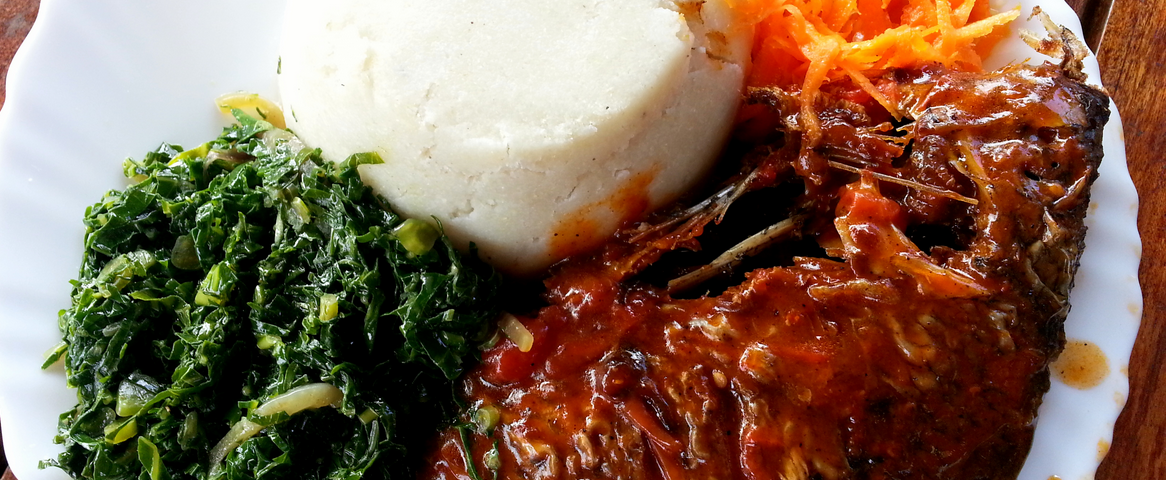
Can Vegetarians Enjoy Kenya Safari Meals?
Yes, vegetarians can enjoy Kenya safari meals without giving up variety, flavor, or the excitement of discovering new food. Kenya has a rich food culture shaped by fresh vegetables, grains, legumes, fruits, spices, dairy products, and cooking traditions from many communities. Although meat appears often on traditional menus and safari dining, vegetarian travelers can still enjoy satisfying meals throughout their journey when they communicate their dietary needs clearly and choose safari properties with suitable meal options.
A Kenya safari involves more than wildlife viewing. Food becomes part of the travel experience because many lodges, camps, and tented camps prepare meals using fresh local ingredients. Breakfast may include fresh fruit, eggs, bread, cereals, porridge, pancakes, vegetables, and tea or coffee. Lunch can feature rice, potatoes, salads, beans, lentils, vegetables, chapati, and other filling foods. Dinner often provides even more choice, with cooks creating vegetable stews, soups, pasta, rice dishes, grilled vegetables, and local specialties.
Furthermore, vegetarian travelers can experience Kenyan cuisine rather than relying only on international dishes. Beans, maize, potatoes, greens, bananas, rice, chapati, and seasonal vegetables provide a strong foundation for satisfying meals. Therefore, a vegetarian Kenya safari can combine wildlife, culture, comfort, and excellent food.
However, good planning matters. Safari camps operate in remote areas, and some properties receive supplies less frequently than city restaurants. As a result, travelers should communicate dietary requirements before arrival. When a safari operator and accommodation team know what a guest needs, they can plan ingredients and meals more effectively.
For international travelers, this preparation creates a smoother experience from the first day. It also allows the kitchen team to offer more than a basic plate of vegetables. With proper planning, vegetarian guests can enjoy balanced, creative, and memorable safari meals while exploring some of Kenya’s most remarkable wildlife destinations.
Combined Uganda, Kenya, Rwanda and Tanzania Safaris
17 days Kenya Tanzania and Uganda safari
19 Days Uganda Kenya and Tanzania Safari
16 Days Kenya Tanzania and Uganda Safari
14 Days Kenya Uganda and Tanzania Safari
14 Days Kenya Uganda and Rwanda Safari
12 Day Gorilla Trekking and Tanzania Safari
What Does Vegetarian Food Mean on a Kenya Safari?
Vegetarian food generally excludes meat, poultry, and fish, while many vegetarians continue to eat dairy products and eggs. However, vegetarian diets differ from traveler to traveler. Some guests eat eggs and dairy freely, while others avoid one or both. Because of this difference, travelers should define their dietary needs clearly before beginning a safari.
Kenyan cuisine offers many naturally vegetarian ingredients. Beans and other legumes provide protein, while rice, maize, potatoes, chapati, and other grains provide energy. Fresh vegetables add color, fiber, vitamins, and minerals. Fruits such as bananas, mangoes, pineapples, watermelons, papayas, and passion fruits can also make breakfasts and snacks enjoyable.
Moreover, some familiar Kenyan foods can fit easily into a vegetarian diet. Ugali, for example, usually consists of maize flour and water, although the accompanying sauce or stew determines whether the complete meal remains vegetarian. Chapati can also work well depending on the recipe and cooking ingredients. Vegetable stews, bean dishes, lentil preparations, salads, rice, and potatoes can provide hearty alternatives to meat.
Nevertheless, vegetarians should not assume that every vegetable dish automatically meets their requirements. A cook may prepare vegetables using meat stock, animal fat, or a sauce containing meat ingredients. Therefore, asking about preparation matters just as much as checking the ingredients themselves.
A simple explanation such as “I do not eat meat, chicken, or fish” gives the kitchen team a clear starting point. If a traveler follows a stricter diet, they should explain those restrictions as well. This small step helps avoid confusion and gives chefs enough information to prepare appropriate meals.
What Vegetarian Meals Can You Expect at Safari Lodges and Camps?
Kenya safari lodges and camps can offer a surprisingly broad selection of vegetarian meals. The exact menu depends on the property, location, season, chef, and available ingredients. However, travelers can usually expect a combination of international dishes and local foods.
Breakfast often provides several vegetarian choices. Fresh fruit, cereals, porridge, bread, pastries, eggs, pancakes, potatoes, vegetables, tea, coffee, and fresh juices can create a substantial morning meal. Guests who prefer a lighter breakfast can choose fruit, toast, cereal, or porridge. Those preparing for a long game drive can build a more filling plate with eggs, potatoes, bread, and fruit.
Lunch frequently includes salads, rice, pasta, potatoes, beans, vegetables, chapati, soups, and sandwiches. Some camps prepare packed lunches for guests who spend several hours away from camp. A vegetarian packed lunch may include sandwiches, fruit, vegetable snacks, bread, salads, and other easy-to-carry foods.
Dinner often provides the greatest opportunity for variety. A chef may prepare vegetable soup followed by rice with lentils, roasted vegetables, pasta, potatoes, or a vegetable curry. Local ingredients can also add more character to the meal.
In addition, many safari properties understand that travelers come from different countries and food cultures. Consequently, kitchens may combine Kenyan ingredients with international cooking styles. A vegetarian guest might enjoy an African-inspired vegetable dish one evening and pasta or a Mediterranean-style meal the next.
The quality of vegetarian dining therefore depends less on whether meat appears on the menu and more on how well the kitchen understands and plans for vegetarian guests.
Which Kenyan Foods Are Naturally Suitable for Vegetarians?
Kenya offers many foods that naturally fit vegetarian diets. Understanding these dishes can help international visitors explore local cuisine with greater confidence. Instead of treating vegetarian food as a special replacement for meat, travelers can discover foods that already form an important part of Kenyan cooking.
Ugali is one of the country’s best known staple foods. It usually combines maize flour and water to create a firm, filling accompaniment. Vegetarians can enjoy it with suitable vegetable dishes, beans, lentils, or greens. The accompanying food matters because ugali itself does not automatically make the entire meal vegetarian.
Beans also play an important role in everyday Kenyan meals. Cooks prepare them in different ways, sometimes combining them with vegetables, tomatoes, onions, or spices. They provide useful plant protein and can make a meal filling, particularly after a long game drive.
Chapati offers another popular option. This flatbread can accompany beans, vegetables, stews, or other vegetarian dishes. Rice also appears frequently and works well with vegetables, legumes, and sauces.
Kenyan vegetables can add even more variety. Cooks may prepare leafy greens, cabbage, carrots, tomatoes, onions, potatoes, pumpkin, peas, and other seasonal produce. Fresh fruit then provides a simple and refreshing way to finish a meal.
Moreover, Kenyan markets supply a wide range of tropical fruits. Depending on the region and season, travelers may encounter mangoes, bananas, pineapples, pawpaw, watermelon, oranges, passion fruit, and avocados.
Exploring these foods gives vegetarian travelers a stronger connection with Kenya. Food becomes part of cultural discovery rather than a limitation during the safari.
Can Vegetarian Travelers Get Enough Protein During Safari?
Yes, vegetarian travelers can get adequate protein during a Kenya safari when meals include a good range of plant-based and, where suitable, dairy or egg foods. Beans, lentils, peas, chickpeas, nuts, seeds, eggs, milk, yogurt, and other suitable foods can contribute protein throughout the day.
This point matters because safari days can involve early starts, long drives, walking activities, and changing weather conditions. Travelers need satisfying meals that provide lasting energy rather than relying only on salads or fruit.
Beans and lentils provide particularly useful options because they can form the main part of a meal. A plate containing rice, beans, vegetables, and avocado, for example, can offer a much more balanced meal than vegetables alone. Similarly, lentil curry with rice or potatoes can provide both energy and protein.
Eggs can add another convenient source of protein for vegetarians who eat them. Breakfast provides an easy opportunity to include eggs alongside bread, potatoes, vegetables, fruit, or porridge.
Dairy products can also contribute protein for travelers who consume them. Yogurt, milk, cheese, and other suitable dairy foods can complement meals and snacks.
However, travelers with specific nutritional needs should not depend on the safari kitchen to guess what they require. Sharing dietary preferences before the trip allows the chef to plan more balanced meals.
A good safari meal should satisfy hunger, support energy, and provide variety. Therefore, vegetarian guests should feel comfortable asking for beans, lentils, eggs, dairy, nuts, or other suitable protein-rich foods rather than accepting a meal consisting only of vegetables.
How Should Vegetarians Communicate Their Dietary Needs Before a Safari?
Clear communication represents one of the most important steps for a successful vegetarian safari. Travelers should tell their safari operator and accommodation providers about their dietary requirements before the trip begins. Early communication gives kitchens time to plan menus, check supplies, and understand exactly what the guest needs.
The best approach uses simple and direct language. A traveler can explain that they do not eat meat, chicken, or fish. If they also avoid eggs, dairy, gelatin, animal stock, or other ingredients, they should state those restrictions separately.
This distinction becomes especially important because the word “vegetarian” can mean different things to different people. One traveler may eat eggs and dairy, while another may follow a stricter plant-based diet. Clear details prevent unnecessary mistakes.
Travelers should also mention dietary restrictions when booking their safari, not only when they arrive at the lodge. This gives the operator enough time to communicate with every property on the itinerary.
For multi-day safaris, preparation becomes even more important because guests may stay at several camps. Each kitchen needs accurate information. A well-organized safari operator can pass the dietary request across the entire itinerary so that guests do not need to explain the same requirement repeatedly.
Additionally, travelers can carry a few preferred snacks for long drives. Nuts, dried fruit, energy bars, crackers, and other suitable snacks can provide extra security between meals.
Good communication creates confidence on both sides. The traveler knows the kitchen understands the requirement, while the chef receives enough information to prepare enjoyable meals. As a result, vegetarian dining becomes a planned part of the safari rather than an unexpected challenge.
Are Vegetarian Meals Available During Kenya Safari Game Drives?
Vegetarian travelers can also enjoy suitable food during game drives, although meal arrangements differ from one safari itinerary to another. Some drives return to the lodge for meals, while others continue for several hours and require packed breakfasts or lunches.
For an early morning game drive, a lodge may prepare breakfast items that guests can take along. Fruit, bread, sandwiches, boiled eggs, pastries, cereal bars, or other suitable foods can make convenient options. A packed vegetarian lunch can include vegetable sandwiches, salads, fruit, bread, snacks, and other foods that travel well.
Because safari vehicles spend much of the day away from accommodation, food should remain practical. A meal that travels well can be more useful than a dish that requires complicated serving conditions. The kitchen should also pack food securely and keep it at appropriate temperatures.
Vegetarian travelers should communicate their requirements before the game drive begins. If the itinerary includes a full day excursion, the safari operator should know in advance so the kitchen can prepare enough food.
Furthermore, travelers should carry enough drinking water. Kenya’s wildlife areas can become hot, and hydration remains important during long drives.
A thoughtfully prepared vegetarian picnic can actually become one of the memorable parts of the safari. Imagine stopping in a designated area, enjoying fresh fruit, a well-prepared sandwich, vegetables, and other local foods while surrounded by Kenya’s open landscapes. The meal becomes part of the adventure.
However, guests should follow all park and conservancy rules. They should never feed wildlife or leave food waste behind. Responsible food handling protects both visitors and animals.
Can Vegetarians Experience Traditional Kenyan Cuisine?
Absolutely. Vegetarian travelers can experience Kenyan cuisine without focusing only on Western-style meals. In fact, choosing local vegetarian foods can create a deeper connection with the country’s culture.
Kenyan food traditions vary across regions and communities. This diversity means that travelers can encounter different combinations of grains, vegetables, legumes, fruits, spices, and cooking methods during their journey.
A vegetarian visitor might enjoy ugali with vegetables and beans, chapati with a suitable stew, rice with lentils, potatoes with vegetables, or fresh tropical fruit. These foods can provide a genuine taste of everyday Kenyan cuisine.
Moreover, food offers a way to understand how people use local crops and seasonal ingredients. Maize, beans, bananas, potatoes, vegetables, and other crops support many Kenyan households. By choosing local dishes, visitors can experience part of the country’s food culture rather than treating vegetarian dining as a separate international category.
Safari lodges can also introduce guests to Kenyan flavors through thoughtfully prepared dishes. A chef may use familiar vegetables while adding local spices and cooking methods. This approach helps international visitors discover new tastes without making meals difficult to enjoy.
Travelers should remain open to trying unfamiliar foods while communicating their dietary boundaries clearly. That balance creates the best culinary experience.
Food also becomes a valuable part of cultural tourism. A safari does not need to end when the vehicle stops. Meals, local ingredients, community experiences, and conversations can deepen a visitor’s understanding of Kenya.
For vegetarians, therefore, the journey can offer both wildlife and culinary discovery.
What Should Vegetarians Pack for a Kenya Safari?
Although safari camps can provide vegetarian meals, carrying a few personal snacks can make travel more comfortable. This does not mean travelers need to bring their entire food supply from home. Instead, a small selection of convenient snacks can help during long drives or between meals.
Good options include nuts, dried fruit, granola bars, crackers, peanut butter packets, suitable energy bars, and other shelf-stable foods. Travelers with strict dietary requirements may also carry a few familiar products that they know meet their needs.
However, visitors should avoid overpacking food unnecessarily. Kenya has many markets, supermarkets, hotels, lodges, and safari camps where travelers can find suitable foods. The right strategy involves bringing useful backup snacks while allowing the destination to provide most meals.
Travelers should also consider food allergies separately from vegetarian preferences. An allergy requires more careful communication because even small amounts of an ingredient can create serious problems. Guests should explain allergies clearly rather than assuming a vegetarian request will cover them.
In addition, reusable water bottles can support responsible travel. Many safari properties provide drinking water, but travelers should confirm arrangements before departure.
Packaging also matters. Visitors should keep food waste secure and dispose of it properly. Wildlife areas require responsible waste management because food scraps can attract animals and change natural behavior.
Ultimately, packing a few vegetarian-friendly snacks provides peace of mind. At the same time, travelers should embrace the opportunity to enjoy fresh Kenyan food prepared by local kitchens.
How Can Vegetarians Choose the Right Kenya Safari?
Choosing the right safari requires more than comparing wildlife destinations and accommodation prices. Vegetarian travelers should also consider the quality of meal planning and communication offered by the safari operator.
Before booking, travelers should check whether the itinerary includes lodges, tented camps, or remote camps with kitchen facilities capable of handling special diets. They should also ask whether meals come from fixed menus or whether chefs can adapt dishes to guest requirements.
The safari style can influence dining options. Luxury lodges often provide broader menus and more flexible meal planning, while smaller camps may offer simpler menus. Neither option automatically guarantees better vegetarian food. Communication and kitchen planning matter more than the accommodation category alone.
The itinerary also matters. A safari covering several remote locations may require more advance planning than a shorter stay at one lodge. Every property needs the correct dietary information.
Travelers should also consider whether the operator has experience serving international guests with different dietary needs. An experienced safari planner understands that modern travelers may follow vegetarian, vegan, gluten-free, halal, kosher, low-sugar, or allergy-sensitive diets.
Additionally, travelers can request sample meal information before confirming their trip. This helps them understand what to expect and gives the operator an opportunity to address concerns early.
The best safari experience combines wildlife, accommodation, transport, food, safety, and thoughtful planning. Vegetarian dining forms an important part of that complete experience.
Vegetarian Safari Dining and Responsible Tourism in Kenya
Vegetarian dining can also connect with responsible tourism when travelers and tourism businesses make thoughtful choices. Kenya’s tourism industry depends on healthy landscapes, wildlife conservation, local communities, and sustainable business practices. Food plays a role in each of these areas.
Choosing locally sourced ingredients can support farmers, suppliers, cooks, and communities when businesses build strong local supply chains. Fresh vegetables, fruits, grains, and legumes can create opportunities for local producers while giving travelers a taste of Kenya.
Furthermore, reducing unnecessary food waste benefits both businesses and the environment. Safari camps operate in sensitive ecosystems, so careful food storage and waste disposal matter. Guests should follow camp instructions and avoid leaving food or packaging in wildlife areas.
Vegetarian travelers can also explore local cuisine respectfully. Instead of demanding familiar foods at every meal, they can discover Kenyan ingredients and cooking traditions that fit their dietary needs. This approach creates a richer travel experience.
Responsible tourism also means respecting communities and their food traditions. Visitors should approach local meals with curiosity while clearly communicating dietary restrictions. A respectful exchange can create positive cultural experiences for both travelers and hosts.
Safari operators also have an important role. They should provide accurate information, communicate dietary requirements across the itinerary, and avoid promising meals they cannot reliably provide.
When these practices come together, vegetarian safari dining becomes more than a dietary solution. It becomes part of a wider tourism model that values local food, responsible hospitality, guest comfort, and environmental care.
Tips for Enjoying Vegetarian Meals on Your Kenya Safari
A few practical steps can make vegetarian dining easier and more enjoyable. First, communicate your dietary requirements during the booking process. Early notice gives every accommodation provider enough time to prepare.
Second, explain exactly what you eat and avoid. Do not rely only on the word “vegetarian” if you follow additional restrictions. Mention whether you eat eggs, dairy, or other ingredients.
Third, remain flexible with local foods. Kenya provides many vegetarian-friendly ingredients, and trying them can make meals more memorable. Ask about beans, lentils, vegetables, rice, chapati, ugali, potatoes, fruit, and other local dishes.
Fourth, keep a few snacks in your day bag. They can help during long game drives when the next meal remains several hours away.
Fifth, communicate again when you arrive at a new camp if your itinerary includes several properties. Although your safari operator should share your dietary information, confirming it politely can prevent mistakes.
Sixth, ask how dishes are prepared if you avoid animal stock or cooking fats. A vegetable dish may contain ingredients that do not fit your diet.
Finally, focus on the complete safari experience. Food matters, but it forms only one part of a journey that includes wildlife, landscapes, culture, conservation, photography, and hospitality.
With sensible preparation, vegetarian travelers can eat well without constantly worrying about their diet. Instead, they can spend more time enjoying Kenya’s remarkable wilderness and discovering new flavors.
Conclusion: Vegetarian Travelers Can Enjoy a Complete Kenya Safari Experience
Vegetarians can enjoy Kenya safari meals, and they do not need to sacrifice flavor, nutrition, cultural discovery, or comfort to do so. Kenya offers a strong foundation for vegetarian dining through beans, lentils, vegetables, grains, fruits, potatoes, chapati, ugali, eggs, dairy products, and many other ingredients. Safari lodges and camps can also adapt meals when travelers communicate their dietary requirements early and clearly.
The most important lesson involves preparation. A vegetarian traveler should provide clear dietary information before the safari, confirm meal arrangements across the itinerary, carry a few useful snacks, and remain open to local cuisine. With these simple steps, dining becomes an enjoyable part of the journey rather than a source of concern.
At the same time, safari operators should treat dietary planning as part of quality hospitality. International travelers expect safe, satisfying, and thoughtfully prepared meals alongside excellent wildlife experiences. Strong communication, experienced planning, reliable accommodation partners, and attention to individual needs help create that standard.
Kenya offers far more than iconic wildlife. Its food, landscapes, people, conservation areas, and hospitality combine to create a complete travel experience. Vegetarian guests can take part in that experience fully when they choose a well-organized safari and communicate their needs from the beginning.
For travelers planning a Kenya adventure, Giant Holiday Safaris can provide the trusted planning approach needed to bring together wildlife experiences, accommodation, transportation, dining arrangements, and personal travel requirements. With careful preparation and expert attention, a vegetarian Kenya safari can become a rewarding journey filled with unforgettable wildlife encounters and memorable flavors.