Bururi Forest Nature Reserve
October 27, 2026
Kigwena Forest Nature Reserve
October 27, 2026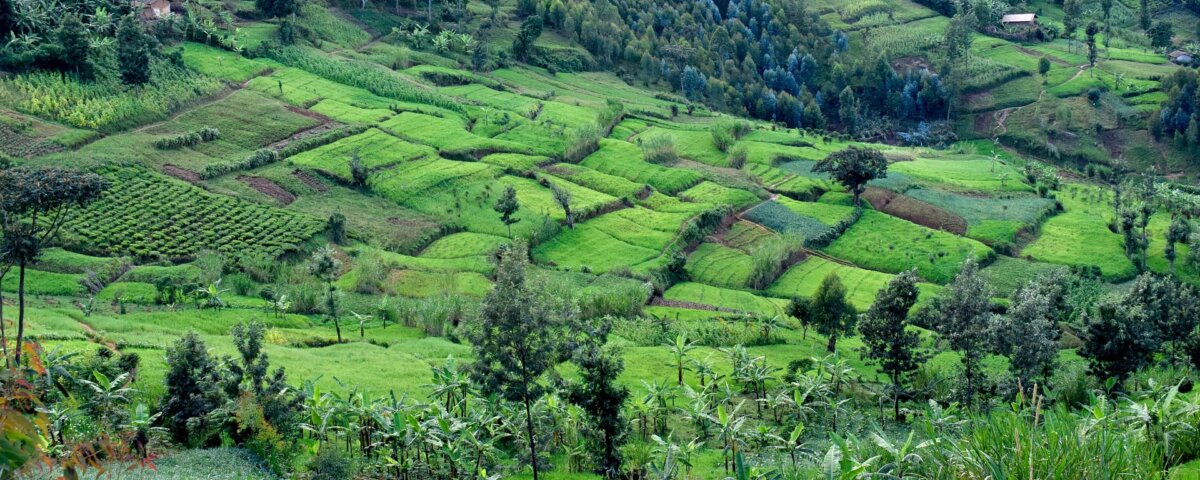
Vyanda Forest Nature Reserve
Vyanda Forest Nature Reserve in southwestern Burundi offers nature lovers an opportunity to explore one of the country’s forest landscapes, enjoy birdwatching, discover local biodiversity, and experience the natural beauty of the African Great Lakes region. Located in Bururi Province, this forest reserve forms part of Burundi’s rich natural heritage and provides an appealing destination for travelers who want to explore beyond the country’s towns, lakes, and cultural attractions. For visitors interested in ecotourism, forest walks, wildlife observation, and responsible travel, Vyanda Forest Nature Reserve offers a chance to appreciate Burundi’s quieter side.
Burundi may be small in size, but its varied landscapes create meaningful opportunities for nature tourism. The country features highland forests, rolling hills, freshwater shores, wetlands, and agricultural communities. Consequently, a visit to Vyanda Forest Nature Reserve can become part of a wider journey through the country’s southern highlands, traditional communities, and scenic countryside. Travelers can combine time in the forest with visits to nearby natural attractions, depending on road conditions, available guides, and the time they have.
A well planned visit also helps travelers understand why forest conservation matters. Natural forests provide habitats for birds, insects, plants, and other wildlife while supporting ecological processes that benefit surrounding communities. Therefore, exploring Vyanda Forest Nature Reserve is not simply about enjoying a green landscape. It is also an opportunity to learn about Burundi’s environment and the importance of protecting its remaining natural habitats.
This travel guide covers the reserve’s location, natural environment, wildlife, birdwatching opportunities, activities, access, accommodation considerations, safety, responsible tourism, and practical planning advice. It will help international visitors understand what to expect and how to prepare for a rewarding nature experience in Burundi.
Where Is Vyanda Forest Nature Reserve Located?
Vyanda Forest Nature Reserve lies in southwestern Burundi, within the area associated with Vyanda Commune and the southern provinces of the country. The reserve forms part of Burundi’s network of protected natural areas and preserves a landscape of woodland and forest habitats. Its location makes it an interesting destination for travelers exploring the countryside between the inland highlands and the western side of the country near Lake Tanganyika. Visitors should confirm the precise access point before traveling because the reserve covers a substantial area, and the nearest settlement may not be the same as the best entry point.
The reserve lies approximately 90 kilometres from Bujumbura according to one conservation project description, although the actual driving distance and journey time depend on the route and destination within the reserve. The surrounding region features hills, rural settlements, cultivated land, and changing vegetation. As a result, the journey itself can introduce visitors to the varied landscapes of southwestern Burundi.
Travelers should also understand that the name Vyanda refers to both a settlement and the protected forest landscape. Therefore, reaching Vyanda town does not automatically mean that a visitor has reached an authorized forest entrance. Before setting out, arrange directions with a local guide or the relevant conservation authority. This simple step can prevent confusion and help visitors enter the reserve responsibly.
For international travelers, Vyanda can form part of a wider Burundi itinerary that includes Lake Tanganyika, nearby forest areas, local markets, and cultural experiences. However, visitors should allow enough time for road travel and avoid planning a forest excursion around an overly tight schedule. Rural roads, weather, and access arrangements can affect the journey, so flexibility remains important.
The History and Conservation Importance of Vyanda Forest Nature Reserve
Vyanda Forest Nature Reserve holds an important place in Burundi’s environmental heritage because it protects natural vegetation and wildlife in a region where farming, settlement, and demand for forest resources place pressure on remaining habitats. The reserve appears in protected area records as a nationally designated nature reserve established in 1980. Conservation sources also identify it as an area requiring active protection and ecological management.
Its landscape includes miombo woodland, gallery forest, and forest vegetation associated with changes in elevation. These habitats create different conditions for plants and animals, allowing species with different ecological needs to share the wider landscape. Moreover, forests help protect soil, regulate local water systems, store carbon, and provide shelter for wildlife. Their importance extends beyond the reserve boundaries because healthy natural systems can benefit surrounding communities.
Nevertheless, protected status alone cannot guarantee long term ecological health. Reports on Vyanda have described pressures from settlement, cultivation, tree cutting, and the use of forest resources. These activities can reduce habitat quality and separate wildlife populations into smaller areas. Consequently, conservation work needs to address both ecological protection and the needs of people who live around the reserve.
Effective conservation requires cooperation among environmental authorities, local communities, researchers, and responsible tourism operators. Local people understand the surrounding landscape and may hold valuable knowledge about its plants, seasons, and wildlife. At the same time, conservation programs can help explain the importance of protecting habitats and support practical approaches to reducing pressure on natural resources.
Visitors can contribute by following official access rules, respecting local guidance, avoiding damage to vegetation, and choosing legitimate guiding services. A responsible visit does not need to involve expensive activities or extensive facilities. Instead, it can create appreciation for the natural environment while encouraging tourism that values the reserve’s long term protection.
Landscape and Natural Environment of Vyanda Forest
One of the most interesting features of Vyanda Forest Nature Reserve is its variety of vegetation. Burundi’s southwestern landscape changes with elevation, rainfall, soil conditions, and exposure to different climatic influences. Vyanda reflects some of this variation through woodland and forest habitats that support different forms of plant and animal life. Rather than presenting one uniform type of forest, the reserve contains a mixture of natural environments that give the area ecological value.
Lower elevations include open woodland associated with miombo vegetation. This type of woodland often contains trees from the Brachystegia group and other plants adapted to seasonal conditions. Farther upslope, visitors may encounter denser vegetation and forested corridors along drainage lines. At higher elevations, additional forest types can occur, creating a gradual change in the landscape. These transitions matter because different habitats provide different food sources, nesting areas, shelter, and movement routes for wildlife.
The appearance of the forest changes throughout the year. During wetter months, fresh leaves and active plant growth can give the landscape a rich green appearance. During drier periods, some woodland areas may look more open, while shaded forest sections can retain a different character. Seasonal changes also affect walking conditions and wildlife visibility.
Travelers should not expect every part of the reserve to resemble a dense tropical rainforest. Woodland, mixed vegetation, forest corridors, and areas affected by human activity can all form part of the broader landscape. This variety is part of what makes the reserve worth understanding.
A guided walk offers an opportunity to notice the relationships between trees, undergrowth, soil, water, and animal activity. Instead of focusing only on large wildlife, visitors can appreciate smaller details such as leaf shapes, tree bark, natural regeneration, and the way vegetation changes across a slope. These observations make a visit more educational and help travelers understand the ecological character of southwestern Burundi.
Wildlife in Vyanda Forest Nature Reserve
Wildlife gives Vyanda Forest Nature Reserve much of its conservation significance. The reserve supports forest and woodland habitats that provide food, shelter, and movement areas for mammals and other animals. However, wildlife populations can change over time because of habitat conditions, human activity, seasonal patterns, and conservation measures. Therefore, visitors should approach the reserve as a natural ecosystem rather than a place that guarantees sightings of particular animals.
Chimpanzees are among the most notable animals associated with Vyanda. Conservation project information has referred to a population estimate of approximately 140 common chimpanzees based on a census conducted in 2009. That figure is historical and should not be treated as a current population count. Even so, it highlights the reserve’s importance as habitat for one of Africa’s most recognized primates. The presence of chimpanzees also makes forest protection particularly important because these animals need suitable habitat and access to food over time.
Other wildlife may include monkeys, small antelopes, and mammals that use woodland edges or forest corridors. Different species occupy different parts of the landscape, and some remain difficult to observe because they avoid people or move mainly when human activity is low. Birds, reptiles, amphibians, and invertebrates also contribute to the reserve’s biodiversity, although information about many groups remains limited.
A successful wildlife experience depends on patience, quiet observation, and realistic expectations. Animals may move away before visitors see them, and some species may not appear during a short walk. A knowledgeable guide can help visitors recognize tracks, calls, feeding signs, and other evidence of wildlife without disturbing the animals.
Travelers should never chase wildlife, feed animals, or approach chimpanzees without authorized guidance. Visitors must also follow any special rules for primate observation. These precautions protect both people and wildlife while supporting responsible nature tourism in Burundi.
Chimpanzee Conservation and Responsible Wildlife Observation
Chimpanzees are an important reason to pay attention to Vyanda Forest Nature Reserve. These intelligent primates depend on suitable forest habitats, access to natural food, and safe routes through the landscape. Protecting their environment also helps conserve the many other plants and animals that share the same ecosystem. For travelers, learning about chimpanzee conservation can add educational value to a visit, even when the animals remain out of sight.
However, visitors should distinguish between a forest walk and a formally organized chimpanzee tracking experience. A general nature excursion does not automatically include permission to search for chimpanzees. Travelers should ask the relevant authority whether guided observation is permitted, whether a specific activity operates at the reserve, and what rules apply. They should never assume that Vyanda offers the same visitor arrangements as more established primate tourism destinations elsewhere in East Africa.
Responsible observation begins with following the guide’s instructions. Chimpanzees are wild animals, and human presence can affect their behavior. Visitors should maintain the distance required by local rules, avoid loud noises, never feed animals, and refrain from blocking their movement. Anyone who feels unwell should inform the operator before joining a wildlife activity because close contact with people can expose primates to human illnesses.
Habitat protection matters just as much as visitor behavior. Forest clearing and the loss of natural vegetation can reduce feeding areas and disrupt movement between suitable habitats. Conservation projects therefore need to protect existing vegetation while encouraging practical solutions for communities that depend on nearby natural resources.
Tourism can support this work when operators follow conservation rules, use authorized guides, and treat wildlife protection as a priority rather than a promise of entertainment. Travelers should value the overall experience of learning about the forest, not judge the visit only by whether they see a chimpanzee. This approach encourages realistic expectations and a more respectful relationship with Burundi’s wildlife.
Birdwatching in Vyanda Forest Nature Reserve
Birdwatching offers another way to explore Vyanda Forest Nature Reserve. The combination of woodland, forest patches, and vegetation along drainage lines creates different environments for birds. Each habitat can attract species with particular feeding, nesting, and shelter needs. Consequently, visitors who take time to observe the surroundings may discover an interesting range of birdlife, even during a relatively short visit.
Forest birds often reveal their presence through calls before visitors see them. A guide who understands local bird sounds can help travelers identify possible species and explain how birds use the habitat. In addition, watching the edges between woodland and denser vegetation can provide opportunities to observe feeding activity and movement. Birds may also visit open areas where insects, seeds, or other food sources become available.
Travelers who want to enjoy birdwatching should consider carrying binoculars, a small notebook, and a bird identification guide suitable for the region. A camera with a zoom lens may also help, although photography should never distract visitors from respecting wildlife or following reserve rules. Early morning often provides useful opportunities for bird observation because many birds become active around the beginning of the day. Nevertheless, actual sightings depend on weather, season, habitat conditions, and the observer’s patience.
It is important not to assume that every bird species found elsewhere in Burundi also occurs at Vyanda. The country supports a wide range of bird habitats, but the precise species present in an individual reserve require reliable local records. Travelers should therefore ask guides about documented sightings rather than relying on a general list of Burundi’s birds.
Birdwatching can also help visitors understand why protecting different vegetation types matters. Woodland species may use the reserve differently from birds that depend on denser forest. By observing these differences, travelers gain a clearer picture of the ecological relationships that make Vyanda Forest Nature Reserve valuable.
Forest Walks and Nature Exploration
Walking through the natural environment is one of the most practical ways to appreciate Vyanda Forest Nature Reserve, provided that visitors use authorized routes and arrange appropriate guidance. A guided nature walk can reveal details that travelers might overlook from a vehicle, including changes in vegetation, animal tracks, bird calls, and the relationship between the forest and surrounding farmland. It also allows visitors to move at a pace that encourages careful observation rather than hurried sightseeing.
The nature of the walk will depend on the available route, terrain, weather, and local access arrangements. Some sections of the reserve may involve uneven ground, slopes, exposed roots, or narrow paths. Therefore, visitors should ask about the route’s difficulty before setting out. A short walk may suit travelers with limited time, while those interested in a more detailed ecological experience can ask whether a longer excursion is permitted.
Comfortable walking shoes with good grip are useful, especially when the ground becomes muddy. Lightweight clothing, drinking water, and protection from rain or sun can make the experience more comfortable. Visitors should also carry essential personal items without bringing unnecessary equipment that makes walking difficult.
A forest walk does not need to focus exclusively on wildlife sightings. The guide may explain how certain plants grow, how different tree species shape the habitat, and how local communities interact with the surrounding environment. These discussions can help travelers understand the forest as a living system rather than simply a scenic destination.
Visitors should stay with their guide and avoid creating new paths through vegetation. They should also leave plants, insects, and other natural objects where they find them. By respecting the designated route and following local instructions, travelers can enjoy the landscape while reducing their impact on this important protected area.
Plants, Trees, and Botanical Discoveries
Vyanda Forest Nature Reserve provides an opportunity to learn about the plants that shape Burundi’s southwestern landscapes. Its woodland and forest habitats contain vegetation adapted to different elevations and environmental conditions. These plant communities contribute to biodiversity by providing food and shelter for wildlife, stabilizing soil, and supporting natural processes that maintain ecosystem health.
Miombo woodland forms one part of the reserve’s ecological character. Trees associated with this vegetation type often experience seasonal changes in rainfall and leaf growth. Elsewhere, gallery forests and other forest formations follow local differences in moisture and terrain. This combination creates a varied botanical environment rather than a single uniform plant community.
During a guided walk, visitors can ask about tree identification, the role of native plants, and how vegetation changes across the landscape. A knowledgeable guide may also explain how local people traditionally recognize useful plants. However, travelers should distinguish between learning about traditional plant knowledge and collecting or using plants themselves. Some species may be protected, while others may require expert identification before anyone can safely understand their properties.
The reserve also illustrates the value of native vegetation. Indigenous trees and shrubs provide habitat suited to local wildlife and help maintain ecological relationships that may not survive when natural vegetation disappears. Forest conservation can also help reduce erosion on sloping ground and protect the structure of the soil.
Visitors should avoid removing seeds, flowers, leaves, or other plant material unless the relevant authority expressly permits it for an approved purpose. They should also avoid trampling young plants or stepping away from established paths. Even small actions can affect delicate parts of a habitat when repeated by many visitors.
Botanical exploration is particularly rewarding for travelers who enjoy photography, environmental learning, or quiet observation. By taking time to notice the shapes, textures, and distribution of plants, visitors can develop a deeper understanding of Vyanda Forest Nature Reserve and the wider natural heritage of Burundi.
Best Time to Visit Vyanda Forest Nature Reserve
The best time to visit Vyanda Forest Nature Reserve depends on your preferred activities, road conditions, and the type of experience you want. Burundi has distinct wetter and drier periods, although local conditions vary with elevation and the time of year. These seasonal changes influence vegetation, walking conditions, and the ease of moving through rural areas.
The drier months generally offer more favorable conditions for outdoor exploration because some trails and unpaved roads become easier to navigate. In southwestern Burundi, the period from June to September often provides a useful starting point for planning nature activities. However, visitors should confirm current local weather conditions before departure, as rainfall patterns can vary and occasional showers may occur outside the main rainy periods.
The wetter months can also appeal to nature lovers. Rain encourages fresh plant growth, and the surrounding landscape may appear especially green. On the other hand, muddy trails, slippery slopes, and changing road conditions can make some routes more challenging. Travelers who choose this period should allow extra time and follow local advice about safe access.
Early morning can be a good time to begin a forest excursion. Cooler temperatures may make walking more comfortable, while some birds and mammals become active during the early hours. Even so, wildlife sightings remain unpredictable throughout the year.
There is no guarantee that one month will provide the best experience for every traveler. Birdwatchers, photographers, hikers, and visitors interested in primates may have different priorities. Before confirming your itinerary, ask about current access conditions, guide availability, rainfall, and any conservation restrictions. This preparation helps you choose a suitable date and avoid building your trip around assumptions that may not match conditions on the ground.
How to Get to Vyanda Forest Nature Reserve
Reaching Vyanda Forest Nature Reserve requires some planning because the reserve lies in a rural part of southwestern Burundi, away from the main urban services available in Bujumbura. Travelers arriving internationally will generally need to organize onward transport from their arrival point and confirm the most appropriate approach to the reserve with a local guide or tourism operator.
Bujumbura provides a practical starting point for many visitors. From there, travelers can arrange private road transport toward the Vyanda area. The actual journey time depends on the chosen entrance, road conditions, traffic, weather, and the final destination within the protected landscape. Although conservation information places the reserve about 90 kilometres from Bujumbura, visitors should not treat this figure as a guaranteed driving distance for every route.
Private transport can offer flexibility, particularly for travelers who want to visit more than one attraction in southwestern Burundi. A driver familiar with rural roads can help manage route changes and locate the agreed meeting point. Visitors using public transport should confirm where vehicles stop, whether onward transport is available, and how they will reach the authorized entrance.
Before leaving, save offline directions where possible, confirm the guide’s meeting arrangements, and carry enough drinking water for the journey. Mobile network coverage may vary, so do not depend entirely on an internet connection for navigation.
Travelers should also check whether they need advance permission or a formal booking for their planned activity. A map pin or a destination name alone does not confirm public access. By arranging transport and access details in advance, visitors can reduce delays and enjoy a more organized experience at Vyanda Forest Nature Reserve.
What to Expect During a Visit
A visit to Vyanda Forest Nature Reserve is best approached as a nature experience rather than a fully developed mass tourism attraction. Travelers may encounter woodland, forested slopes, natural vegetation, rural scenery, and opportunities to learn about local ecology. However, facilities and visitor services may be limited, so expectations should reflect the reserve’s conservation purpose and the arrangements available on the day.
Visitors who enjoy quiet outdoor experiences may appreciate the chance to observe a landscape that receives less international attention than some of East Africa’s major wildlife destinations. A guided walk can offer insights into the plants, animals, and environmental challenges of the region. Depending on local conditions, travelers may also notice signs of wildlife, hear birds calling, or learn about the importance of forest corridors.
At the same time, visitors should not expect guaranteed chimpanzee sightings, paved walking paths, restaurants within the reserve, or a visitor centre with extensive displays. Current facilities and organized activities should be confirmed before arrival. Some parts of the protected area may also have restricted access because of conservation needs or local land use.
A flexible attitude can make a significant difference. Rather than treating every part of the excursion as a checklist, allow time to listen to the guide, observe the vegetation, and learn how the forest functions. This approach can be especially rewarding for travelers who want to understand Burundi’s natural environment.
Vyanda may suit visitors who value conservation, local knowledge, and less conventional nature destinations. It can also add variety to an itinerary that includes lakes, cultural sites, and other protected areas. With realistic expectations and careful planning, the experience can become a meaningful part of a wider journey through Burundi.
Local Communities and Cultural Experiences Around Vyanda
The communities surrounding Vyanda Forest Nature Reserve form an important part of the wider landscape. Rural livelihoods in Burundi can depend on farming, local trade, natural resources, and connections between settlements. These relationships influence how people interact with nearby forests and why conservation efforts must consider both environmental protection and community needs.
Visitors traveling through the region may observe agricultural fields, village life, local markets, and everyday activities that reflect the character of southwestern Burundi. However, the availability of organized cultural visits depends on local arrangements. Travelers should not assume that every community offers formal tourism activities or that residents are available for unplanned visits.
A respectful cultural experience begins with asking permission before photographing people, homes, or private property. Visitors should dress appropriately for the setting, greet people politely, and follow the guidance of their host or local guide. Learning a few words of Kirundi, Burundi’s national language, can also help create a welcoming atmosphere. French may be useful in some settings, but language ability varies among individuals and communities.
Responsible tourism can provide opportunities for local guides, drivers, accommodation providers, and small businesses. When travelers purchase services through legitimate local operators, they can help tourism income reach people who contribute to the visitor experience. Nevertheless, visitors should ask how a proposed activity operates rather than assuming that every payment supports conservation directly.
It is also important to approach local conservation challenges with care. Forest use can involve complex questions about land, livelihoods, and environmental protection. Travelers should listen respectfully and avoid treating communities as obstacles to conservation. Lasting protection works best when authorities and residents have practical ways to address competing needs.
By combining nature exploration with respectful engagement, visitors can gain a fuller understanding of Vyanda Forest Nature Reserve and the people whose lives connect with the surrounding environment.
Accommodation Near Vyanda Forest Nature Reserve
Choosing suitable accommodation is an important part of planning a visit to Vyanda Forest Nature Reserve. The best option depends on your route, travel budget, preferred comfort level, and plans for exploring other attractions in southwestern Burundi. Because visitor facilities near the reserve may be limited, travelers should confirm accommodation availability before setting out rather than expecting to find a suitable room upon arrival.
For a practical itinerary, consider staying in a nearby town or another established settlement that provides access to transport, meals, and basic services. Depending on your route, you may also explore accommodation options around Rumonge or other locations in the wider southwestern region. The most suitable base will depend on the exact reserve entrance and the activities you arrange with your guide.
Budget travelers can look for simple guesthouses or locally operated accommodation. These may offer a convenient base for exploring the surrounding countryside, although facilities, meal arrangements, and transport services can vary. Midrange travelers may prefer properties that provide private bathrooms, reliable meals, and assistance arranging local excursions. Travelers seeking higher comfort should confirm the availability of suitable hotels in their chosen base and arrange private transport if needed.
Before booking, ask about road access, check in times, meal availability, parking, and the distance to your planned meeting point. If you intend to begin a forest walk early in the morning, staying nearby can reduce the need for a long drive before the activity.
Visitors should also confirm whether their accommodation can help arrange a knowledgeable guide or provide reliable information about current access conditions. Do not assume that a lodge or guesthouse has formal authority to organize activities inside the reserve.
A well chosen base can make the journey more comfortable and allow travelers to explore at a relaxed pace. By matching accommodation to the route and planned activities, visitors can enjoy Vyanda Forest Nature Reserve without unnecessary transport pressure.
Practical Travel Tips for Visiting Vyanda Forest Nature Reserve
Good preparation can make a visit to Vyanda Forest Nature Reserve more comfortable and help travelers avoid common problems. The reserve is a natural environment rather than a conventional urban attraction, so visitors should plan for changing weather, uneven terrain, and limited services in some locations.
Start by confirming the entry arrangements with an appropriate local contact. Ask whether a guide is required, which access point to use, what activities are permitted, and whether any fees or permissions apply. These details may change, so rely on current information rather than old travel reports or assumptions based on other parks.
Pack comfortable walking shoes with good grip, lightweight clothing, a rain jacket, drinking water, and a small day bag. Insect protection and sun protection can also be useful, depending on the weather and the nature of the excursion. If you plan to observe birds or photograph the forest, binoculars and a camera can improve the experience without requiring extensive equipment.
Carry identification and keep essential travel documents secure. It is also sensible to have some local currency for small purchases and transport expenses. Before leaving your accommodation, confirm the return journey and ensure your driver or guide knows the agreed schedule.
Visitors should respect all instructions about restricted areas and wildlife observation. Avoid littering, collecting plants, disturbing animals, or leaving established paths without permission. If the guide advises against entering a particular section because of weather, terrain, or conservation restrictions, follow that advice.
Finally, leave room in your itinerary for delays. Rural road conditions, rain, and changing local arrangements can affect travel times. A flexible schedule allows you to enjoy the experience without rushing. Careful planning supports both visitor safety and the protection of Vyanda Forest Nature Reserve.
Safety and Responsible Tourism in Vyanda Forest Nature Reserve
Safety should remain a priority throughout a visit to Vyanda Forest Nature Reserve. Natural environments contain uneven ground, changing weather, insects, and wildlife that require careful behavior. Travelers can reduce many common risks by planning ahead, listening to local guidance, and avoiding activities beyond their experience.
Use an authorized guide when exploring areas that require local knowledge or formal permission. A guide can explain the route, help visitors understand the environment, and communicate any relevant restrictions. Do not wander alone into unfamiliar sections of the reserve, especially when trails are unclear or mobile network coverage is unreliable.
Wear shoes suitable for the terrain and take care on steep or slippery ground. Rain can make paths more difficult, while heat and physical exertion can increase the need for drinking water and rest. Visitors should choose a route that matches their fitness and comfort level. Anyone with a concern about whether a planned walk is suitable should discuss the difficulty with the guide before starting.
Wildlife requires particular respect. Never approach, feed, chase, or attempt to touch wild animals. Chimpanzees and other primates can react unpredictably when people come too close, and close contact can also create health risks for both humans and animals. Follow the rules set by the relevant authority for any wildlife observation activity.
Responsible tourism also includes respecting the rights and privacy of nearby residents. Ask permission before taking photographs, avoid entering private land without consent, and purchase services through legitimate local providers whenever possible.
Travelers should check current security advice, road conditions, weather forecasts, and any local restrictions before departure. Conditions can change, and an activity that was possible during a previous visit may not be suitable on another day.
By combining sensible preparation with respect for local rules, visitors can enjoy Vyanda Forest Nature Reserve while helping protect its wildlife, vegetation, and surrounding communities.
Conservation Challenges and the Future of Vyanda Forest Nature Reserve
Vyanda Forest Nature Reserve faces conservation questions that reflect wider challenges across many African landscapes. As surrounding populations need land for farming, housing, fuel, and other daily activities, natural habitats can come under pressure. Protected areas may also experience illegal tree cutting, cultivation, and the gradual loss of vegetation along their boundaries.
These pressures can affect wildlife by reducing feeding areas, breaking up forest corridors, and bringing people and animals into closer contact. Chimpanzees and other forest dependent species need suitable habitats to find food, move safely, and maintain healthy populations. When their living space becomes smaller or more fragmented, their long term survival becomes harder to secure.
Conservation reports have identified human settlement and resource use as concerns at Vyanda. However, understanding these challenges requires more than blaming individual residents. Land use and resource access can involve complicated histories, economic pressures, and competing needs. Long term solutions therefore require cooperation between environmental authorities, communities, and organizations working in the region.
Practical conservation measures can include restoring degraded vegetation, protecting important forest corridors, supporting environmental education, and developing sustainable ways for communities to meet their needs. Monitoring wildlife and forest conditions also helps authorities understand whether conservation actions are working. Reliable research remains important because wildlife populations and habitat conditions can change over time.
Responsible tourism can play a supporting role by increasing awareness and creating opportunities for local employment. Yet tourism alone cannot solve every conservation challenge. Its benefits depend on sound management, clear rules, transparent arrangements, and meaningful community involvement.
Travelers can contribute by respecting access restrictions, using authorized guides, avoiding waste, and learning about the environment without disturbing it. They can also ask operators how their activities follow local conservation rules.
The future of Vyanda Forest Nature Reserve depends on sustained protection and practical cooperation. Preserving the reserve’s woodland, forest habitats, and wildlife will help maintain an important part of Burundi’s natural heritage for future generations.
Combining Vyanda Forest Nature Reserve with Other Burundi Attractions
Vyanda Forest Nature Reserve can become part of a wider Burundi itinerary for travelers who want to explore the country’s natural landscapes, cultural heritage, and lakeside scenery. Rather than visiting the forest as an isolated stop, travelers can build a journey around the attractions and communities of southwestern Burundi. This approach provides a broader understanding of the region while making better use of available transport.
Lake Tanganyika offers an appealing addition for visitors interested in freshwater scenery, lakeside relaxation, and local life. Depending on the route, travelers can arrange time around Rumonge or other accessible lakeside settlements. A visit to the lake can provide a contrast to the forest environment, particularly for travelers who enjoy both woodland landscapes and open water views.
Kigwena Forest Reserve is another natural attraction to consider when planning a broader exploration of the region. Its forest environment offers a different setting for nature enthusiasts, although travelers should confirm access arrangements and available activities separately. Visiting more than one protected area can help demonstrate how vegetation and wildlife habitats vary across southwestern Burundi.
Bururi and nearby rural communities may also provide opportunities to experience local markets, countryside scenery, and everyday cultural life. The suitability of each stop will depend on your available time, transport, road conditions, and personal interests.
For a short visit, concentrate on Vyanda and one nearby attraction rather than trying to cover too much ground in a single day. Travelers with several days available can create a more relaxed itinerary with time for forest exploration, lakeside visits, and cultural experiences.
Before finalizing your route, confirm opening arrangements, guide availability, road conditions, and accommodation. Not every attraction operates with the same visitor facilities, and travel times can vary. A carefully planned itinerary allows you to experience the diversity of Burundi while supporting responsible tourism across the region.
Who Should Visit Vyanda Forest Nature Reserve?
Vyanda Forest Nature Reserve can appeal to a range of travelers, particularly those who enjoy nature, environmental learning, and destinations outside the usual international tourism circuits. Its woodland and forest habitats provide opportunities to appreciate Burundi’s biodiversity while learning about the challenges of protecting natural landscapes in a densely settled region.
Nature enthusiasts may enjoy observing changes in vegetation, learning about forest ecology, and looking for signs of wildlife. Birdwatchers may appreciate the opportunity to explore local habitats with a knowledgeable guide, although the species encountered will depend on the season and location. Visitors interested in conservation can also gain a better understanding of the relationship between protected areas, rural livelihoods, and habitat restoration.
The reserve may suit photographers who enjoy natural textures, forest scenery, woodland plants, and rural landscapes. However, visitors should confirm photography rules before entering restricted areas and avoid disturbing wildlife for a photograph. Those who prefer quiet experiences may value the chance to spend time observing the environment without the busy atmosphere of a major tourist attraction.
Families considering a visit should ask about walking distances, terrain, safety arrangements, and the suitability of activities for children. The same advice applies to older travelers and anyone who prefers less demanding outdoor excursions. A shorter guided walk may be more appropriate than a long route over uneven ground.
Vyanda may be less suitable for travelers who expect extensive visitor facilities, guaranteed wildlife sightings, or a fully developed tourism infrastructure. Its appeal lies more in its natural environment and conservation importance than in a promise of a particular animal encounter.
Ultimately, the reserve is best suited to visitors who remain flexible, respect local guidance, and value learning about nature. With appropriate planning, different types of travelers can find meaningful ways to appreciate this part of Burundi.
Frequently Asked Questions About Vyanda Forest Nature Reserve
Where is Vyanda Forest Nature Reserve located?
Vyanda Forest Nature Reserve is in southwestern Burundi, in the area associated with Vyanda Commune and the southern part of the country. It protects woodland and forest habitats that support wildlife and contribute to Burundi’s natural heritage. Travelers should confirm the authorized entrance and the most suitable route before visiting.
What is Vyanda Forest Nature Reserve famous for?
The reserve is known for its protected forest and woodland habitats, ecological diversity, and association with chimpanzees. It also provides opportunities to learn about native vegetation, wildlife conservation, and the environmental importance of forest protection in Burundi.
Can visitors see chimpanzees at Vyanda Forest Nature Reserve?
Chimpanzees are associated with the reserve, but sightings are not guaranteed. Visitors should confirm whether authorized chimpanzee observation activities are available before planning their trip. They must follow the applicable rules and maintain the required distance from wildlife.
What is the best time to visit Vyanda Forest Nature Reserve?
The drier period, often from June to September in southwestern Burundi, can offer more convenient conditions for outdoor exploration. Nevertheless, weather varies, and the best dates depend on rainfall, road conditions, and the activity you want to undertake. Always check current local conditions.
How long should I spend at Vyanda Forest Nature Reserve?
A half day may suit visitors planning a short guided nature excursion, provided that access and guiding arrangements support that schedule. Travelers who need to travel from Bujumbura or want to explore nearby attractions should allow additional time for road travel and possible delays.
Do I need a guide to visit Vyanda Forest Nature Reserve?
Visitors should arrange guidance through the relevant conservation authority or a reliable local operator. A guide can explain access requirements, help visitors navigate the area, and provide information about the environment. Confirm whether a guide is mandatory for your chosen activity.
Is accommodation available near Vyanda Forest Nature Reserve?
Accommodation options may be available in nearby settlements and towns across southwestern Burundi. However, the choice and availability of properties can vary. Confirm the distance from your accommodation to the authorized entrance, transport arrangements, and meal services before booking.
What should I pack for a visit?
Bring comfortable walking shoes, drinking water, suitable clothing, rain protection, insect protection, and sun protection as needed. Binoculars can improve birdwatching, while a camera may help you record the scenery. Carry identification and follow your guide’s advice about any additional equipment.
Is Vyanda Forest Nature Reserve suitable for a family trip?
A family visit may be possible when the chosen activity suits everyone’s needs. Before traveling with children, confirm route difficulty, available facilities, safety arrangements, and any minimum age rules for specific wildlife activities. Choose a manageable excursion and follow all local instructions.
Can I combine Vyanda with Lake Tanganyika?
Yes. Depending on your route and available time, you can combine a visit to Vyanda Forest Nature Reserve with selected destinations around Lake Tanganyika. Plan transport carefully and confirm the time needed for each activity so that your itinerary remains comfortable and practical.
Conclusion: Discover Vyanda Forest Nature Reserve in Burundi
Vyanda Forest Nature Reserve offers travelers a valuable opportunity to discover the woodland habitats, wildlife, and environmental heritage of southwestern Burundi. Its association with chimpanzees, its varied vegetation, and its importance as a protected natural area make it a worthwhile destination for visitors who appreciate conservation and authentic nature experiences. Although the reserve may not offer the extensive visitor facilities found in some of Africa’s better known national parks, it provides an opportunity to understand a different side of Burundi’s natural landscape.
A rewarding visit begins with realistic expectations and careful preparation. Travelers should confirm access arrangements, choose suitable transport, and seek reliable local guidance before entering the reserve. They should also respect wildlife, follow conservation rules, and recognize the importance of the surrounding communities. These steps help create a positive experience while reducing pressure on the environment.
For travelers planning a wider Burundi journey, Vyanda can complement visits to Lake Tanganyika, other forest reserves, rural communities, and cultural attractions. Combining these experiences provides a broader view of the country’s landscapes and the people whose lives connect with them.
Ultimately, Vyanda Forest Nature Reserve deserves attention as part of Burundi’s wider natural heritage. By exploring responsibly, learning about its ecosystems, and supporting appropriate local tourism services, visitors can appreciate the reserve while contributing to a culture of conservation. For anyone seeking a meaningful nature experience in southwestern Burundi, Vyanda Forest Nature Reserve offers a compelling reason to look beyond the country’s familiar attractions and discover the ecological richness of this remarkable region.