Mount Heha Hiking
November 4, 2026
Things to Do in Burundi
November 4, 2026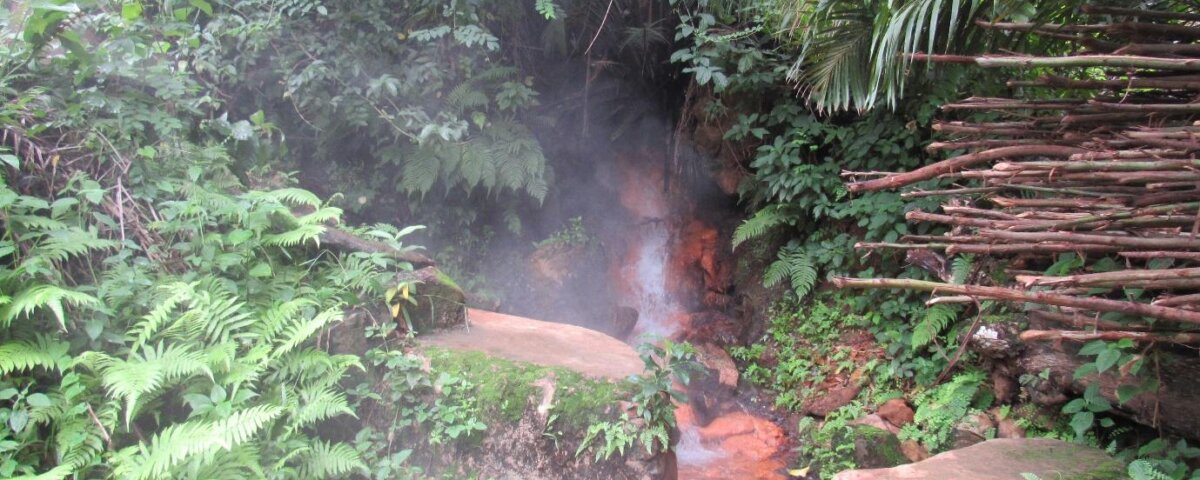
Mugara Hot Springs Burundi
Mugara Hot Springs in Burundi offer a unique opportunity to experience the country’s natural beauty, local culture, and traditional wellness practices. Located in the Mugara area of Gatete, Rumonge Province, these naturally heated waters attract visitors who want to relax, explore a lesser known destination, and discover another side of Burundi beyond Lake Tanganyika. The springs provide a memorable stop for travelers interested in nature, cultural experiences, and authentic African tourism.
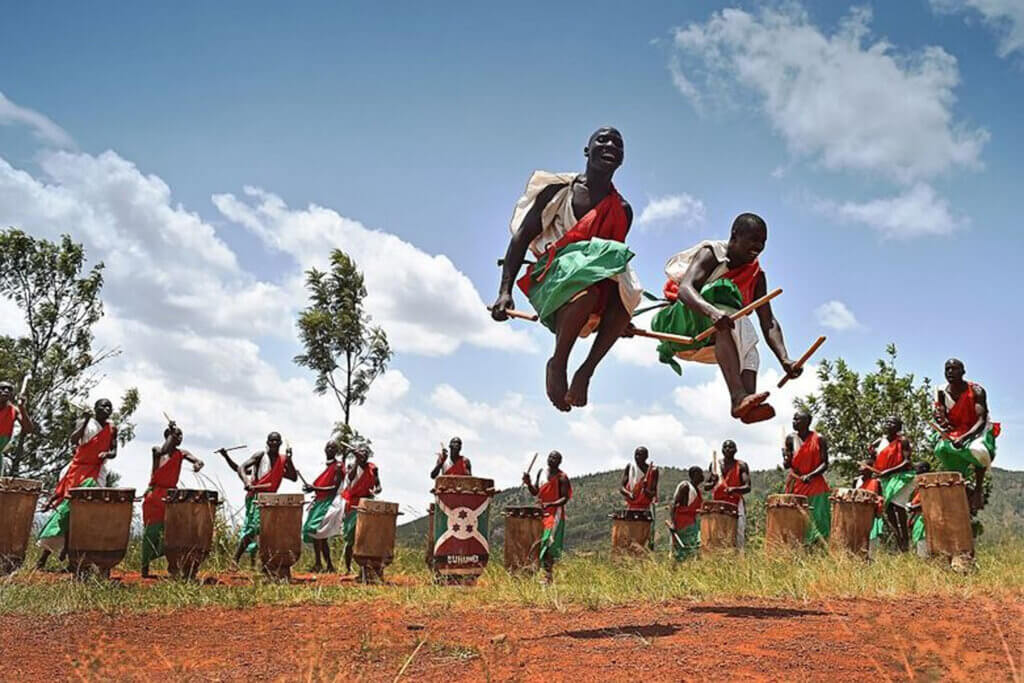
Burundi may be a small country, yet it holds remarkable natural attractions. From the beautiful shores of Lake Tanganyika to green hills, waterfalls, traditional drum performances, and natural thermal springs, the country offers many experiences for curious travelers. Among these attractions, Mugara Hot Springs stand out because of their unusual geothermal waters and their importance to the surrounding community.
The springs also reveal an important connection between nature and everyday life in Burundi. Local residents have long valued the warm waters, while tourism now creates opportunities for community businesses and local development. Furthermore, the destination provides a chance to understand how natural attractions can support sustainable tourism when visitors respect the environment and local customs.
This comprehensive Mugara Hot Springs travel guide explores the location, natural features, cultural background, visitor experience, access, accommodation, practical travel advice, and tourism potential of this remarkable destination. Whether you are planning a Burundi holiday or researching East African attractions, Mugara Hot Springs deserve a place on your travel list.
Where Are Mugara Hot Springs Located?
Mugara Hot Springs lie in southwestern Burundi, in the Gatete area of Rumonge Province. The attraction sits near Mugara Hill, within a landscape shaped by green hills, oil palm plantations, farmland, and small rural settlements. Its location makes it an interesting destination for visitors exploring the southern part of Burundi and the Lake Tanganyika region.
Rumonge serves as the main town and a useful starting point for the journey. From there, travelers follow the Rumonge to Nyanza Lac road before turning toward Mugara. The route passes through the Buzimba River area and continues along a smaller road leading to the thermal springs. Travel reports place the attraction approximately 12 to 16 kilometers from Rumonge, depending on the route and the point used to measure the distance. The final stretch follows a rural road that can become difficult to navigate.
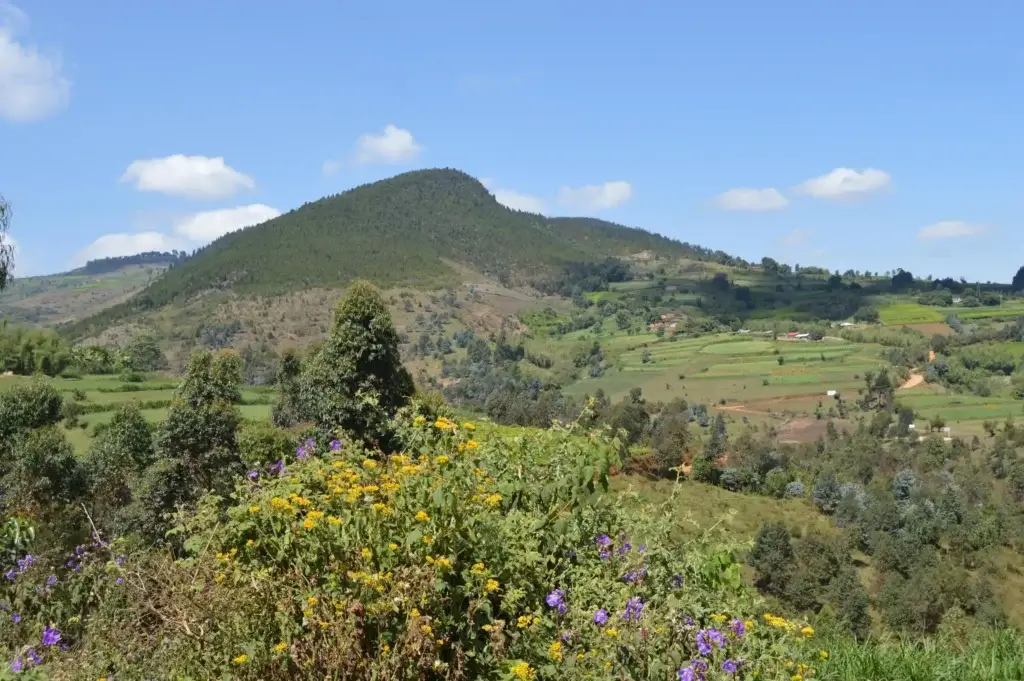
The surrounding landscape adds to the appeal of the destination. Visitors can enjoy views of cultivated land, palm trees, and the natural hills of Rumonge. In addition, the location offers a chance to experience rural Burundi beyond the larger towns.
Mugara Hot Springs are not simply a swimming attraction. They form part of a wider tourism experience that includes local life, natural scenery, and the cultural history of the region. Therefore, travelers who take time to understand the area can gain a deeper appreciation of this destination.
What Makes Mugara Hot Springs Special?
Mugara Hot Springs stand out because of their naturally warm water, local importance, and peaceful rural setting. Unlike a conventional swimming pool, the attraction receives water from a natural thermal source. The water emerges from the ground at a high temperature and flows toward bathing areas created for visitors. This natural process gives the site a distinctive character and makes it one of Burundi’s notable geothermal attractions.
The thermal water originates from a source known locally as Mashuha, a Kirundi term associated with hot water. The source lies near fractured rocks at the foot of Mugara Hill. Water rises naturally from the ground and releases steam, especially near the point where it emerges. As the water moves toward the bathing pool, it gradually loses some of its heat.
The experience combines nature with simple relaxation. Visitors can enjoy the warm water, spend time with friends or family, and observe the surrounding landscape. Moreover, the destination offers a different experience from Burundi’s well-known lakeside attractions.
Mugara Hot Springs also hold social and economic value. The attraction draws local and international visitors, supports small businesses, and creates opportunities for services such as massage, food sales, and accommodation. These activities help connect tourism with the livelihoods of people living around Rumonge.
For travelers seeking an authentic experience, Mugara offers something distinctive. It allows visitors to explore a natural attraction while learning about the traditions and daily life of the local community.
The Natural Origins of Mugara’s Thermal Waters
The natural origins of Mugara Hot Springs help explain why the attraction has fascinated people for generations. Thermal springs develop when underground water absorbs heat from the Earth and rises toward the surface. In areas with suitable geological conditions, water can move through cracks in rocks and reach the surface at a higher temperature than ordinary groundwater.
At Mugara, the thermal water emerges through fractured rocks near the foot of the hill. The source produces warm water and visible steam, creating a striking natural feature within the green surroundings. Local reports describe the water flowing from the source into a constructed bathing pool. As it moves away from the source, the water gradually cools.
The process gives visitors an opportunity to observe a natural geothermal feature in a setting that remains closely connected to local life. However, travelers should understand that the water’s exact mineral composition and temperature may vary. Visitors should not assume that every part of the pool has the same temperature.
The attraction also provides an opportunity to learn about geothermal resources in Burundi. The country has several thermal spring sites, and Mugara is among the best known. These natural resources can support tourism, recreation, and local development when communities manage them carefully.
For visitors interested in geology, Mugara offers an accessible introduction to the relationship between underground heat, groundwater, and the natural landscape. It also reminds travelers that some of Africa’s most interesting attractions lie beyond the traditional wildlife safari circuit.
The History and Local Stories of Mugara Hot Springs
Mugara Hot Springs hold an important place in the local history of Rumonge. Before the site became a recognized tourism attraction, the surrounding marshland and rising steam formed part of local stories and traditional beliefs. These stories reflect how communities understood unusual natural features before modern scientific explanations became widely known.
A documented local account describes how people once associated the steaming marsh with water spirits and powerful animals. The story connects the springs with the arrival of Swedish missionaries in Mugara in 1933. The unusual steam rising from the ground attracted attention, and the missionaries explored the area with local residents.
Such accounts form part of the cultural heritage of the destination. They should not be treated as scientific explanations of the springs. Instead, they offer insight into the ways local communities interpreted their environment and passed knowledge from one generation to another.
Over time, the attraction developed from a natural bathing area into a more organized tourism site. Local authorities introduced improvements, including bathing facilities and visitor services. These developments helped make the springs more accessible to people from Rumonge and other parts of Burundi.
Today, Mugara Hot Springs combine natural features with local history. Visitors can enjoy the thermal waters while learning about the traditions and beliefs that shaped the site’s early identity.
The history also highlights the importance of respectful tourism. Travelers should approach local stories with curiosity and respect, recognizing that cultural traditions form an important part of the destination’s identity.
The Cultural Importance of Mugara Hot Springs
The cultural value of Mugara Hot Springs extends beyond the natural water. The attraction provides a shared space where people from different communities meet, relax, and take part in a familiar local activity. For many residents, visiting the springs forms part of a social experience rather than simply a tourism excursion.
The site attracts visitors from Rumonge, other parts of Burundi, and neighboring countries. People come to spend time in the warm water, enjoy the surrounding environment, and connect with others. This regular use gives the attraction an important place in local life.
The springs also reflect the relationship between traditional knowledge and modern tourism. Local residents have long recognized the value of the warm waters. Meanwhile, organized visitor facilities have helped introduce the attraction to a wider audience. This combination allows Mugara to retain its local character while welcoming travelers.
Visitors should remember that the springs are not a private resort designed only for international tourists. They are a community attraction with its own customs and expectations. Therefore, respectful behavior matters. Travelers should follow the instructions of site staff, dress appropriately outside bathing areas, and avoid actions that disturb other visitors.
A visit can also provide an opportunity to support local businesses. Buying refreshments, using local services, or arranging a community-led experience can help direct tourism income toward residents.
Mugara Hot Springs offer a meaningful cultural experience because they connect visitors with a place that holds value for the people who live nearby. This connection makes the attraction more than a scenic stop. It becomes an opportunity to understand Burundi through its people, traditions, and everyday life.
What to Expect When Visiting Mugara Hot Springs
A visit to Mugara Hot Springs offers a relaxed experience centered on the natural thermal water. The attraction includes a large tiled bathing pool and smaller pools designed for more limited groups. Visitors may also find massage services and other facilities, although the exact services available can change over time.
The experience usually begins with arrival at the site and payment of the applicable entrance fee. After entering, visitors can prepare for bathing and follow the instructions provided by the staff. The warm water provides a different experience from swimming in a lake or an ordinary pool. However, visitors should take care because the temperature can vary, especially near the natural source.
The surrounding environment contributes to the atmosphere. Green hills, palm plantations, and the rural setting create a peaceful backdrop. In addition, the attraction offers opportunities to observe local visitors enjoying a familiar community space.
Travelers should keep their expectations realistic. Mugara Hot Springs are a natural and locally managed attraction, not a luxury spa with extensive international resort facilities. The site’s main appeal comes from its natural water, cultural background, and community atmosphere.
Facilities may also change as local authorities improve the attraction. Therefore, travelers should confirm the current condition of the bathing pools, changing areas, food services, and other visitor amenities before planning a visit.
For many visitors, the best approach is to allow enough time to enjoy the springs without rushing. A relaxed visit can provide a refreshing break during a wider Burundi journey.
The Different Bathing Areas at Mugara Hot Springs
Mugara Hot Springs have developed several bathing areas to serve different visitor needs. The main attraction includes a large tiled pool, while smaller pools provide space for visitors who prefer a more limited bathing environment. Reports also describe a separate area intended to provide greater privacy for women, young mothers, and girls.
The main pool offers a shared bathing experience. It attracts both local residents and travelers, creating a lively atmosphere during busy periods. However, visitors should understand that the pool may become crowded, especially on weekends and public holidays. Some reports have noted that the site’s facilities can struggle to meet demand during busy times.
Smaller pools may provide a quieter experience, depending on visitor numbers and current site arrangements. Travelers should ask staff about access to these areas and any rules that apply.
The bathing areas also reflect the importance of privacy and comfort. Visitors should respect designated spaces and avoid entering areas reserved for particular groups. This approach helps maintain a welcoming environment for everyone.
Because the springs are a natural attraction, visitors should not expect every facility to operate exactly as it would at a commercial spa. The available areas and services may change as the site develops.
Before entering the water, travelers should check its temperature and follow any safety instructions. They should also avoid bathing if they feel unwell or have a medical condition that may make hot water unsafe. When in doubt, visitors should seek advice from a qualified health professional rather than relying on claims about the springs’ healing properties.
Are Mugara Hot Springs Known for Their Health Benefits?
Mugara Hot Springs have a strong local reputation for relaxation and wellness. Many visitors associate the warm water with relief from tiredness, muscle discomfort, and general stress. In addition, the site offers massage services that can form part of a relaxing visit.
However, travelers should distinguish between local beliefs, personal experiences, and scientifically established medical benefits. The fact that a natural spring attracts people seeking wellness does not prove that its water can treat or cure a disease. Visitors should not use the springs as a replacement for medical care.
Warm water may feel soothing for some people. Nevertheless, heat can also create risks, particularly for people with certain medical conditions. Hot water may affect blood pressure, increase discomfort, or cause dizziness in some circumstances. Therefore, people with heart conditions, circulation concerns, pregnancy-related questions, or other health issues should seek professional advice before bathing.
Visitors should also avoid entering water that feels excessively hot. It is important to allow the body time to adjust and leave the pool if discomfort develops. Drinking enough water and avoiding prolonged exposure to heat can help support a more comfortable experience.
Mugara Hot Springs are best understood as a natural relaxation attraction with cultural and tourism value. Their appeal does not depend on unverified medical claims. Travelers can appreciate the natural water, local traditions, and peaceful environment while making sensible choices about their health.
Responsible tourism content should present the attraction honestly. This approach builds trust with international visitors and supports a reliable understanding of Burundi’s wellness tourism opportunities.
The Best Time to Visit Mugara Hot Springs
Mugara Hot Springs can form part of a Burundi itinerary throughout the year. However, the weather, road conditions, and visitor numbers may influence the comfort of a trip. Travelers should consider these factors when deciding when to visit.
Burundi experiences wet and dry periods, although local weather can vary. The dry months often provide more comfortable conditions for road travel and outdoor activities. In contrast, heavy rain can affect rural roads, especially the final stretch leading to the springs. Since the road may already present challenges, visitors should take seasonal conditions seriously.
Weekends can offer a lively atmosphere because local and international visitor numbers often increase on Saturdays and Sundays. Reports from the site have described higher attendance during weekends than on ordinary working days.
Travelers who prefer a quieter experience may consider visiting on a weekday. Nevertheless, visitor numbers can vary, so a weekday visit does not guarantee an empty site.
The best time of day may depend on the visitor’s wider itinerary. An early start can provide more time to travel from Rumonge, enjoy the springs, and return before evening. Visitors should also allow extra time for road conditions rather than planning a tight schedule.
Before traveling, confirm the current weather and road situation with a local accommodation provider, driver, or tourism operator. This simple step can help prevent unnecessary delays.
Ultimately, the best time to visit Mugara Hot Springs is when travelers can enjoy the attraction safely and comfortably without rushing through the experience.
How to Get to Mugara Hot Springs from Rumonge
Rumonge provides the most practical starting point for a visit to Mugara Hot Springs. The town lies along the Lake Tanganyika corridor and serves as a useful base for exploring nearby attractions. From Rumonge, visitors travel south along the Rumonge to Nyanza Lac road before turning toward Mugara Hill.
Travel reports describe a journey of roughly 12 kilometers along the main road, followed by approximately 6 kilometers on a smaller rural road. However, distances may vary depending on the route and starting point. The final road has been described as rough, rocky, and difficult in places.
A private vehicle with a suitable driver can provide the most flexible option. Travelers should choose transport based on the current road conditions rather than assuming that every vehicle can reach the site easily. During wet weather, a suitable vehicle may become particularly important.
Visitors should avoid relying on a fixed travel time without checking local conditions. Road repairs, traffic, rain, and the condition of the final access road can all affect the journey.
A local driver can also help with practical matters such as identifying the correct turnoff, confirming access arrangements, and allowing enough time for the return journey. This support can make the experience easier for international travelers who are unfamiliar with the area.
For visitors staying in Bujumbura, the journey requires additional planning. Rather than treating Mugara as a quick city excursion, travelers should consider combining it with a wider southern Burundi itinerary.
The attraction is most rewarding when transport arrangements allow enough time to enjoy the springs and surrounding environment without unnecessary pressure.
Road Conditions and Travel Preparation
The road to Mugara Hot Springs deserves careful attention during trip planning. Although the attraction lies relatively close to Rumonge, the final access section can present challenges. Visitors should not judge the journey only by the distance shown on a map.
Travel accounts describe the smaller road leading toward Mugara as rough and uneven. In some areas, stones, dust, and poor drainage can affect vehicle movement. Rain can make the road more difficult, while dry weather may create dust.
A local driver who understands the area can help travelers assess the best transport option. Visitors should also confirm whether the road is currently accessible before setting out. Road conditions may improve or deteriorate depending on maintenance and weather.
Travel preparation should include comfortable clothing, drinking water, and any personal items needed for bathing. A small bag can help keep belongings organized. Travelers should also consider carrying a towel and a change of clothes, subject to the current facilities available at the site.
If the visit forms part of a longer journey, leave enough time for the return trip. Avoid scheduling an important departure or activity immediately after the springs, especially when road conditions remain uncertain.
The journey itself can offer a glimpse of rural Burundi. Visitors may pass through cultivated areas and settlements where local life continues at a relaxed pace. However, travelers should respect residents and avoid photographing people without permission.
Good preparation helps make the visit more comfortable and supports a respectful experience in the Rumonge region.
Entrance Fees and Visitor Costs at Mugara Hot Springs
Mugara Hot Springs operate as a visitor attraction with entrance fees that help support site management and maintenance. The attraction has used different rates for local residents, Burundian nationals, African visitors, and international travelers. However, visitors should confirm the current charges before arrival because prices and payment arrangements may change.
A tourism report published in 2024 described entrance fees of approximately BIF 2,000 to BIF 3,000 for nationals, BIF 20,000 for African visitors, and USD 10 for other international visitors. The report also noted that local residents could enjoy free access during certain morning and evening periods.
These figures provide a reference point rather than a guaranteed current price. Travelers should not assume that the same rates apply on every date or under every visitor category.
In addition to entrance fees, visitors may need to budget for transport, refreshments, meals, accommodation, and optional services such as massage. The final cost depends on the starting point, group size, transport type, and length of the visit.
Travelers should also clarify whether the entrance fee includes access to all bathing areas or whether certain services require an additional payment. This simple step can prevent confusion when arriving at the site.
For international visitors, a local tour operator or accommodation provider may help confirm current arrangements. However, travelers should request a clear breakdown of any quoted costs.
Mugara Hot Springs can fit into different travel budgets. The attraction itself may be affordable, while transport and accommodation can form a larger part of the overall expense. Planning these details in advance helps visitors enjoy the destination without unexpected costs.
Accommodation Near Mugara Hot Springs
Accommodation plays an important role in planning a visit to Mugara Hot Springs. Some travelers may prefer to stay in Rumonge, while others may choose accommodation closer to the attraction. The best option depends on the wider itinerary, comfort expectations, and available facilities.
Travel reports have mentioned a privately operated hotel near the springs. However, travelers should confirm its current operating status, room availability, services, and standards before making plans.
Rumonge provides another practical accommodation base. The town offers access to the Lake Tanganyika region and can support a wider itinerary that includes the thermal springs. Staying in town may also provide more flexibility for meals, transport, and other activities.
Visitors should consider the following points when selecting accommodation:
Confirm whether the property provides private bathrooms and reliable water.
Ask about meal arrangements and available dining options.
Check whether the hotel can organize transport to Mugara.
Confirm the road access and expected travel time.
Ask about payment methods and cancellation conditions.
Review the property’s current facilities before booking.
Travelers seeking a more comfortable experience may prefer a hotel with reliable service and organized transport. Meanwhile, visitors with a smaller budget may choose a simple local guesthouse.
Accommodation planning should also consider the wider journey. For example, visitors exploring southern Burundi may want to stay in Rumonge before continuing toward Bujumbura or other destinations.
A good accommodation choice can make the Mugara experience more relaxed. Rather than rushing to the springs and returning over a difficult road on the same day, travelers may find that an overnight stay in the region allows them to explore at a more comfortable pace.
Food and Refreshments Around Mugara Hot Springs
Food can add another dimension to a visit to Mugara Hot Springs. The attraction forms part of a rural area where local businesses provide services to residents and visitors. Travelers may find opportunities to purchase refreshments or enjoy a meal during their visit, although the available choices can vary.
Tourism planning documents and local reports describe food and drink services around the site. However, visitors should not assume that restaurants offer extensive menus or operate throughout the day.
Burundian cuisine offers a variety of dishes based on local ingredients. Depending on the location and availability, visitors may encounter foods such as beans, rice, cassava, plantains, sweet potatoes, and other regional staples. These meals can provide a simple way to experience local food culture.
Travelers should ask about ingredients if they have food allergies or dietary needs. They should also confirm meal arrangements before arriving, especially when visiting as part of a larger group.
Carrying drinking water can be useful, particularly when traveling along the rural road. Visitors should avoid assuming that every service will be available at the attraction.
Food purchases can also support local livelihoods. When possible, travelers can buy refreshments from local vendors and use community businesses. Nevertheless, they should choose food and drink services that meet their own comfort and hygiene expectations.
A meal in Rumonge may offer more choice than the immediate area around the springs. Therefore, travelers can plan lunch before or after the visit, depending on their schedule.
Combining the springs with a local meal can turn a short stop into a fuller cultural experience. It also allows visitors to appreciate the region through both its natural attractions and everyday food traditions.
Mugara Hot Springs and Sustainable Tourism
Mugara Hot Springs demonstrate how natural attractions can support local tourism and community livelihoods. The site attracts visitors who spend money on entrance fees, transport, food, refreshments, accommodation, and optional services. These activities can create income for residents and support local businesses.
A report on the geothermal springs of Mugara described the attraction’s contribution to local economic activity. It also noted that the site generated revenue for the area over several years.
Sustainable tourism requires more than attracting visitors. It also involves protecting the natural resource, respecting local communities, and ensuring that tourism benefits remain connected to the destination.
Visitors can support responsible tourism in several ways. First, they should follow site rules and avoid leaving rubbish behind. Second, they should respect local customs and privacy. Third, they can support local businesses by purchasing goods and services from residents. Finally, they should avoid making unsupported claims about the health benefits of the water.
Site managers also have an important role. They can maintain bathing facilities, manage visitor numbers, protect the natural source, and improve access while considering the surrounding environment.
The thermal water itself deserves careful management. Visitors should avoid introducing soaps, chemicals, or other substances into the bathing areas unless site staff specifically permit them. They should also respect any restrictions around the source.
Sustainable tourism can help Mugara remain attractive for future generations. By combining responsible visitor behavior with thoughtful management, the destination can protect its natural character while supporting the community.
For tourism operators, Mugara provides an opportunity to promote a lesser-known attraction in a way that respects its local identity and environmental value.
The Economic Importance of Mugara Hot Springs to Rumonge
Tourism at Mugara Hot Springs can contribute to the economic development of Rumonge. The attraction creates demand for transport, accommodation, food, refreshments, and other services. As a result, visitors can support several local businesses during a single trip.
The springs also provide a source of revenue for local authorities. A report published in 2025 described the economic contribution of Mugara’s thermal waters and estimated that the site generated BIF 154 million between 2019 and 2023.
This figure highlights the potential value of natural attractions when communities organize tourism services and welcome visitors. However, tourism income does not automatically reach every household. Local planning, fair business practices, and community participation remain important.
Small businesses can benefit from visitor spending. For example, drivers may provide transport, local vendors may sell refreshments, and accommodation providers may receive overnight guests. Massage providers and other service operators can also earn income from tourism.
The attraction can also encourage investment in infrastructure. Better roads, improved bathing facilities, suitable accommodation, and reliable visitor services can make the destination more appealing. Nevertheless, development should protect the natural environment and local interests.
For Rumonge, Mugara Hot Springs form part of a wider tourism opportunity. The region also has Lake Tanganyika, rural landscapes, and cultural experiences that can attract different types of travelers.
Tourism operators can help by including the springs in suitable itineraries and communicating their value accurately. This approach can increase visitor awareness while supporting local businesses.
The economic importance of Mugara lies not only in entrance fees but also in the wider activity created around the attraction. With careful management, tourism can help strengthen local livelihoods and contribute to the development of Rumonge.
Combining Mugara Hot Springs with Lake Tanganyika
Lake Tanganyika provides an excellent complement to Mugara Hot Springs. The lake forms one of Burundi’s most important natural attractions, offering beautiful scenery, lakeside communities, and opportunities for relaxation. Combining the springs with a lakeside visit can create a more varied experience in the Rumonge region.
Mugara offers a thermal water experience, while Lake Tanganyika provides a different setting for enjoying nature. Travelers can explore the two attractions as part of a wider itinerary rather than treating them as separate destinations.
Rumonge serves as a useful base for this combination. Visitors can spend time near the lake, explore local communities, and arrange a trip to the springs. Depending on the schedule, they may also enjoy a meal in town or stay overnight.
The combination works well for travelers interested in nature and culture rather than a wildlife safari alone. It can also provide a relaxed break during a longer journey through Burundi.
However, travelers should confirm transport arrangements and local conditions before planning activities around the lake. Boat trips, water activities, and other services may depend on weather, availability, and local safety arrangements.
A responsible itinerary should also respect the lake environment. Visitors can avoid littering, follow local instructions, and choose services that operate with care.
Lake Tanganyika and Mugara Hot Springs reveal different aspects of Burundi’s natural heritage. Together, they offer a meaningful opportunity to experience the country’s landscapes, communities, and tourism potential.
Other Attractions to Explore Around Rumonge
Rumonge offers more than Mugara Hot Springs. The region provides a useful starting point for travelers interested in Lake Tanganyika, local communities, and the landscapes of southwestern Burundi. Exploring nearby attractions can help visitors make better use of their time in the area.
Lake Tanganyika is one of the region’s major natural features. Its shoreline provides scenic views and opportunities to experience lakeside life. Depending on local arrangements, visitors may enjoy a relaxed walk, spend time near the water, or explore local fishing communities.
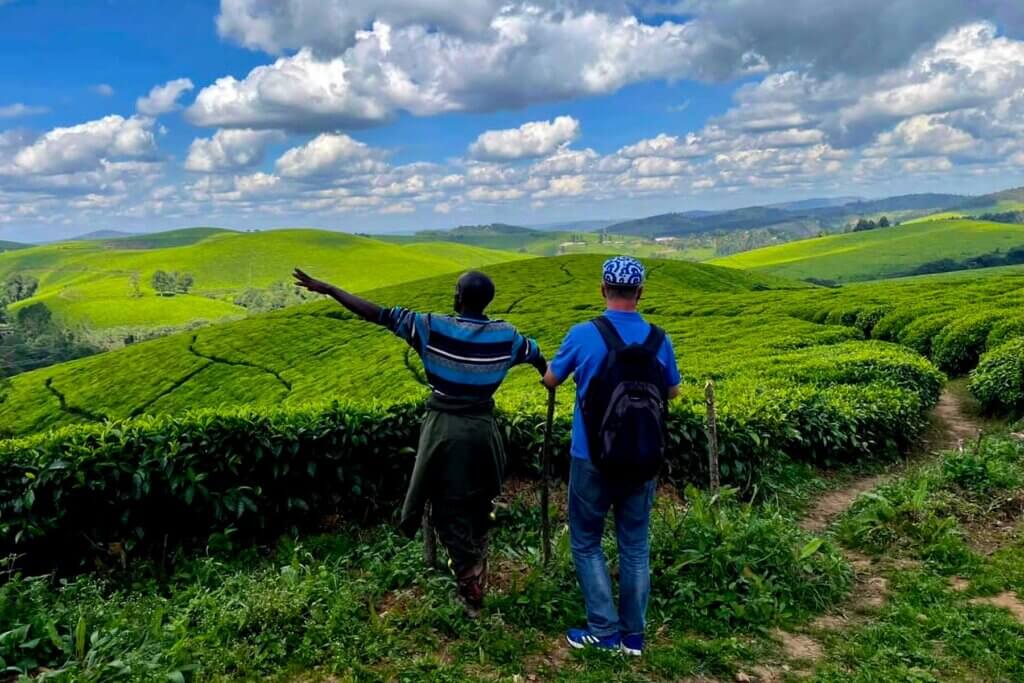
The wider Rumonge area also contains natural landscapes shaped by hills, cultivated land, and vegetation. These surroundings provide an opportunity to appreciate rural Burundi and understand the relationship between local communities and their environment.
Travelers should confirm the availability of specific activities before including them in an itinerary. Not every attraction has a formal visitor system, and some experiences may require a local guide or advance arrangement.
A visit to the region can also support local businesses. Travelers may choose accommodation in Rumonge, purchase local products, or arrange transport with a community provider.
The most rewarding itinerary is one that allows enough time for each experience. Rather than trying to visit every attraction in a single day, travelers can choose a few destinations that match their interests.
Mugara Hot Springs can serve as the central activity, while Lake Tanganyika and other nearby experiences add variety. This approach creates a more balanced journey and helps visitors gain a deeper understanding of the region.
Suggested One Day Mugara Hot Springs Itinerary
A one day visit to Mugara Hot Springs can provide a memorable experience for travelers staying in Rumonge. The itinerary works best when visitors arrange transport in advance and allow enough time for the rural access road.
The following suggested schedule offers a relaxed approach. Actual travel times depend on road conditions, weather, and the starting point.
Morning: Travel from Rumonge to Mugara
Begin the day with breakfast at your hotel in Rumonge. Afterward, meet your driver and travel toward Mugara along the Rumonge to Nyanza Lac road. Enjoy the scenery as you pass through cultivated land, palm plantations, and rural settlements.
Once you reach the turnoff toward Mugara Hill, continue along the access road. Allow additional time for the final stretch because road conditions can change.
Late Morning: Enjoy the Thermal Springs
Arrive at Mugara Hot Springs and follow the visitor instructions. Take time to explore the bathing areas and enjoy the natural warm water. If you plan to use massage services, confirm their availability and cost with the site staff.
Remember to respect other visitors and follow all bathing rules.
Afternoon: Lunch and Local Exploration
After your visit, enjoy lunch in Rumonge or arrange refreshments locally. Depending on your interests, you may also spend time near Lake Tanganyika.
Late Afternoon: Return to Your Accommodation
Return to your hotel before evening. If you are continuing to another destination, allow sufficient time for the journey.
This itinerary offers a simple way to experience Mugara without making the day too demanding. Travelers who prefer a slower pace may choose to stay overnight in Rumonge.
Can You Visit Mugara Hot Springs as Part of a Burundi Safari?
Yes. Mugara Hot Springs can form part of a wider Burundi safari or cultural holiday. Although the attraction does not offer a traditional wildlife safari, it provides a different experience that can complement nature, culture, and lakeside activities.
Many travelers associate East African tourism with wildlife parks, mountain gorillas, chimpanzees, and large savannah animals. However, a well planned African journey can include many other experiences. Natural thermal springs, cultural attractions, local markets, and scenic landscapes can add depth to a safari.
Mugara Hot Springs can work particularly well within an itinerary that explores southern Burundi. Visitors can combine the attraction with Lake Tanganyika and other regional experiences. Depending on the wider route, the trip may also include Bujumbura, Gitega, or other destinations.
For travelers exploring several East African countries, Burundi can provide a valuable cultural and geographical contrast. However, cross border travel requires careful planning. Visitors should confirm visa requirements, border opening arrangements, transport options, and travel conditions before departure.
A tourism operator can help coordinate transport and accommodation, especially when the journey includes several destinations. Travelers should request a clear itinerary and confirm which services the quotation includes.
The attraction is best suited to travelers who appreciate natural scenery, local culture, and relaxed experiences. It may not appeal equally to visitors seeking only intensive wildlife viewing.
Including Mugara Hot Springs in a Burundi safari allows travelers to explore a less familiar part of the country. It also helps demonstrate the wider diversity of African tourism beyond the continent’s most famous safari destinations.
Is Mugara Hot Springs Suitable for Families?
Mugara Hot Springs may appeal to families who want to explore a natural attraction together. The site provides an opportunity to enjoy warm water, learn about local traditions, and experience the rural environment of Rumonge.
However, families should consider the bathing conditions before visiting. The natural source can produce water at a high temperature, and the heat may vary across different areas. Parents and guardians should supervise children closely and follow the instructions of site staff.
Children should never enter the water without checking its temperature. Families should also avoid allowing young children to remain in hot water for extended periods. If a child feels uncomfortable, dizzy, or overheated, they should leave the bathing area immediately.
The access road may also affect the family experience. Since the final section can be rough, travelers should consider the comfort of younger children and anyone who may find a bumpy journey difficult.
Families should confirm the availability of changing facilities, toilets, refreshments, and suitable bathing areas before arrival. These services may change, so advance confirmation helps set realistic expectations.
The attraction also offers a cultural learning opportunity. Parents can explain the importance of respecting local traditions, protecting the environment, and supporting community businesses.
Families who prefer not to bathe can still enjoy the surrounding scenery and learn about the natural origins of the springs. This flexibility makes Mugara a potential addition to a wider Burundi itinerary.
The most important consideration is to plan the visit around safety, comfort, and the needs of every family member.
Accessibility and Visitor Comfort at Mugara Hot Springs
Accessibility remains an important consideration when planning a visit to Mugara Hot Springs. Although the attraction has developed visitor facilities, travelers should not assume that every area offers full accessibility for people with mobility challenges.
The final access road can be rough, and the bathing areas may include steps, uneven surfaces, or other obstacles. These conditions can affect visitors who use wheelchairs, walking aids, or require additional assistance.
Travelers with mobility needs should contact the site or a local tourism provider before visiting. They can ask about the road, entrance arrangements, changing facilities, pool access, and available assistance.
Visitors who need support should also explain their requirements when arranging transport. A suitable vehicle and a flexible schedule can make the journey more comfortable.
The bathing environment may also present challenges for people who have difficulty standing or moving on wet surfaces. Therefore, visitors should assess their comfort and avoid entering areas where they feel unsafe.
The site’s facilities and accessibility may improve as local authorities continue tourism development. However, travelers should confirm the current situation rather than relying on older descriptions.
Accessible tourism benefits more than visitors with disabilities. It also supports older travelers, families with young children, and anyone who may need additional assistance.
For tourism operators, providing accurate accessibility information helps build trust. It allows visitors to make informed choices and reduces the risk of an uncomfortable experience.
Mugara Hot Springs can offer a meaningful experience to a wide range of travelers when they plan according to their individual needs and the current conditions at the site.
Responsible Visitor Guidelines for Mugara Hot Springs
Responsible tourism helps protect Mugara Hot Springs and supports the people who depend on the attraction. Visitors should remember that the site serves both tourists and local residents. Therefore, respectful behavior contributes to a better experience for everyone.
The following guidelines can help travelers enjoy the attraction responsibly.
Respect local customs. Follow instructions from site staff and observe the expectations around clothing, bathing, and shared spaces.
Protect the natural water. Avoid introducing soaps, oils, chemicals, or other substances into the pools unless the site specifically allows them.
Keep the environment clean. Carry rubbish away from the bathing areas or place it in designated bins.
Respect privacy. Ask permission before photographing local residents, especially children and people using the bathing facilities.
Use local services. Where appropriate, support local businesses by purchasing refreshments, arranging transport, or using community services.
Follow safety instructions. Check the water temperature before entering and avoid bathing when you feel unwell.
Avoid unsupported medical claims. Enjoy the springs as a natural relaxation attraction, but do not assume that the water can cure diseases.
Confirm site conditions. Check road access, visitor facilities, and fees before departure.
These actions may seem simple, yet they help protect the destination’s natural and cultural value.
Responsible tourism also strengthens the relationship between visitors and local communities. When travelers behave respectfully, they help create a welcoming environment that encourages future tourism.
Mugara Hot Springs can continue to attract visitors while maintaining its local identity. The best way to support this goal is to approach the destination with care, curiosity, and respect.
Frequently Asked Questions About Mugara Hot Springs
Where are Mugara Hot Springs located?
Mugara Hot Springs are located in the Gatete area of Rumonge Province in southwestern Burundi. The attraction lies near Mugara Hill, within a landscape of green hills, cultivated land, and oil palm plantations.
What are Mugara Hot Springs famous for?
The springs are famous for their naturally warm geothermal water. They also hold cultural and economic importance for the surrounding community and attract visitors interested in relaxation and local experiences.
How far are Mugara Hot Springs from Rumonge?
Travel reports place the attraction approximately 12 to 16 kilometers from Rumonge, depending on the route and starting point. The final section follows a rural road that may be difficult in some conditions.
Can international tourists visit Mugara Hot Springs?
Yes. The attraction welcomes local and international visitors. However, travelers should confirm current entrance fees, access arrangements, and facilities before their visit.
Are Mugara Hot Springs natural?
Yes. The warm water comes from a natural thermal source known locally as Mashuha. The water emerges from the ground and flows toward the bathing areas.
Can visitors swim in Mugara Hot Springs?
Visitors can enjoy the designated bathing areas. However, they should check the water temperature, follow site rules, and avoid entering areas that feel excessively hot.
Are the hot springs suitable for people seeking medical treatment?
The springs have a local reputation for wellness and relaxation. However, visitors should not consider them a medical treatment or substitute for professional healthcare. Anyone with health concerns should seek medical advice before bathing.
What is the best time to visit Mugara Hot Springs?
Travelers may prefer a dry period when rural road conditions are generally easier. Weekdays may also provide a quieter experience than weekends. However, visitors should confirm current weather and access conditions.
Are there accommodation facilities near Mugara Hot Springs?
Travel reports mention a privately operated hotel near the attraction. Visitors can also consider accommodation in Rumonge. They should confirm current availability and facilities before booking.
Can Mugara Hot Springs be combined with Lake Tanganyika?
Yes. The springs and Lake Tanganyika can form part of a wider Rumonge itinerary. The combination allows travelers to enjoy thermal water, lakeside scenery, and local cultural experiences.
Do visitors need a guide to visit Mugara Hot Springs?
A guide may not always be necessary for the bathing experience itself. However, local transport support can be helpful because the access road may be difficult and visitor arrangements can change.
How much does it cost to visit Mugara Hot Springs?
The site has used different rates for local and international visitors. A 2024 tourism report described rates ranging from BIF 2,000 to BIF 20,000 for certain visitor categories, with a USD 10 rate for other international visitors. These figures are not guaranteed current prices. Confirm the applicable fee before traveling.
Conclusion: Discover the Natural Beauty of Mugara Hot Springs in Burundi
Mugara Hot Springs in Burundi offer a memorable opportunity to explore the country’s natural heritage, cultural traditions, and growing tourism potential. Located in the beautiful Rumonge region, the attraction combines naturally heated water with a rural landscape shaped by hills, palm plantations, and local communities. Its history, geothermal origins, and role in community life make it an interesting destination for travelers seeking experiences beyond the traditional African safari.
A visit to Mugara can provide a relaxing break during a wider Burundi holiday. Travelers can enjoy the bathing areas, learn about local traditions, and combine the experience with Lake Tanganyika or other regional attractions. Furthermore, the springs demonstrate how natural resources can support tourism and create opportunities for local businesses.
However, visitors should plan carefully. Road conditions can change, entrance fees may vary, and the facilities may not offer every service expected at a luxury spa. Respecting local customs, following safety instructions, and protecting the environment help ensure a positive experience.
For travelers interested in discovering a less familiar part of East Africa, Mugara Hot Springs deserve consideration. The destination offers a meaningful connection between nature, culture, and community life. By visiting responsibly, travelers can enjoy the unique experience of Mugara Hot Springs while supporting the wider development of tourism in Burundi.