Bird Watching in Burundi
November 6, 2026
Burundi Cultural Village Tours
November 6, 2026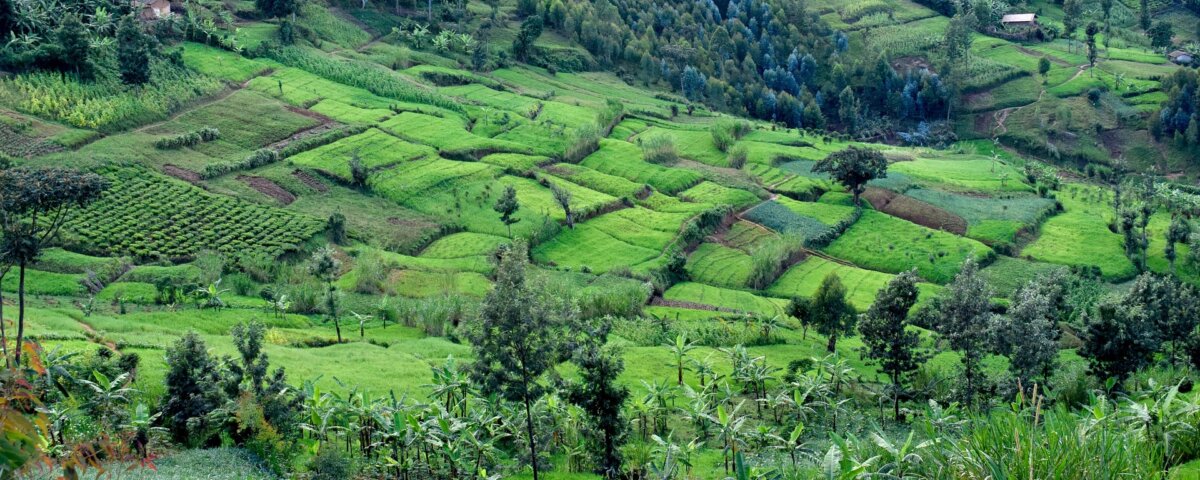
Hiking and Nature Walks in Burundi:
Hiking and nature walks in Burundi offer travelers an unforgettable opportunity to explore the country’s green mountains, tropical forests, scenic waterfalls, peaceful lakes, and beautiful countryside. Although Burundi is one of Africa’s smaller countries, it contains a remarkable variety of natural landscapes. From the highland forests of Kibira National Park to the impressive slopes of Mount Heha, Burundi provides rewarding outdoor experiences for travelers who enjoy discovering nature on foot. Moreover, its tea plantations, traditional villages, rivers, and rolling hills create opportunities to combine outdoor adventure with cultural exploration.
For travelers seeking authentic African experiences, Burundi presents a refreshing destination away from some of the region’s more crowded tourism routes. The country allows visitors to explore natural environments at a relaxed pace while learning about local communities and their relationship with the land. Whether you enjoy mountain hiking, birdwatching, forest exploration, photography, or peaceful countryside walks, Burundi offers several opportunities to connect with nature.
However, a successful outdoor holiday requires careful preparation. Visitors should choose suitable routes, arrange knowledgeable local guides, prepare for changing weather, and respect protected areas. Furthermore, understanding the country’s geography helps travelers select destinations that match their interests and available time.
At Giant Holiday Safaris, we believe that discovering Africa should combine authentic experiences, responsible tourism, reliable information, and meaningful connections with local communities. This comprehensive guide to hiking and nature walks in Burundi explores the country’s natural attractions, outdoor experiences, travel seasons, preparation tips, and suggested itineraries for visitors from around the world.
Understanding Hiking and Nature Walks in Burundi
Hiking and nature walks in Burundi provide different ways to experience the country’s natural beauty. Although both activities involve walking outdoors, they often offer different levels of physical activity and different opportunities for discovery. Hiking generally involves longer journeys across hills, mountains, forests, and uneven terrain. Nature walks usually focus on shorter routes that allow visitors to observe plants, birds, wildlife, and scenic landscapes.
Burundi’s geography makes both activities attractive. The country lies within the Great Lakes region of East Africa and features highland ridges, river valleys, tropical forests, wetlands, and rolling hills. Lake Tanganyika adds another dimension through its impressive shoreline and surrounding landscapes. Consequently, visitors can experience several natural environments during one holiday.
The country’s rural landscapes also make walking experiences interesting. Many communities live among cultivated hills, small farms, gardens, and winding roads. Walking through these environments allows visitors to appreciate how agriculture and daily life shape the countryside. Nevertheless, travelers should respect private land and arrange permission before entering farms or community spaces.
Burundi does not have the same extensive commercial hiking infrastructure as some neighboring destinations. Therefore, visitors should avoid assuming that every location offers marked trails, established mountain huts, or regular hiking services. Instead, they should arrange activities with knowledgeable local guides and confirm access before traveling.
The appeal of hiking and nature walks in Burundi lies in the opportunity to explore at a slower pace. A forest walk, a mountain viewpoint, or a quiet countryside trail can reveal details that visitors might miss during a road journey. These experiences also encourage travelers to appreciate the country’s natural heritage and the importance of protecting it.
Why Burundi Is a Wonderful Destination for Nature Lovers
Burundi deserves attention from travelers who enjoy discovering destinations through nature. Its compact size, diverse landscapes, and rich cultural traditions create rewarding experiences for visitors who prefer meaningful outdoor activities.
One of Burundi’s greatest attractions is its natural diversity. The western highlands contain tropical forests and cooler mountain environments. Meanwhile, other regions feature savannah landscapes, wetlands, rivers, and wildlife habitats. Lake Tanganyika creates a beautiful contrast with the elevated countryside. As a result, travelers can experience different environments without crossing an enormous country.
Another reason to explore Burundi is the opportunity to connect with local communities. Rural landscapes often reveal the daily activities that shape life in the country. Visitors may see people cultivating crops, tending gardens, carrying produce, or working around tea plantations. These experiences can help travelers understand the relationship between people and their environment. However, visitors should approach these encounters respectfully and avoid treating local residents as tourist attractions.
Burundi also offers opportunities for birdwatching, photography, conservation education, and cultural tourism. Its forests and wetlands support different bird species, while its mountain landscapes provide beautiful viewpoints. Furthermore, traditional heritage gives visitors a deeper understanding of the country’s history and identity.
For international travelers, Burundi can complement a wider East African itinerary. Visitors exploring Uganda, Rwanda, or Tanzania may consider adding Burundi to discover another side of the region. However, border crossings, transport schedules, travel documentation, and current security conditions require careful planning.
Most importantly, Burundi rewards travelers who allow enough time to appreciate each destination. Rather than rushing between attractions, visitors should enjoy the scenery, learn from local guides, and experience the country at a comfortable pace.
Best Places for Hiking and Nature Walks in Burundi
Burundi offers several destinations where travelers can enjoy walking, mountain scenery, forest exploration, and outdoor discovery. Each location has its own character, so choosing the right destination depends on your interests, fitness level, available time, and travel route.
The following destinations provide some of the most interesting opportunities for hiking and nature walks in Burundi.
Kibira National Park: Exploring Burundi’s Tropical Rainforest
Kibira National Park stands among Burundi’s most important natural destinations. Located in the northwestern highlands, the park protects a large area of montane rainforest along the Congo Nile watershed. Its cool climate, thick vegetation, flowing streams, and rich biodiversity make it an attractive destination for nature lovers.
The forest rises across a highland landscape, creating an environment that feels very different from the warm shores of Lake Tanganyika. As visitors approach the park, the surrounding hills and tea plantations create beautiful scenery. In particular, the tea growing areas around Teza and Rwegura provide a wonderful introduction to the region.
A guided nature walk in Kibira allows visitors to experience the forest more closely. The thick canopy, fresh air, and sounds of birds create a peaceful atmosphere. Moreover, the forest supports several primate species, including chimpanzees, colobus monkeys, and other monkeys. Wildlife sightings depend on natural conditions, so visitors should never expect guaranteed encounters.
Kibira also plays an important role in Burundi’s water systems. Its forests protect watersheds and support rivers that flow toward different parts of the region. Therefore, hiking here offers more than beautiful scenery. It also introduces visitors to the importance of forest conservation.
Visitors should arrange their walks with authorized local guides or park personnel. The forest can become slippery during rainy weather, and its dense vegetation makes independent exploration unsuitable for unfamiliar travelers.
For nature lovers, Kibira National Park offers a valuable opportunity to discover Burundi’s rainforest heritage while appreciating the importance of protecting one of the country’s major natural ecosystems.
Mount Heha: Discovering Burundi’s Highest Mountain
Mount Heha is Burundi’s highest mountain, rising to approximately 2,684 metres above sea level. It stands within the highlands east of Bujumbura and attracts travelers interested in mountain landscapes, outdoor exploration, and the beauty of Burundi’s elevated countryside.
The mountain provides a different experience from the country’s forest walks. Its highland setting features changing vegetation, rural landscapes, and impressive views across the surrounding hills. Depending on the route and weather, hikers may experience cooler temperatures and changing visibility as they explore the mountain area.
Mount Heha appeals particularly to travelers who enjoy physical outdoor activities. However, visitors should understand that mountain hiking requires preparation. Walking distance, elevation, terrain, and weather all influence the difficulty of an outing. Therefore, travelers should discuss their fitness level and expectations with a local guide before arranging a hike.
A successful Mount Heha experience begins with an early start. Morning conditions may provide better visibility, while afternoon clouds or rain can affect the scenery. In addition, visitors should allow enough time for transport, walking, rest stops, and the return journey.
The mountain can also form part of a wider Burundi highlands itinerary. Travelers may combine a Mount Heha experience with scenic drives, rural visits, or other outdoor activities around the Bujumbura highlands. Nevertheless, the exact route depends on current access conditions and available local guidance.
Mount Heha is not simply a destination for reaching the highest point. It also offers an opportunity to appreciate Burundi’s landscape, enjoy the mountain environment, and understand the geographical features that shape the country.
Ruvubu National Park: Walking Through Burundi’s Savannah Wilderness
Ruvubu National Park is Burundi’s largest protected ecosystem and an important destination for travelers interested in wildlife and natural landscapes. Located in the northeastern part of the country, the park protects extensive savannah environments and supports a range of wildlife species.
Unlike Kibira’s dense rainforest, Ruvubu presents a more open landscape. Its grasslands, river areas, and wooded sections create different opportunities for nature observation. The park supports animals such as buffaloes, antelopes, monkeys, and hippos. Birdlife also adds interest to the natural environment.
Nature walks in Ruvubu allow visitors to appreciate the landscape at a slower pace. With experienced guides, travelers can learn about animal habitats, vegetation, and the ecological importance of the protected area. However, wildlife walking requires careful supervision. Visitors should follow the guide’s instructions and maintain appropriate distances from animals.
The park offers a valuable experience for travelers who want to explore Burundi beyond its famous highlands. Its remote setting can also provide a sense of discovery, especially for visitors who enjoy less familiar destinations.
Because Ruvubu lies away from the main Bujumbura tourism base, travelers should plan transport and accommodation carefully. A visit may require an overnight stay or a longer road journey, depending on the wider itinerary. Therefore, combining the park with nearby destinations can make the trip more practical.
Ruvubu National Park is a wonderful choice for nature enthusiasts who appreciate open landscapes, wildlife habitats, and guided outdoor exploration. It also highlights the importance of protecting Burundi’s natural heritage for future generations.
Rusizi Nature Reserve: A Gentle Nature Experience Near Bujumbura
Rusizi Nature Reserve offers an accessible nature experience close to Bujumbura. The reserve lies near the point where the Rusizi River meets Lake Tanganyika, creating a wetland environment that supports wildlife and birdlife.
For travelers who prefer shorter walks and gentle outdoor experiences, Rusizi provides an attractive option. Its wetlands, vegetation, river channels, and open landscapes create opportunities to observe nature without committing to a demanding mountain hike.
The reserve is especially known for its hippos and birds. Visitors may also discover distinctive wetland plants, including palm species associated with the area. However, wildlife sightings depend on the season, conditions, and the locations of animals during the visit.
A guided visit helps travelers understand the ecological importance of the Rusizi River and its surrounding wetlands. The guide can explain how the reserve supports wildlife and why wetland conservation matters. Moreover, visitors can learn about the relationship between the river, Lake Tanganyika, and the surrounding environment.
Rusizi is particularly convenient for visitors staying in Bujumbura. Its location allows travelers to combine a nature experience with city sightseeing or a relaxing afternoon beside Lake Tanganyika. Nevertheless, visitors should confirm current access arrangements and whether a guided walk, boat activity, or other experience is available on their travel date.
The reserve is suitable for travelers who enjoy birdwatching, photography, and wildlife observation. It also provides a valuable introduction to Burundi’s natural diversity without requiring a long journey into the highlands.
Kigwena Forest Reserve: Discovering a Tropical Forest Environment
Kigwena Forest Reserve is another important natural destination in Burundi. Located near the western side of the country, the reserve protects a tropical forest environment that differs from the cooler montane rainforest of Kibira.
The forest lies between the Lake Tanganyika lowlands and the surrounding elevated landscape. Its vegetation creates a natural setting for visitors interested in forest ecology, plant life, and quiet outdoor experiences.
Kigwena provides an opportunity to appreciate the importance of forest protection. Forests support biodiversity, help protect soil, and contribute to the natural water cycle. In addition, they create habitats for different species of plants and animals.
A nature walk through a forest environment can be rewarding even when wildlife sightings remain limited. Visitors can observe the changing vegetation, listen to birds, and learn how different plants grow within the forest. Furthermore, a local guide can explain the area’s ecological value and the importance of respecting protected habitats.
Travelers should confirm access arrangements before visiting Kigwena. Forest conditions, available guides, and visitor facilities may vary. Therefore, it is best to arrange the experience through a knowledgeable local operator.
Kigwena can also complement a wider journey through western Burundi. Visitors may combine a forest visit with Lake Tanganyika scenery or other nearby natural attractions. However, the itinerary should allow enough time for transport and the actual nature experience.
For travelers interested in exploring Burundi’s forests, Kigwena offers a chance to discover a different part of the country’s natural heritage.
Karera Waterfalls: Enjoying Scenic Walks Around Beautiful Cascades
Karera Waterfalls are among Burundi’s most attractive natural landmarks. Located in the southeastern part of the country, the waterfalls create a beautiful setting where flowing water, green vegetation, and surrounding landscapes combine to form a memorable outdoor experience.
The area appeals to travelers who enjoy scenic photography, peaceful natural environments, and short walks around waterfalls. Depending on the available access route, visitors can explore viewpoints and appreciate the different sections of the cascades.
Waterfalls often create a refreshing atmosphere, especially when the surrounding landscape becomes greener during the rainy season. However, rainfall can also make paths slippery. Visitors should therefore use suitable footwear and follow local guidance around the water.
Karera Waterfalls can form part of a wider southeastern Burundi itinerary. Travelers may combine the visit with Gitega, Nyakazu, or other cultural and natural attractions, depending on the route. Because road journeys can take time, it is important to plan the day carefully.
A visit to Karera also offers opportunities to appreciate the beauty of Burundi’s countryside. The surrounding environment provides a different perspective from the country’s mountain forests and lakeshore landscapes.
For families, photographers, and travelers who enjoy relaxed nature experiences, Karera Waterfalls can be a memorable addition to a Burundi holiday. Nevertheless, visitors should avoid climbing unstable rocks or entering restricted areas in search of better photographs.
The best experience comes from enjoying the scenery responsibly, allowing enough time for the visit, and respecting the natural environment.
Teza Tea Plantations: Walking Through Burundi’s Green Highlands
The tea plantations around Teza and Rwegura provide some of Burundi’s most beautiful highland scenery. Their green fields spread across rolling hills, creating a landscape that attracts travelers interested in nature, agriculture, photography, and rural life.
Teza offers a different kind of nature walk from a national park. Instead of dense forest or open wilderness, visitors experience a cultivated landscape shaped by agriculture. The neat rows of tea plants create attractive patterns across the hills, while the cooler highland climate makes the area pleasant for scenic exploration.
Walking around tea country can also introduce travelers to Burundi’s agricultural heritage. Tea production plays an important role in the country’s rural economy, and visitors may gain a better understanding of how farmers work within the landscape.
However, visitors should remember that tea plantations are working agricultural areas. Therefore, they should arrange permission before walking through private fields or taking photographs of workers. A local guide can help identify suitable viewpoints and explain the landscape.
The surrounding highlands also offer opportunities for photography. Morning light, mist, and changing cloud cover can create beautiful scenery. Nevertheless, weather conditions can change quickly, so visitors should carry a light rain jacket.
Teza is especially convenient when combined with Kibira National Park. The two destinations share a similar geographical setting, making it practical to explore them during the same trip.
For travelers seeking a peaceful outdoor experience, tea country provides a wonderful opportunity to enjoy Burundi’s green hills while learning about local agriculture and rural communities.
Different Types of Hiking and Nature Walk Experiences in Burundi
Burundi’s outdoor experiences suit different interests and travel styles. Some visitors want a physical challenge, while others prefer relaxed walks, wildlife observation, or photography. Understanding these options helps travelers choose activities that match their expectations.
Mountain Hiking
Mountain hiking appeals to travelers who enjoy elevated landscapes and more demanding outdoor activities. Mount Heha is the main destination associated with this experience in Burundi.
Mountain hikes require preparation because terrain, elevation, and weather can affect the difficulty. Visitors should choose routes according to their ability and avoid pushing beyond their comfort level.
A mountain experience can also provide opportunities to learn about the surrounding highlands. Local guides may explain the vegetation, landscape, and communities that live around the mountain. However, visitors should confirm the route and access conditions before making arrangements.
Forest Nature Walks
Forest nature walks provide an opportunity to explore Burundi’s tropical and montane forest environments. Kibira National Park and Kigwena Forest Reserve are important destinations for this type of experience.
These walks focus on vegetation, birdlife, forest sounds, and the ecological importance of protected areas. They are especially appealing to travelers who enjoy observing nature rather than rushing toward a summit.
A forest walk can also become an educational experience. Visitors may learn about the importance of trees, the role of forests in protecting watersheds, and the relationship between plants and wildlife.
Wildlife and Birdwatching Walks
Wildlife and birdwatching experiences focus on observing animals in their natural environments. Rusizi Nature Reserve and Ruvubu National Park provide opportunities to discover Burundi’s wildlife habitats.
Visitors should remain quiet, patient, and respectful. Furthermore, wildlife observation should always follow local safety instructions and conservation rules.
Birdwatching can be particularly rewarding for travelers who enjoy observing different species and understanding their habitats. A knowledgeable guide can help identify birds and explain their behavior.
Scenic Countryside Walks
Scenic countryside walks offer a more relaxed way to experience Burundi’s rural landscapes. Tea plantations, rolling hills, and selected waterfall areas provide opportunities for gentle outdoor exploration.
These experiences may include photography, conversations with local guides, and learning about agriculture. However, visitors should respect private land and obtain permission where necessary.
Countryside walks can also provide a better understanding of local life. Travelers may see cultivated landscapes, traditional homes, and farming activities while learning how communities interact with their environment.
Cultural Nature Walks
Cultural nature walks combine outdoor exploration with local traditions and community life. They may involve walking through rural landscapes while learning about farming, local history, traditional practices, or the relationship between communities and their environment.
These activities should always respect local customs. Travelers should seek permission before photographing people and avoid entering homes, farms, or cultural spaces without an invitation.
When arranged responsibly, cultural nature walks can create meaningful connections between visitors and local communities.
Best Time for Hiking and Nature Walks in Burundi
The best time for hiking and nature walks in Burundi depends on the destination, weather, and type of outdoor experience you want. Burundi has a tropical climate, but elevation creates noticeable differences between the warm lowlands and cooler highlands.
The country generally experiences two wetter periods and two drier periods. The main rainy season usually runs from February to May, while a shorter rainy season often occurs around September to November. The drier periods generally fall between June and August and around December and January. However, weather patterns can change, so travelers should confirm conditions before departure.
Hiking During the Dry Season
The dry season often provides more comfortable conditions for hiking. Paths may become less muddy, visibility may improve, and road access can become easier in some areas.
June, July, and August are particularly attractive months for travelers interested in highland walks, scenic drives, and outdoor exploration. The period around December and January may also provide opportunities for nature walks, depending on local weather.
However, dry weather does not guarantee perfect conditions. Highland destinations can still experience rain, mist, or cooler temperatures. Therefore, travelers should carry suitable clothing and remain flexible.
Dry season travel can also create opportunities for combining hiking with other Burundi attractions. Visitors may explore Kibira, Teza, Mount Heha, or selected countryside destinations within a broader itinerary.
Hiking During the Rainy Season
The rainy season transforms Burundi’s landscapes into beautiful green environments. Forests, hills, tea plantations, and waterfalls may appear especially vibrant.
For photographers and nature lovers, this season can provide attractive scenery. However, rain may make hiking paths slippery and increase the difficulty of some routes. Road conditions can also affect travel times.
Visitors planning hikes during the rainy season should use experienced local guides and avoid making tight connections between activities. In addition, waterproof clothing, suitable footwear, and careful route planning become especially important.
The rainy season may also affect wildlife observation. Animals can change their movements, and thick vegetation may make sightings more difficult. Nevertheless, the experience of exploring a green landscape can remain rewarding.
Seasonal Planning for Different Destinations
| Destination | Planning considerations |
|---|---|
| Kibira National Park | Cooler highland weather, forest conditions, and guide availability |
| Mount Heha | Visibility, rainfall, walking ability, and access |
| Ruvubu National Park | Wildlife conditions, road access, and guided walking arrangements |
| Rusizi Nature Reserve | Wetland conditions, wildlife activity, and visitor access |
| Karera Waterfalls | Water levels, slippery paths, and safe viewpoints |
| Teza tea plantations | Visibility, rainfall, and permission for plantation visits |
Ultimately, the best time for hiking in Burundi is the period that matches your interests, physical ability, and travel schedule. A well planned trip should always include flexibility for changing weather.
What to Expect During Hiking and Nature Walks in Burundi
Hiking and nature walks in Burundi offer a combination of scenery, discovery, and cultural experiences. However, travelers should understand what the country’s outdoor environment is really like before arranging a trip.
Natural Landscapes and Changing Scenery
Burundi’s landscapes change considerably from one region to another. The western highlands feature forests, mountain ridges, and tea plantations. Meanwhile, the eastern regions contain more open landscapes, savannah, and protected wildlife areas.
This variety makes outdoor exploration interesting. A visitor may begin a journey near the warm shores of Lake Tanganyika and later explore a cooler highland environment.
However, travelers should not expect every destination to provide developed walking paths. Some nature experiences require local arrangements and flexible planning.
Wildlife and Birdlife
Burundi supports a range of wildlife species, especially within protected areas. Kibira, Ruvubu, and Rusizi each provide different habitats for animals and birds.
Wildlife observation depends on natural conditions. Visitors may hear birds or notice signs of animals without seeing them directly. This uncertainty forms part of the experience.
A knowledgeable guide can help visitors understand animal behavior, habitats, and conservation concerns. Moreover, guides can explain how to observe wildlife without disturbing it.
Local Communities and Rural Life
Many walking experiences pass through landscapes shaped by local communities. Visitors may see farms, gardens, tea fields, and rural settlements.
These experiences can create opportunities to learn about daily life in Burundi. Nevertheless, travelers should respect local privacy and avoid taking photographs without permission.
Where community visits form part of an itinerary, visitors should support activities that local residents willingly offer. Responsible tourism should benefit communities rather than create unwanted disruption.
A Slower Travel Experience
Burundi is a destination where travelers can benefit from slowing down. Hiking and nature walks allow visitors to appreciate scenery without constantly moving between attractions.
A walk through a forest, a quiet viewpoint, or a rural landscape can become one of the most memorable parts of a journey. Therefore, travelers should allow enough time for each experience.
The best outdoor holidays do not always involve the longest walks. Sometimes, a relaxed experience with a knowledgeable guide can provide more insight and enjoyment than a demanding activity.
Essential Preparation for Hiking and Nature Walks in Burundi
Proper preparation makes outdoor exploration safer, more comfortable, and more enjoyable. Although some nature walks are gentle, others involve uneven terrain, changing weather, or longer distances.
Choose Suitable Footwear
Comfortable shoes with good grip are important for hiking in Burundi. Forest paths, mountain slopes, and waterfall areas may become slippery, especially after rainfall.
For longer hikes, travelers should choose footwear that provides suitable support. Visitors should also avoid using new shoes for a demanding hike without first becoming comfortable with them.
Carry Enough Drinking Water
Water is essential during outdoor activities. Travelers should carry enough drinking water for the planned walk and ask their guide about additional requirements for longer outings.
Warm conditions in the lowlands can increase the need for regular hydration. Meanwhile, cooler highland temperatures may reduce the feeling of thirst, even when the body still needs water.
Dress for Changing Weather
Burundi’s weather varies between regions. Bujumbura can feel warm, while the highlands may become cooler.
Travelers should wear comfortable clothing suitable for outdoor activities. A light rain jacket, a warm layer for highland areas, and sun protection can be useful.
Use Local Guides
Local guides provide valuable knowledge about routes, wildlife, landscapes, and communities. They also help visitors understand access arrangements and local expectations.
For protected areas, travelers should use authorized guides or park personnel. In addition, guides can adjust plans when weather, trail conditions, or other circumstances require changes.
Carry Basic Personal Supplies
A small day bag can help travelers carry essential items. Useful supplies may include drinking water, snacks, sunscreen, insect protection, a rain jacket, a phone, and a small first aid kit.
Visitors should keep personal items secure and avoid carrying unnecessary luggage during walks.
Respect Your Physical Ability
Hiking should match your fitness level and comfort. Visitors do not need to choose the most demanding route to enjoy Burundi’s natural beauty.
A gentle nature walk may offer just as much enjoyment as a longer mountain hike. Therefore, travelers should discuss their preferences with a guide and choose an appropriate activity.
Confirm Access and Travel Arrangements
Before visiting a protected area, travelers should confirm whether they need a guide, permit, entrance fee, or advance booking.
They should also confirm transport, accommodation, and the time required to reach the destination. This step becomes particularly important when combining several attractions in one day.
Responsible Tourism During Hiking and Nature Walks in Burundi
Responsible tourism helps protect Burundi’s natural environment while supporting the communities that depend on it. Every visitor has a role in keeping forests, mountains, wetlands, and rural landscapes healthy.
Protect the Natural Environment
Visitors should avoid littering, damaging plants, or disturbing wildlife. All waste should leave the natural area with the traveler unless an approved disposal facility is available.
Furthermore, travelers should remain on designated or locally approved routes. Walking through sensitive habitats can damage vegetation and disturb wildlife.
Respect Wildlife
Wild animals should never be approached, chased, fed, or disturbed for photographs. Visitors should follow their guide’s instructions and maintain safe distances.
Wildlife observation should focus on understanding animals in their natural environment. A responsible visitor accepts that some animals may remain unseen.
Support Local Communities
Local communities contribute to Burundi’s tourism experiences through guiding, accommodation, agriculture, cultural activities, and other services.
Travelers can support local businesses by choosing locally owned services where appropriate. They should also treat residents respectfully and recognize their right to privacy.
Respect Cultural Traditions
Burundi has a rich cultural heritage. Visitors should learn about local customs and behave respectfully when entering villages or visiting cultural sites.
Photography requires particular care. Travelers should ask permission before taking close photographs of people, homes, or private activities.
Follow Conservation Rules
Protected areas have rules designed to protect their natural resources. Visitors should follow instructions from rangers, guides, and local authorities.
These rules may cover walking routes, wildlife observation, photography, waste management, and access to sensitive areas.
Responsible travel does not reduce the enjoyment of a trip. Instead, it helps visitors experience Burundi in a way that respects its people and natural heritage.
Combining Hiking and Nature Walks with Other Burundi Attractions
Burundi offers several attractions that can complement outdoor exploration. Combining destinations thoughtfully can create a more rewarding itinerary while reducing unnecessary travel.
Hiking and Lake Tanganyika
Lake Tanganyika is one of Burundi’s most recognizable natural attractions. Its shoreline, beaches, and scenic views create a relaxing contrast with the country’s highland environments.
Travelers can combine a nature walk with time beside the lake. This approach works particularly well for visitors staying in Bujumbura.
After exploring a forest or mountain landscape, a relaxing afternoon by the lake can provide a welcome change of pace.
The lake also creates opportunities for photography and quiet moments beside the water. Visitors should respect local environmental practices and follow safety guidance for any water based activities.
Hiking and Gitega Cultural Experiences
Gitega offers opportunities to discover Burundi’s cultural heritage. Visitors can explore cultural attractions, learn about traditional drumming, and gain a deeper understanding of the country’s history.
A visit to Gishora, known for its royal drumming tradition, can complement an outdoor journey through central Burundi.
Combining cultural experiences with nature exploration creates a more complete travel experience. However, travelers should arrange cultural activities in advance when they require a host or performance.
Visitors can also enjoy the countryside around Gitega, where agricultural landscapes and rural settlements create opportunities for scenic exploration.
Hiking and Karera Waterfalls
Karera Waterfalls provide a natural attraction that can complement a southeastern Burundi itinerary.
Travelers may combine the waterfalls with other regional attractions, depending on available time and road conditions. This approach allows visitors to explore more of Burundi’s countryside without repeatedly returning to the same location.
The waterfalls can provide a relaxing experience after a longer road journey. Visitors should allow time to appreciate the surroundings and follow local advice around viewpoints and walking paths.
Hiking and the Tea Highlands
The tea plantations around Teza and Rwegura are especially suitable for combining with Kibira National Park.
Both destinations share a highland setting, making them practical companions within one travel day or a longer regional visit.
Travelers can enjoy forest scenery, tea landscapes, and cooler mountain air while learning about Burundi’s natural and agricultural heritage.
Hiking and Wildlife Experiences
Visitors interested in wildlife can combine walking experiences with protected areas such as Ruvubu and Rusizi.
Each destination offers a different environment. Rusizi focuses on wetlands and river landscapes, while Ruvubu protects a wider savannah ecosystem.
Combining these experiences can help travelers appreciate Burundi’s ecological diversity. Nevertheless, the itinerary should allow sufficient time for road journeys and guided activities.
Suggested Itineraries for Hiking and Nature Walks in Burundi
A well organized itinerary allows travelers to enjoy Burundi’s natural beauty without rushing between destinations. The best route depends on the length of the holiday, preferred activities, and starting point.
The following examples provide inspiration for planning a Burundi hiking and nature holiday. Actual travel times and activity arrangements should be confirmed before departure.
Three Day Burundi Nature Escape
A three day trip works well for travelers with limited time who want to explore the highlands and enjoy a few natural attractions.
Day 1: Arrival in Bujumbura and Lake Tanganyika
Arrive in Bujumbura and transfer to your accommodation. Spend the afternoon exploring the city or enjoying the scenery around Lake Tanganyika. This relaxed introduction allows you to prepare for the following day.
Day 2: Kibira National Park and Teza Tea Highlands
Travel toward the highlands and explore the scenic tea plantations around Teza. Arrange a guided forest experience in Kibira National Park, subject to access and availability. Enjoy the cooler climate and natural scenery before returning to your accommodation.
Day 3: Rusizi Nature Reserve and Departure
Visit Rusizi Nature Reserve for a guided nature experience. Explore its wetland landscapes and observe birdlife or other wildlife when conditions allow. Afterwards, transfer to the airport or continue with your wider travel arrangements.
Five Day Burundi Hiking and Nature Holiday
A five day holiday offers more time to appreciate different landscapes and cultural experiences.
Day 1: Arrival in Bujumbura
Arrive in Burundi and enjoy a relaxed introduction to the city and Lake Tanganyika.
Day 2: Rusizi Nature Reserve
Explore the wetland environment with a local guide. Learn about the reserve’s wildlife and ecological importance.
Day 3: Kibira National Park and Teza
Travel to the highlands and enjoy a guided forest walk. Explore the tea landscapes around Teza and Rwegura.
Day 4: Mount Heha and the Highlands
Arrange a suitable guided mountain experience around Mount Heha. Choose the walking route according to your fitness and current trail conditions.
Day 5: Departure
Enjoy a relaxed morning before your transfer. If your departure schedule allows, include a short cultural or scenic activity.
Seven Day Burundi Nature and Cultural Journey
A seven day itinerary provides enough time to explore more of the country while combining nature, culture, and countryside experiences.
| Day | Suggested experience |
|---|---|
| Day 1 | Arrival in Bujumbura and Lake Tanganyika |
| Day 2 | Rusizi Nature Reserve and city exploration |
| Day 3 | Kibira National Park and Teza tea plantations |
| Day 4 | Mount Heha and highland scenery |
| Day 5 | Travel toward Gitega and explore cultural attractions |
| Day 6 | Visit Karera Waterfalls and enjoy southeastern scenery |
| Day 7 | Return journey and departure arrangements |
This itinerary provides a general structure rather than a fixed schedule. The final route should account for road conditions, accommodation, available guides, and the time required for each activity.
For travelers who want to include Ruvubu National Park, a longer itinerary may be more practical because of its location in northeastern Burundi.
Accommodation Options for Hiking and Nature Walks in Burundi
Accommodation plays an important role in a successful hiking holiday. The right location can reduce travel time, improve comfort, and provide easier access to outdoor activities.
Accommodation in Bujumbura
Bujumbura offers a practical base for travelers visiting Lake Tanganyika, Rusizi Nature Reserve, and selected highland destinations.
The city provides a range of accommodation options, including hotels, guesthouses, and properties suitable for different travel budgets.
Travelers should choose accommodation according to their itinerary. A property near the city center may offer convenient access to restaurants and services, while a lakeside property may provide attractive scenery and a relaxing atmosphere.
Accommodation Near Kibira and the Highlands
Travelers exploring Kibira National Park and the Teza highlands may benefit from staying closer to the region.
An overnight stay in the highlands can reduce the need for long road journeys on the same day as a forest walk. Moreover, it provides an opportunity to enjoy the cooler environment and scenic countryside.
However, accommodation availability and access should be confirmed in advance.
Accommodation Around Gitega
Gitega provides a convenient base for travelers exploring central Burundi and cultural attractions.
An overnight stay in Gitega can also help travelers organize a journey toward southeastern destinations such as Karera Waterfalls.
Choosing accommodation near the planned activities can make the itinerary more comfortable and efficient.
Choosing the Right Accommodation
Travelers should consider the following factors when selecting accommodation:
Distance from the planned hiking destination
Road access and transport arrangements
Comfort and available facilities
Meal arrangements
Safety and local recommendations
Availability during the intended travel dates
A well planned accommodation schedule helps create a smoother outdoor holiday. Visitors should also consider whether the property can arrange early breakfasts, packed lunches, or other practical services for hiking days.
The Role of Local Guides in Burundi’s Hiking Experiences
Local guides contribute greatly to the quality of hiking and nature walks in Burundi. Their knowledge of the landscape, communities, and natural environment can make a visit more informative and enjoyable.
A guide can explain the features of a forest, identify plants, describe wildlife habitats, and provide information about local traditions. Moreover, guides can help travelers understand the importance of conservation.
Local knowledge also becomes important when trail conditions change. Rainfall, vegetation, access arrangements, and other factors may influence the best route. A knowledgeable guide can help visitors choose a suitable alternative.
For mountain hiking, guides can assess the planned route and discuss its demands. This helps travelers make informed decisions about their activity.
Guides also support responsible tourism by helping visitors respect local communities and protected areas. They can explain where photography is appropriate, how to behave around wildlife, and which areas require permission.
When choosing a hiking experience, travelers should confirm whether the guide has suitable knowledge of the destination and the planned activity. For protected areas, visitors should use authorized personnel where required.
At Giant Holiday Safaris, we believe local expertise forms an important part of meaningful African travel. A knowledgeable guide does more than lead a walk. They help visitors understand the destination and appreciate the people and natural environments that make it special.
Hiking and Nature Walks in Burundi for Different Types of Travelers
Burundi’s natural attractions can appeal to different types of travelers. However, each visitor should choose activities according to personal interests, available time, and physical comfort.
Hiking in Burundi for Adventure Travelers
Adventure travelers may enjoy exploring mountain landscapes, forest environments, and less familiar destinations.
Mount Heha offers an interesting opportunity for mountain exploration, while Kibira provides an experience within a tropical forest environment.
Adventure travelers should prepare carefully and arrange suitable local guidance. They should also avoid assuming that remote destinations have extensive facilities or marked trails.
Nature Walks in Burundi for Families
Families can enjoy selected nature walks when they choose appropriate routes and plan carefully.
Gentle walks around scenic areas, selected countryside locations, and suitable visitor areas may provide enjoyable experiences for children and adults.
Parents should confirm the length, terrain, and requirements of each activity. In addition, families should carry water, snacks, suitable clothing, and any necessary personal supplies.
A family nature experience should focus on discovery and enjoyment rather than completing a demanding route.
Nature Walks in Burundi for Birdwatchers
Burundi’s forests, wetlands, and protected landscapes create opportunities for birdwatching.
Kibira National Park and Rusizi Nature Reserve offer different habitats for birdlife. Ruvubu National Park also provides opportunities to observe birds within a savannah environment.
Birdwatchers should carry suitable equipment and allow enough time for observation. A local guide with knowledge of birds can improve the experience by helping visitors identify species and understand their habitats.
Hiking in Burundi for Photographers
Burundi’s changing landscapes create attractive opportunities for photography.
The tea plantations around Teza, the forest environments of Kibira, Mount Heha’s highland scenery, and Karera Waterfalls can all provide interesting subjects.
Photographers should consider the time of day, weather, and access conditions. Morning light can create beautiful scenery, while mist and changing clouds may add atmosphere to highland landscapes.
However, photography should never disturb wildlife or violate local privacy.
Nature Walks in Burundi for Cultural Travelers
Cultural travelers can combine outdoor activities with local experiences.
Walking through rural landscapes may introduce visitors to agriculture, traditional practices, and community life. In addition, cultural attractions around Gitega can complement a nature focused itinerary.
Visitors should approach these experiences with respect and arrange community activities through appropriate local hosts.
Frequently Asked Questions About Hiking and Nature Walks in Burundi
Is Burundi a good destination for hiking?
Yes. Burundi offers attractive opportunities for hiking and nature walks through its highlands, forests, tea plantations, wetlands, and countryside. Mount Heha, Kibira National Park, and the Teza highlands are particularly interesting for outdoor enthusiasts.
However, visitors should plan carefully because hiking infrastructure and access arrangements may vary between destinations.
What is the best place for hiking in Burundi?
The best destination depends on your interests.
Mount Heha appeals to travelers interested in mountain landscapes. Kibira National Park provides opportunities for guided forest exploration. Meanwhile, Teza offers scenic countryside walks, and Ruvubu National Park attracts visitors interested in savannah landscapes and wildlife.
Can visitors hike Mount Heha?
Visitors can arrange mountain hiking experiences around Mount Heha, Burundi’s highest mountain. However, the route, access, and conditions should be confirmed with local guides before departure.
Travelers should choose a suitable activity according to their fitness and experience.
Can I enjoy nature walks without difficult hiking?
Yes. Burundi offers several opportunities for gentle nature experiences. Rusizi Nature Reserve, selected waterfall areas, and scenic countryside destinations can suit travelers who prefer shorter walks.
The actual difficulty depends on the route and current conditions.
Is Kibira National Park suitable for nature lovers?
Kibira National Park is an excellent destination for nature lovers interested in tropical forests, birdlife, primates, and conservation.
Visitors should arrange guided experiences and confirm access conditions before traveling.
What should I wear for hiking in Burundi?
Comfortable clothing and shoes with good grip are important. Travelers should also carry a light rain jacket, sun protection, and a warm layer for highland destinations.
The appropriate clothing depends on the weather and the planned activity.
Can I combine hiking with a Burundi cultural tour?
Yes. Hiking and nature walks can combine well with cultural experiences in Gitega, traditional drumming, local markets, and visits to rural communities.
Combining nature and culture provides a more complete understanding of Burundi.
Are nature walks in Burundi suitable for families?
Some nature walks may suit families, depending on the route, age of the children, and walking requirements.
Families should choose gentle activities, confirm access arrangements, and follow local guidance. More demanding mountain hikes may not suit every traveler.
How many days should I spend hiking in Burundi?
A short nature escape may require three days, while a more comprehensive hiking and cultural holiday can take five to seven days or longer.
Travelers interested in several distant destinations should allow additional time for road journeys.
Is it necessary to book hiking activities in advance?
Advance arrangements are recommended for protected areas, mountain hikes, specialist guiding, and destinations that require permission.
Booking ahead also helps travelers organize transport, accommodation, and suitable activity schedules.
Can I combine Burundi hiking with Uganda or Rwanda?
Yes. Burundi can form part of a wider East African itinerary that includes Uganda or Rwanda.
However, travelers should plan border crossings, travel documents, transport, and accommodation carefully. The route should also allow enough time for each destination rather than rushing between countries.
Why Explore Burundi with Giant Holiday Safaris?
Giant Holiday Safaris believes that discovering Africa should be an enriching experience that combines reliable information, responsible travel, and authentic encounters with nature and culture.
Burundi offers many opportunities for outdoor exploration, but a successful trip requires more than selecting beautiful destinations. Travelers also need practical arrangements, knowledgeable local guidance, comfortable accommodation, and a realistic itinerary.
Our approach to East African travel focuses on helping visitors understand the destinations they explore. We value local knowledge, respect for communities, and the protection of natural environments.
For travelers interested in hiking and nature walks in Burundi, a carefully planned journey can include forest exploration, mountain scenery, tea plantations, waterfalls, wildlife habitats, and cultural experiences.
Moreover, Burundi can form part of a wider East African holiday. Travelers may combine the country with Uganda, Rwanda, Kenya, or Tanzania, depending on their interests and travel arrangements.
Every itinerary should reflect the visitor’s available time, preferred experiences, comfort level, and budget. Therefore, travelers should confirm current access, accommodation, guiding arrangements, and transport before finalizing their plans.
By choosing responsible travel practices, visitors can enjoy Burundi’s natural beauty while contributing to the protection of its landscapes and the well being of local communities.
Conclusion: Discover the Beauty of Hiking and Nature Walks in Burundi
Hiking and nature walks in Burundi provide a wonderful opportunity to discover the country’s green hills, tropical forests, mountain scenery, waterfalls, wetlands, and peaceful countryside. From the impressive highlands of Mount Heha to the rich rainforest of Kibira National Park, Burundi offers rewarding experiences for travelers who appreciate nature and outdoor exploration. Moreover, the tea plantations around Teza, the wildlife habitats of Ruvubu, and the scenic landscapes of Karera Waterfalls add variety to the country’s outdoor attractions.
Burundi also offers something beyond beautiful scenery. Its rural communities, cultural traditions, and conservation areas create opportunities for meaningful travel. Visitors can learn about the relationship between people and the environment while enjoying the country’s natural diversity.
However, successful hiking and nature walks in Burundi require thoughtful planning. Travelers should choose suitable activities, use local guides, respect protected areas, and prepare for changing weather conditions. In addition, combining outdoor experiences with cultural attractions can create a more complete and rewarding holiday.
For international visitors seeking an authentic East African destination, Burundi deserves a place on the travel list. Its landscapes offer a refreshing opportunity to slow down, appreciate nature, and discover a different side of the region.
At Giant Holiday Safaris, we believe that hiking and nature walks in Burundi can become memorable experiences when travelers explore responsibly, travel with reliable local knowledge, and allow enough time to appreciate the destination. Burundi’s natural beauty, cultural heritage, and welcoming countryside make it a destination worth discovering.