Wildlife Viewing in Burundi
November 4, 2026
Hiking and Nature Walks in Burundi
November 6, 2026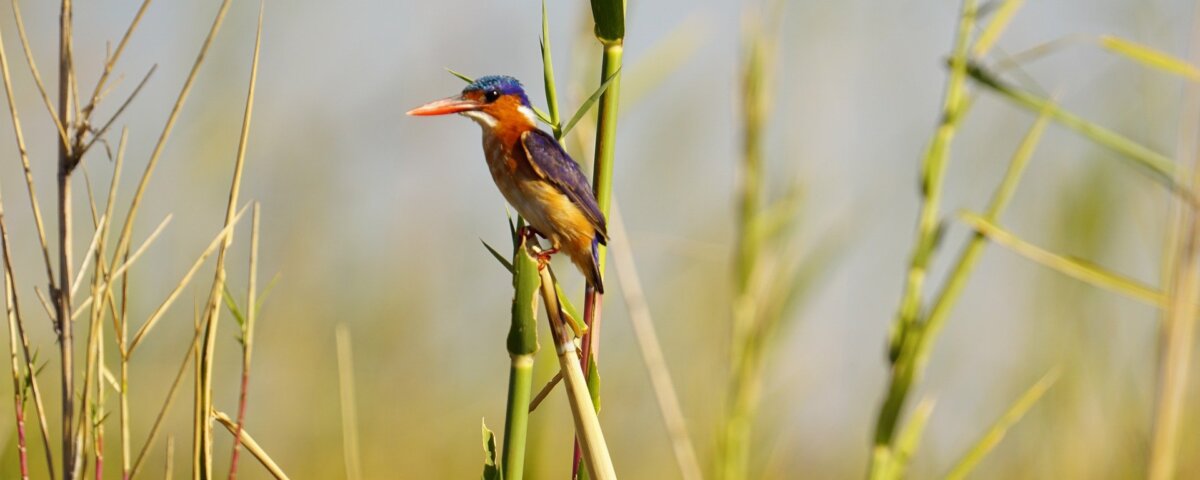
Bird Watching in Burundi
Bird watching in Burundi offers an exciting opportunity to discover the remarkable birdlife of one of East Africa’s most overlooked destinations. From the misty forests of Kibira National Park to the wetlands of Rusizi and the open landscapes of Ruvubu National Park, Burundi provides a wide range of habitats for resident birds, seasonal migrants, and rare Albertine Rift species. Moreover, the country’s small size makes it possible to explore several birding environments within one carefully planned safari. Whether you are an experienced birder, a wildlife photographer, a nature lover, or a first time visitor to Africa, Burundi offers a rewarding experience filled with beautiful landscapes and fascinating wildlife encounters. Its forests, rivers, lakes, swamps, and grasslands support many bird species that attract visitors from around the world. Bird watching in Burundi also creates an opportunity to support conservation, learn about local communities, and explore East Africa beyond its more famous safari destinations.
Burundi deserves a place on the African birding map because its natural landscapes protect a rich variety of birdlife. Furthermore, its position within the Albertine Rift gives the country special importance for bird conservation. Visitors can enjoy forest birding, wetland exploration, savanna birding, and lakeshore observation during one memorable journey. With proper planning, knowledgeable local guides, suitable equipment, and patience, birdwatchers can discover many fascinating species while enjoying the warmth of Burundi’s culture and hospitality.
Why Choose Burundi for Bird Watching?
Burundi offers a unique birdwatching experience because it brings together several important African habitats within a relatively small country. Unlike destinations where visitors must travel long distances between major birding areas, Burundi allows travelers to explore forests, wetlands, rivers, and highland landscapes through a carefully arranged itinerary. As a result, birdwatchers can enjoy a diverse safari without spending every day on the road.
The country also forms part of the Albertine Rift, a region known for its high levels of biodiversity and important mountain bird species. This geographical position gives Burundi special value for birders interested in species associated with montane forests. In addition, the country supports a strong Afrotropical bird community, including colorful turacos, sunbirds, kingfishers, weavers, herons, and many other fascinating birds.
Another advantage is the opportunity to combine birdwatching with cultural and nature experiences. Travelers can explore the shores of Lake Tanganyika, visit traditional communities, enjoy scenic highland drives, and discover the country’s national parks. Consequently, a Burundi birding safari can appeal to both dedicated birdwatchers and travelers who simply enjoy nature.
Burundi also provides a quieter alternative to some of East Africa’s more established wildlife destinations. Although birding infrastructure and access can vary between locations, this can create a more personal and exploratory experience. Visitors who approach the country with patience, realistic expectations, and a responsible travel mindset can enjoy a memorable journey through its natural treasures.
Kibira National Park: Burundi’s Premier Forest Birding Destination
Kibira National Park stands among the most important birdwatching destinations in Burundi. Located in the northwestern part of the country along the Congo Nile mountain range, the park protects a large area of montane rainforest. Its cool climate, dense vegetation, and high elevation create ideal conditions for a variety of forest birds.
The park supports more than 200 recorded bird species, making it a valuable destination for visitors interested in forest birding. Its birdlife includes turacos, hornbills, greenbuls, sunbirds, flycatchers, and several species associated with the Albertine Rift. The Great Blue Turaco is one of the most recognizable birds in the region. Its large body, colorful plumage, and distinctive call make it a memorable sight for many visitors.
Birdwatchers may also look for the Rwenzori Turaco, Rwenzori Batis, Stripe breasted Tit, and other montane forest species. However, sightings depend on the season, local conditions, and the amount of time spent in suitable habitats.
Kibira offers a rewarding experience for travelers who enjoy walking through natural forests. Early morning excursions often provide excellent opportunities to hear bird calls and observe activity around the forest canopy. In addition, the surrounding tea plantations create attractive scenery along the approach to the park.
Visitors should arrange access through appropriate park authorities and local guides. Forest trails can become slippery during rainy periods, so suitable footwear and a flexible schedule are important. Above all, birdwatchers should move quietly and avoid disturbing wildlife.
Bird Watching Around Teza Tea Plantations
The Teza tea plantations provide a scenic setting for birdwatching near Kibira National Park. Their green hills, open fields, scattered trees, and surrounding forest create a landscape that supports different bird communities. For travelers exploring Burundi’s highlands, this area can add variety to a forest focused birding itinerary.
Tea plantations do not support the same bird communities as natural forests. Nevertheless, their edges, nearby streams, patches of vegetation, and neighboring woodland can attract birds that feed in open spaces or move between habitats. Birdwatchers may encounter common highland species, insect eating birds, sunbirds, and birds that use trees and shrubs for shelter.
The area also provides an opportunity to appreciate the relationship between agriculture and biodiversity. Carefully managed landscapes can retain useful habitat features, although natural forest remains essential for species that depend on complex ecosystems. Therefore, visitors should treat tea plantations as complementary birding areas rather than replacements for protected forests.
A birdwatching visit around Teza can also offer excellent scenery. The rolling hills and neatly arranged tea fields create a beautiful backdrop for nature photography. However, travelers should respect private property and avoid entering plantation areas without permission.
For the best experience, visitors can combine the plantations with a guided excursion to Kibira National Park. This combination allows birdwatchers to explore both cultivated landscapes and natural forest. As a result, they can gain a broader understanding of Burundi’s highland environment and the bird species that live within it.
Ruvubu National Park: Exploring Burundi’s Savannah and Riverine Birdlife
Ruvubu National Park offers a different birdwatching experience from the mountain forests of Kibira. Located in northeastern Burundi, the park protects a large natural landscape along the Ruvubu River. Its open savanna, riverbanks, woodland, and floodplain habitats support a wide variety of birds and other wildlife. Consequently, Ruvubu is an important destination for visitors who want to explore Burundi’s birdlife beyond the highlands.
The park is particularly valuable for birdwatchers interested in birds of open country and riverine environments. The combination of grassland and water attracts different species throughout the year. Visitors can look for herons, storks, kingfishers, bee eaters, raptors, and other birds that use the park’s varied habitats. The surrounding vegetation also provides shelter and feeding areas for smaller birds.
Ruvubu is also known for its wildlife. Visitors may encounter antelopes, buffaloes, monkeys, and hippos during nature excursions. Although birdwatching remains the main interest for some travelers, these additional wildlife encounters make the park appealing to broader safari audiences.
The park’s size means that birdwatchers should plan their excursions carefully. A local guide can help identify productive locations and interpret the calls and behavior of different birds. In addition, visitors should allow enough time to explore without rushing between sightings.
Ruvubu National Park is particularly suitable for travelers who enjoy a combination of birdwatching, nature walks, and wildlife observation. Its diverse habitats offer a rewarding experience for anyone interested in Burundi’s natural heritage.
Rusizi National Park: Bird Watching in Burundi’s Wetlands
Rusizi National Park, located near Bujumbura, is one of the most accessible birdwatching destinations in Burundi. The park protects wetlands, river channels, floodplains, and parts of the Rusizi Delta, where the Rusizi River flows toward Lake Tanganyika. This combination of habitats attracts a wide range of waterbirds and other wildlife.
The wetlands provide suitable feeding and resting areas for birds that depend on shallow water, marsh vegetation, and riverbanks. Birdwatchers can look for herons, egrets, storks, ibises, ducks, kingfishers, and fish eagles. The African Fish Eagle is particularly exciting to observe because of its strong presence around water and its impressive calls.
Rusizi also offers opportunities to observe birds from different viewpoints. Depending on local conditions and permitted activities, visitors may explore selected areas on foot or take part in guided nature excursions. The park’s proximity to Bujumbura makes it a practical choice for travelers with limited time.
However, wetland birding requires patience. Some species remain hidden among reeds, while others appear only when feeding conditions suit them. Therefore, a quiet approach and the support of an experienced guide can improve the experience.
Rusizi is also important for the conservation of wetland habitats. These ecosystems support wildlife, protect water quality, and contribute to the wider health of the Lake Tanganyika basin. Responsible birdwatching helps visitors appreciate their value while encouraging respect for the natural environment.
Lake Rwihinda: A Special Destination for Waterbird Observation
Lake Rwihinda, also known as the Bird Lake, is an important wetland destination in northern Burundi. Its marshes, open water, and surrounding vegetation create favorable conditions for a wide range of birds. For birdwatchers, the lake provides an opportunity to explore a different ecosystem from the forests and savannas found elsewhere in the country.
Wetland birds depend on water depth, vegetation, food availability, and seasonal conditions. Consequently, the species that visitors encounter can change throughout the year. Lake Rwihinda attracts resident waterbirds as well as seasonal visitors that use the area during migration or periods of suitable feeding conditions.
Birdwatchers may look for ducks, herons, egrets, kingfishers, and other water associated species. In addition, the surrounding vegetation can support smaller birds that feed on insects, seeds, or aquatic plants. A careful observation of the lake’s edges often reveals more activity than a quick visit to the open water.
The lake also offers a peaceful setting for nature lovers. Its wetland scenery provides opportunities for photography and quiet observation. However, visitors should avoid disturbing nesting areas or approaching birds too closely.
A guided excursion can help travelers understand the ecological importance of the lake and identify species that might otherwise go unnoticed. Moreover, local knowledge can help visitors select suitable observation points according to current conditions.
Lake Rwihinda is a valuable addition to a Burundi birdwatching safari, especially for travelers who want to explore wetlands and understand the country’s wider bird diversity.
Bururi Forest Nature Reserve: Discovering Southern Burundi’s Forest Birds
Bururi Forest Nature Reserve offers another important opportunity for birdwatching in Burundi. Located in the southern highlands, this forest reserve protects a valuable area of natural vegetation. Its location within the broader Congo Nile mountain region makes it relevant for birdwatchers interested in forest species and the ecological links between different highland habitats.
The reserve supports a range of birds that depend on woodland and forest environments. Visitors may encounter greenbuls, sunbirds, flycatchers, turacos, and other species that use the forest canopy and undergrowth. The exact birds observed will depend on the location, season, and time spent in the forest.
Birdwatching in Bururi can be particularly rewarding for travelers who enjoy quiet nature walks. Unlike open wetlands, where many birds appear against a clear background, forest birding often requires careful listening. Bird calls, movement among branches, and changes in vegetation can help visitors locate birds.
A local guide can provide valuable information about the reserve’s habitats and help visitors identify birds through their calls and behavior. Furthermore, a guide can explain the importance of protecting forest ecosystems in a country where natural habitats face pressure from human activity.
Visitors should follow established access rules and avoid disturbing wildlife. They should also carry suitable clothing for changing weather conditions, particularly during cooler or rainy periods.
Bururi Forest Nature Reserve adds depth to a Burundi birding itinerary. When combined with Kibira, Rusizi, or Ruvubu, it helps travelers explore a wider range of habitats and appreciate the country’s natural diversity.
Kigwena Forest Reserve: Birding in a Tropical Forest Environment
Kigwena Forest Reserve is an interesting destination for birdwatchers exploring the western side of Burundi. Located near Lake Tanganyika, the reserve protects a tropical forest environment that differs from the cooler montane forests of Kibira. This difference in elevation and habitat creates opportunities to encounter a different selection of birds.
The forest provides shelter, feeding areas, and nesting locations for many species. Birdwatchers can explore the forest edges and suitable trails while listening for bird calls and observing movement in the vegetation. Smaller forest birds may remain difficult to see, but patience often brings rewarding encounters.
Kigwena also offers an opportunity to understand the importance of lowland forests. These habitats support biodiversity, protect soils, and help maintain ecological balance. In addition, forest vegetation can influence local water systems and provide important resources for surrounding communities.
Visitors should arrange their excursions with appropriate local guidance. They should also respect conservation rules and avoid damaging plants or disturbing nesting birds. As with other forest birding destinations, early morning visits can provide useful opportunities to observe active birds.
The reserve can form part of a broader nature itinerary that includes the Lake Tanganyika shoreline and nearby attractions. This combination allows travelers to enjoy birdwatching alongside scenic landscapes and cultural experiences.
Although Kigwena may not receive the same attention as Burundi’s larger national parks, it contributes to the country’s birding diversity. Its tropical forest setting makes it an appealing destination for visitors interested in exploring different natural environments.
Best Birds to Look for During a Burundi Birding Safari
Burundi offers many fascinating birds for visitors to observe. However, birdwatchers should choose their target species according to the habitats they plan to visit. Some birds prefer dense forest, while others live around wetlands, rivers, or open grasslands. Therefore, a carefully planned itinerary can increase the variety of species encountered.
The Great Blue Turaco is one of Burundi’s most memorable birds. Its large size, striking appearance, and distinctive call make it an exciting species for forest birdwatchers. The Rwenzori Turaco is another important bird for travelers exploring the Albertine Rift.
Wetland visitors can focus on species such as the African Fish Eagle, African Jacana, Pied Kingfisher, and different herons and egrets. These birds often use open water, marsh vegetation, and riverbanks. Meanwhile, savanna birdwatchers can look for rollers, bee eaters, weavers, and birds of prey.
Forest birdwatchers may also be interested in the Rwenzori Batis, Stripe breasted Tit, and other mountain forest species. However, these birds can be difficult to locate because they often remain within dense vegetation.
The following table provides a useful starting point for planning a birding safari.
| Bird species | Habitat to explore |
|---|---|
| Great Blue Turaco | Montane forests |
| Rwenzori Turaco | Albertine Rift forests |
| African Fish Eagle | Rivers, lakes, and wetlands |
| Pied Kingfisher | Rivers and open water |
| African Jacana | Marshes and shallow wetlands |
| Herons and Egrets | Wetlands and riverbanks |
| Rwenzori Batis | Mountain forest |
| Stripe breasted Tit | Montane forest |
| Lilac breasted Roller | Open country and savanna |
| African Paradise Flycatcher | Woodland and forest edges |
This list provides examples rather than a guarantee of sightings. Bird distribution changes with season, weather, habitat conditions, and local activity. A knowledgeable guide can help visitors focus on suitable locations and improve their chances of finding particular species.
Best Time for Bird Watching in Burundi
The best time for birdwatching in Burundi depends on the species visitors want to see and the habitats they plan to explore. The country’s climate includes wetter and drier periods, and these conditions influence bird activity, vegetation, and access to different locations.
The drier months can provide more comfortable conditions for travel and walking. Trails may become easier to navigate, and some birds may gather around water sources. However, dry weather does not automatically produce the best sightings in every habitat. Forest birds, for example, may remain active throughout the year.
The wetter months can also offer rewarding birdwatching opportunities. Rain supports vegetation growth and provides favorable conditions for insects and other food sources. Furthermore, seasonal changes can influence breeding activity and the presence of migratory birds.
International birdwatchers may also consider the arrival and departure periods of migratory species. Burundi lies within a wider East African migration system, so some birds use the country during seasonal movements. Nevertheless, migration timing can vary, and travelers should avoid expecting a particular species on a fixed date.
For a successful safari, visitors should consider both bird activity and travel conditions. They should also allow flexibility in their schedules because weather can influence access to parks and reserves.
A well planned itinerary can combine different habitats across several days. This approach gives birdwatchers more opportunities to observe resident species, seasonal visitors, and birds that use particular ecosystems at different times of the year.
Bird Watching in Burundi During the Wet and Dry Seasons
Burundi’s wet and dry seasons influence birdwatching in different ways. Therefore, travelers should understand how seasonal conditions affect bird behavior, habitat access, and travel comfort before choosing their safari dates. Both seasons can provide rewarding birding opportunities, although the experience may differ between forests, wetlands, and open landscapes.
During the drier periods, visitors may find it easier to travel between birding destinations. Roads and trails can become more manageable, especially in areas where heavy rainfall creates muddy conditions. In addition, some birds may concentrate around remaining water sources, which can make observation more productive.
The rainy periods bring their own advantages. Vegetation becomes greener, insects become more active, and many birds take advantage of favorable feeding conditions. Forest environments can become especially beautiful during this time. However, thick vegetation may make some birds harder to see, and rainfall can interrupt outdoor activities.
Migratory birds also add seasonal interest. Burundi’s location within East Africa allows it to support birds that move between different regions. Nevertheless, their arrival and departure dates can change from year to year.
Birdwatchers should not rely on a single season as the only suitable time to visit. Instead, they should match their travel dates with their main interests. Those seeking easier travel may prefer drier periods, while visitors interested in seasonal bird movements may benefit from additional planning.
Above all, flexibility remains important. A good guide can adjust the day’s activities according to weather, habitat conditions, and recent bird sightings.
Essential Equipment for Bird Watching in Burundi
The right equipment can make birdwatching in Burundi more enjoyable and productive. However, visitors do not need a large collection of expensive tools to appreciate the country’s birdlife. A few useful items, combined with patience and good observation skills, can support a rewarding experience.
Binoculars are among the most important items for birdwatchers. They help visitors observe birds at a distance without disturbing them. A comfortable pair with clear optics can make it easier to identify birds in forests, wetlands, and open landscapes.
A bird identification guide can also be useful. Visitors may choose a printed guide or a suitable offline bird identification application. Since internet access can vary in remote areas, downloading useful information before traveling can help.
A notebook allows birdwatchers to record species, locations, dates, and observations. These notes can become valuable memories of the safari and help visitors improve their identification skills. Furthermore, recording bird calls and behavior can support learning after the trip.
Suitable clothing is also important. Lightweight clothing, comfortable walking shoes, and rain protection can help visitors manage changing weather conditions. Forest trails may become slippery, while open wetlands can expose visitors to strong sunlight.
A small backpack can carry drinking water, snacks, a notebook, and other personal items. Travelers should also follow local guidance regarding equipment and park regulations.
Most importantly, birdwatchers should use their equipment responsibly. They should avoid loud noises, unnecessary disturbance, and attempts to approach birds too closely. Good birding depends on respect for wildlife as much as it depends on observation skills.
The Role of Local Guides in Burundi Birding Safaris
Local guides play an important role in making birdwatching in Burundi more rewarding. Their knowledge of habitats, bird calls, seasonal patterns, and local conditions can help visitors discover species that they might otherwise overlook. In addition, guides can explain the cultural and environmental importance of the areas that travelers explore.
Forest birding often requires a trained ear. Many birds remain hidden within thick vegetation, and their calls may provide the first clue to their presence. A knowledgeable guide can recognize these sounds and help visitors locate the birds without disturbing them.
Guides can also help travelers select suitable birding locations. For example, a visitor interested in mountain forest species may benefit from spending more time around Kibira. Meanwhile, someone who prefers waterbirds may focus on Rusizi or Lake Rwihinda.
Local knowledge becomes particularly valuable when weather conditions change. Guides can help adjust the itinerary, recommend alternative observation areas, and explain access requirements. This flexibility can improve the overall experience.
Furthermore, using local guides supports the communities connected to tourism. Responsible birding can create income opportunities for guides, drivers, accommodation providers, and other service workers. Consequently, tourism can contribute to local livelihoods while increasing awareness of conservation.
Visitors should choose guides who respect wildlife, follow park rules, and encourage responsible behavior. They should also communicate their interests before the safari begins.
A good birding guide does more than identify species. They help travelers understand the environment, appreciate local knowledge, and develop a deeper connection with Burundi’s natural heritage.
Planning a Burundi Bird Watching Safari
Planning a successful Burundi birdwatching safari begins with identifying the habitats and bird species that interest you most. Since the country offers forests, wetlands, savanna, and lakeshore environments, a clear plan can help visitors use their time effectively.
Travelers with a strong interest in Albertine Rift birds may prioritize Kibira National Park and other suitable forest reserves. Those interested in waterbirds can include Rusizi National Park and Lake Rwihinda. Meanwhile, Ruvubu National Park offers opportunities to explore riverine and savanna habitats.
The length of the safari also matters. A short visit may focus on one or two destinations, while a longer journey can include several regions. Visitors should avoid trying to cover too many locations in a limited period. Instead, allowing sufficient time at each site can improve the quality of birdwatching.
Accommodation and transport require careful planning. Travelers should consider the distance between destinations, road conditions, park access, and the time needed for early morning excursions. In addition, visitors should confirm the availability of guides and any required permissions before arrival.
Birdwatchers should also prepare for changing conditions. Weather can affect travel schedules, while certain species may remain difficult to locate. A flexible itinerary allows visitors to respond to these challenges without losing the enjoyment of the trip.
A professional safari planner can help coordinate transport, accommodation, guided excursions, and suitable routes. This support can be especially useful for international visitors who are unfamiliar with Burundi.
Ultimately, a successful birding safari depends on preparation, patience, and realistic expectations. The goal should be to enjoy the country’s birdlife while respecting the places and communities that make the experience possible.
Responsible Bird Watching and Bird Conservation in Burundi
Responsible birdwatching helps protect the birds and habitats that make Burundi an attractive nature destination. Every visitor has a role in reducing disturbance and supporting conservation. By following simple principles, birdwatchers can enjoy wildlife while helping preserve the environment for future generations.
First, visitors should remain on approved trails and follow the instructions of park guides. Leaving established paths can damage vegetation, disturb nesting areas, and affect sensitive habitats. In addition, birdwatchers should avoid loud noises that may interrupt feeding, resting, or breeding behavior.
Photography also requires care. Travelers should never chase birds, disturb nests, or attempt to force a bird into view. A respectful distance allows birds to behave naturally and reduces unnecessary stress. Furthermore, visitors should avoid using recorded bird calls unless local rules and responsible birding guidance allow them.
Waste management is another important responsibility. Travelers should carry their rubbish out of natural areas and avoid leaving plastic, food wrappers, or other waste behind. Wetlands and forests need particular care because pollution can affect wildlife and water quality.
Supporting local conservation efforts can also make a positive difference. Visitors can choose responsible tourism providers, use local guides, and respect community rules. These choices help create economic opportunities while encouraging the protection of natural habitats.
Burundi’s forests, wetlands, and savanna ecosystems face different environmental pressures. Responsible tourism cannot solve every conservation challenge, but it can help raise awareness and support local efforts.
Birdwatching offers a valuable opportunity to understand nature. When visitors observe birds respectfully, they contribute to a tourism experience that values wildlife, local communities, and the long term health of Burundi’s environment.
Combining Bird Watching with Other Burundi Nature Experiences
Bird watching in Burundi can become even more rewarding when visitors combine it with other nature and cultural experiences. The country offers scenic landscapes, freshwater environments, forests, and highland communities that create opportunities for a varied safari.
Lake Tanganyika is one of the most impressive natural attractions in Burundi. Its shoreline provides a beautiful setting for relaxation, photography, and nature observation. Travelers can enjoy the lake’s scenery while learning about its ecological importance. However, birdwatchers should explore suitable areas with local guidance and respect wildlife habitats along the shore.
The highlands also offer beautiful landscapes. Visitors traveling toward Kibira National Park can enjoy views of rolling hills and tea plantations. These scenic areas provide opportunities to appreciate Burundi’s countryside while moving between birding destinations.
Cultural experiences can add further depth to the journey. Travelers may learn about traditional music, local food, crafts, and community life. Such experiences help visitors understand the people and traditions that shape Burundi’s identity.
Nature lovers may also combine birdwatching with visits to selected waterfalls, forest reserves, and other protected areas. Nevertheless, the itinerary should remain realistic. Birdwatchers often benefit from spending more time in a suitable habitat rather than rushing between attractions.
Combining birding with other experiences can appeal to travelers who do not identify as dedicated birdwatchers. Families, photographers, nature enthusiasts, and cultural travelers can all enjoy a carefully designed journey.
This approach also supports a broader appreciation of Burundi. The country’s natural beauty does not depend on one attraction. Instead, its forests, lakes, wildlife, and communities create a meaningful travel experience that encourages visitors to explore with curiosity and respect.
Suggested Bird Watching Itinerary in Burundi
A carefully planned itinerary can help visitors explore Burundi’s major birding habitats without rushing. The following example provides a flexible starting point for a nature focused journey. Travelers should adjust the route according to their interests, local access conditions, and the availability of guides.
A six day itinerary can provide a useful balance between forest birding, wetland exploration, and savanna observation.
Day 1: Arrival in Bujumbura
Arrive in Bujumbura and settle into your accommodation. Depending on arrival time, enjoy a relaxed introduction to the city and the surrounding landscape. Prepare your birding equipment and review your target species with your guide.
Day 2: Rusizi National Park
Spend the morning exploring Rusizi National Park. Focus on wetland habitats, river channels, and suitable observation points. Look for waterbirds, kingfishers, herons, and other species associated with the delta. Enjoy a relaxed afternoon and prepare for the next stage of the journey.
Day 3: Travel Toward Kibira National Park
Travel toward the northwestern highlands. Enjoy the changing landscape and the scenic tea plantations around Teza. Depending on access and timing, include a suitable birding excursion near the forest.
Day 4: Kibira National Park
Spend the day exploring Kibira’s montane forest. Focus on forest bird calls, canopy activity, and species associated with the Albertine Rift. Allow enough time for quiet observation and photography.
Day 5: Ruvubu National Park
Travel toward northeastern Burundi and explore Ruvubu National Park. Focus on savanna, riverine, and open country habitats. Look for birds associated with grasslands and water systems while enjoying the park’s wider wildlife.
Day 6: Return and Departure
Depending on flight arrangements, return toward Bujumbura or continue to another suitable destination. Allow enough time for travel and any necessary departure preparations.
This itinerary offers a broad introduction to Burundi’s birdlife. A longer safari can include Lake Rwihinda, Bururi Forest Nature Reserve, and Kigwena Forest Reserve. The final route should reflect current access conditions and the visitor’s main birding interests.
Bird Watching in Burundi: A Memorable African Nature Experience
Bird watching in Burundi offers a wonderful opportunity to explore the natural beauty and wildlife diversity of East Africa. From the mountain forests of Kibira National Park to the wetlands of Rusizi and the river landscapes of Ruvubu, the country provides a remarkable range of habitats for birdwatchers. Furthermore, its position within the Albertine Rift makes it an important destination for travelers interested in forest birds and regional biodiversity.
Burundi also offers more than bird sightings. Visitors can enjoy scenic highlands, explore Lake Tanganyika, discover local cultures, and learn about the importance of conservation. With the support of knowledgeable guides and a carefully planned itinerary, travelers can experience the country at a comfortable pace while discovering its natural treasures.
For international visitors, Burundi provides an opportunity to explore a less familiar part of Africa and appreciate its unique birdlife. Responsible tourism can also support local communities and encourage the protection of important habitats.
At Giant Holiday Safaris, we believe that meaningful African travel begins with reliable information, thoughtful planning, and respect for nature. Bird watching in Burundi deserves greater recognition among Africa’s nature experiences, and the country offers an exciting opportunity for birdwatchers, wildlife enthusiasts, and travelers seeking an authentic East African adventure.