10 Days Uganda – Rwanda & Burundi Safari Tour
November 11, 2026
Burundi and Uganda Safaris
November 11, 2026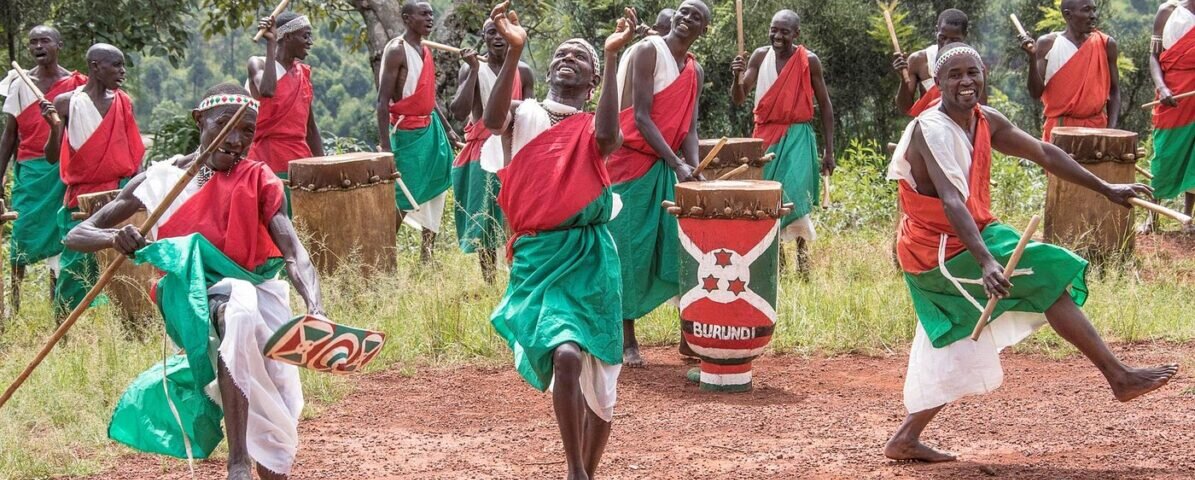
Burundi and Rwanda Safaris
Burundi and Rwanda safaris offer an unforgettable opportunity to explore two beautiful East African countries through wildlife encounters, breathtaking landscapes, rich cultural traditions, scenic lakes, mountain adventures and authentic African experiences. Although Rwanda and Burundi share a border, each country offers a different travel experience. Rwanda attracts visitors with its famous mountain gorillas, golden monkeys, beautiful national parks, clean cities and remarkable conservation achievements. Meanwhile, Burundi welcomes travellers with peaceful lakeshores, traditional drumming, historical attractions, rolling hills, beautiful waterfalls and a rich cultural heritage.
Together, these neighbouring destinations create an exciting safari combination for international travellers who want to discover more of East Africa beyond the traditional wildlife circuits. Rather than concentrating on one destination, visitors can experience the natural beauty and cultural identity of both countries during one carefully planned holiday. Furthermore, their geographical location makes it possible to combine Rwanda and Burundi with other East African destinations, including Uganda, Tanzania and Kenya.
Whether you are planning a wildlife holiday, a cultural discovery, a romantic escape, a photography adventure or an extended East African journey, Burundi and Rwanda safaris offer something memorable. You can explore the mountain forests of northern Rwanda, enjoy the peaceful shores of Lake Tanganyika, discover the traditional heritage of Gitega and experience the exciting wildlife of Akagera National Park. Additionally, you can enjoy scenic road journeys through green hills, visit local communities and discover the everyday traditions that make these countries special.
At Giant Holiday Safaris, we recognise that a successful African safari involves more than visiting famous attractions. It requires thoughtful planning, knowledgeable local guides, comfortable transportation, suitable accommodation and meaningful interactions with destinations and communities. Therefore, exploring Burundi and Rwanda together provides an excellent opportunity to discover two distinctive African cultures while enjoying the natural beauty of the Great Lakes region.
Why Choose Burundi and Rwanda for Your Next African Safari?
Choosing Burundi and Rwanda for your next African safari allows you to experience two neighbouring destinations with different attractions, landscapes and cultural identities. These countries offer an interesting combination of nature, wildlife, history, adventure and authentic African hospitality. Moreover, their relatively small geographical size makes it possible to explore several attractions within a carefully organised itinerary.
Rwanda offers excellent opportunities for wildlife enthusiasts. Visitors can explore Volcanoes National Park, where mountain gorillas live within the protected Virunga Mountain ecosystem. The country also features Akagera National Park, which provides opportunities to encounter elephants, lions, giraffes, zebras, buffaloes and several antelope species. In addition, Nyungwe National Park offers remarkable rainforest experiences, including chimpanzee tracking, birdwatching and canopy walks.
Burundi, on the other hand, provides a more culturally focused travel experience. Its beautiful landscapes include Lake Tanganyika, the Rusizi River, Karera Falls and the green hills surrounding Gitega and Bujumbura. Traditional drumming, historical landmarks, local markets and community experiences also provide opportunities to understand the country’s identity.
Furthermore, combining these destinations creates a balanced holiday. You can spend several days discovering Rwanda’s national parks before travelling south into Burundi for cultural activities and relaxing lakeside experiences.
Another important advantage involves the opportunity to experience less familiar destinations. Many international travellers concentrate on Tanzania, Kenya and Uganda when planning an East African holiday. However, Rwanda and Burundi offer additional experiences that can make a regional safari more diverse.
For travellers who value cultural discovery alongside nature, these two countries deserve a place on their East African travel plans.
Understanding the Geography of Burundi and Rwanda
Understanding the geography of Burundi and Rwanda helps visitors appreciate how these destinations complement each other. Both countries belong to the African Great Lakes region and share landscapes shaped by mountains, valleys, forests, rivers and freshwater lakes. However, their geographical features create different opportunities for tourism and adventure.
Rwanda lies in the heart of East Africa and shares international borders with Uganda, Tanzania, Burundi and the Democratic Republic of Congo. Its nickname, the Land of a Thousand Hills, reflects its beautiful rolling landscapes. Much of the country features green hills, fertile valleys, volcanic mountains and freshwater lakes. These geographical features support different ecosystems, including tropical rainforests, savannah grasslands and wetlands.
Burundi lies south of Rwanda and shares borders with Tanzania, Rwanda and the Democratic Republic of Congo. Lake Tanganyika forms an important part of its western landscape. The lake provides beautiful beaches, fishing communities, boat experiences and opportunities to relax along the shoreline. Burundi also features mountains, highland areas, forests and fertile agricultural landscapes.
The geographical proximity of these countries makes cross border travel an attractive option. Travellers can explore Kigali before continuing towards southern Rwanda and entering Burundi through an appropriate international border crossing.
However, road distances and journey times depend on the chosen route, border procedures and traffic conditions. Therefore, a professional itinerary should account for travel time, immigration requirements and suitable overnight stops.
Most importantly, the landscapes themselves become part of the adventure. Travellers enjoy changing scenery, traditional settlements, cultivated hillsides and beautiful views throughout their journey.
Top Tourist Attractions to Explore During Rwanda Safaris
Rwanda offers several remarkable tourist attractions that appeal to wildlife enthusiasts, nature lovers, photographers and cultural travellers. Its tourism industry places considerable emphasis on conservation, responsible travel and high quality visitor experiences. Consequently, visitors can explore different parts of the country while learning about its natural heritage and cultural development.
One of Rwanda’s greatest attractions is Volcanoes National Park. Located in the northwestern part of the country, this protected area forms part of the Virunga Mountains and provides a habitat for endangered mountain gorillas. Gorilla trekking remains one of the country’s most recognised tourism experiences. Visitors can also enjoy golden monkey tracking, guided nature walks and volcano hiking opportunities.
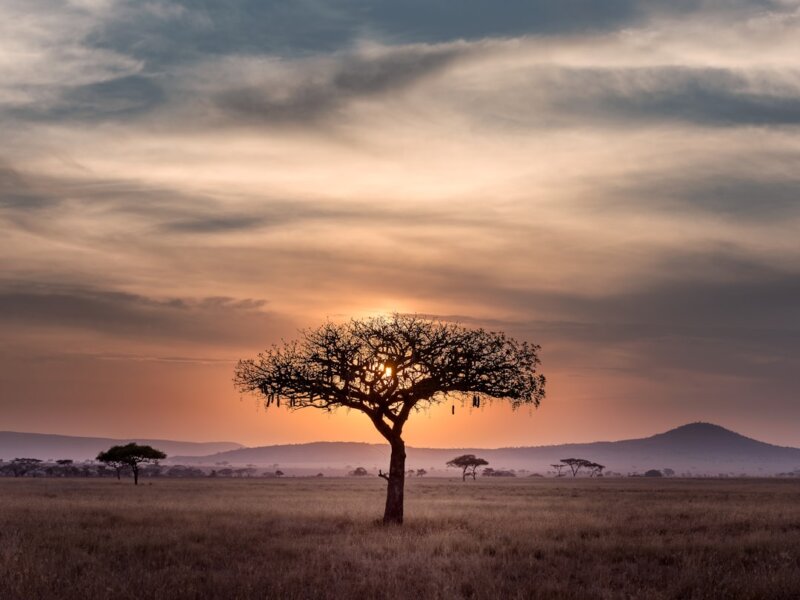
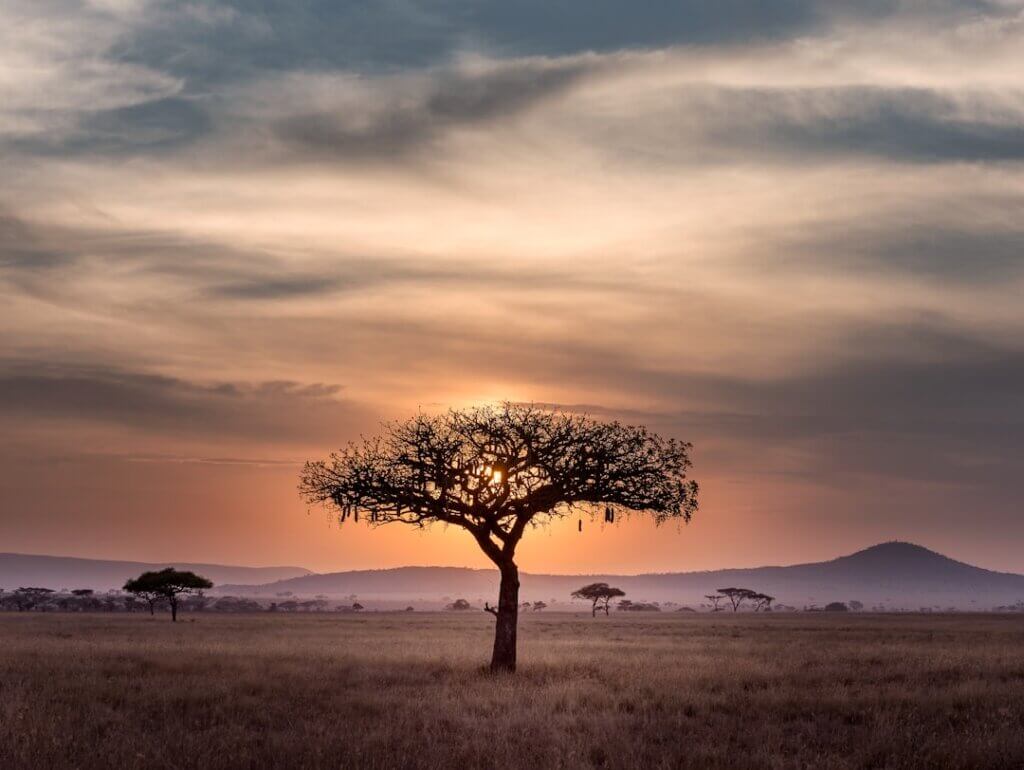
Akagera National Park offers a different experience through its open savannah landscapes, wetlands, lakes and woodland habitats. The park supports several iconic African wildlife species, making it an excellent destination for traditional game drives and boat safaris.
Nyungwe National Park attracts visitors with its extensive montane rainforest, rich biodiversity and exciting primate experiences. Chimpanzee tracking and the canopy walkway provide particularly memorable opportunities to explore the forest.
Meanwhile, Lake Kivu offers a relaxing environment for travellers who want to enjoy beautiful water views, lakeside accommodation and outdoor activities.
Kigali also deserves attention. The capital provides cultural experiences, historical attractions, restaurants, local markets and opportunities to understand modern Rwanda.
Combining these attractions creates a rewarding safari that highlights the country’s natural beauty, wildlife conservation and cultural heritage.
Mountain Gorilla Trekking in Volcanoes National Park
Mountain gorilla trekking is one of the most extraordinary wildlife experiences available during Rwanda safaris. Volcanoes National Park protects part of the endangered mountain gorilla population that lives within the Virunga Mountains. The park features volcanic slopes, bamboo forests, thick vegetation and beautiful mountain scenery.
The experience begins with an early morning briefing at the park headquarters. During this session, park officials explain trekking guidelines, conservation requirements and visitor responsibilities. Travellers then join experienced park guides and trackers who lead them into the forest to search for an assigned gorilla family.
The length and difficulty of the trek depend on the gorillas’ location and movement. Some groups remain relatively close to the starting point, while others move deeper into the forest. Therefore, visitors should prepare for changing terrain, uneven paths and different walking conditions.
Once visitors locate the gorilla family, they normally spend one hour observing the animals under the established conservation rules. This time provides an opportunity to appreciate their social behaviour, family relationships and natural activities.
Furthermore, gorilla trekking contributes to conservation through tourism revenue, employment and community development initiatives. The protection of mountain gorillas also supports the preservation of their natural habitat.
Travellers should secure permits well in advance, especially when planning to visit during popular travel seasons. Rwanda applies specific permit conditions, age requirements and visitor regulations. Therefore, checking the latest official requirements before confirming a safari remains important.
Golden Monkey Tracking in Rwanda
Golden monkey tracking provides another exciting wildlife experience in Volcanoes National Park. These attractive primates live within the bamboo forests of the Virunga Mountains and attract visitors through their playful behaviour, social interactions and distinctive golden orange markings.
Unlike mountain gorillas, golden monkeys often move quickly through the forest and spend much of their time feeding, climbing and jumping between bamboo stems. Their lively movements create excellent opportunities for wildlife photography, although visitors need patience when observing them.
The experience usually begins with a morning briefing before visitors enter the forest with trained guides and trackers. The team follows known golden monkey groups and helps visitors understand their feeding habits, movement patterns and forest environment.
Golden monkey tracking generally involves walking through bamboo vegetation and forest trails. However, the exact conditions depend on where the monkeys spend the night and where the group moves during the morning.
This experience works particularly well for travellers who want to combine different primate encounters during one Rwanda safari. Visitors can arrange mountain gorilla trekking on one day and golden monkey tracking on another.
Additionally, the activity introduces travellers to the importance of protecting the Virunga ecosystem. The survival of golden monkeys depends on healthy forest habitats, responsible tourism and continued conservation efforts.
For visitors interested in primates, photography and mountain forest adventures, golden monkey tracking adds another valuable experience to a Rwanda safari.
Akagera National Park Wildlife Safaris
Akagera National Park offers one of the best opportunities to enjoy traditional African wildlife safaris in Rwanda. Located in the eastern part of the country, the park features open grasslands, rolling hills, woodland areas, wetlands and several lakes.
Its varied habitats support a remarkable range of wildlife species. Visitors can encounter elephants, lions, buffaloes, giraffes, zebras, hippos, crocodiles and different antelope species. The park also provides excellent opportunities for birdwatching, with numerous resident and migratory bird species.
Game drives remain among the most popular activities in Akagera. Morning drives offer opportunities to search for wildlife when animals remain active in the cooler hours. Afternoon drives provide another chance to explore different sections of the park while enjoying the beautiful scenery.
Boat safaris on Lake Ihema create a different wildlife experience. Visitors can observe hippos, crocodiles and waterbirds along the shoreline. The surrounding wetlands also provide an important habitat for different bird species.
Akagera’s conservation story adds another interesting dimension to the experience. The park has undergone significant restoration and wildlife management efforts, helping strengthen its position as an important conservation area in Rwanda.
Travellers can spend one or two nights near the park to enjoy a more relaxed experience. Comfortable lodges and camps provide suitable accommodation for different budgets.
For visitors who want to combine gorilla trekking with classic African wildlife viewing, Akagera National Park creates an excellent addition to their Rwanda itinerary.
Nyungwe National Park and Chimpanzee Tracking
Nyungwe National Park is one of Rwanda’s most important rainforest destinations. Located in the southwestern part of the country, the park protects an extensive montane forest ecosystem that supports remarkable biodiversity.
The forest provides habitat for chimpanzees, several monkey species, forest birds, butterflies and many plant species. Its rich natural environment makes it an excellent destination for travellers interested in primate encounters, birdwatching and rainforest exploration.
Chimpanzee tracking stands among the park’s main tourism activities. Visitors begin early in the morning and join experienced guides who lead them through the forest to locate habituated chimpanzee communities.
Unlike some other primate experiences, chimpanzees often move quickly through the trees and across the forest floor. Therefore, tracking can involve considerable walking, depending on the group’s location.
Nyungwe also offers the famous canopy walkway, which allows visitors to experience the forest from an elevated perspective. The suspended walkway provides beautiful views across the forest canopy and surrounding hills.
Furthermore, guided nature walks introduce visitors to the forest’s plant life, ecological importance and conservation value.
Birdwatchers also appreciate Nyungwe because the forest supports numerous bird species, including several regional Albertine Rift endemics.
A visit to Nyungwe creates a different experience from the open savannah landscapes of Akagera. Instead of searching for large mammals across grasslands, visitors explore a dense rainforest environment filled with smaller wildlife and fascinating natural details.
Lake Kivu and Relaxation Experiences in Rwanda
Lake Kivu provides a beautiful setting for relaxation during Rwanda safaris. Located along Rwanda’s western border with the Democratic Republic of Congo, this freshwater lake features scenic shorelines, green hills, small islands and peaceful lakeside communities.
Rubavu, commonly associated with Gisenyi, is one of the most popular places to enjoy Lake Kivu. The area offers lakeside accommodation, beaches, restaurants and opportunities to experience the local lifestyle.
Visitors can enjoy boat excursions, kayaking, lakeside walks and beautiful sunset views. These activities provide a relaxing contrast to the more physically demanding experiences of gorilla trekking and chimpanzee tracking.
The lake also supports local fishing communities whose traditional activities form an important part of the surrounding economy. Travellers can learn about local fishing traditions and appreciate the relationship between communities and the lake.
Karongi and Rusizi provide additional opportunities to explore different sections of the shoreline. Each destination offers a slightly different atmosphere, making Lake Kivu suitable for travellers who want to spend more time enjoying Rwanda’s natural scenery.
Accommodation ranges from comfortable hotels to luxury lakeside properties. Consequently, visitors can select options that match their budgets and travel preferences.
Including Lake Kivu in a safari also creates an opportunity to slow down and enjoy the journey. After several days of wildlife activities, spending time beside the water provides a welcome opportunity to relax.
Kigali City Tours and Cultural Experiences
Kigali offers an interesting introduction to Rwanda’s culture, history and modern development. The capital city sits among beautiful green hills and provides visitors with opportunities to explore historical attractions, cultural institutions, local markets and contemporary urban life.
A Kigali city tour can include the Kigali Genocide Memorial, which provides an important place for remembrance, education and reflection on the 1994 Genocide against the Tutsi. Visitors should approach this experience with respect because it represents a significant and painful chapter in Rwanda’s history.
The city also features art galleries, cultural centres, craft markets and restaurants where visitors can discover Rwandan traditions and contemporary creativity.
Kimironko Market provides an opportunity to experience everyday commercial life. Travellers can explore locally produced goods, fabrics, fresh produce and handmade crafts while interacting with local traders.
Inema Arts Centre offers another interesting cultural experience through contemporary African art and creative expression.
Furthermore, Kigali’s restaurants introduce visitors to Rwandan dishes and international cuisine. Travellers can enjoy local meals while learning more about the country’s food culture.
Kigali also serves as an important starting point for safaris to Volcanoes National Park, Akagera National Park and Nyungwe National Park.
Many international travellers arrive through Kigali International Airport before continuing to other parts of Rwanda or crossing into Burundi.
Including a city tour at the beginning or end of a safari helps visitors appreciate Rwanda beyond its national parks.
Top Tourist Attractions to Explore During Burundi Safaris
Burundi offers a distinctive travel experience through its natural landscapes, cultural traditions, historical attractions and welcoming communities. Although the country remains less visited than some of its East African neighbours, it provides several interesting opportunities for travellers seeking authentic experiences.
Bujumbura, the commercial centre and largest city, offers access to Lake Tanganyika, local markets, restaurants and important cultural attractions. Visitors can enjoy lakeside experiences, explore the city and learn about Burundi’s history.
Gitega, the political capital, provides a different atmosphere. The city features historical attractions, cultural institutions and opportunities to understand traditional Burundian heritage. It also provides access to important cultural experiences, including the famous Gishora Drum Sanctuary.
Nature lovers can explore Karera Falls, a beautiful collection of waterfalls surrounded by green vegetation and scenic landscapes. The Rusizi River also provides opportunities for nature excursions and birdwatching.
Lake Tanganyika remains one of the country’s greatest natural attractions. Its beaches, fishing communities and beautiful sunsets create excellent opportunities for relaxation.
Kibira National Park attracts visitors interested in forest exploration, birdwatching and nature walks. Meanwhile, the southern highlands offer beautiful countryside scenery and opportunities to discover rural communities.
Burundi’s attractions work particularly well for cultural travellers, photographers, adventure enthusiasts and visitors who want to explore destinations beyond the usual African safari routes.
Combining these experiences creates a well rounded Burundi safari that highlights the country’s natural beauty and cultural identity.
Lake Tanganyika and Its Beautiful Shores
Lake Tanganyika is one of Burundi’s most important natural attractions and a major highlight of many Burundi safaris. The lake forms part of the African Great Lakes system and stretches across Burundi, Tanzania, the Democratic Republic of Congo and Zambia.
Its impressive size, clear waters and beautiful shoreline create an excellent setting for relaxation and outdoor adventures. The Burundian side offers opportunities to enjoy beaches, boat excursions, fishing experiences and lakeside accommodation.
Visitors can spend time along the shoreline, enjoy local seafood and appreciate the peaceful atmosphere surrounding the water. The lake also supports numerous fishing communities whose livelihoods depend on its natural resources.
For travellers arriving in Bujumbura, the lakeside provides a convenient place to relax after international travel or an extended road journey.
Sunset experiences are particularly enjoyable because the surrounding landscape creates beautiful photographic opportunities. Travellers can also learn about the importance of fishing traditions and the role of the lake in local communities.
Lake Tanganyika supports remarkable aquatic biodiversity, including many fish species found nowhere else. This makes the lake particularly interesting to nature enthusiasts and researchers.
However, visitors should always follow local guidance when swimming or participating in water activities. Conditions can vary depending on the location and weather.
Including Lake Tanganyika in a Burundi safari creates a relaxing experience that complements the country’s cultural attractions and inland adventures.
Rusizi National Park and River Experiences
Rusizi National Park provides an interesting nature experience close to Bujumbura. The protected area features wetlands, river channels, grasslands and vegetation that support different wildlife species.
The Rusizi River forms an important part of the park’s ecosystem. It flows towards Lake Tanganyika and creates habitats for hippos, crocodiles, waterbirds and other wildlife.
One of the most interesting activities involves exploring the river environment through guided excursions. Depending on current local arrangements, visitors can enjoy boat experiences and observe wildlife along suitable sections of the waterway.
Birdwatching also provides an important attraction. The wetlands support different resident and migratory birds, making the area valuable for nature enthusiasts and photographers.
The park’s location makes it convenient for visitors staying in Bujumbura. Travellers can arrange a half day excursion and combine it with other city attractions.
Rusizi National Park also demonstrates the importance of protecting wetlands. These ecosystems support biodiversity, help regulate water systems and provide valuable resources for surrounding communities.
Visitors should follow the instructions of local guides and park authorities throughout their visit. Responsible behaviour helps protect wildlife and supports sustainable tourism.
For travellers who want to experience Burundi’s natural environment without travelling far from the city, Rusizi National Park provides a rewarding opportunity.
Gishora Drum Sanctuary and Traditional Burundian Drumming
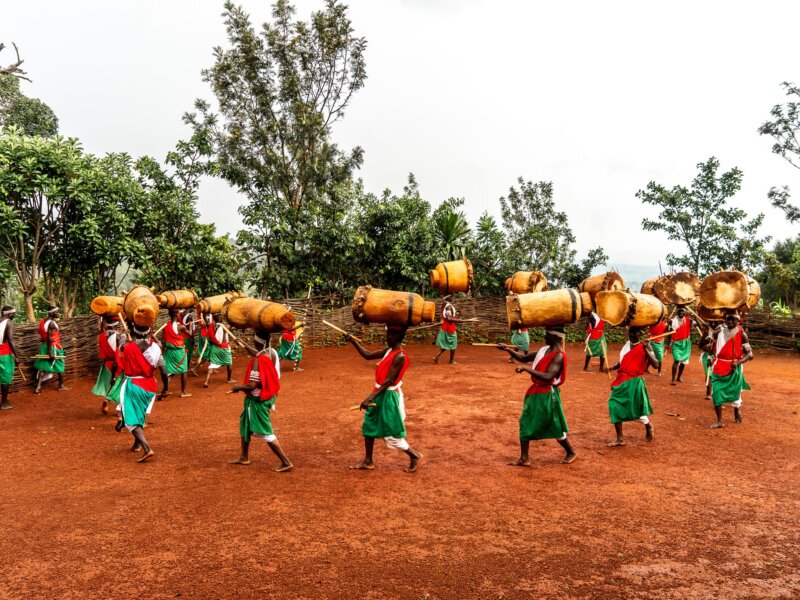
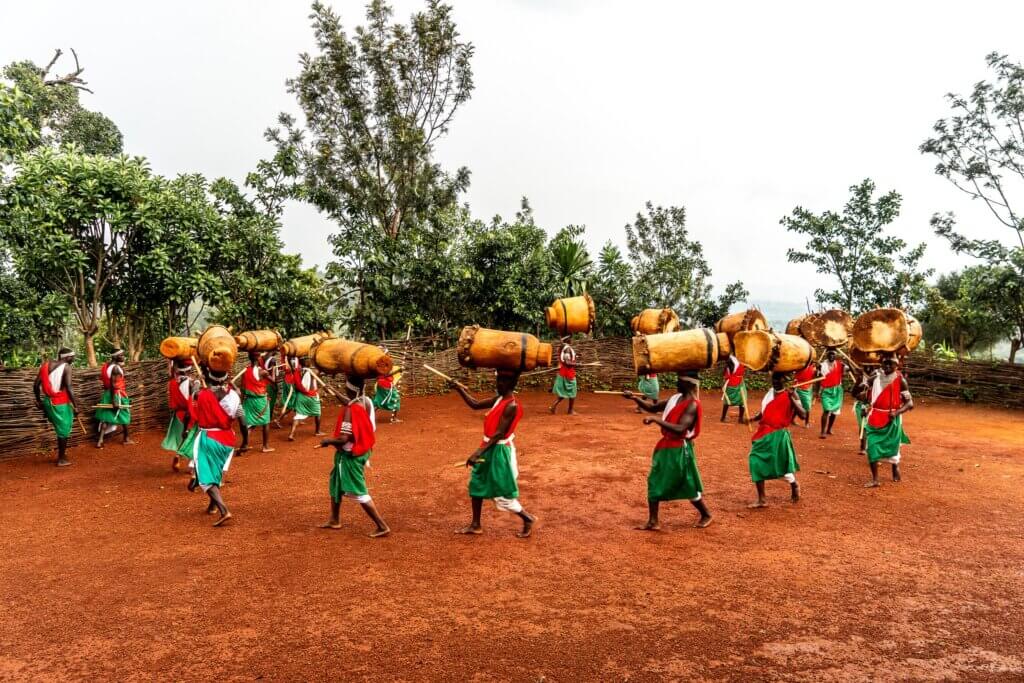
Gishora Drum Sanctuary is one of the most important cultural attractions in Burundi. Located near Gitega, the sanctuary celebrates the country’s famous royal drumming tradition, which holds a special place in Burundian cultural heritage.
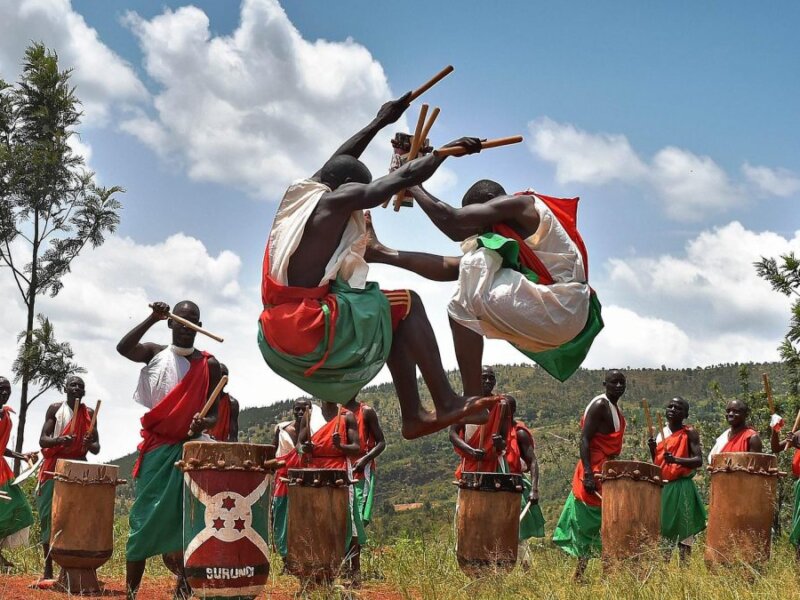
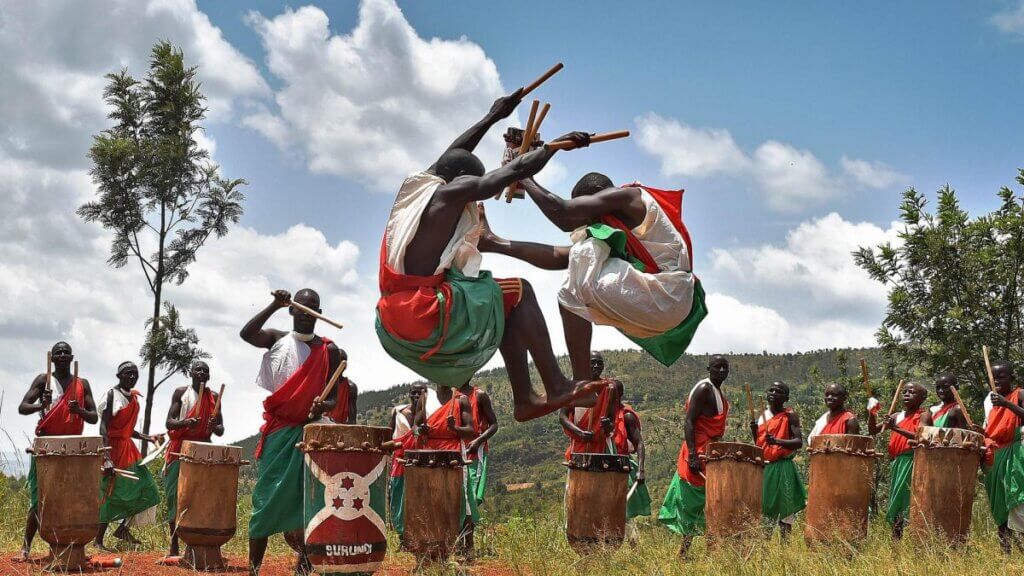
Traditional Burundian drums represent more than musical instruments. They reflect historical identity, community unity, cultural expression and important royal traditions. Their powerful rhythms and coordinated performances create an unforgettable experience for visitors.
During a visit, travellers can learn about the history of traditional drumming, the cultural significance of the instruments and the skills required to perform the music.
The drummers perform coordinated movements while carrying and playing large traditional drums. Their energetic presentation combines rhythm, physical movement and cultural storytelling.
Visitors also have opportunities to learn about the craftsmanship involved in making traditional drums. These instruments require specialised knowledge and materials, making their production an important cultural skill.
Gishora offers more than entertainment. It provides an opportunity to appreciate Burundi’s living heritage and understand how traditional practices continue to influence cultural identity.
For international travellers, this experience creates a meaningful connection with the destination. It also supports cultural preservation and provides opportunities for local performers and communities.
Including Gishora Drum Sanctuary in a Burundi and Rwanda safari creates an excellent balance between wildlife encounters and cultural discovery.
Gitega City and Burundi’s Cultural Heritage
Gitega is an important destination for visitors interested in understanding Burundi’s history and cultural identity. Located in the central highlands, the city serves as the country’s political capital and offers access to several cultural attractions.
One of its most important attractions is the National Museum of Gitega. The museum preserves historical objects, traditional materials and cultural exhibits that introduce visitors to different aspects of Burundian heritage.
Travellers can explore traditional household items, historical artefacts and displays connected to the country’s social and cultural development.
The city also provides access to Gishora Drum Sanctuary, which remains one of Burundi’s most recognised cultural experiences.
Beyond its museums and historical attractions, Gitega offers beautiful surrounding landscapes. The countryside features green hills, agricultural communities and scenic roads that provide opportunities for photography.
Visitors can also experience local markets and interact with residents while learning about everyday life in Burundi.
For travellers arriving from Rwanda, Gitega provides an interesting destination after crossing into Burundi. It can also serve as an overnight stop during a longer journey towards Bujumbura or other southern attractions.
A visit to Gitega helps travellers understand that Burundi’s tourism appeal extends beyond natural scenery. Its history, traditions and cultural institutions provide important insights into the country’s identity.
Karera Waterfalls and Burundi’s Natural Beauty
Karera Waterfalls rank among Burundi’s most beautiful natural attractions. Located in the southeastern part of the country, the waterfalls feature several cascading sections surrounded by green vegetation and scenic countryside.
The area provides an excellent opportunity for travellers who enjoy nature photography, outdoor exploration and peaceful natural environments.
Visitors can explore suitable walking paths around the waterfalls and appreciate the movement of water across the rocky landscape. The surrounding vegetation creates a refreshing atmosphere, especially during periods of good water flow.
Karera also provides opportunities to understand Burundi’s natural geography. The waterfalls form part of a wider landscape shaped by hills, streams and fertile agricultural areas.
Local guides can help visitors understand the attraction’s surroundings and identify suitable viewpoints. Their knowledge also supports a more meaningful experience because travellers gain information about the local environment.
The journey to Karera Waterfalls can form part of a wider Burundi countryside excursion. Depending on the itinerary, travellers can combine the visit with other cultural or natural attractions.
Visitors should wear comfortable walking shoes and follow local guidance, particularly when exploring areas near flowing water or slippery rocks.
Karera Waterfalls add an adventurous element to Burundi safaris and provide an excellent alternative to traditional city sightseeing.
Kibira National Park and Forest Adventures in Burundi
Kibira National Park is one of Burundi’s most important protected natural areas. Located in the northwestern highlands, the park protects montane rainforest habitats that support a variety of wildlife and plant species.
The forest forms part of a wider ecosystem extending towards Rwanda’s Nyungwe forest region. This connection highlights the ecological importance of conserving natural habitats across international borders.
Kibira attracts travellers interested in guided forest walks, birdwatching and nature photography. Its dense vegetation provides habitat for different primates, forest birds, butterflies and other wildlife.
Nature walks offer opportunities to explore the forest while learning about its ecological importance. Experienced local guides help visitors understand the vegetation, wildlife and conservation challenges affecting the area.
Birdwatching is particularly interesting because the forest supports several species associated with the Albertine Rift region.
Kibira also plays an important role in protecting water resources. Its forest vegetation helps regulate rainfall, protect soil and maintain natural water systems that benefit surrounding communities.
The experience differs considerably from Burundi’s lakeside attractions. Instead of relaxing beside Lake Tanganyika, visitors explore a cooler highland environment filled with trees, birds and natural sounds.
Travellers should confirm access conditions, available activities and local arrangements before visiting because tourism facilities and permitted activities can vary.
For nature lovers, Kibira National Park adds an important conservation dimension to a Burundi safari.
Source of the Nile and Historical Exploration in Burundi
The Source of the Nile monument near Rutovu in southern Burundi provides an interesting attraction for travellers interested in African geography and exploration history.
The site marks a location traditionally associated with the southernmost source of the Nile River system. It offers an opportunity to learn about the complex network of rivers and tributaries that contribute to the Nile basin.
Visitors can explore the monument, appreciate the surrounding highland scenery and learn about the historical interest in identifying the river’s origins.
The journey through southern Burundi also provides beautiful views of the countryside. Travellers encounter cultivated hills, rural settlements and changing landscapes along the route.
The experience offers something different from wildlife safaris because it focuses on geography, history and exploration.
Visitors interested in the Nile can also appreciate how this attraction connects Burundi with a wider East African geographical story. The Nile system influences several countries and remains one of Africa’s most important river networks.
Including the site in a Burundi itinerary works particularly well for travellers exploring the southern region. It can also complement visits to other countryside attractions, depending on available time and road conditions.
The monument provides an interesting stop for photographers, geography enthusiasts and travellers who want to understand more about the natural connections within East Africa.
Exploring the Cultural Differences and Similarities Between Burundi and Rwanda
Burundi and Rwanda share several cultural connections because of their geographical proximity, historical relationships and related languages. However, each country maintains distinctive cultural expressions, traditions and national identities.
Kinyarwanda is the main national language of Rwanda, while Kirundi is the main national language of Burundi. Both languages belong to the same broader language family and share similarities, although they remain distinct languages.
Cultural experiences in Rwanda often include traditional dance, music, crafts, local food and community activities. Visitors can explore cultural institutions, attend performances and learn about the country’s history.
Burundi is particularly famous for traditional drumming. The Royal Drummers of Burundi have helped introduce the country’s musical heritage to international audiences. Their performances combine powerful rhythms, movement and cultural symbolism.
Both countries also share agricultural traditions. Farming remains an important part of community life, and visitors travelling through rural areas can observe banana plantations, coffee farms, tea estates and other agricultural activities.
Food also provides an interesting way to understand the two destinations. Local meals often include beans, plantains, potatoes, cassava, vegetables and different meat or fish preparations.
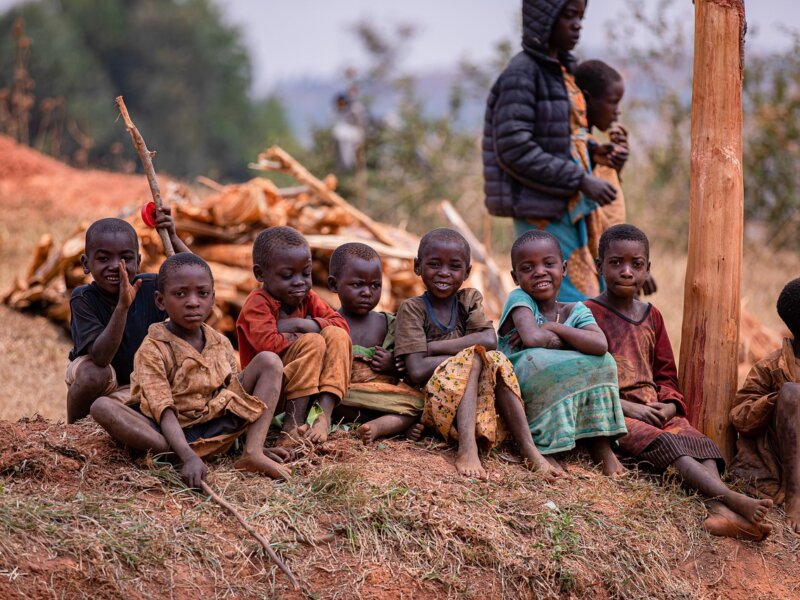
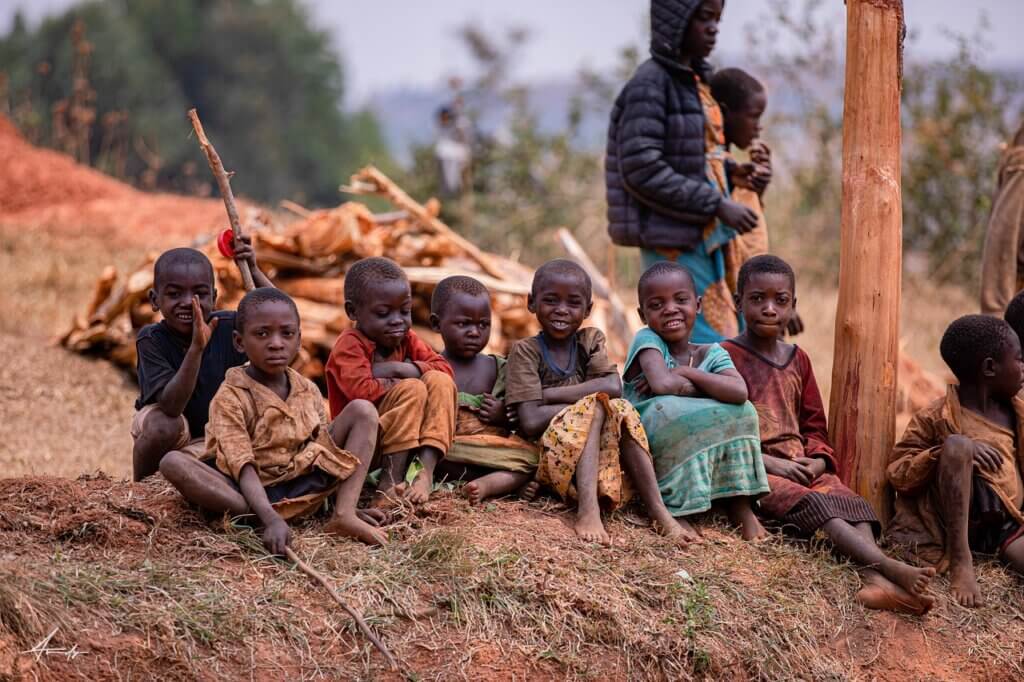
Furthermore, traditional hospitality remains an important part of everyday life. Travellers can learn about local customs through respectful interactions with residents and participation in suitable community experiences.
Exploring both countries therefore provides a valuable opportunity to appreciate cultural similarities while recognising the traditions that make each destination unique.
Best Time to Visit Burundi and Rwanda for Safaris
Choosing the right travel season can improve your Burundi and Rwanda safari experience. Both countries have tropical climates influenced by altitude, rainfall patterns and geographical features. However, weather conditions can vary between destinations, particularly in mountainous areas.
Rwanda generally experiences two main dry seasons. The first runs from June to September, while the second usually occurs from December to February. These periods often provide favourable conditions for gorilla trekking, wildlife viewing and road travel.
The longer rainy season generally occurs from March to May. Another rainy period usually occurs from October to November. During these months, forest trails can become muddy, and some rural roads may require additional travel time.
Burundi also experiences distinct wet and dry periods. The dry months generally offer convenient conditions for exploring the countryside, visiting waterfalls and enjoying Lake Tanganyika.
However, rainfall does not necessarily prevent travel. Both countries remain attractive throughout the year, and wet seasons can create beautiful green landscapes.
For gorilla trekking, visitors should remember that mountain gorillas remain in their natural habitat throughout the year. Trekking takes place in different weather conditions, although the trails can become more challenging during rainy periods.
Wildlife viewing in Akagera can also vary with seasonal conditions because vegetation and water availability influence animal movements.
Ultimately, the best time depends on your preferred activities, available travel dates and accommodation choices.
Booking early for popular gorilla trekking periods helps secure permits and suitable accommodation.
How to Travel Between Rwanda and Burundi
Cross border travel between Rwanda and Burundi creates an exciting opportunity to experience both destinations during one holiday. Their shared international border makes it possible to travel between the countries by road.
Kigali is a convenient starting point for many Rwanda and Burundi safari itineraries. From Kigali, travellers can drive towards the southern part of Rwanda before continuing to an approved international border crossing.
The journey provides opportunities to appreciate Rwanda’s rolling hills, rural settlements and agricultural landscapes. After completing the required immigration procedures, visitors continue into Burundi.
The exact route depends on the chosen attractions, border arrangements and accommodation locations.
Travellers heading towards Bujumbura may plan their journey through southern Burundi. Those interested in Gitega can organise a route that includes the central highlands and cultural attractions.
However, international border crossings require proper travel documentation. Visitors should confirm passport validity, visa requirements, entry conditions and vehicle documentation before departure.
Tour operators should also coordinate transportation arrangements and ensure that vehicles comply with relevant cross border requirements.
Journey times can change depending on road conditions, traffic and immigration procedures. Therefore, allowing sufficient time for border formalities helps prevent unnecessary pressure during the safari.
A well organised cross border journey should also include appropriate meal stops, rest breaks and overnight arrangements where necessary.
With proper planning, travelling between Rwanda and Burundi becomes an enjoyable part of the wider East African adventure.
Combining Burundi and Rwanda Safaris with Uganda
Combining Burundi and Rwanda safaris with Uganda creates an excellent opportunity to explore three East African destinations within one extended holiday.
Uganda offers remarkable wildlife experiences, including mountain gorilla trekking, chimpanzee tracking, savannah game drives, boat cruises and cultural encounters. Its national parks provide an impressive range of activities for travellers interested in nature and adventure.
Bwindi Impenetrable National Park remains one of the country’s most famous attractions because of its mountain gorilla population. Mgahinga Gorilla National Park offers additional opportunities for gorilla trekking and golden monkey tracking.
Queen Elizabeth National Park attracts visitors through its wildlife, crater lakes and Kazinga Channel boat cruises. Meanwhile, Murchison Falls National Park combines game drives with spectacular river scenery and the famous waterfall.
Kibale Forest National Park is particularly popular for chimpanzee tracking, while Lake Bunyonyi provides a peaceful environment for relaxation.
A combined itinerary can begin in Rwanda, continue through Burundi and return to Uganda, depending on flight arrangements and the preferred route.
Alternatively, visitors can begin in Uganda, explore Rwanda and finish in Burundi.
The ideal arrangement depends on international arrival and departure airports, available permits and the attractions travellers want to prioritise.
Combining these countries also provides opportunities to compare different cultures, landscapes and wildlife experiences.
For international visitors seeking a comprehensive East African safari, this three country combination creates a particularly rewarding holiday.
Combining Rwanda and Burundi with Tanzania and Kenya
Travellers planning a longer East African holiday can also combine Rwanda and Burundi with Tanzania and Kenya. These four countries offer different wildlife ecosystems, cultural experiences and geographical attractions.
Tanzania is famous for its large wildlife populations and remarkable national parks. Serengeti National Park attracts visitors through its extensive savannah landscapes and annual wildebeest migration. Ngorongoro Conservation Area offers spectacular scenery and excellent opportunities to observe wildlife within the crater.
Kenya provides additional wildlife experiences through Maasai Mara National Reserve, Amboseli National Park and other conservation areas. Visitors can enjoy game drives, cultural encounters and beautiful views of Mount Kilimanjaro.
Rwanda adds mountain gorilla trekking, rainforest experiences and the wildlife of Akagera National Park. Burundi contributes cultural attractions, Lake Tanganyika experiences and beautiful countryside scenery.
However, combining four countries requires careful logistical planning. Travellers must consider international flights, border crossings, vehicle arrangements, accommodation and the time required to explore each destination.
A journey covering all four countries may require two to three weeks or longer, depending on the number of activities included.
Travellers should also understand that different countries operate separate immigration systems and conservation fee structures.
For a more relaxed experience, it may be better to concentrate on two or three countries rather than attempting to visit too many destinations within a short period.
A professionally designed regional safari ensures that visitors enjoy meaningful experiences instead of spending most of their holiday travelling between destinations.
Suggested Burundi and Rwanda Safari Itineraries
The number of days available plays an important role when designing a Burundi and Rwanda safari. Travellers can choose shorter holidays focusing on the main attractions or longer journeys that include additional national parks, cultural activities and relaxation.
The following itinerary ideas provide useful starting points. Final routes should consider current road conditions, attraction access, accommodation availability and border arrangements.
5 Day Rwanda and Burundi Cultural Safari
A five day safari works well for travellers who want to experience the cultural highlights of both countries.
Day 1: Arrive in Kigali and enjoy a city tour featuring selected cultural and historical attractions.
Day 2: Travel from Kigali towards southern Rwanda and continue into Burundi. Enjoy the countryside scenery and transfer to Gitega.
Day 3: Explore Gitega, visit the National Museum and experience traditional drumming at Gishora.
Day 4: Travel towards Bujumbura and explore Rusizi National Park and selected attractions around Lake Tanganyika.
Day 5: Enjoy a relaxed morning beside Lake Tanganyika before departure arrangements.
This itinerary provides an introduction to the two countries without attempting to include too many destinations.
7 Day Rwanda and Burundi Discovery Safari
A seven day safari provides additional time to explore the natural and cultural attractions of both countries.
Day 1: Arrival in Kigali and hotel accommodation.
Day 2: Kigali city tour and transfer towards Volcanoes National Park.
Day 3: Mountain gorilla trekking in Volcanoes National Park.
Day 4: Travel towards Lake Kivu and enjoy a relaxing lakeside experience.
Day 5: Cross into Burundi and continue towards Gitega.
Day 6: Visit Gishora Drum Sanctuary, explore cultural attractions and continue towards Bujumbura.
Day 7: Explore Rusizi National Park and enjoy Lake Tanganyika before departure arrangements.
10 Day Burundi and Rwanda Wildlife and Cultural Safari
A ten day itinerary provides a more comprehensive experience by combining wildlife, cultural attractions and scenic destinations.
Day 1: Arrival in Kigali and hotel check in.
Day 2: Kigali city tour and transfer to Akagera National Park.
Day 3: Morning and afternoon wildlife experiences in Akagera National Park.
Day 4: Travel towards Volcanoes National Park.
Day 5: Mountain gorilla trekking in Volcanoes National Park.
Day 6: Golden monkey tracking or a relaxing experience around Lake Kivu.
Day 7: Travel towards Burundi through an appropriate international border crossing.
Day 8: Explore Gitega and visit Gishora Drum Sanctuary.
Day 9: Visit Karera Waterfalls or explore selected attractions in southern Burundi.
Day 10: Travel towards Bujumbura, enjoy Lake Tanganyika and arrange departure.
Accommodation Options During Burundi and Rwanda Safaris
Accommodation plays an important role in determining the comfort and overall quality of a safari. Burundi and Rwanda offer different accommodation categories, allowing visitors to choose properties that match their budgets and expectations.
Rwanda has developed a diverse hospitality sector, particularly around its main tourism destinations. Visitors can choose luxury lodges, boutique hotels, comfortable safari camps and budget guesthouses.
Near Volcanoes National Park, accommodation ranges from premium mountain lodges to smaller properties that provide convenient access to the gorilla trekking headquarters.
Akagera National Park offers safari accommodation that allows visitors to enjoy the natural environment while remaining close to wildlife activities.
Nyungwe also provides forest accommodation options suitable for travellers interested in chimpanzee tracking and nature experiences.
In Burundi, accommodation options are concentrated around Bujumbura, Gitega and other important destinations. Visitors can find hotels, guesthouses and selected comfortable properties suitable for different travel budgets.
Lake Tanganyika provides particularly attractive opportunities for lakeside accommodation. Travellers can enjoy beautiful views, peaceful surroundings and convenient access to the shoreline.
When selecting accommodation, consider location, room comfort, meals, road accessibility and proximity to planned activities.
For gorilla trekking, staying close to Volcanoes National Park helps reduce early morning travel.
Similarly, visitors planning to explore Akagera should select accommodation that supports their preferred game drive schedule.
A reliable safari operator should recommend properties that offer suitable standards, convenient locations and good value for money.
Transportation and Road Travel During Burundi and Rwanda Safaris
Transportation is an essential part of a successful Burundi and Rwanda safari. Although both countries have relatively compact geographical sizes, the condition of rural roads, mountainous landscapes and border procedures can influence travel schedules.
Private 4×4 safari vehicles offer a convenient option for visitors who want flexibility and comfort. These vehicles provide suitable transportation for countryside journeys, national park visits and cross border travel when the necessary arrangements are in place.
A professional driver guide also adds value to the journey. Beyond driving, the guide helps visitors understand local attractions, cultural traditions, wildlife and geographical features.
Road journeys through Rwanda provide beautiful views of rolling hills, cultivated landscapes and rural communities. Burundi offers similarly scenic countryside, particularly around Gitega and the southern highlands.
However, travellers should understand that driving distances do not always reflect actual journey times. Mountainous terrain, weather conditions, road surfaces and traffic can influence the duration of transfers.
Before confirming a safari, it is important to review the route and ensure that the itinerary allows enough time for each activity.
International travellers should also confirm whether their transportation provider has the appropriate permissions for cross border journeys.
Private transportation works particularly well for families, couples, small groups and travellers who prefer a personalised experience.
Comfortable seating, experienced drivers and well maintained vehicles help create a smoother journey throughout both countries.
Food and Culinary Experiences in Burundi and Rwanda
Food provides another excellent opportunity to understand Burundi and Rwanda during a safari. Both countries share some culinary traditions, although each maintains distinctive dishes and local preparations.
In Rwanda, visitors can enjoy dishes prepared with beans, potatoes, cassava, sweet potatoes, plantains, vegetables and meat. Isombe, prepared using cassava leaves, is among the country’s recognised traditional dishes.
Brochettes are also popular and commonly feature on restaurant menus. They provide a convenient option for visitors looking to enjoy grilled meat or other locally prepared ingredients.
In Burundi, food traditions also feature beans, cassava, plantains, sweet potatoes and locally available vegetables. Fresh fish from Lake Tanganyika provides another interesting culinary experience, particularly around Bujumbura.
Visitors can also enjoy different preparations of bananas, including cooking bananas that form an important part of local meals.
Coffee and tea represent important agricultural products in both countries. Travellers interested in agricultural tourism may enjoy learning about coffee production and the role these crops play in rural livelihoods.
Restaurants in major towns provide a mixture of traditional meals and international cuisine. Consequently, visitors can choose according to their preferences.
Trying local food creates a more meaningful connection with the destinations. It also supports local restaurants and food producers.
Travellers with dietary requirements should communicate their needs before booking accommodation and meals. This allows tour operators to make suitable arrangements throughout the safari.
Birdwatching Opportunities in Burundi and Rwanda
Burundi and Rwanda offer rewarding birdwatching opportunities because their different ecosystems support a wide range of bird species.
Rwanda’s forests, wetlands, lakes and savannah landscapes attract both resident and migratory birds. Nyungwe National Park remains particularly important for forest birdwatching because it supports numerous Albertine Rift endemic species.
Akagera National Park offers a different environment, with grasslands, wetlands and lakes that attract waterbirds and savannah species.
Lake Kivu also provides opportunities to observe birds along the shoreline and surrounding vegetation.
In Burundi, Rusizi National Park attracts birdwatchers through its wetlands and river habitats. Lake Tanganyika supports additional birdlife along its shoreline, while Kibira National Park provides opportunities to explore forest species.
Birdwatching can be arranged as a specialised activity or included as part of a general safari.
For the best experience, travellers should consider hiring knowledgeable local guides who understand bird identification, habitats and seasonal movements.
Binoculars, field guides, comfortable clothing and a camera can improve the experience.
Early morning activities often provide favourable conditions because many bird species become active during the cooler hours.
Both countries offer interesting opportunities for beginner and experienced birdwatchers.
For visitors who appreciate nature beyond large mammals, birdwatching adds another valuable dimension to Burundi and Rwanda safaris.
Responsible Tourism and Conservation in Burundi and Rwanda
Responsible tourism plays an important role in protecting the natural and cultural attractions of Burundi and Rwanda. Visitors can contribute positively by respecting wildlife, supporting local communities and following established tourism guidelines.
In Rwanda, conservation initiatives have helped strengthen the protection of mountain gorillas, national parks and important forest ecosystems. Gorilla tourism contributes to conservation funding and provides economic opportunities for surrounding communities.
Visitors must follow all gorilla trekking rules, including maintaining the required distance from the animals, respecting viewing time limits and following guide instructions.
Akagera and Nyungwe also benefit from responsible tourism through visitor revenue, conservation employment and environmental awareness.
In Burundi, tourism can support cultural preservation and natural resource protection. Visiting Gishora Drum Sanctuary helps promote traditional drumming heritage, while exploring national parks creates opportunities to support local conservation activities.
Travellers can also contribute by purchasing authentic local crafts, using community services and choosing responsible accommodation providers.
Avoiding litter, respecting local customs and protecting natural habitats should remain important throughout the journey.
Photography also requires consideration. Visitors should always request permission before photographing individuals, particularly during cultural activities and community visits.
Responsible tourism involves more than following rules. It means understanding how travel affects destinations and making decisions that support their long term wellbeing.
By choosing responsible operators and respecting local communities, visitors help ensure that Burundi and Rwanda remain valuable destinations for future generations.
What to Pack for Burundi and Rwanda Safaris
Packing appropriately helps visitors enjoy Burundi and Rwanda more comfortably. Although both countries have tropical climates, altitude differences and changing weather conditions mean that travellers should prepare for different environments.
For Rwanda’s mountain trekking activities, comfortable hiking clothes and sturdy walking shoes are important. Visitors planning gorilla trekking should carry suitable clothing that protects their arms and legs from vegetation.
A lightweight waterproof jacket is useful because mountain weather can change quickly.
For general sightseeing, comfortable trousers, shirts and walking shoes provide practical options. Lightweight clothing works well in warmer areas such as Bujumbura and around Lake Tanganyika.
A sun hat, sunglasses and sunscreen can help protect visitors during outdoor activities.
Insect repellent may also prove useful, particularly when exploring forested and wetland environments.
Travellers interested in wildlife photography should bring suitable cameras, spare batteries and memory cards. Binoculars can also improve wildlife viewing and birdwatching experiences.
Personal medication and basic travel supplies should form part of the packing list. Visitors should also carry their travel documents securely.
For gorilla trekking, some parks provide opportunities to hire porters. Using a porter can make the walk more comfortable while supporting local livelihoods.
Avoid overpacking because luggage space may become limited during long road journeys.
Most importantly, prepare according to the actual activities included in your itinerary rather than packing for every possible situation.
Travel Requirements, Visas and Border Regulations
International travellers planning Burundi and Rwanda safaris should understand the entry requirements for both destinations before departure. Immigration regulations can vary according to nationality, passport type and travel purpose.
Rwanda operates its own immigration system, while Burundi maintains separate entry procedures. Therefore, visitors should not assume that permission to enter one country automatically provides permission to enter the other.
Travellers should confirm whether they require visas, whether they qualify for visa on arrival or whether they can apply through an online immigration system.
Passport validity is another important consideration. Visitors should ensure that their passports meet the validity requirements of both countries.
Those travelling by road should also carry the required travel documents and confirm the transportation provider’s cross border arrangements.
Depending on nationality and current regulations, additional documentation may apply to particular travellers.
Health entry requirements can also change. Therefore, visitors should check current public health guidance and any applicable vaccination documentation requirements before travelling.
For gorilla trekking and other national park activities, separate permits or activity bookings may be necessary. These should be secured through the relevant authorities or authorised tourism providers.
It is advisable to confirm all requirements before paying for international flights or finalising a safari.
A professional tour operator can assist with itinerary planning and explain the documents required for the proposed route. However, travellers remain responsible for ensuring that their personal travel documents meet official immigration requirements.
Proper preparation helps prevent unnecessary delays and makes cross border travel more convenient.
Budgeting for Burundi and Rwanda Safaris
The cost of Burundi and Rwanda safaris depends on several factors, including travel duration, accommodation standards, transportation, activities, park fees and the number of travellers.
Rwanda’s mountain gorilla permits represent an important part of the budget for visitors planning gorilla trekking. Other activities, including chimpanzee tracking, golden monkey tracking and national park experiences, also carry separate costs.
Accommodation can create significant differences between budget, midrange and luxury safaris. Premium lodges generally offer additional comfort, specialised services and convenient locations near major attractions.
Burundi can provide a different range of accommodation and activity costs. Travellers may choose comfortable city hotels, countryside guesthouses or selected lakeside properties.
Transportation also affects the total safari price. Private 4×4 vehicles provide flexibility but usually cost more than shared arrangements.
The number of travellers matters because some expenses, particularly vehicle hire and guiding services, can be shared among group members.
International flights, visas, travel insurance and personal expenses should also form part of the overall travel budget.
When comparing safari quotations, travellers should examine what each package includes. Some quotations cover accommodation, meals, permits, transportation and guiding services, while others exclude certain expenses.
A low initial price does not always represent the best value.
The most suitable safari should balance affordability, comfort, safety, reliable services and the quality of experiences.
Planning early also provides more opportunities to secure suitable accommodation and popular wildlife activities.
Family Holidays and Private Safaris in Burundi and Rwanda
Burundi and Rwanda can provide rewarding holiday experiences for families and private travel groups. However, the itinerary should match the ages, interests and physical abilities of everyone travelling.
Rwanda offers several family friendly experiences, including Kigali city tours, Akagera wildlife safaris, Lake Kivu relaxation and selected cultural activities.
Akagera National Park can be particularly attractive for families because game drives allow visitors to observe wildlife from the comfort of a safari vehicle.
Burundi also offers opportunities for family discovery through cultural visits, scenic drives, lakeside activities and selected nature experiences.
A private safari provides greater flexibility because families can organise their travel schedules according to their needs.
Parents can arrange suitable departure times, comfortable accommodation and activities that match their children’s interests.
However, age restrictions apply to certain wildlife activities. Mountain gorilla trekking, for example, has a minimum age requirement of 15 years under established park regulations. Other activities may also have specific age or safety conditions.
Therefore, families should check eligibility before confirming permits.
Private safaris also work well for couples, photographers, small groups and travellers who want a more personalised experience.
A good itinerary should avoid excessive driving, include suitable rest periods and select accommodation that meets the group’s comfort expectations.
With thoughtful planning, families can enjoy a meaningful African holiday while discovering the natural and cultural attractions of both countries.
Luxury Burundi and Rwanda Safari Experiences
Luxury Burundi and Rwanda safaris provide an opportunity to explore both countries while enjoying premium accommodation, private transportation and personalised services.
Rwanda has developed a strong luxury tourism sector, particularly around Volcanoes National Park. Visitors can choose high end mountain lodges that combine beautiful surroundings with comfortable rooms, quality dining and attentive hospitality.
Luxury accommodation near Akagera also allows travellers to enjoy wildlife experiences while staying in properties designed around the natural environment.
Lake Kivu provides additional opportunities for relaxation in attractive lakeside hotels and resorts.
In Burundi, luxury travellers can enjoy selected hotels in Bujumbura and comfortable accommodation around Lake Tanganyika. These properties provide opportunities to relax while enjoying the surrounding scenery.
Private transportation is another important feature of a luxury safari. Travellers can enjoy dedicated vehicles, experienced guides and flexible schedules.
A luxury itinerary may include gorilla trekking, private cultural experiences, scenic flights where available, carefully selected restaurants and relaxing lakeside stays.
However, luxury travel should not focus only on accommodation standards. The quality of the guiding experience, organisation and destination knowledge also matters.
A well designed luxury safari combines comfort with meaningful experiences and responsible tourism.
Travellers who prefer premium holidays can therefore explore Burundi and Rwanda without sacrificing cultural authenticity or opportunities to appreciate nature.
Photography Experiences During Burundi and Rwanda Safaris
Burundi and Rwanda provide excellent photography opportunities through their diverse landscapes, wildlife, cultural activities and local communities.
Rwanda’s mountain gorillas offer one of the most memorable wildlife photography experiences in Africa. Visitors can capture images of gorilla families within the natural forest environment, subject to park photography rules.
Akagera provides opportunities to photograph elephants, giraffes, zebras, buffaloes, birds and other wildlife against beautiful savannah backgrounds.
Nyungwe’s rainforest creates a different photographic environment. Visitors can capture forest landscapes, primates, colourful birds and views from the canopy walkway.
Burundi offers equally interesting subjects through its lakes, waterfalls, traditional drummers and countryside scenery.
Gishora Drum Sanctuary provides particularly memorable opportunities to photograph traditional performances, although visitors should respect local photography guidelines.
Lake Tanganyika offers opportunities for landscape photography, especially during sunrise and sunset.
Karera Waterfalls provide another attractive subject through their cascading water and surrounding vegetation.
Travellers should prepare appropriate camera equipment according to their interests. A versatile zoom lens can help with wildlife photography, while a wide angle lens works well for landscapes.
However, visitors should always respect wildlife viewing rules and community privacy.
Good photography should never interfere with conservation activities or the comfort of local residents.
With patience and responsible behaviour, a Burundi and Rwanda safari can produce beautiful photographs that preserve memories of an exceptional East African journey.
Why Book Your Burundi and Rwanda Safari with Giant Holiday Safaris?
Planning a successful safari across two countries requires destination knowledge, careful organisation and reliable local support. Giant Holiday Safaris understands the importance of creating travel experiences that combine comfort, authentic discovery and responsible tourism.
As an East African tour operator, we focus on helping international visitors explore the region through carefully organised safari packages and personalised travel arrangements.
Our approach begins with understanding your interests, travel dates, budget and preferred accommodation standards. We then develop an itinerary that reflects your expectations while considering practical travel arrangements between destinations.
Whether you want to experience mountain gorilla trekking in Rwanda, discover traditional drumming in Burundi, explore Akagera National Park or relax beside Lake Tanganyika, we can help organise a suitable safari experience.
We also understand that different travellers have different expectations. Some visitors prefer budget friendly holidays, while others seek midrange comfort or luxury accommodation.
Therefore, we aim to provide suitable options without compromising the quality of the overall experience.
Our safari planning can include transportation, accommodation, experienced guides, selected activities, park arrangements and other agreed services.
We also recognise the importance of responsible tourism. Supporting local communities, respecting cultural traditions and promoting wildlife conservation remain important considerations when planning African holidays.
For visitors interested in exploring more of the region, we can also help combine Burundi and Rwanda with Uganda, Kenya and Tanzania.
Our goal is to make your African holiday enjoyable, informative and memorable from arrival to departure.
Frequently Asked Questions About Burundi and Rwanda Safaris
Are Burundi and Rwanda good destinations for an African safari?
Yes. Burundi and Rwanda offer excellent opportunities for travellers interested in wildlife, nature, culture, history and adventure. Rwanda is particularly famous for mountain gorilla trekking, golden monkey tracking, Akagera wildlife safaris and Nyungwe rainforest experiences. Burundi attracts visitors through Lake Tanganyika, traditional drumming, Karera Waterfalls, Gitega and its beautiful countryside.
Combining the two countries creates a more diverse holiday because visitors experience different attractions within the same regional journey.
How many days do I need for a Burundi and Rwanda safari?
A five to seven day safari can provide an introduction to the main attractions of both countries. However, visitors interested in mountain gorilla trekking, Akagera National Park, Lake Kivu, Gitega, Gishora Drum Sanctuary and Lake Tanganyika should consider spending at least eight to ten days.
Longer holidays allow additional time for forest exploration, cultural activities and relaxation.
Can I combine gorilla trekking with a Burundi safari?
Yes. Travellers can arrange mountain gorilla trekking in Rwanda’s Volcanoes National Park and continue into Burundi for cultural and natural experiences.
The itinerary can include Gishora Drum Sanctuary, Lake Tanganyika, Rusizi National Park, Karera Waterfalls and other attractions, depending on the available time.
Alternatively, visitors can arrange gorilla trekking in Uganda before exploring Rwanda and Burundi.
What is the best time to visit Burundi and Rwanda?
June to September and December to February generally provide favourable conditions for many safari activities in Rwanda. These periods usually feature less rainfall, making forest trekking and wildlife viewing more convenient.
Burundi can also be explored during its drier months. However, both countries remain attractive throughout the year, and visitors can still enjoy many experiences during the rainy seasons.
Is it possible to travel from Kigali to Bujumbura by road?
Yes. Travellers can travel from Kigali to Bujumbura by road through an appropriate international border crossing.
The journey requires valid travel documents and compliance with immigration procedures. Travel time depends on road conditions, the selected route and border formalities.
What wildlife can I see in Rwanda?
Rwanda offers opportunities to encounter mountain gorillas, golden monkeys, chimpanzees, elephants, lions, buffaloes, giraffes, zebras, hippos, crocodiles and numerous bird species.
The wildlife available depends on the national park you visit and the time of year.
Does Burundi have wildlife safaris?
Yes. Burundi offers nature and wildlife experiences, particularly in Rusizi National Park and Kibira National Park.
Visitors can explore wetlands, forests and river environments while looking for hippos, crocodiles, birds, primates and other wildlife.
However, Burundi’s tourism experience places considerable emphasis on cultural attractions, scenic landscapes and nature exploration rather than large scale savannah game drives.
Can I visit Burundi and Rwanda with my family?
Yes. Families can enjoy city tours, cultural experiences, wildlife viewing, lakeside relaxation and selected nature activities.
However, parents should consider age restrictions for activities such as gorilla trekking and select accommodation and transportation that suit their family.
Do I need a visa to visit both countries?
Visa requirements depend on your nationality and the current immigration regulations of each country. Burundi and Rwanda operate separate immigration systems, so travellers should check the entry requirements for both destinations before departure.
What currency should I carry during my safari?
Rwanda uses the Rwandan franc, while Burundi uses the Burundian franc. Travellers may also find that some hotels and tourism providers accept international payment methods.
It is advisable to carry suitable local currency for small purchases and confirm payment arrangements with your tour operator before travelling.
Can I arrange a private Burundi and Rwanda safari?
Yes. Private safaris provide flexibility in accommodation, transportation, activities and travel schedules. They work particularly well for couples, families, photographers and small groups seeking personalised experiences.
Are Burundi and Rwanda suitable for luxury travellers?
Yes. Rwanda offers several high end lodges and hotels, particularly near Volcanoes National Park, Akagera National Park and Lake Kivu. Burundi also offers comfortable accommodation in Bujumbura and selected properties around Lake Tanganyika.
Travellers can combine luxury accommodation with private transportation and personalised activities.
Plan Your Burundi and Rwanda Safari with Giant Holiday Safaris
Burundi and Rwanda safaris provide an exceptional opportunity to discover two fascinating East African destinations through wildlife encounters, mountain adventures, cultural traditions, historical attractions and beautiful natural landscapes. From meeting endangered mountain gorillas in Volcanoes National Park to watching traditional drummers perform at Gishora, these countries offer experiences that appeal to different types of international travellers.
Rwanda introduces visitors to remarkable conservation achievements, beautiful mountain scenery, exciting wildlife and well established tourism experiences. Burundi complements this journey through Lake Tanganyika, Karera Waterfalls, Gitega, Rusizi National Park and its rich cultural heritage. Together, they create a rewarding African holiday that combines adventure, relaxation, education and authentic community experiences.
Whether you are interested in a short cultural escape, a seven day discovery holiday, a ten day wildlife and cultural adventure or an extended East African safari, Giant Holiday Safaris can help organise an itinerary that reflects your travel interests and expectations. We understand the importance of reliable transportation, suitable accommodation, knowledgeable guides and carefully planned activities.
Furthermore, travellers who want to explore beyond these two countries can extend their journeys to Uganda, Kenya and Tanzania for an even more comprehensive African experience.
If you are planning your next African holiday, consider Burundi and Rwanda safaris for an opportunity to discover beautiful landscapes, fascinating wildlife, remarkable cultural traditions and the authentic spirit of East Africa. With the right preparation and a well organised itinerary, your journey through Burundi and Rwanda can become one of the most rewarding travel experiences you will ever enjoy.